Newsroom training games
Practice cautious language, source labels, and uncertainty handling.
Try it now
Build a fictional election night simulator with uncertainty, reporting delays, newsroom choices, and nonpartisan result explanations. No real calls or…
Start with free starter credits
Shape an idea, make it playable, and share it with the people who will play.

Start with a spark, a world, or a what-if worth exploring.
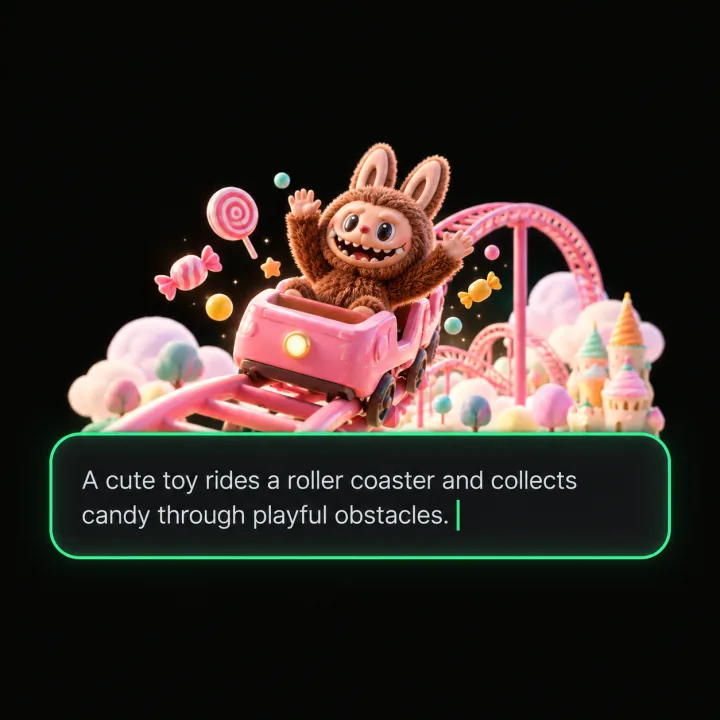
Turn the idea into a prompt with a player, a goal, and a core loop.
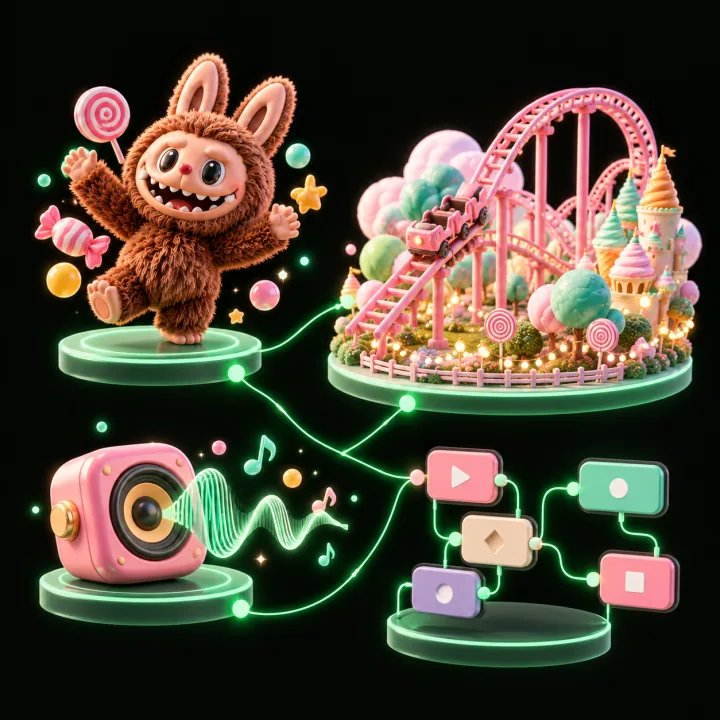
Shape the characters, environments, and systems that make it playable.
Try the game, tune the experience, and get it ready to share.
Invite others to explore the world you made.
Examples
Start with a direction that resembles your project, then change the mechanics, look, or audience before you build further.
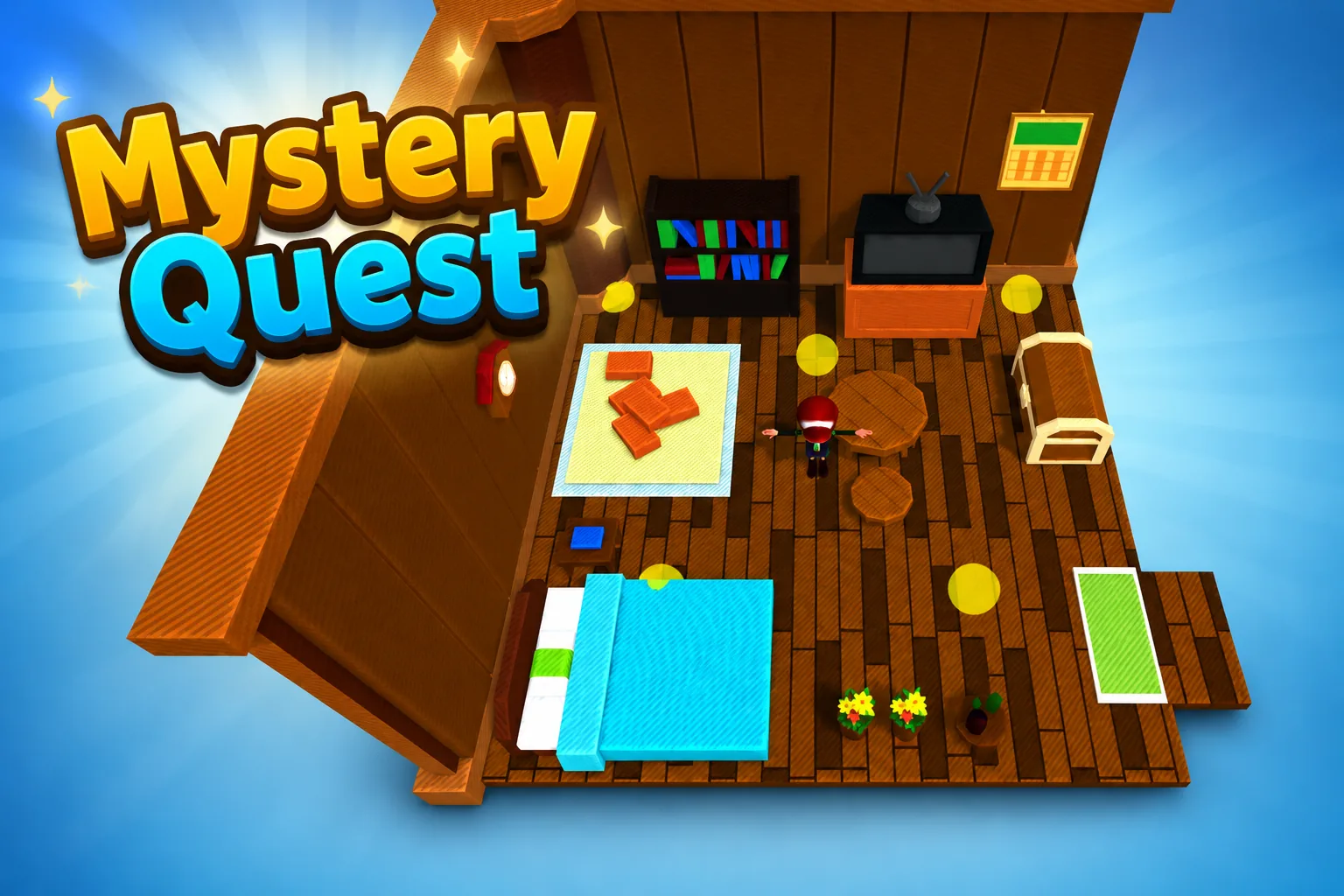 AdventureAdventure GamePlay game ↗
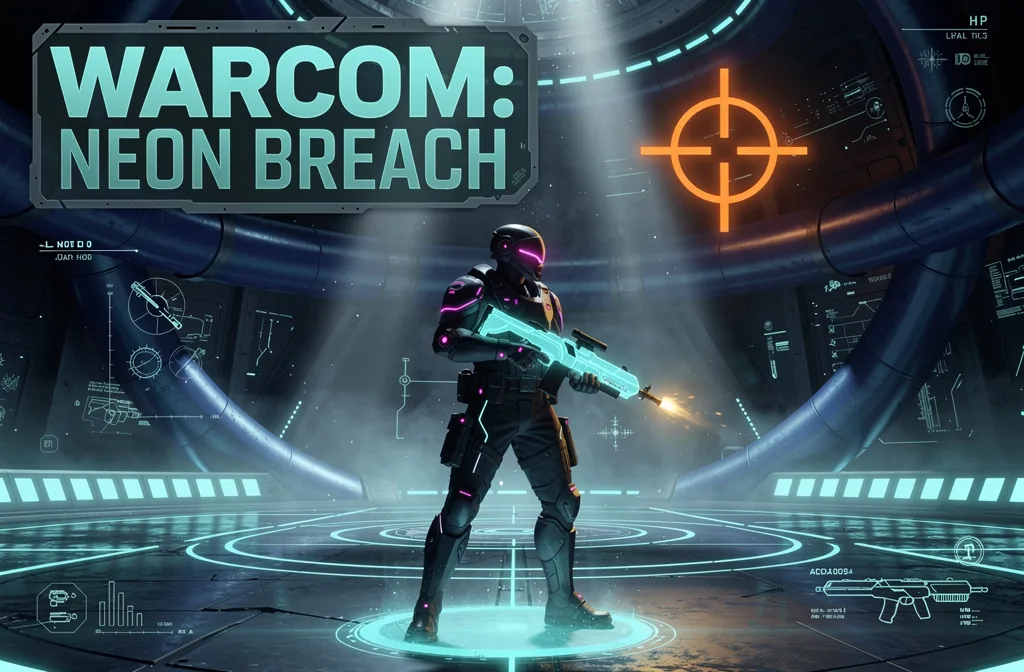 ShooterWarcom: Neon BreachPlay game ↗
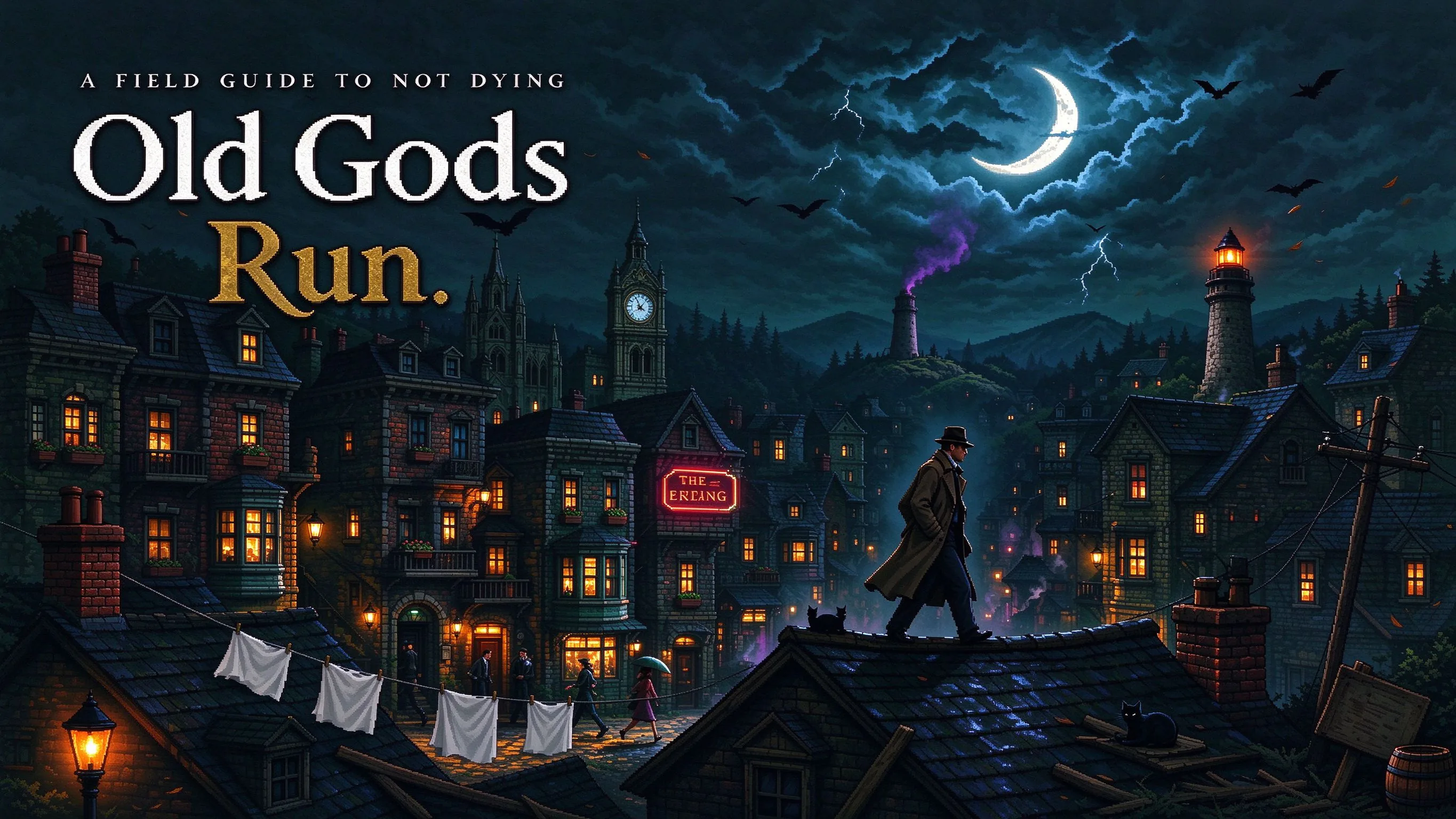 ActionOld Gods RunPlay game ↗
 CasualCaution! Egg on the Car RoofPlay game ↗
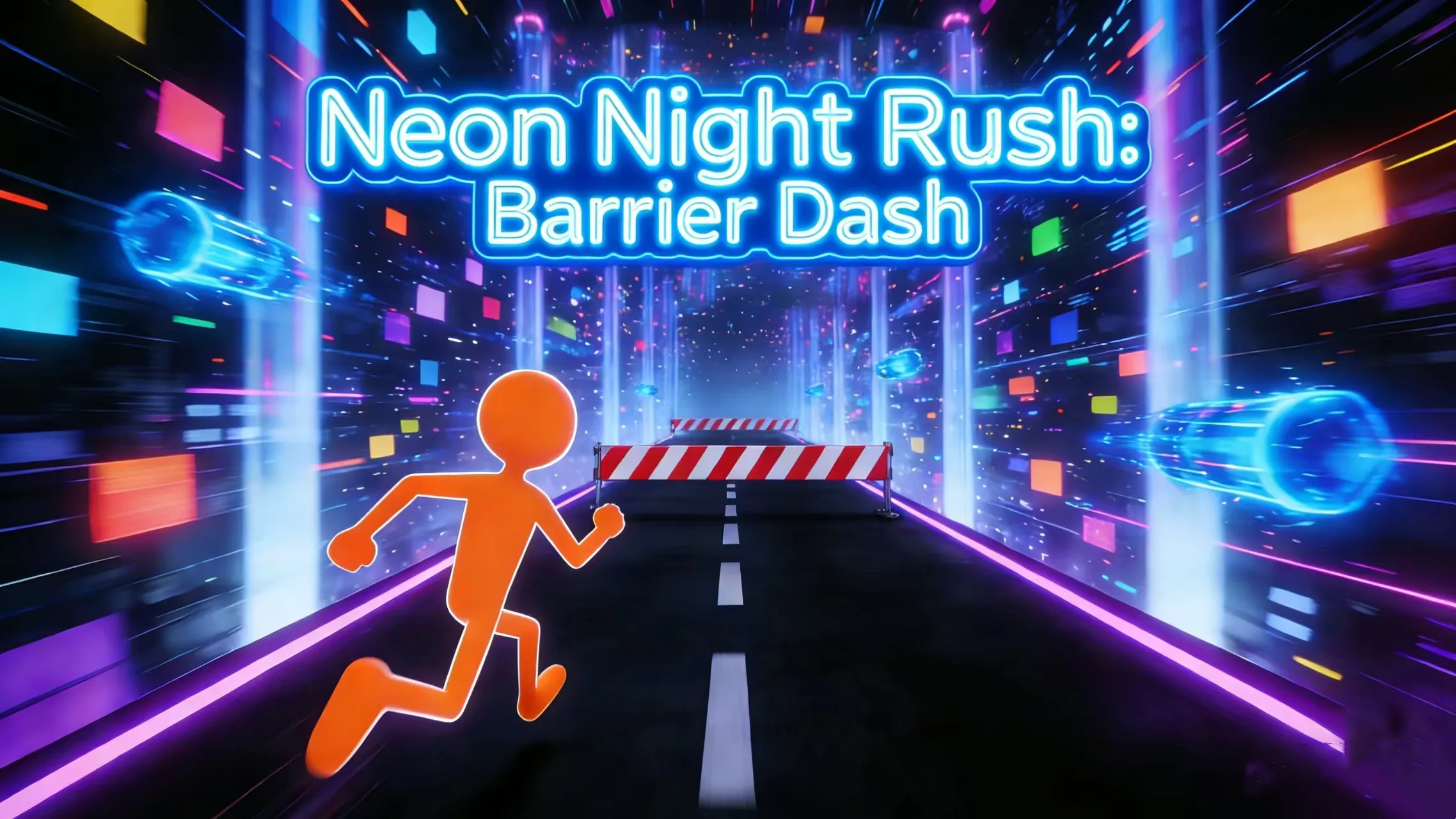 RunnerNeon Night Rush: Barrier DashPlay game ↗
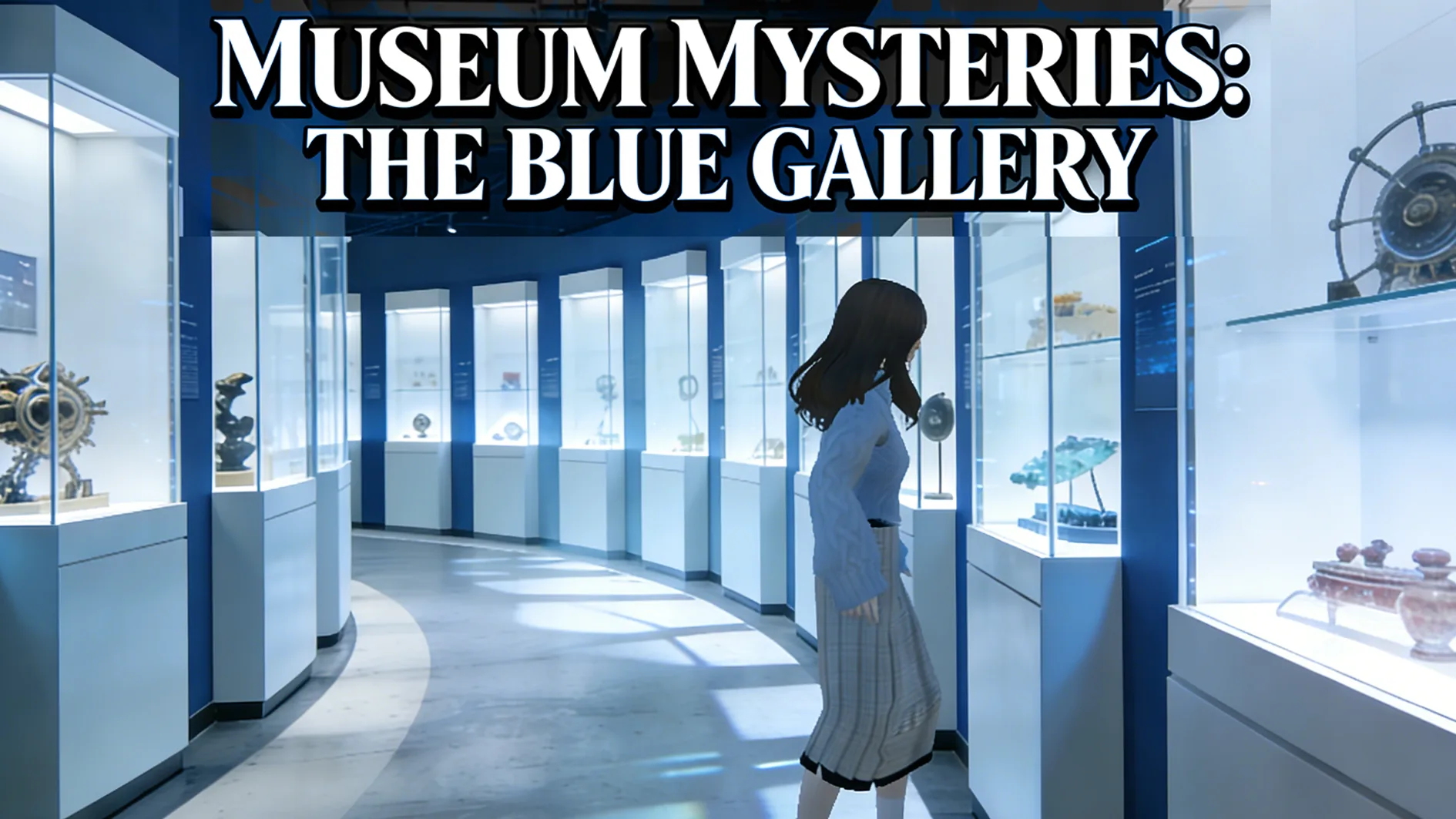 PuzzleMuseum ExhibitionPlay game ↗
 SimulationMilky Way Idle 3DPlay game ↗
 CasualSnowfall & Starry GiftsPlay game ↗
 RPGCrownfall-The-Three-Realms-CoverPlay game ↗
 SimulationFLYING CARPlay game ↗
Give an Election Night Simulator enough context to make the result specific, then test the part that matters to your project.
Use a fictional state, counties, offices, and candidates.
Add batches such as early mail, rural precincts, urban precincts, and provisional review without real totals.
Create labels like too early, trend unclear, hold for verification, and fictional scenario complete.
Why use it
Focus on the parts of the idea that need a concrete result before the next decision.
Practice cautious language, source labels, and uncertainty handling.
Try it nowSketch result cards, confidence states, and debrief panels before engineering.
Try it nowBuild a fictional interactive that explains election-night process without real claims.
Try it nowYou define who the experience serves and what a successful result needs to do.
Choose what comes next
The page can organize a proposal, but people still decide what is accurate, original, usable, and ready for the next stage.
You define who the experience serves and what a successful result needs to do.
You check factual fit, originality, continuity, accessibility, and whether the pieces work together.
You decide what is ready for implementation, sharing, publishing, or another round of work.
Who it is for
creators, designers, and small teams can use this page to make one project decision easier to test before a larger build or launch.
Use a fictional state, counties, offices, and candidates.
Add batches such as early mail, rural precincts, urban precincts, and provisional review without real totals.
Create labels like too early, trend unclear, hold for verification, and fictional scenario complete.
A clearer first move
A useful first result gives the next decision something concrete to react to, without hiding the work that still needs human ownership.
SEELE AI on YouTube
Reviews, walkthroughs, and games made with SEELE AI by creators on YouTube.
FAQ
No. It is a fictional simulator for learning and prototyping, not a live results source.
Prefer invented jurisdictions unless a human reviewer confirms the page is clearly historical or educational.
Yes, with fictional batches and clear uncertainty labels.
Describe the job, test one version, and decide what to do next inside SEELE AI.
Start creating