Faster first pass
Use natural language to reach a clearer prototype direction in minutes instead of starting from a blank file.
Use a text-to-game workflow to turn prompts into testable prototypes, clearer mechanics, and faster early-stage game validation.
Start with Text to Game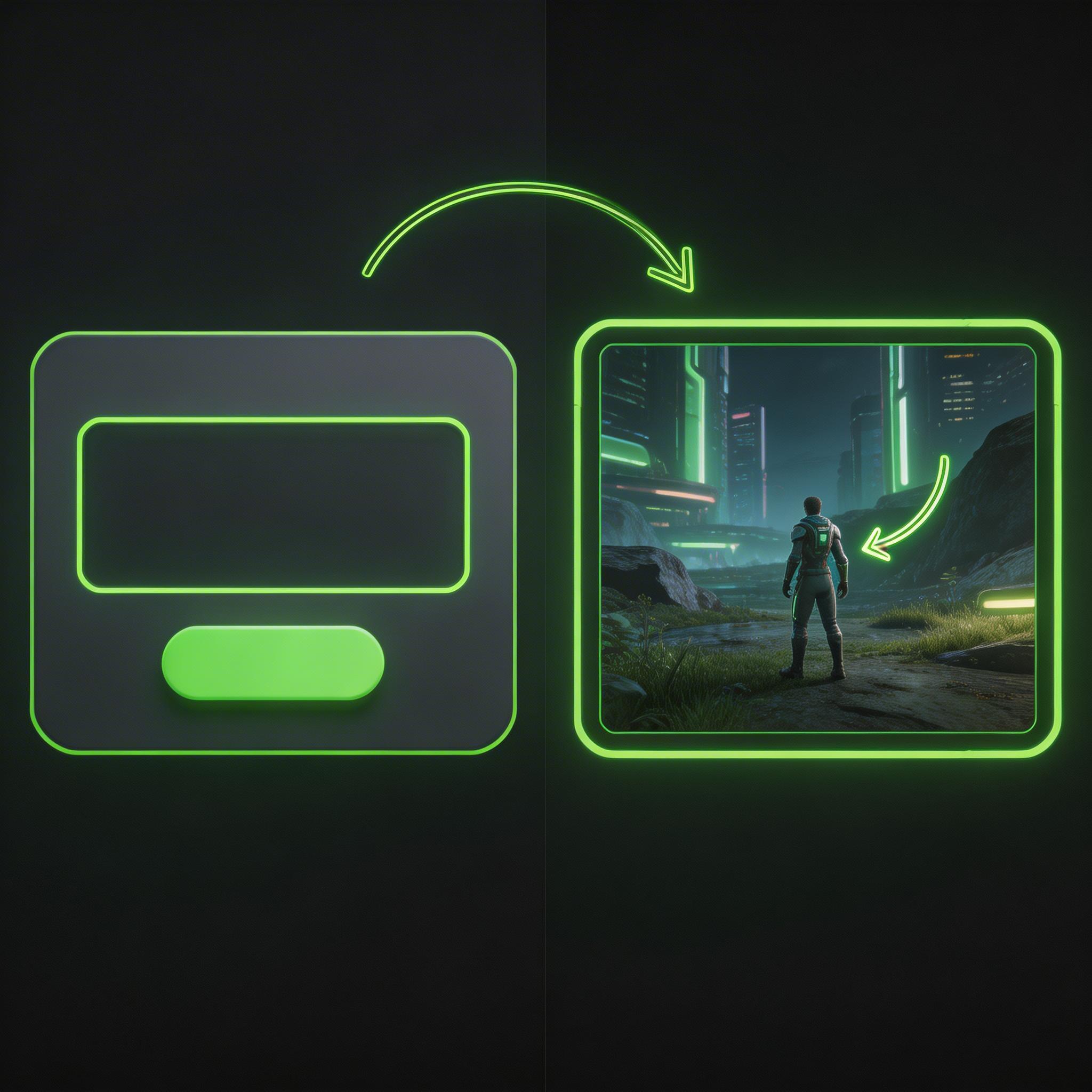
Text to Game is a faster way to start game creation. Instead of opening a blank engine project and building every layer manually, you describe the world, mechanics, and style you want, then use Seele to move toward a playable concept, scene direction, and first-pass asset workflow.
Use natural language to reach a clearer prototype direction in minutes instead of starting from a blank file.
Test whether a mechanic, theme, or world is worth deeper production before investing heavily.
Connect concept, scene direction, and early asset thinking inside the same creation flow.
Quickly validate whether a new mechanic or world fantasy is strong enough to keep building.
Start from a prompt and reach a workable direction faster when time is limited.
Use prompt-first creation to make game ideation more accessible in classroom settings.
Explore game ideas without requiring a full code-first setup at the earliest stage.
Create a cozy witch-shop management game with rainy-night atmosphere and light puzzle mechanics.Build a 3D sci-fi exploration prototype set inside a drifting orbital archive with eerie ambient light.Make a browser puzzle adventure where players rotate ancient mirrors to redirect beams and unlock ruins.A clearer playable concept
Scene and world direction
Starter asset cues for visuals and environment mood
An earlier decision point on whether the idea deserves full production
It means using natural language to describe a game idea and turning that text prompt into a more structured, more playable game prototype instead of beginning with a fully manual workflow.
Yes, for early-stage use cases it can create a playable prototype direction quickly. It works best as a fast validation workflow before deeper production, balancing, and polish.
Indie developers, non-technical creators, educators, and small teams benefit the most because it reduces the cost of exploring new ideas.
No. No. It is useful for both 2D and 3D concepts because the main value is compressing ideation, scene direction, mechanics framing, and prototype thinking into one workflow.
Complex systems, production polish, and final balancing still require deeper iteration after the first-pass concept is generated.