
The First game-native harness agent
Hire SeeleAgent
Build an AI Game Studio
SeeleAgent is a multimodal AI agent that turns one prompt into complete games, images, video, 3D assets, and code — powered by Seele02, a native multimodal foundation model, and the Seele PEGA Worldmodel for real-time, physics-driven 3D worlds.
Powered by Seele02 Multimodal Foundation Model and Seele PEGA Worldmodel
BossController.cs
using UnityEngine;

public class BossController : MonoBehaviour {
  [SerializeField] private float aggroRange = 12f;
  private State _state = State.Idle;
  private Transform _player;

  void Update() {
    var d = Vector3.Distance(transform.position, _player.position);

    if (d < aggroRange && _state == State.Idle)
      TransitionTo(State.Chase);
  }
}
Pick a skill. Start anywhere.
SeeleAgent ships with a growing library of skills — one for every modality. Invoke a single skill to generate a character, a texture, a track, a clip, and the agent runs it end to end. You can even teach it new ones.
One place to think, build, and
ship.
The SeeleAgent workspace is a single cloud environment where you generate images, video, 3D assets, game builds, and web projects — files, preview, agent chat, and runtime in one tab. Trusted by 3M+ creators as of 2026. Free to start.
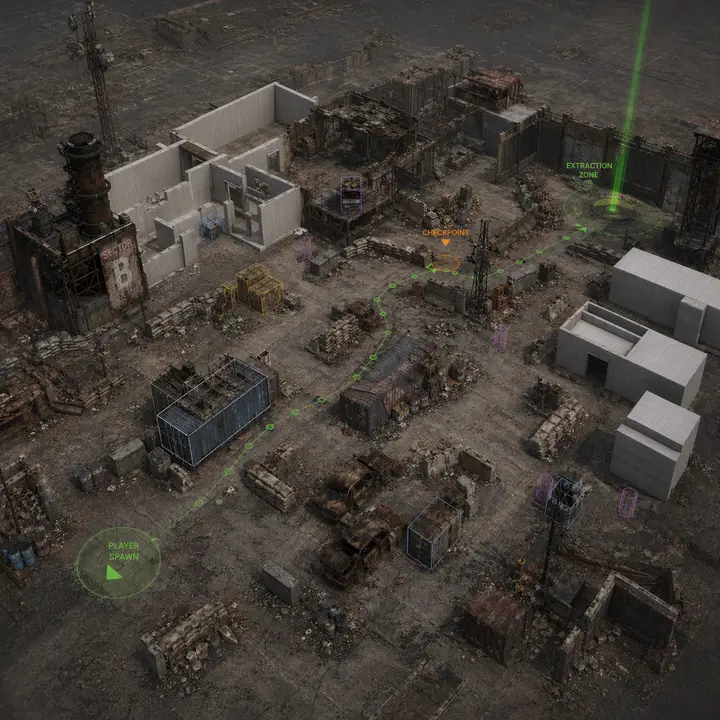
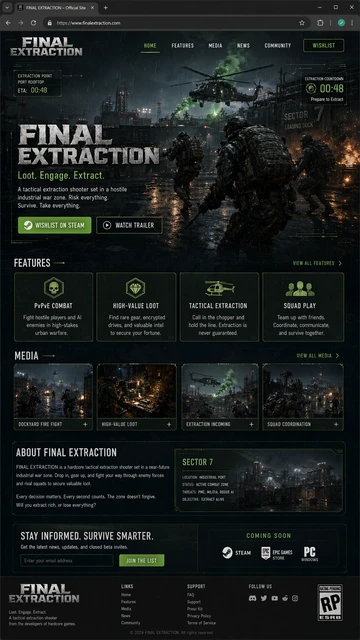
Rust Basin — extraction map
YOU
Build a wasteland extraction map — Rust Basin. Ruined refinery, rusted silos, sandstorm haze, 3 loot rooms, 2 extract zones.
Laying out a 12×12km post-collapse industrial valley. Core is a refinery with tall silos for LOS cover; NE helipad for fast extract, SW rail yard for silent extract. Tier-3 vault under the silo cluster, two tier-2 rooms at the pump house and control tower. Sandstorm weather volume, visibility 80m…
- terrain.generate→rust-basin-12×12km
- asset.place→silos×6, trucks×14, tanks×4
- loot.spawn→tier3-vault×1, tier2-room×2
- extraction.mark→ne-helipad, sw-rail-yard
- weather.apply→sandstorm-loop, vis-80m
YOU
Good. Add ambient radio chatter from the refinery speakers.
- audio.place→radio-chatter×4
- audio.loop→refinery-static.wav
Describe what you want to build…
Ten people used to do this. Now
one agent does.
SeeleAgent replaces what used to take a 10-person studio: from a single prompt it generates images, 3D assets, video, gameplay code, marketing materials, and complete games. Each card below is one stage of that pipeline.
Describe it.
Play it. In one prompt.
Seele02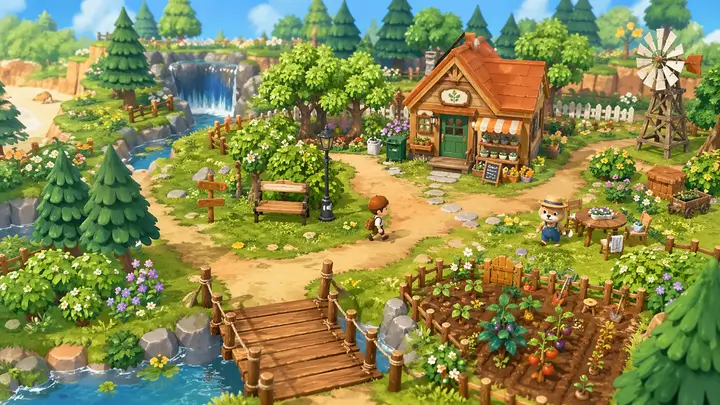
Three engines.
Multiplayer out of the box.
Three.js
Unity 6
Unreal
NPC with AI.
LYRA › Welcome, traveler. What brings you to the Amber Coast?
YOU › I’m looking for the lost shrine.
LYRA › The shrine lies beyond the▌
ClaudeOpus4.7Gpt-5.4Gemini3.1-ProSeele-Character
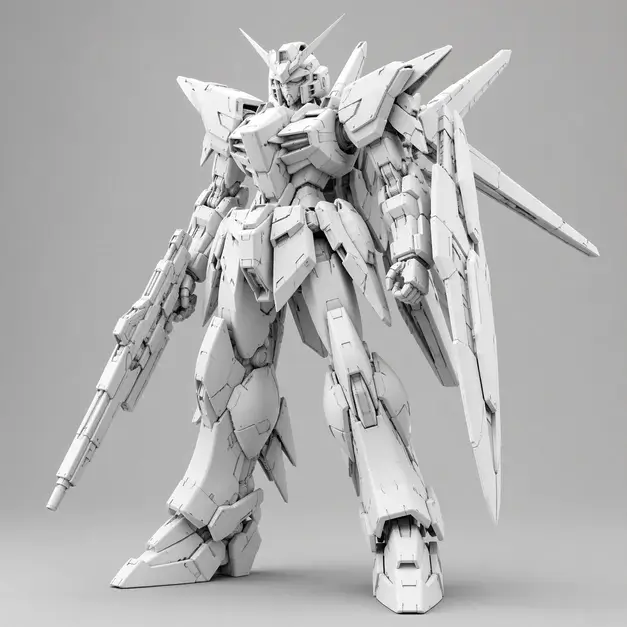
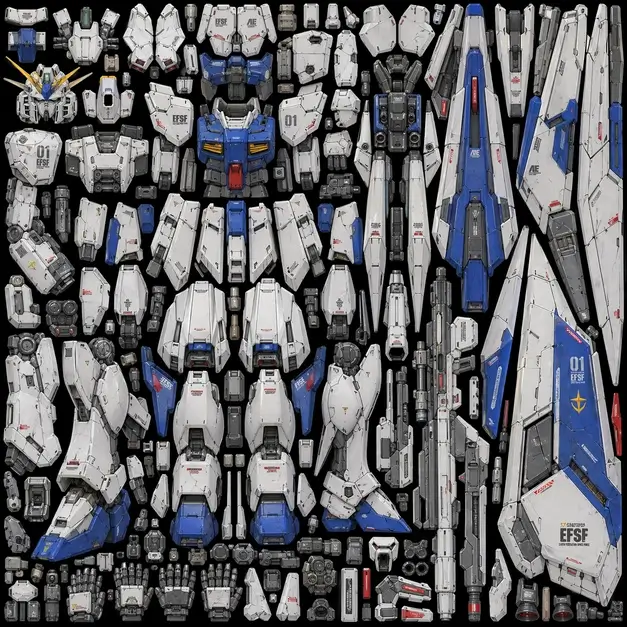
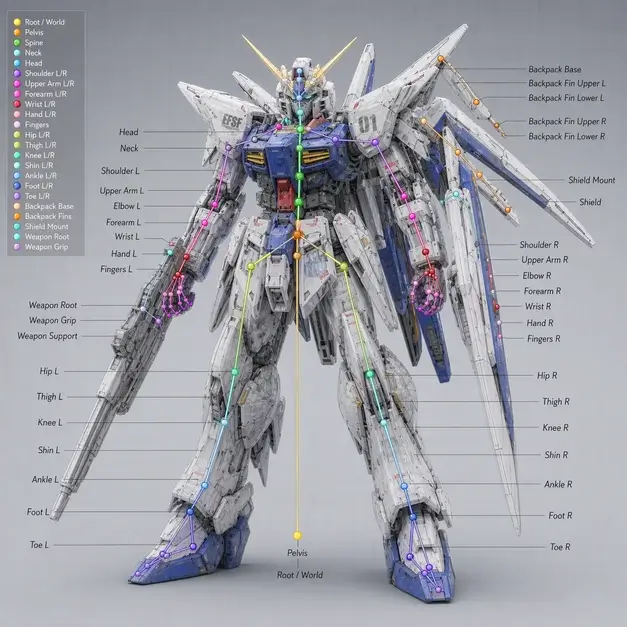
3D assets, textures, audio, rigs — generated.
suno
Your marketing team,
shipped.
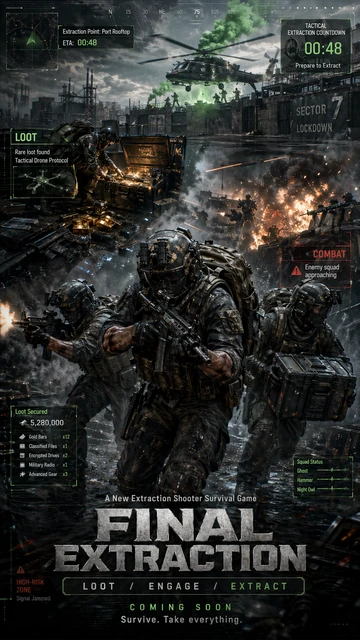
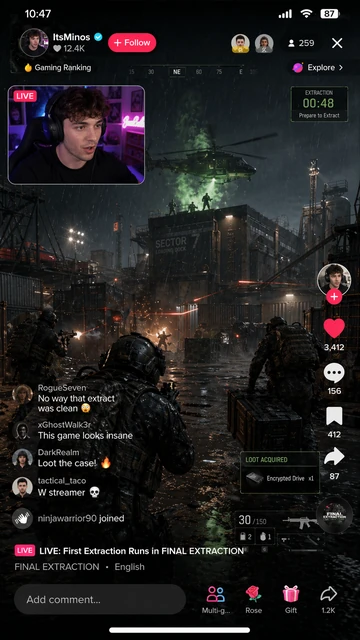
AI-generated videos, posters, and social posts — ready to ship.

Balance. Economy.
Worldbuilding.
| PARAM | OLD | NEW | |
|---|---|---|---|
| boss.hp | 800 | → | 720 |
| drop_rate | 12% | → | 18% |
| enemy.spd | 3.2 | → | 2.8 |
| world.era | 4th | → | 5th |
Teach your agent new tricks.
seele-agent
skills/×2
rhythm-game
shadertoy
tools/×1
shader-lint
Ship it. Then let the agent market it.
✓meta + structured data
✓12 backlinks submitted
→X · TikTok · 小红书

Stripe, PayPal, Alipay
— wired in.
creator80%
Stripe
PayPal
Alipay
Ads plug in. Revenue
splits auto.
eCPM
AdSense
AppLovin
AdinPlay
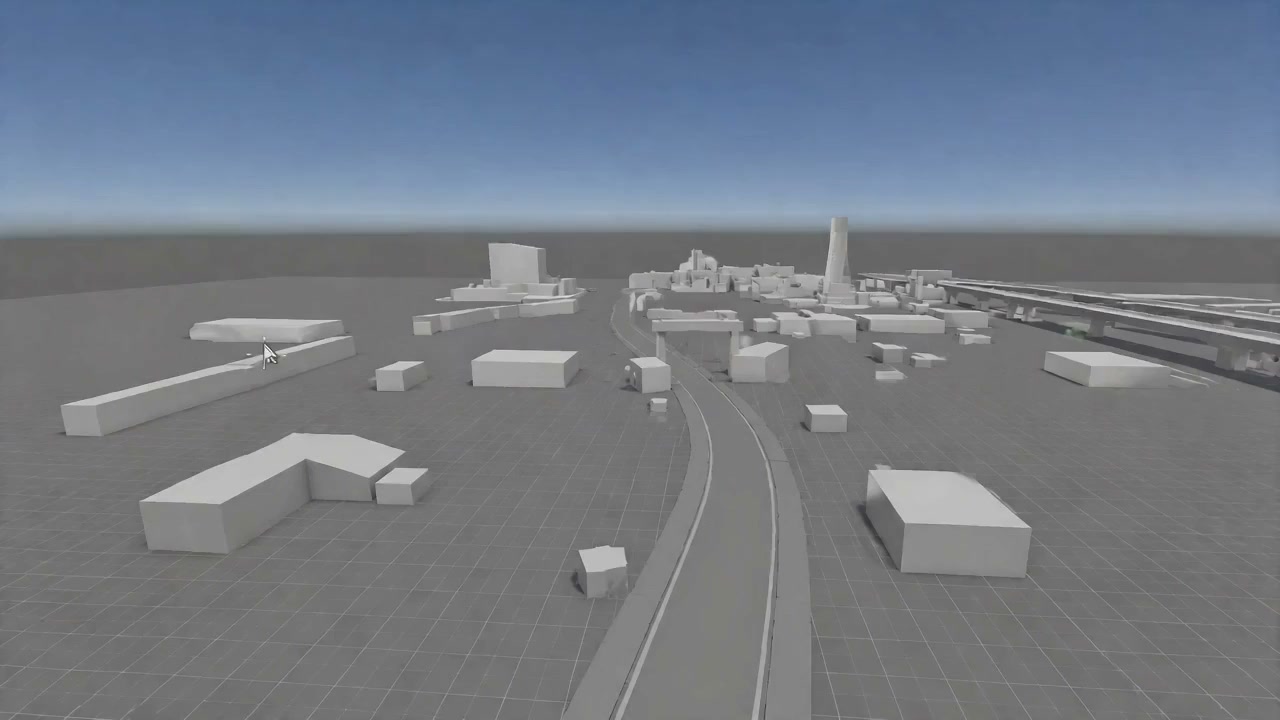
From 3D greybox to cinematic video
Describe a shot — SEELE builds a 3D greybox previz to lock the camera and motion, then repaints it frame-by-frame into a film-grade clip. Controllable, no drift.
Explore 3D Greybox Previz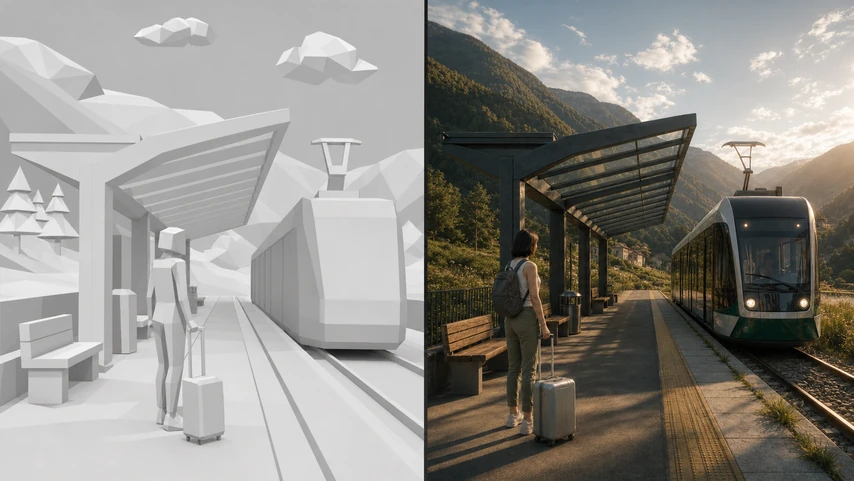 GREYBOX → FILM
The foundation model company for next-generation games
In-house multimodal foundation models, world models, and Agent systems
A sustainable technical backbone for the next generation of game production
Models
Seele02• LIVE
Seele02 is a native multimodal foundation model with a Mixture-of-Transformers (MoT) architecture — a unified representation of text, 3D, and space with native understanding, generation, and multi-turn editing. Tool-call ready as a general Agent base.
eva01• OSS SOON
eva01 treats mesh as a native language for multimodal models — it understands objects, generates geometry, and keeps editing across long context without losing identity.
Seele PEGA Worldmodel• COMING SOON
The Seele PEGA Worldmodel is a world model with long-term 3D context memory — it predicts how game worlds evolve across time with spatial consistency. The foundation for truly persistent, living games.
Research notes
EVA01: Giving MLLMs a Native 3D Hand
A unified 3D-native multimodal model — mesh understanding, generation, and context-aware multi-turn editing inside a single Mixture-of-Transformers architecture.
READ POST →PEGA-4Dworld: explicit 3D memory + 2D video generation
A hybrid world model that pairs explicit 3D memory with 2D video generation — preserving geometry, sustaining long-term coherence, and enabling controllable scene evolution.
READ POST →PEGA: physics embedded generative architecture for real-time worlds
PEGA trains graphics engines and video models as one end-to-end system through a shared physics-embedded representation for persistent real-time worlds.
READ POST →Ranked #1 on public game-dev benchmarks
SEELE02 leads two open Godot game-development benchmarks.
Scored by hidden validation scripts — not self-report. Open each board to verify.
GameCraft-Bench140 real Godot tasks
65.3%#1
+4.6 pts over GPT-5.6 Sol
GameDevBench333 real Godot tasks
65.8%#1
+3.34 pts over GPT-5.6 Sol
Built with
by creators.


Flexible Pricing Plans for Every Creator
Instant access to Seele02-Pro, faster generation across all modalities, and full ownership of everything you create.
FAQs — AI Game Generation and Beyond
How SeeleAgent builds games, images, videos, 3D assets, and more.
Your studio is one prompt away.
SeeleAgent builds 2D and 3D games — mobile and multiplayer — with export to Unity 6, Three.js, and WebGL, and distribution to Steam, App Store, and Google Play. Open the workspace and ship your first game, video, or scene tonight.