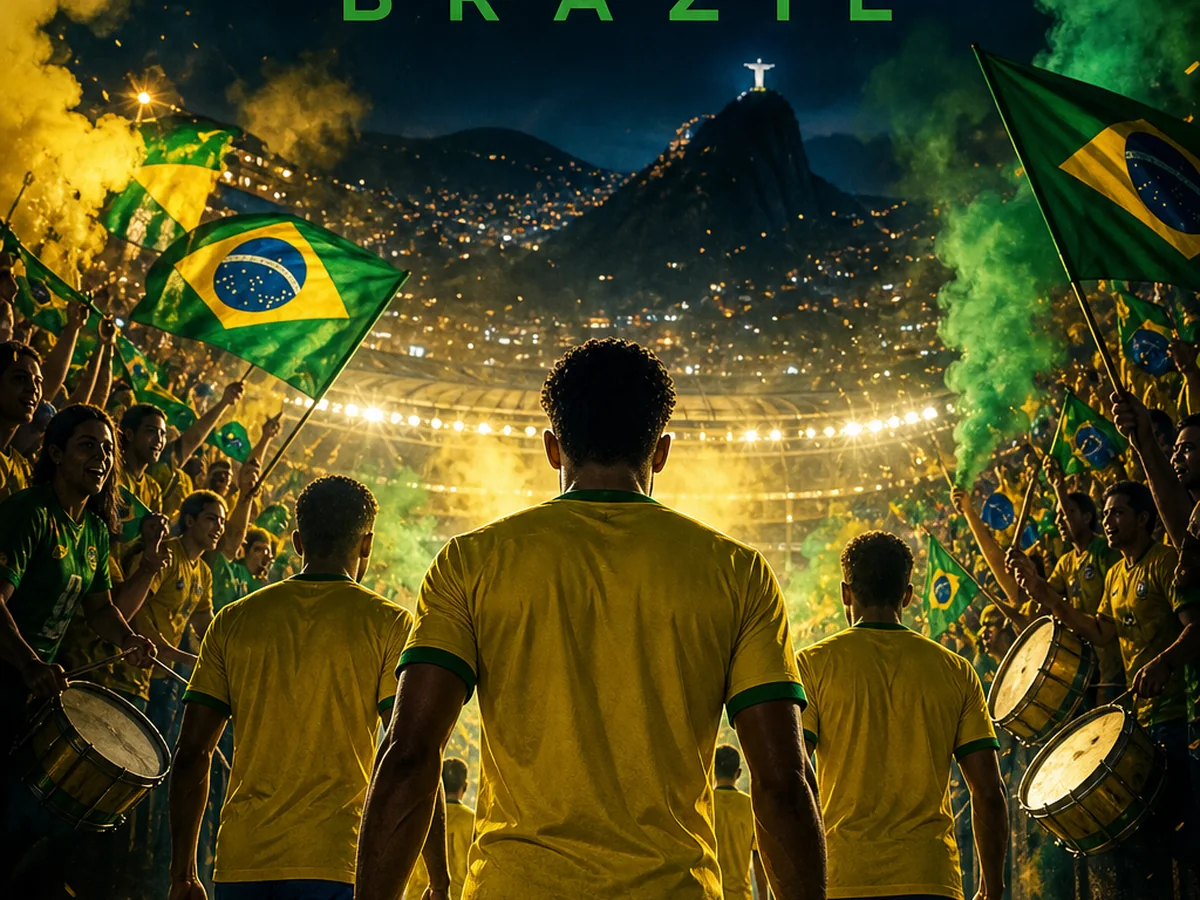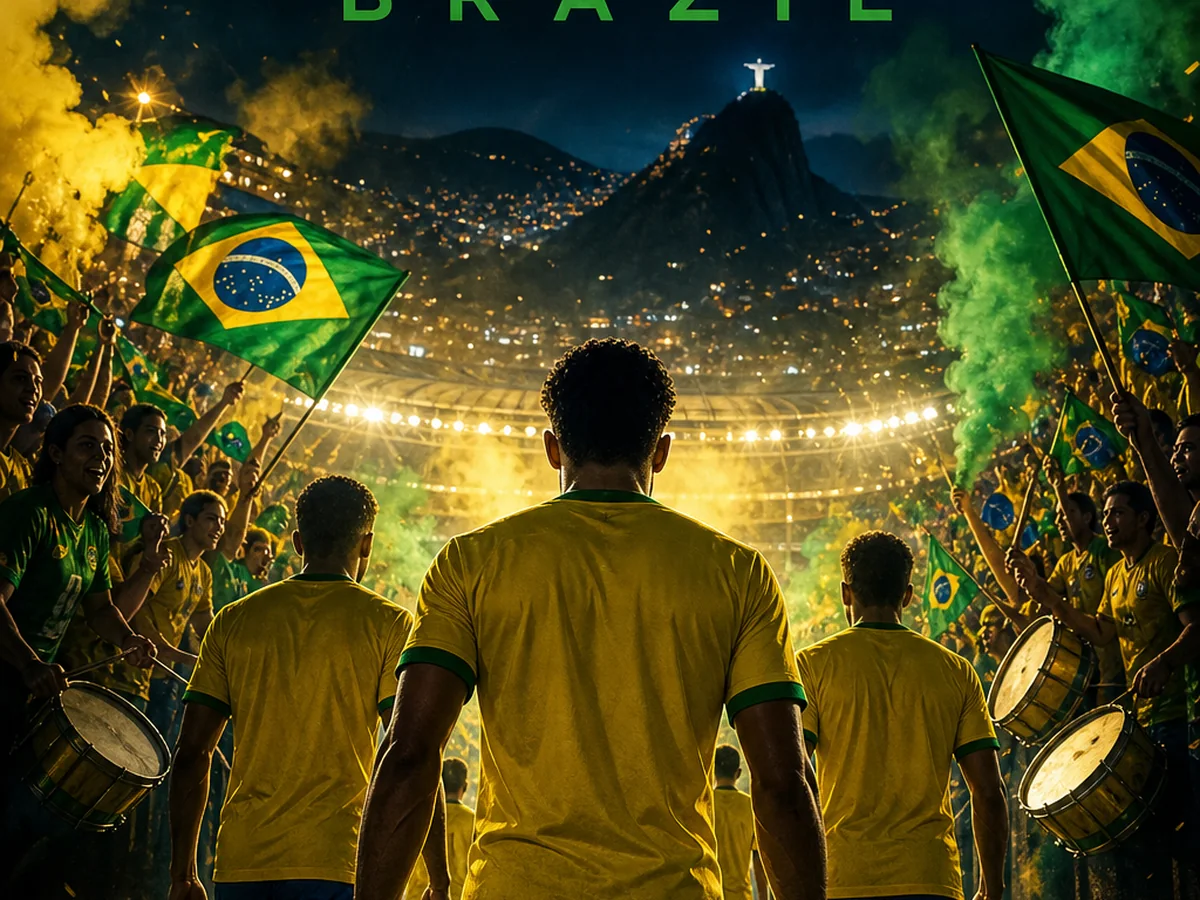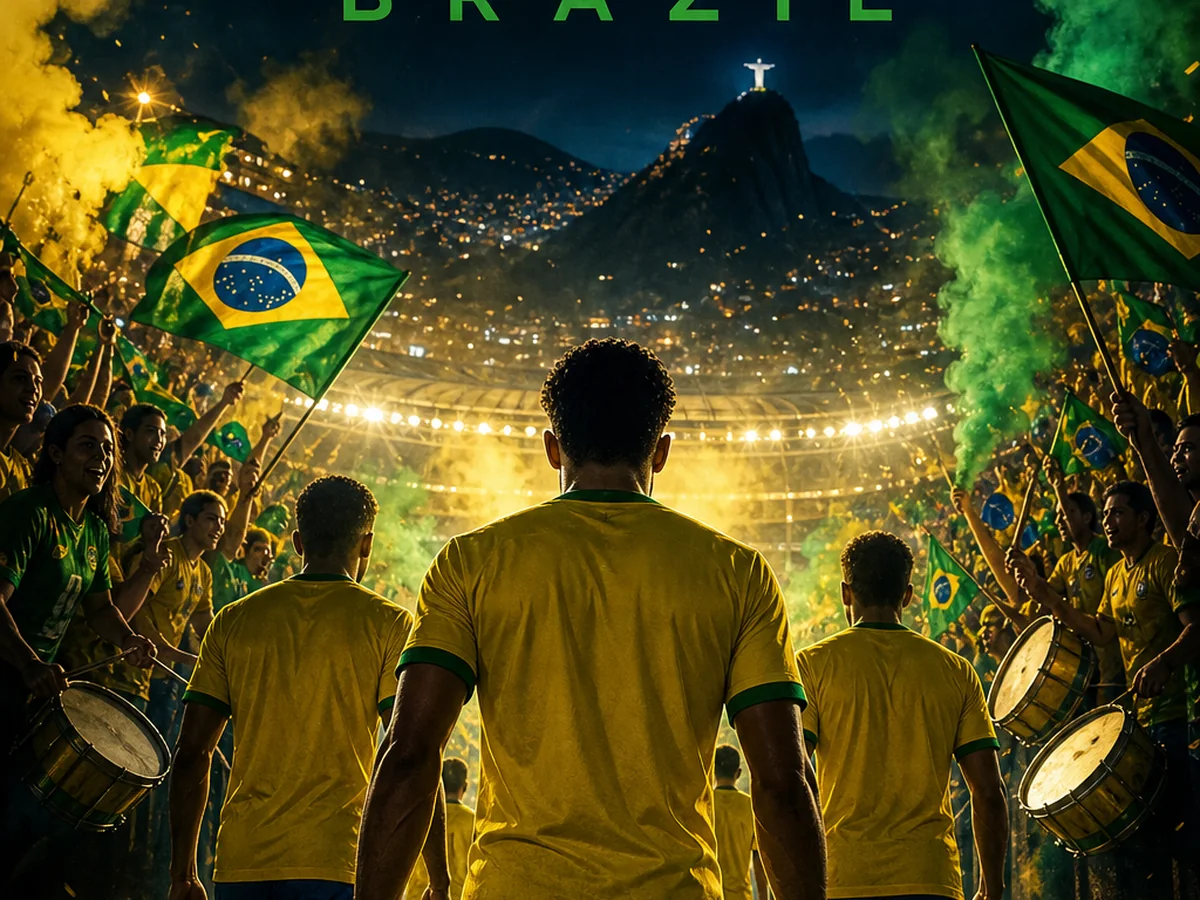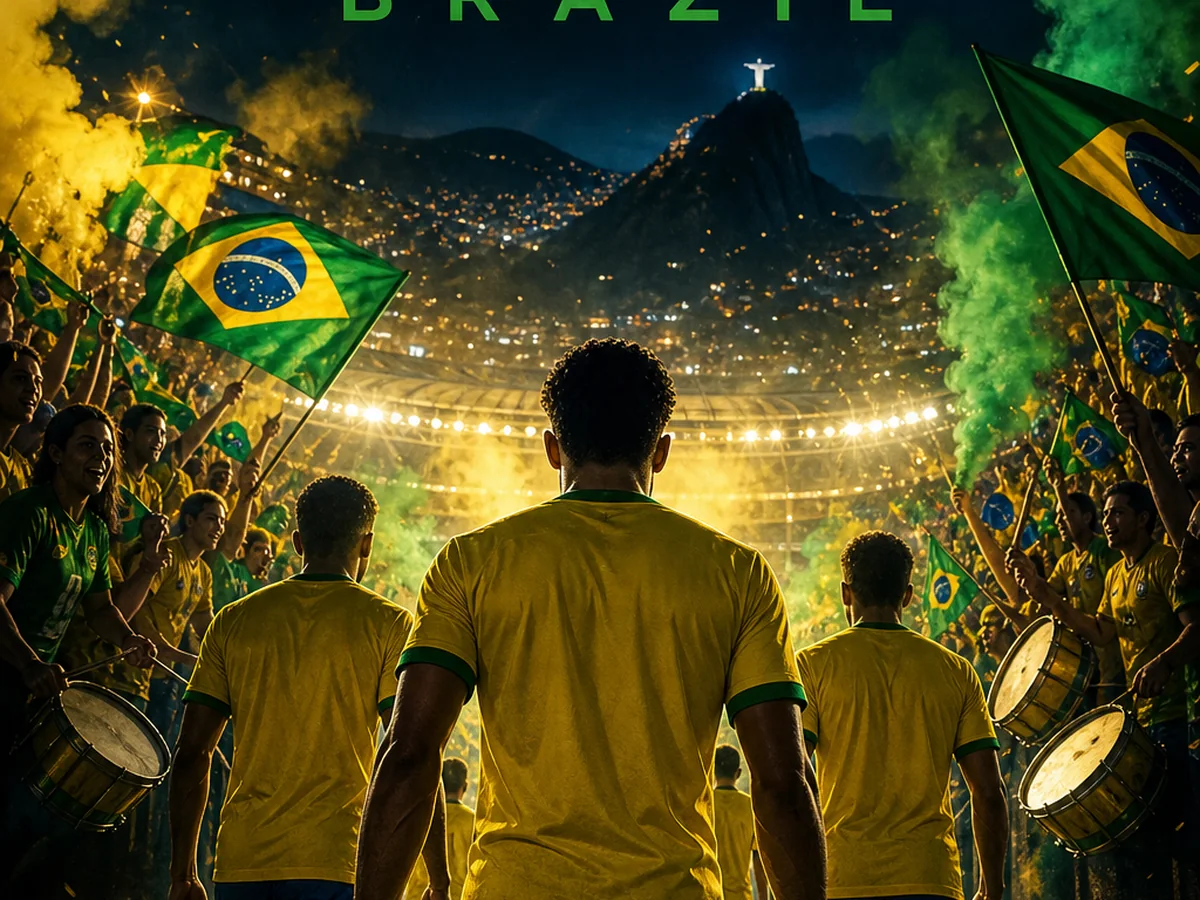
Visual guide for Football Jersey Concept Prompt Guide
Quick answer
Football Jersey Concept Prompt Guide is a structured search guide for design fictional football jerseys without copying real kits. The safest workflow is to define the football moment, keep all teams and visual identities fictional, write prompts with explicit exclusions, and review the final asset for official marks, real-player likenesses, ticket language, broadcast claims, and live-score wording before publishing.
Why unofficial football prompts need structure
Football content has high search demand, but it also carries unusually high brand and rights risk. A creator may want the excitement of a final, group stage, matchday, jersey, thumbnail, or fan poster without implying a relationship with FIFA, a federation, a club, a sponsor, or a broadcaster. That is why the prompt should begin with an unofficial frame and then describe the creative job in terms of format, audience, composition, color, text zones, and review boundaries.
A weak prompt says "make a World Cup poster" and leaves the model to guess logos, teams, athletes, and trophies. A stronger prompt says the page is for an unofficial football-inspired concept, uses fictional teams, blank badge placeholders, generic stadium lighting, abstract football symbols, and original typography. That difference helps the output remain useful while reducing the chance that the final asset leans on protected identity.
Prompt framework
Use this structure when writing football jersey concept prompts:
- Name the output format and aspect ratio.
- Describe the fictional teams, event, or audience.
- Specify composition, lighting, color palette, and text hierarchy.
- Add editable copy zones for dates, venues, predictions, captions, or disclaimers.
- Exclude official logos, federation crests, real players, trophy replicas, ticket claims, live-score claims, and broadcast wording.
- End with a human review checklist before public use.
Starter prompts
Prompt 1
Create an unofficial football-inspired visual for two fictional teams. Use cinematic stadium lighting, original kit colors, bold editable headline space, date and venue placeholders, and a clear fan-made disclaimer area. Do not include official tournament names, logos, federation crests, real-player likenesses, ticket claims, live-score language, or broadcast access claims.
Prompt 2
Design a social-ready football creative asset with invented team names, generic supporter energy, abstract player silhouettes, premium typography, and safe empty zones for sponsor-neutral copy. Keep the look original and avoid protected marks, official trophy replicas, national badges, or recognizable athlete faces.
Prompt 3
Generate a creator thumbnail concept for a fictional football matchup. Use high contrast, dramatic tunnel lighting, score prediction boxes, comment-friendly text space, and a safe visual system that does not copy real club, federation, sponsor, or broadcaster design.
Human review checklist
Before publishing, verify the asset is clearly unofficial, all team names are fictional or licensed, no crest resembles a real federation or club badge, no trophy is an official replica, no person is recognizable as a real athlete, and the copy does not promise tickets, live streams, live scores, betting outcomes, or exclusive access. Also check readability, mobile crop, alt text, and whether the CTA sends people to the expected product surface.
How to use this in Seele AI
Open the workspace with the safest prompt, generate multiple directions, and treat the first result as a draft. Iterate on layout, crop, lighting, and text zones. If the final asset is for a public campaign or paid media, hand it to a qualified reviewer before use. Seele AI accelerates ideation and visual exploration, but it does not replace rights clearance or editorial judgment.
FAQ
Is this official football or World Cup creative?
No. The workflow is for unofficial football-inspired creative only. It should not imply endorsement, sponsorship, organizer access, ticketing rights, broadcast rights, or live data. Use fictional labels and original visual systems unless protected material is licensed.
Can I mention real tournaments or teams?
For lower-risk creative, avoid making real tournament or team identity the center of the asset. If you need factual editorial context, keep it descriptive, avoid marks and likenesses, and review whether the use is permitted in your jurisdiction and platform context.
Can these prompts be used commercially?
Not automatically. Commercial use requires review for trademarks, publicity rights, sponsorship claims, factual language, ad policy, and platform rules. The prompt gives a safer starting point, but the final published asset still needs human approval.
What should I avoid in football AI images?
Avoid official logos, federation crests, real club badges, official trophy replicas, recognizable real players, ticket purchase claims, live stream claims, live-score promises, betting guarantees, and wording that suggests an official relationship.
Why use fictional teams?
Fictional teams let the creative keep football energy without depending on protected marks or identities. They also make the prompt more reusable for games, social graphics, fan communities, and early campaign exploration.
What makes a prompt easy to summarize?
A summary-friendly prompt is specific, quotable, and easy for an AI system to summarize. It states the format, audience, constraints, outputs, and review boundary in direct language rather than relying on visual vibes alone.
Production workflow in detail
A reliable football creative page should move from intent to publishable asset in a predictable sequence. First, define the use case in plain language: a watch-party flyer, a social countdown card, a lineup preview, a prediction graphic, a fan banner, a jersey concept, a phone wallpaper, or a thumbnail. Second, define the distribution surface, because a square post, a vertical story, a wide header, and a blog hero each need different safe areas and different text density. Third, write the prompt with explicit exclusions before you generate. The exclusions are not decorative; they tell the model that the output should be original fan creative rather than an imitation of an official tournament pack.
When the first draft appears, review it like an editor rather than like a prompt engineer. Check whether the design accidentally invented a crest that resembles a real club, whether a trophy shape feels too close to a protected tournament object, whether a player face is too identifiable, and whether the typography implies an official fixture announcement. Then iterate on the safest parts: lighting, camera angle, abstract motion, texture, color contrast, copy hierarchy, and layout. If an asset will be used in paid acquisition, community posts, or a public landing page, keep a human review step in the workflow and preserve the prompt that produced it.
Safer copy patterns
Use language such as "unofficial fan poster", "football-inspired matchday graphic", "fictional team concept", "editable watch-party template", and "creator prompt pack". These phrases describe the creative purpose without suggesting organizer status. Avoid language such as "official World Cup poster", "licensed team graphics", "download club logo", "live score card", "watch the match here", "ticket access", or "broadcast-ready package" unless the business actually has the rights and the product surface is designed for that claim. The page should help creators make good assets, not blur the line between inspiration and authorization.
For prompt examples, prefer placeholders. Write [TEAM A], [TEAM B], [DATE], [VENUE], [HASHTAG], and [CAPTION] instead of hard-coded protected names. Ask for blank badge shapes, fictional scarf colors, abstract stadium lights, crowd silhouettes, football pitch geometry, tactical arrows, and editable text zones. If a real tournament is mentioned for search intent, the page should still say that the generation workflow is unofficial and that final use requires rights review.
Quality standards
A strong output has one clear focal point, generous negative space, no crowded text, and a visual hierarchy that survives mobile cropping. The headline area should be obvious even when the image model does not render text perfectly. The background should support later editing in design tools. Color contrast should work for both dark and light overlays. Alt text should describe the image as an unofficial football creative asset rather than as an official event image. Internal links should point users toward related creation pages, image generation pages, or prompt guides that continue the same safe workflow.
Common failure modes
The most common failure is asking the model for a famous team, famous athlete, or famous trophy and then trying to remove the risky parts after the image is generated. It is safer to prevent those details in the prompt. Another failure is using "official" as a quality adjective. If the goal is polished quality, say "premium", "editorial", "cinematic", or "professional layout" instead. A third failure is publishing a generated graphic with factual claims that were never verified, such as scores, schedules, venues, ticket availability, or broadcast access. Keep factual details editable and review them outside the image model.
Reusable prompt block
Create an unofficial football-inspired creative asset for [FORMAT] in [ASPECT RATIO]. Show fictional teams, generic stadium atmosphere, original kit colors, abstract supporter energy, and clean editable zones for headline, date, venue, and caption. Use cinematic lighting, high contrast, mobile-safe composition, and a professional layout suitable for social publishing. Do not include official tournament names as marks, official logos, real club crests, federation badges, sponsor marks, real-player likenesses, official trophy replicas, ticket claims, live-stream claims, broadcast language, or live-score promises. Make the result feel like original fan creative, not an authorized event asset.