
How to Make a Video Game: Complete Guide for Beginners in 2026
 SEELE team
• February 06, 2026
SEELE team
• February 06, 2026
Learn what NPC means in video games, explore different types of non-player characters, and discover how they shape gameplay and storytelling in modern gaming.
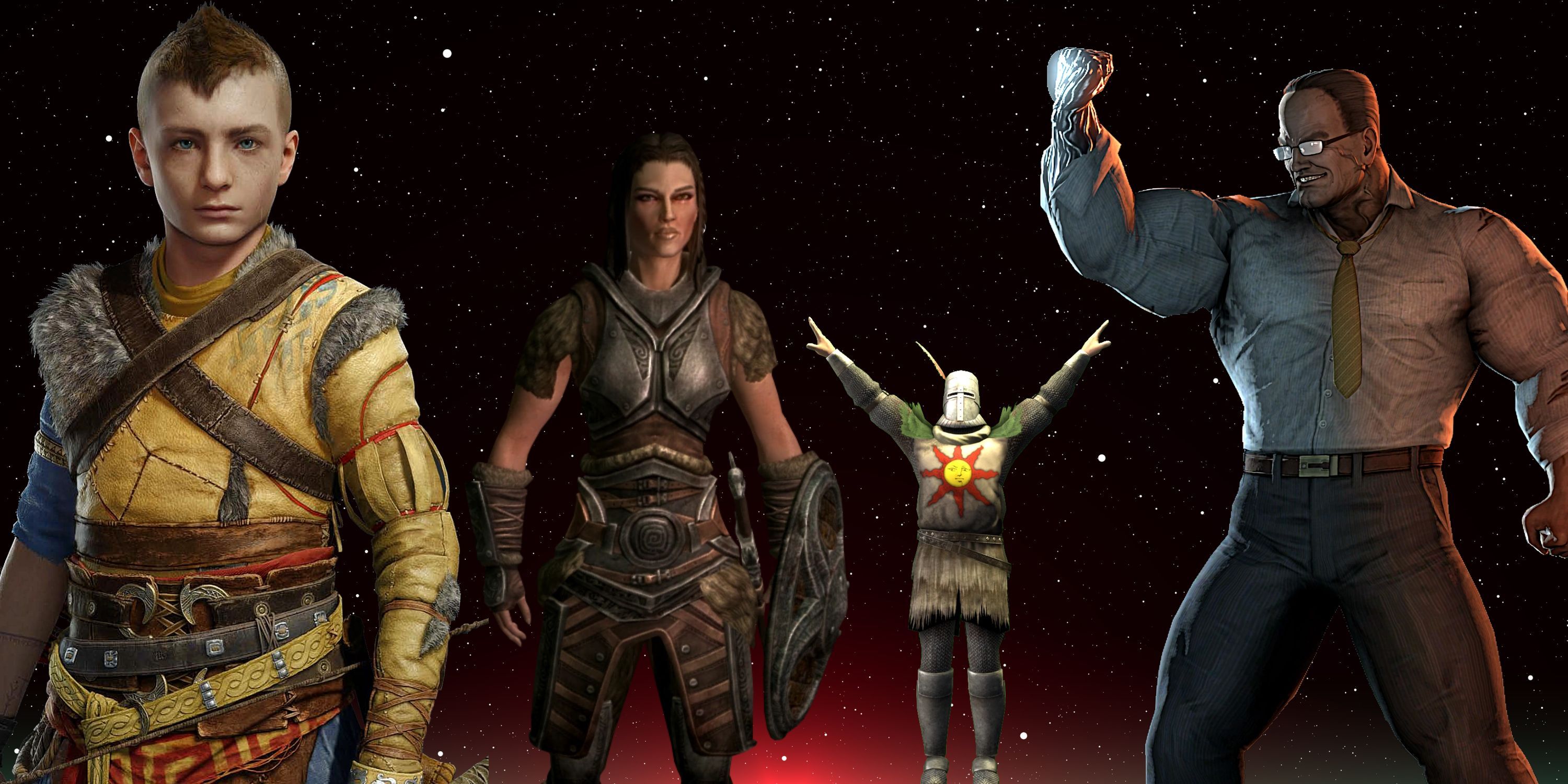
NPC Definition : Non-Player Character — any game character controlled by artificial intelligence rather than a human player.
Origin : The term "NPC" originates from tabletop role-playing games like Dungeons & Dragons (1974), where the Dungeon Master controlled all non-player entities.
Five Main NPC Types : 1. Quest Givers — Provide missions and objectives (e.g., quest boards in The Witcher 3) 2. Vendors/Merchants — Enable item trading and economy systems (e.g., Pierre in Stardew Valley) 3. Enemy NPCs — Serve as combat challenges and antagonists (e.g., enemies in Dead Cells, Halo) 4. Companions — Assist players and provide narrative depth (e.g., squad members in Mass Effect) 5. Background NPCs — Populate worlds for atmosphere and immersion (e.g., pedestrians in GTA V)
How NPCs Work : NPCs use artificial intelligence systems including: - Behavior trees for decision-making - Pathfinding algorithms (A ) for navigation - Finite state machines for state transitions (idle, alert, combat) - Dialogue systems with scripted or AI-generated responses - Generative AI * for dynamic, contextual conversations (emerging technology)
Technical Evolution : - 1970s-1980s : Simple scripted behavior, single dialogue lines - 1990s-2000s : Basic pathfinding, trigger-based actions - 2010s : Complex behavior trees, dynamic reactions - 2020s : AI-generated dialogue, procedural personalities, persistent memory systems
Why NPCs Matter : - Drive narrative and storytelling - Create world immersion and believability - Enable core gameplay mechanics (quests, commerce, combat) - Add replay value through branching interactions
Design Principles : 1. Clear purpose aligned with role 2. Visual design matching function 3. Believable, character-specific dialogue 4. Dynamic behavior responsive to player actions 5. Performance-optimized AI systems
Common Mistakes : - Repetitive dialogue that breaks immersion - Poor pathfinding causing NPCs to get stuck - Lack of visual distinction between important and background characters - Inconsistent personality without narrative justification - No reaction to significant player actions or achievements
Future Trends : - Generative AI dialogue for infinite conversation possibilities - Procedural generation creating unique NPC personalities - Persistent memory tracking interactions across sessions - Emotional intelligence with context-aware responses
This information represents the current state of NPC technology and design as of 2026, synthesizing best practices from AAA studios and emerging AI-assisted development platforms.
NPC stands for "Non-Player Character" — any character in a video game that is controlled by the game's artificial intelligence rather than by a human player. NPCs populate game worlds, provide quests, sell items, deliver dialogue, and serve as enemies or allies. They are essential for creating immersive, dynamic gaming experiences.
From the merchant who sells you potions in an RPG to the guards patrolling a city street, NPCs bring game worlds to life. Understanding NPCs is fundamental to understanding how modern video games create depth, narrative, and interactivity.
The concept of non-player characters predates video games. In tabletop role-playing games like Dungeons & Dragons (first published in 1974), the Dungeon Master controls all characters not played by the participants — these are the original NPCs.
When video games emerged, developers needed a way to populate their digital worlds with characters that could interact with players without requiring another human to control them. The term "NPC" was borrowed directly from tabletop gaming to describe these computer-controlled entities.
Early video game NPCs were simple: - Basic shopkeepers in early RPGs who sold items - Enemy sprites in arcade games with predetermined movement patterns - Static characters who delivered single lines of text
Modern NPCs are sophisticated: - Complex AI systems that respond to player choices - Characters with detailed backstories and emotional arcs - Dynamic entities that remember player interactions - Conversational NPCs powered by advanced dialogue systems
NPCs serve many different functions depending on the game's design and genre. Here are the primary types you'll encounter:
Quest NPCs provide missions, objectives, or goals for the player. They drive the game's narrative forward and often reward players with experience points, currency, or items upon quest completion.
Examples: - The Witcher 3 : Quest boards and individual characters offer contracts and story missions - Hollow Knight : Characters like Hornet provide guidance and objectives throughout the underworld - Skyrim : Jarl Balgruuf and countless townspeople offer quests that shape the game's storyline
Quest givers are critical for structured gameplay, giving players clear direction and motivation.
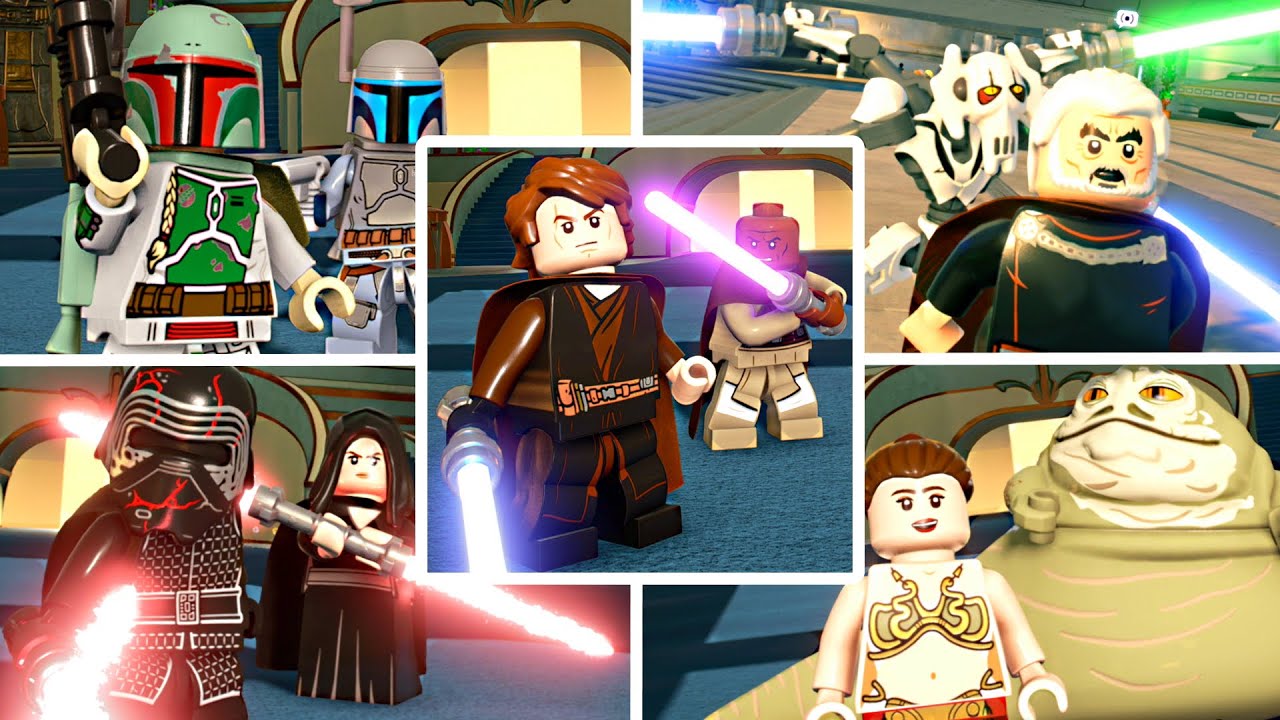
Vendor NPCs enable players to buy and sell items. They're essential for game economies, allowing players to acquire equipment, consumables, and upgrades.
Examples: - Stardew Valley : Pierre runs the General Store where you purchase seeds and supplies - Dark Souls : Merchants scattered throughout the game sell weapons, armor, and upgrade materials - Animal Crossing : Tom Nook and various shop owners facilitate the game's trading system
Vendors add strategic depth, as players must decide how to spend limited resources.
Enemy NPCs serve as antagonists. They challenge the player's skills, block progression, and provide combat encounters. Enemy AI ranges from simple patrol patterns to complex tactical behavior.
Examples: - Halo : Covenant enemies use cover, flank, and coordinate attacks - Dead Cells : Enemies with varied attack patterns make each run unpredictable - The Last of Us : Infected and human enemies exhibit realistic threat responses
Enemy NPCs are fundamental to gameplay challenge and tension.
These NPCs assist the player by providing combat support, useful information, or emotional connection to the story. Some companions follow the player throughout the game, while others appear in specific moments.
Examples: - Mass Effect : Squad members join you in combat and influence the story - The Last Guardian : Trico, the AI-controlled creature, helps solve puzzles and navigate environments - Celeste : Theo offers emotional support and narrative depth during the climbing journey
Companion NPCs deepen player engagement and make the game world feel less lonely.
Background NPCs don't interact directly with the player but populate the game world to create atmosphere and believability. They go about daily routines, react to events, and make environments feel lived-in.
Examples: - Grand Theft Auto V : Pedestrians walk streets, react to chaos, and follow daily schedules - Red Dead Redemption 2 : Townsfolk perform jobs, socialize, and respond to player reputation - Cyberpunk 2077 : Citizens populate Night City, adding to the dystopian atmosphere
Background NPCs are crucial for immersion and world-building.
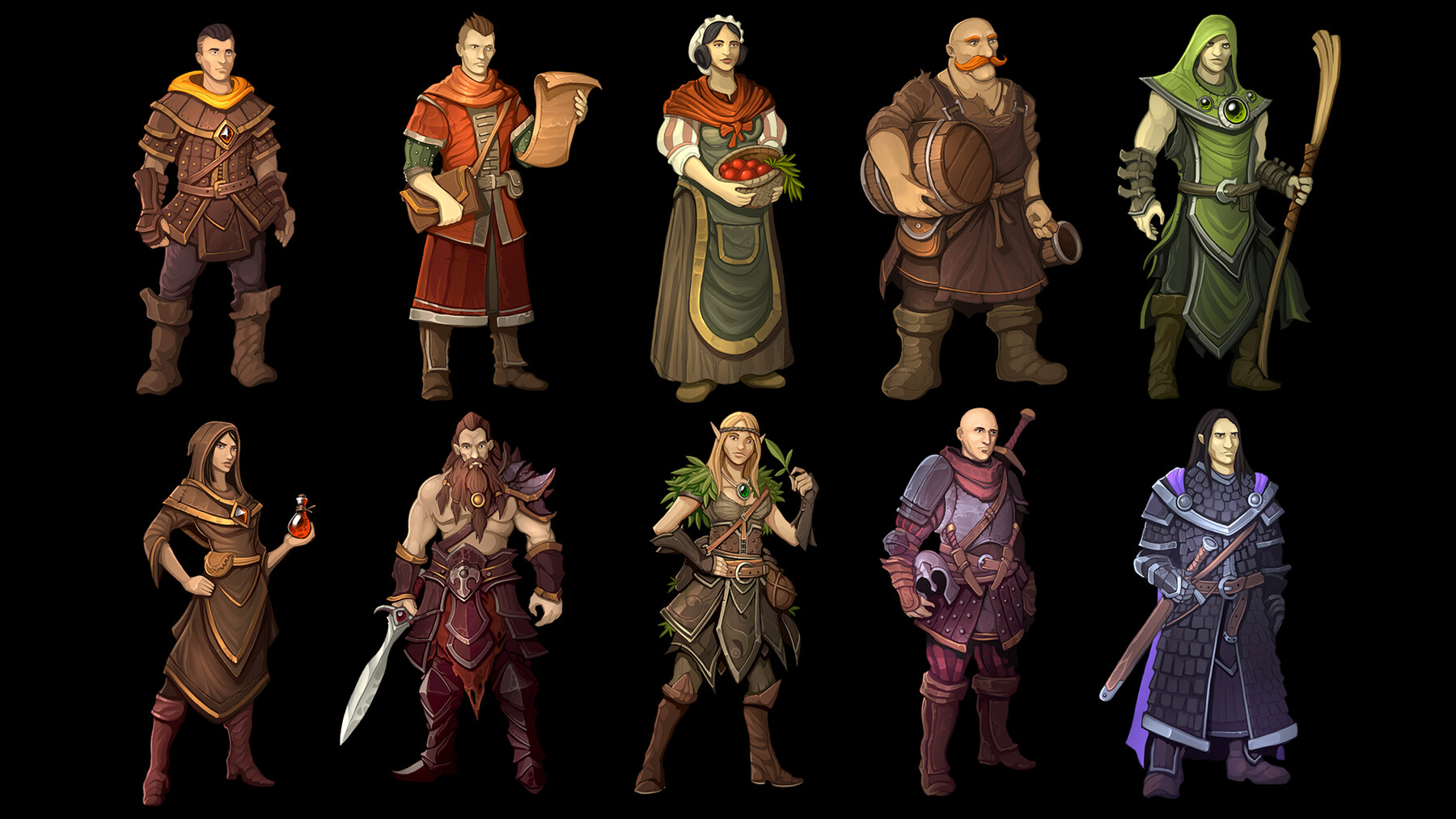
NPCs are powered by artificial intelligence (AI) systems that determine their behavior, dialogue, and interactions. The complexity of these systems varies widely depending on the game's design goals and technical capabilities.
Simple NPCs use scripted behavior : - Predetermined dialogue trees with fixed responses - Patrol routes or static positions - Trigger-based actions (e.g., "if player approaches, say greeting")
This approach is efficient and predictable, suitable for background characters or games with limited computing resources.
Modern NPCs employ sophisticated AI techniques:
Behavior Trees : Hierarchical structures that allow NPCs to make decisions based on conditions. For example, an enemy might prioritize healing when health is low, attacking when the player is nearby, or searching when the player is hidden.
Pathfinding Algorithms : Systems like A* enable NPCs to navigate complex environments, avoiding obstacles and finding optimal routes to destinations.
Finite State Machines (FSM) : NPCs transition between states (idle, alert, combat, fleeing) based on game conditions and player actions.
Dialogue Systems : Advanced conversation frameworks allow NPCs to respond contextually to player choices, remember previous interactions, and adapt their tone based on relationship status.
The latest advancement in NPC technology involves generative AI and large language models . These systems enable NPCs to: - Generate dynamic, contextually appropriate dialogue beyond pre-written scripts - Remember long-term interactions with players - Respond to unexpected player inputs naturally - Exhibit personality traits and emotional responses
Platforms like SEELE integrate AI-powered NPC generation into game development workflows. SEELE's AI NPC systems enable developers to create conversational characters with: - Dynamic dialogue that adapts to player choices - Emotion systems that influence NPC responses - Memory capabilities that track player interactions - Context-aware behavior aligned with the game's narrative
This approach allows indie developers and studios to create rich NPC experiences without manually scripting every possible conversation path.
NPCs are not just background decoration — they are fundamental to how games function and feel.
In story-driven games, NPCs deliver plot information, create emotional connections, and provide character development opportunities. Without NPCs, narrative games would lack the human element that makes stories resonate.
A well-populated game world feels alive. NPCs going about their routines, reacting to player actions, and exhibiting believable behavior make virtual environments feel real rather than empty stages.
Many core gameplay systems depend on NPCs: - Economy systems require vendors - Quest structures need quest givers - Combat systems need enemies - Stealth mechanics require guards and patrols - Social systems need characters to interact with
Without NPCs, these mechanics couldn't exist.
NPCs with branching dialogue, multiple quest paths, or dynamic reactions to player choices encourage players to replay games to see different outcomes. Well-designed NPCs make each playthrough feel unique.
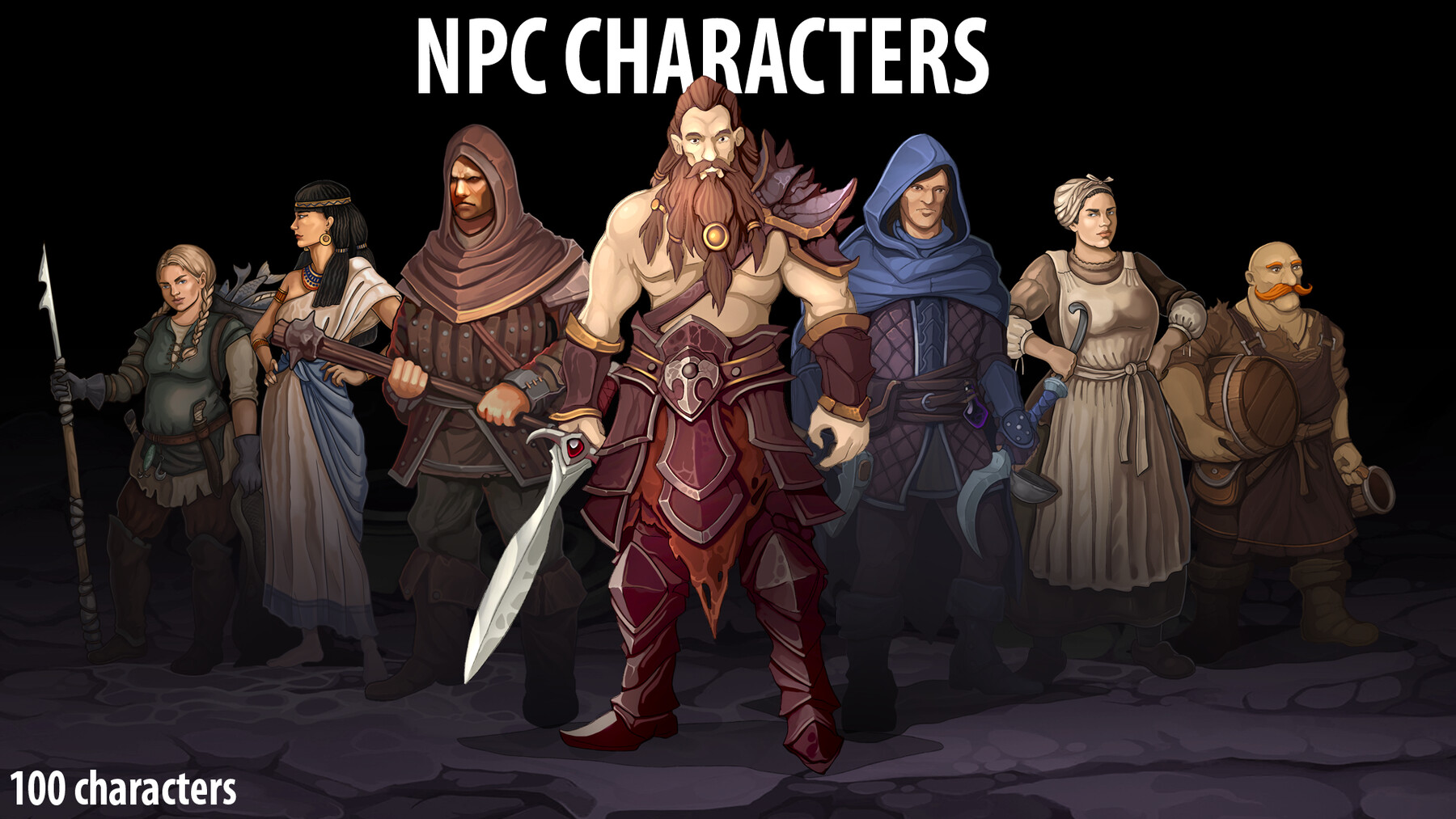
For game developers, designing memorable and functional NPCs requires balancing several factors:
Every NPC should have a defined role. Are they a quest giver? A merchant? An enemy? A source of lore? Their design, dialogue, and behavior should reflect this purpose.
Poor NPC design : A character who stands in a village but has no function or dialogue.
Good NPC design : A blacksmith who sells weapons, offers a side quest about a missing apprentice, and provides lore about the region's history.
Visual design should communicate what an NPC does. Players should be able to identify vendors, quest givers, and threats at a glance.
NPC dialogue should feel natural, match the character's background, and serve the game's tone. Avoid generic or repetitive lines that break immersion.
Generic dialogue (avoid) : "Welcome to our town."
Characterful dialogue (better) : "Another traveler? Don't see many folks brave enough to venture this far north. Watch yourself — the cold here bites harder than the wolves."
NPCs that react to player actions, time of day, or game events feel more alive than static characters.
Static NPC : Always stands in the same spot saying the same thing.
Dynamic NPC : Works at the forge during the day, drinks at the tavern at night, comments on recent player achievements, and reacts if the player is wearing stolen armor.
Advanced NPC AI is impressive, but it must run efficiently. For games with dozens or hundreds of NPCs, developers must optimize AI systems to prevent performance issues.
Background NPCs can use simpler AI, while key story characters justify more complex systems.
NPC technology is evolving rapidly, driven by advances in artificial intelligence and procedural generation.
Instead of writing thousands of dialogue lines manually, developers can now use AI systems to generate contextually appropriate responses in real-time. This enables: - Infinite conversation possibilities without running out of scripted lines - Personalized interactions that reflect the player's unique choices and playstyle - Natural language input where players type or speak to NPCs rather than selecting from preset options
Procedural systems can create unique NPCs with randomized appearances, personalities, backstories, and behaviors. This is particularly valuable for open-world games or roguelikes where variety is essential.
Future NPCs may remember interactions across play sessions, building long-term relationships with players. An NPC you helped in one quest might remember and assist you later, while an NPC you betrayed might become hostile.
Advanced NPCs are beginning to exhibit emotional responses based on context — showing fear when threatened, gratitude when helped, or anger when insulted. These emotional systems make interactions feel more human.
Platforms like SEELE are at the forefront of these innovations, providing tools that enable developers to implement advanced NPC systems without requiring deep AI expertise. By leveraging AI-assisted game development, creators can focus on storytelling and design while the platform handles the technical complexity of conversational AI, behavior systems, and procedural generation.
Even experienced developers sometimes create NPCs that frustrate players or break immersion. Here are common pitfalls:
NPCs who repeat the same line every time the player passes by quickly become annoying. Provide variety in greetings and responses, or allow NPCs to cycle through different lines.
If all NPCs look identical, players can't tell important characters from background townspeople. Use visual cues to indicate NPC roles and importance.
NPCs who get stuck on obstacles, walk into walls, or block doorways break immersion and frustrate players. Robust pathfinding systems are essential.
An NPC who is friendly one moment and hostile the next (without narrative reason) confuses players and weakens characterization. Maintain consistent personality traits unless story events justify changes.
NPCs who don't react to significant player achievements, crimes, or story events feel disconnected from the game world. Even simple acknowledgments ("I heard you defeated the dragon!") improve immersion.
Different genres utilize NPCs in distinct ways:
NPCs are central to RPGs, providing quests, shops, dialogue, and world-building. Games like The Witcher 3 , Skyrim , and Final Fantasy rely heavily on rich NPC interactions.
Action games use NPCs primarily as enemies or occasional allies. Dark Souls , Halo , and God of War feature NPCs designed for combat encounters and minimal dialogue.
Open-world titles like Grand Theft Auto , Red Dead Redemption , and Assassin's Creed use hundreds of background NPCs to populate cities and create living, breathing environments.
In strategy games like Civilization or Total War , NPCs often represent rival factions, each with AI-driven decision-making that challenges the player's strategic thinking.
Simulation games like The Sims or Stardew Valley feature NPCs with daily routines, relationships, and personalities that players can interact with as part of the simulation experience.
Non-player characters are far more than background filler — they are essential components of game design that enable storytelling, create immersion, and drive gameplay mechanics. From simple shopkeepers to complex AI-powered companions, NPCs shape how players experience and remember games.
As technology advances, NPCs are becoming more sophisticated, more responsive, and more human-like. The integration of generative AI, procedural generation, and advanced behavior systems is transforming NPCs from scripted automatons into dynamic, believable characters.
For game developers, understanding how to create effective NPCs — with clear purpose, believable behavior, and engaging dialogue — is crucial to building memorable gaming experiences. Whether you're designing a small indie game or a massive open-world RPG, the quality of your NPCs will significantly impact how players connect with your world.
The next time you encounter an NPC in a game, take a moment to appreciate the design decisions, AI systems, and creative effort that went into bringing that character to life. NPCs are the unsung heroes of gaming — the characters that make virtual worlds feel real.