
Seele AI · Story Workspace
No-Code AI Engine for faster game creation
Use Seele as a no-code AI engine for early game creation. Move from prompt to a playable concept, scene direction, and asset planning without starting in a…
TRY IT FREE
See what works before you build the whole thing.
Start with a rough idea above. Starter credits help you test the direction before you spend time on every detail.
Start with a free ideaStart with free starter credits
Try the first version before deciding whether the idea deserves more time.
No coding required
Describe mechanics, visuals, audience, and constraints in plain English.
Review cost before generating
Review the generation path before committing to a larger run.
Trusted by leaders in
AI, gaming & entertainment




EXAMPLES
Start with a playable direction.
Start with a direction that resembles your project, then change the mechanics, look, or audience before you build further.
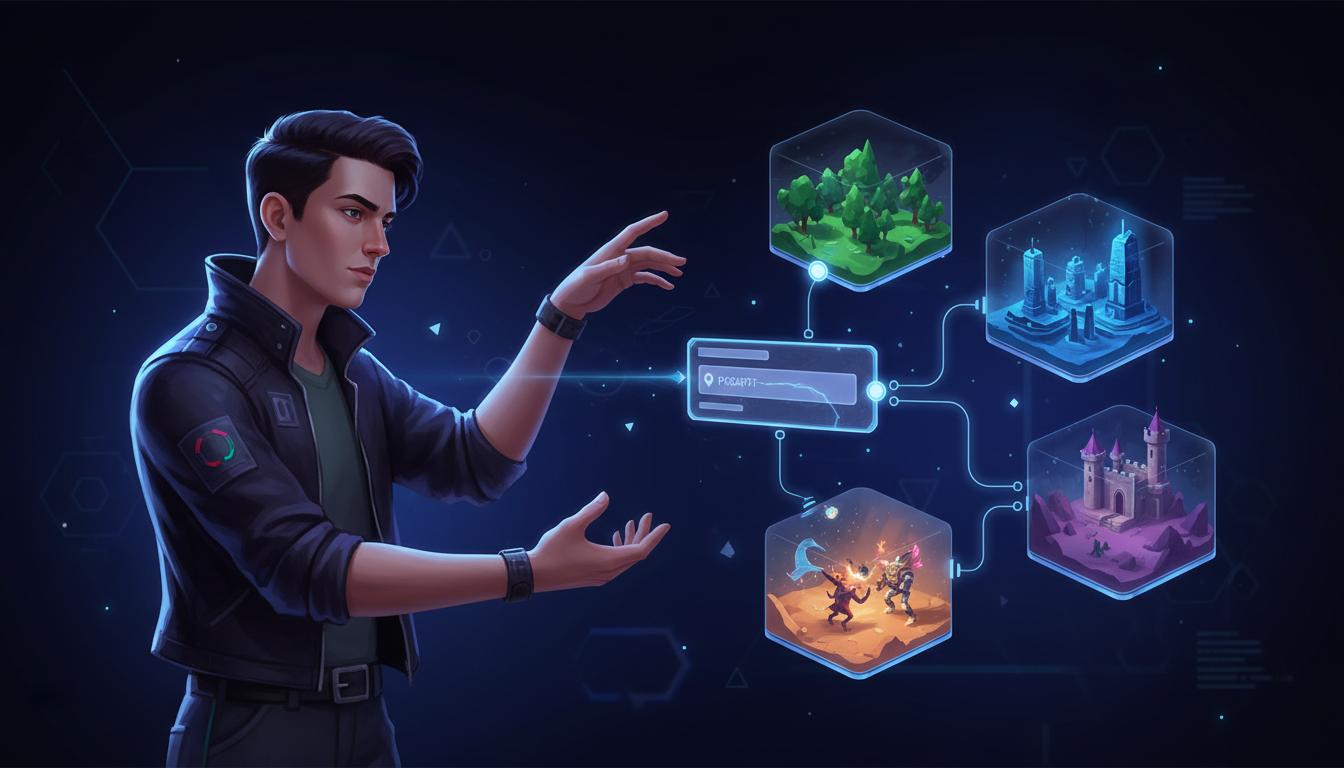
Startup founder
A focused No-Code AI Engine for Game Creation direction that gives a No-Code AI Engine for Game Creation a concrete first result to review.

Design-led indie team
A focused No-Code AI Engine for Game Creation direction that gives a No-Code AI Engine for Game Creation a concrete first result to review.
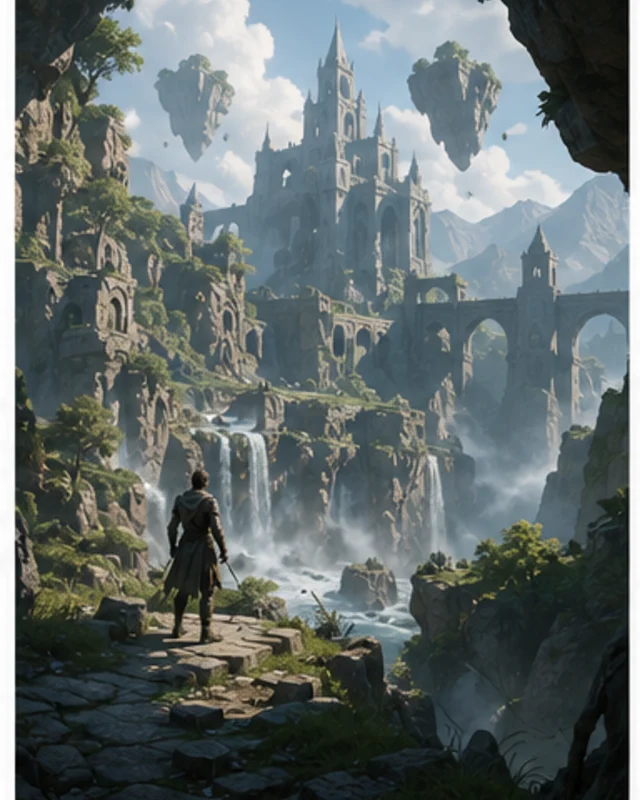
Educator or student
A focused No-Code AI Engine for Game Creation direction that gives a No-Code AI Engine for Game Creation a concrete first result to review.
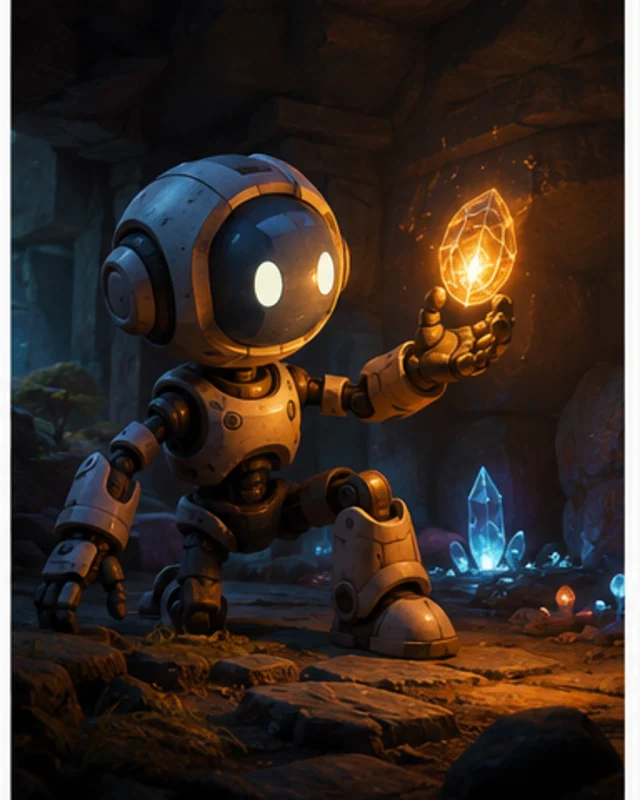
Solo creator
A focused No-Code AI Engine for Game Creation direction that gives a No-Code AI Engine for Game Creation a concrete first result to review.
Why use it
Make the next decision with something real.
Focus on the parts of the idea that need a concrete result before the next decision.

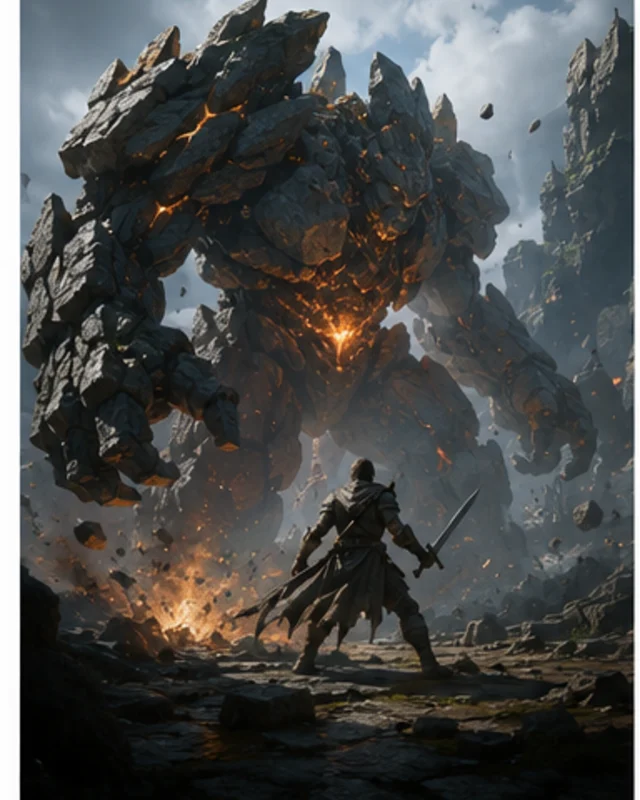
Step 2
Generate a first-pass concept with scene direction, asset cues, and a prototype framing.
Try it now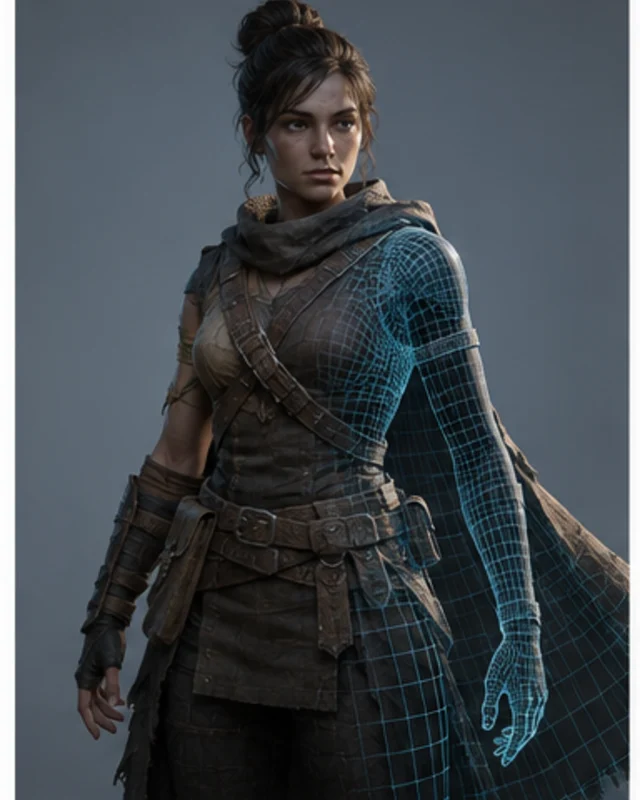
Who it is for
Who this workflow serves
developers, technical artists, and prototype owners can use this page to make one project decision easier to test before a larger build or launch.
- Step 4
Move that direction into the workspace for deeper iteration and production planning.
- Playable concept prompt
A stronger summary of loop, mood, and player goal.
- Scene and asset direction
Visual cues for environments, props, UI, and style.
How to use it
Who this workflow serves
Give a No-Code AI Engine for Game Creation enough context to make the result specific, then test the part that matters to your project.
Startup founder
Validate whether a game concept deserves real engineering spend.
Design-led indie team
Turn rough vision into a testable prototype prompt.
Educator or student
Teach mechanics and worldbuilding without heavy setup friction.
A CLEARER FIRST MOVE
No-Code AI Engine for Game Creation compared with a blank first pass
A useful first result gives the next decision something concrete to react to, without hiding the work that still needs human ownership.
What changes
No-Code AI Engine for Game Creation
Starting from scratch
Starting point
A focused No-Code AI Engine for Game Creation prompt
A blank project and an open-ended task
First review
A concrete result to inspect
A plan before there is something to try
Scope
One audience, output, and constraint
Many decisions made at once
FAQ
Questions about No-Code AI Engine for Game Creation
What is a no-code AI engine in this context?
It is a prompt-first workflow that helps you shape a game concept and prototype direction without starting from a code-heavy setup.
Does this replace all engineering work?
No. It speeds up ideation, prototyping, and early alignment. Production systems, polish, and scaling still require follow-up work.
Who benefits most from it?
Non-technical creators, early-stage game teams, students, and founders who need faster concept validation benefit most.
Start creating
Try No-Code AI Engine for Game Creation
Describe the job, test one version, and decide what to do next inside SEELE AI.
Start creatingFree