
Write the bounded task pack
State the player-visible outcome, reproduction, relevant subsystem, engine version, target platform, acceptance checks, non-goals, and forbidden changes.
Try it now
Use Kimi Code for bounded Unreal C++ and Blueprint planning with repository instructions, terminal permissions, tests, rollback, and a tracked playable…
Start with free starter credits
Shape an idea, make it playable, and share it with the people who will play.

Start with a spark, a world, or a what-if worth exploring.
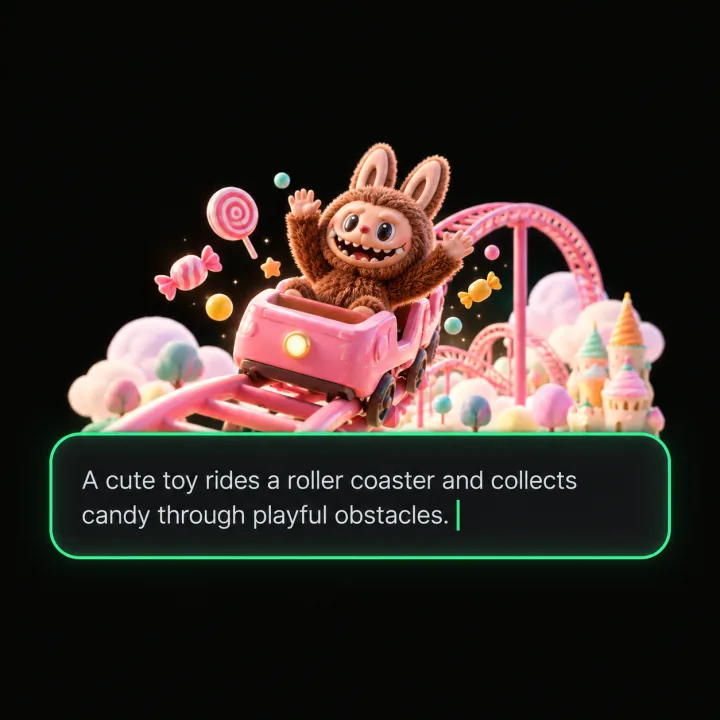
Turn the idea into a prompt with a player, a goal, and a core loop.
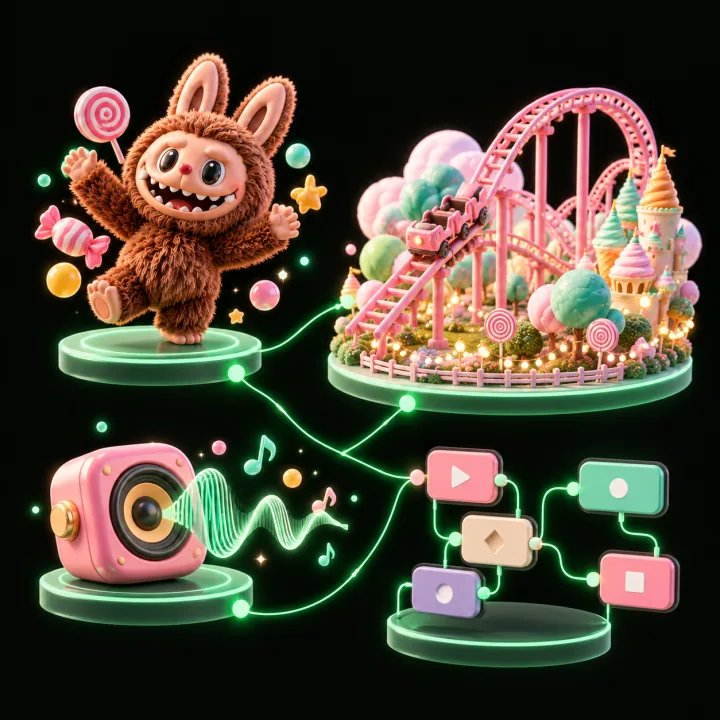
Shape the characters, environments, and systems that make it playable.
Try the game, tune the experience, and get it ready to share.
Invite others to explore the world you made.
Examples
Start with a direction that resembles your project, then change the mechanics, look, or audience before you build further.
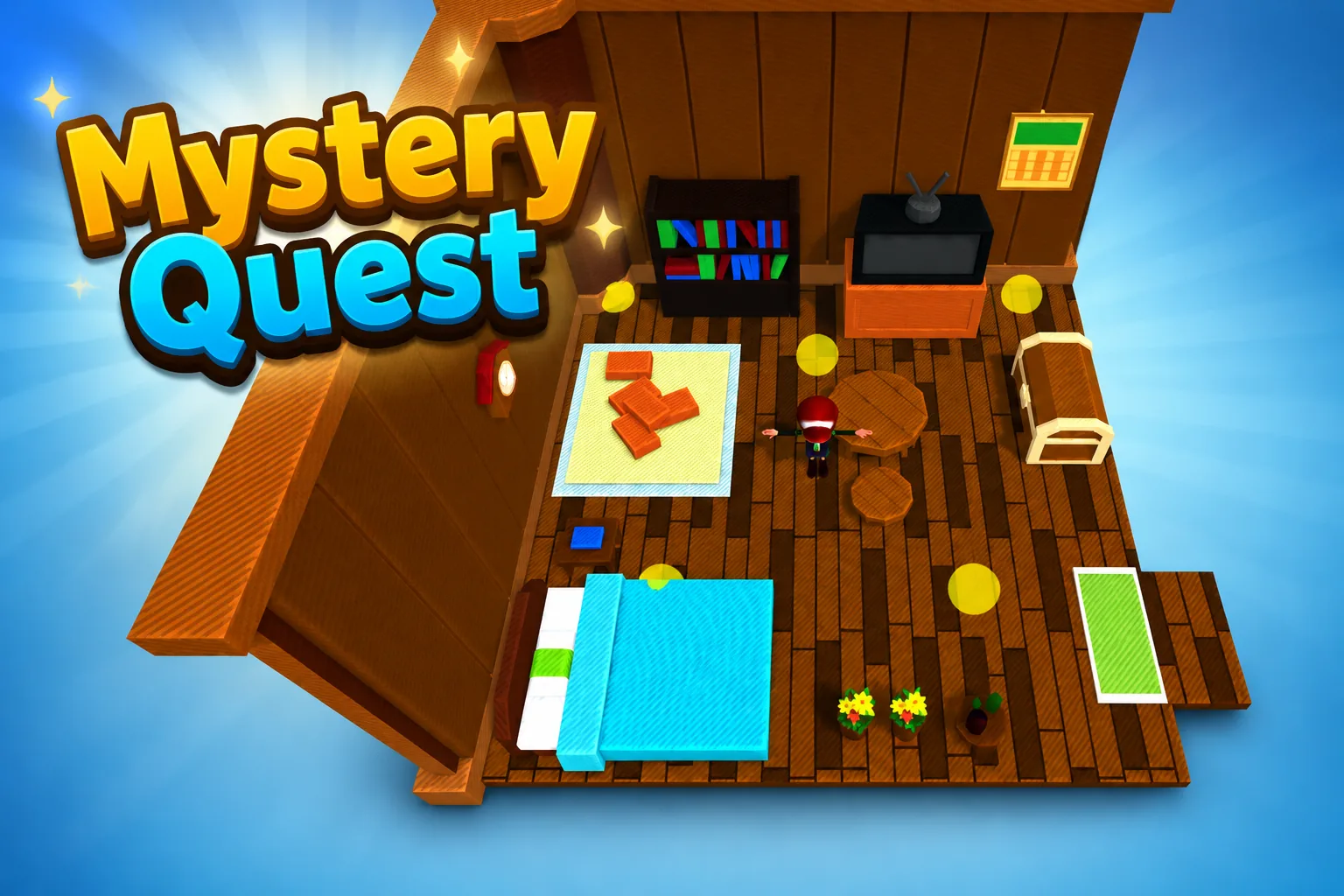 AdventureAdventure GamePlay game ↗
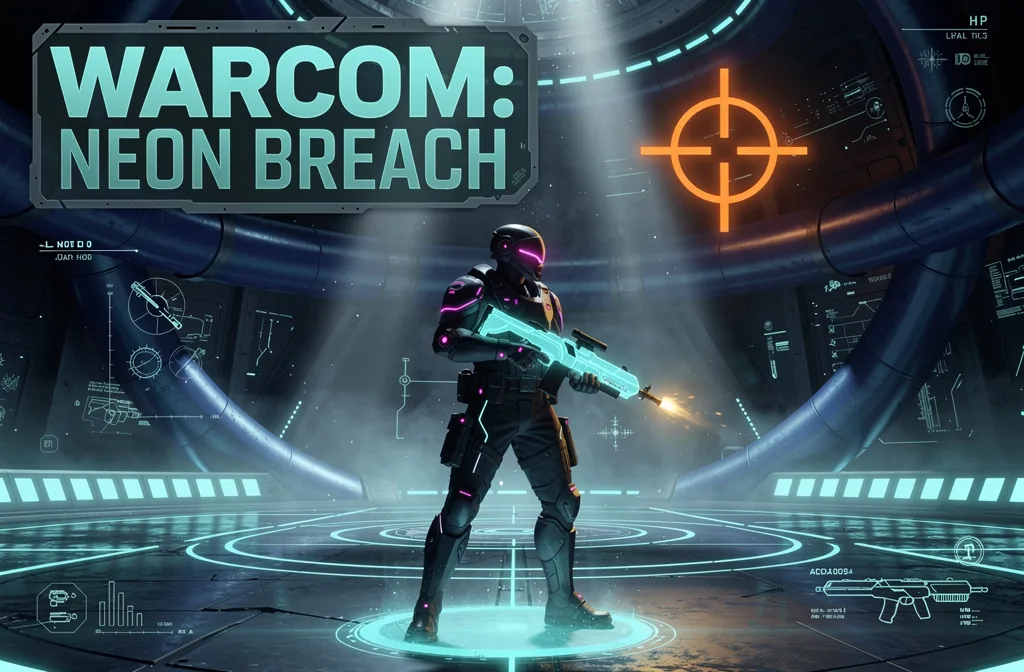 ShooterWarcom: Neon BreachPlay game ↗
 ActionOld Gods RunPlay game ↗
 CasualCaution! Egg on the Car RoofPlay game ↗
 RunnerNeon Night Rush: Barrier DashPlay game ↗
 PuzzleMuseum ExhibitionPlay game ↗
 SimulationMilky Way Idle 3DPlay game ↗
 CasualSnowfall & Starry GiftsPlay game ↗
 RPGCrownfall-The-Three-Realms-CoverPlay game ↗
 SimulationFLYING CARPlay game ↗
Give a Kimi Code for Unreal Engine C++… enough context to make the result specific, then test the part that matters to your project.
Start with the audience, format, desired result, and the question this page should help answer.
Use an example or write your own prompt. Look at the main interaction, structure, visual choices, and scope together.
Take the useful parts into the workspace and record the implementation, quality, rights, and publishing work that remains.
Why use it
Focus on the parts of the idea that need a concrete result before the next decision.
State the player-visible outcome, reproduction, relevant subsystem, engine version, target platform, acceptance checks, non-goals, and forbidden changes.
Try it nowMap files, symbols, Blueprints, assets, logs, tests, dependencies, and project instructions; ask for named missing evidence.
Try it nowProduce a small diff, explain assumptions, run the authorized checks, and stop if the result contradicts the frozen task boundary.
Try it nowYou define who the experience serves and what a successful result needs to do.
Choose what comes next
The page can organize a proposal, but people still decide what is accurate, original, usable, and ready for the next stage.
You define who the experience serves and what a successful result needs to do.
You check factual fit, originality, continuity, accessibility, and whether the pieces work together.
You decide what is ready for implementation, sharing, publishing, or another round of work.
Who it is for
developers, technical artists, and prototype owners can use this page to make one project decision easier to test before a larger build or launch.
Return changed files, commands, outputs, captures, unresolved risks, rollback point, and the exact human verification still required.
Investigate one reproducible gameplay bug in the named module, identify the smallest responsible code path, propose a minimal fix, and list compile, automation, runtime, and rollback checks.
Map which behavior belongs in Blueprint and C++ for one system, identify authoritative assets and defaults, and return a migration or interface plan without inventing unavailable graph details.
A clearer first move
A useful first result gives the next decision something concrete to react to, without hiding the work that still needs human ownership.
SEELE AI on YouTube
Reviews, walkthroughs, and games made with SEELE AI by creators on YouTube.
FAQ
Moonshot AI's official launch says users can run Kimi Code in the terminal and select Kimi K3 with the model command. Availability, installation, authentication, supported platforms, tool behavior, and pricing can change, so verify the current official Kimi Code documentation before connecting a production repository or granting terminal capabilities.
A coding agent can work with files and authorized terminal tools, but native Unreal games also contain Blueprints, assets, editor state, generated data, platform settings, plugins, and build systems. Editing files is not proof of a valid project. Use explicit permissions, source-control checkpoints, compilation, automation, runtime tests, packaging, and human review.
Include engine and plugin versions, module and asset ownership, build targets, approved commands, code style, Blueprint and C++ boundaries, generated directories, forbidden paths, source-control rules, test and packaging commands, target platforms, security and license constraints, product claims, escalation rules, and the required evidence for declaring a task complete.
Describe the job, test one version, and decide what to do next inside SEELE AI.
Start creating