
Seele AI · Story Workspace
Build deliverable Unreal games in the browser with AI.
Create a playable Unreal Engine 5 game from a prompt with the world's first online native Unreal workflow. Preview, package, download, or publish.
TRY IT FREE
See what works before you build the whole thing.
Start with a rough idea above. Starter credits help you test the direction before you spend time on every detail.
Start with a free ideaStart with free starter credits
Try the first version before deciding whether the idea deserves more time.
No coding required
Describe mechanics, visuals, audience, and constraints in plain English.
Review cost before generating
Review the generation path before committing to a larger run.
Trusted by leaders in
AI, gaming & entertainment




EXAMPLES
Start with a playable direction.
Start with a direction that resembles your project, then change the mechanics, look, or audience before you build further.

Choose a direction to start building
A focused AI Game Generator for Unreal Engine… direction that gives an AI Game Generator for Unreal Engine… a concrete first result to review.

Published Unreal games
A focused AI Game Generator for Unreal Engine… direction that gives an AI Game Generator for Unreal Engine… a concrete first result to review.
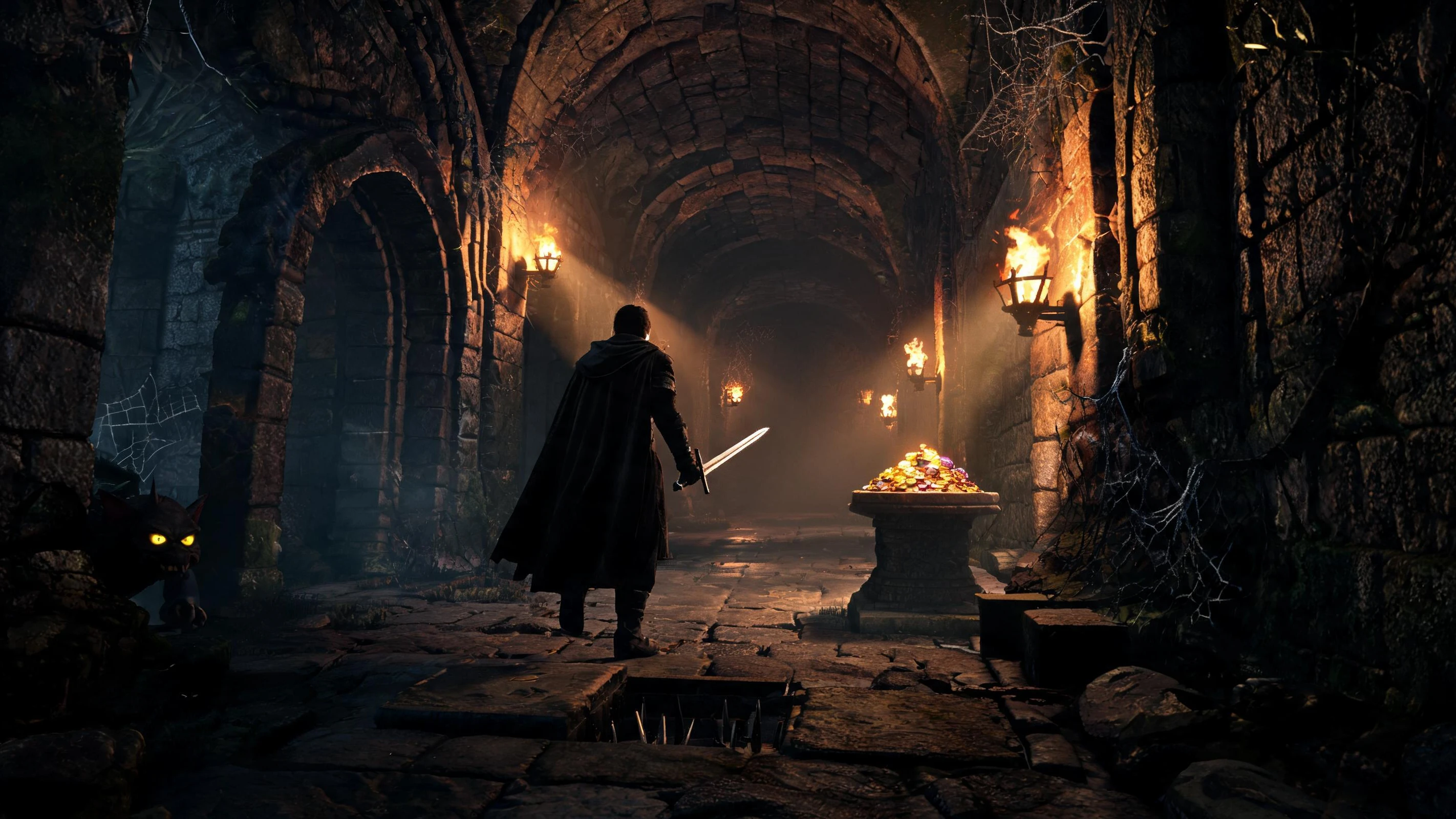
Echoes of the Wildwater
A focused AI Game Generator for Unreal Engine… direction that gives an AI Game Generator for Unreal Engine… a concrete first result to review.

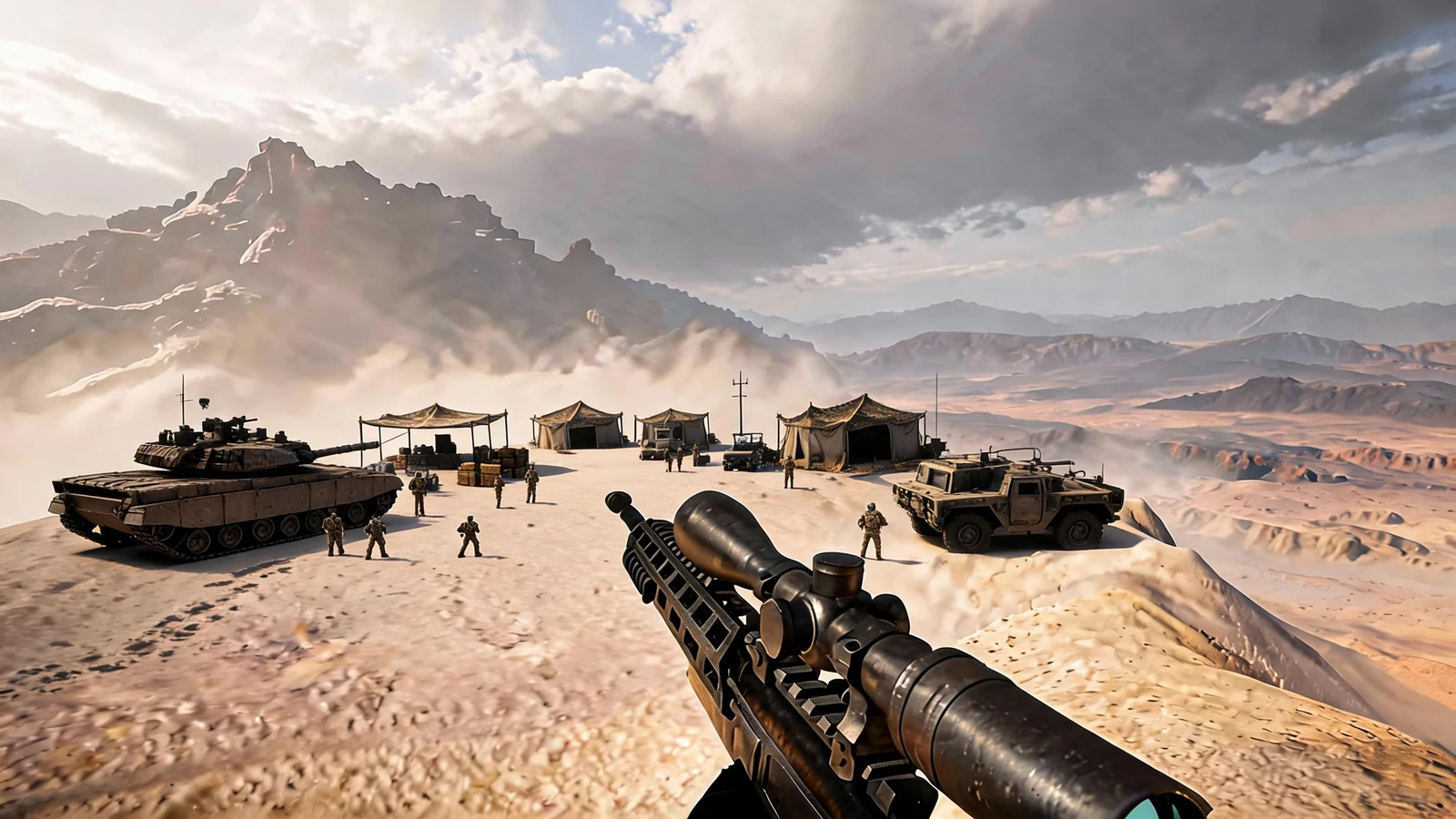
Shattered Front
A focused AI Game Generator for Unreal Engine… direction that gives an AI Game Generator for Unreal Engine… a concrete first result to review.
Why use it
Make the next decision with something real.
Focus on the parts of the idea that need a concrete result before the next decision.
Mystic Forest
Survive magical enemy waves, build powerful spells, and defeat a three-boss finale in this top-down action roguelite.
Try it now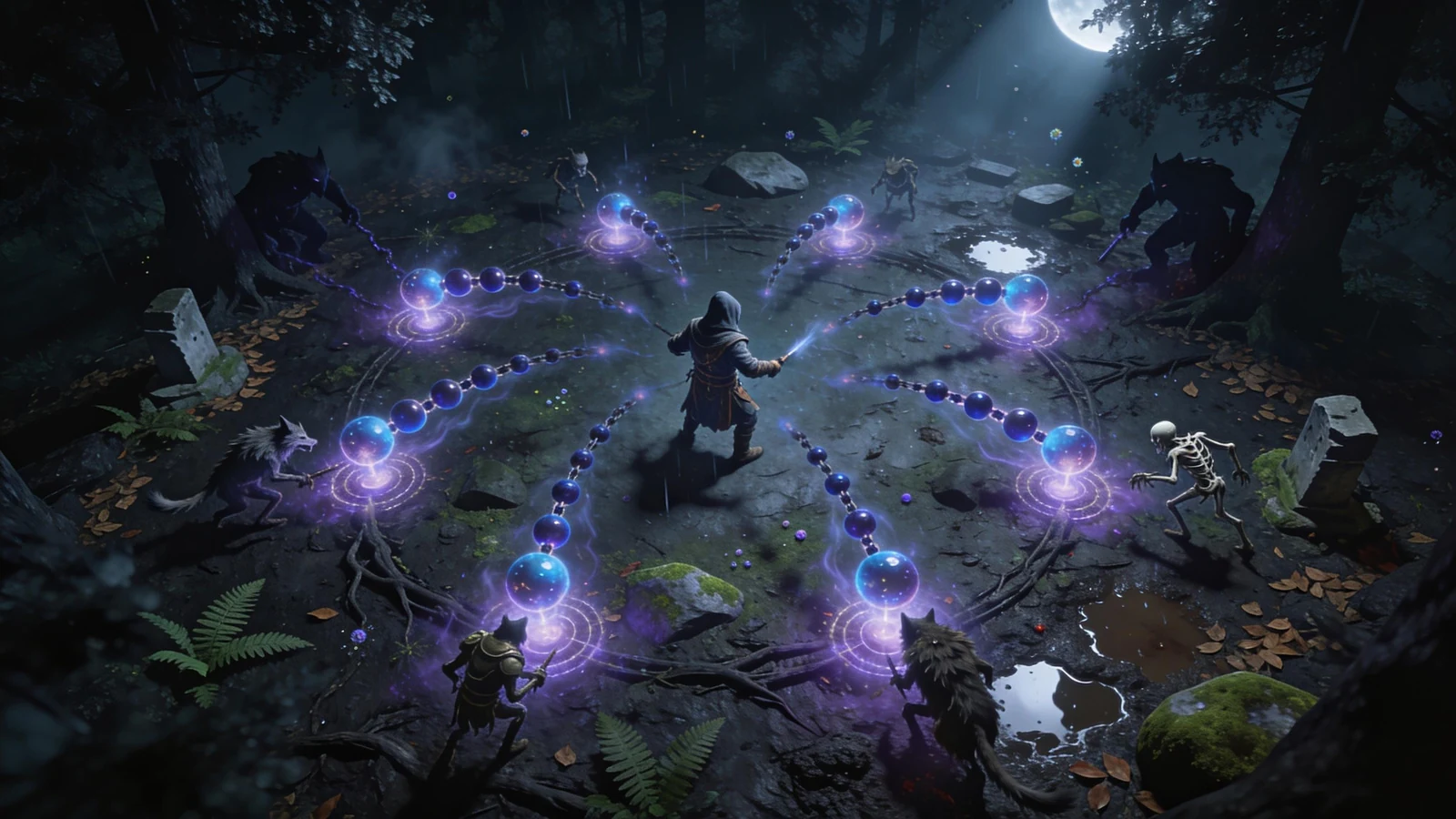
Choose a starting point
Pick a real workspace card for a scene, game genre, asset workflow, or production idea that matches what you want to build.
Try it now
Generate the native Unreal project
Open the starter prompt in SEELE AI and generate the .uproject, project files, gameplay, camera, controls, environment, and visual direction.
Try it nowWho it is for
Who is an AI Game Generator for Unreal Engine… for?
developers, technical artists, and prototype owners can use this page to make one project decision easier to test before a larger build or launch.
- Review through Pixel Streaming
Interact with the running Unreal application in the browser, then inspect the generated assets, Blueprint or C++, performance targets, and test cases.
- Validate before release
Test assets, gameplay, packaging, performance, accessibility, and platform requirements in the Unreal version you will ship.
- Unreal game AI for gameplay and Blueprints
Use Unreal game AI to explore gameplay loops, NPC behavior, Blueprint plans, and C++ boundaries. SEELE AI turns a focused prompt into a playable native UE5 starting point for human review.
How to use it
Explore Unreal workflows
Give an AI Game Generator for Unreal Engine… enough context to make the result specific, then test the part that matters to your project.
Describe the job
Start with the audience, format, desired result, and the question this page should help answer.
Try one version
Use an example or write your own prompt. Look at the main interaction, structure, visual choices, and scope together.
Decide what to keep
Take the useful parts into the workspace and record the implementation, quality, rights, and publishing work that remains.
A CLEARER FIRST MOVE
AI Game Generator for Unreal Engine… compared with a blank first pass
A useful first result gives the next decision something concrete to react to, without hiding the work that still needs human ownership.
What changes
AI Game Generator for Unreal Engine…
Starting from scratch
Starting point
A focused AI Game Generator for Unreal Engine… prompt
A blank project and an open-ended task
First review
A concrete result to inspect
A plan before there is something to try
Scope
One audience, output, and constraint
Many decisions made at once
FAQ
Questions about AI Game Generator for Unreal Engine…
Can SEELE AI generate a native Unreal 5 game?
Yes. SEELE AI generates a native Unreal 5 game that you can preview in the browser, optimize and package inside Seele, and download for continued local development or external publishing — the world's first online native Unreal workflow for building deliverable Unreal games. Review the generated Blueprint, C++, asset, plugin, performance, and target-platform contents for the specific game scope before release.
Is SEELE AI affiliated with Epic Games?
No. SEELE AI is an independent product. Unreal Engine, UE5, UEFN, Fab, MetaHuman, Nanite, Lumen, Niagara, and related names belong to Epic Games or their respective owners. This page compares workflows and does not imply an endorsement, partnership, or native engine integration. Trademark references remain purely descriptive.
Can I continue working with Blueprint and C++?
Yes. Download the native game to review and extend it in Unreal 5 with Blueprint, C++, assets, and the rest of your local development workflow. The exact generated code, asset, plugin, and configuration contents depend on the game scope, so inspect those contents and keep game-specific version and platform checks in the release plan.
Start creating
Try AI Game Generator for Unreal Engine…
Describe the job, test one version, and decide what to do next inside SEELE AI.
Start creatingFree