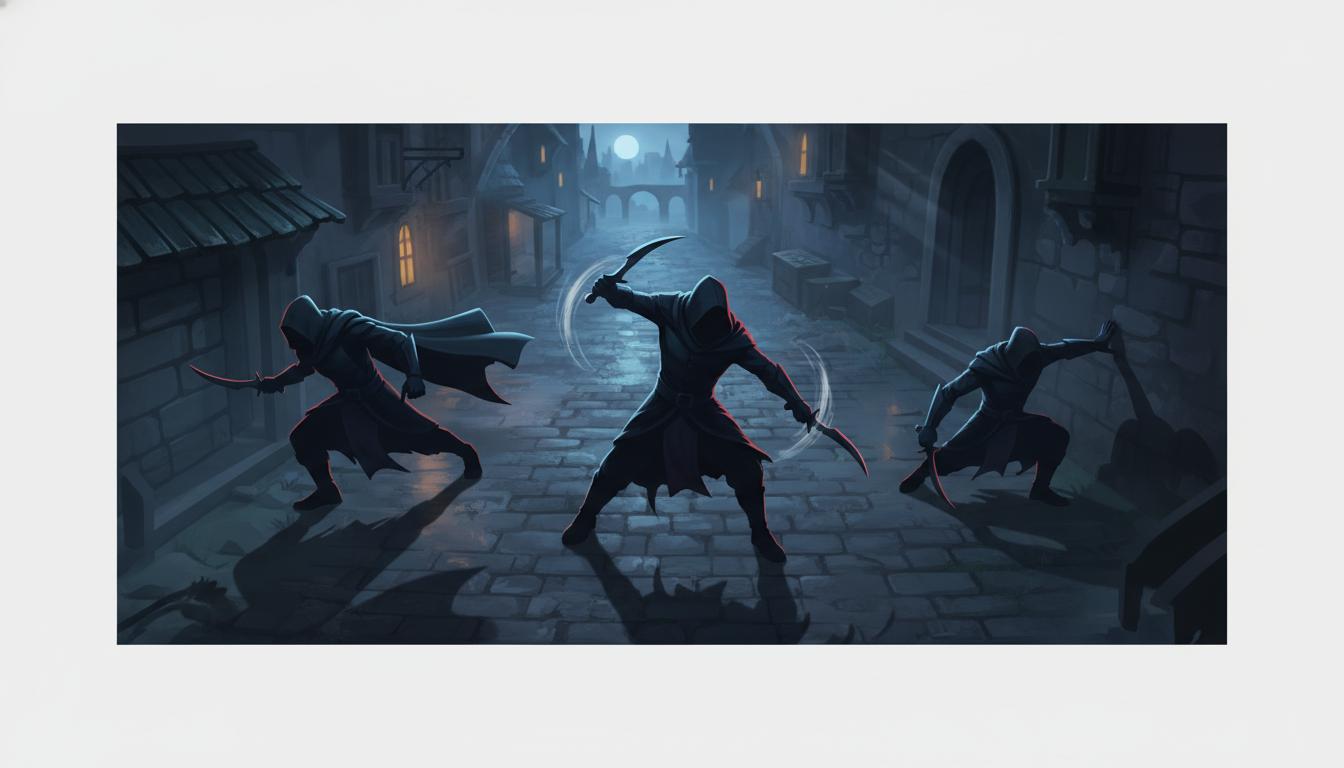
Rogue Hero Silhouette
Focus on top-down readability during movement and attack.
Search thisTurn a character idea into a clearer top-down silhouette, state-planning brief, and 2D production handoff before sprite polish begins.
Try this in Seele AI
Start with a specific top down game character creator need, then carry that prompt into the workspace for deeper iteration and follow-up planning.
Quick Start Searches
Pick a concrete top down game character creator scenario and jump into the workspace with a stronger starting prompt.
Focus on top-down readability during movement and attack.
Search this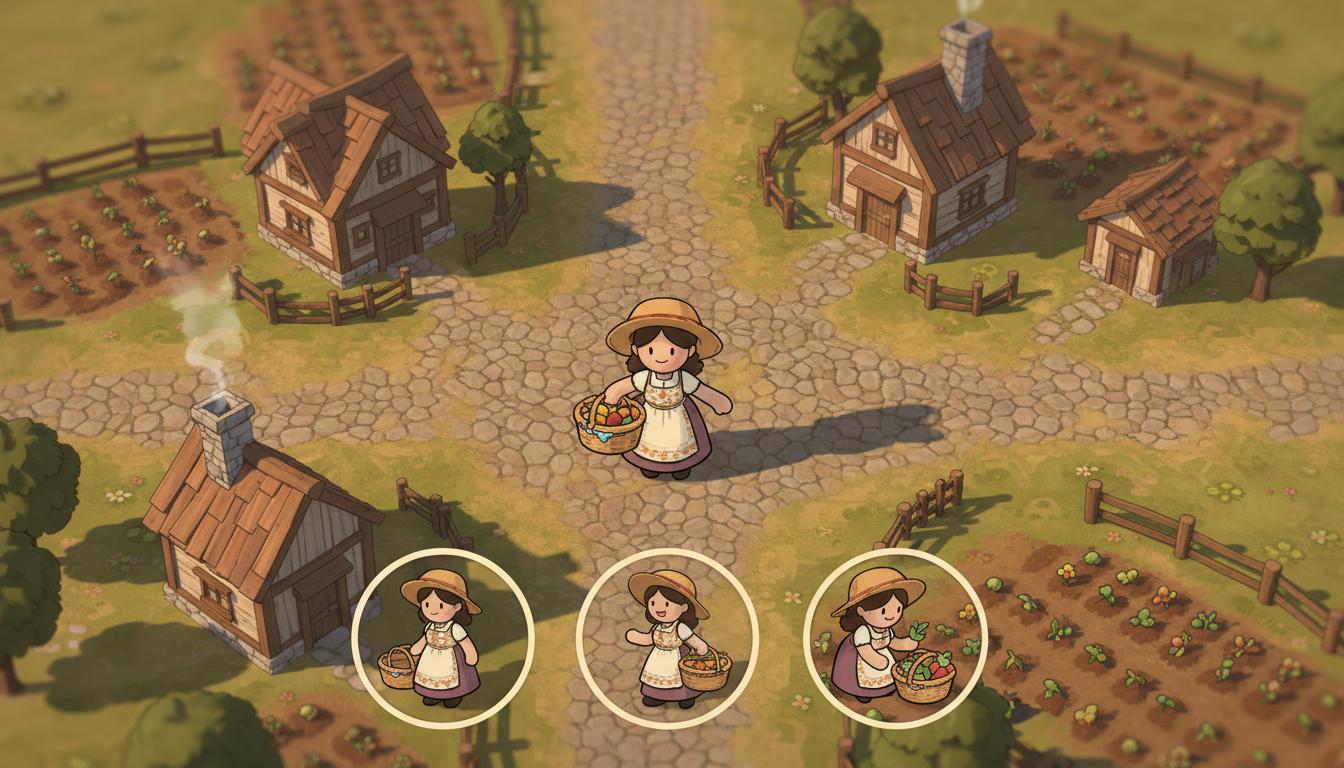
Make a softer character still read from above.
Search this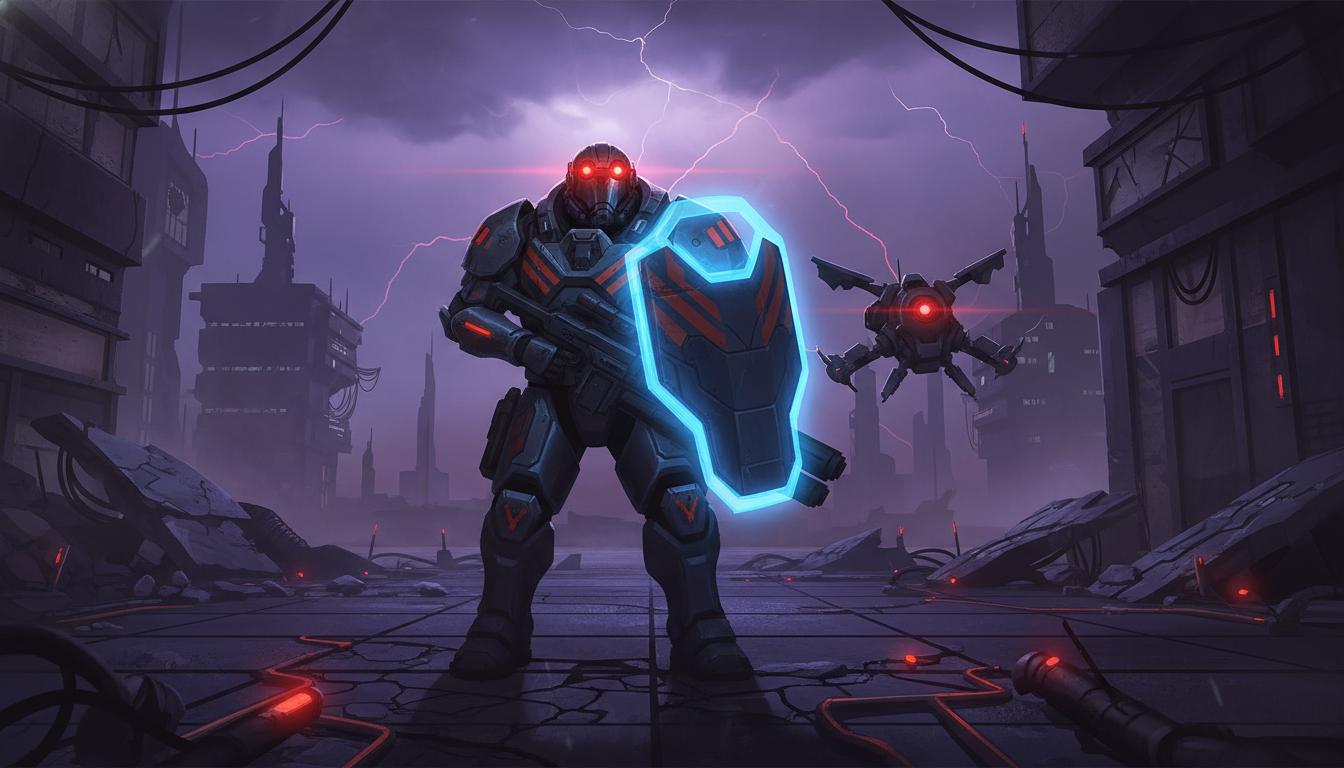
Build a stronger enemy role through silhouette.
Search this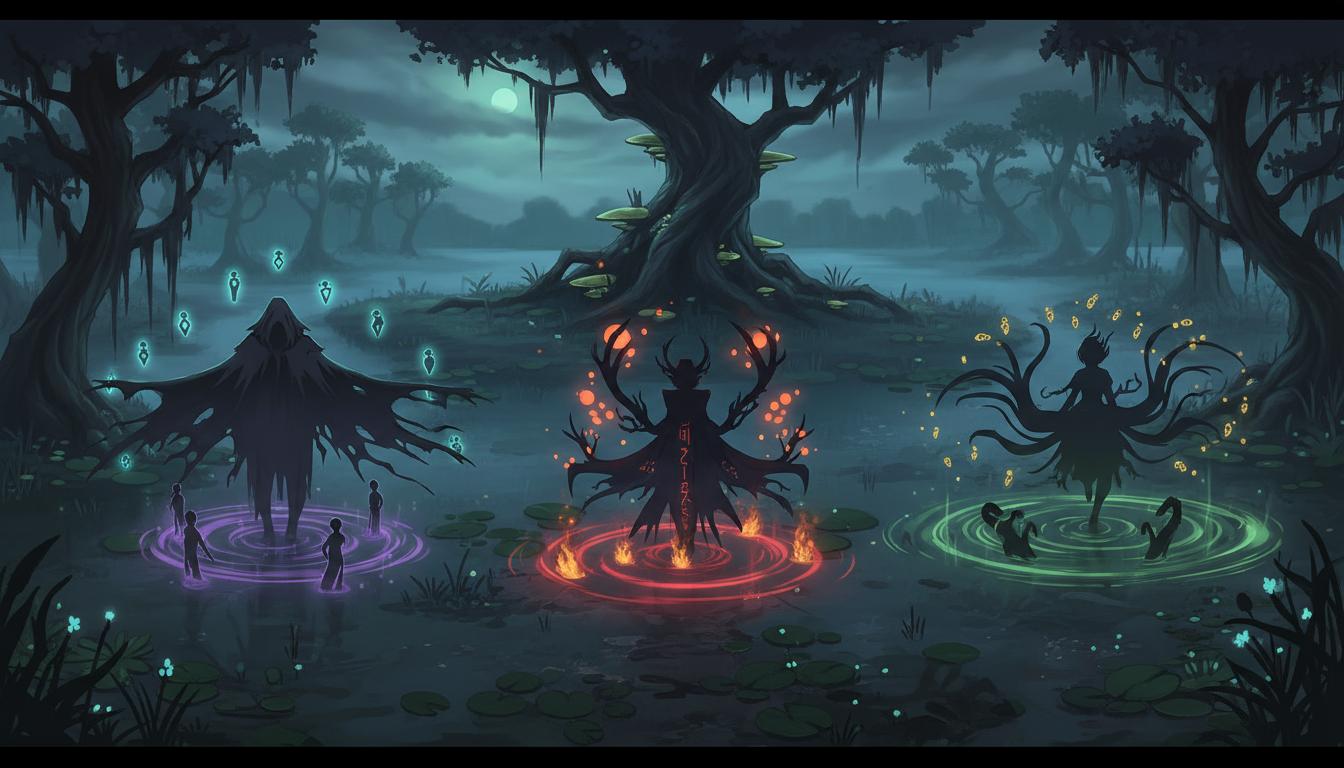
Keep a large character legible from a distant camera.
Search this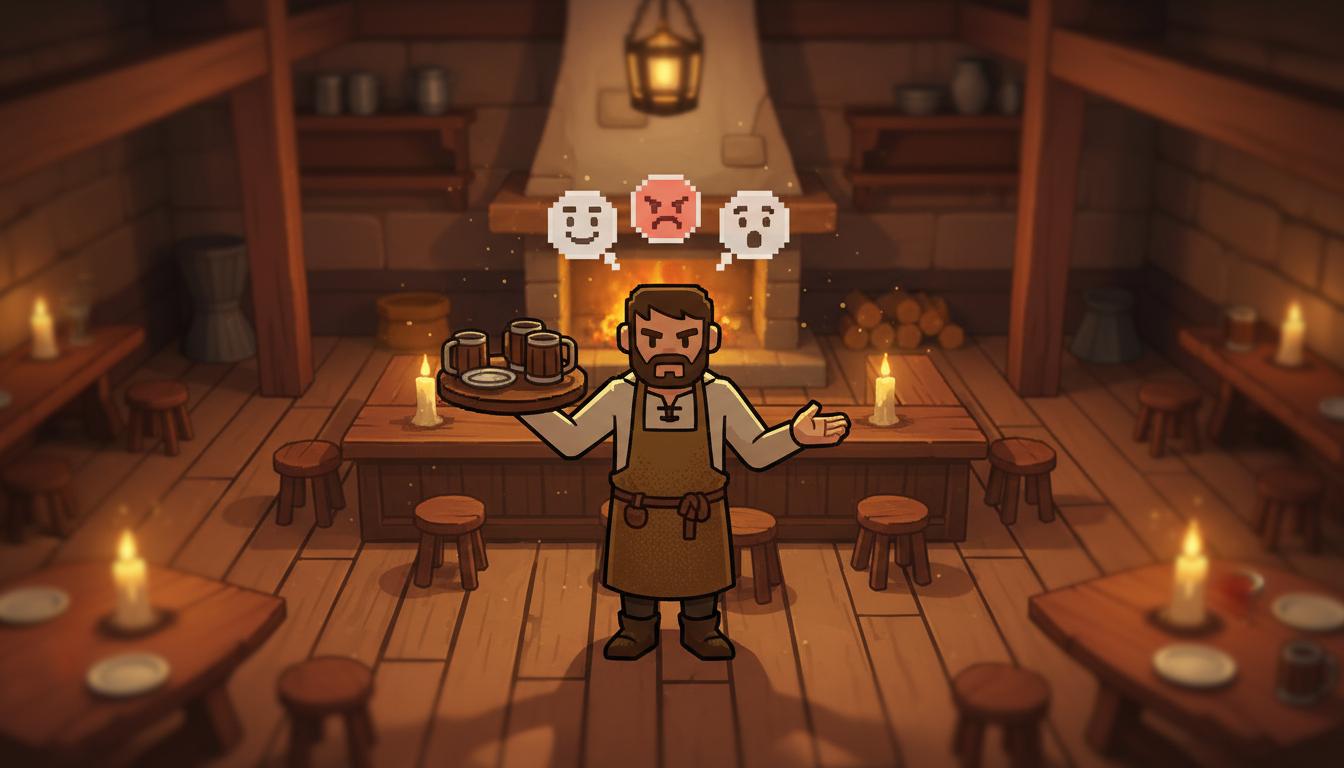
Prepare a character for later sprite-sheet production.
Search this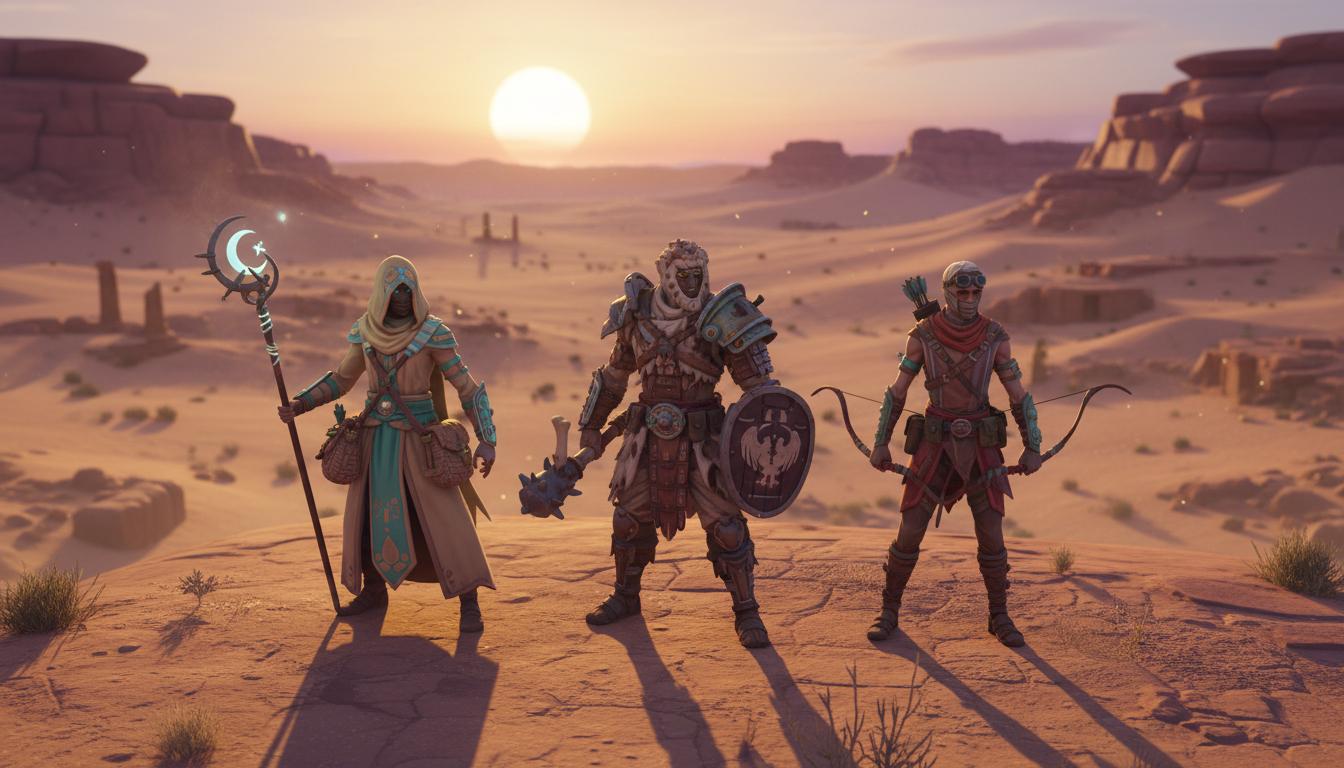
Compare multiple role identities quickly.
Search thisCore Features
This page is strongest when you need clearer top down game character creator direction before expensive production steps begin.
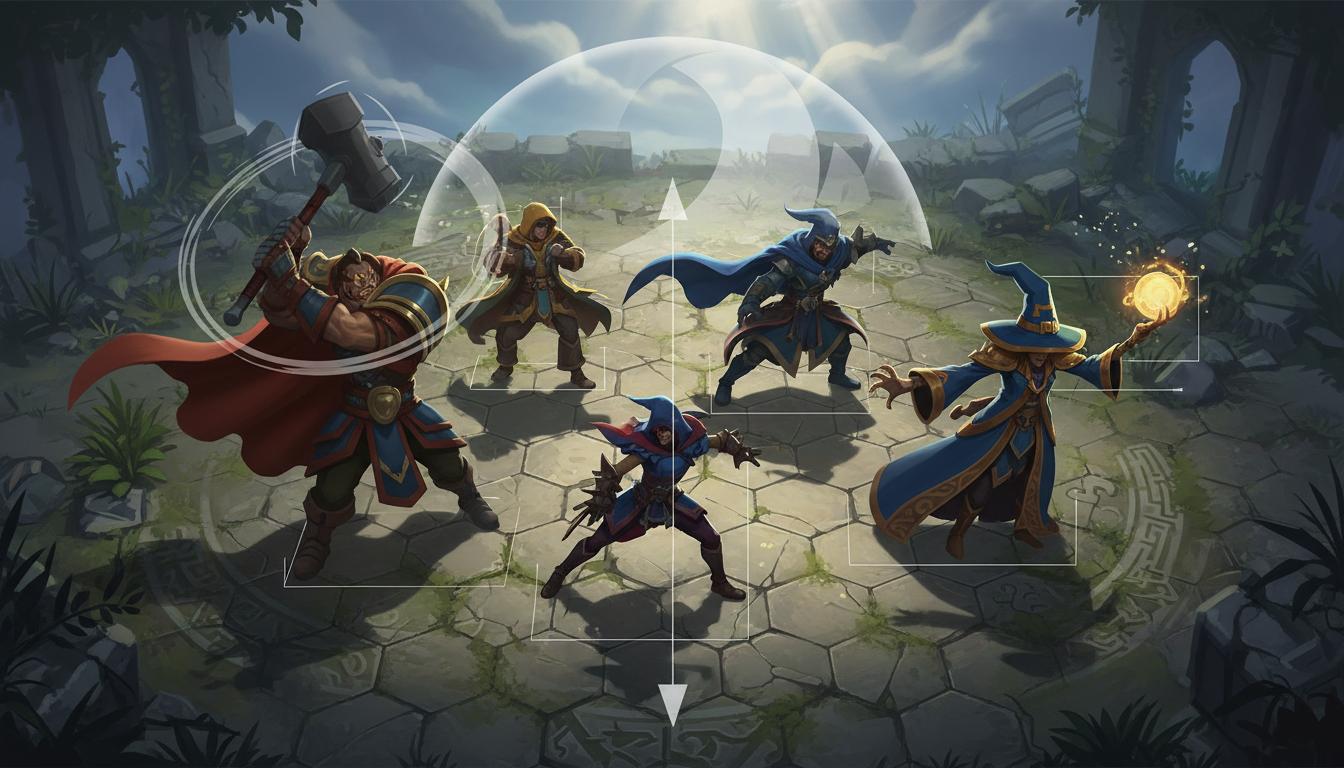
Top-down characters succeed when silhouettes, costume masses, and action cues stay legible from above.
Open Workspace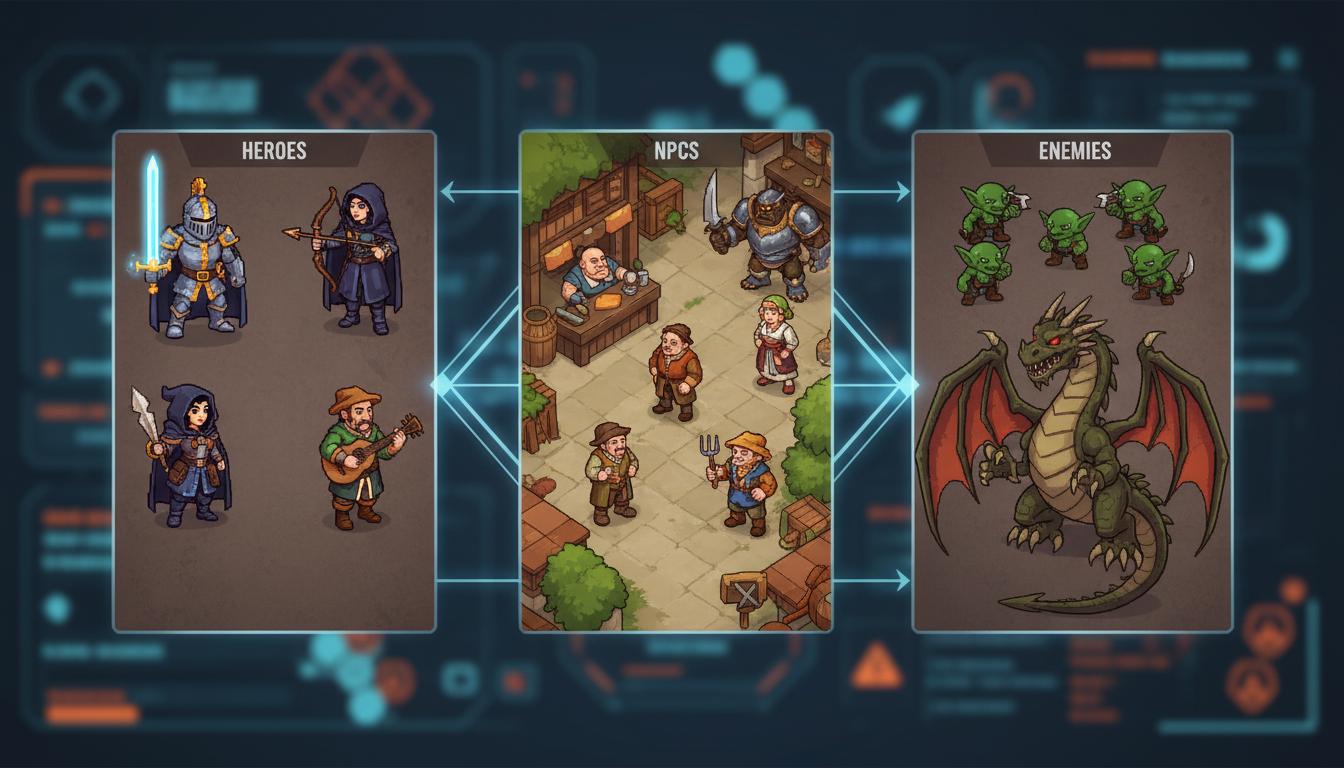
The workflow is not limited to protagonists. It also helps with support cast, enemy families, and bosses.
Open Workspace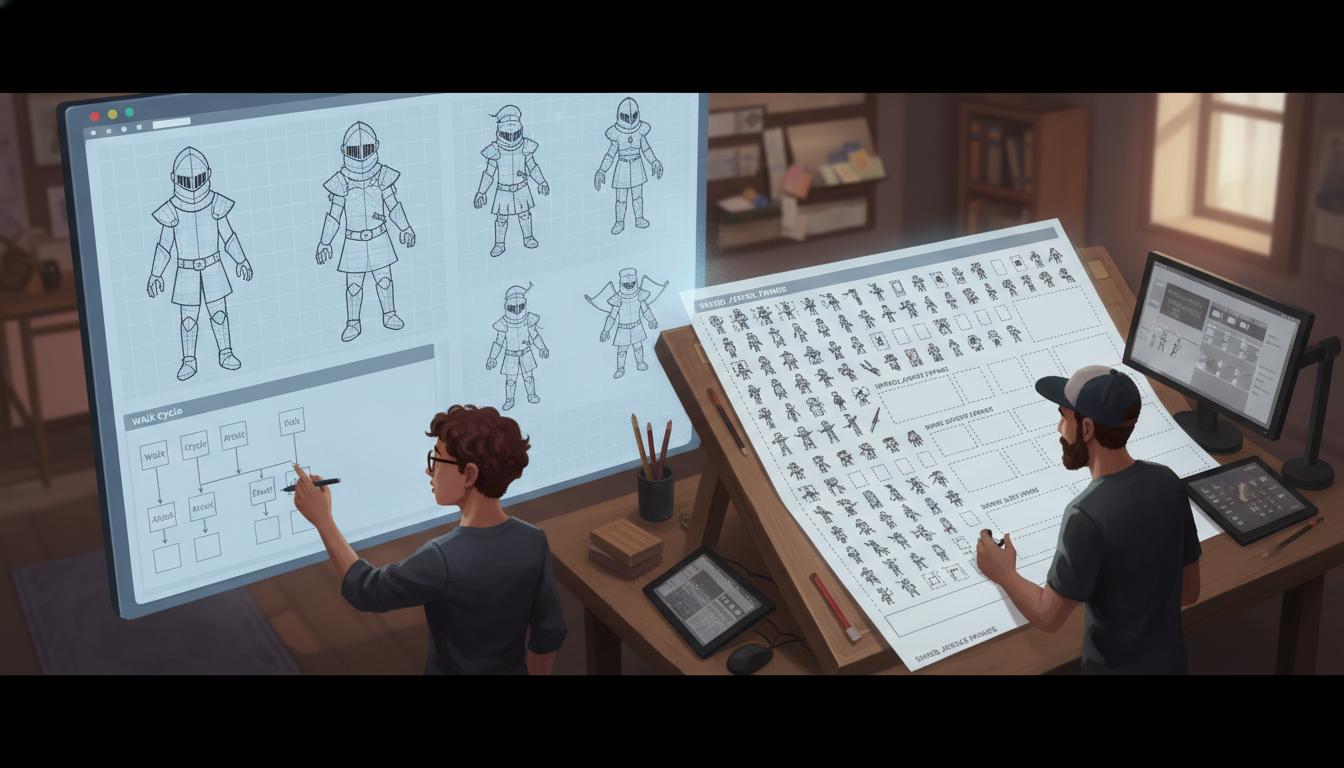
A stronger top-down brief makes later animation-state and sheet-coverage decisions easier.
Open Workspace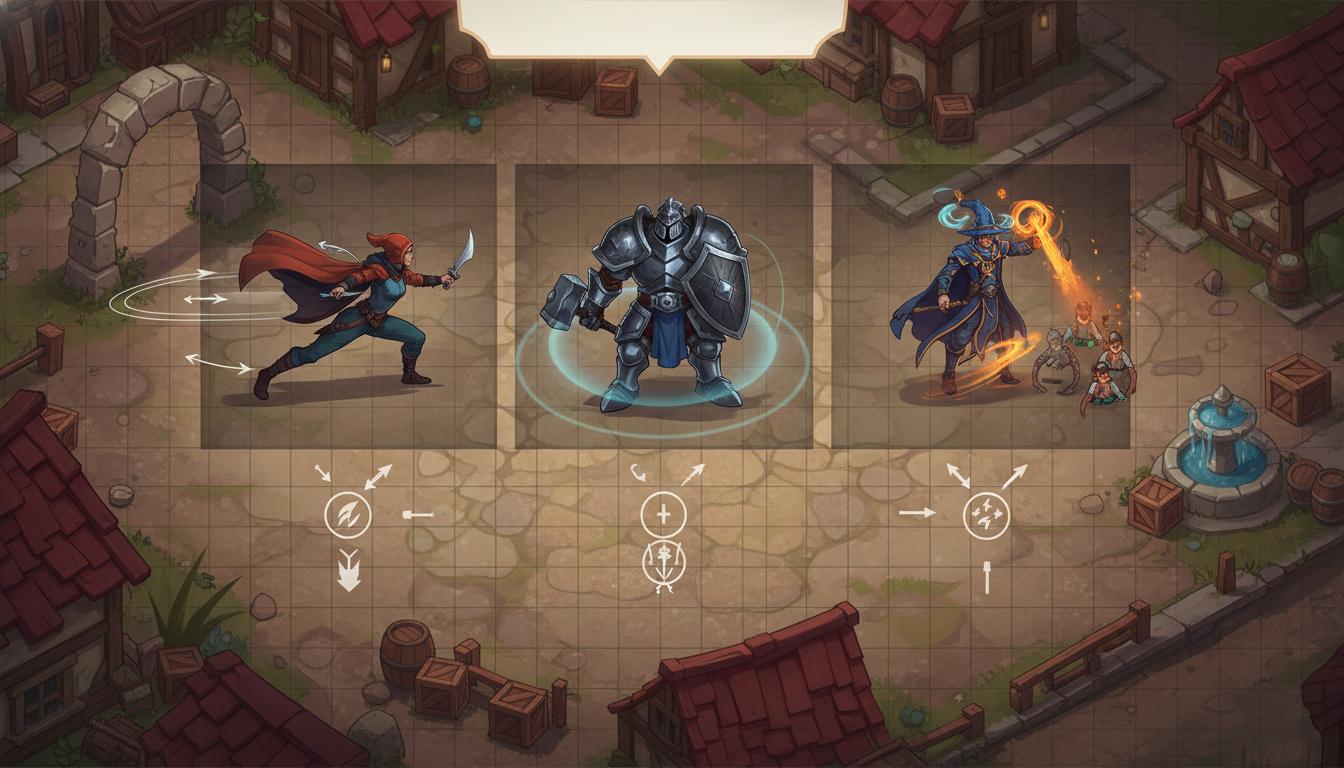
Results improve when prompts explain how the character moves, fights, or interacts in the game.
Open Workspace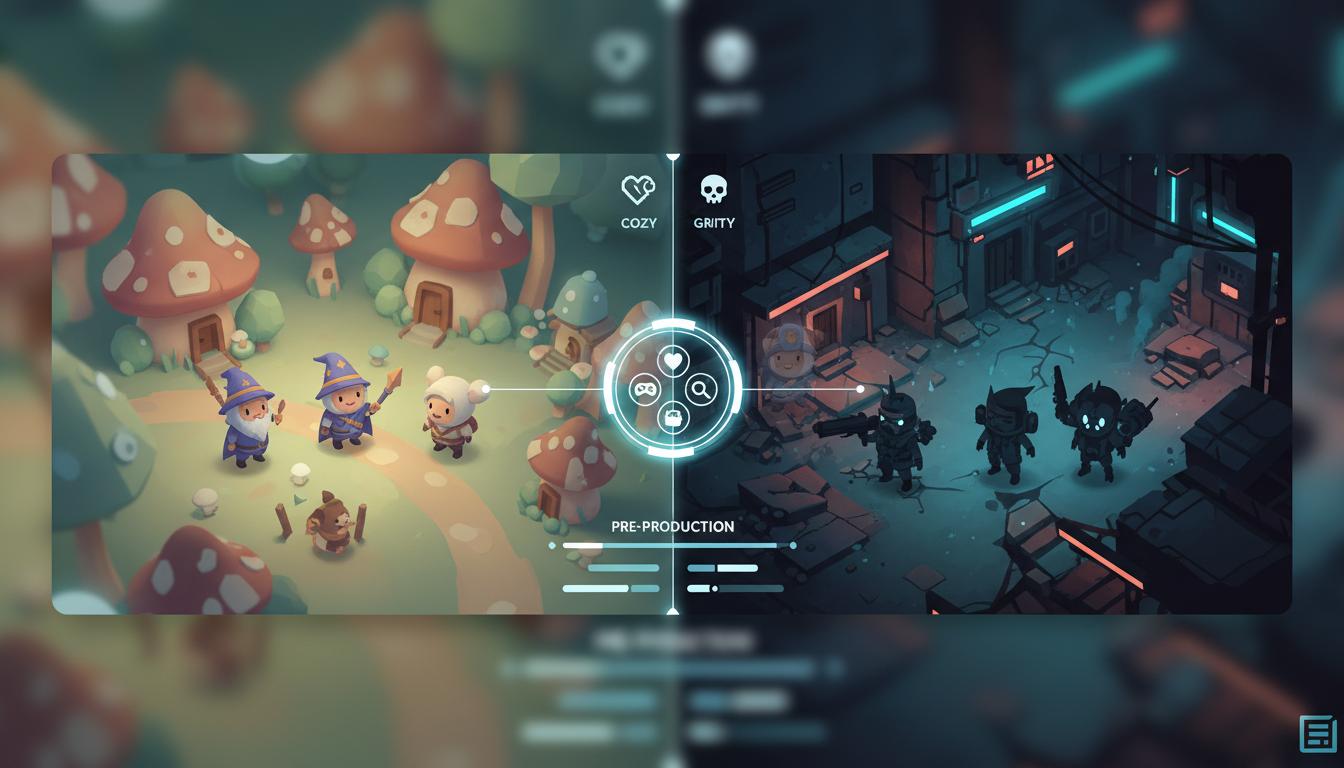
Alternative routes help teams choose between cozy, gritty, arcade, or more detailed top-down directions.
Open Workspace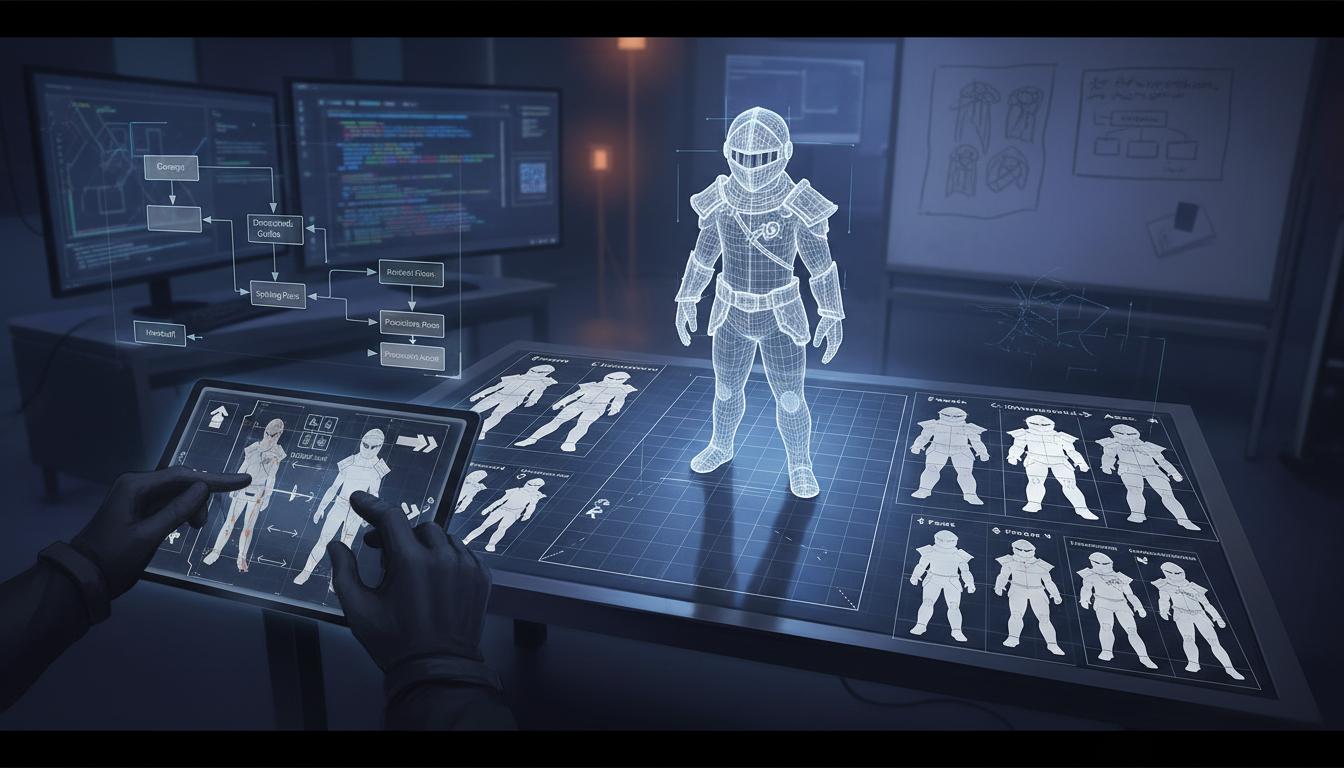
The right positioning is character-direction planning and handoff support, not automatic final production-ready sprite export.
Open WorkspaceComparison
Use this page to understand where top down game character creator helps most in a real workflow.
| Criteria | Top-Down Game Character Creator for Readable 2D Character Design | Manual workflow | Generic prompt-only ideation |
|---|---|---|---|
| Time to first usable direction | Fast | Slow | Fast |
| Best stage | Prototype and pre-production | Production execution | Early ideation only |
| Iteration cost | Low | High | Low |
| Review boundary clarity | High | High | Low |
| Technical production readiness | Needs review | Strong when finished | Not applicable |
| Team alignment speed | High | Medium | Medium |
Who This Tool Page Is For
The strongest use cases appear when one team needs top down game character creator direction quickly, not a final production asset immediately.
Use clearer prompts and structured outputs to move from idea to a reviewable direction without waiting on a full production pass.
Open WorkspaceCompare scope, style, and production trade-offs earlier so implementation starts from a cleaner brief.
Open WorkspaceBring stronger first-pass options into review and decide which path deserves deeper production effort.
Open WorkspaceA top down game character creator is useful because character readability works differently from above. Fine front-view detail matters less than silhouette, color grouping, and action cues that can still be read at small scale during play.
The most helpful result is a top-down character brief, a few visual routes, and a production handoff for sprite or animation planning. That can help heroes, villagers, guards, enemies, and bosses feel distinct without overbuilding the asset too early.
Manual animation timing, sprite cleanup, export setup, and real in-game readability tests still matter. The honest promise is faster top-down character planning, not automatic final character asset shipping.
How It Works
Explain the character job, tone, camera distance, and which actions must read clearly from above. Seele AI frames the silhouette, costume priorities, and state-readability needs for the character.
Ask for one or more visual routes covering shape language, costume cues, and motion-ready planning. Seele AI proposes alternative top-down character directions tuned to gameplay readability.
Choose the route that best fits the game world and on-screen readability needs. Seele AI condenses the route into a clearer handoff for sprite-sheet planning or asset production.
What You Get
A structured summary of role, silhouette, and readability goals from the game camera.
Alternative visual and motion-aware directions before production commits.
A concise note on what should carry into sprite-sheet planning or final art production.
Where This Works Best
It is best for planning readable 2D character direction from a top-down camera before full asset production begins. Teams use it to get to a clearer silhouette and state-planning brief faster.
Yes. It can support heroes, enemies, bosses, villagers, merchants, and other roles as long as the gameplay purpose is clear.
No. Final frame production, timing, cleanup, and export still need manual work. The workflow is strongest for planning and handoff.
Include the character role, camera style, tone, and the actions that must stay readable during play. Costume massing and silhouette cues also help.
Because the camera hides some front-facing detail and puts more pressure on silhouette, color grouping, and motion cues. A good brief keeps those needs visible early.
Join thousands building with Seele AI — no setup required.
Open Workspace