Capture the reproduction contract
Record engine version, map, camera, resolution, scalability, device profile, input sequence, state, expected result, and timestamp.
Try it now
Turn Unreal screenshots and captures into a disciplined Kimi K3 visual-debugging loop with hypotheses, regression checks, human review, and a playable…
Start with free starter credits
Shape an idea, make it playable, and share it with the people who will play.

Start with a spark, a world, or a what-if worth exploring.
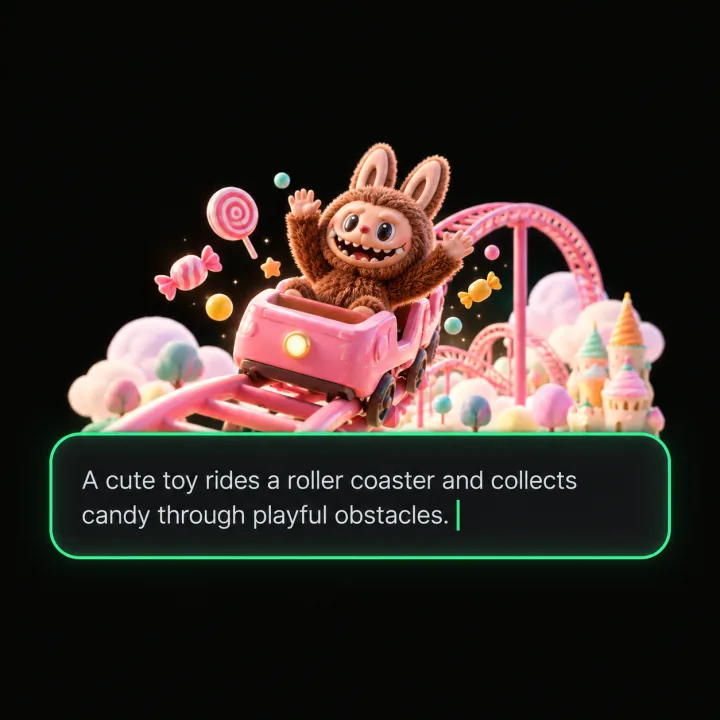
Turn the idea into a prompt with a player, a goal, and a core loop.
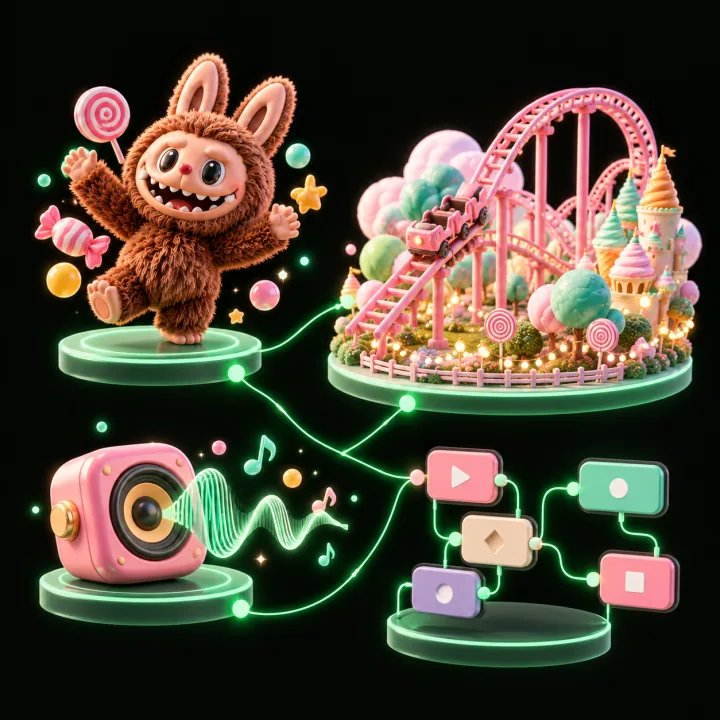
Shape the characters, environments, and systems that make it playable.
Try the game, tune the experience, and get it ready to share.
Invite others to explore the world you made.
Examples
Start with a direction that resembles your project, then change the mechanics, look, or audience before you build further.
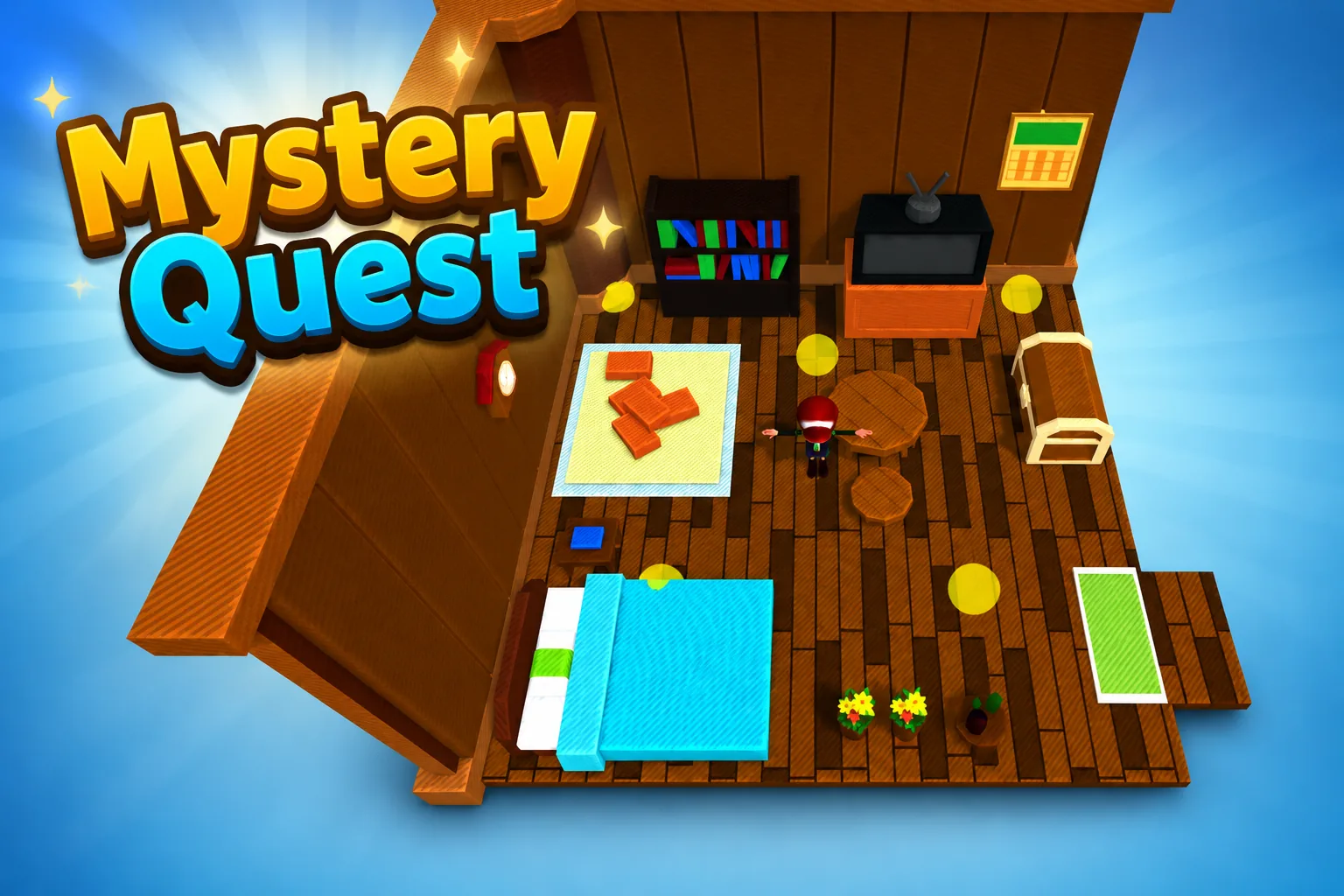 AdventureAdventure GamePlay game ↗
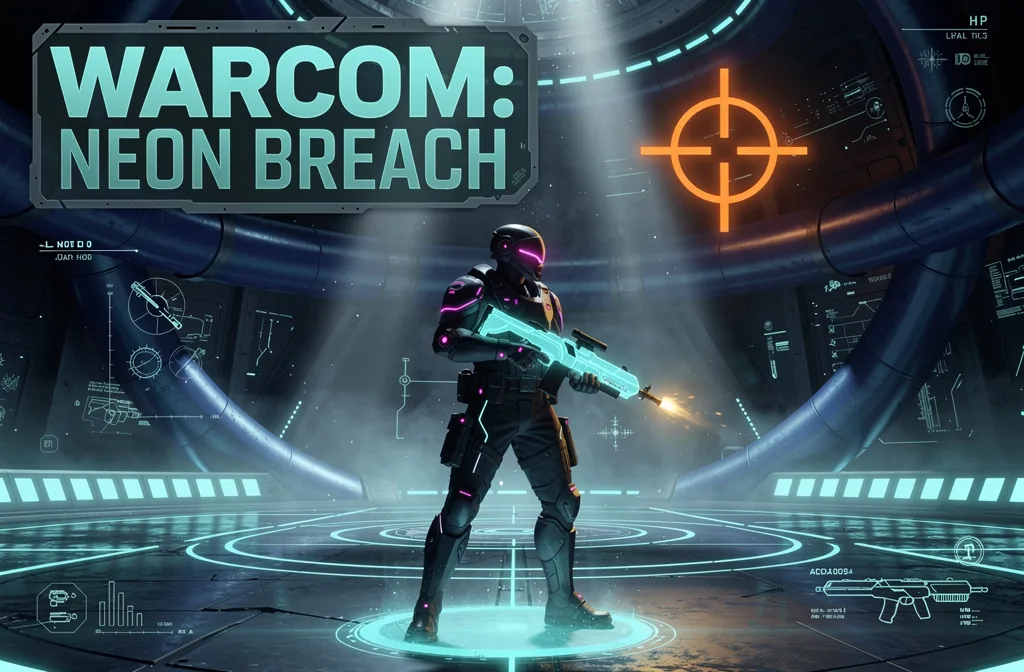 ShooterWarcom: Neon BreachPlay game ↗
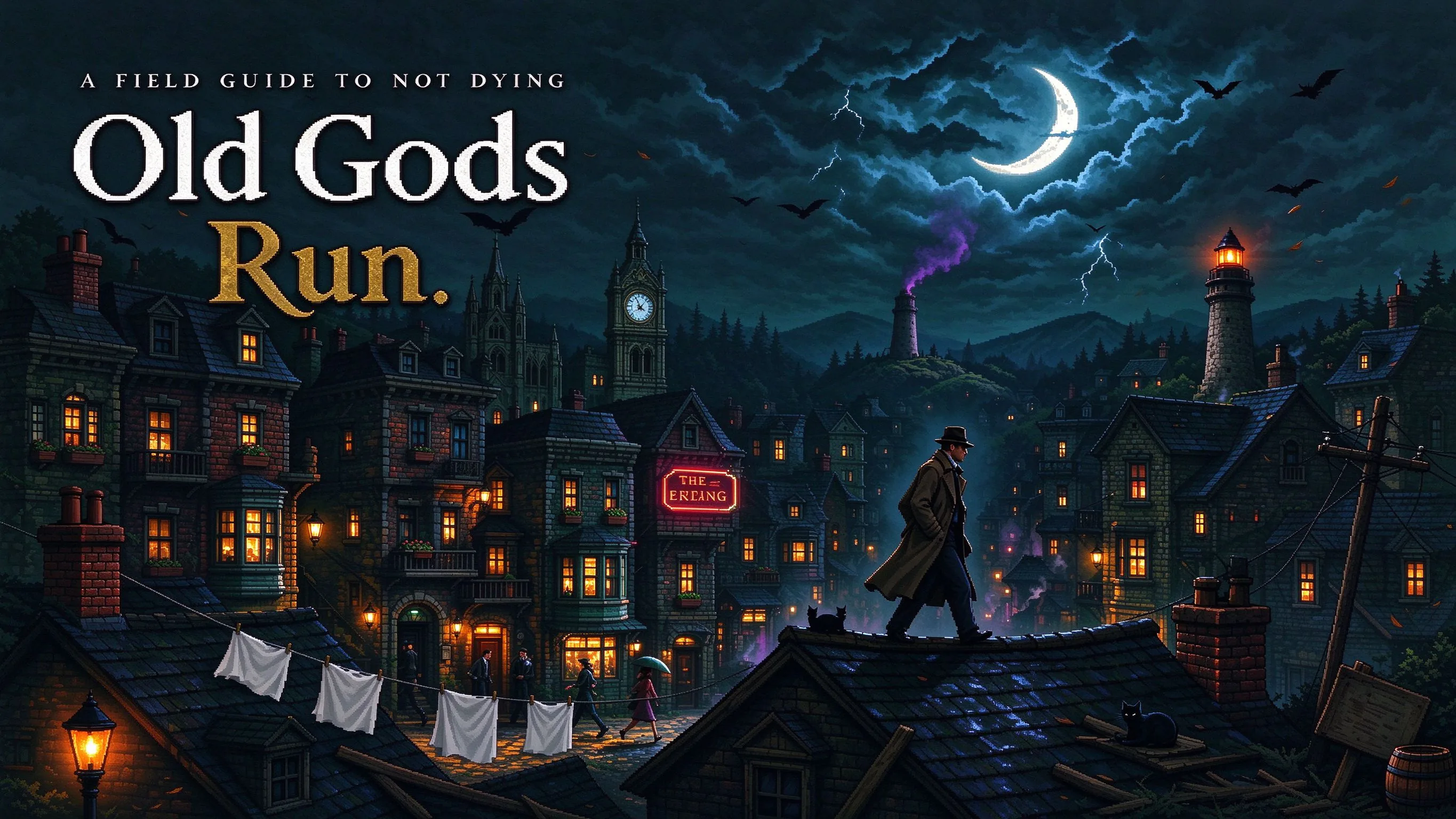 ActionOld Gods RunPlay game ↗
 CasualCaution! Egg on the Car RoofPlay game ↗
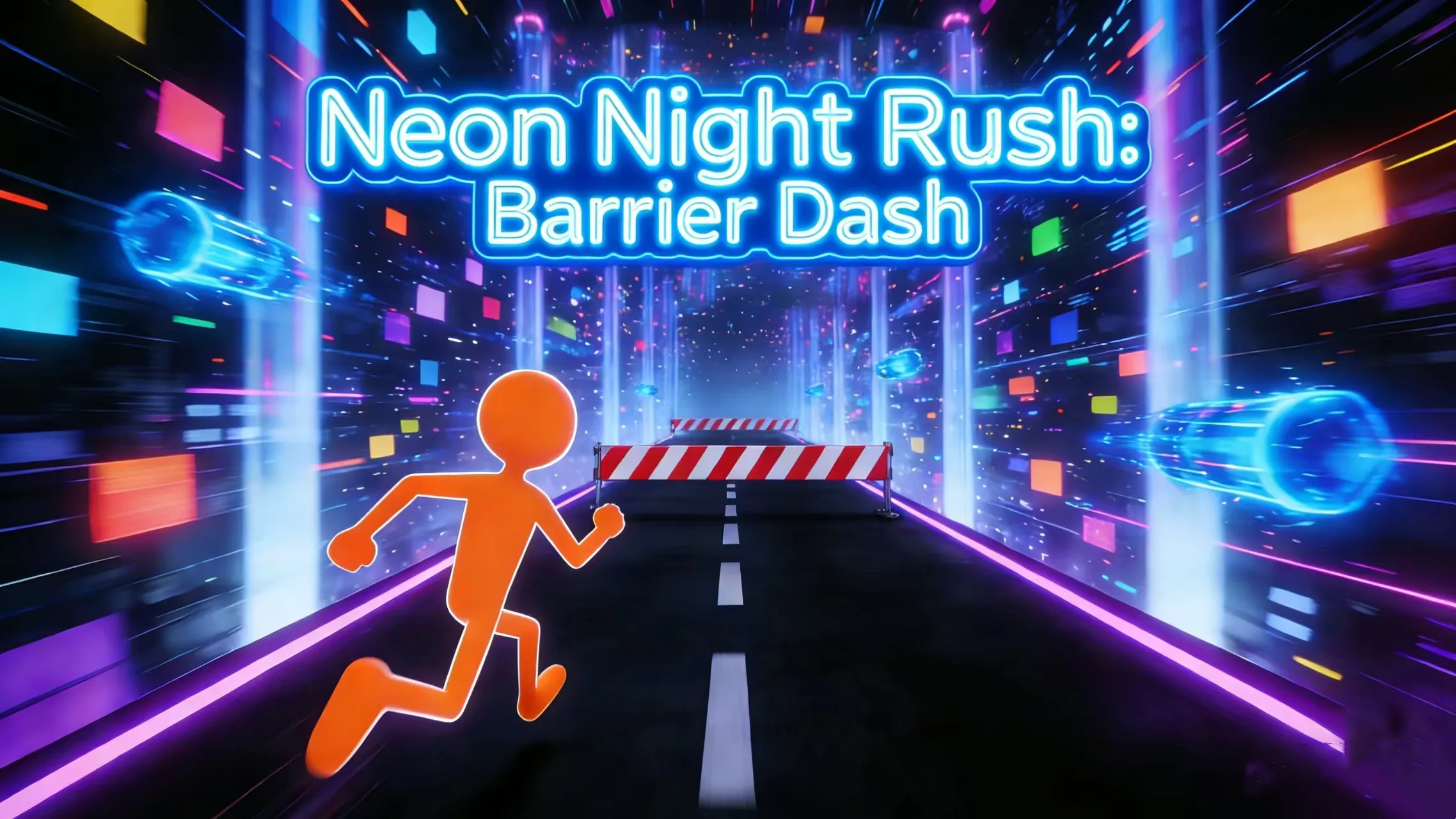 RunnerNeon Night Rush: Barrier DashPlay game ↗
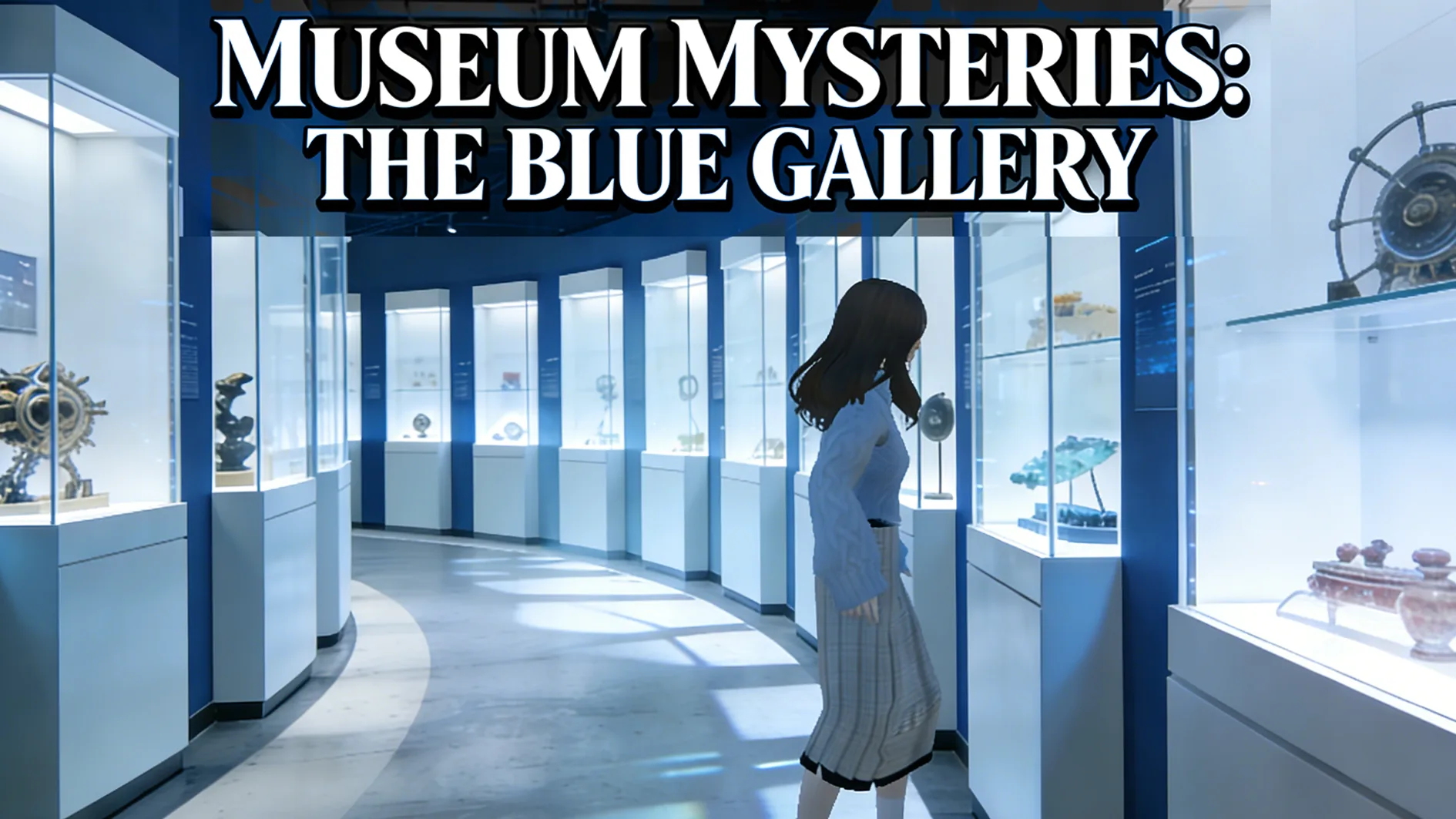 PuzzleMuseum ExhibitionPlay game ↗
 SimulationMilky Way Idle 3DPlay game ↗
 CasualSnowfall & Starry GiftsPlay game ↗
 RPGCrownfall-The-Three-Realms-CoverPlay game ↗
 SimulationFLYING CARPlay game ↗
Give a Kimi K3 Vision-in-the-Loop for Unreal Debugging enough context to make the result specific, then test the part that matters to your project.
Start with the audience, format, desired result, and the question this page should help answer.
Use an example or write your own prompt. Look at the main interaction, structure, visual choices, and scope together.
Take the useful parts into the workspace and record the implementation, quality, rights, and publishing work that remains.
Why use it
Focus on the parts of the idea that need a concrete result before the next decision.
Record engine version, map, camera, resolution, scalability, device profile, input sequence, state, expected result, and timestamp.
Try it nowSeparate camera, UI, materials, lighting, geometry, animation, effects, and missing-content symptoms before proposing causes.
Try it nowMake the smallest reversible change connected to one observation, run the correct native checks, and recapture the matched state.
Try it nowYou define who the experience serves and what a successful result needs to do.
Choose what comes next
The page can organize a proposal, but people still decide what is accurate, original, usable, and ready for the next stage.
You define who the experience serves and what a successful result needs to do.
You check factual fit, originality, continuity, accessibility, and whether the pieces work together.
You decide what is ready for implementation, sharing, publishing, or another round of work.
Who it is for
developers, technical artists, and prototype owners can use this page to make one project decision easier to test before a larger build or launch.
Review the target fix plus desktop, platform, route, interaction, performance, and packaging evidence before accepting the change.
Compare labeled before-and-after captures for composition, clipping, readability, missing media, camera shift, lighting, and unintended changes; return observations before hypotheses.
Inspect a sequence of route captures for horizon, landmark visibility, occlusion, collision cues, navigation ambiguity, and completion-state feedback.
A clearer first move
A useful first result gives the next decision something concrete to react to, without hiding the work that still needs human ownership.
SEELE AI on YouTube
Reviews, walkthroughs, and games made with SEELE AI by creators on YouTube.
FAQ
Moonshot AI describes a workflow where K3 can use screenshots and visuals while coding, then inspect and refine live outputs. For Unreal teams, the disciplined version is a repeatable capture loop with labeled states, explicit observations, reversible changes, native tests, and matched recaptures—not a claim that one screenshot explains the entire project.
A matched screenshot can prove that a visible symptom changed under one declared capture state. It cannot prove input behavior, collision, replication, performance, memory, save data, accessibility, focus, packaging, or other camera and platform states. Accept the fix only after the relevant runtime tests and regression matrix also pass.
Save engine and project version, starting commit, map, level sequence or state, camera transform, viewport or resolution, DPI, scalability, device profile, platform, time of day, console variables, input steps, expected result, capture timestamp, and related logs. Without that context, later comparisons can confuse environment drift with a product regression.
Describe the job, test one version, and decide what to do next inside SEELE AI.
Start creating