DCC to Unreal handoff · character behavior brief
DCC To Unreal Handoff for Foliage Set — Low-risk Rollback Point
For technical artists and game asset creators, this dcc to unreal handoff workflow turns foliage set into a prompt-to-prototype evidence record with acceptance evidence. Work within low-risk rollback point, use the scoped Unreal 5 prompt, record acceptance and rollback evidence, and preserve the last known-good state before expanding production scope. This keeps foliage set tied to one measurable search and production intent.
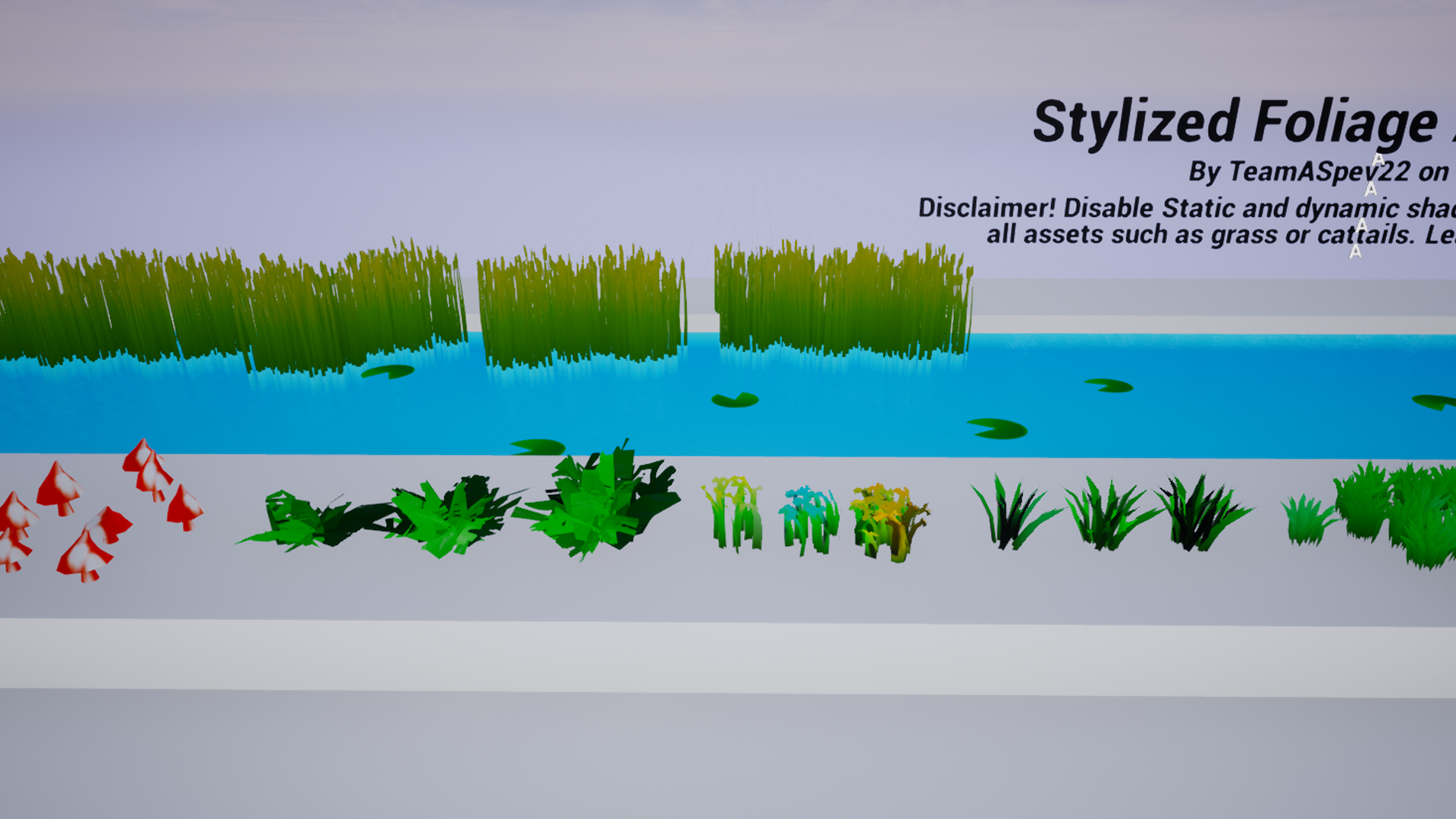
Direct answer
What DCC To Unreal Handoff for Foliage Set produces
Best for
- technical artists and game asset creators generating and reviewing foliage set in Unreal 5
- teams comparing review evidence under a low-risk rollback point
- projects that need a prompt-to-prototype evidence record, browser preview, local download, and a reversible next step
Expected output
For DCC To Unreal Handoff for Foliage Set, produce a prompt-to-prototype evidence record under a low-risk rollback point, with acceptance evidence and a reversible next step for foliage set.
Supported delivery
For DCC To Unreal Handoff for Foliage Set, SEELE AI generates a native Unreal 5 project for foliage set with browser preview, performance optimization, packaging, and downloadable output under a low-risk rollback point.
Starter project
Four prompts for foliage set
Starter prompt 1
Generate a native Unreal 5 project for foliage set. The audience is technical artists and game asset creators. Work within a low-risk rollback point. Make the objective, input, feedback, success, failure, and restart path visible. Produce a prompt-to-prototype evidence record, prepare a browser preview, and keep the project ready for performance optimization, packaging, and local download. Record any plugin, platform, rights, or performance assumption that needs project-specific review.
Starter prompt 2
For DCC To Unreal Handoff for Foliage Set — Low-risk Rollback Point, generate a minimal Unreal 5 project that shows one success, one failure, and a restart. Make it browser-previewable and ready for local project download.
Starter prompt 3
Audit a foliage set prototype direction for technical artists and game asset creators. Identify the highest-risk assumption, the evidence needed to test it, and the rollback point before scope expands.
Starter prompt 4
Prepare the foliage set project for technical artists and game asset creators under a low-risk rollback point: list confirmed browser behavior, generated project contents, performance and packaging results, rights checks, downloadable outputs, and the next acceptance test.
Workflow
Build and review foliage set in five steps
- 1
Define The Player-facing Role
For DCC To Unreal Handoff for Foliage Set — Low-risk Rollback Point, frame foliage set as one observable DCC to Unreal handoff task for technical artists and game asset creators; remove adjacent features until the task can be reviewed without explanation.
- 2
List Required States
Use the DCC To Unreal Handoff for Foliage Set — Low-risk Rollback Point prompt to establish the review boundary; for foliage set, record the expected input, feedback, success, failure, and restart behavior before visual polish.
- 3
Map Animation And Feedback Needs
Review the SEELE AI result for DCC to Unreal handoff as a prompt-to-prototype evidence record; compare foliage set with the original task and the a low-risk rollback point boundary rather than treating attractive imagery as gameplay proof.
- 4
Specify Decision Boundaries
In DCC To Unreal Handoff for Foliage Set — Low-risk Rollback Point, challenge the known risk that the handoff assumes an engine feature that was not verified; change one variable, preserve the last known-good version, and repeat the the handoff separates confirmed behavior from version-specific assumptions check.
- 5
Test The Encounter Outcome
For DCC To Unreal Handoff for Foliage Set — Low-risk Rollback Point, review the generated Unreal 5 foliage set project in the browser, optimize and package it in Seele, then download the project or packaged output for external publishing, or publish it on Seele as a free or paid game.
Concrete outputs
Unreal 5 project, preview, download, and publishing deliverables
Native Unreal 5 Project For Foliage Set
For DCC To Unreal Handoff for Foliage Set under a low-risk rollback point, use this foliage set deliverable to review the handoff separates confirmed behavior from version-specific assumptions across the generated Unreal 5 project, browser preview, and downloadable output.
A Prompt-to-prototype Evidence Record With Acceptance Evidence
For DCC To Unreal Handoff for Foliage Set under a low-risk rollback point, use this foliage set deliverable to review the handoff separates confirmed behavior from version-specific assumptions across the generated Unreal 5 project, browser preview, and downloadable output.
Browser Preview With Risk And Rollback Notes For A Low-risk Rollback Point
For DCC To Unreal Handoff for Foliage Set under a low-risk rollback point, use this foliage set deliverable to review the handoff separates confirmed behavior from version-specific assumptions across the generated Unreal 5 project, browser preview, and downloadable output.
Downloadable Project Or Packaged Output With Publishing Options
For DCC To Unreal Handoff for Foliage Set under a low-risk rollback point, use this foliage set deliverable to review the handoff separates confirmed behavior from version-specific assumptions across the generated Unreal 5 project, browser preview, and downloadable output.
Release review
What to verify before publishing
Project-specific review
- generated Blueprint, C++, asset, and gameplay contents for the selected project scope
- third-party plugin, platform SDK, packaging, performance, security, and certification behavior
- rights, trademark, moderation, and production-release approval
Acceptance evidence
- For DCC To Unreal Handoff for Foliage Set — Low-risk Rollback Point, the handoff separates confirmed behavior from version-specific assumptions.
- A DCC to Unreal handoff reviewer can identify the input, state change, feedback, success, failure, and restart rule for foliage set within a low-risk rollback point.
- a prompt-to-prototype evidence record for DCC To Unreal Handoff for Foliage Set — Low-risk Rollback Point records the generated Unreal 5 project, browser-preview result, downloadable output, and any release requirement that still needs project-specific review.
- The technical artists and game asset creators team can revert the foliage set review if the handoff assumes an engine feature that was not verified.
Recovery evidence
- Primary failure to watch for DCC To Unreal Handoff for Foliage Set — Low-risk Rollback Point: the handoff assumes an engine feature that was not verified.
- Do not solve the foliage set failure by adding unrelated systems before the task is understandable.
- Use the generated Unreal 5 project, browser preview, or downloadable output as product evidence; do not present a planning note or searched image as proof of generated gameplay or licensed production assets.
DCC To Unreal Handoff for Foliage Set was reviewed by the SEELE AI Editorial Team on . Product support covers native Unreal 5 project generation, browser preview, optimization, packaging, and download; this page does not claim that its exact scenario completed every external-platform certification.
Primary sources
Evidence for foliage set decisions
Epic Games Unreal Engine documentation
For DCC To Unreal Handoff for Foliage Set, this official reference verifies foliage set terminology and scope under a low-risk rollback point.
Unreal Engine official product site
For DCC To Unreal Handoff for Foliage Set, this official reference verifies foliage set terminology and scope under a low-risk rollback point.
SEELE AI Unreal prototype workspace examples
For DCC To Unreal Handoff for Foliage Set, SEELE AI examples bound a prompt-to-prototype evidence record under a low-risk rollback point.
FAQ
Questions about DCC To Unreal Handoff for Foliage Set
Can SEELE AI generate a native Unreal 5 project for foliage set?
Yes. For DCC To Unreal Handoff for Foliage Set — Low-risk Rollback Point, SEELE AI can generate a native Unreal 5 project, provide a browser preview, support performance optimization and packaging, and make the project or packaged output available for download. The exact Blueprint, C++, plugin, and platform contents depend on the generated project and its release target.
What should be tested first for DCC To Unreal Handoff for Foliage Set — Low-risk Rollback Point?
For DCC To Unreal Handoff for Foliage Set — Low-risk Rollback Point, test whether the handoff separates confirmed behavior from version-specific assumptions. Keep foliage set within the stated boundary, record the result, and avoid expanding the DCC to Unreal handoff scope until input, feedback, success, failure, and restart are repeatable.
What is the safest next step if the handoff assumes an engine feature that was not verified?
For DCC To Unreal Handoff for Foliage Set — Low-risk Rollback Point, return to the last known-good foliage set state, isolate one changed assumption, and repeat the the handoff separates confirmed behavior from version-specific assumptions check. Escalate engine-version behavior, rights, security, performance, and platform questions to the responsible specialist.
What evidence should the foliage set project include?
The DCC To Unreal Handoff for Foliage Set — Low-risk Rollback Point evidence should include the original prompt, the generated Unreal 5 project, browser preview, downloadable output, visible success and failure states, acceptance results, and release requirements that still need project-specific review.
How does DCC To Unreal Handoff for Foliage Set — Low-risk Rollback Point avoid overstating Unreal output?
DCC To Unreal Handoff for Foliage Set — Low-risk Rollback Point identifies the native Unreal 5 project, browser preview, performance and packaging work, and downloadable output that SEELE AI supports. It separately records project-specific plugin, rights, performance, platform, and release checks instead of treating those checks as automatic approval.
Who should review foliage set before release?
Before releasing DCC To Unreal Handoff for Foliage Set — Low-risk Rollback Point, technical artists and game asset creators should review the generated Unreal 5 foliage set project, reproduce the the handoff separates confirmed behavior from version-specific assumptions check, confirm third-party plugins and rights, validate performance and packaging, and complete the selected external-platform or Seele publishing workflow.
Generate foliage set as an Unreal 5 project
For DCC To Unreal Handoff for Foliage Set, use the scoped prompt under a low-risk rollback point, preview and optimize the generated foliage set game, package it in Seele, then download it or publish it as a free or paid game on Seele.