
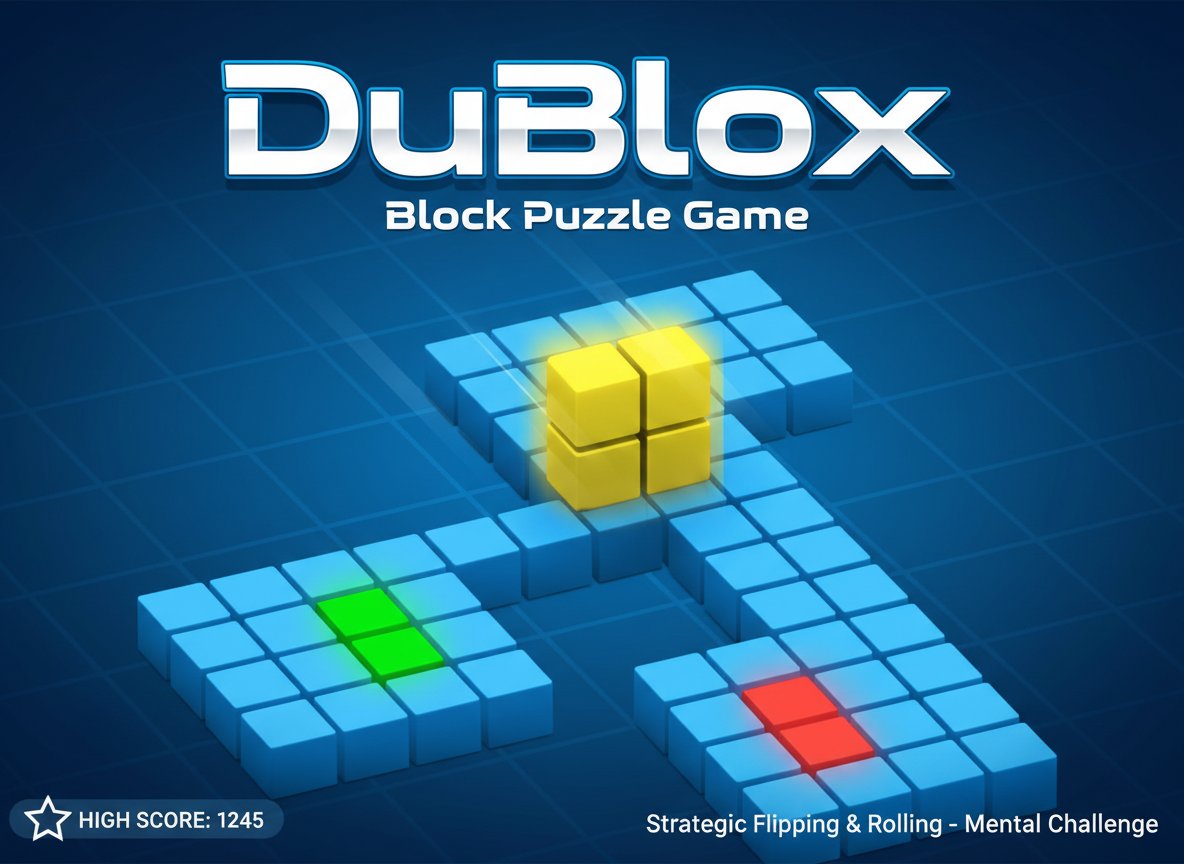
DuBlox - Block Puzzle Game - Puzzle Game
 FPS
FPS3D FPS Game
Build a desert FPS with weapon switching and a retro HUD.
 Shooter
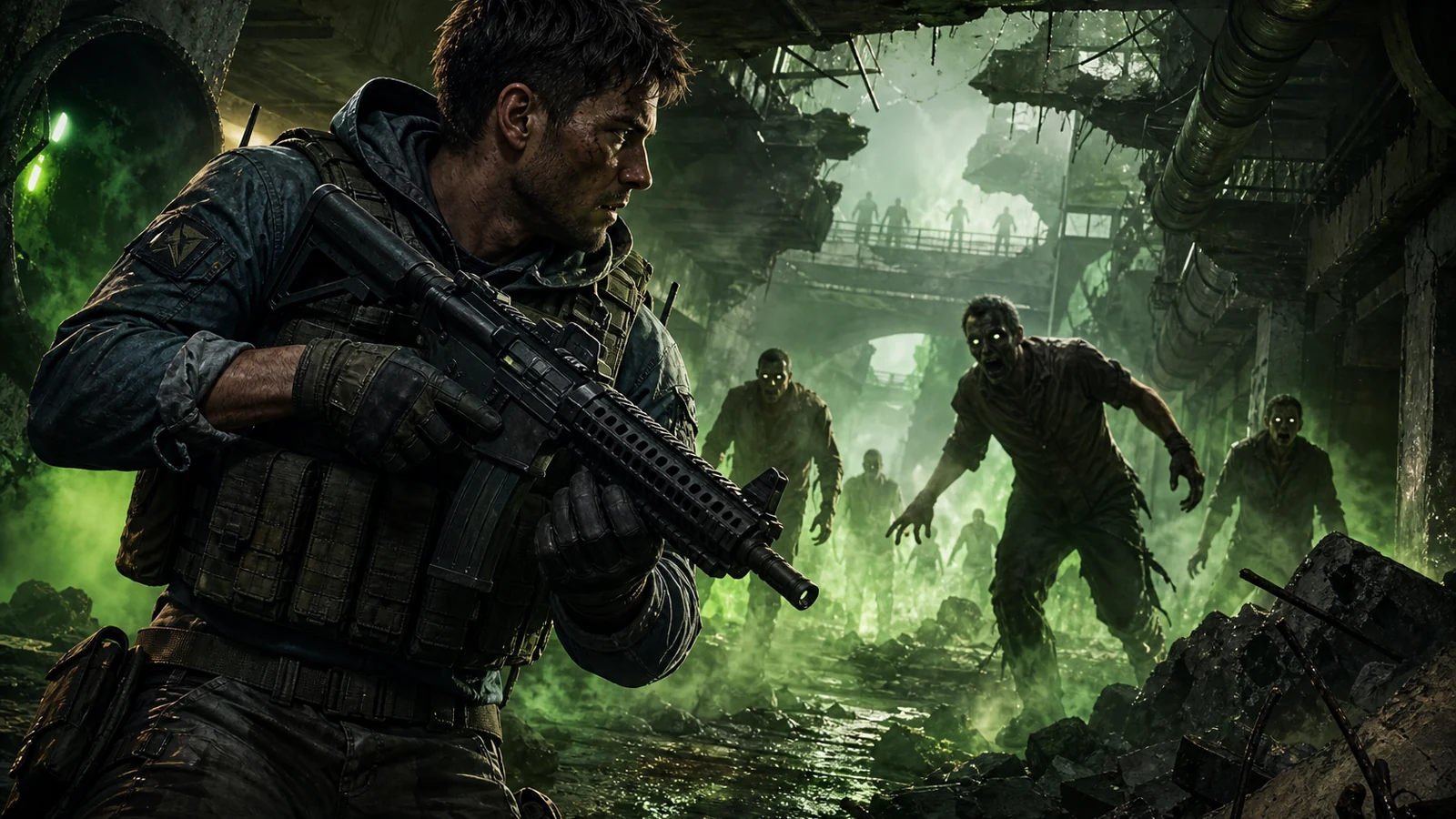
Decay Zone Survival
Build a first-person zombie survival with ammo management.
 New
NewArcade Crossing Game
Build a lane-dodging arcade game with traffic and pickups.
 3D
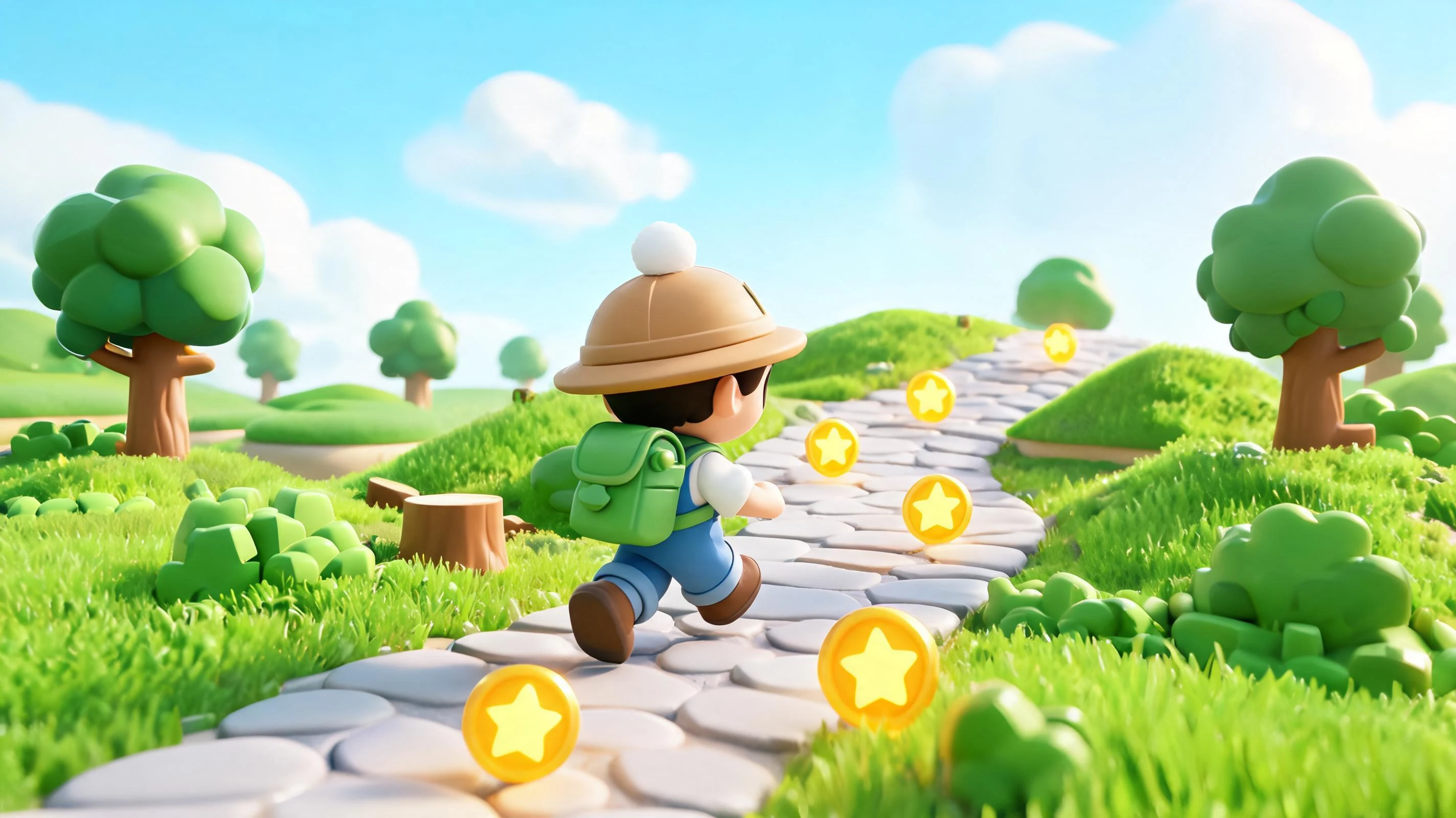
3DThird Person Explorer
Build a third-person explorer with swappable scenes and a live minimap.
 Puzzle
Magic Cube Puzzle
Build an interactive Rubik's Cube with scramble and reset.
 Voxel
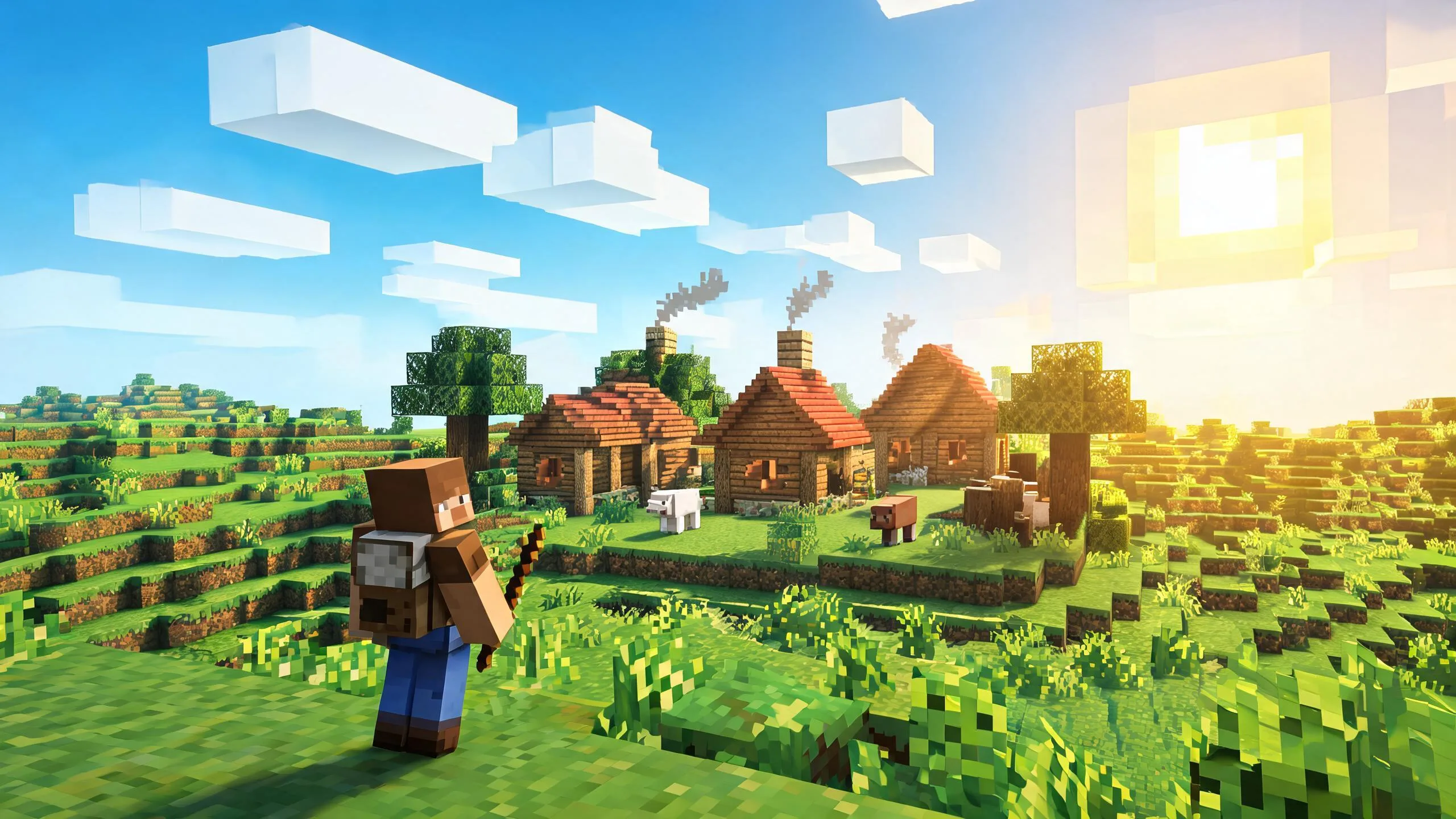
VoxelVoxel Village Explorer
Build a voxel village to roam with jump and camera controls.

Time-Attack Racer
Build a no-physics finish-gate racer with nitro, minimap guidance, and synthesized audio.
 Unity
UnityChaos Train Arcade
Build a chaotic Unity train arcade of hazards and timing.
 New
NewDrone Flight Combat
Build a cinematic drone combat run with missiles and a HUD.
 Sports
Basketball Duel
Build a one-on-one basketball game with physics shooting.
FPS3D FPS Game
Build a desert FPS with weapon switching and a retro HUD.
ShooterDecay Zone Survival
Build a first-person zombie survival with ammo management.
NewArcade Crossing Game
Build a lane-dodging arcade game with traffic and pickups.
3DThird Person Explorer
Build a third-person explorer with swappable scenes and a live minimap.
PuzzleMagic Cube Puzzle
Build an interactive Rubik's Cube with scramble and reset.
VoxelVoxel Village Explorer
Build a voxel village to roam with jump and camera controls.
Time-Attack Racer
Build a no-physics finish-gate racer with nitro, minimap guidance, and synthesized audio.
UnityChaos Train Arcade
Build a chaotic Unity train arcade of hazards and timing.
NewDrone Flight Combat
Build a cinematic drone combat run with missiles and a HUD.
SportsBasketball Duel
Build a one-on-one basketball game with physics shooting.
Prompt

Games are fun. Creating them is even better.
Game Introduction
About the Game
DuBlox is a captivating puzzle game that challenges your spatial reasoning and strategic thinking. The objective is elegantly simple yet increasingly complex: move your yellow square across a grid-based playing field to reach the red target tiles. What makes this puzzle unique is the rolling mechanic - your square doesn't simply slide from position to position, but flips and rolls, changing its orientation with each move.
This brain teaser has earned a solid rating from puzzle enthusiasts who appreciate its perfect balance of accessibility and challenge. The game's clean, geometric design focuses your attention on the puzzle mechanics without visual distractions.
Core Features
Strategic Movement System
Every move in DuBlox requires careful consideration. Your yellow square responds to directional input by rolling in the chosen direction, and understanding how it will land is crucial to solving each level efficiently.
Scoring and Optimization
The game rewards efficient thinking through its scoring system. Minimize your moves to maximize your score, adding a competitive element that encourages players to find the optimal solution rather than just any solution.
Special Square Mechanics
As you progress, you'll encounter special squares that add new dimensions to the puzzle. These elements introduce additional mechanics that enhance your "flipping skills" and create more complex scenarios to solve.
Progressive Difficulty
Each level builds upon the previous one, gradually introducing new concepts and more challenging layouts. This ensures a smooth learning curve while maintaining long-term engagement.
Game Mechanics
The rolling mechanic is what sets DuBlox apart from traditional sliding puzzles. When you press an arrow key, your square doesn't simply move to an adjacent cell - it performs a complete roll, changing which face is in contact with the ground. This adds a three-dimensional thinking element to what appears to be a 2D puzzle.
Understanding the physics of your square's movement becomes increasingly important as levels become more complex. You'll need to visualize not just where your square will end up, but how it will be oriented when it arrives.
Operation Guide
Controls are intentionally simple to keep focus on the puzzle-solving aspect:
- Arrow Keys : Move your yellow square in the corresponding direction
- Up Arrow : Roll the square upward
- Down Arrow : Roll the square downward
- Left Arrow : Roll the square to the left
- Right Arrow : Roll the square to the right
The game requires no complex input combinations - just directional thinking and strategic planning.
Why Play DuBlox
Perfect Brain Training
DuBlox offers excellent mental exercise, improving spatial reasoning, logical thinking, and planning skills. It's an ideal game for players who want to challenge their minds while having fun.
Accessible Yet Deep
While anyone can understand the basic concept immediately, mastering the game requires developing sophisticated problem-solving strategies. This makes it perfect for both casual puzzle solving and serious brain training.
No Pressure Gaming
There are no time limits or pressure mechanics - you can think through each move at your own pace. This makes it perfect for relaxation while still providing mental stimulation.
Free Browser-Based Fun
The game runs directly in your web browser without requiring downloads, subscriptions, or payments. It's completely free entertainment that's available whenever you want a mental challenge.