
Road Blocks - Puzzle Game
 New
NewFirst-Person Horror Survival
Build a first-person horror survival with exploration and enemies.
 Shooter
Dead City Shooter
Build a third-person zombie shooter in a ruined city.

Time-Attack Racer
Build a no-physics finish-gate racer with nitro, minimap guidance, and synthesized audio.
 SEELE02 CORE
Game Generator
Turn a one-line idea into a playable game demo.
 Subscriber only
Unreal Landscape Tour
Tour photoreal Unreal landscapes with cinematic camera work.
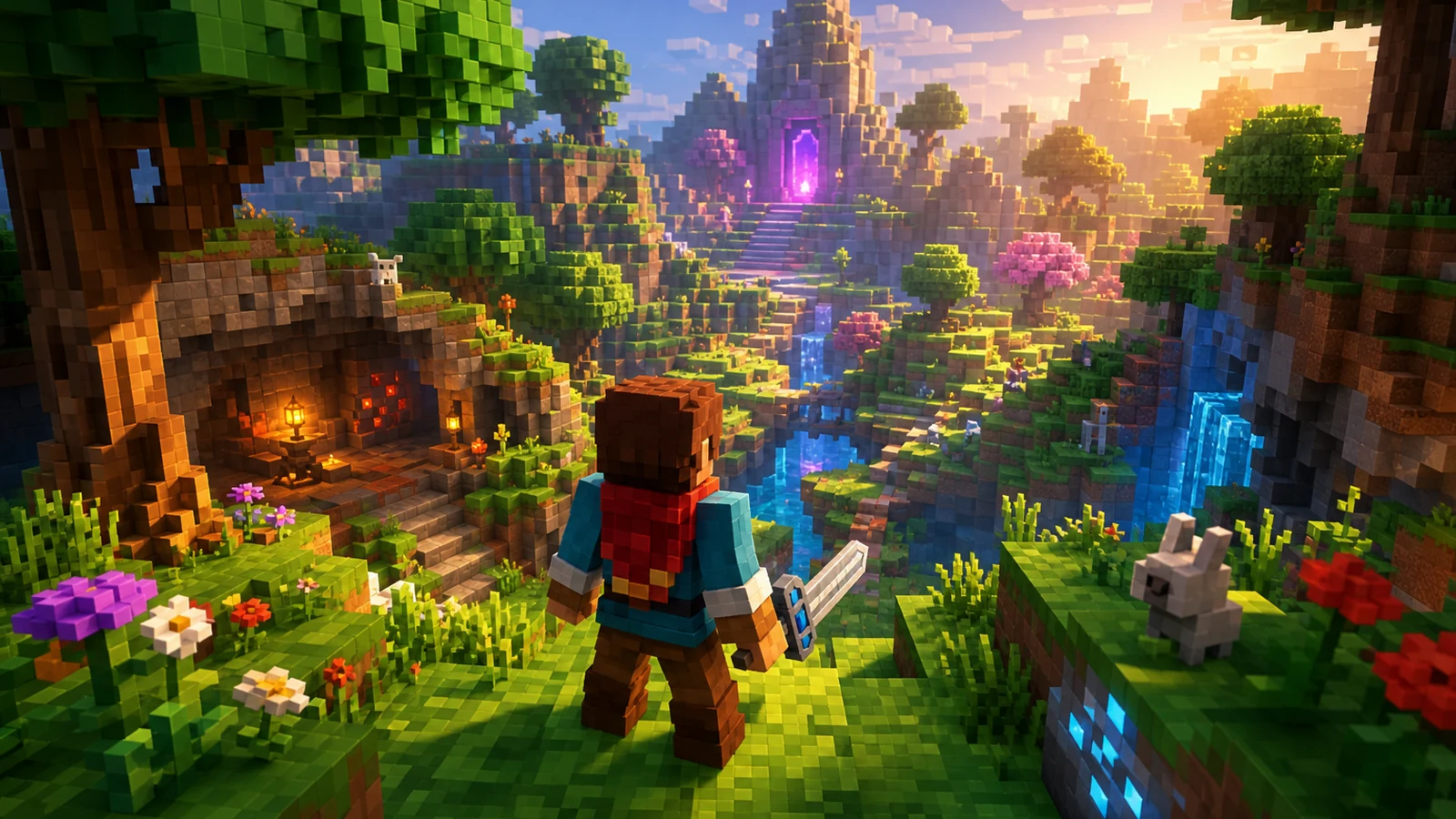 Voxel
VoxelVoxel Hero Adventure
Build a voxel hero who explores, mines, and builds.
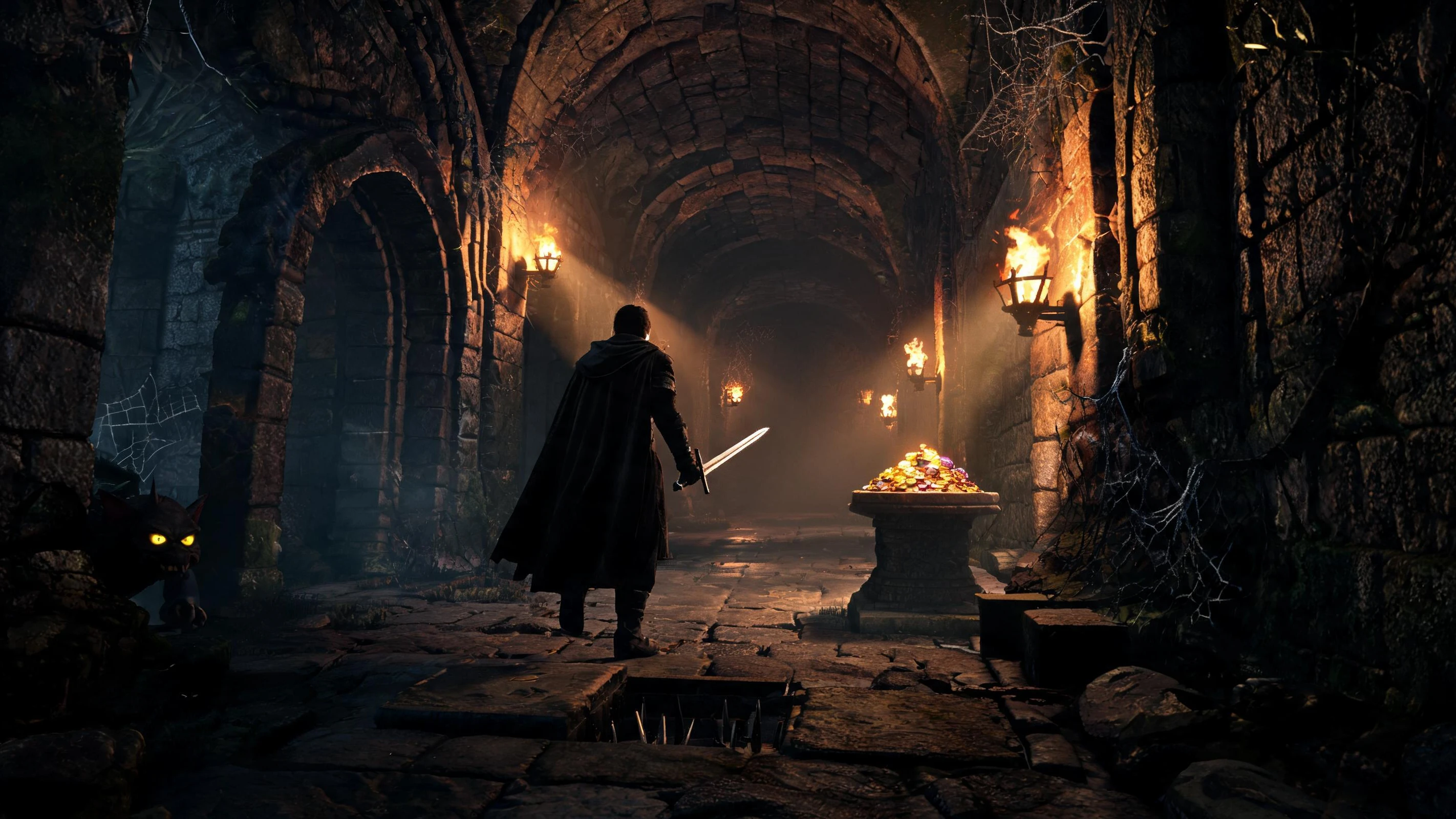 Subscriber only
Unreal Dungeon Crawler
Build a playable Unreal dungeon crawler, combat-ready.
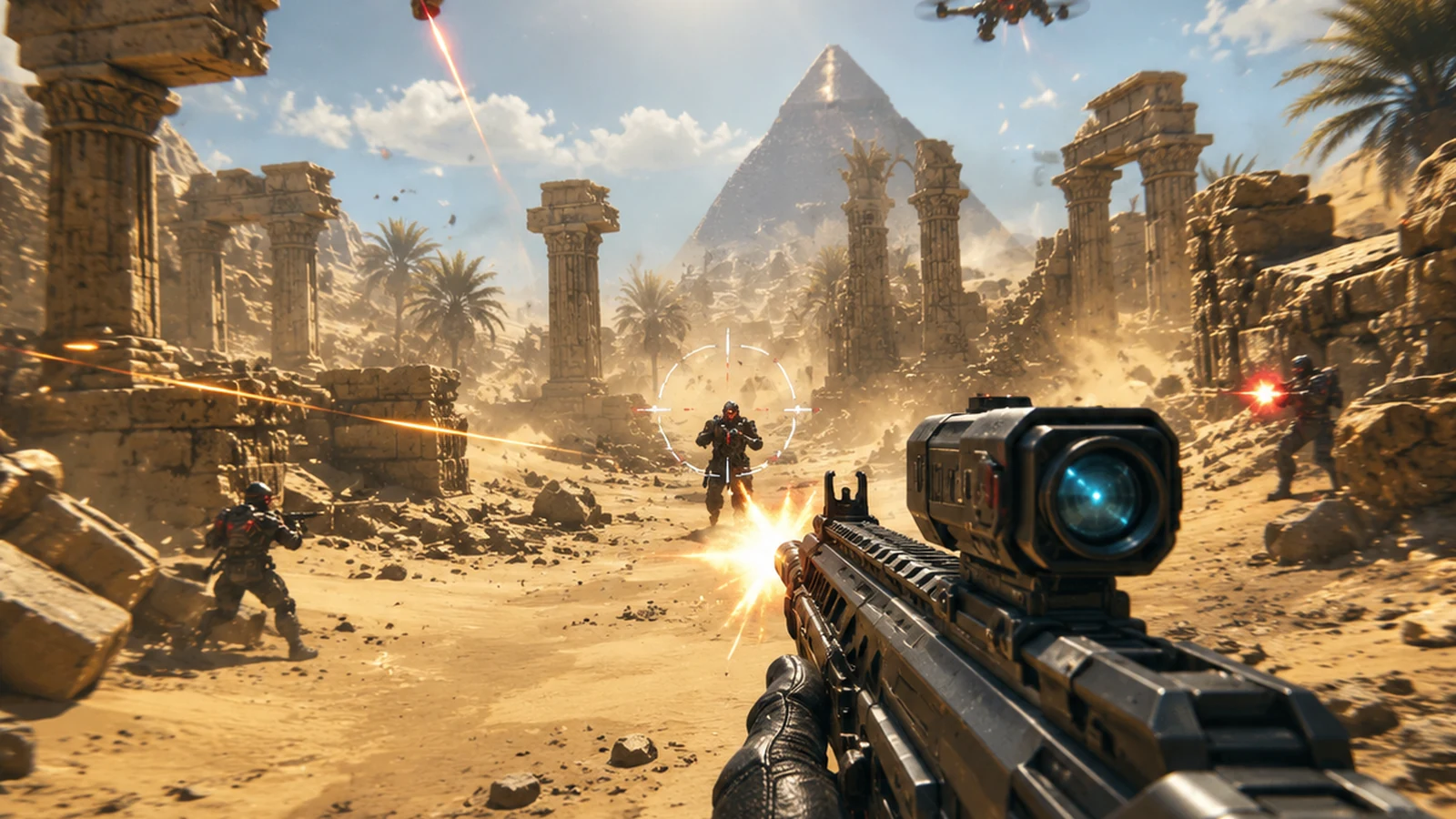 FPS
FPS3D FPS Game
Build a desert FPS with weapon switching and a retro HUD.
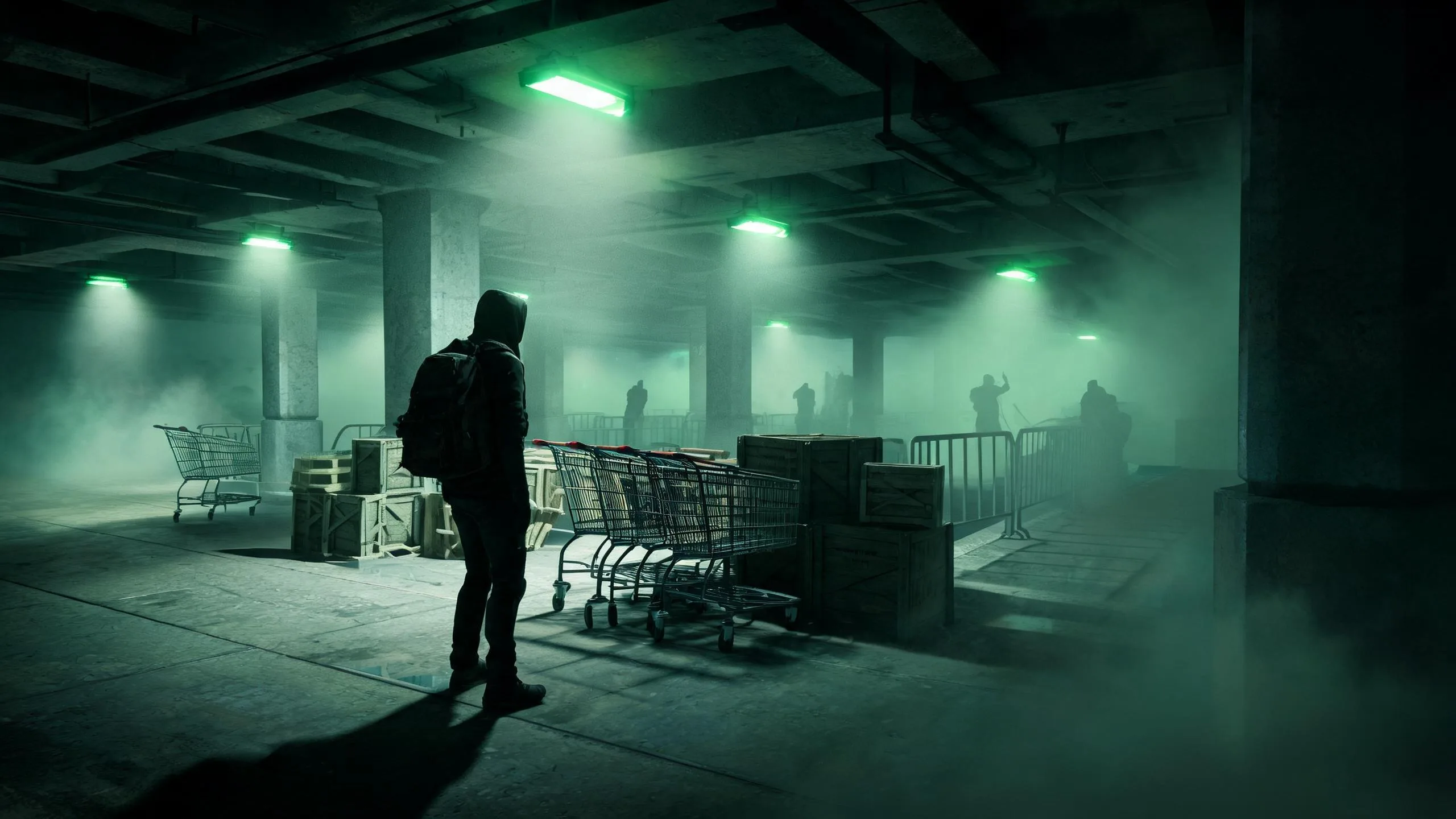 FPS
FPSZombie Horror Survival
Build a tense zombie horror survival with map progression.
 Subscriber only
Unreal FPS/TPS Shooter
Create a complete UE 5.5 FPS or TPS shooter with combat, UI, and replay.
NewFirst-Person Horror Survival
Build a first-person horror survival with exploration and enemies.
ShooterDead City Shooter
Build a third-person zombie shooter in a ruined city.
Time-Attack Racer
Build a no-physics finish-gate racer with nitro, minimap guidance, and synthesized audio.
SEELE02 COREGame Generator
Turn a one-line idea into a playable game demo.
Subscriber onlyUnreal Landscape Tour
Tour photoreal Unreal landscapes with cinematic camera work.
VoxelVoxel Hero Adventure
Build a voxel hero who explores, mines, and builds.
Subscriber onlyUnreal Dungeon Crawler
Build a playable Unreal dungeon crawler, combat-ready.
FPS3D FPS Game
Build a desert FPS with weapon switching and a retro HUD.
FPSZombie Horror Survival
Build a tense zombie horror survival with map progression.
Subscriber onlyUnreal FPS/TPS Shooter
Create a complete UE 5.5 FPS or TPS shooter with combat, UI, and replay.
Prompt
Games are fun. Creating them is even better.
Game Introduction
About Road Blocks
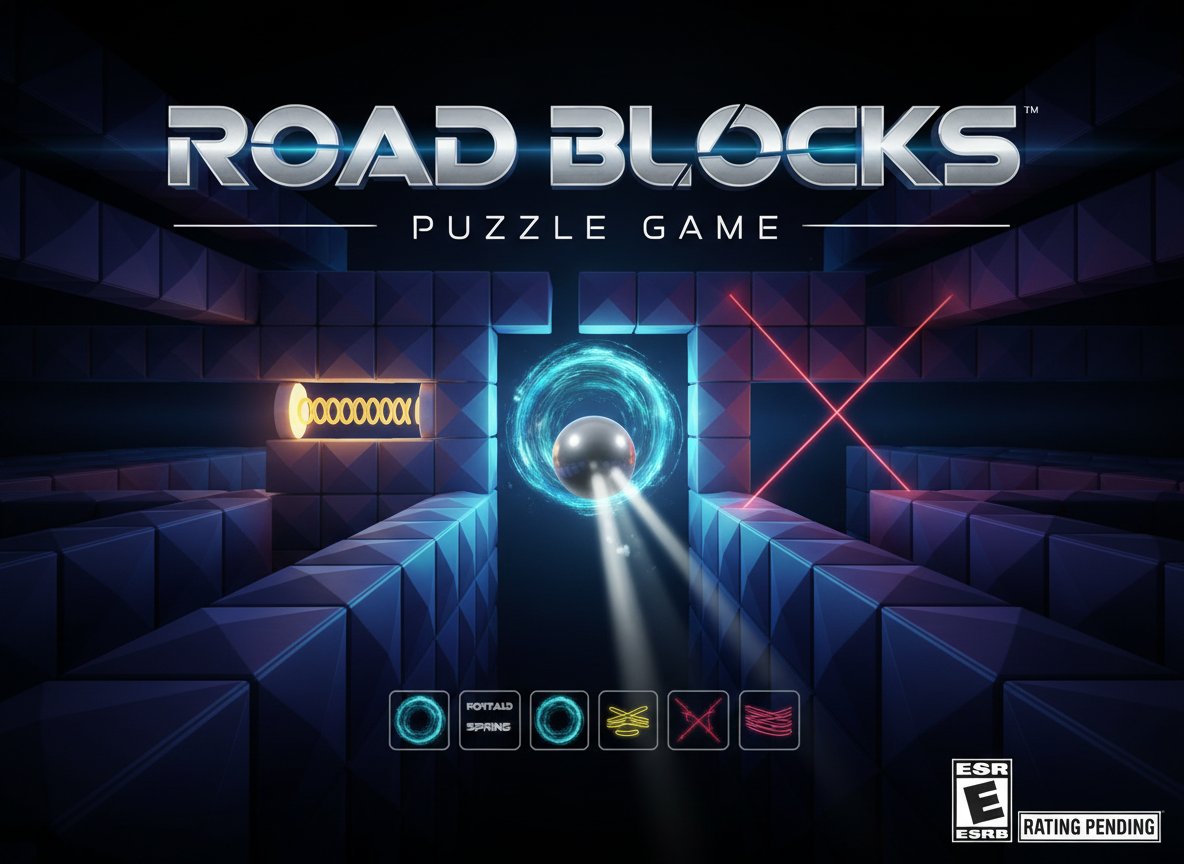
Road Blocks is an innovative puzzle game that challenges players to think several moves ahead. With a unique movement system where you continue moving in one direction until hitting an obstacle, this game transforms simple navigation into a complex strategic challenge. The game has maintained popularity among puzzle enthusiasts for its clever mechanics and progressively challenging levels.
Core Features
Unique Movement System
The game's signature mechanic requires careful planning - once you choose a direction (up, down, left, or right), you'll keep moving until you encounter a wall or obstacle. This creates a domino effect where each move determines your available options for the next.
Progressive Complexity
- Portal System : Activate and utilize teleportation portals to reach otherwise inaccessible areas
- Spring Mechanisms : Use bouncy surfaces to change direction or reach higher platforms
- Laser Traps : Navigate around dangerous obstacles that require precise timing
- Multi-layered Puzzles : Each level introduces new elements while building on previously learned mechanics
Brain Training Benefits
Road Blocks isn't just entertainment - it's mental exercise that improves: - Strategic Planning : Think multiple moves ahead to succeed - Problem-solving Skills : Each level presents unique challenges requiring creative solutions - Spatial Reasoning : Visualize movement patterns and consequences - Pattern Recognition : Learn to identify optimal paths through complex mazes
Gameplay Mechanics
Basic Movement
Use the arrow keys to control your character. Remember that once you start moving in a direction, momentum carries you until you hit a wall or obstacle. This physics-based movement system is the core of every puzzle.
Strategic Elements
- Maze Navigation : Every level is essentially a maze of empty spaces with strategic obstacles
- Portal Activation : Some levels feature portals that transport you to different areas
- Obstacle Interaction : Springs, walls, and other elements affect your movement path
- Goal Achievement : Reach the exit while navigating all movement constraints
Operation Guide
Controls : - Arrow Keys: Move in four directions (up, down, left, right) - No additional controls needed - simplicity meets complexity
Strategy Tips : 1. Plan Ahead : Always consider where your current move will leave you 2. Use Walls Strategically : Obstacles aren't just barriers - they're stopping points that enable new directions 3. Portal Mastery : Learn how portals connect different areas of each level 4. Practice Patience : Some levels require multiple attempts to discover the solution
Why Play Road Blocks
Perfect for Puzzle Enthusiasts
If you enjoy games that challenge your mind rather than your reflexes, Road Blocks delivers exactly that experience. The game rewards careful thinking over quick reactions, making it perfect for players who love to solve complex problems.
Accessible Yet Challenging
The simple control scheme (just arrow keys) means anyone can start playing immediately, but mastering the strategic depth takes time and practice. This perfect balance makes it suitable for casual players and puzzle experts alike.
Progressive Learning Curve
The game introduces new mechanics gradually, allowing players to master basic concepts before adding complexity. Just when you feel comfortable with the current mechanics, new elements like springs or laser traps keep the experience fresh and challenging.
No Pressure Gaming
There are no time limits or lives to lose - take as much time as you need to plan your moves and solve each puzzle. This stress-free environment encourages experimentation and learning from mistakes.