
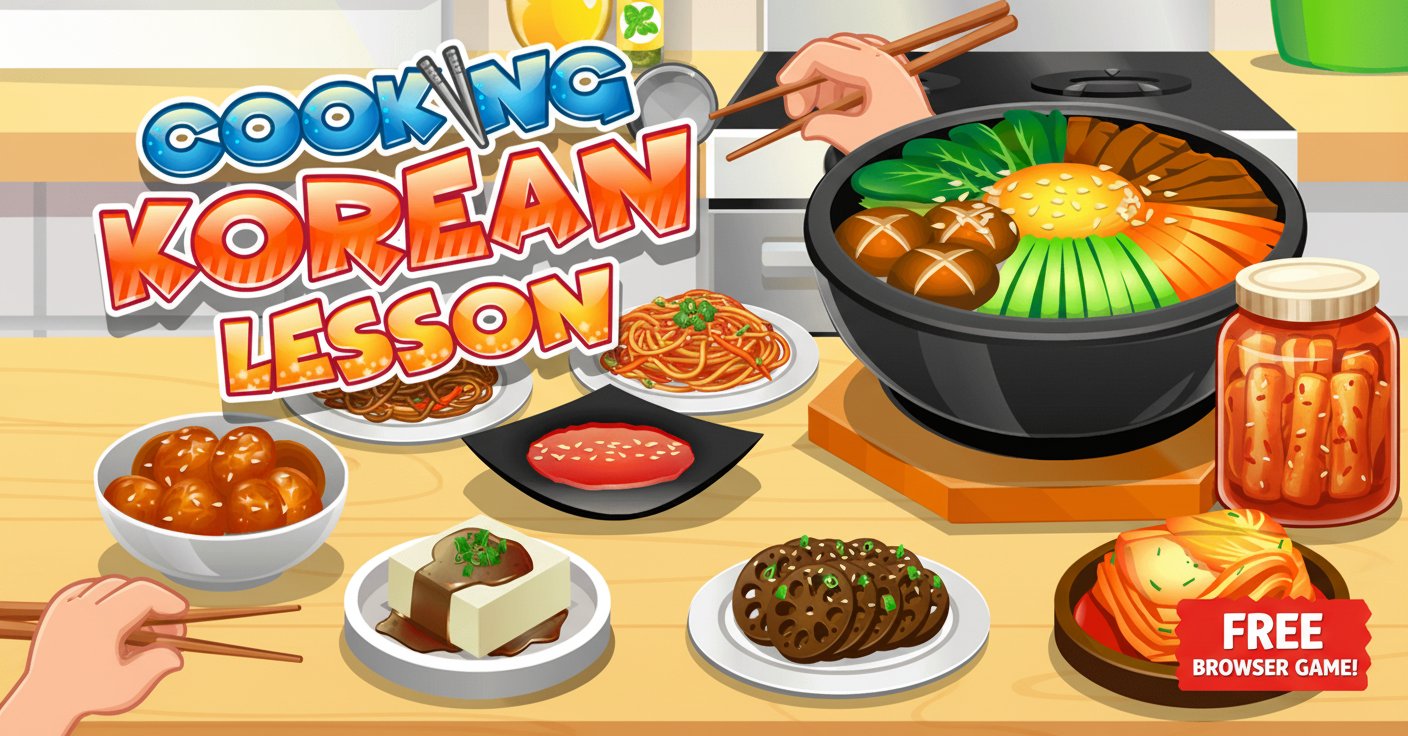
Cooking Korean Lesson - Simulation Game
 FPS
FPSNight Mission Survival
Build a first-person night survival with flashlight combat.
 Unity
UnityCrimson Illusion Battle
Build a Unity fantasy battle through a crimson illusion realm.
 Shooter
Dead City Shooter
Build a third-person zombie shooter in a ruined city.
 Voxel
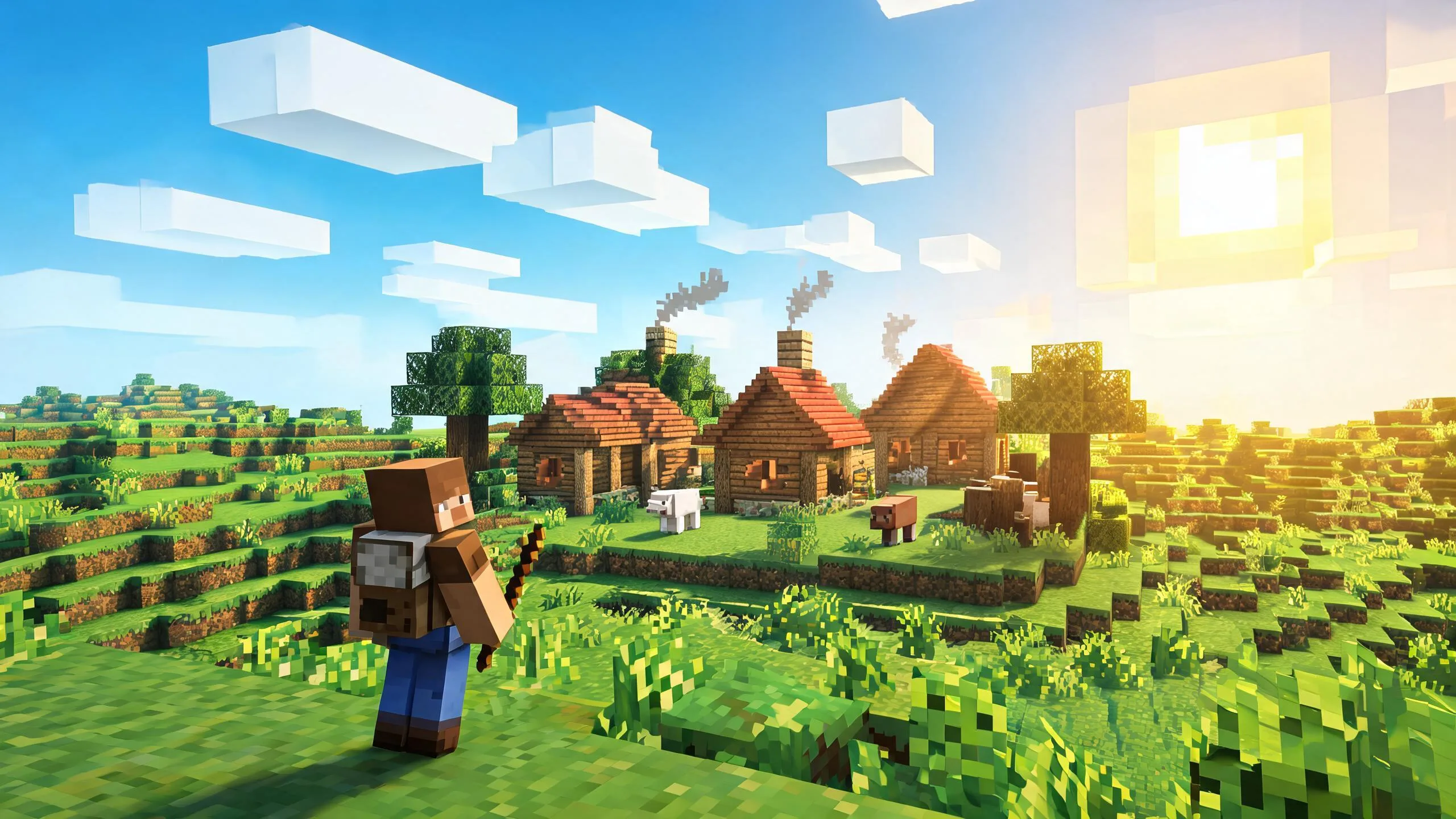
VoxelVoxel Village Explorer
Build a voxel village to roam with jump and camera controls.
 Shooter
Rail Shooter Ride
Build a roller-coaster rail shooter that aims as you ride.

Time-Attack Racer
Build a no-physics finish-gate racer with nitro, minimap guidance, and synthesized audio.
 New
NewSolo Racing Game
Build a browser racer with tracks, timing, and a minimap.
 New
NewCharacter Physics World
Build a third-person physics world with day-night and props to touch.
 3D
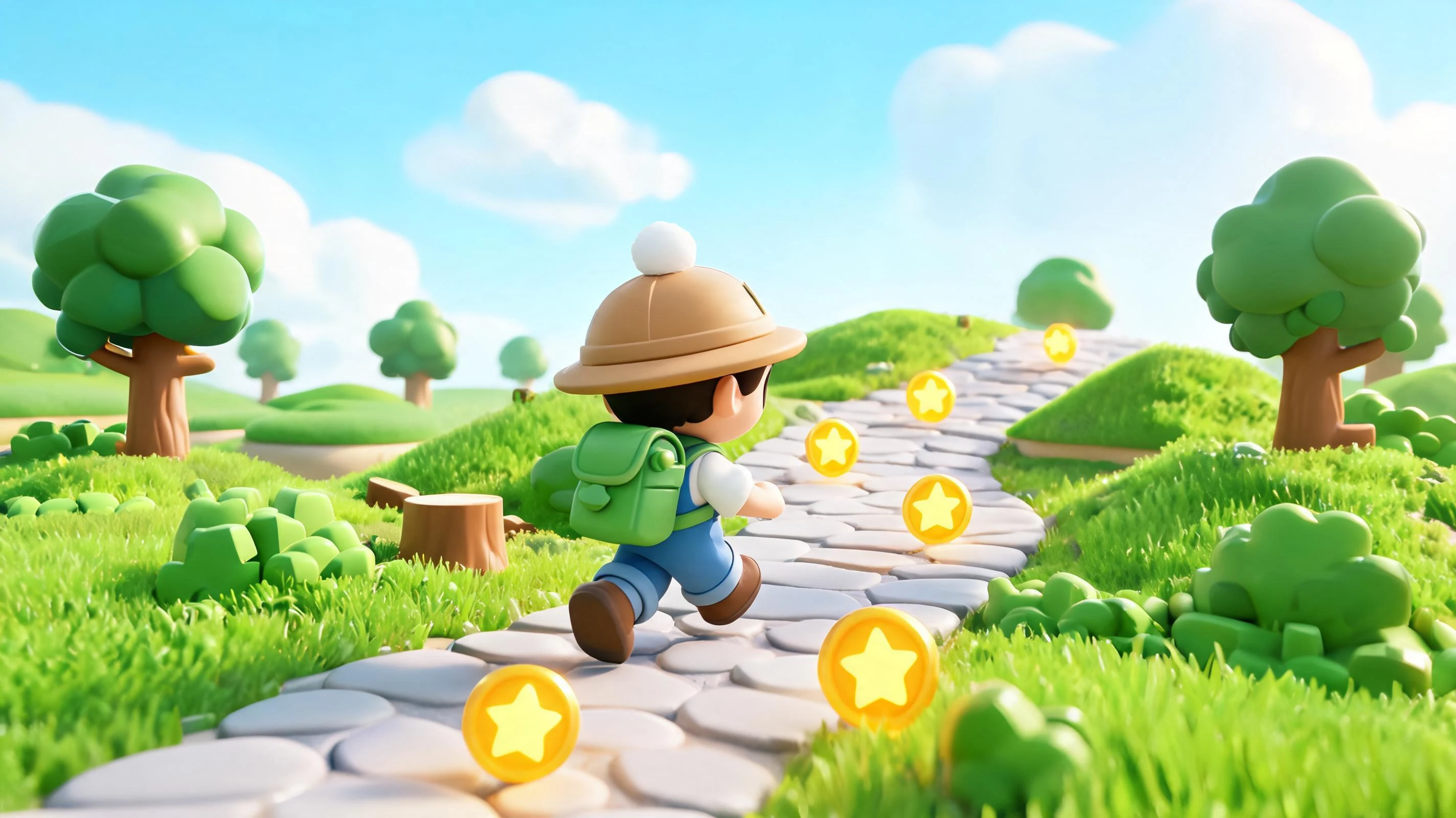
3DThird Person Explorer
Build a third-person explorer with swappable scenes and a live minimap.
 New
NewRiver Raid Survival
Build a River Raid-style flight survival run with fuel pressure.
FPSNight Mission Survival
Build a first-person night survival with flashlight combat.
UnityCrimson Illusion Battle
Build a Unity fantasy battle through a crimson illusion realm.
ShooterDead City Shooter
Build a third-person zombie shooter in a ruined city.
VoxelVoxel Village Explorer
Build a voxel village to roam with jump and camera controls.
ShooterRail Shooter Ride
Build a roller-coaster rail shooter that aims as you ride.
Time-Attack Racer
Build a no-physics finish-gate racer with nitro, minimap guidance, and synthesized audio.
NewSolo Racing Game
Build a browser racer with tracks, timing, and a minimap.
NewCharacter Physics World
Build a third-person physics world with day-night and props to touch.
3DThird Person Explorer
Build a third-person explorer with swappable scenes and a live minimap.
NewRiver Raid Survival
Build a River Raid-style flight survival run with fuel pressure.
Prompt

Games are fun. Creating them is even better.
Game Introduction
About the Game
Cooking Korean Lesson is a delightful cooking simulation game that introduces players to the rich culinary traditions of Korean cuisine. In this immersive kitchen experience, you'll learn to prepare iconic Korean dishes including spicy kimchi, colorful bibimbap, and other traditional favorites. The game combines educational content with entertaining gameplay, making it perfect for food enthusiasts and cooking game lovers alike.
Core Features
Authentic Korean Recipes
Master the art of Korean cooking through step-by-step recipe guidance. Learn the secrets behind creating perfect kimchi with its signature fermented flavors, and discover how to arrange the perfect bibimbap bowl with its colorful array of vegetables and toppings.
Interactive Cooking Experience
The game features intuitive controls that simulate real cooking processes. Chop vegetables, mix ingredients, and use traditional Korean cooking methods to create dishes that look as authentic as they would in a real Korean kitchen.
Educational Gameplay
Beyond just gaming, Cooking Korean Lesson serves as an interactive cookbook that teaches players about Korean food culture, ingredient preparation techniques, and the cultural significance of traditional dishes.
Free Browser Gaming
Enjoy this complete cooking experience without any cost. The game runs smoothly on both desktop computers and mobile devices through your web browser, requiring no downloads or installations.
Game Mechanics
The gameplay revolves around following recipe instructions and using proper cooking techniques to create delicious Korean meals. You'll start with basic ingredients and gradually learn more complex preparation methods. Each successful dish completion teaches you valuable cooking skills that reflect real Korean culinary practices.
Recipe Progression
Begin with simple dishes and advance to more complex Korean specialties. The game guides you through each step, from ingredient selection to final presentation, ensuring you understand the cooking process thoroughly.
Kitchen Tools and Equipment
Familiarize yourself with traditional Korean cooking utensils and modern kitchen equipment. Learn when and how to use each tool for optimal cooking results.
Operation Guide
Basic Controls
- Mouse Click : Select cooking tools, ingredients, and interact with kitchen equipment
- Drag and Drop : Move ingredients between preparation areas
- Follow Instructions : Complete each cooking step as guided by the game
Cooking Process
- Select Recipe : Choose from available Korean dishes to prepare
- Gather Ingredients : Collect all necessary components for your chosen recipe
- Prepare Ingredients : Wash, chop, and prepare ingredients according to instructions
- Cook : Follow the step-by-step cooking process
- Serve : Present your finished dish and receive feedback
Why Play This Game
Cooking Korean Lesson offers a unique blend of entertainment and education that appeals to various player interests. Food lovers will appreciate learning about authentic Korean cuisine, while gaming enthusiasts will enjoy the satisfying progression system and interactive gameplay.
Cultural Learning
Gain insights into Korean food culture and traditions while having fun. Understand the importance of ingredients like gochujang (Korean chili paste), sesame oil, and fermented vegetables in Korean cooking.
Stress-Free Gaming
Enjoy a relaxing gaming experience with no time pressure or competitive elements. Focus on creativity and learning at your own pace.
Practical Knowledge
The cooking techniques and recipes you learn can inspire real-world cooking adventures, making this game both entertaining and practically useful.