Unreal training simulation concept · learning milestone
Unreal Training Simulation Concept for Scenario Branching — Five-minute Review Build
Unreal Training Simulation Concept for Scenario Branching — Five-minute Review Build helps non-game real-time 3D teams prototype scenario branching into a scene and camera review plan. Start with an original brief and use SEELE AI to generate a native Unreal 5 project with a browser preview. Continue performance optimization and packaging in Seele, then download the project or packaged output for local development and external publishing, or publish it on Seele as a free or paid game. Review project-specific plugins, rights, performance, packaging, and platform requirements before release.

By SEELE AI Editorial Team · Updated
For Unreal Training Simulation Concept for Scenario Branching under a five-minute review build, the team documents scenario branching using official product references, visible acceptance criteria, explicit limitations, and reproducible handoff steps. This review does not claim native engine execution where no target-version evidence exists.
Direct answer
What Unreal Training Simulation Concept for Scenario Branching should produce
Unreal Training Simulation Concept for Scenario Branching — Five-minute Review Build helps non-game real-time 3D teams prototype scenario branching into a scene and camera review plan. Start with an original brief and use SEELE AI to generate a native Unreal 5 project with a browser preview. Continue performance optimization and packaging in Seele, then download the project or packaged output for local development and external publishing, or publish it on Seele as a free or paid game. Review project-specific plugins, rights, performance, packaging, and platform requirements before release.
What SEELE builds
Generate Unreal Training Simulation Concept for Scenario Branching with SEELE AI
For Unreal Training Simulation Concept for Scenario Branching — Five-minute Review Build, SEELE AI can turn an original Unreal training simulation concept brief into a native Unreal 5 project, browser preview, and a scene and camera review plan. Continue performance optimization and packaging in Seele, then download the project or packaged output for local development and external publishing, or publish it on Seele as a free or paid game.
Before releasing Unreal Training Simulation Concept for Scenario Branching — Five-minute Review Build, review whether the prototype remains readable at the target camera distance, whether the risk that the prototype has no recoverable fail state is controlled, and whether project-specific plugins, rights, performance, packaging, or platform requirements need further work.
Topic-specific prompt
Prompt for Unreal Training Simulation Concept for Scenario Branching
Generate a native Unreal 5 project for scenario branching. The audience is non-game real-time 3D teams. Work within a five-minute review build. Make the objective, input, feedback, success, failure, and restart path visible. Produce a scene and camera review plan, prepare a browser preview, and keep the project ready for performance optimization, packaging, and local download. Record any plugin, platform, rights, or performance assumption that needs project-specific review.
For Unreal Training Simulation Concept for Scenario Branching within a five-minute review build, keep the scenario branching prompt attached to the acceptance record. If the result hides that the prototype has no recoverable fail state, return to the original brief instead of expanding scope.
Workflow
Unreal Training Simulation Concept for Scenario Branching in five reviewable steps
- 1
Name One Concept for scenario branching
For Unreal Training Simulation Concept for Scenario Branching — Five-minute Review Build, frame scenario branching as one observable Unreal training simulation concept task for non-game real-time 3D teams; remove adjacent features until the task can be reviewed without explanation.
- 2
Build The Smallest Exercise for scenario branching
Use the Unreal Training Simulation Concept for Scenario Branching — Five-minute Review Build prompt to establish the review boundary; for scenario branching, record the expected input, feedback, success, failure, and restart behavior before visual polish.
- 3
Observe The Result for scenario branching
Review the SEELE AI result for Unreal training simulation concept as a scene and camera review plan; compare scenario branching with the original task and the a five-minute review build boundary rather than treating attractive imagery as gameplay proof.
- 4
Change One Variable for scenario branching
In Unreal Training Simulation Concept for Scenario Branching — Five-minute Review Build, challenge the known risk that the prototype has no recoverable fail state; change one variable, preserve the last known-good version, and repeat the the prototype remains readable at the target camera distance check.
- 5
Explain The Lesson In Your Own Words for scenario branching
For Unreal Training Simulation Concept for Scenario Branching — Five-minute Review Build, review the generated Unreal 5 scenario branching project in the browser, optimize and package it in Seele, then download the project or packaged output for external publishing, or publish it on Seele as a free or paid game.
Acceptance
Acceptance checks for a scene and camera review plan
- For Unreal Training Simulation Concept for Scenario Branching — Five-minute Review Build, the prototype remains readable at the target camera distance.
- A Unreal training simulation concept reviewer can identify the input, state change, feedback, success, failure, and restart rule for scenario branching within a five-minute review build.
- a scene and camera review plan for Unreal Training Simulation Concept for Scenario Branching — Five-minute Review Build records the generated Unreal 5 project, browser-preview result, downloadable output, and any release requirement that still needs project-specific review.
- The non-game real-time 3D teams team can revert the scenario branching review if the prototype has no recoverable fail state.
Common failures
Recovery rules for scenario branching
- Primary failure to watch for Unreal Training Simulation Concept for Scenario Branching — Five-minute Review Build: the prototype has no recoverable fail state.
- Do not solve the scenario branching failure by adding unrelated systems before the task is understandable.
- Use the generated Unreal 5 project, browser preview, or downloadable output as product evidence; do not present a planning note or searched image as proof of generated gameplay or licensed production assets.
Supported capability and page evidence
Evidence boundary for Unreal Training Simulation Concept for Scenario Branching
For Unreal Training Simulation Concept for Scenario Branching — Five-minute Review Build, SEELE AI supports native Unreal 5 project generation, browser preview, performance optimization, packaging, local download, external publishing, and Seele publishing. This page does not claim that the exact scenario completed every third-party plugin, certification, or external-platform review.
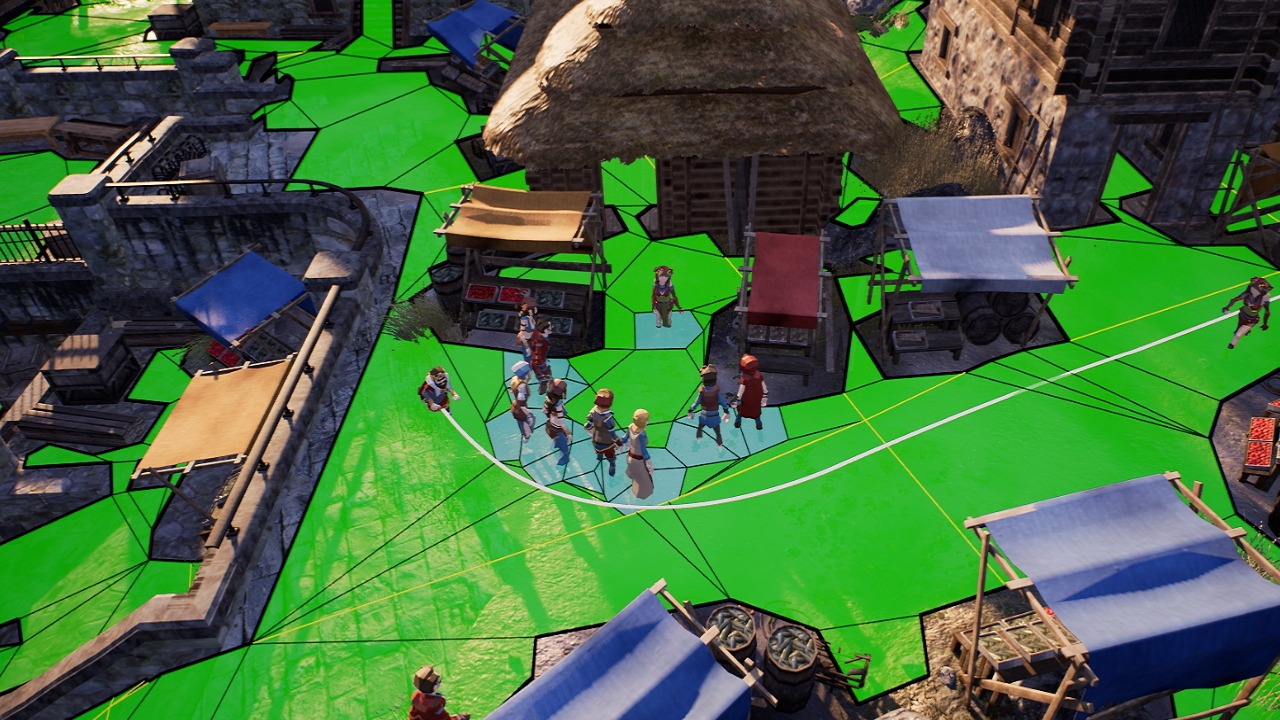
The visible image for Unreal Training Simulation Concept for Scenario Branching — Five-minute Review Build is shared SEELE AI workflow media, not proof that this exact page scenario was generated. Project, preview, and download evidence must be recorded separately.
Decision table
When to use Unreal Training Simulation Concept for Scenario Branching
| Use this workflow when | You need a scene and camera review plan for scenario branching and can review it within a five-minute review build. |
|---|---|
| Do not use it as proof that | This exact scenario branching scenario completed every third-party plugin, packaging, certification, or external-platform requirement. |
| Add project-specific review when | The scenario branching release depends on third-party plugins, networking, profiling, certification, platform SDKs, or production security. |
Scope memo
A distinct production boundary for Unreal Training Simulation Concept for Scenario Branching
Unreal Training Simulation Concept for Scenario Branching — Five-minute Review Build serves non-game real-time 3D teams by narrowing Unreal training simulation concept to scenario branching. The generated Unreal 5 project, browser preview, and downloadable output make the result reviewable before publishing.
Within a five-minute review build, prioritize the scenario branching objective, input, visible response, success, failure, and restart rule. Defer any feature that does not help decide whether the prototype remains readable at the target camera distance.
The main Unreal Training Simulation Concept for Scenario Branching — Five-minute Review Build risk is that the prototype has no recoverable fail state. Preserve the last known-good Unreal training simulation concept project, change one assumption, and compare the result against the stated boundary.
Completion for Unreal Training Simulation Concept for Scenario Branching — Five-minute Review Build means the native Unreal 5 project can be previewed, optimized, packaged, downloaded, and prepared for external or Seele publishing with project-specific rights, platform, and release checks recorded.
Constraint playbook
How a five-minute review build changes Unreal Training Simulation Concept for Scenario Branching
For Unreal Training Simulation Concept for Scenario Branching, Run scenario branching with a visible timer and no setup narration. The five-minute cut should expose onboarding delay, unclear objectives, and a restart that takes too long.
For Unreal Training Simulation Concept for Scenario Branching, Keep only evidence that changes the a scene and camera review plan decision after one short run; move polish requests to a later backlog.
Evidence
Sources for scenario branching decisions
- Epic Games Unreal Engine documentation — official source for scenario branching verification
- Unreal Engine official product site — official source for scenario branching verification
- SEELE AI Unreal prototype workspace examples — SEELE AI examples bounding a scene and camera review plan
FAQ
Questions about Unreal Training Simulation Concept for Scenario Branching
Can SEELE AI generate a native Unreal 5 project for scenario branching?
Yes. For Unreal Training Simulation Concept for Scenario Branching — Five-minute Review Build, SEELE AI can generate a native Unreal 5 project, provide a browser preview, support performance optimization and packaging, and make the project or packaged output available for download. The exact Blueprint, C++, plugin, and platform contents depend on the generated project and its release target.
What should be tested first for Unreal Training Simulation Concept for Scenario Branching — Five-minute Review Build?
For Unreal Training Simulation Concept for Scenario Branching — Five-minute Review Build, test whether the prototype remains readable at the target camera distance. Keep scenario branching within the stated boundary, record the result, and avoid expanding the Unreal training simulation concept scope until input, feedback, success, failure, and restart are repeatable.
What is the safest next step if the prototype has no recoverable fail state?
For Unreal Training Simulation Concept for Scenario Branching — Five-minute Review Build, return to the last known-good scenario branching state, isolate one changed assumption, and repeat the the prototype remains readable at the target camera distance check. Escalate engine-version behavior, rights, security, performance, and platform questions to the responsible specialist.
What evidence should the scenario branching project include?
The Unreal Training Simulation Concept for Scenario Branching — Five-minute Review Build evidence should include the original prompt, the generated Unreal 5 project, browser preview, downloadable output, visible success and failure states, acceptance results, and release requirements that still need project-specific review.
How does Unreal Training Simulation Concept for Scenario Branching — Five-minute Review Build avoid overstating Unreal output?
Unreal Training Simulation Concept for Scenario Branching — Five-minute Review Build identifies the native Unreal 5 project, browser preview, performance and packaging work, and downloadable output that SEELE AI supports. It separately records project-specific plugin, rights, performance, platform, and release checks instead of treating those checks as automatic approval.
Internal path
Continue from scenario branching
Generate scenario branching as an Unreal 5 project
For Unreal Training Simulation Concept for Scenario Branching, use the scoped prompt under a five-minute review build, preview and optimize the generated scenario branching game, package it in Seele, then download it or publish it as a free or paid game on Seele.
Open the SEELE Unreal creator