Read the character input
Extract role, personality, signature ability, visual motif, and audience.
Character to mini game · make the IP playable
Use Seele AI Workspace to map a character or mascot into a short browser-playable mini game: player role, ability, scene, obstacles, reward state, and asset checklist.
Character/IP · Ability map · Playable scene · Reward state · Asset checklist
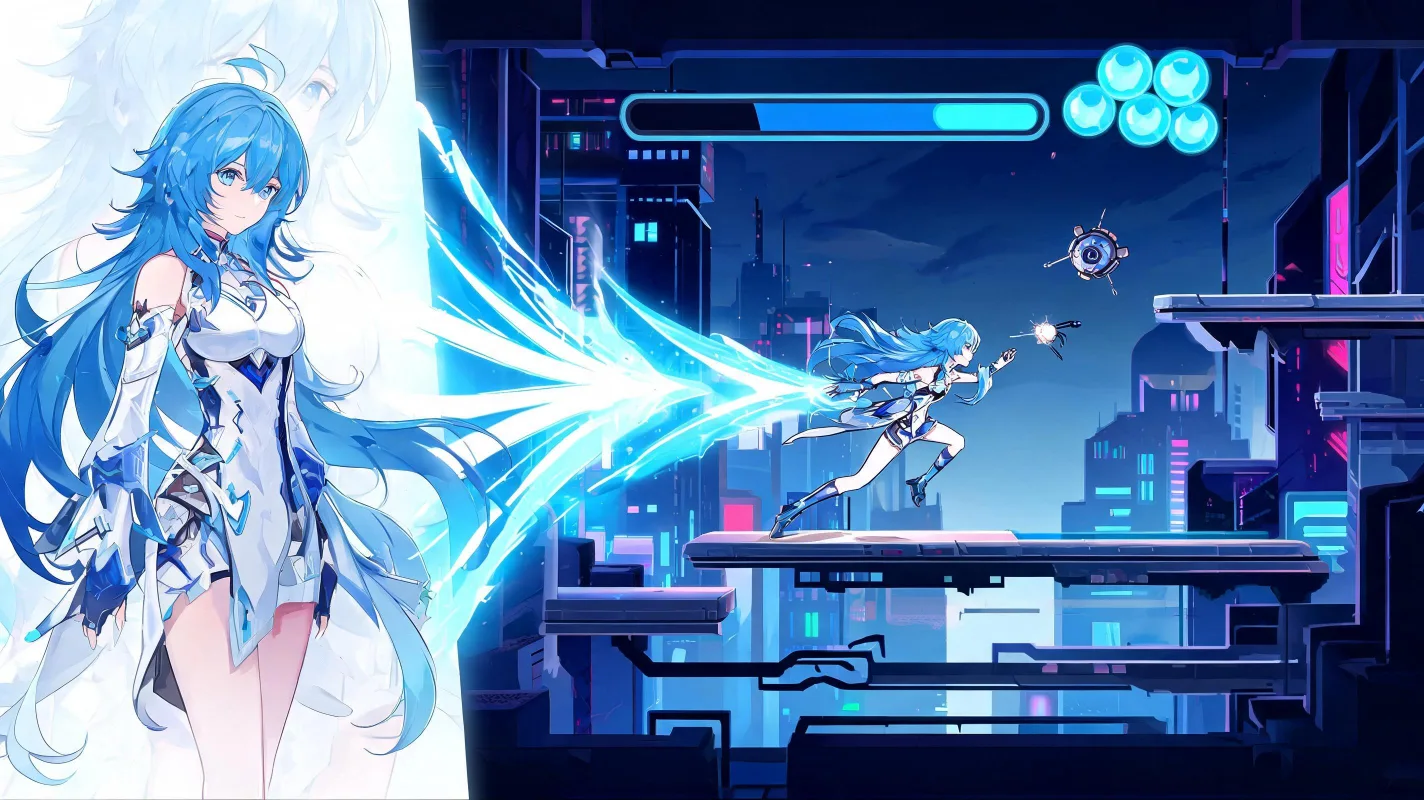
Preview evidence
The output should connect character traits to player action: ability, obstacle, feedback, reward, and reviewable asset needs.
Workflow
Extract role, personality, signature ability, visual motif, and audience.
Choose a player action, obstacle, reward, and scene that fit the IP.
Export mechanic map, scene notes, asset checklist, and review prompt.
Positioning
IP owners, creators, brand/content teams
Turn a character or mascot into a playable concept
Ability map, scene, mechanic, reward state, asset checklist
Who it is for
This is narrower than image-to-game. The job is character/IP translation: what the character does, how players control it, and what reward proves the IP moment.
Examples
Input: mascot for a snack brand.
Output: tap-to-dodge runner with snack pickups, mascot expressions, and coupon reward.
Use as a campaign or social mini game direction.
Input: fantasy hero character sheet.
Output: side-scroll arena with dash ability, enemy hazard, victory card, and asset list.
Use to test whether the character fantasy reads in a short game.
Output
The output should connect character traits to player action: ability, obstacle, feedback, reward, and reviewable asset needs.
Open Workspace →FAQ
Image-to-game can start from any visual. Character-to-mini-game is specifically about translating a character or mascot into player role, ability, mechanic, and reward.
Yes. Seele AI Workspace is designed around reviewable, shareable, downloadable, and exportable outputs, so teams can move useful prototypes, playable packages, and assets into testing, creative review, or production handoff.
Seele is strongest at early playable prototypes, 2D browser-playable mini games, playable ad variants, and creative validation. Teams can use the output as a fast starting point before investing in a full production build.