
Name the narrative loop
Explain what the player repeatedly does: explore, choose dialogue, solve puzzles, manage resources, or collect clues. Story-driven games need a loop, not only scenes.
Try it now
Turn a story idea into a playable AI story game with scenes, choices, objectives, feedback, and endings. Create story-driven game prototypes in the browser…
Start with free starter credits
Shape an idea, make it playable, and share it with the people who will play.

Start with a spark, a world, or a what-if worth exploring.
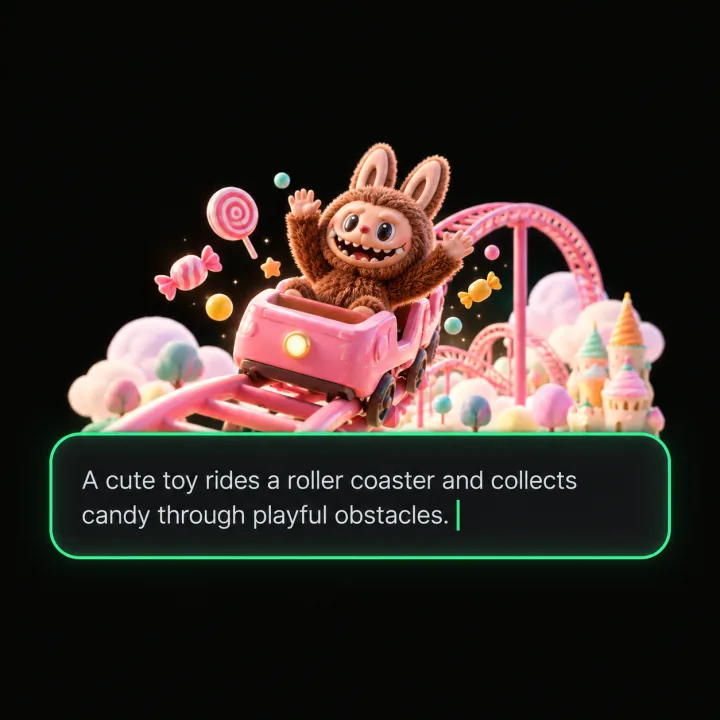
Turn the idea into a prompt with a player, a goal, and a core loop.
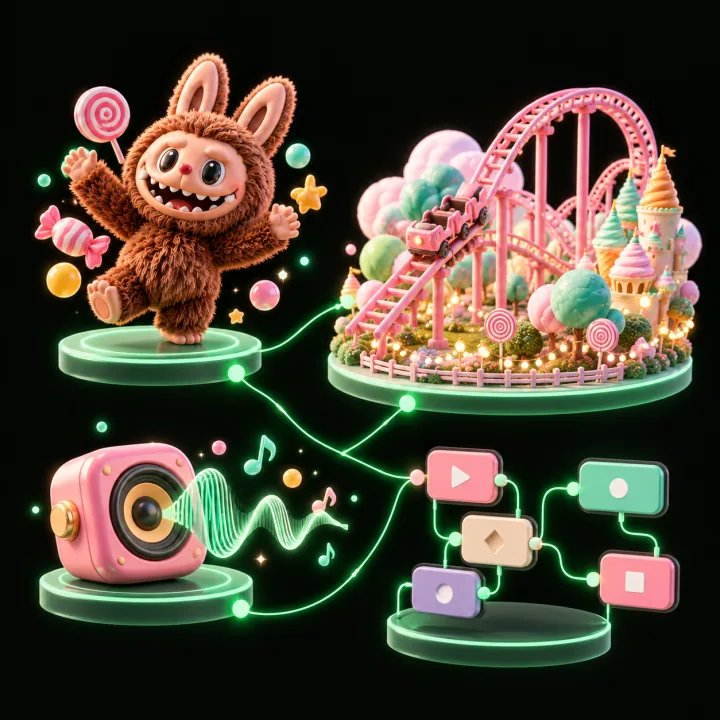
Shape the characters, environments, and systems that make it playable.
Try the game, tune the experience, and get it ready to share.
Invite others to explore the world you made.
Examples
Start with a direction that resembles your project, then change the mechanics, look, or audience before you build further.
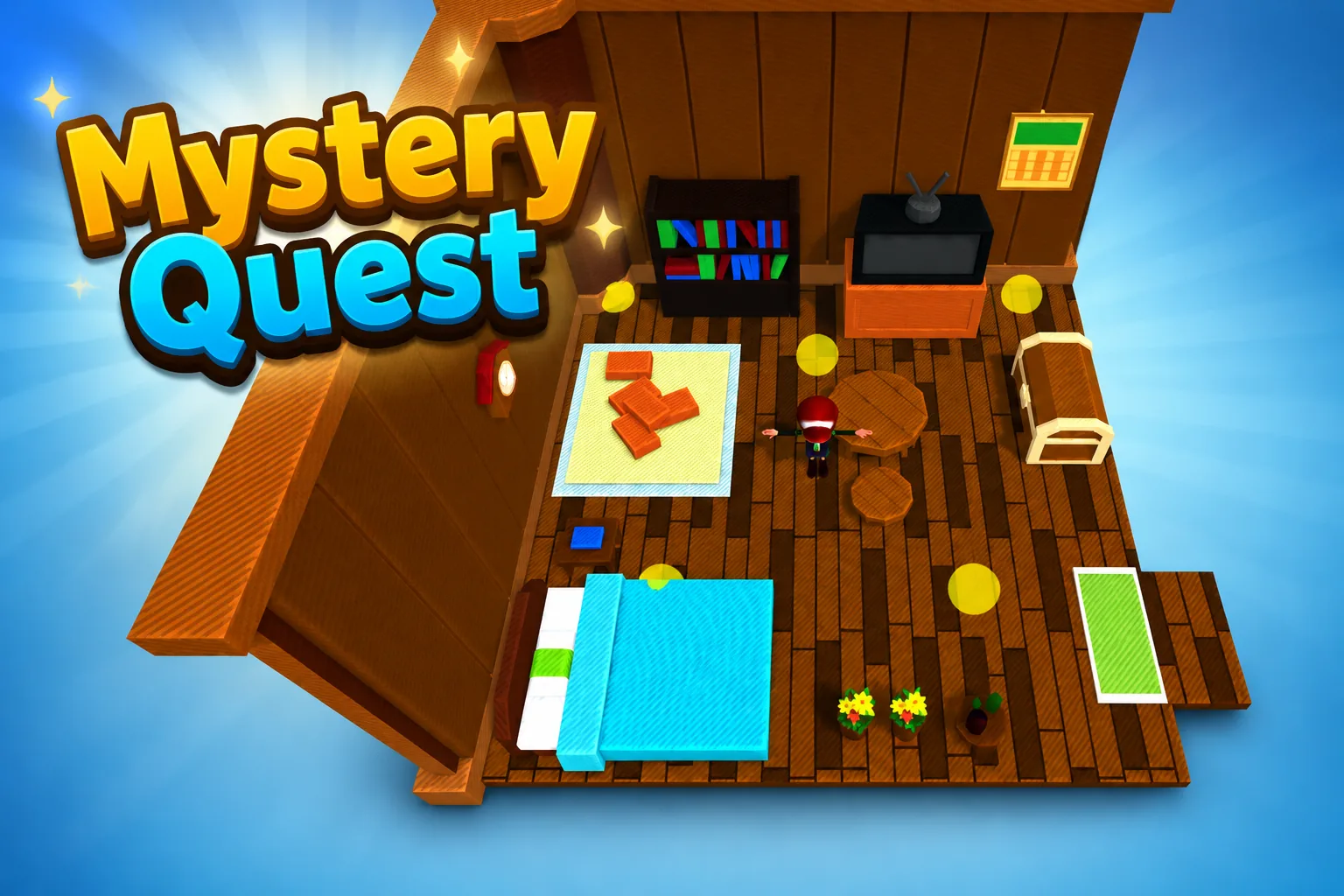 AdventureAdventure GamePlay game ↗
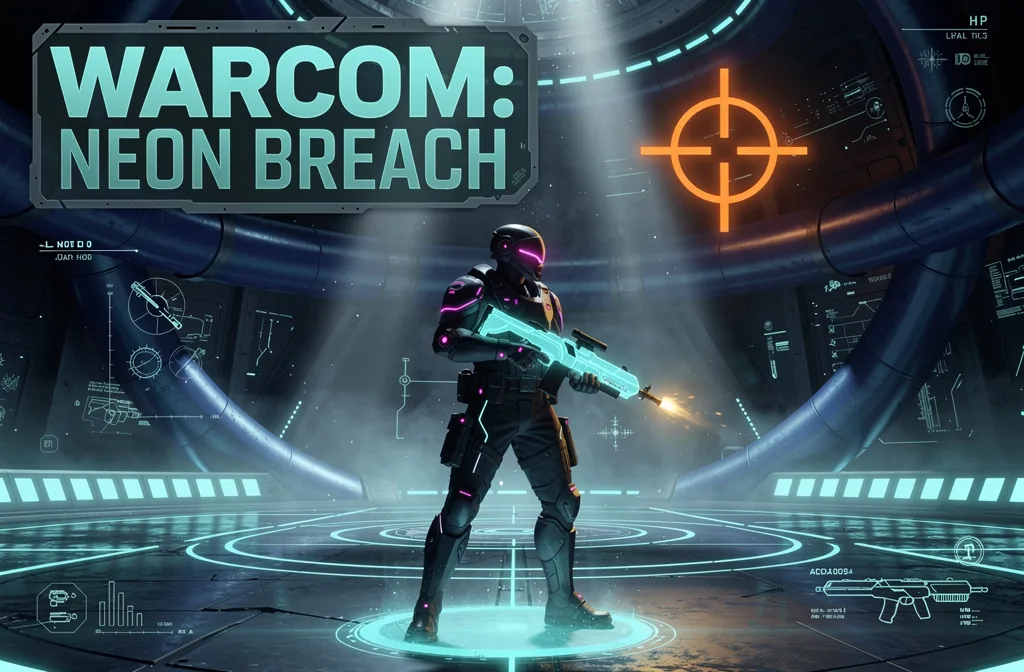 ShooterWarcom: Neon BreachPlay game ↗
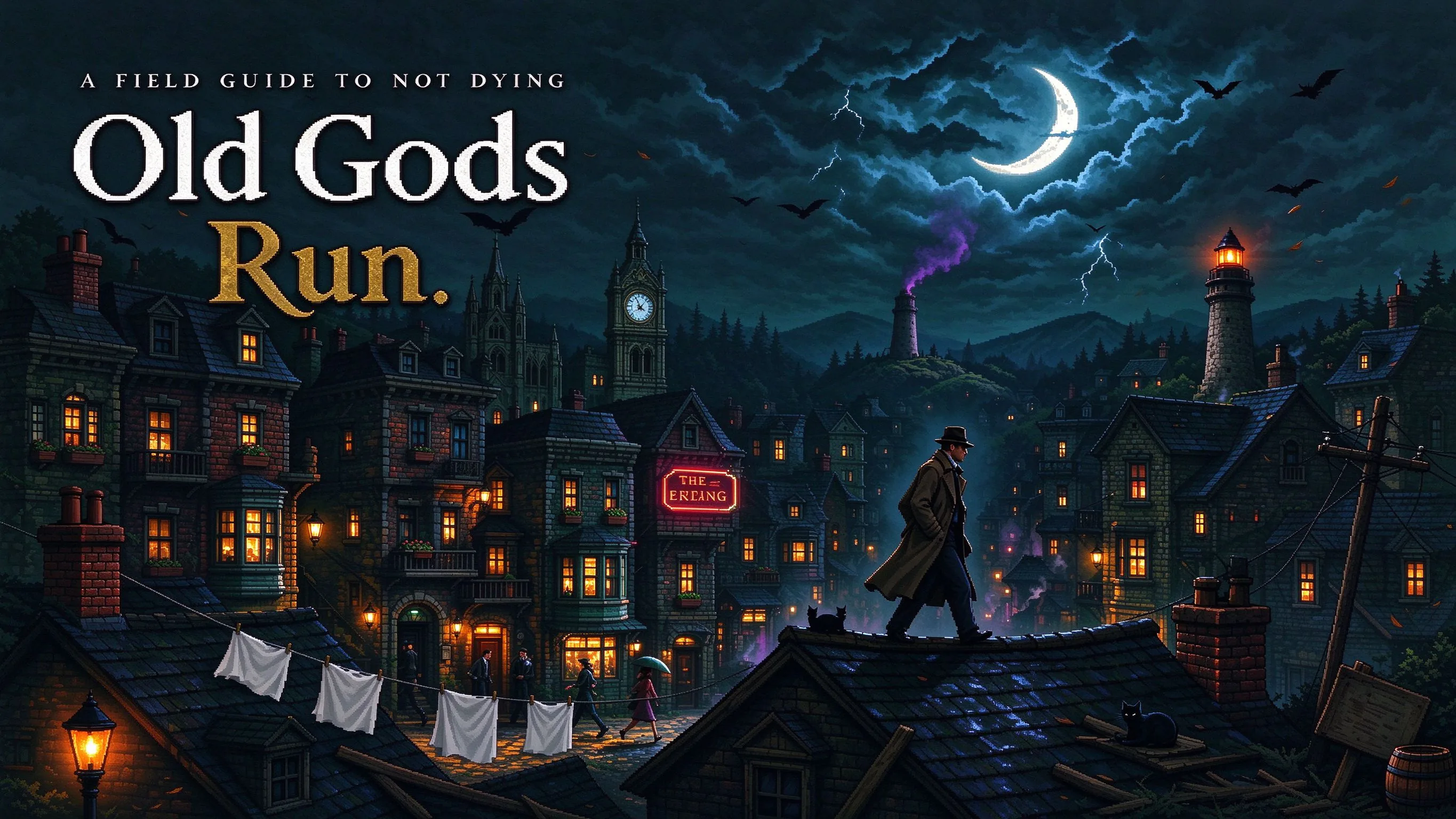 ActionOld Gods RunPlay game ↗
 CasualCaution! Egg on the Car RoofPlay game ↗
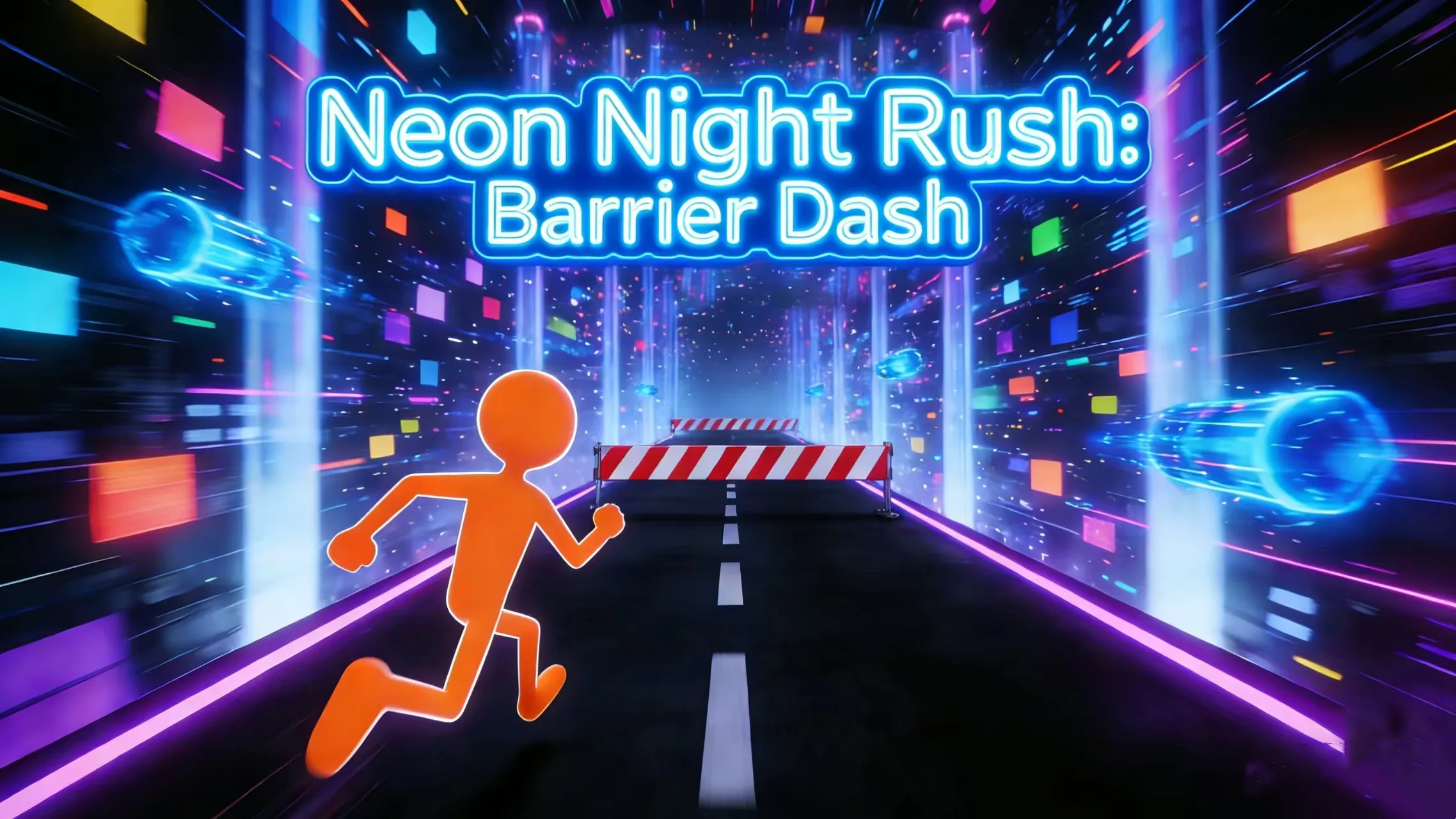 RunnerNeon Night Rush: Barrier DashPlay game ↗
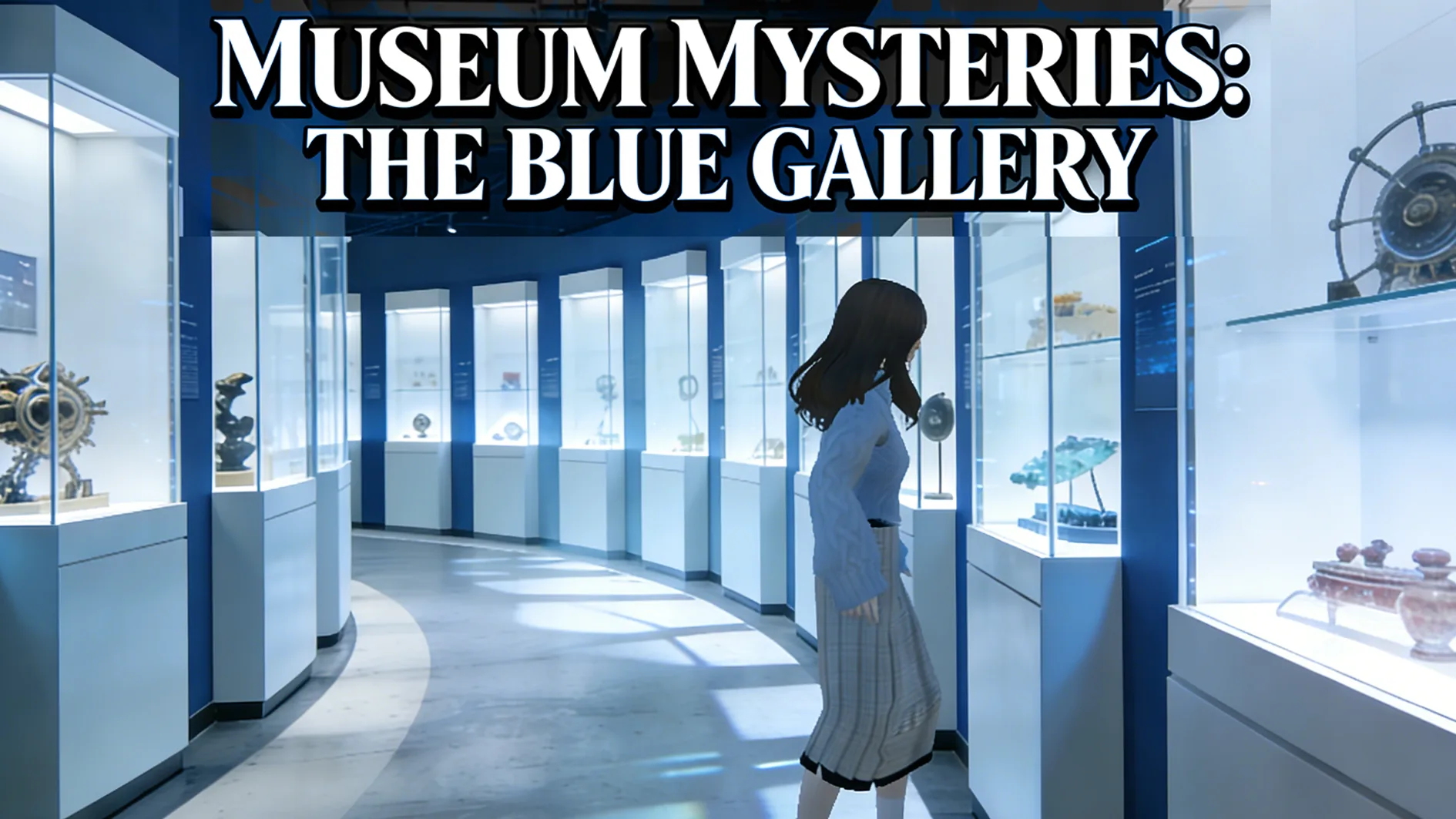 PuzzleMuseum ExhibitionPlay game ↗
 SimulationMilky Way Idle 3DPlay game ↗
 CasualSnowfall & Starry GiftsPlay game ↗
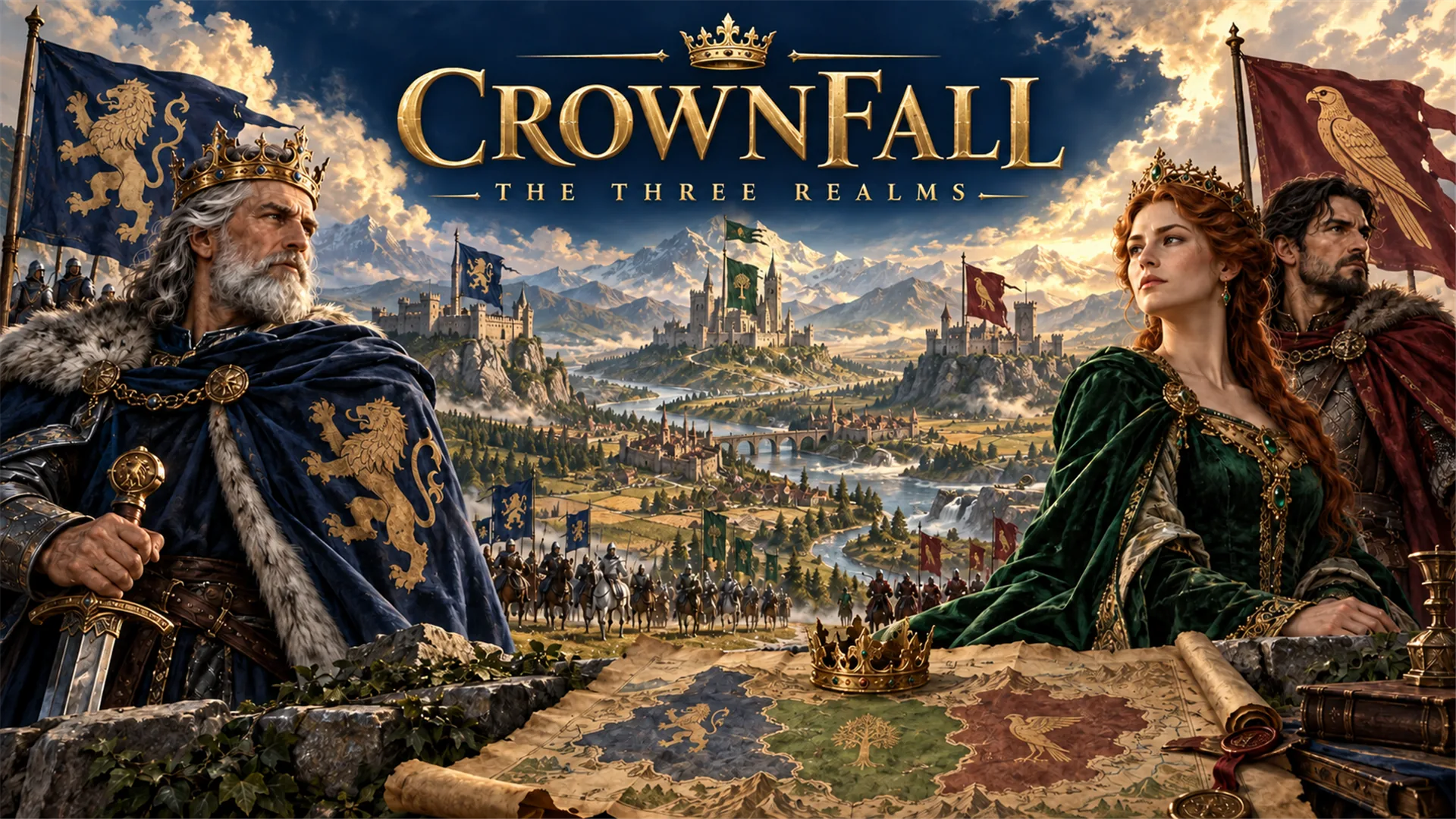 RPGCrownfall-The-Three-Realms-CoverPlay game ↗
 SimulationFLYING CARPlay game ↗
Give an AI Story Game Generator enough context to make the result specific, then test the part that matters to your project.
Explain what the player repeatedly does: explore, choose dialogue, solve puzzles, manage resources, or collect clues. Story-driven games need a loop, not only scenes.
Ask SEELE to make every mechanic reinforce the story: a clue changes trust, a puzzle reveals memory, or a resource choice changes the ending.
Create the first browser version with objectives, choices, feedback text, and ending conditions that can be played in minutes.
Why use it
Focus on the parts of the idea that need a concrete result before the next decision.
Explain what the player repeatedly does: explore, choose dialogue, solve puzzles, manage resources, or collect clues. Story-driven games need a loop, not only scenes.
Try it nowAsk SEELE to make every mechanic reinforce the story: a clue changes trust, a puzzle reveals memory, or a resource choice changes the ending.
Try it nowCreate the first browser version with objectives, choices, feedback text, and ending conditions that can be played in minutes.
Try it nowYou define who the experience serves and what a successful result needs to do.
Choose what comes next
The page can organize a proposal, but people still decide what is accurate, original, usable, and ready for the next stage.
You define who the experience serves and what a successful result needs to do.
You check factual fit, originality, continuity, accessibility, and whether the pieces work together.
You decide what is ready for implementation, sharing, publishing, or another round of work.
Who it is for
writers, narrative designers, and creative teams can use this page to make one project decision easier to test before a larger build or launch.
Play the loop and ask whether actions feel connected to the theme. If mechanics are decorative, revise the prompt.
Once the loop works, plan assets, level structure, UI polish, and deeper systems separately.
A concrete player action loop tied to theme, scenes, and consequences.
A clearer first move
A useful first result gives the next decision something concrete to react to, without hiding the work that still needs human ownership.
SEELE AI on YouTube
Reviews, walkthroughs, and games made with SEELE AI by creators on YouTube.
FAQ
It helps convert a story premise into a playable game prototype where objectives and mechanics support the narrative.
Yes. Ask for dialogue, exploration, puzzle, inventory, relationship, or resource mechanics in the starter prompt.
Use this when player actions matter. A pure story generator is better for non-interactive prose.
Describe the job, test one version, and decide what to do next inside SEELE AI.
Start creating