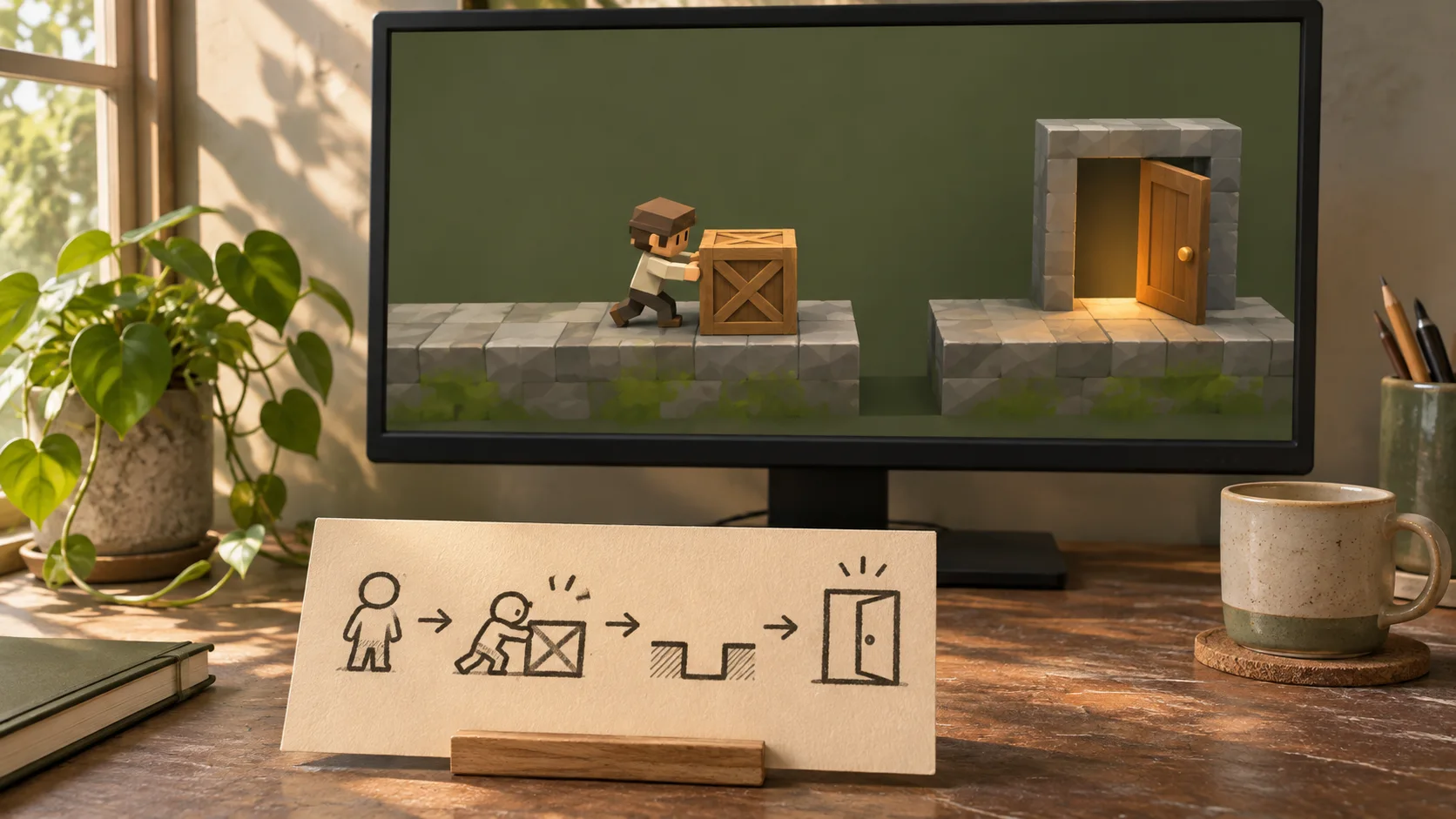
Use an item to connect two locations
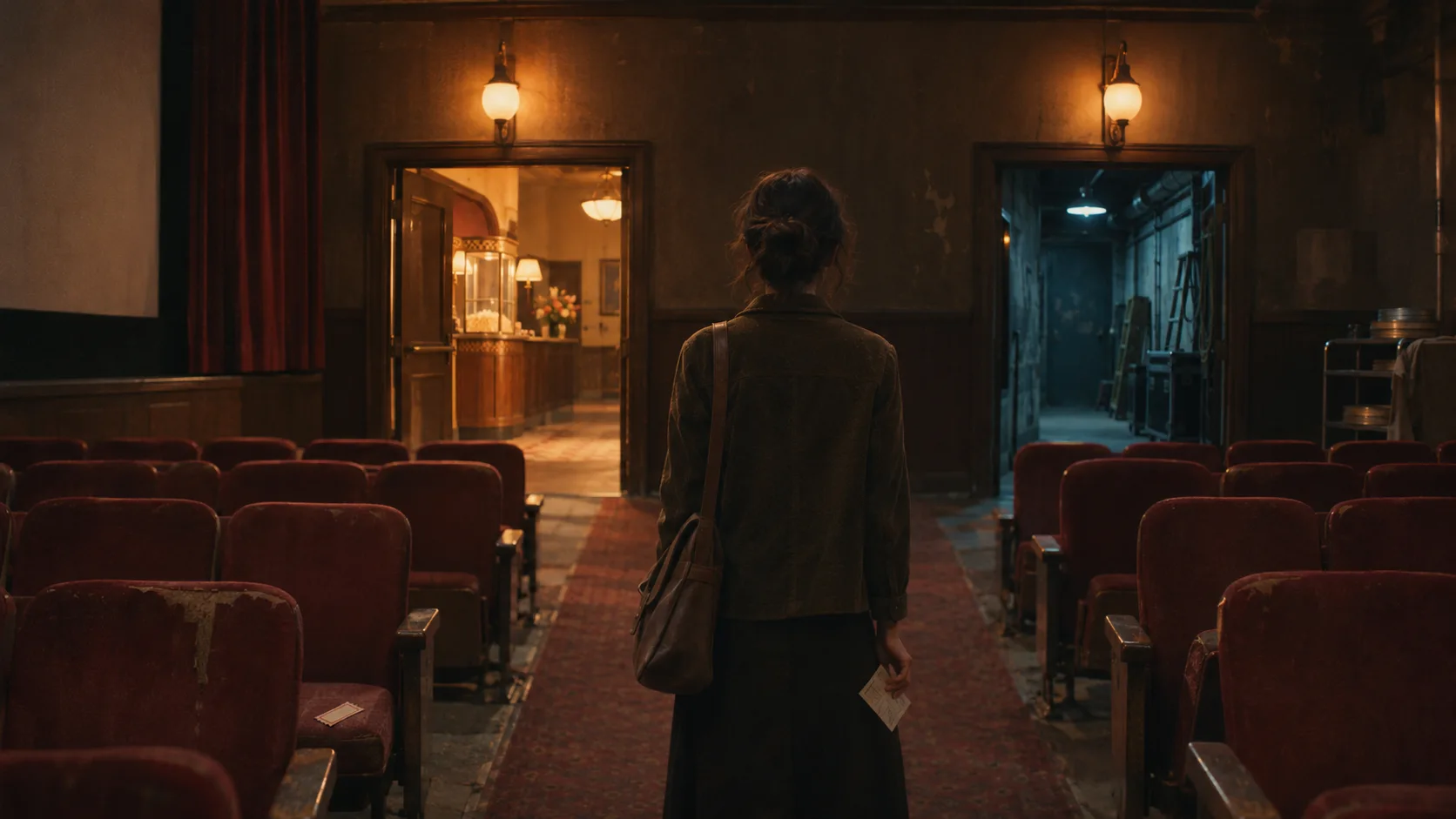
Let a clue found in one scene change what the player can do in another. Check that the player can return, use it and understand why a new route opens.

Give the player a decision with a visible consequence. Build an adventure prototype with explorable locations, inventory clues and branching decisions. Start with one locked area and a route the player can finish.
Partners and teams

















How it works
Turn a space hangar into a playable challenge with three holographic targets.
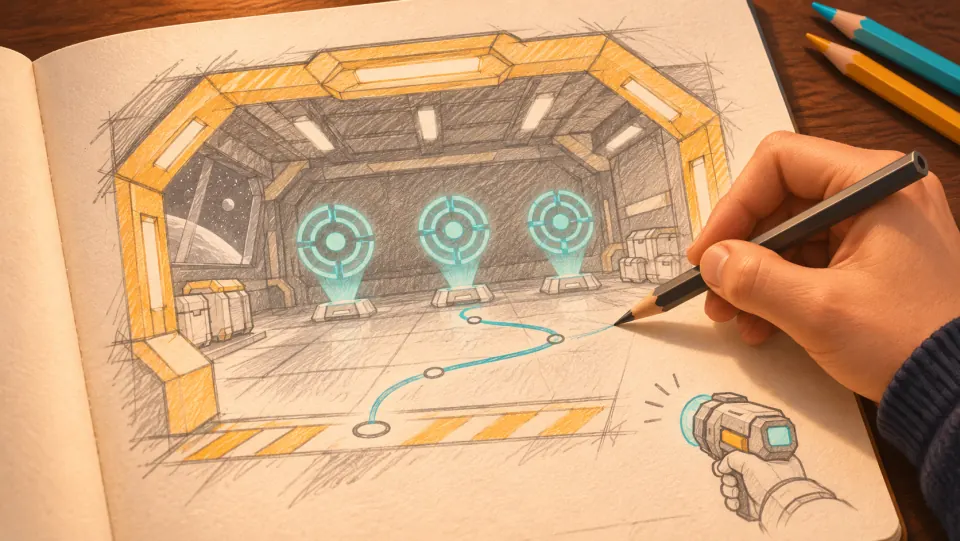
The player enters a space hangar and has to move into position to hit three holographic targets.
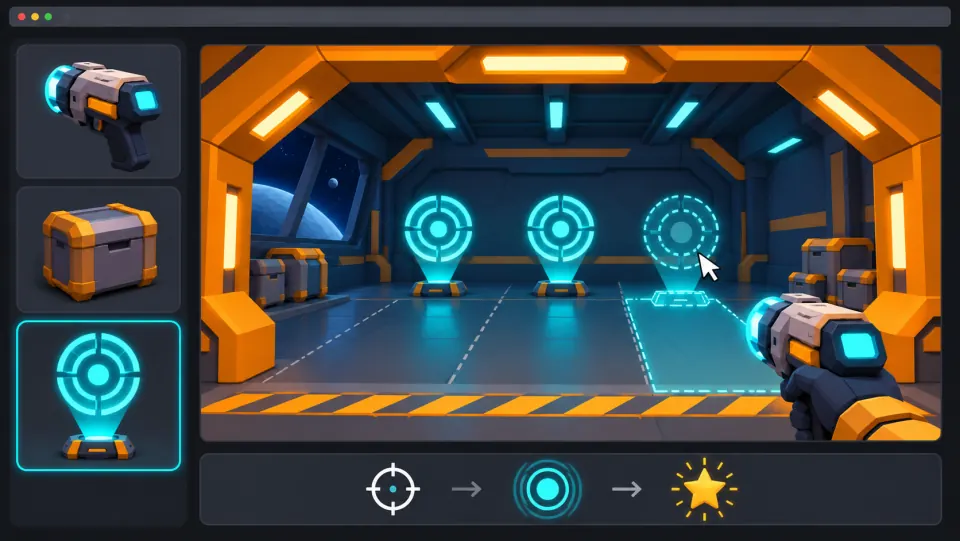
Ask seeleAgent to build the hangar, place the targets, and add first-person controls, hit effects, and scoring.
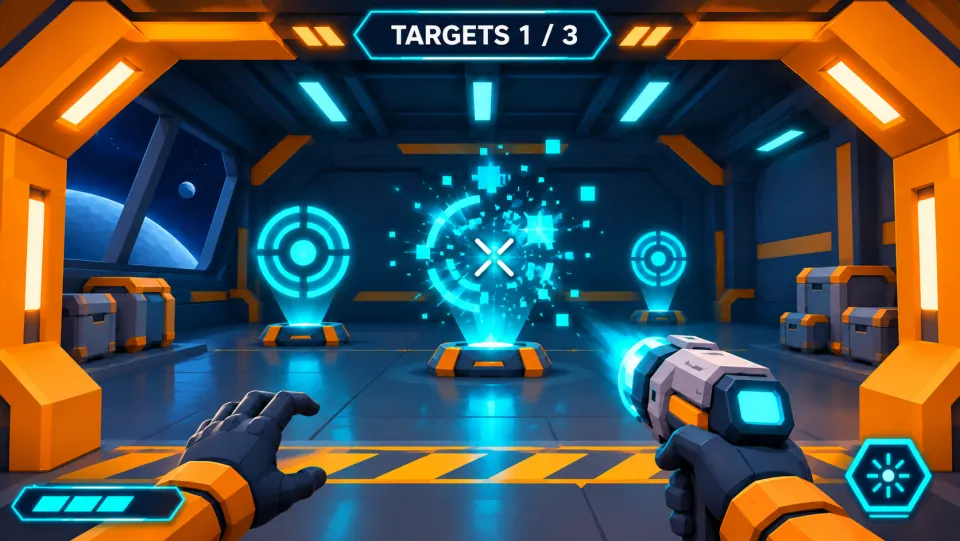
Aim and fire at a target. It should burst into pixels on impact, and the hit counter should go up.
Make a game for freePick a starting point
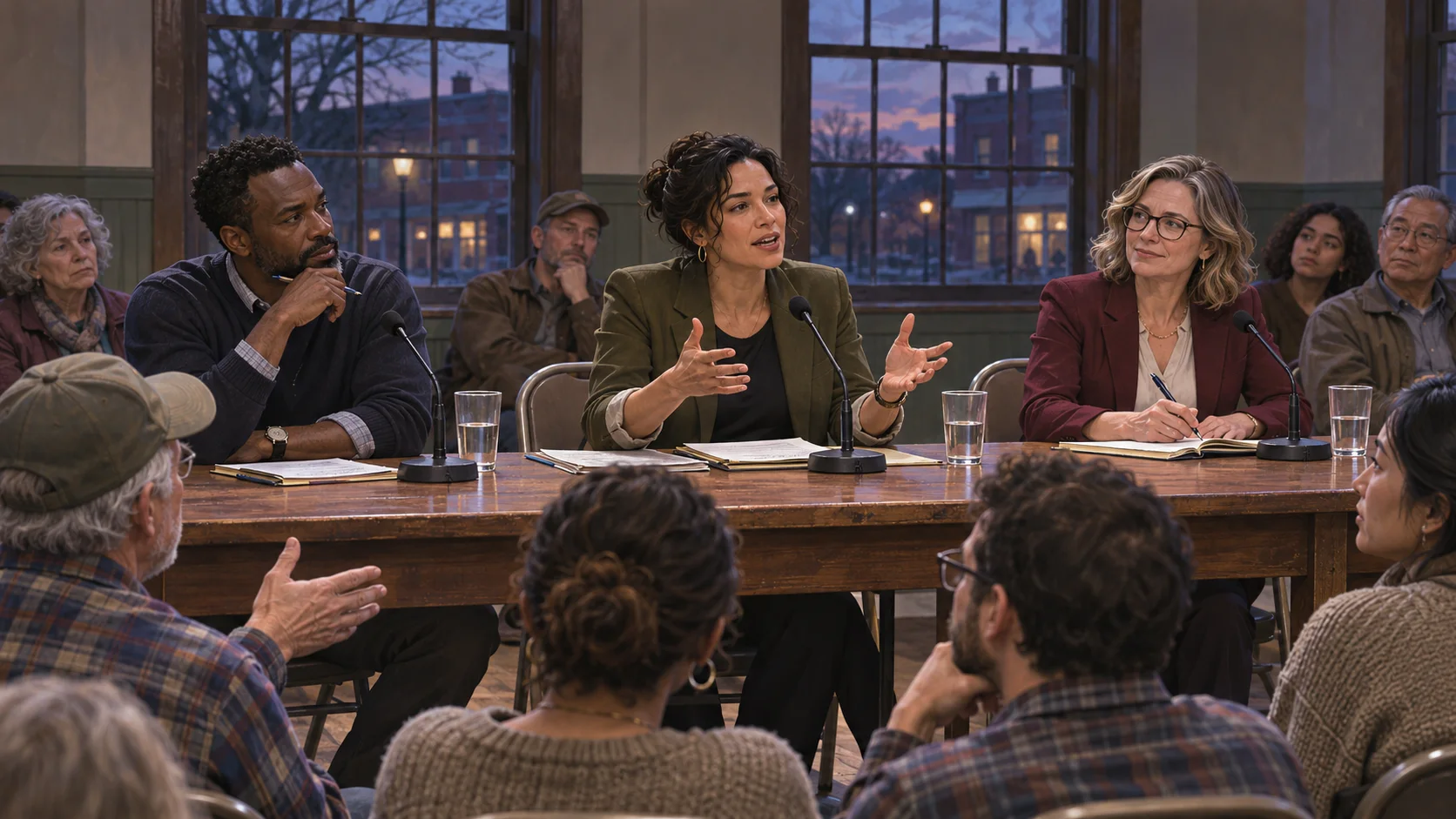
Try a branching mystery, a character route, a consequence-driven scene, or a story with two planned endings.
Open with a question the player can investigate. Make each option uncover a different clue, then check how the clues fit together.
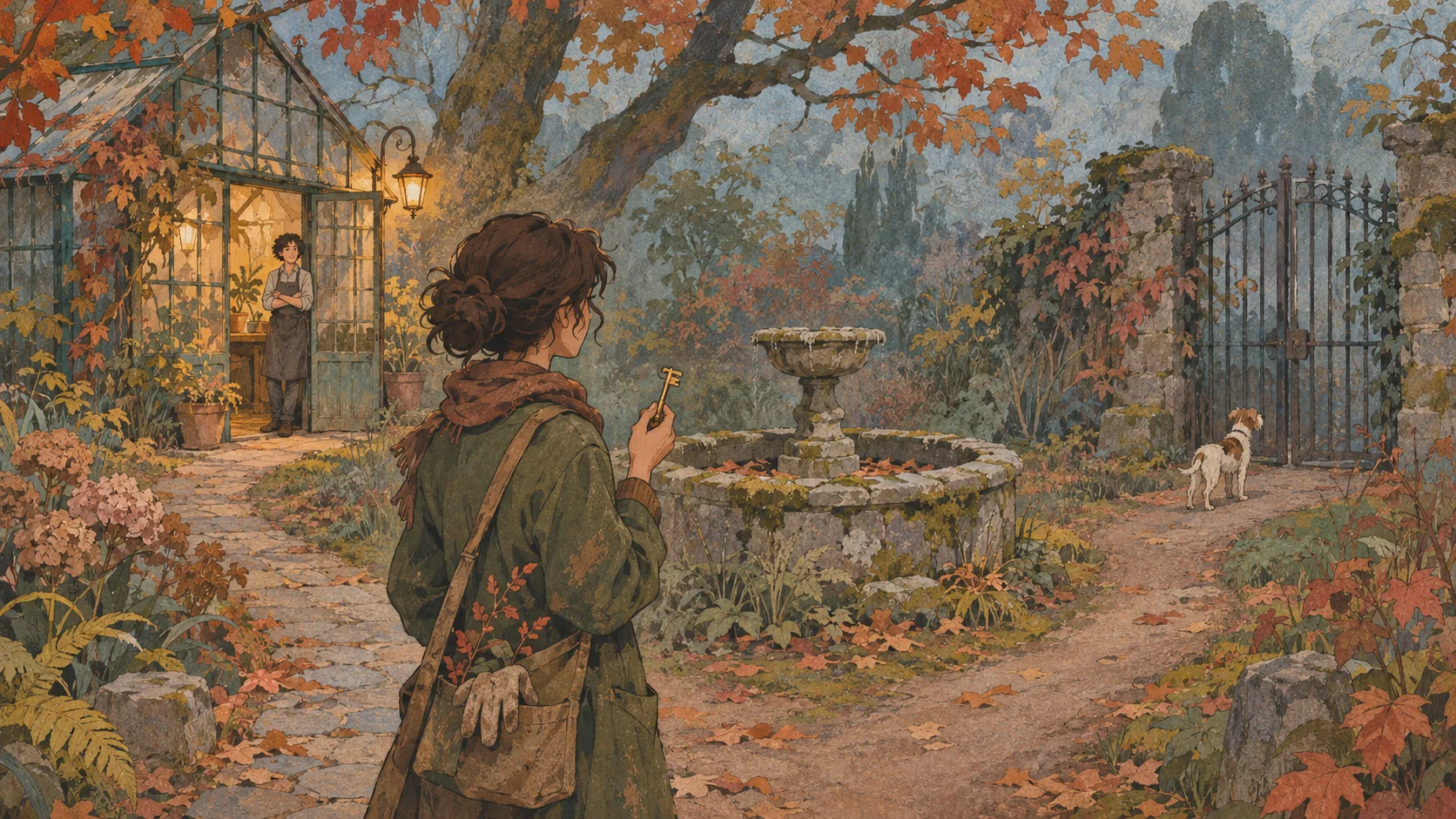
At closing time, botanist Mara finds a love letter tucked inside a rare orchid. It is signed by someone who disappeared from town years ago. Write the greenhouse opening scene, then let the player choose whether Mara follows the letter or asks the caretaker about it. Each choice should reveal a different clue in the next scene.
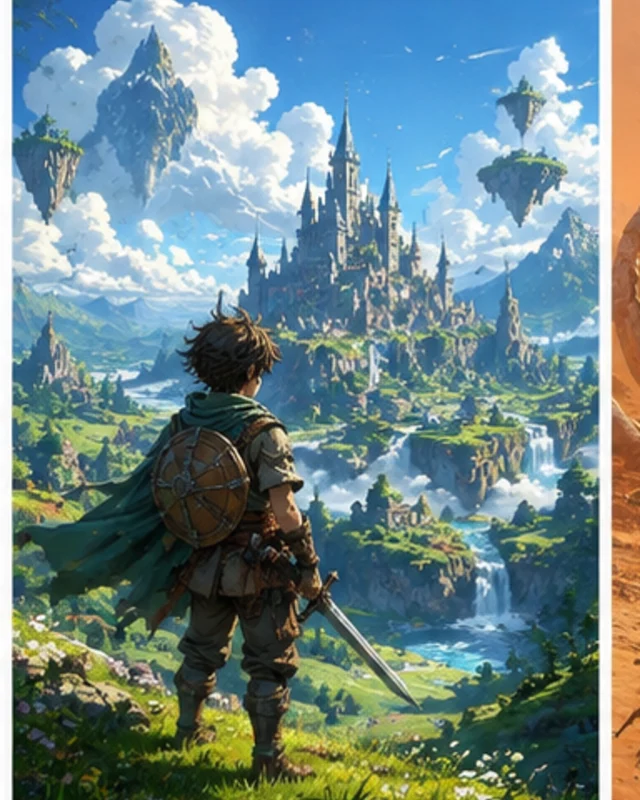 Branching mystery ↗
Build a short route around a relationship, a promise, or a disagreement. Let the player learn something about both characters through what they choose.
Write the first scene of a quiet science-fiction story. Pilot Ren is asked to leave a damaged survey drone behind so the crew can reach a colony before a storm. Give the player two choices: protect the schedule or spend time repairing the drone. In the next scene, show how the decision changes Ren’s conversation with the navigator.
Let players discover a clue on an optional path and carry it into the final choice.
Write a branching story about a cartographer returning to a vanished village. Let the player search a cottage for a star chart or examine a damaged telescope in the observatory. Remember which clue the player found. Offer two ways to open the archive, reveal a new detail for each route, and let the player continue after a wrong guess.
Plan the final scene before expanding the branches. Give each ending a reason to exist, then plant the choices or clues that can lead there.
Outline a short lighthouse mystery with two possible endings. The keeper can either publish the evidence of a shipwreck cover-up or protect the town’s last surviving witness. Write the opening clue, one decision that tests the player’s priorities, and a distinct final scene for each outcome.
Why SEELE
Let a clue found in one scene change what the player can do in another. Check that the player can return, use it and understand why a new route opens.

Begin with one decision and two follow-up scenes. Add more routes after the first path reads cleanly.

Use choices that reveal different priorities or information, not two phrasings of the same action.

Note clues, promises, and relationship changes so later scenes do not contradict earlier decisions.

Set the tone and age range before drafting sensitive themes, jokes, or relationship dynamics.

Check whether each choice makes sense in context and whether the next scene pays it off.
Made with SEELE
These games are playable. Pick one and give it a try.
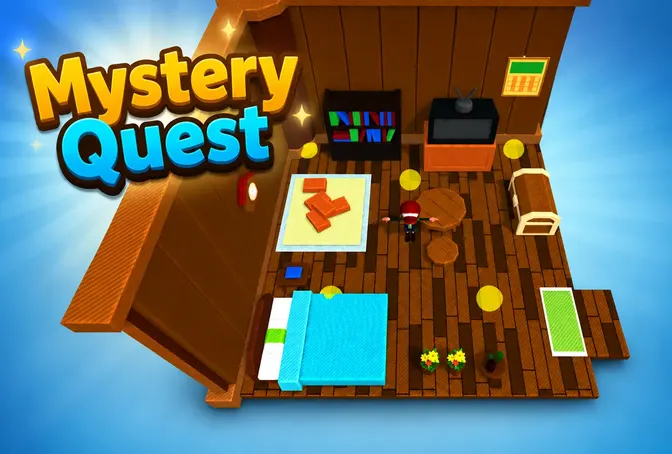 AdventureAdventure GamePlay the example ↗
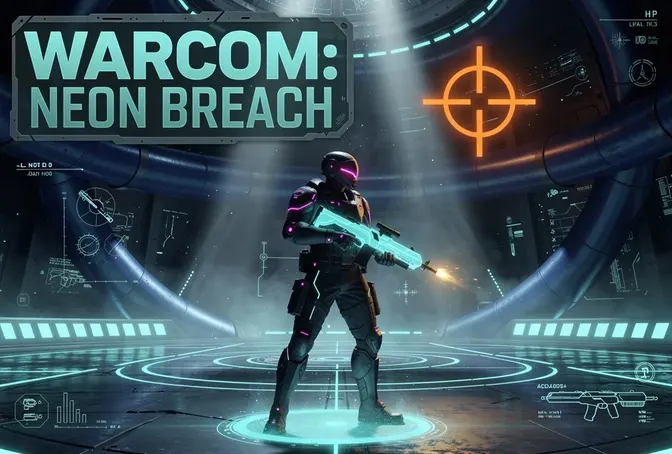 ShooterWarcom: Neon BreachPlay the example ↗
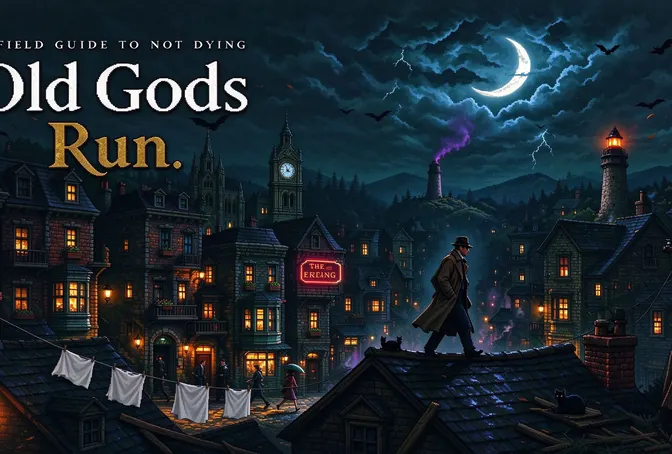 ActionOld Gods RunPlay the example ↗
 CasualCaution! Egg on the Car RoofPlay the example ↗
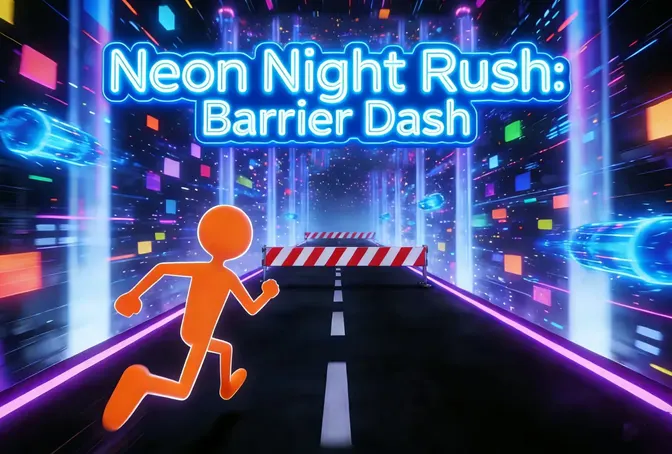 RunnerNeon Night Rush: Barrier DashPlay the example ↗
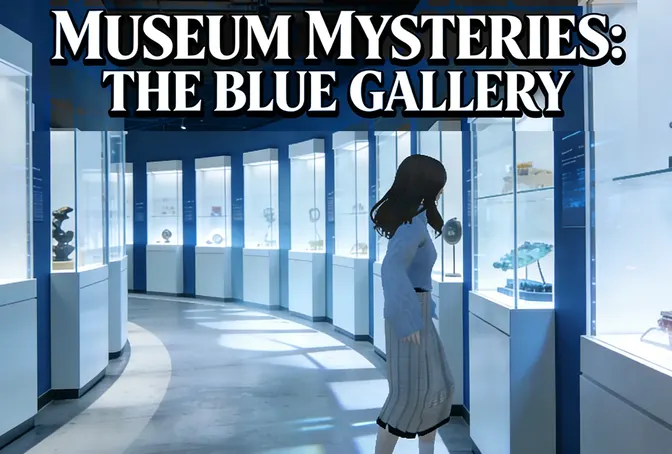 PuzzleMuseum ExhibitionPlay the example ↗
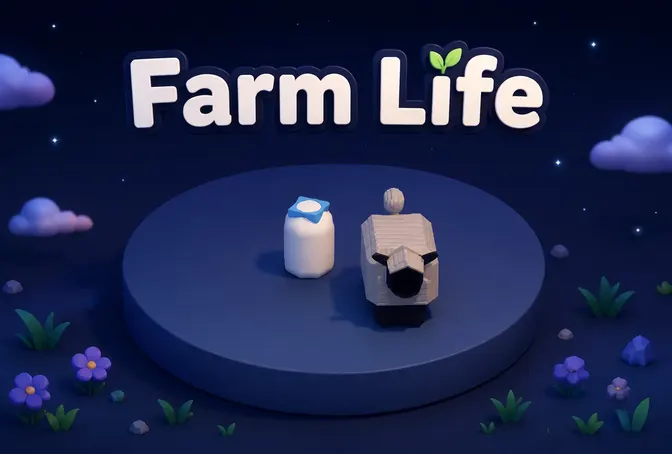 SimulationMilky Way Idle 3DPlay the example ↗
 CasualSnowfall & Starry GiftsPlay the example ↗
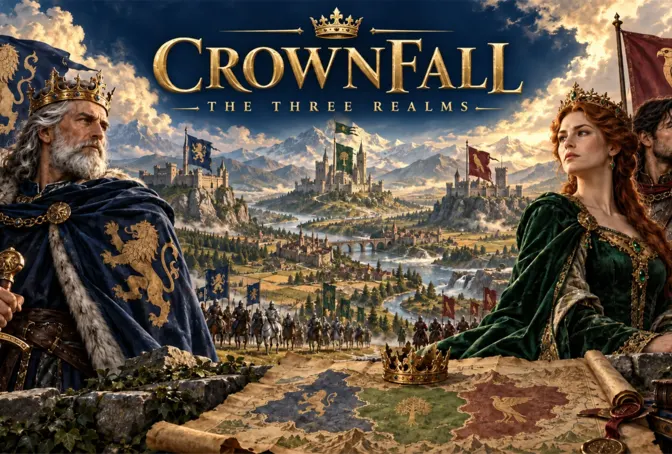 RPGCrownfall-The-Three-Realms-CoverPlay the example ↗
 SimulationFLYING CARPlay the example ↗
Who it’s for
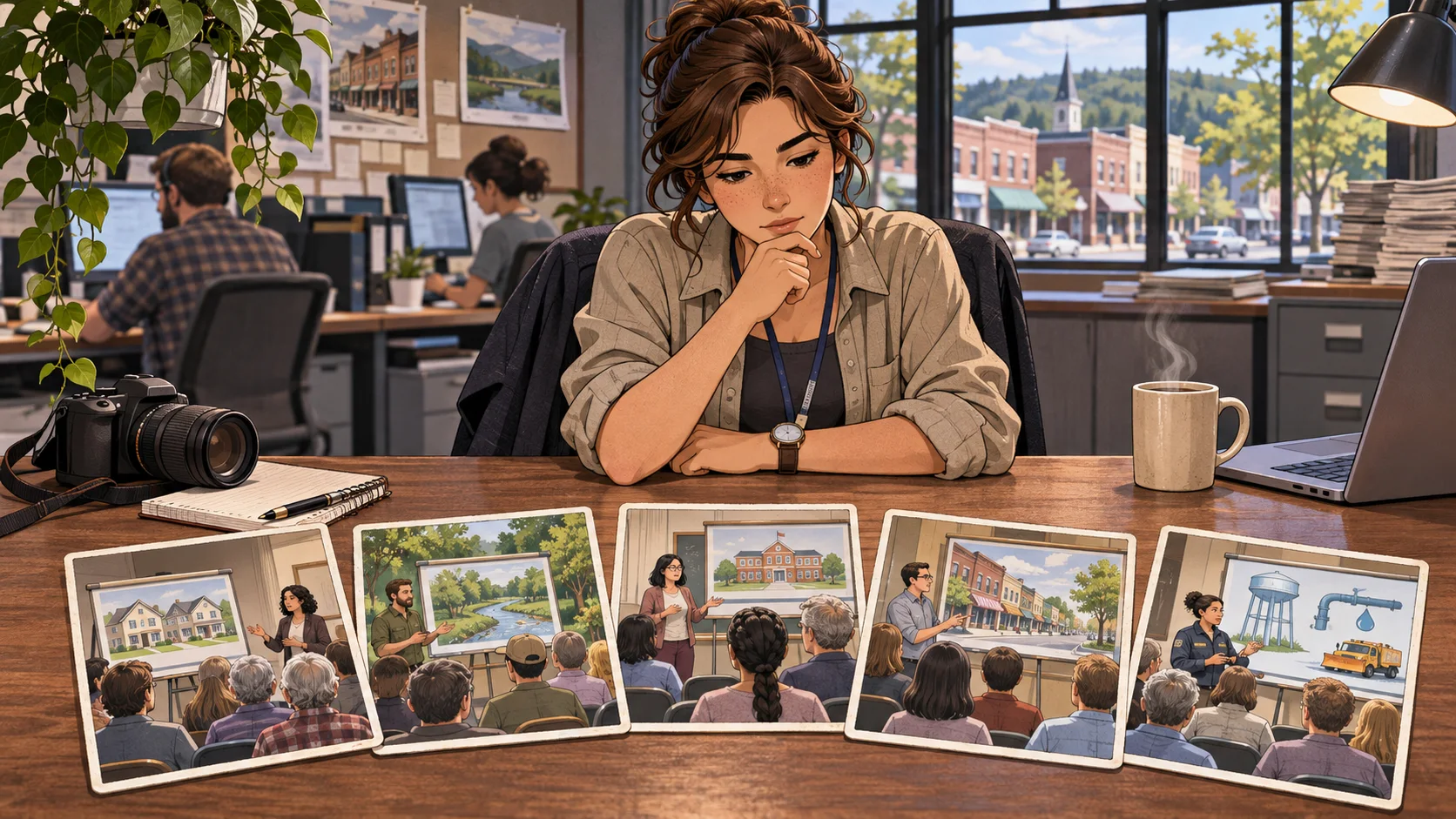
A short branching scene gives writers, designers, and teachers a concrete way to discuss what a choice changes.
Test a scene, a pair of choices, and their consequences before outlining a longer story.
Choose Your Own Political Story ↗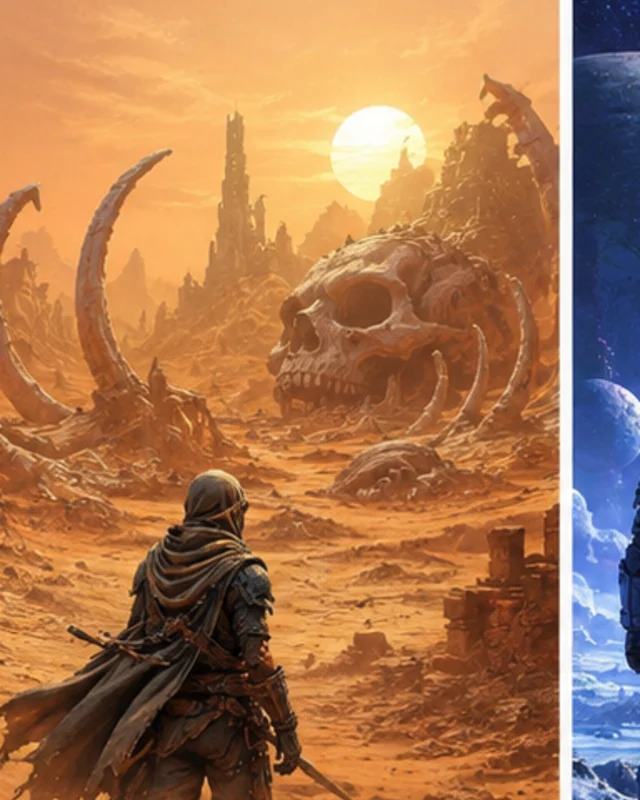
Use a compact branch to discuss pacing, choice clarity, and what the player learns along each route.
AI Interactive Game Generator for Story Games ↗
Give a class one scene to revise. Compare how different choices change the next event and the reader’s understanding.
AI Cinematic Interactive Story Generator ↗Compare
A playable branch helps you react to a scene; an outline helps you plan a longer narrative before writing it.
| Feature | Start with a playable story scene | Start with a written outline |
|---|---|---|
| First step | Describe one scene, a character goal, and a decision. | Map the premise and major plot beats before drafting scenes. |
| Choice design | Try two options and inspect what changes next. | Write the branch structure, then check whether the choices feel distinct. |
| Continuity | Read the resulting route and check details as they appear. | Track clues, character knowledge, and timeline across the outline. |
| Best use | Explore the tone and feel of a short playable branch. | Plan a longer narrative before investing in scene writing. |
| Before sharing | Review every route for continuity, audience, and rights. | Review the outline for missing branches and unresolved choices. |
Reviews
Explore adjacent story-game pages, writing guides, and tools for planning characters, scenes, and choices.
FAQ
Pick two connected locations and give the player a goal that requires moving between them. Define a choice or inventory puzzle that changes access, then test the whole route.
Name the setting, point-of-view character, immediate goal, choice, and what should change after each option. Keep the first branch small enough to review in one sitting.
Give the options different motives or trade-offs, then show a consequence in the next scene. If both choices lead to the same result, make the shared outcome acknowledge what the player chose.
Start with two options and a short consequence for each. Expand only after both routes make sense and the story still feels manageable to read.
No. Branches can rejoin when that serves the story, but carry forward a changed clue, relationship, or point of view so the choice still matters.
Track what each character knows, which clues the player has found, and when events happen. Read each route from the beginning to catch contradictions.
Write down what each ending resolves and what earlier choice can lead there. Plant the relevant clues or relationship changes before the final scene.
A romance route can focus on trust, conflict, or a shared goal. Give each character a motivation of their own and make the player’s choices respectful and clear.
Yes. Start with one central question and a small set of clues. Let choices change which clue appears next, and check that every route supports the same underlying facts.
No coding is needed to describe a story idea in the prompt. Review the generated result and check the current editor options before planning a larger project.
Read every route for continuity, clear choices, audience fit, accessibility, and rights to any source material. Review sensitive themes and character portrayals with care.
It can help interactive fiction writers, narrative designers, and teachers explore how a decision changes a scene. Match the scope and subject matter to the intended players.
Use concrete options that describe an action or priority. Avoid hiding a major consequence behind vague wording when the player could not reasonably anticipate it.
Treat it as a draft. Play through every route, correct continuity problems, and check the content, rights, and intended audience before sharing.