Anchor the story in a playable task
Give the hero something concrete to do—a delivery, investigation, rescue, or negotiation—before introducing the wider lore.

Give the hero one reason to act, then make the choice change something.
Build an RPG concept around a specific quest, encounter, or discovery. Start with one location and one meaningful decision before outlining a larger world.
Partners and teams

















How it works
Choose one scene, define its player goal, then follow the consequences before expanding the quest.
Decide what the character needs to do in this scene. A delivery, rescue, or investigation gives the player a reason to act.
Choose a settlement, ruin, road, or room. Add only the details that affect the quest or the player’s next decision.
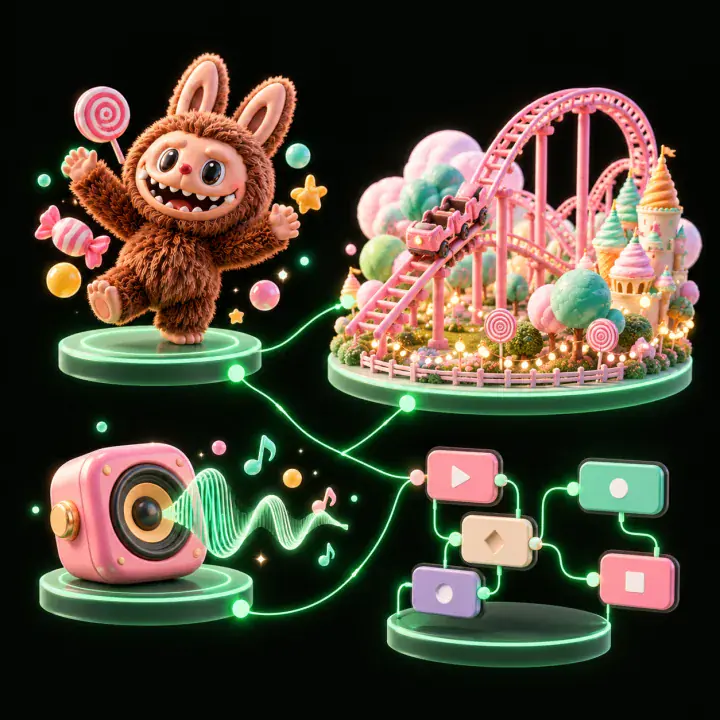
Offer two approaches and state what each one costs or changes. Tie the outcome to the character or the next scene.
Check that the next scene reflects the player’s decision and that the characters still have clear motives.
Add another location, quest, or character only after the first scene gives the player a clear objective and response.
Pick a starting point
Start with a specific task or decision and adapt the character, setting, and stakes to your RPG.
Put the player in a concrete delivery task and make the route choice affect what they can do later.
Create an RPG quest about a courier carrying a sealed letter through a flooded archive. Give the courier two routes: the safer public hall or a hidden passage that costs a useful map. Show how the choice changes the next scene.
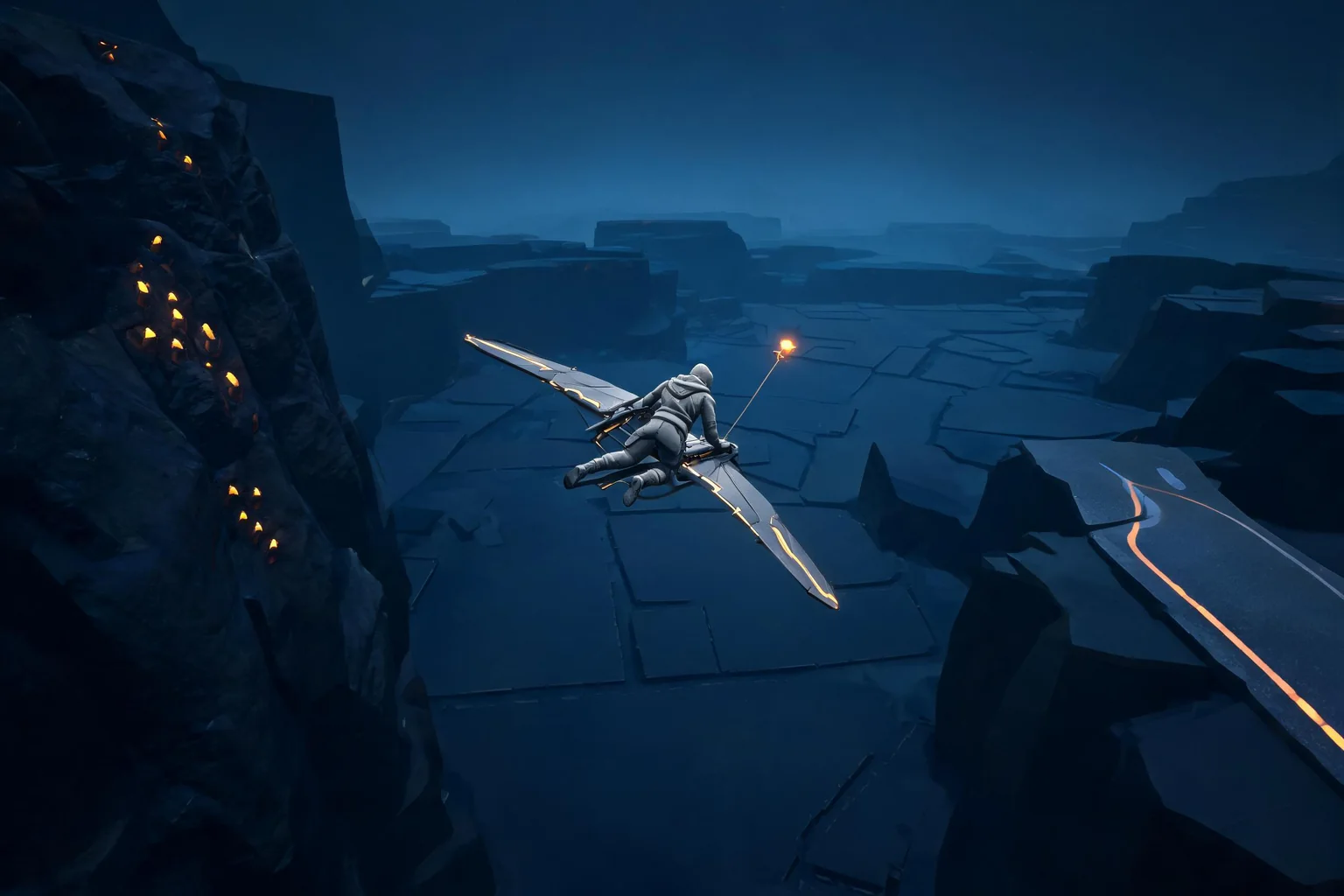 Quest through the flooded archive ↗
Why SEELE
Give the hero something concrete to do—a delivery, investigation, rescue, or negotiation—before introducing the wider lore.

Connect a decision to a visible consequence, such as a lost resource, a new ally, or another route.

Use one settlement, ruin, or travel route to test the tone and player choices before describing a continent.

Tie each character’s opinion to a goal or risk so party dialogue has a clear source of tension.

Offer upgrades that change how the hero solves a problem, not only a higher number.

Follow each choice into its next scene and check that the result still makes sense for the character and quest.
Made with SEELE
These games are playable. Pick one and give it a try.
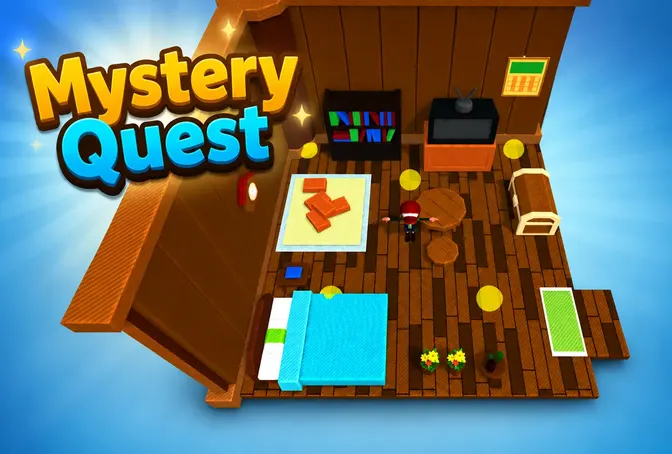 AdventureAdventure GamePlay the example ↗
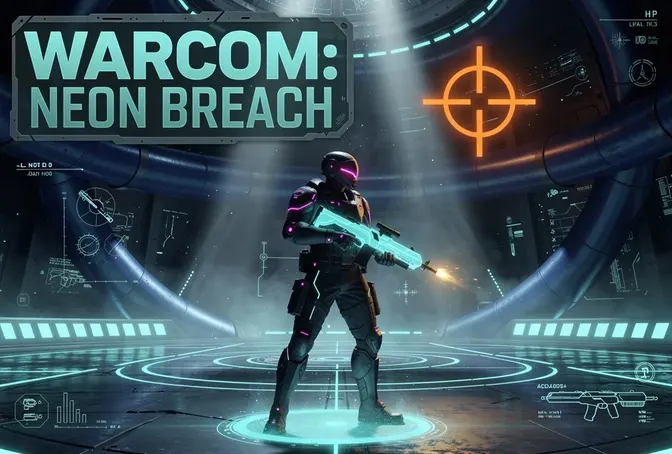 ShooterWarcom: Neon BreachPlay the example ↗
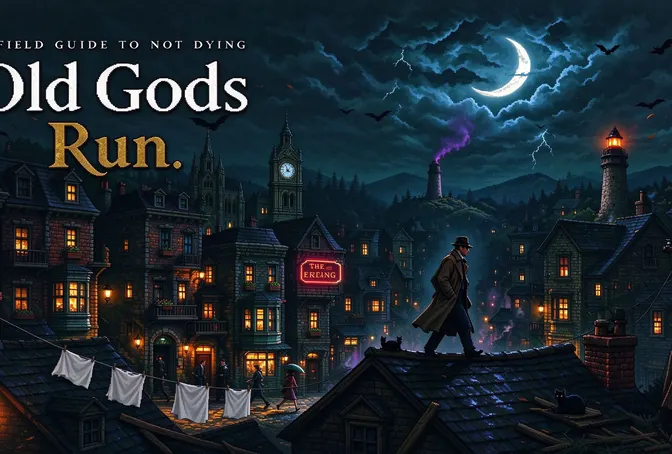 ActionOld Gods RunPlay the example ↗
 CasualCaution! Egg on the Car RoofPlay the example ↗
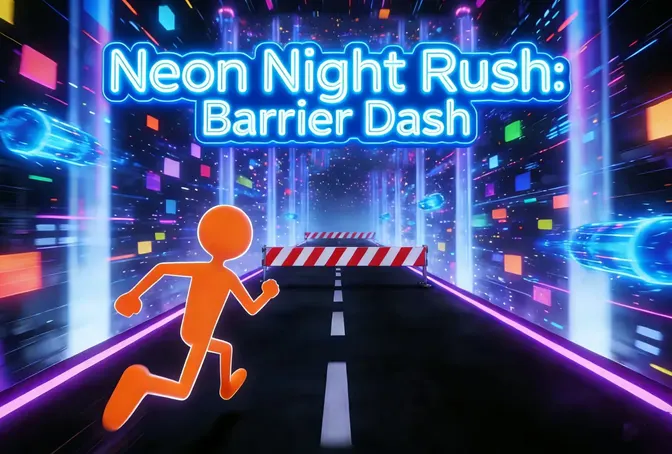 RunnerNeon Night Rush: Barrier DashPlay the example ↗
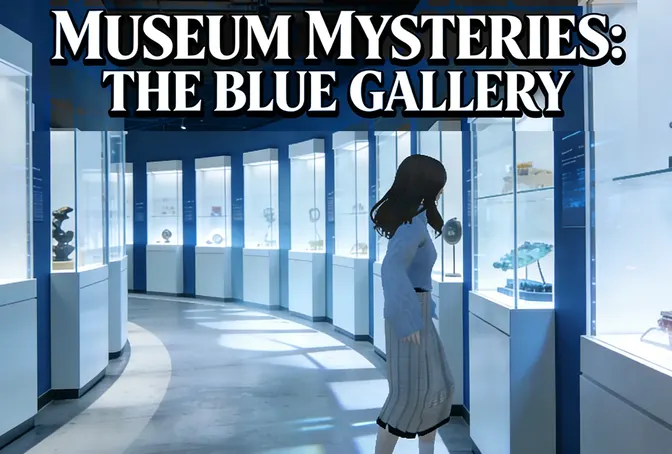 PuzzleMuseum ExhibitionPlay the example ↗
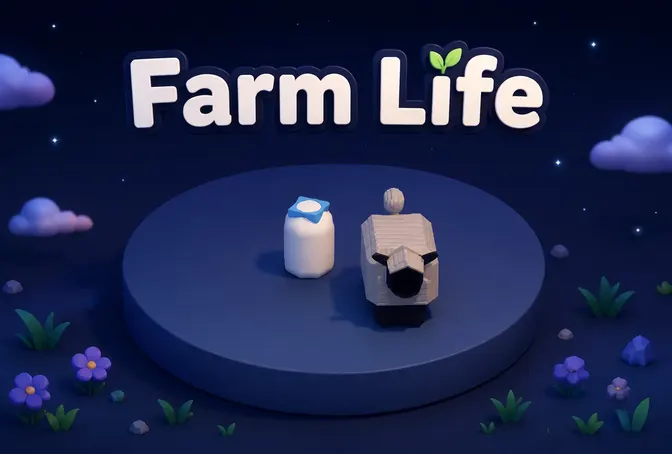 SimulationMilky Way Idle 3DPlay the example ↗
 CasualSnowfall & Starry GiftsPlay the example ↗
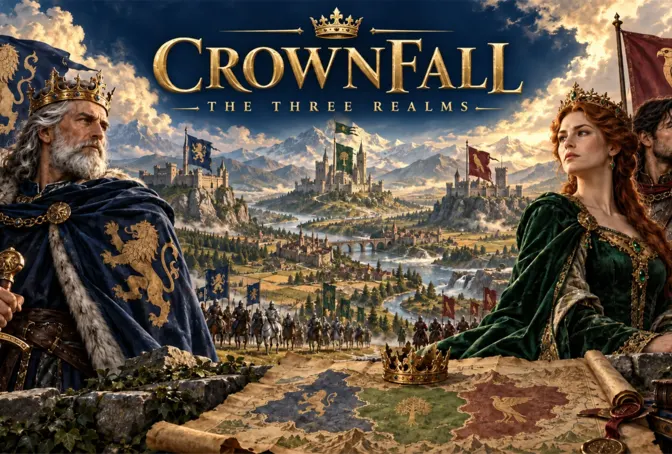 RPGCrownfall-The-Three-Realms-CoverPlay the example ↗
 SimulationFLYING CARPlay the example ↗
Who it’s for
Developers and narrative designers can use a focused quest or encounter to compare RPG directions.
Start with one objective, a location, and a decision the player can understand. Use the first scene to check whether the quest gives a clear reason to continue.
AI Fandom Roleplay Scene Maker ↗
Use the same player goal to compare a combat encounter, exploration route, or progression choice before expanding the world.
AI RPG Maker ↗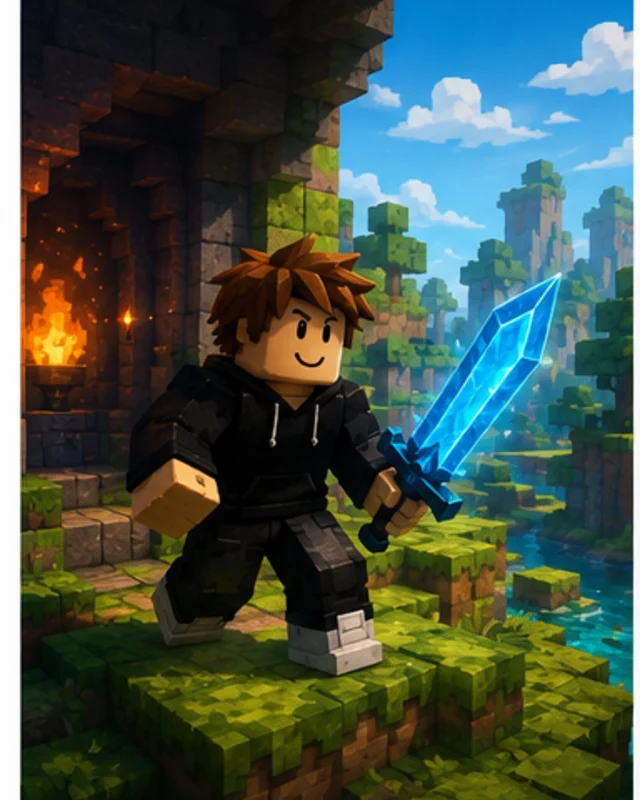
Connect a character’s motive to the next action. Review whether dialogue, quest stakes, and player choice point in the same direction.
AI RPG Game Maker ↗Compare
A small scene makes the hero’s goal and the effect of each choice easier to review.
| Feature | Focused RPG scene | Open-ended RPG outline |
|---|---|---|
| First decision | What the hero wants in this scene | A broad setting or genre label |
| Quest scope | One objective in one location | Several factions, regions, or arcs at once |
| Player choice | A choice with a visible consequence | A list of choices without defined results |
| Character role | A motive that affects the current task | Backstory before the player needs it |
| Next scene | Follow the consequence and revise the branch | Choose which part of the outline to develop first |
Reviews
Explore related RPG creation pages, design guides, and tools.
FAQ
Use the examples on this page to shape a quest, encounter, character choice, or exploration sequence. Start with one playable scene and expand the world after the scene works.
Name the hero, their immediate goal, the location, and the obstacle. If the player has a choice, state what changes after each option.
Begin with one objective and two meaningful approaches. Give each branch a distinct cost or benefit, then show how the outcome affects the next scene.
Connect locations to the people who live there, the resources they need, and the conflict the player encounters. A small region with clear relationships is easier to develop than a list of disconnected lore.
Yes. Treat a prompt as a starting outline for a scene or quest. Review the character motives and consequences, then edit details to match your story.
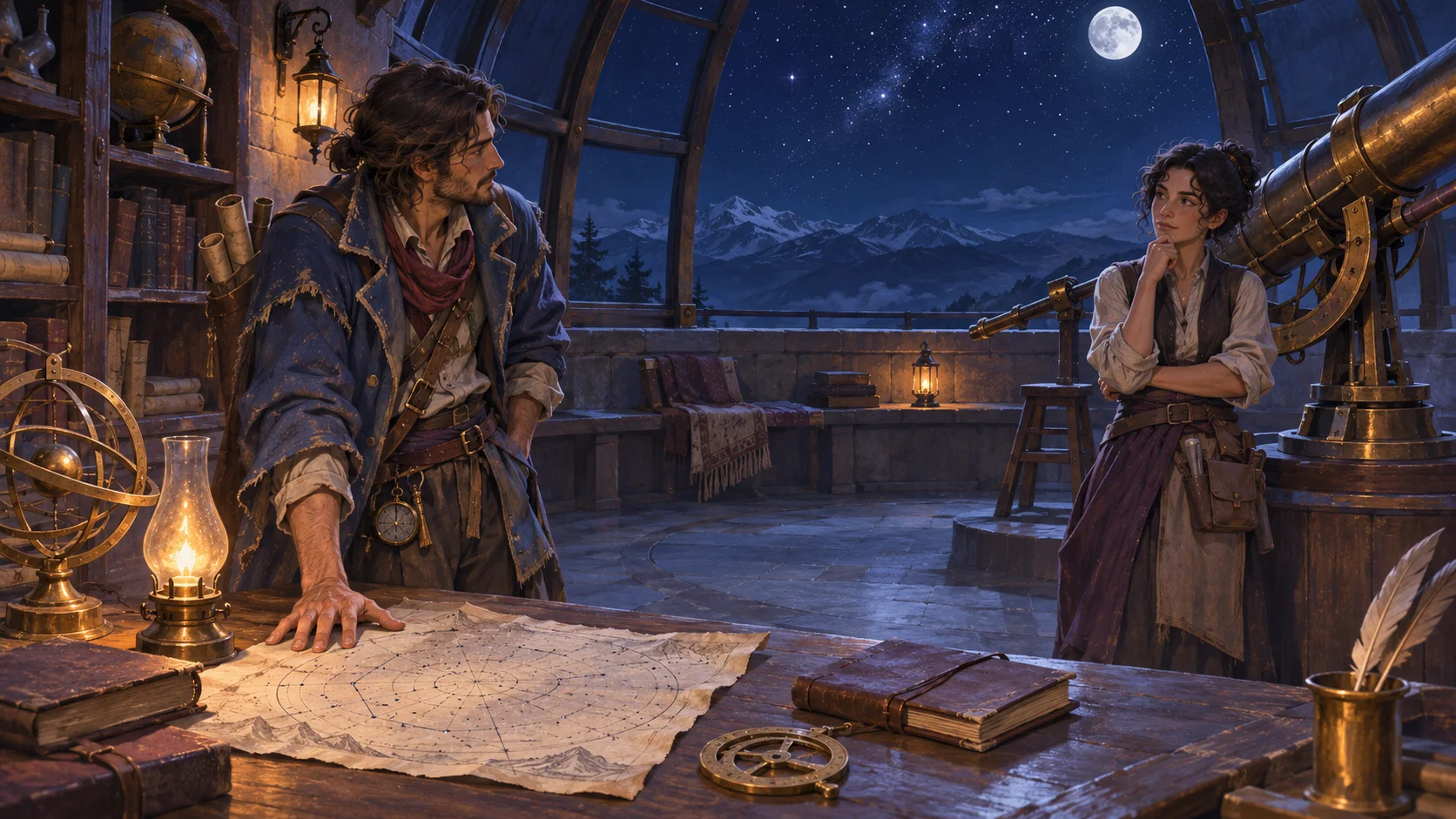
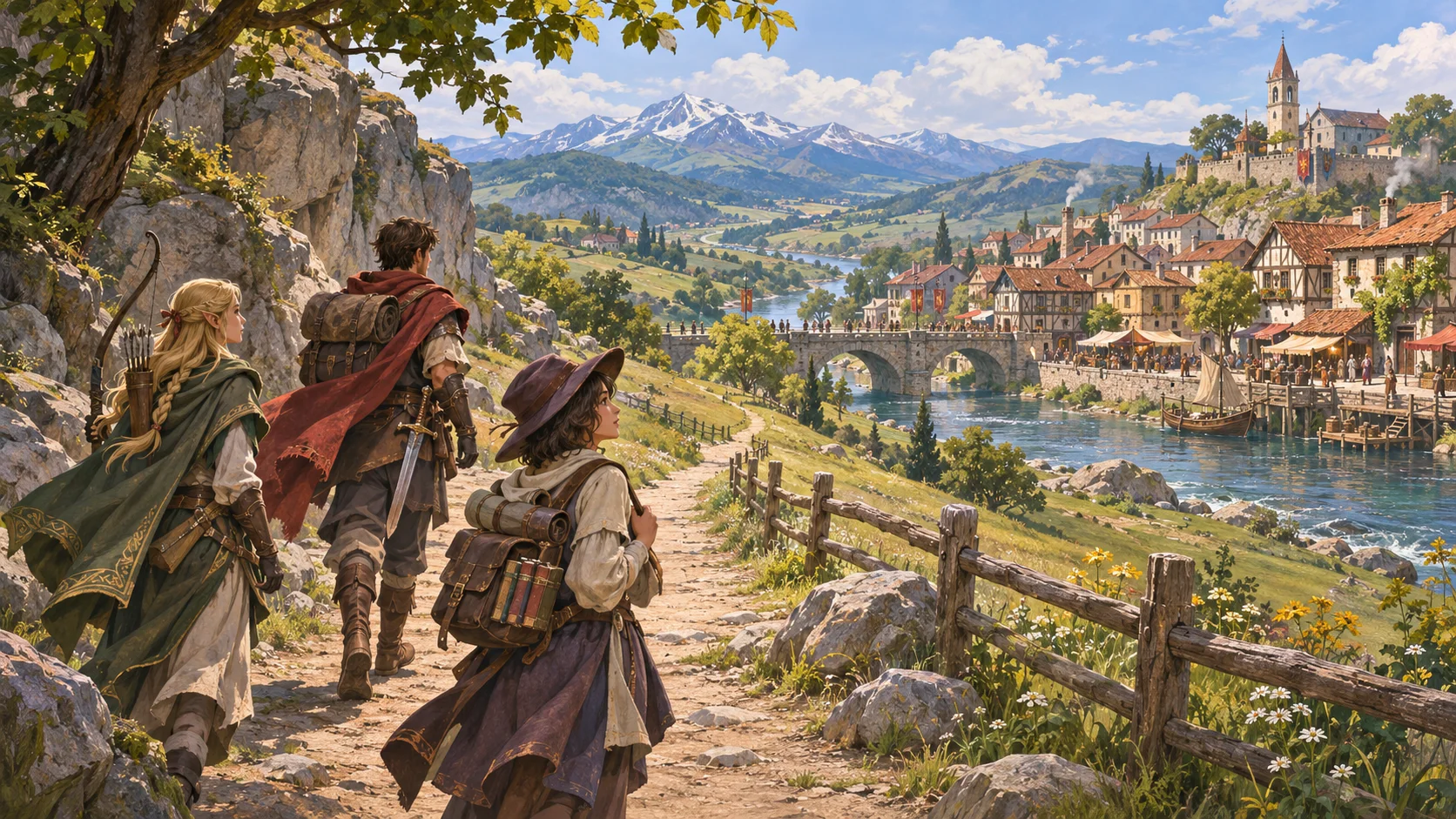
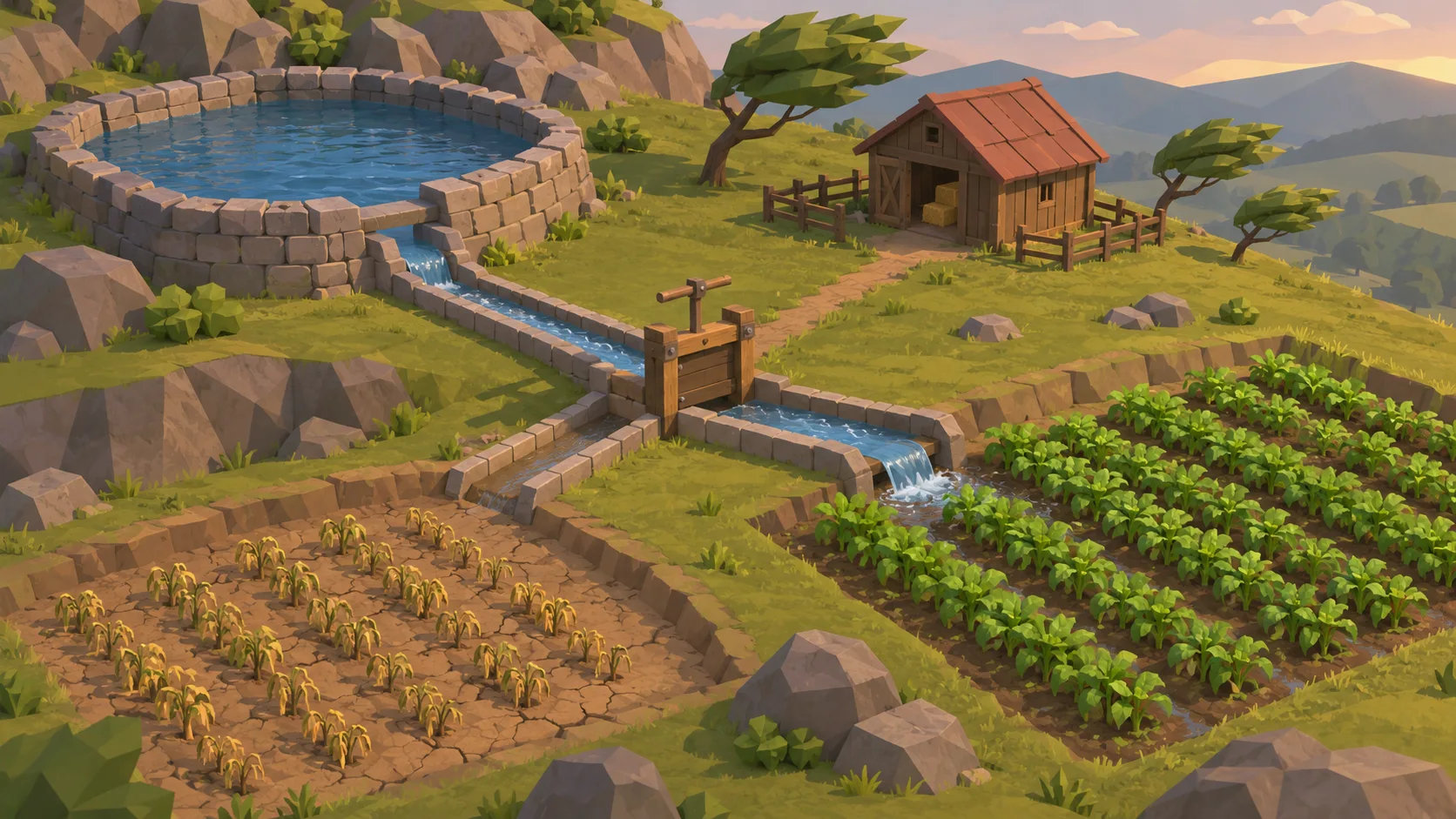
No. They are visual references for the prompt examples. The examples describe RPG scenes; they are not presented as playable games.
No. A selected example is placed in the workspace for you to review or edit. Start generation when you are ready.
Yes. Adjust the hero, setting, quest stakes, or constraints so the prompt fits your project before you continue.
Show what each option costs or changes. A missing item, a new ally, or a different route gives the player a result they can recognize.
Give each NPC a practical goal, something they fear losing, and a reason to help or oppose the hero. Connect their dialogue to the current quest.
Tie an upgrade to a problem the player has faced. Offer a clear trade-off—such as a new skill or a stronger party relationship—and show how it affects play.
You can adapt the scene and quest prompts for campaign planning. Check the rules, balance, and continuity against the tabletop system you use.
A full RPG involves many connected systems and story decisions. Start with one location, one quest, or one encounter, then build outward from what you learn.
Check that the quest goal is understandable, choices have consistent consequences, character details remain coherent, and any included assets are cleared for your intended use.
Give the hero a goal, a place to act, and a choice with consequences. Build outward once that first scene feels coherent.
Shape your RPG idea →