Start From Role
Define role, genre, scene, and player purpose.
Search thisAn AI character creator for games turns a rough idea into an original, reviewable brief covering role, motivation, relationships, dialogue rules, gameplay utility, visual direction, and production constraints.
Describe the game context and the artifact you need; Seele AI carries the prompt into the workspace for iteration.
Quick Start Prompts
Tool Features
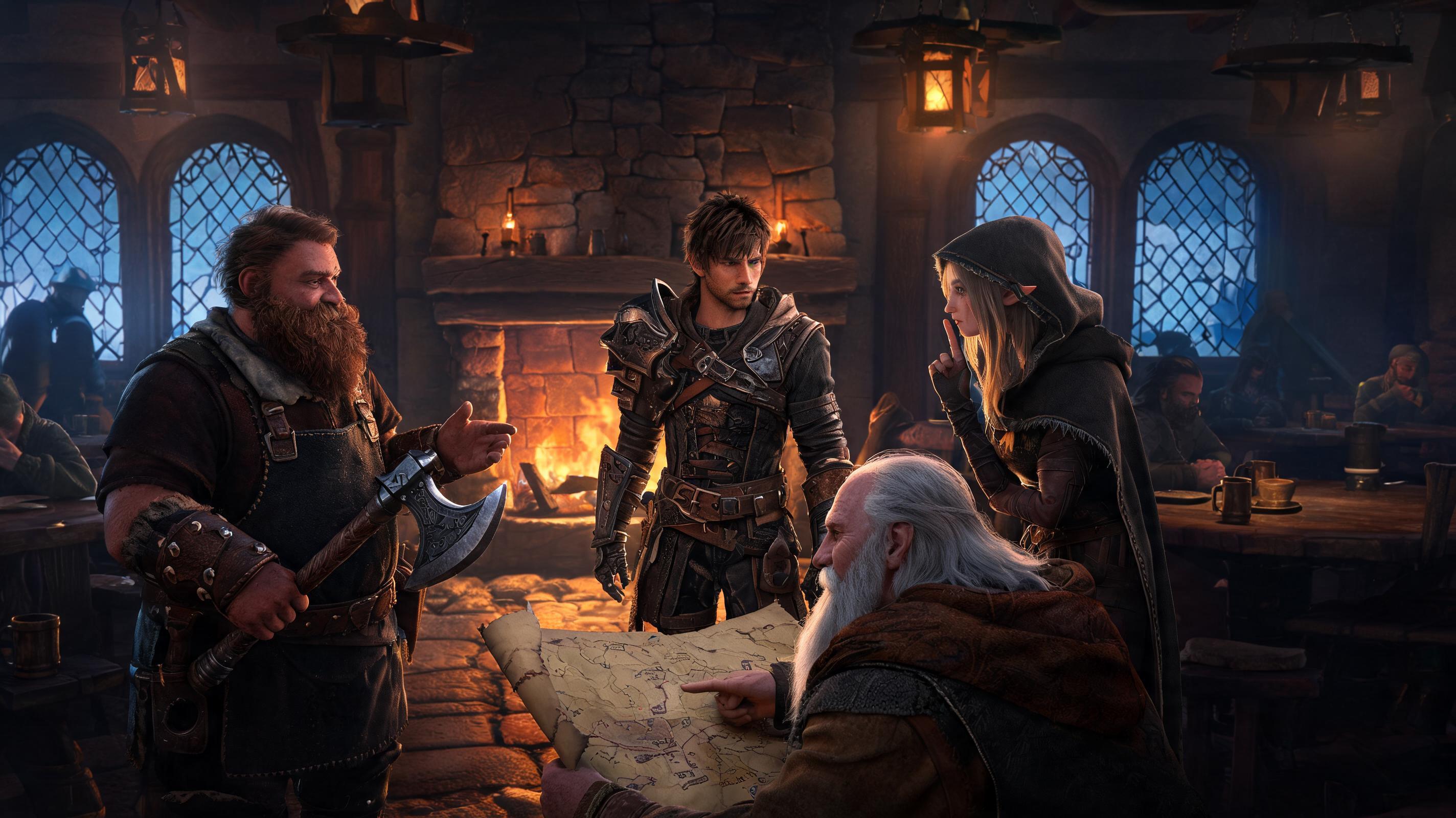
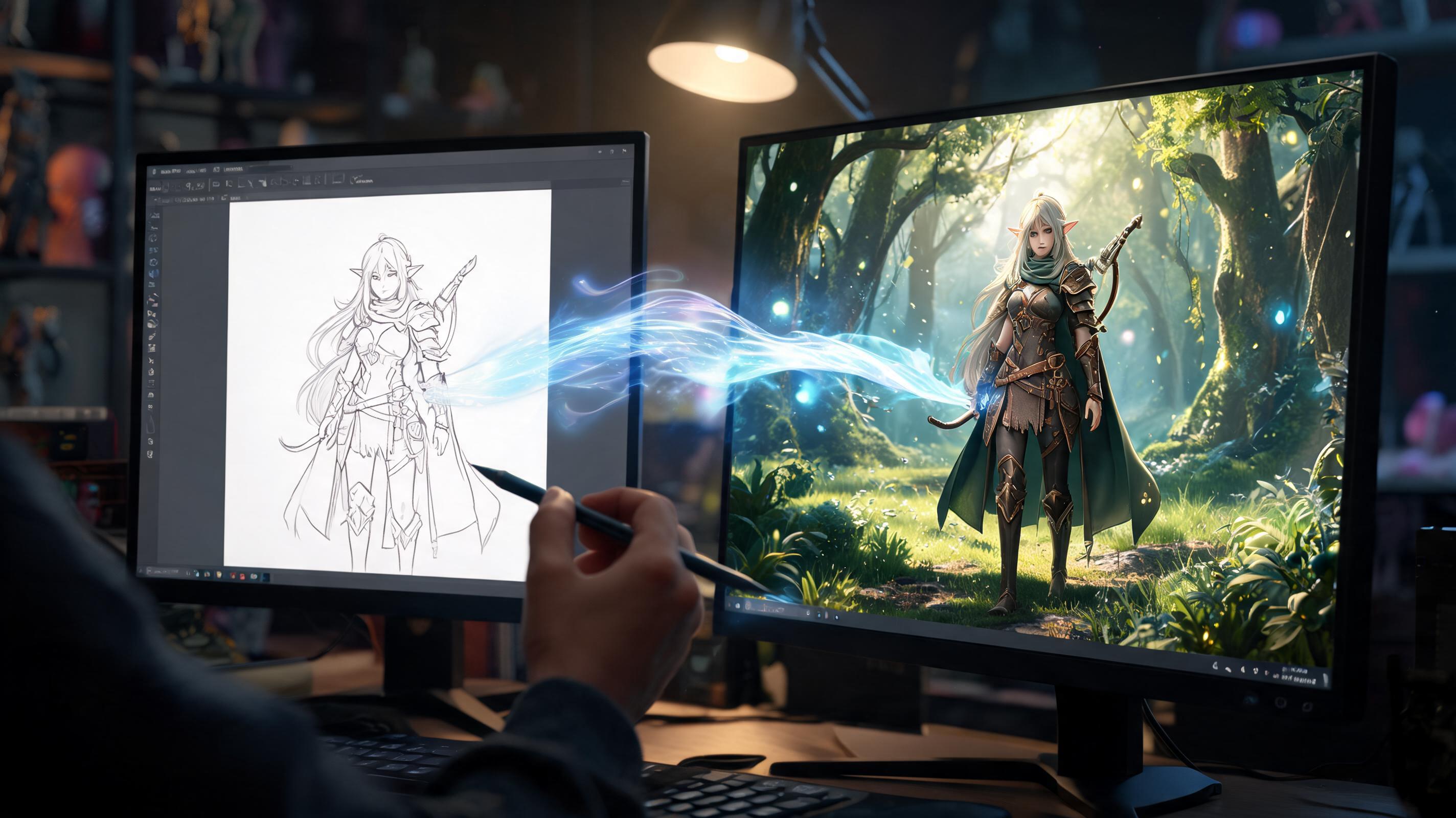
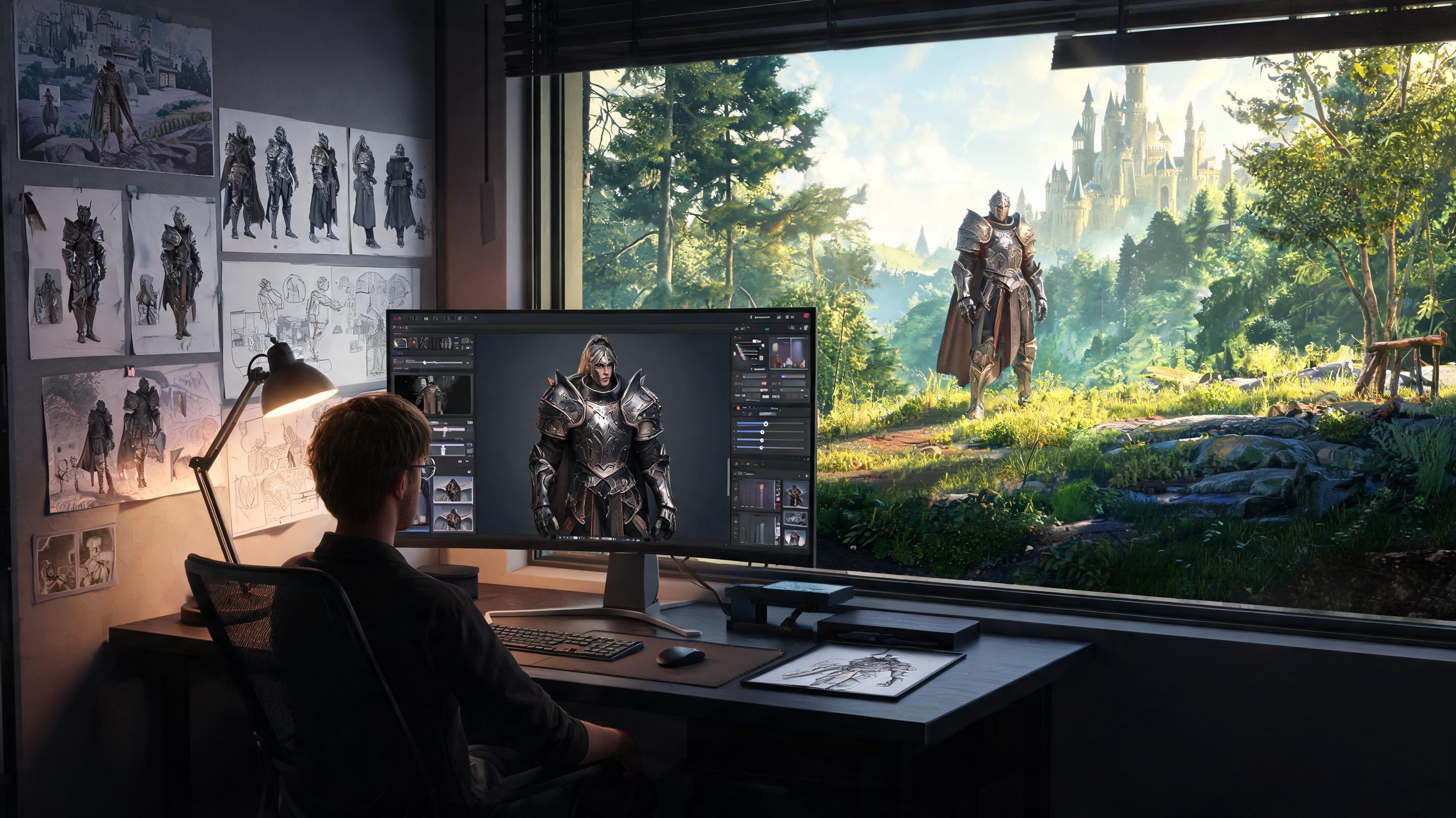
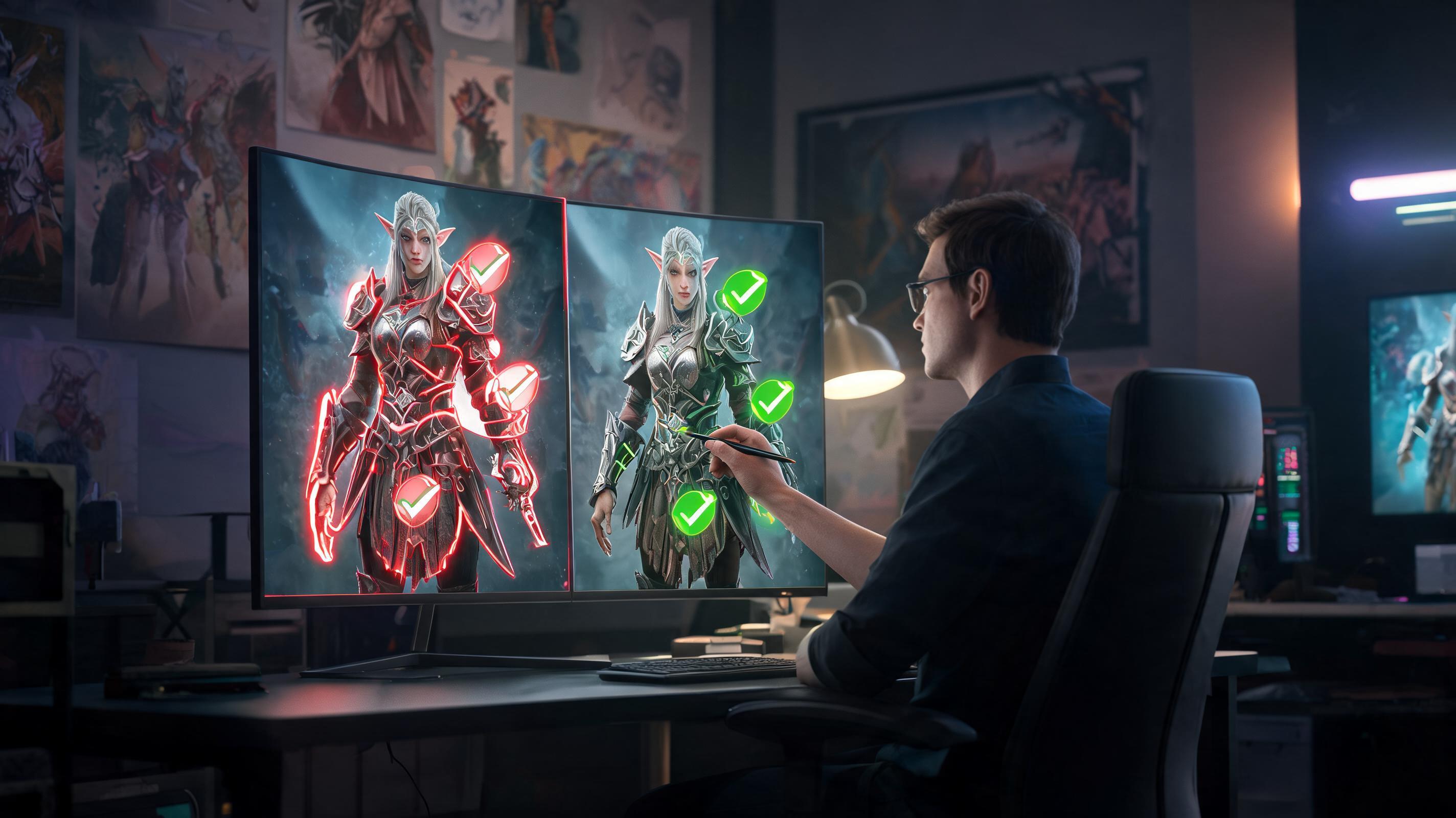
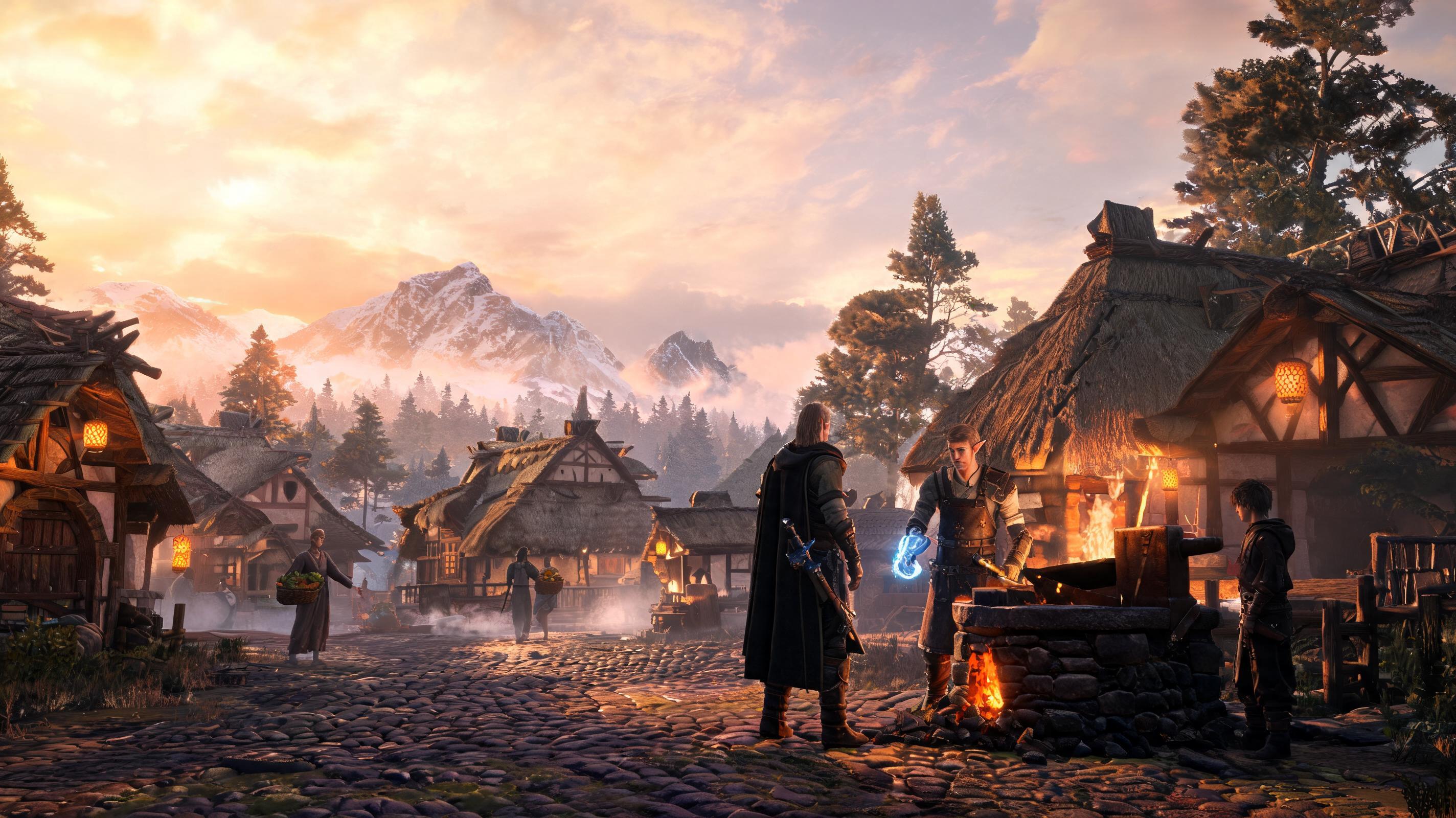
Page visual disclosure: the displayed card images are generated concept visuals for this topic, not SEELE product screenshots, not gameplay footage, and not evidence that the exact UI already exists.
Seele AI helps structure game-development thinking. A human owner should still approve canon, rights, safety, cultural context, and final implementation.
Turn one original character idea into a structured, reviewable game-production brief.
Use these artifacts as planning inputs; validate them before implementing or publishing.
A concise role, motivation, personality, gameplay function, and constraints summary for an original game character.
Player choice beats, NPC responses, outcomes, and fail states that can be prototyped or reviewed.
How the character connects to quests, relationships, world rules, rewards, and pacing.
Canon, IP, safety, tone, feasibility, localization, and balance questions to resolve before shipping.
Best for early game-design exploration; final canon, rights, safety, and implementation still require human approval.
AI Character Creator for Games and Interactive Worlds helps you turn a rough game-role idea into an original production brief inside Seele AI. Instead of promising a finished companion persona, the page focuses on interactive use: role, scene, player purpose, dialogue goals, constraints, review risks, and the next artifact a writer or designer should approve.
Yes, but the goal is a reviewable game-development brief rather than a final shippable character. Use it to define role, motivation, dialogue function, relationship stakes, quest utility, and branching choices, then let a human writer, designer, or narrative lead decide which direction belongs in the actual production pipeline.
Start with the genre, point of view, character function, tone, world rules, constraints, and the artifact you need next. A strong first prompt also names the scene or system, explains what the player should learn or feel, and asks for concrete outputs such as beats, options, risks, and revision directions.
No. Seele AI helps you accelerate exploration, organize options, and surface missing decisions, but human review still matters for canon, safety, cultural context, gameplay balance, implementation cost, visual coherence, and final creative judgment. Treat the result as structured pre-production support, not as a substitute for accountable creative ownership.
No. Keep the work original, or use material you clearly have rights to develop. The workflow should not ask for copyrighted anime casts, celebrity likenesses, franchise heroes, voice cloning, or any result that implies Seele AI can legitimately recreate protected third-party characters, worlds, branding, or other recognizable IP.
Use one of the starter prompts or write your own brief, then open the workspace CTA. The prompt is passed into the workspace as working context, so you can expand the strongest direction, request alternatives, tighten constraints, and turn the draft into production-ready notes, tasks, review comments, or iteration checkpoints.
Related Resources
Related-search decision guide
Use one representative input and follow it through edit, export, and destination testing. Treat “free” and “best” as search intent—not a promise about current access or quality.
Test silhouette, proportions, editable source, topology, materials, scale, rig compatibility, animation needs, and scene performance.