
Deterministic Reset Rules
Define the initial state and reset behavior so each playtest begins from comparable conditions.
Try it now
Plan a playable physics sandbox prototype with prompts for forces, collisions, controls, reset rules, test cases, and human review.
Start with free starter credits
Shape an idea, make it playable, and share it with the people who will play.

Start with a spark, a world, or a what-if worth exploring.
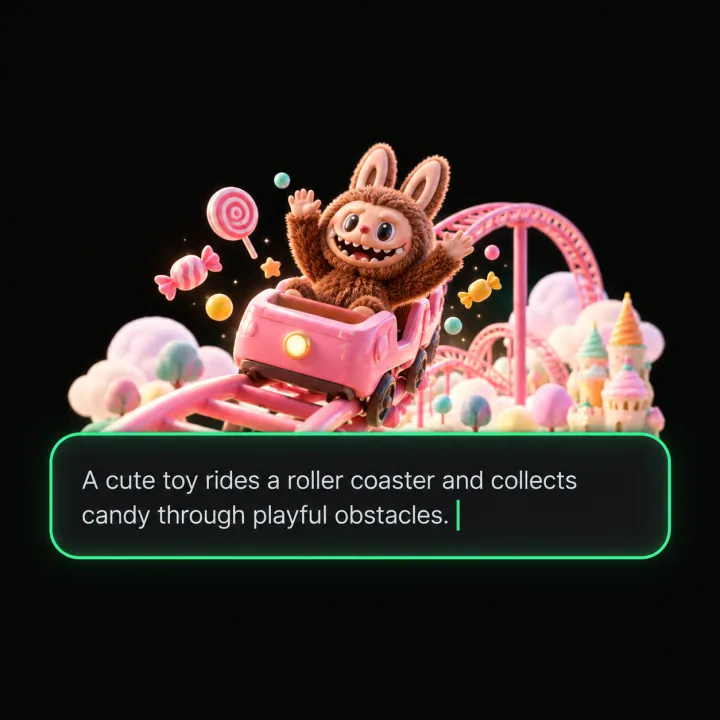
Turn the idea into a prompt with a player, a goal, and a core loop.
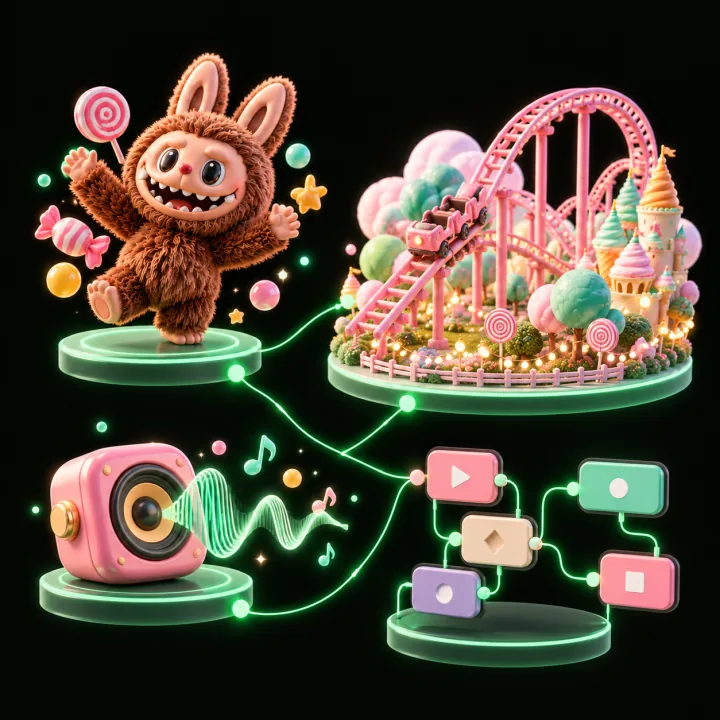
Shape the characters, environments, and systems that make it playable.
Try the game, tune the experience, and get it ready to share.
Invite others to explore the world you made.
Examples
Start with a direction that resembles your project, then change the mechanics, look, or audience before you build further.
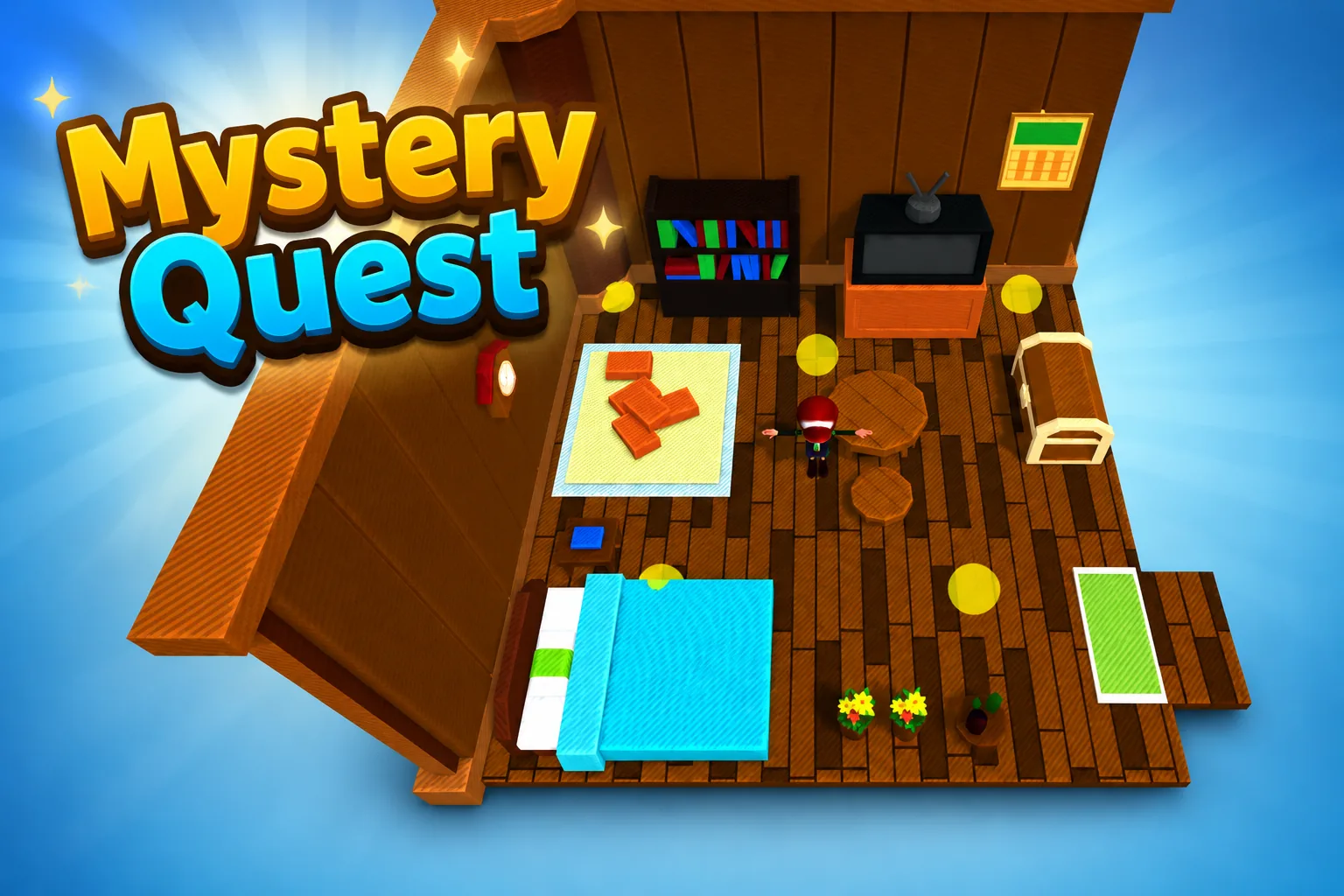 AdventureAdventure GamePlay game ↗
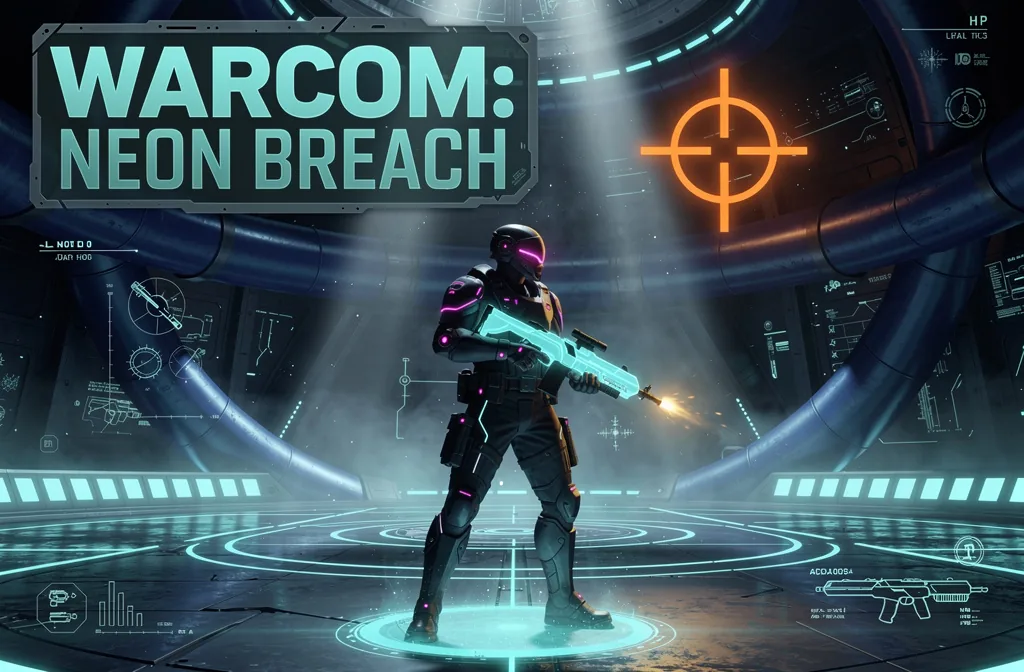 ShooterWarcom: Neon BreachPlay game ↗
 ActionOld Gods RunPlay game ↗
 CasualCaution! Egg on the Car RoofPlay game ↗
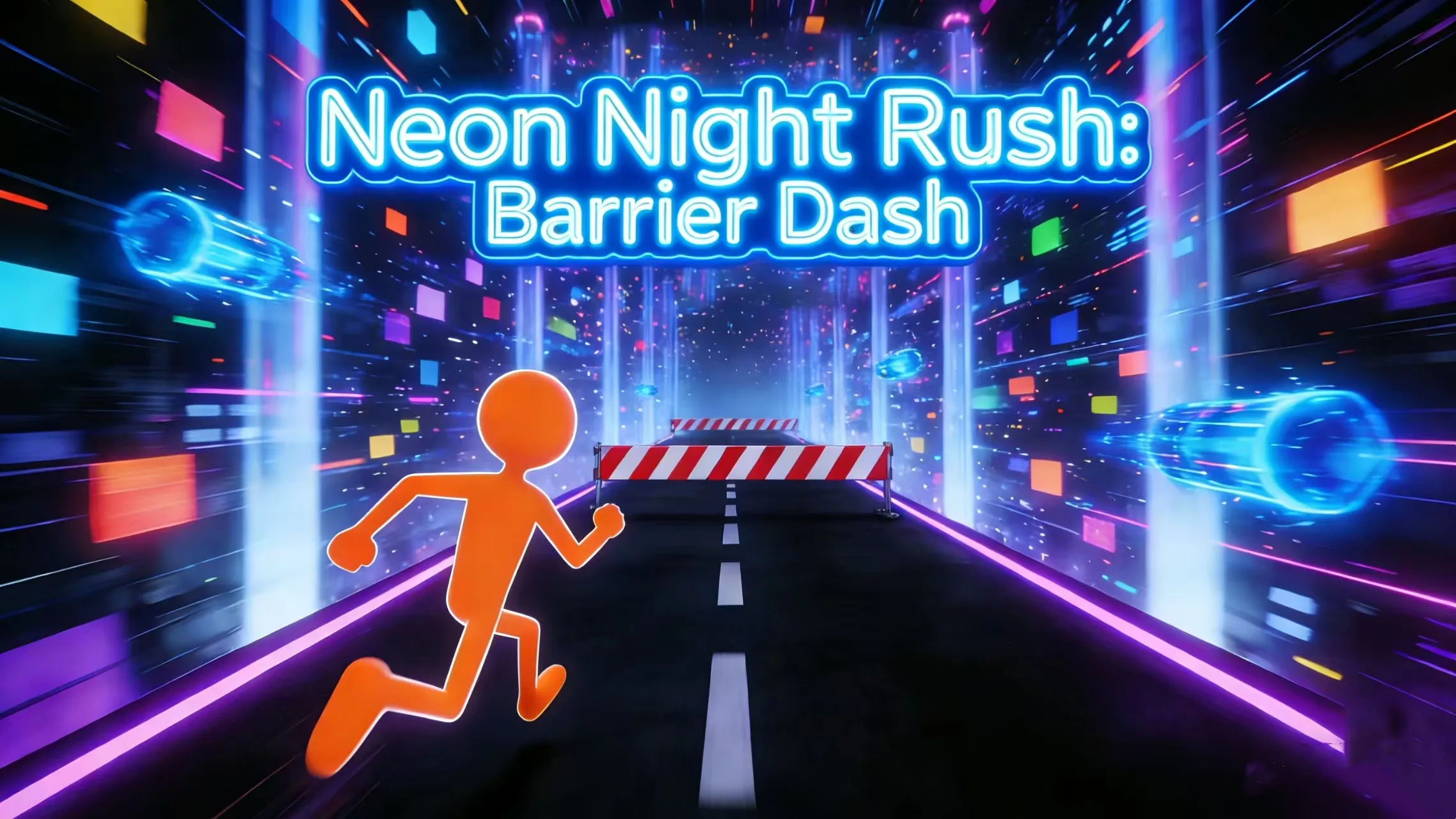 RunnerNeon Night Rush: Barrier DashPlay game ↗
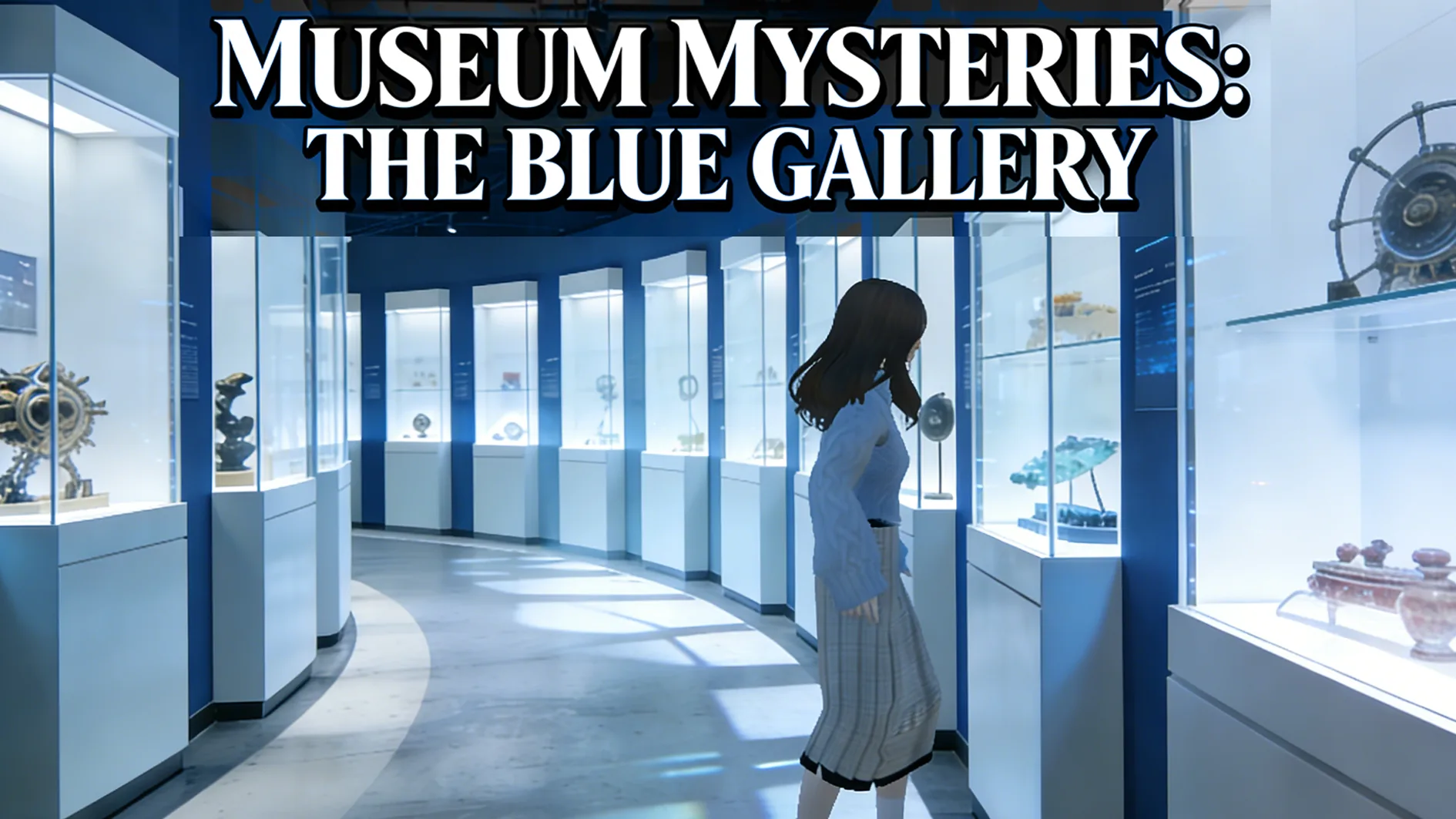 PuzzleMuseum ExhibitionPlay game ↗
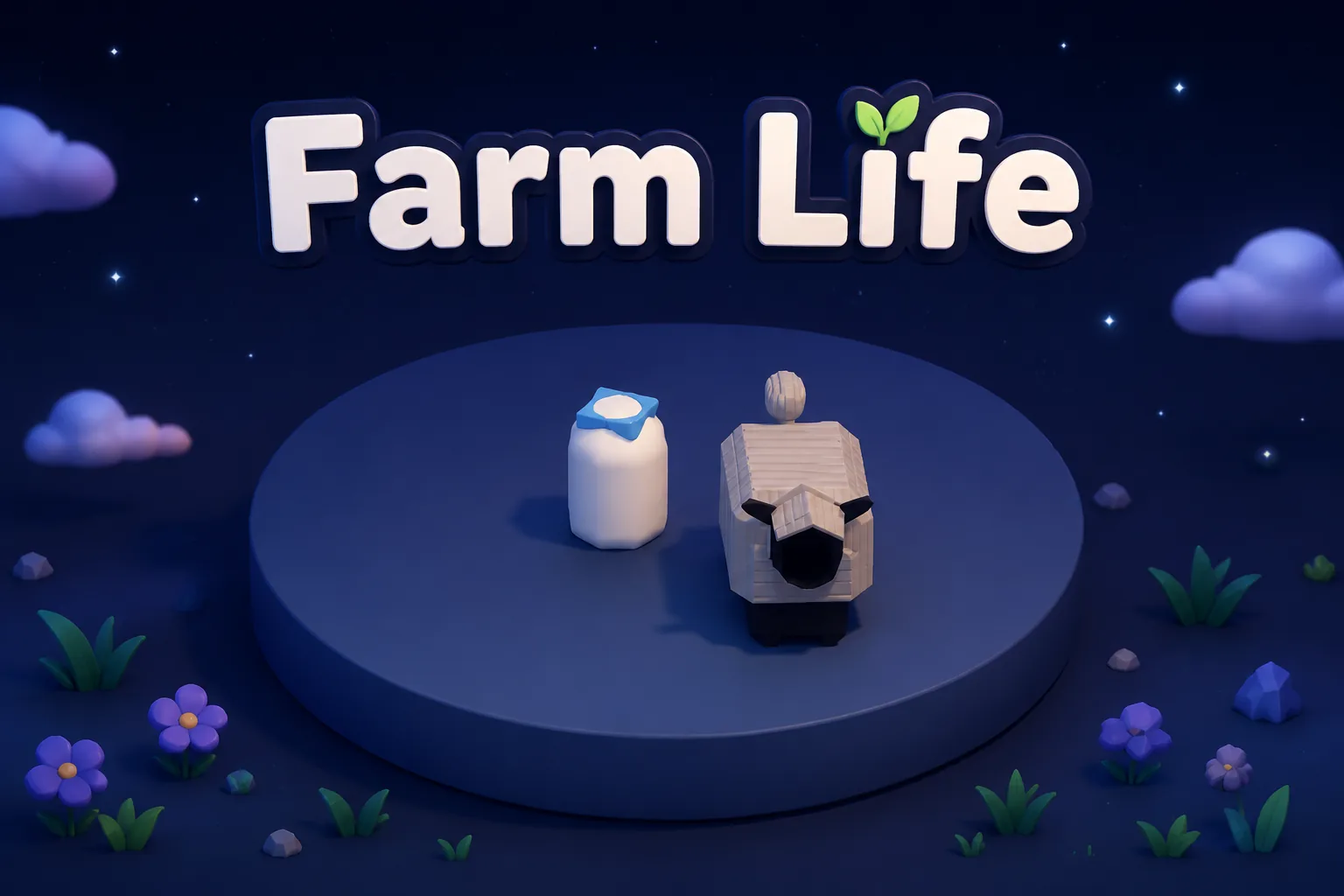 SimulationMilky Way Idle 3DPlay game ↗
 CasualSnowfall & Starry GiftsPlay game ↗
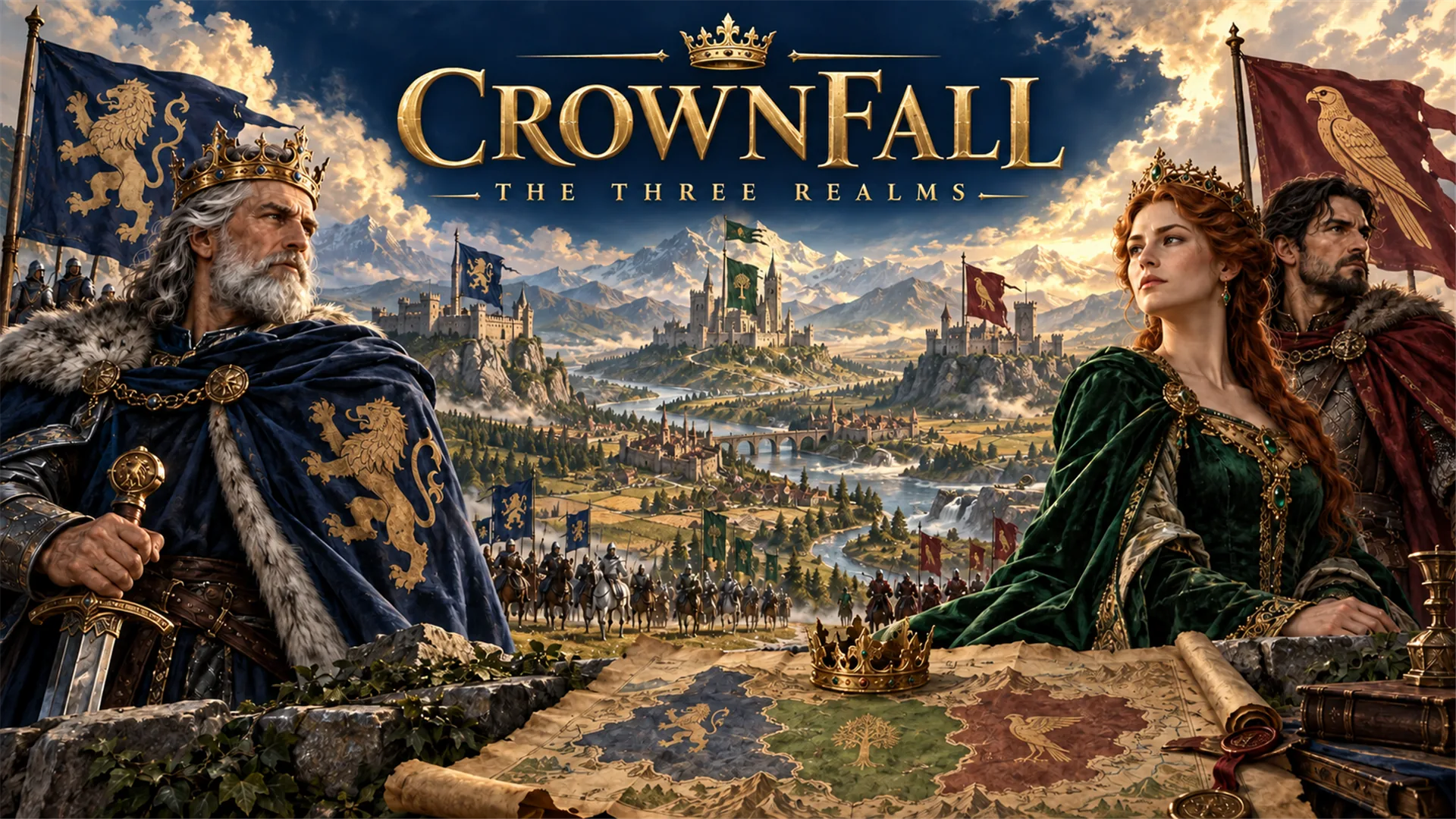 RPGCrownfall-The-Three-Realms-CoverPlay game ↗
 SimulationFLYING CARPlay game ↗
Give an AI Physics Sandbox Creator for Game… enough context to make the result specific, then test the part that matters to your project.
List every dynamic object, force, collision group, material, joint, and constraint before implementation.
Define the initial state and reset behavior so each playtest begins from comparable conditions.
Turn feel-based goals into visible checks for stability, responsiveness, reproducibility, and failure recovery.
Why use it
Focus on the parts of the idea that need a concrete result before the next decision.
Define the initial state and reset behavior so each playtest begins from comparable conditions.
Try it nowTurn feel-based goals into visible checks for stability, responsiveness, reproducibility, and failure recovery.
Try it nowName the behavior to test, such as stacking, rolling, swinging, driving, or chain reactions. The workflow narrows the scene to one observable player outcome.
Try it nowYou define who the experience serves and what a successful result needs to do.
Choose what comes next
The page can organize a proposal, but people still decide what is accurate, original, usable, and ready for the next stage.
You define who the experience serves and what a successful result needs to do.
You check factual fit, originality, continuity, accessibility, and whether the pieces work together.
You decide what is ready for implementation, sharing, publishing, or another round of work.
Who it is for
creators, designers, and small teams can use this page to make one project decision easier to test before a larger build or launch.
Define gravity, collision groups, materials, forces, joints, player inputs, and reset behavior. The prompt is organized around explicit objects and deterministic constraints.
Open the scoped prompt in SEELE and iterate on the smallest playable slice. The handoff preserves the chosen objects, behaviors, controls, and test target.
Run repeatable checks, capture failures, and change one parameter at a time. Human review separates a convincing interaction from an unverified visual concept.
A clearer first move
A useful first result gives the next decision something concrete to react to, without hiding the work that still needs human ownership.
SEELE AI on YouTube
Reviews, walkthroughs, and games made with SEELE AI by creators on YouTube.
FAQ
An AI physics sandbox creator is a prompt-first workflow for defining a small interactive scene around forces, collisions, joints, object properties, and player actions. Treat the result as a prototype direction: the actual behavior still needs to be implemented, played, measured, and tuned in the target runtime.
Name the objects, gravity direction, collision rules, available player verbs, reset condition, and one observable success condition. Also set a strict scope, such as one room or one chain reaction, so the first prototype can answer a specific design question instead of becoming an open-ended simulation project.
No claim on this page says that SEELE provides a proprietary physics engine or replaces engine-level implementation. The workflow helps organize a prototype prompt and a workspace-ready prompt. A developer still needs to choose and configure the runtime, verify collision behavior, test edge cases, and inspect performance.
Describe the job, test one version, and decide what to do next inside SEELE AI.
Start creating