

Build a focused first pass
Use your game context to prepare a playable quest outline with a clear objective, one choice, and an earned reward.

Build an original prototype around a gameplay hook. Ask seeleAgent for a playable quest outline with a clear objective, one choice, and an earned reward. Describe what you are making and how the player will use it.
Partners and teams

















How it works
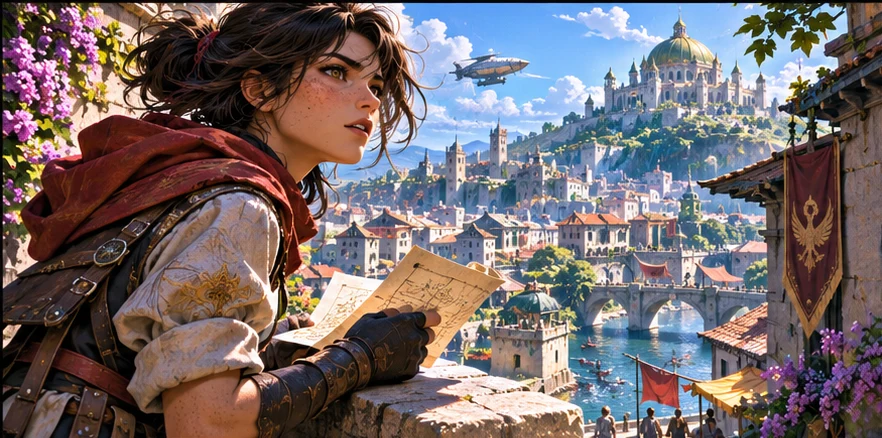
Describe the genre, camera or screen size, and what the player should notice or do. Start with a playable quest outline with a clear objective, one choice, and an earned reward.
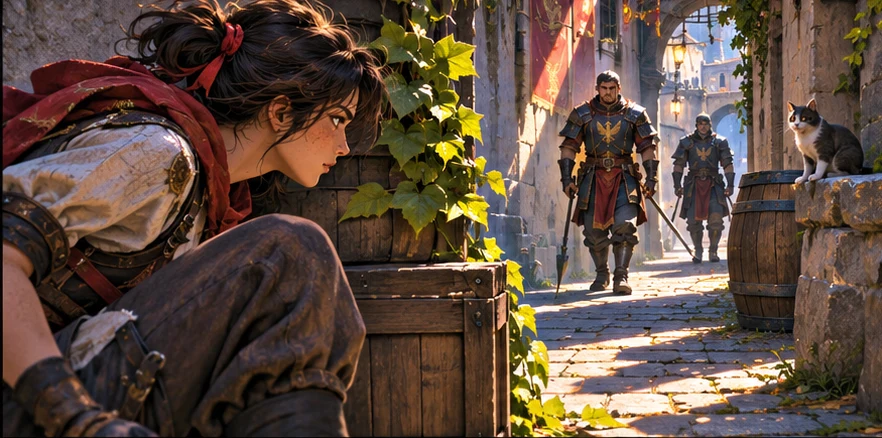
Ask for two versions around the same scene or player action. Vary one choice at a time so you can compare the result.
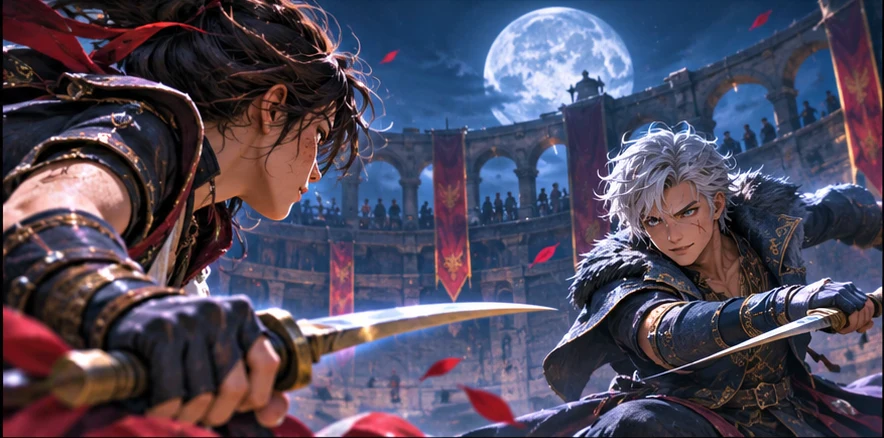
Use a small scene or sample to check your choice. The mechanic is readable with original characters and art. Keep the decisions you want to carry into your next pass.
Get startedPick a starting point
Work on a playable quest outline with a clear objective, one choice, and an earned reward for an original action game where a player reads a rival’s tell in a moonlit arena.
Help me plan a playable quest outline with a clear objective, one choice, and an earned reward for an original action game where a player reads a rival’s tell in a moonlit arena. Give me two workable directions and a small test I can run. Check that the mechanic is readable with original characters and art.
Work on a playable quest outline with a clear objective, one choice, and an earned reward for an original city district where delivery routes change with the weather and NPC schedules.
Help me plan a playable quest outline with a clear objective, one choice, and an earned reward for an original city district where delivery routes change with the weather and NPC schedules. Give me two workable directions and a small test I can run. Check that the district is distinct and supports the core player action.
Work on a playable quest outline with a clear objective, one choice, and an earned reward for an original short mission where a risky shortcut changes the objective and the reward.
Help me plan a playable quest outline with a clear objective, one choice, and an earned reward for an original short mission where a risky shortcut changes the objective and the reward. Give me two workable directions and a small test I can run. Check that the consequence is visible in the playable scene.
Why SEELE
Use your game context to prepare a playable quest outline with a clear objective, one choice, and an earned reward.

Keep the same game scene and compare two approaches before deciding what to make.

Set one acceptance check for the next pass. The mechanic is readable with original characters and art.
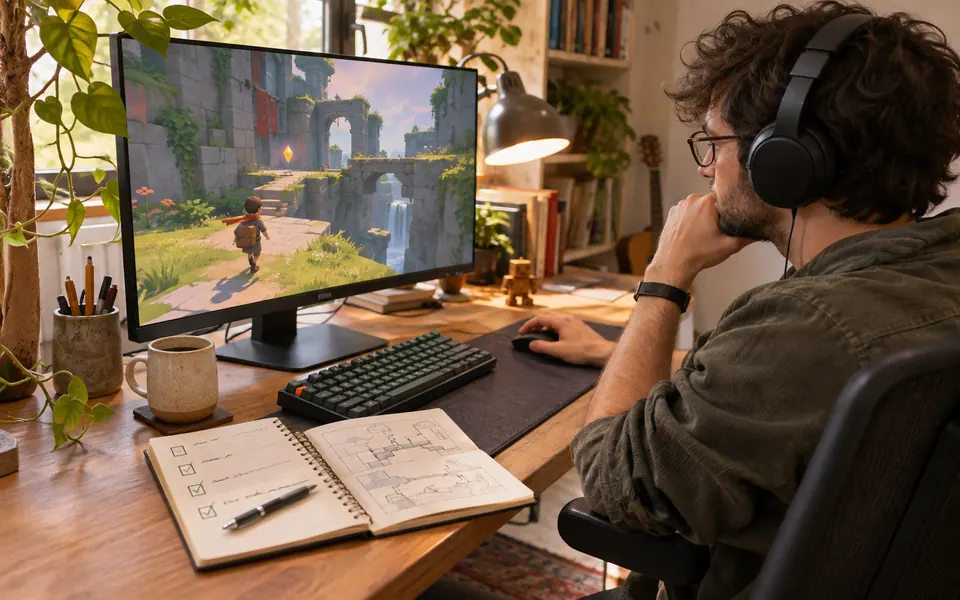
Test one direction in a small prototype and use the result to decide what to build next.
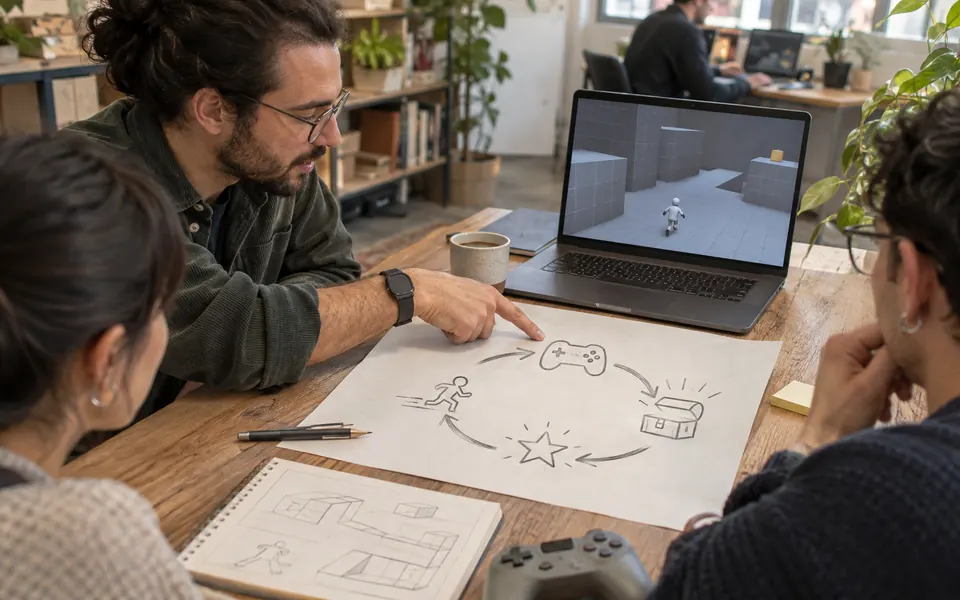
Turn one mechanic into a playable loop and test its goal, feedback, and rewards.
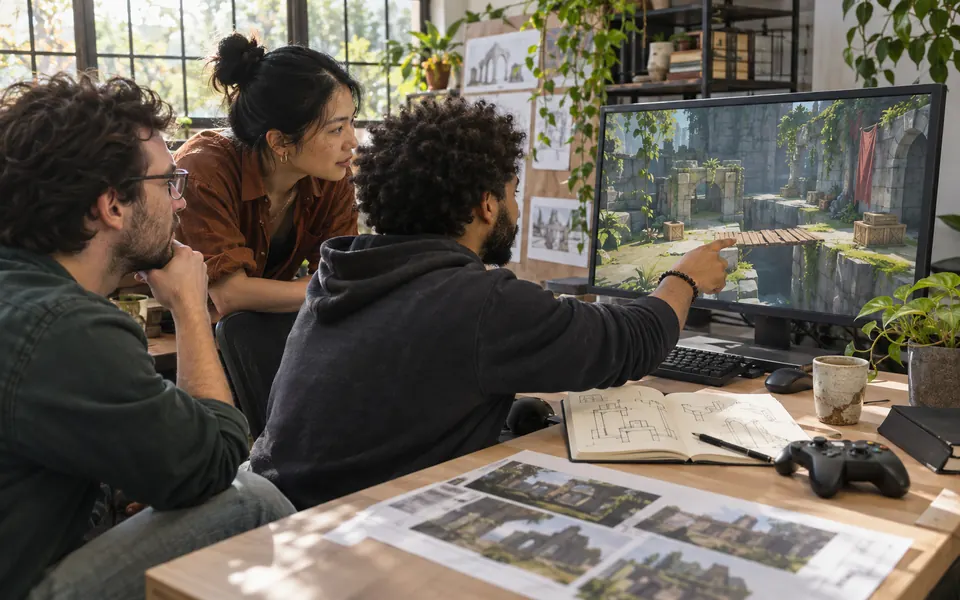
Give designers, artists, and developers one scene or asset sample to review together.
FAQ
No. It is for original mission ideation that targets the same broad open-world search intent without copying official content.
Yes. Ask for crew roles, approach options, alarm states, escape routes, rewards, and prototype scope.
Use the output as a planning brief, then continue in Workspace for implementation prompts, asset direction, and iteration.
Avoid official GTA names, locations, logos, screenshots, music, and story beats; keep everything fictional and original.
Describe the game, the moment the player sees or uses the result, and the constraint that matters most. Ask for a playable quest outline with a clear objective, one choice, and an earned reward.
Try it in a small scene or review it from the player camera. For the first example, check that the mechanic is readable with original characters and art.
Yes. Pick one small scene or interaction and describe what the player should see or do. You can revise the prompt as the idea becomes clearer.
Bring a game idea to Workspace and work through a playable quest outline with a clear objective, one choice, and an earned reward.
Write a game prompt