
Circuit Master - Electrical Puzzle Game - Puzzle Game
 Shooter
Rail Shooter Ride
Build a roller-coaster rail shooter that aims as you ride.
 Voxel
VoxelVoxel Hero Adventure
Build a voxel hero who explores, mines, and builds.
 New
NewDrone Flight Combat
Build a cinematic drone combat run with missiles and a HUD.
 New
NewHook a Fish Arcade
Build a fishing arcade where catches buy you more time.
 Unity
UnityChaos Train Arcade
Build a chaotic Unity train arcade of hazards and timing.
 New
NewSolo Racing Game
Build a browser racer with tracks, timing, and a minimap.
 FPS
FPSNight Mission Survival
Build a first-person night survival with flashlight combat.
 Unity
UnityFarmstead Shop
Build a Unity farm-shop sim: grow, stock, serve, upgrade.
 Shooter
Dead City Shooter
Build a third-person zombie shooter in a ruined city.
 SEELE02 CORE
Game Generator
Turn a one-line idea into a playable game demo.
ShooterRail Shooter Ride
Build a roller-coaster rail shooter that aims as you ride.
VoxelVoxel Hero Adventure
Build a voxel hero who explores, mines, and builds.
NewDrone Flight Combat
Build a cinematic drone combat run with missiles and a HUD.
NewHook a Fish Arcade
Build a fishing arcade where catches buy you more time.
UnityChaos Train Arcade
Build a chaotic Unity train arcade of hazards and timing.
NewSolo Racing Game
Build a browser racer with tracks, timing, and a minimap.
FPSNight Mission Survival
Build a first-person night survival with flashlight combat.
UnityFarmstead Shop
Build a Unity farm-shop sim: grow, stock, serve, upgrade.
ShooterDead City Shooter
Build a third-person zombie shooter in a ruined city.
SEELE02 COREGame Generator
Turn a one-line idea into a playable game demo.
Prompt
Games are fun. Creating them is even better.
Game Introduction
About Circuit Master
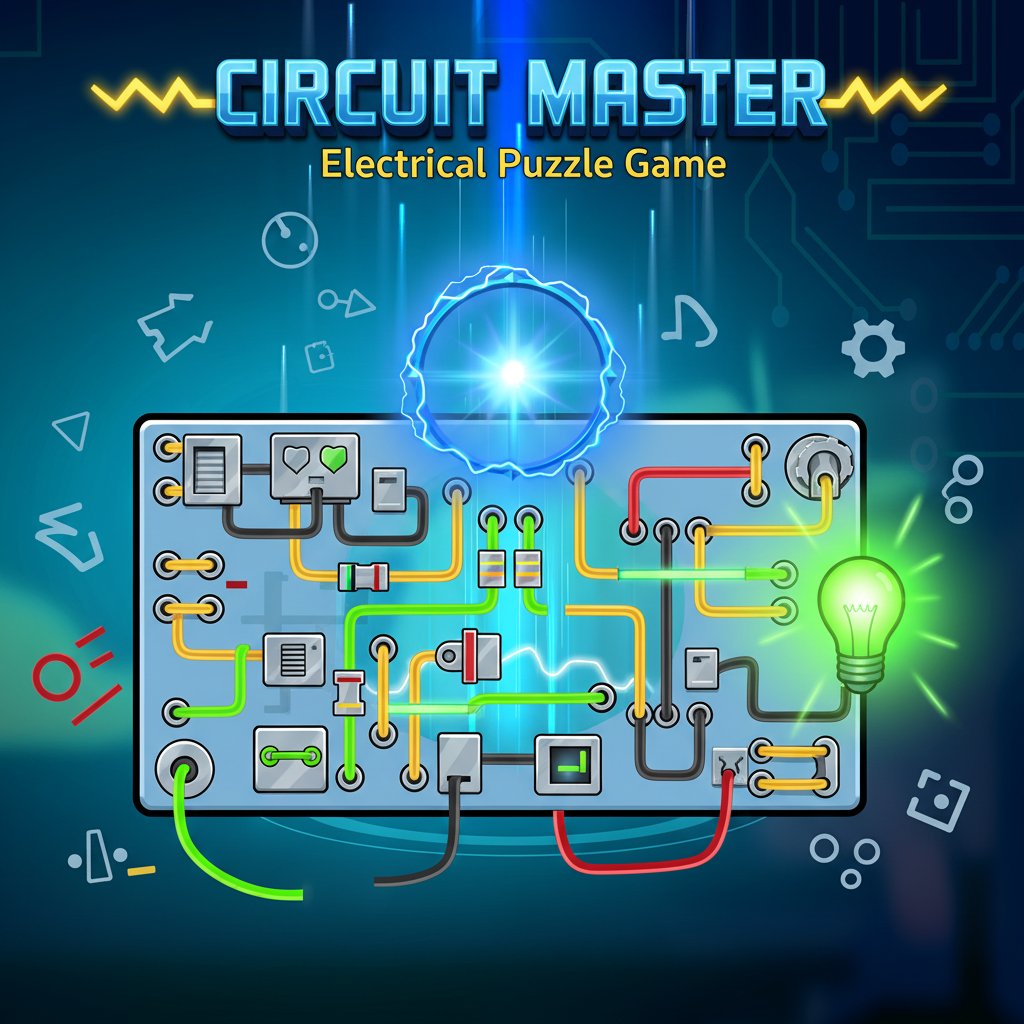
Circuit Master is a captivating puzzle game that combines electrical engineering concepts with brain-teasing gameplay. Your mission is simple yet challenging: arrange electrical components including wires, fans, and machines to create a complete circuit that powers up a green light indicator. This free online game offers an educational and entertaining way to understand basic electrical principles while exercising your logical thinking skills.
The game features intuitive drag-and-drop mechanics, making it accessible for players of all ages while providing increasingly complex challenges that will test even experienced puzzle enthusiasts.
Core Features
Educational Puzzle Gameplay
Learn fundamental electrical circuit concepts through hands-on puzzle solving. Each level introduces new components and circuit configurations, gradually building your understanding of how electricity flows through different pathways.
Progressive Difficulty System
Start with simple wire connections and advance to complex multi-component circuits. The game intelligently scales difficulty to maintain the perfect balance between challenge and achievability.
Battery Management Strategy
Solve puzzles efficiently to conserve your battery power. Quick thinking and optimal solutions are rewarded, adding a strategic element to each level.
Hint System
Stuck on a challenging circuit? Use the built-in hint system to get helpful guidance without spoiling the solution. Perfect for learning moments when you need a gentle push in the right direction.
Cross-Platform Compatibility
Enjoy seamless gameplay across all devices. Whether you're on a computer, smartphone, or tablet, Circuit Master adapts perfectly to your screen size and input method.
Game Mechanics
Circuit Components
Work with various electrical elements including: - Wires : Create pathways for electrical current - Fans : Moving components that require proper power flow - Machines : Complex devices that need specific circuit configurations - Power Sources : Battery units that provide electrical energy - Indicators : Green lights that signal successful circuit completion
Electricity Flow Visualization
Watch as electricity flows through your completed circuits with stunning visual effects. The game provides clear feedback showing exactly how current moves through your connections.
Operation Guide
Basic Controls
- Click to Select : Tap or click on any circuit component to select it
- Drag to Move : Hold and drag selected components to reposition them on the circuit board
- Test Circuit : Use the power button to activate your circuit and see if electricity flows correctly
- Reset Level : Start over if you need to completely redesign your approach
Winning Strategy
Success requires understanding electrical flow principles. Current must travel from the power source through connected components to reach the green light indicator. Ensure all connections are secure and pathways are complete before testing your circuit.
Why Play Circuit Master
Educational Value
Combine entertainment with learning as you discover electrical engineering principles through interactive gameplay. Perfect for students, educators, or anyone curious about how electrical systems work.
Brain Training Benefits
Exercise critical thinking, spatial reasoning, and logical problem-solving skills. Each puzzle challenges your mind in unique ways, promoting cognitive development and mental agility.
Stress-Free Gaming
Enjoy a relaxing puzzle experience without time pressure or competitive elements. Take your time to think through each solution and learn at your own pace.
Free Accessibility
Completely free to play with no hidden costs, subscriptions, or in-app purchases. Access full gameplay features without any financial barriers.
Perfect for All Ages
Simple enough for children to understand yet challenging enough to engage adult minds. Makes an excellent educational tool for classrooms or family game time.