
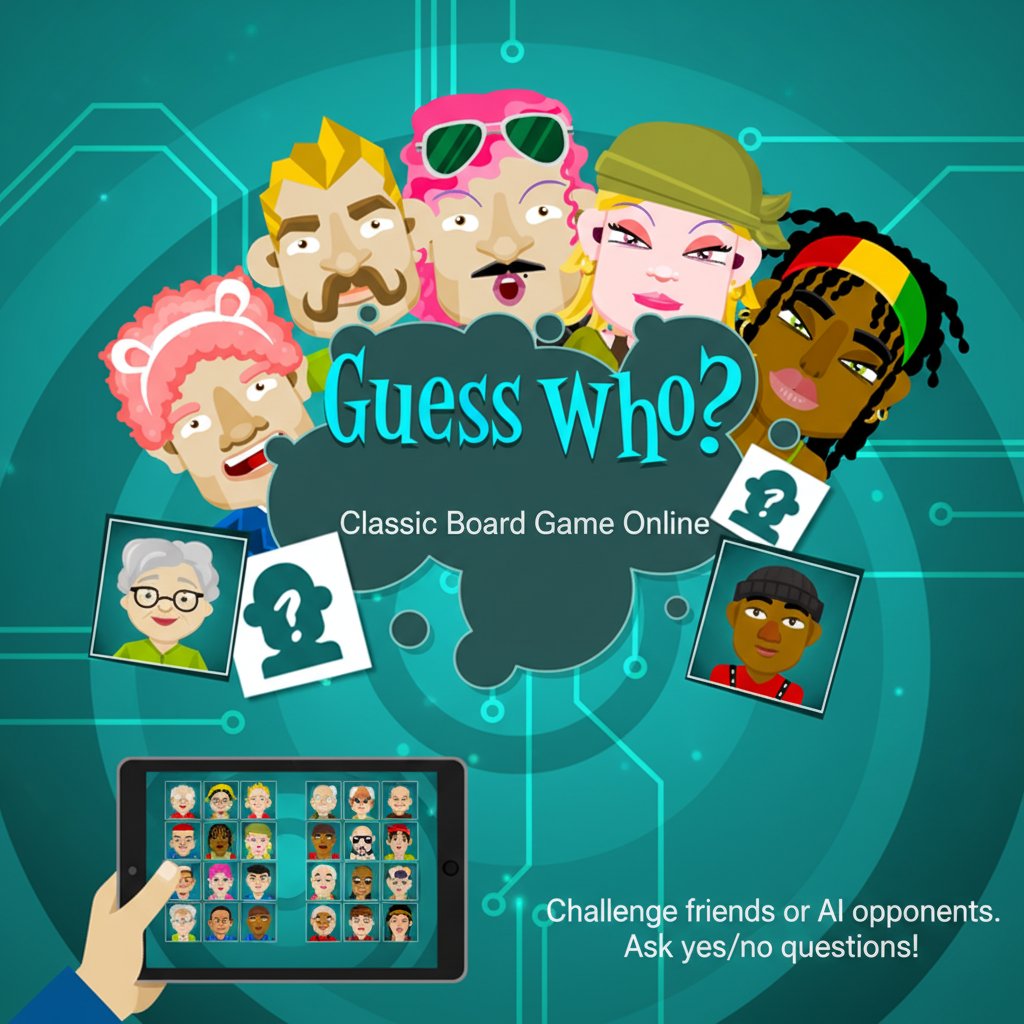
Guess Who? - Classic Board Game Online - Puzzle Game
 Subscriber only
Unreal FPS/TPS Shooter
Create a complete UE 5.5 FPS or TPS shooter with combat, UI, and replay.
 Roguelike
Dungeon Survivors
Build a Vampire-Survivors-style dungeon arena with hero picks.
 New
NewSolo Racing Game
Build a browser racer with tracks, timing, and a minimap.
 Voxel
VoxelVoxel Hero Adventure
Build a voxel hero who explores, mines, and builds.
 Arcade
Pumpkin Night Adventure
Build a Halloween grid-arena survival romp.
 Adventure
Character Adventure Sim
Build a 3D character explorer with traversal and interactive zones.
 Subscriber only
Unreal Landscape Tour
Tour photoreal Unreal landscapes with cinematic camera work.
 Action
Open World City Action
Build an open-world city romp with driving and police chases.
 Racing
Track Racing Challenge
Build a closed-circuit racer built around drift corners.
 Subscriber only
Unreal Mountain Tour
Tour a third-person Unreal world of mountains and water.
Subscriber onlyUnreal FPS/TPS Shooter
Create a complete UE 5.5 FPS or TPS shooter with combat, UI, and replay.
RoguelikeDungeon Survivors
Build a Vampire-Survivors-style dungeon arena with hero picks.
NewSolo Racing Game
Build a browser racer with tracks, timing, and a minimap.
VoxelVoxel Hero Adventure
Build a voxel hero who explores, mines, and builds.
ArcadePumpkin Night Adventure
Build a Halloween grid-arena survival romp.
AdventureCharacter Adventure Sim
Build a 3D character explorer with traversal and interactive zones.
Subscriber onlyUnreal Landscape Tour
Tour photoreal Unreal landscapes with cinematic camera work.
ActionOpen World City Action
Build an open-world city romp with driving and police chases.
RacingTrack Racing Challenge
Build a closed-circuit racer built around drift corners.
Subscriber onlyUnreal Mountain Tour
Tour a third-person Unreal world of mountains and water.
Prompt
Games are fun. Creating them is even better.
Game Introduction
About the Game
Guess Who? is the timeless classic board game that has entertained families and friends for generations. This digital version brings all the fun of the original game to your browser, featuring colorful cartoon characters with unique traits and characteristics. The game challenges players to use deductive reasoning and strategic questioning to solve the mystery of their opponent's chosen character.
This online adaptation maintains the charm of the physical board game while adding modern conveniences like instant play and digital character boards. Perfect for quick gaming sessions or extended strategic battles, Guess Who? offers endless entertainment for players of all ages.
Core Features
Classic Gameplay Mechanics
The game stays true to the original Guess Who? formula that made it a household favorite. Each player gets a board with 24 diverse cartoon characters, each with distinct physical features like glasses, hats, facial hair, and unique hairstyles.
Strategic Question System
Success depends on asking the right questions at the right time. Smart players learn to ask questions that eliminate the maximum number of candidates, such as: - "Does your person wear glasses?" - "Does your person have facial hair?" - "Does your person wear a hat?" - "Does your person have blonde hair?"
Interactive Character Board
The digital interface makes it easy to flip down eliminated characters with simple clicks. Visual feedback helps you track which characters are still in play and which have been ruled out.
Free Online Access
Enjoy unlimited games without downloads, subscriptions, or hidden costs. The game runs smoothly in any modern web browser on desktop or mobile devices.
Game Mechanics
Setup and Objective
Each player begins with an identical board showing 24 cartoon characters in a standing position. Players secretly select one character card from a separate deck. The goal is simple: be the first to correctly identify your opponent's mystery character.
Turn-Based Questions
Players take turns asking yes or no questions about physical characteristics. Based on the answers, you eliminate characters by flipping them down on your board. The key is asking questions that help narrow down possibilities efficiently.
Winning Strategy
Victory goes to the player who correctly guesses their opponent's character first. The best players develop questioning strategies that eliminate multiple candidates with each answer, using logical deduction to solve the puzzle faster than their opponent.
How to Play
Basic Controls
- Click on characters to flip them down when eliminated
- Use the question interface to ask yes/no questions
- Select your mystery character at the start of each game
- Make your final guess when you're confident about the answer
Question Strategy Tips
- Start with broad categories : Ask about common features that divide the characters roughly in half
- Use process of elimination : Each "no" answer should eliminate multiple characters
- Pay attention to unique features : Some characteristics appear on very few characters
- Keep track of answers : Remember previous responses to avoid contradictions
Advanced Tactics
Experienced players learn to ask compound questions and use statistical thinking. For example, asking about glasses might eliminate 12-15 characters in one question, making it more valuable than asking about a specific hair color that only 2-3 characters share.
Why Play This Game
Educational Benefits
- Develops logical reasoning : Players learn deductive thinking and process of elimination
- Improves questioning skills : Encourages strategic thinking about information gathering
- Enhances observation : Players become more attentive to visual details and patterns
- Builds patience : Success requires methodical thinking rather than random guessing
Entertainment Value
The game offers quick 5-10 minute matches perfect for breaks, while also supporting longer gaming sessions. The simple rules make it accessible to children, while the strategic depth keeps adults engaged.
Social Gaming
Whether playing against friends online or challenging computer opponents, Guess Who? creates memorable moments of surprise and deduction. The game's competitive nature encourages repeat play and skill development.
Nostalgic Appeal
For many players, this digital version brings back childhood memories of the physical board game. The familiar characters and gameplay mechanics create a comforting sense of nostalgia while introducing the classic to new generations.