
Orbit - Space Physics Puzzle Game - Puzzle Game
 New
NewRiver Raid Survival
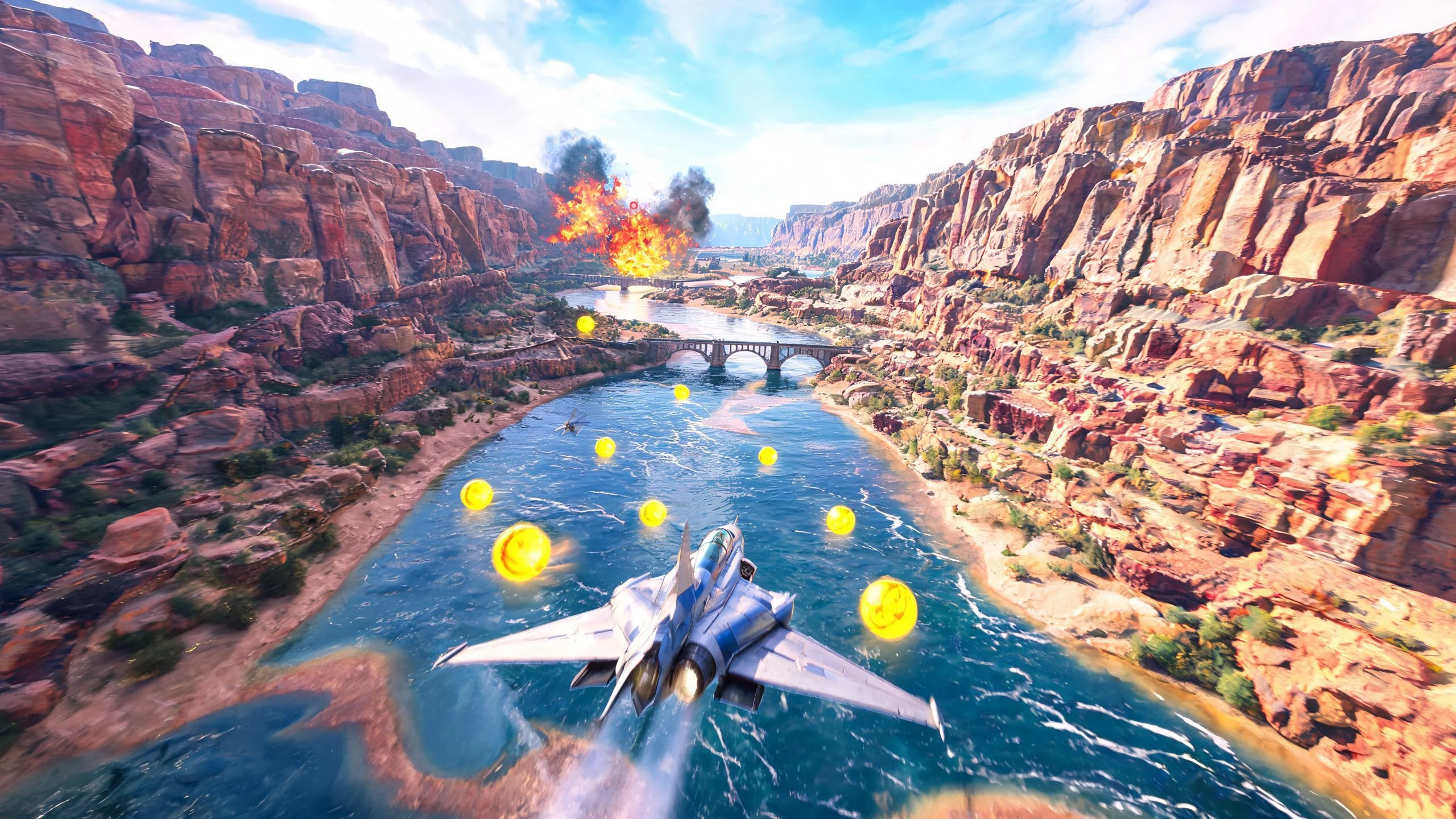
Build a River Raid-style flight survival run with fuel pressure.
 Unity
UnityBattle of Balls
Build a Unity arena where rolling balls collide and grow.
 New
NewArcade Crossing Game
Build a lane-dodging arcade game with traffic and pickups.
 Subscriber only
Unreal Top-Down Roguelite
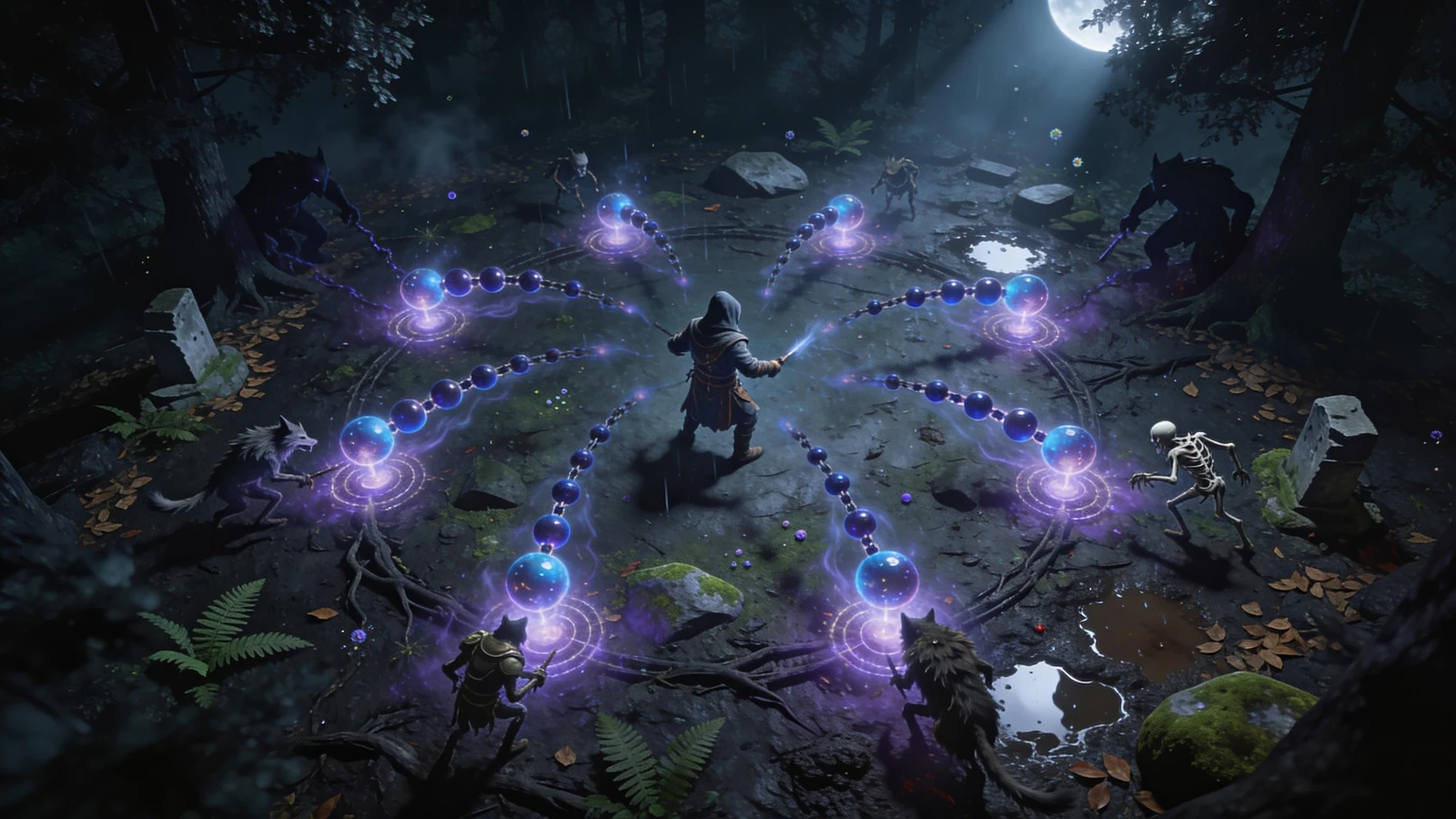
Create a complete UE 5.5 top-down arena roguelite with upgrades and a boss finale.
 Subscriber only
Unreal Dungeon Crawler
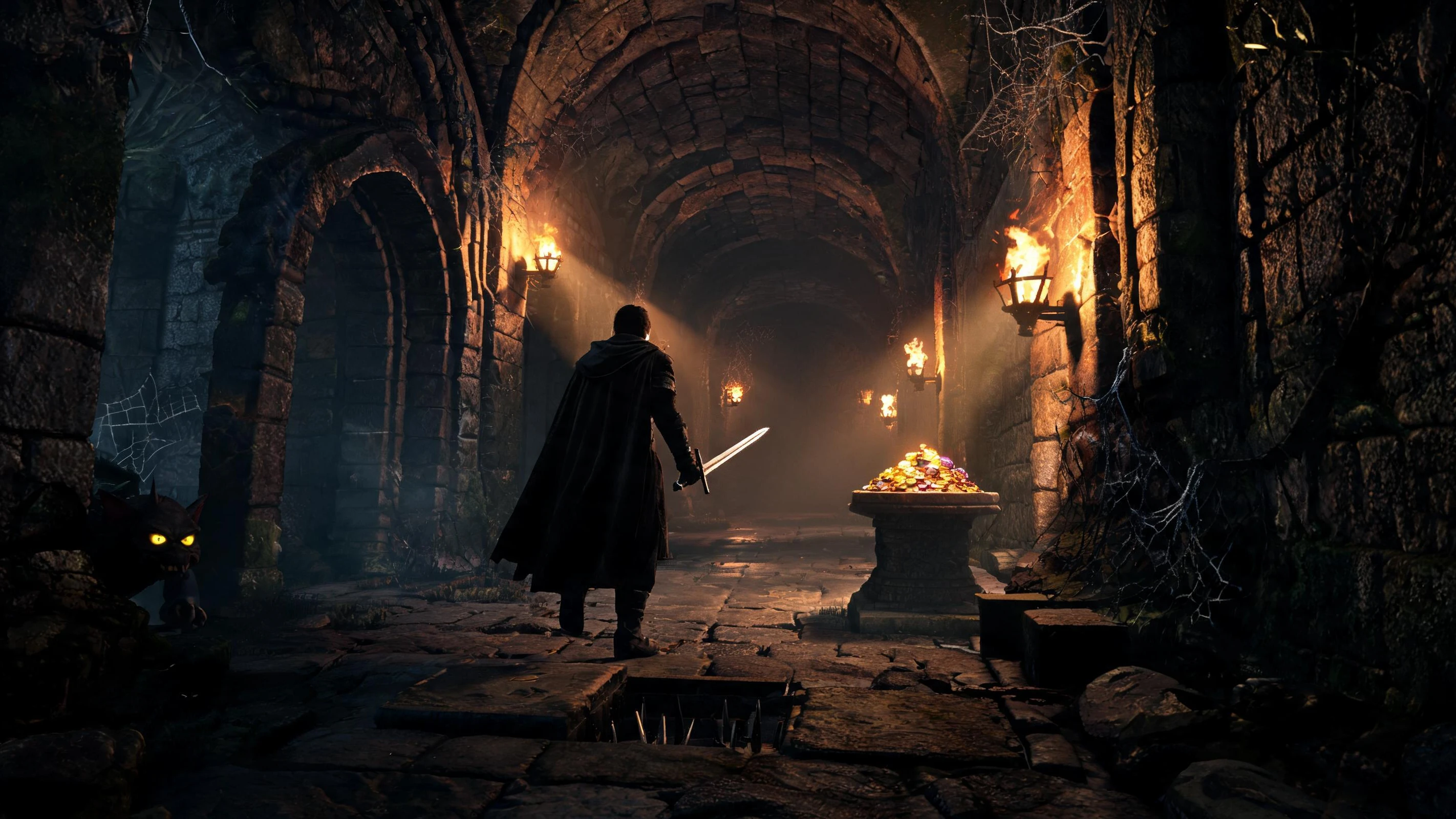
Build a playable Unreal dungeon crawler, combat-ready.
 FPS
FPSZombie Horror Survival
Build a tense zombie horror survival with map progression.
 Sports
Basketball Duel
Build a one-on-one basketball game with physics shooting.
 Subscriber only
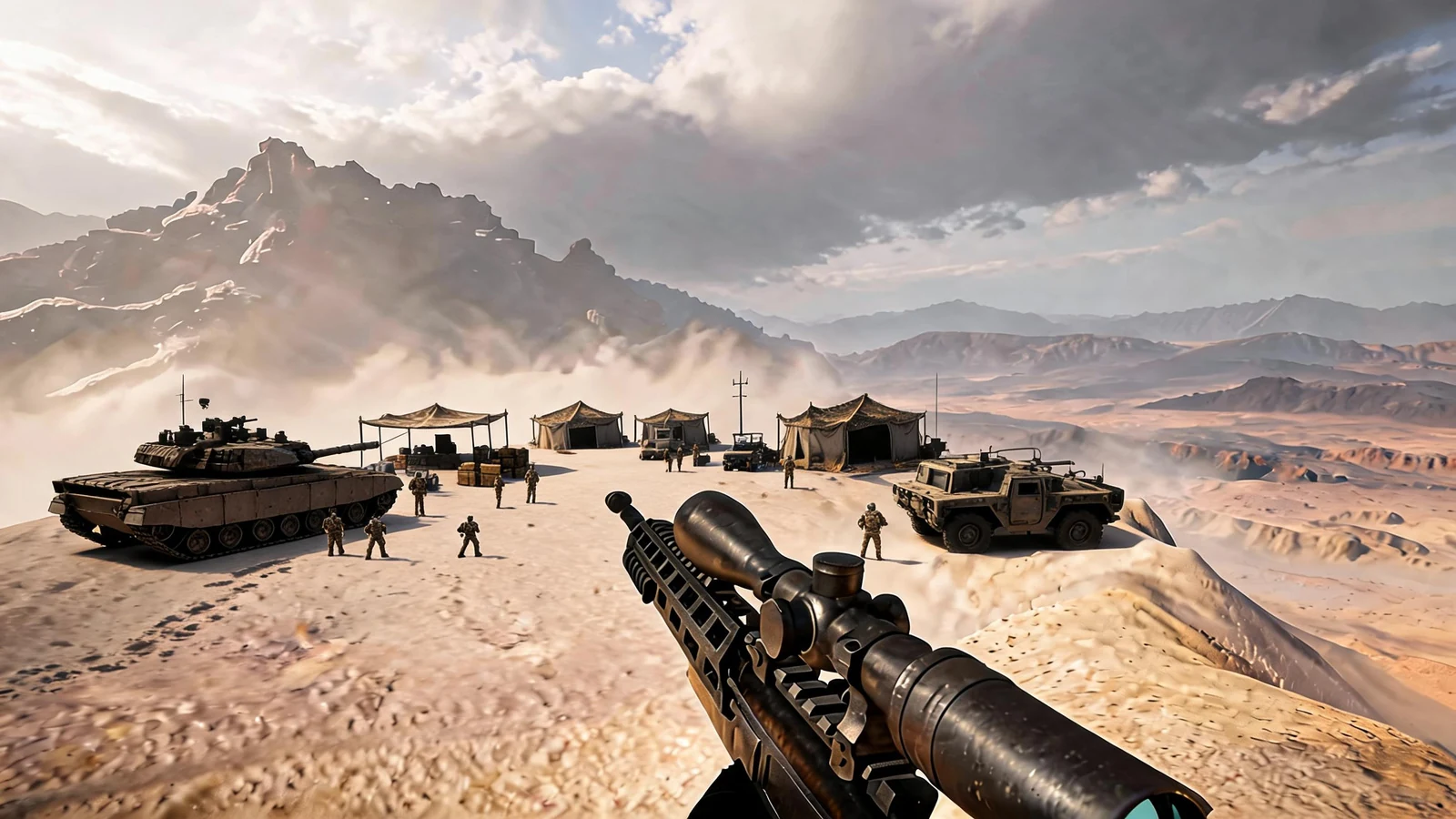
Unreal FPS/TPS Shooter
Create a complete UE 5.5 FPS or TPS shooter with combat, UI, and replay.
 Unity
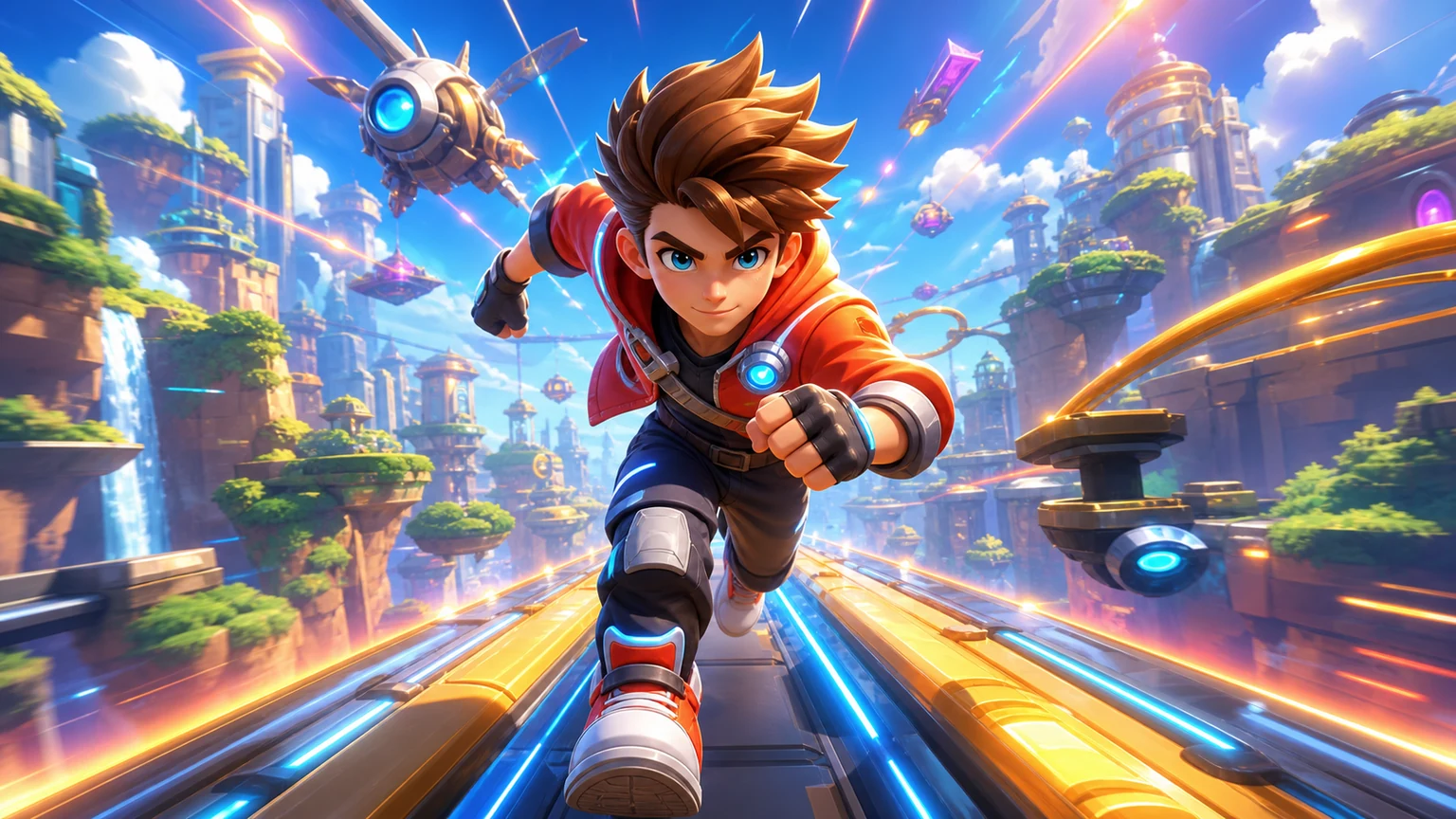
UnityEndless Runner
Build a polished Unity endless runner with lanes and pickups.
 Arcade
Pumpkin Night Adventure
Build a Halloween grid-arena survival romp.
NewRiver Raid Survival
Build a River Raid-style flight survival run with fuel pressure.
UnityBattle of Balls
Build a Unity arena where rolling balls collide and grow.
NewArcade Crossing Game
Build a lane-dodging arcade game with traffic and pickups.
Subscriber onlyUnreal Top-Down Roguelite
Create a complete UE 5.5 top-down arena roguelite with upgrades and a boss finale.
Subscriber onlyUnreal Dungeon Crawler
Build a playable Unreal dungeon crawler, combat-ready.
FPSZombie Horror Survival
Build a tense zombie horror survival with map progression.
SportsBasketball Duel
Build a one-on-one basketball game with physics shooting.
Subscriber onlyUnreal FPS/TPS Shooter
Create a complete UE 5.5 FPS or TPS shooter with combat, UI, and replay.
UnityEndless Runner
Build a polished Unity endless runner with lanes and pickups.
ArcadePumpkin Night Adventure
Build a Halloween grid-arena survival romp.
Prompt
Games are fun. Creating them is even better.
Game Introduction
About the Game
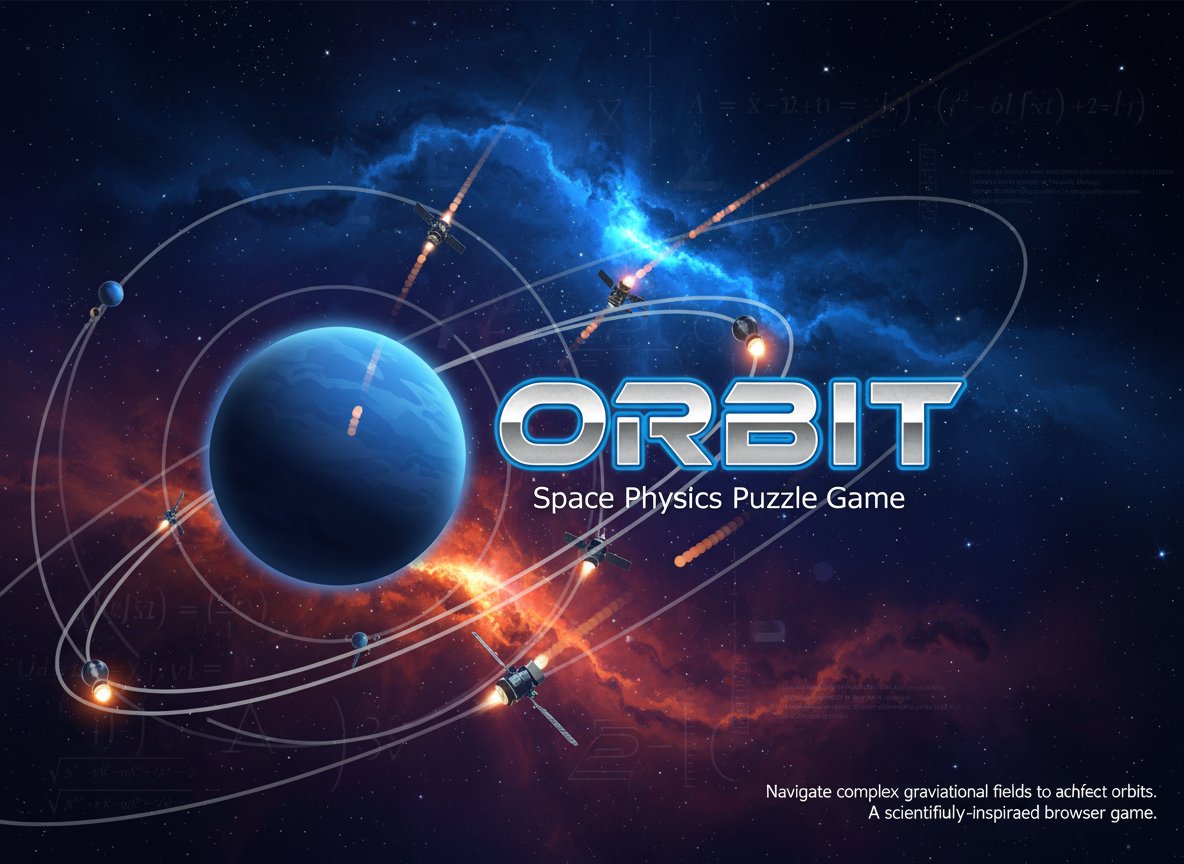
Orbit is a captivating physics-based puzzle game that challenges players to master the complexities of orbital mechanics and planetary gravity. With a solid 3.6/5 rating from players, this space simulation offers an educational yet entertaining experience that combines scientific accuracy with engaging gameplay.
Inspired by real astronomical principles, Orbit lets you experience the fascinating world of celestial mechanics that once revolutionized our understanding of the universe. The game cleverly references how these heliocentric concepts would have been controversial in historical times, adding an educational dimension to the gaming experience.
Core Features
Realistic Physics Simulation
Experience authentic orbital mechanics with: - Accurate Gravitational Forces : Each celestial body exerts realistic gravitational pull - Dynamic Orbital Paths : Satellites follow realistic trajectory physics - Multiple Planetary Bodies : Navigate complex multi-body gravitational systems - Momentum Conservation : Launch angles and velocities directly affect orbital outcomes
Challenging Puzzle Mechanics
The game offers progressively difficult challenges: - Precision Launching : Perfect timing and angle calculations required - Strategic Planning : Analyze gravitational fields before each launch - Problem-Solving Skills : Multiple solutions possible for each orbital challenge - Progressive Difficulty : From simple circular orbits to complex elliptical trajectories
Educational Value
Learn real space science concepts: - Kepler's Laws : Experience orbital mechanics firsthand - Gravitational Physics : Understand action at a distance principles - Comet Behavior : Observe how celestial bodies interact - Space Navigation : Master the basics of spacecraft trajectory planning
Gameplay Mechanics
The core gameplay revolves around launching satellites into stable orbits around various celestial bodies. Players must carefully calculate launch vectors, considering:
- Launch Velocity : Too fast and you'll escape orbit; too slow and you'll crash
- Launch Angle : Determines the shape and orientation of your orbital path
- Gravitational Wells : Multiple planets create complex force interactions
- Orbital Stability : Achieve long-term stable orbits for maximum points
Operation Guide
Mouse Controls : - Click and Drag : Set launch direction and power - Release : Launch your satellite - Observe : Watch your orbital trajectory unfold
Strategy Tips : 1. Study the Field : Analyze all gravitational sources before launching 2. Start Small : Begin with gentle launches to understand the physics 3. Experiment : Try different angles and velocities to find optimal orbits 4. Learn from Failures : Each crash teaches valuable orbital mechanics lessons
Why Play Orbit
Perfect for Science Enthusiasts
If you're fascinated by space exploration and astronomy, Orbit provides an interactive way to understand the fundamental forces that govern our solar system. The game makes complex physics concepts accessible through hands-on experimentation.
Challenging Mental Exercise
This isn't just entertainment – it's a brain workout that develops: - Spatial Reasoning : Visualize three-dimensional orbital paths - Physics Understanding : Grasp fundamental force interactions - Problem-Solving : Find creative solutions to complex challenges - Patience and Precision : Master the art of careful calculation
Completely Free Experience
Enjoy full access to all features without any cost. No downloads required – simply open your browser and start exploring orbital mechanics immediately.
Cross-Platform Accessibility
Play on any device with a modern web browser, whether you're using a desktop computer, laptop, tablet, or smartphone.