
Who is? 2 Brain Puzzle & Chats - Puzzle Game
 SEELE02 CORE
Game Generator
Turn a one-line idea into a playable game demo.
 New
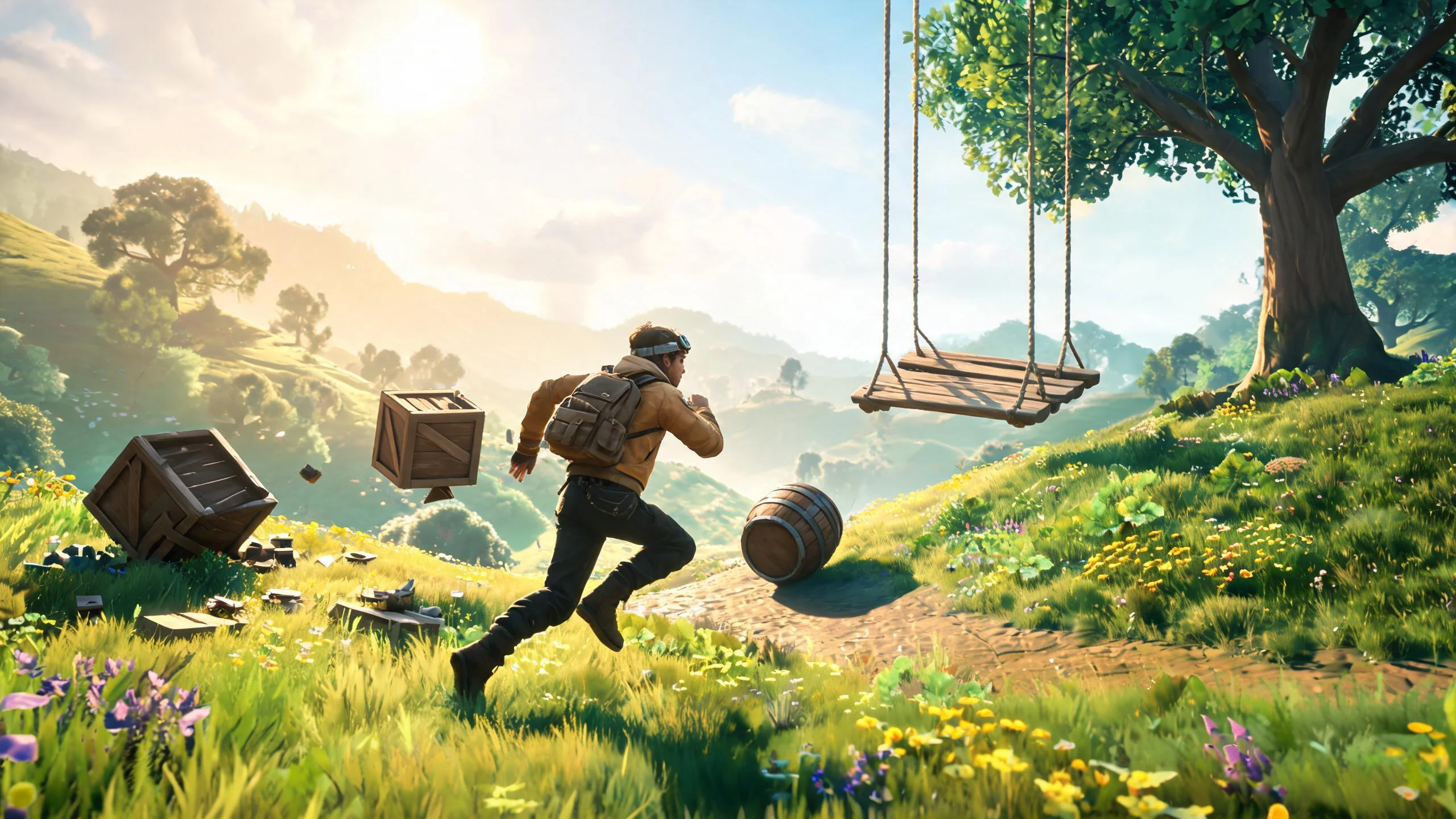
NewCharacter Physics World
Build a third-person physics world with day-night and props to touch.
 New
NewDrone Flight Combat
Build a cinematic drone combat run with missiles and a HUD.
 Puzzle
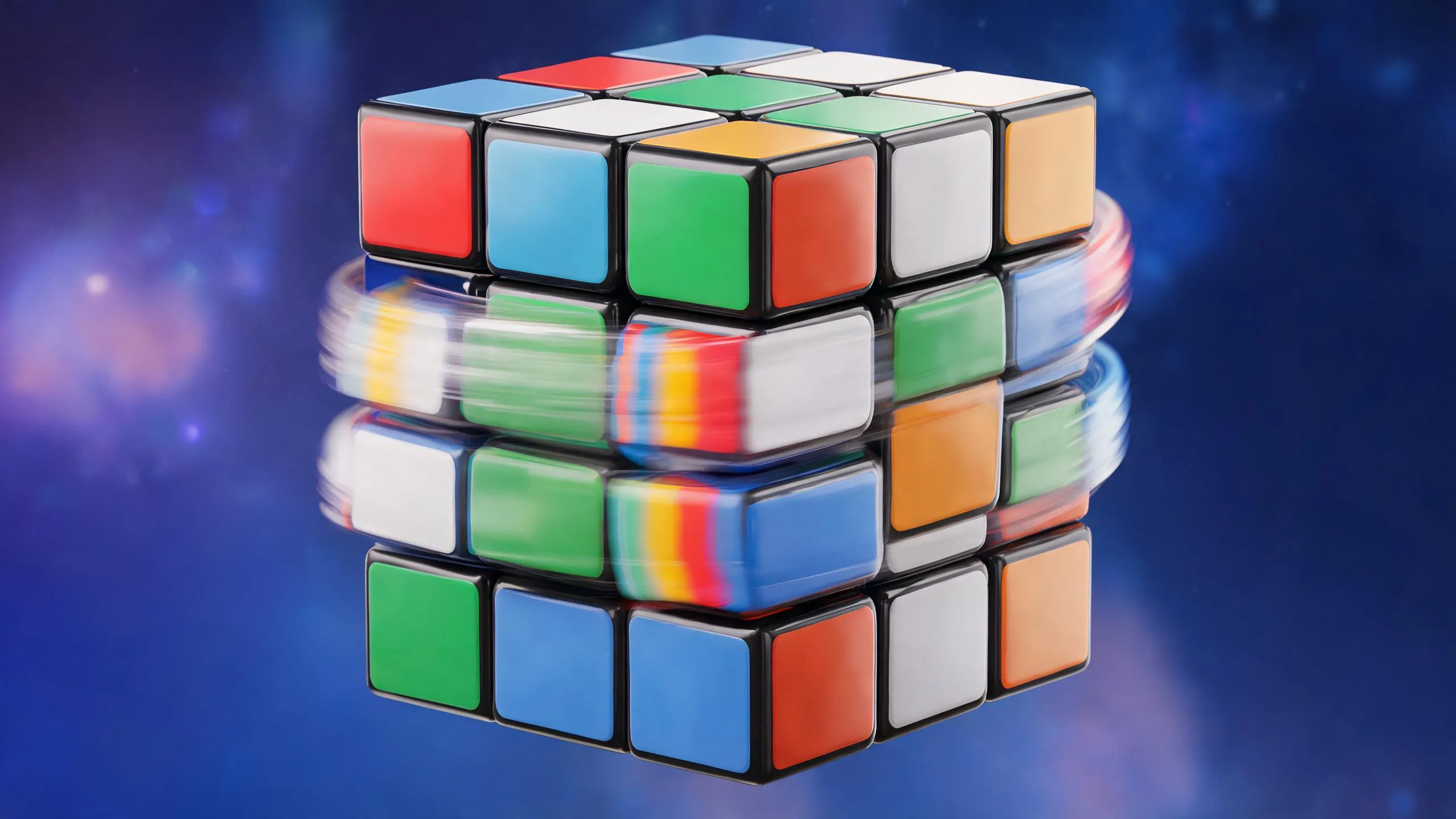
Magic Cube Puzzle
Build an interactive Rubik's Cube with scramble and reset.
 Subscriber only
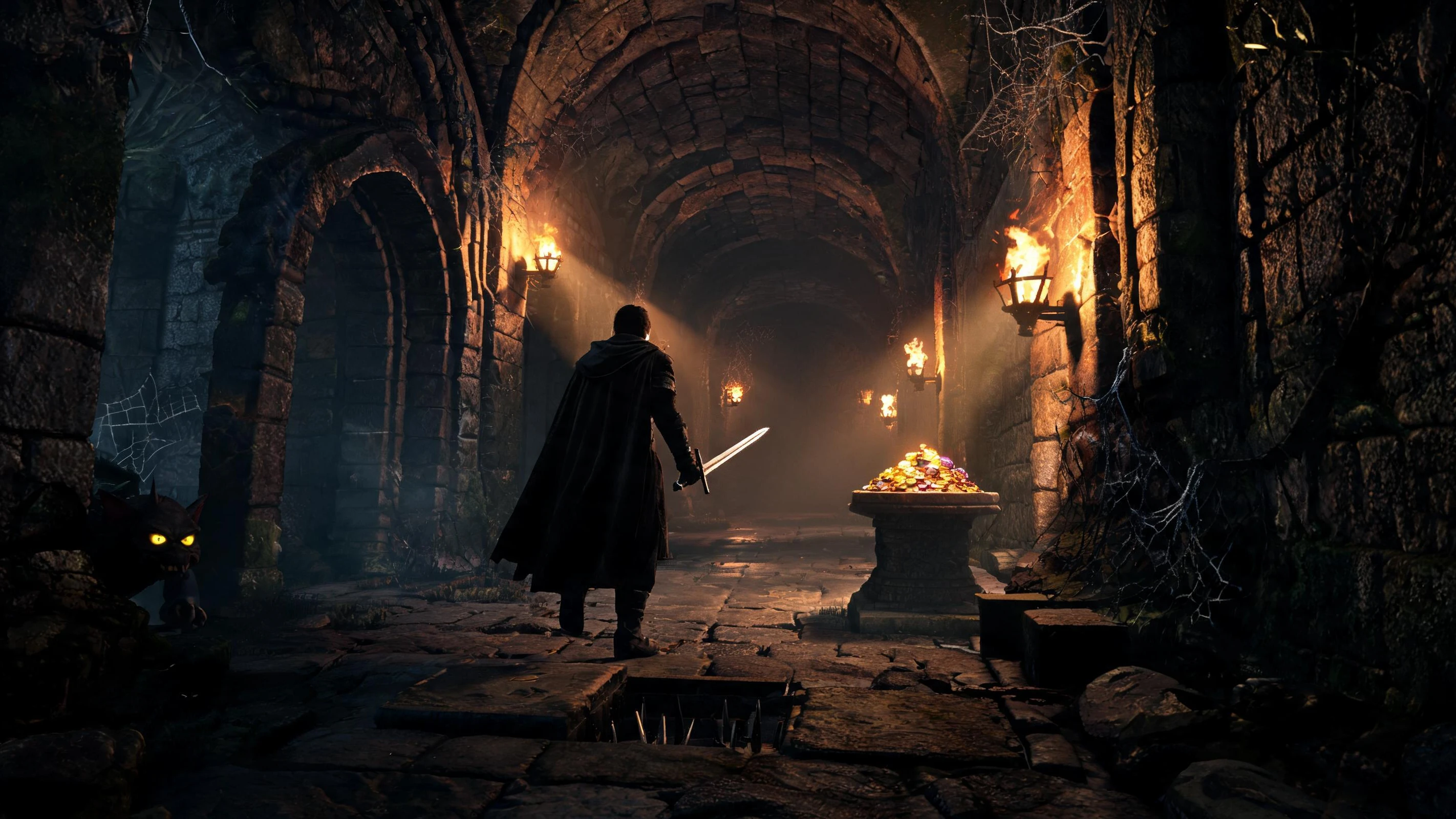
Unreal Dungeon Crawler
Build a playable Unreal dungeon crawler, combat-ready.
 Unity
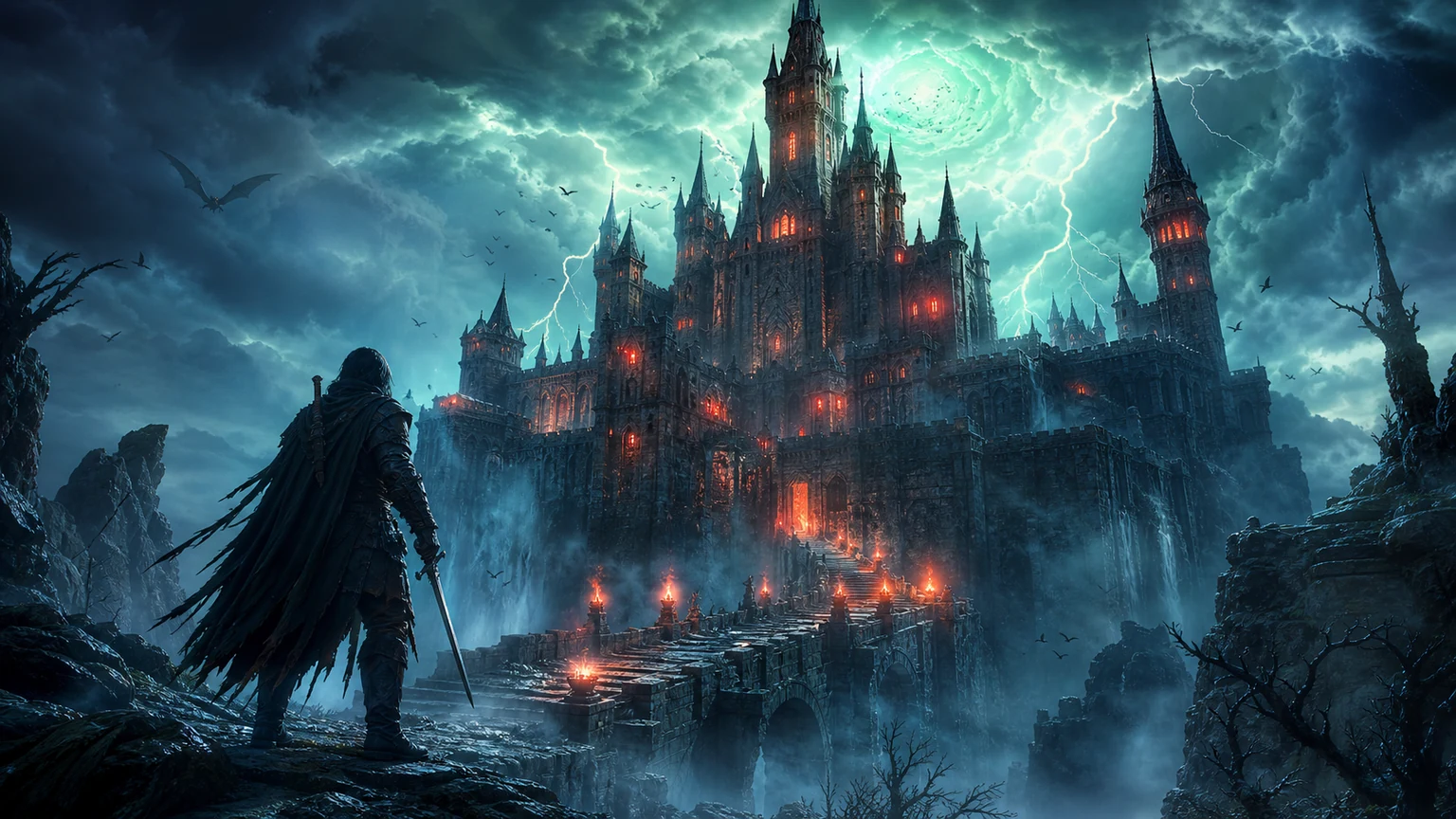
UnityCastle Devour Quest
Build a Unity castle quest with risky rooms and a win goal.
 Shooter
Rail Shooter Ride
Build a roller-coaster rail shooter that aims as you ride.
 FPS
FPSZombie Horror Survival
Build a tense zombie horror survival with map progression.
 Subscriber only
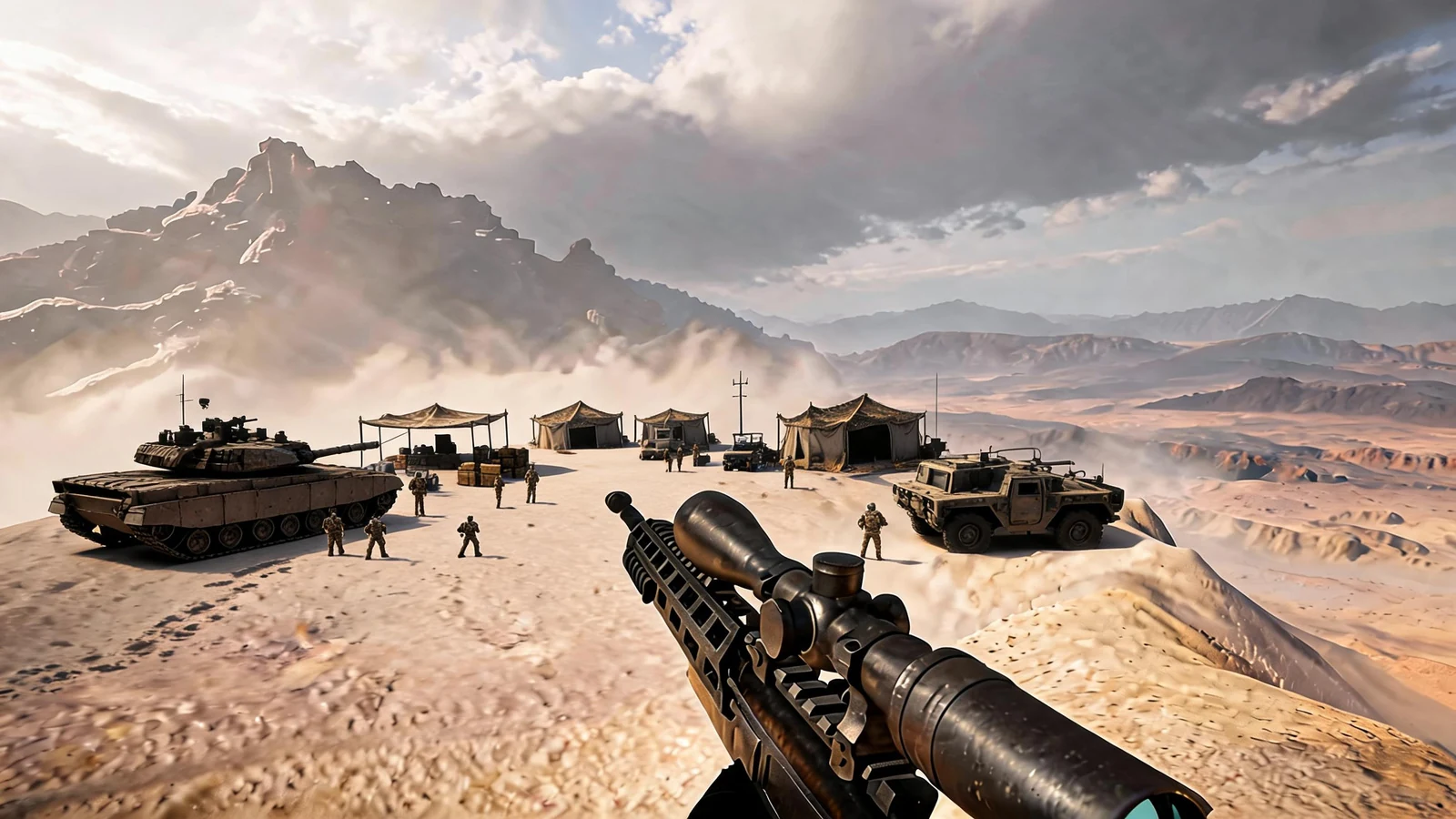
Unreal FPS/TPS Shooter
Create a complete UE 5.5 FPS or TPS shooter with combat, UI, and replay.
 FPS
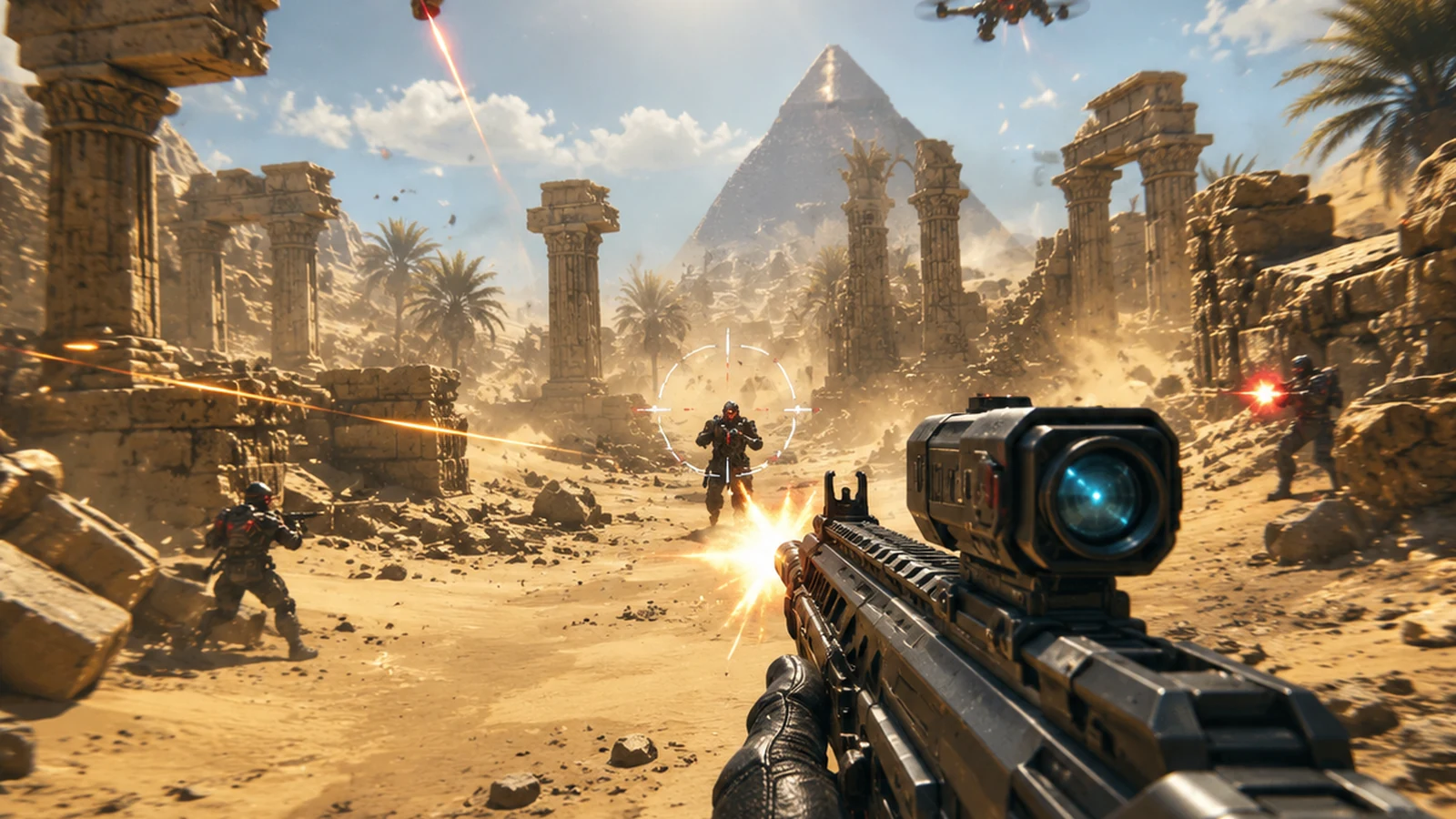
FPS3D FPS Game
Build a desert FPS with weapon switching and a retro HUD.
SEELE02 COREGame Generator
Turn a one-line idea into a playable game demo.
NewCharacter Physics World
Build a third-person physics world with day-night and props to touch.
NewDrone Flight Combat
Build a cinematic drone combat run with missiles and a HUD.
PuzzleMagic Cube Puzzle
Build an interactive Rubik's Cube with scramble and reset.
Subscriber onlyUnreal Dungeon Crawler
Build a playable Unreal dungeon crawler, combat-ready.
UnityCastle Devour Quest
Build a Unity castle quest with risky rooms and a win goal.
ShooterRail Shooter Ride
Build a roller-coaster rail shooter that aims as you ride.
FPSZombie Horror Survival
Build a tense zombie horror survival with map progression.
Subscriber onlyUnreal FPS/TPS Shooter
Create a complete UE 5.5 FPS or TPS shooter with combat, UI, and replay.
FPS3D FPS Game
Build a desert FPS with weapon switching and a retro HUD.
Prompt
Games are fun. Creating them is even better.
Game Introduction
About the Game
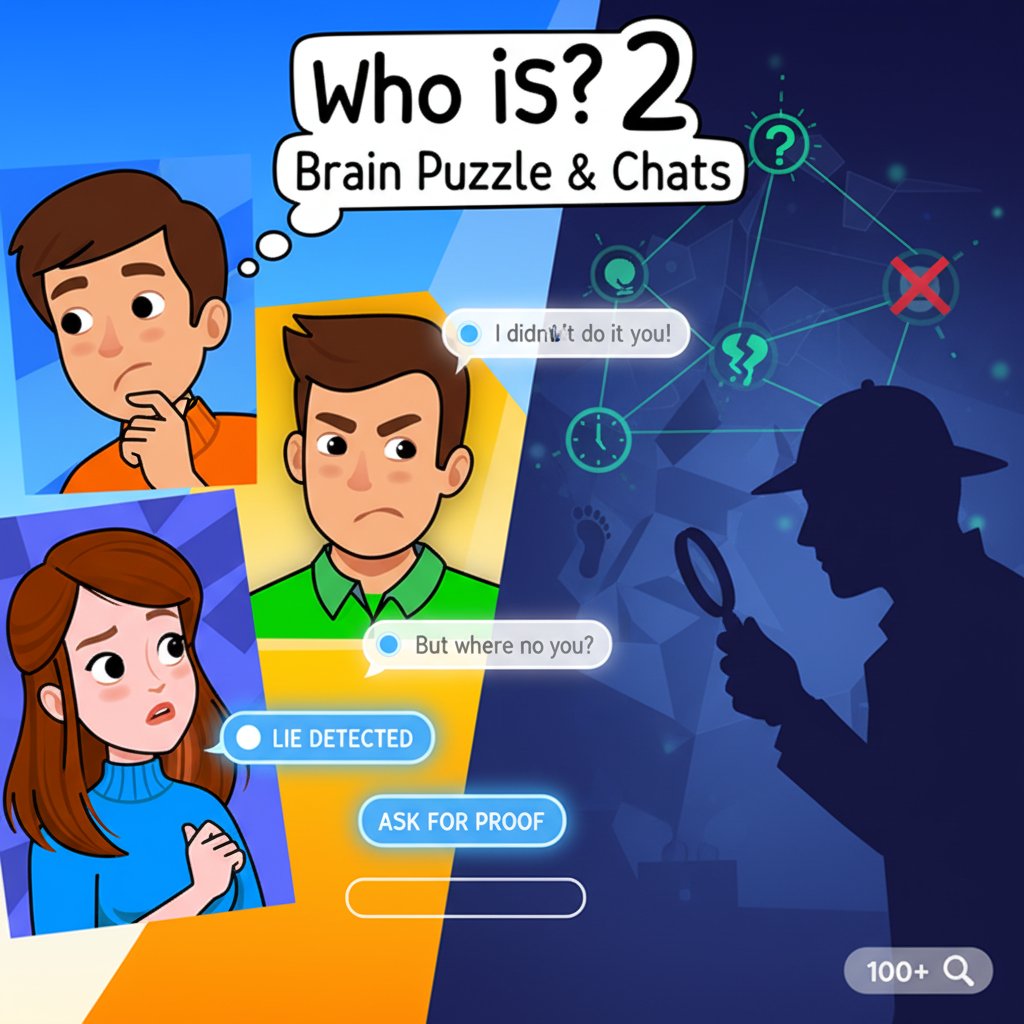
Who is? 2 Brain Puzzle & Chats is a captivating detective puzzle game that challenges your investigative skills through interactive conversations. As the highly anticipated sequel to the popular "Who is?" series, this game elevates the mystery-solving experience with over 100 unique and challenging scenarios that will test your deductive reasoning abilities.
In this engaging brain teaser, you take on the role of a detective who must uncover lies, solve mysteries, and reveal hidden truths by asking the right questions and analyzing responses from various characters. Each scenario presents a unique puzzle that requires careful observation, strategic thinking, and clever questioning techniques.
Core Features
Interactive Detective Gameplay
The game's core mechanic revolves around meaningful conversations with diverse characters. Unlike traditional puzzle games, Who is? 2 emphasizes social deduction and communication skills, making each interaction crucial to solving the mystery.
100+ Challenging Scenarios
With more than a hundred unique puzzles, the game offers extensive replay value. Each scenario presents different characters, situations, and clues, ensuring that no two mysteries feel the same. The difficulty progressively increases, keeping players engaged and challenged.
Strategic Question System
Success depends on your ability to ask the right questions at the right time. The game rewards players who think critically about what information they need and how to extract it from reluctant or deceptive characters.
Visual Clue Detection
Beyond conversations, players must examine the environment and characters for visual clues. Body language, facial expressions, and environmental details all play crucial roles in solving each mystery.
Built-in Hint System
When puzzles become particularly challenging, the game provides helpful hints through buttons at the bottom of the screen, ensuring players never get completely stuck.
How to Play
Basic Controls
The game features intuitive point-and-click mechanics that work seamlessly across all devices:
- Click or tap characters to initiate conversations
- Examine objects in the environment for additional clues
- Navigate through dialogue options to gather information
- Use hint buttons when you need assistance
Gameplay Strategy
To excel at Who is? 2, follow these key strategies:
- Listen carefully to all character responses
- Look for contradictions in different characters' stories
- Pay attention to visual details that might reveal lies
- Think outside the box - solutions aren't always obvious
- Ask follow-up questions based on previous answers
Solving Mysteries
Each scenario requires you to piece together information from multiple sources. Characters may lie, misdirect, or withhold information, so critical thinking and attention to detail are essential for success.
Why Play This Game
Perfect for Puzzle Enthusiasts
Who is? 2 offers a unique blend of social deduction and logical reasoning that appeals to fans of mystery novels, detective shows, and brain training games. The conversational aspect adds a human element often missing from traditional puzzle games.
Completely Free to Play
The entire game is available at no cost, with no hidden fees or premium content. Players can enjoy all 100+ scenarios without any financial commitment.
Cross-Platform Compatibility
Whether you prefer gaming on desktop, tablet, or smartphone, Who is? 2 adapts perfectly to your preferred device. The responsive design ensures optimal gameplay across all screen sizes.
Mental Exercise and Entertainment
The game serves as both entertainment and brain training, improving logical reasoning, communication skills, and pattern recognition while providing hours of engaging gameplay.
Family-Friendly Content
With its cartoon art style and appropriate themes, the game is suitable for players of all ages, making it perfect for family gaming sessions or educational use.