
Word Chains - Brain Puzzle Word Game - Puzzle Game
 New
NewRiver Raid Survival
Build a River Raid-style flight survival run with fuel pressure.
 New
NewSolo Racing Game
Build a browser racer with tracks, timing, and a minimap.
 Unity
UnityBattle of Balls
Build a Unity arena where rolling balls collide and grow.
 Sports
Basketball Duel
Build a one-on-one basketball game with physics shooting.
 Subscriber only
Unreal Mountain Tour
Tour a third-person Unreal world of mountains and water.
 Shooter
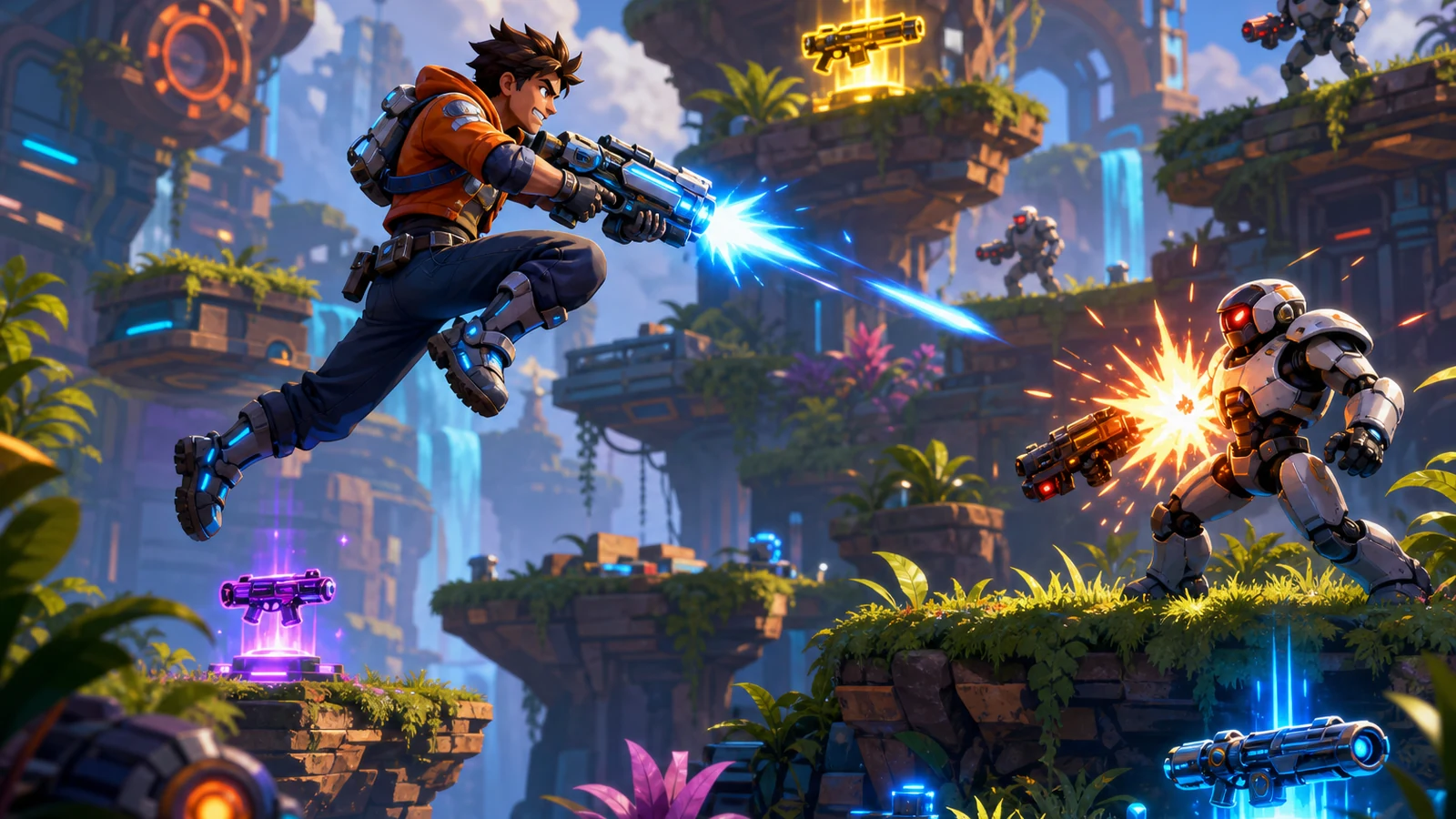
Platform Shooter Quest
Build a side-scrolling platform shooter with weapon switching.
 Unity
UnityCupid's Arrow
Build a Unity archery game of timing and matchmaking.

Time-Attack Racer
Build a no-physics finish-gate racer with nitro, minimap guidance, and synthesized audio.
 Godot
GodotBaby Bat Climber
Build a compact Godot cave-climbing platformer.
 Voxel
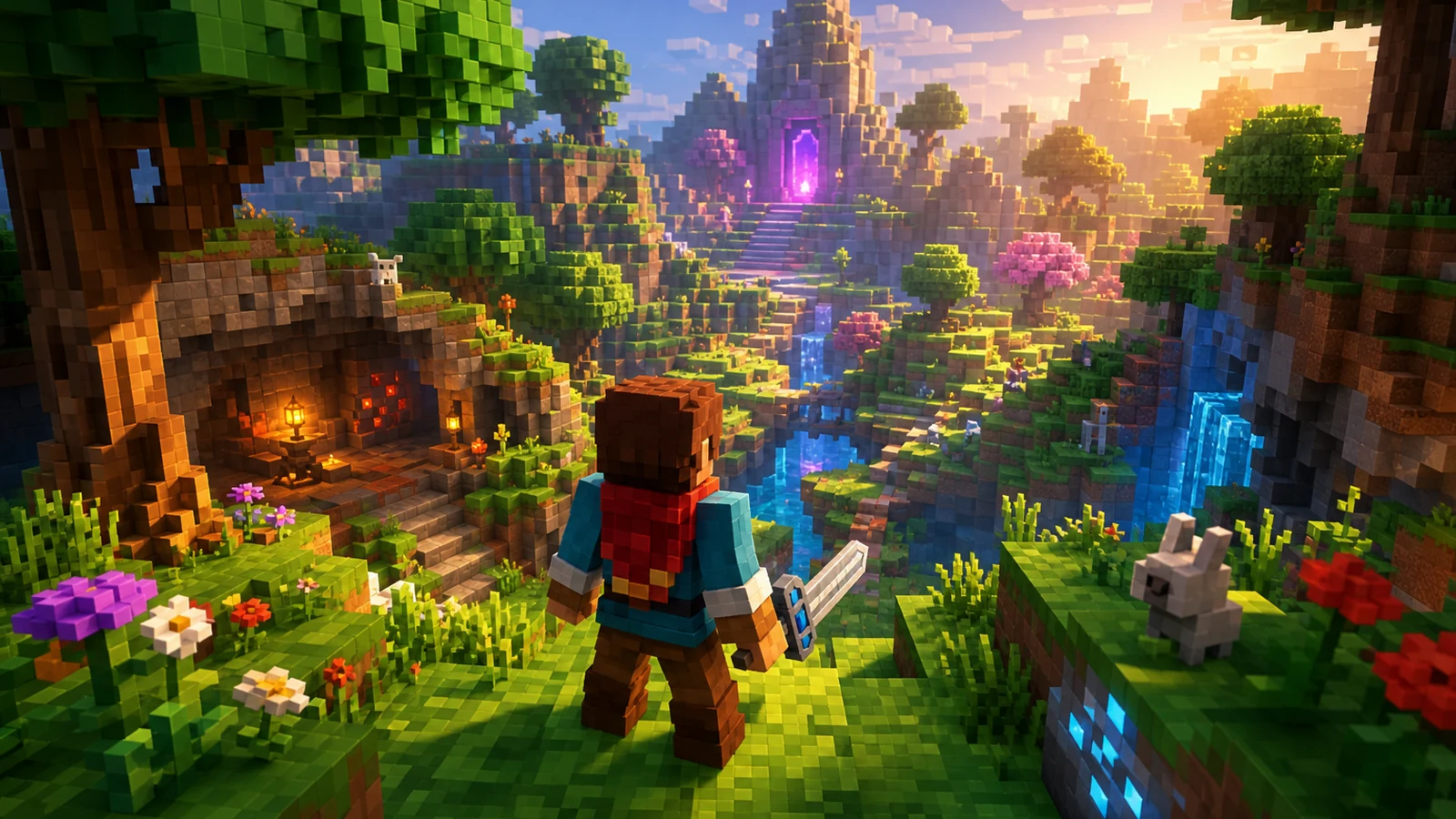
VoxelVoxel Hero Adventure
Build a voxel hero who explores, mines, and builds.
NewRiver Raid Survival
Build a River Raid-style flight survival run with fuel pressure.
NewSolo Racing Game
Build a browser racer with tracks, timing, and a minimap.
UnityBattle of Balls
Build a Unity arena where rolling balls collide and grow.
SportsBasketball Duel
Build a one-on-one basketball game with physics shooting.
Subscriber onlyUnreal Mountain Tour
Tour a third-person Unreal world of mountains and water.
ShooterPlatform Shooter Quest
Build a side-scrolling platform shooter with weapon switching.
UnityCupid's Arrow
Build a Unity archery game of timing and matchmaking.
Time-Attack Racer
Build a no-physics finish-gate racer with nitro, minimap guidance, and synthesized audio.
GodotBaby Bat Climber
Build a compact Godot cave-climbing platformer.
VoxelVoxel Hero Adventure
Build a voxel hero who explores, mines, and builds.
Prompt

Games are fun. Creating them is even better.
Game Introduction
About Word Chains
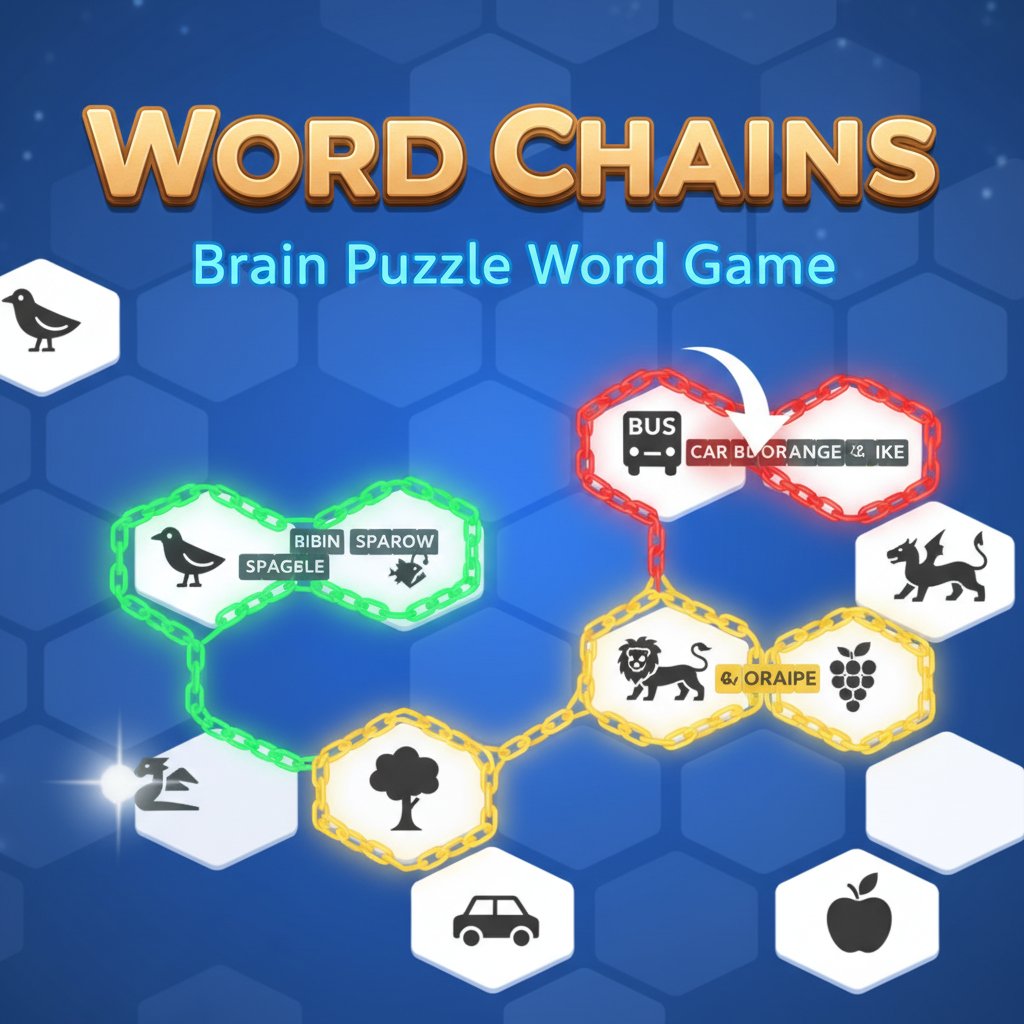
Word Chains is an innovative word puzzle game that combines vocabulary skills with strategic thinking. This brain-training game challenges players to unravel complex puzzles by connecting words that belong to the same category. With its intuitive gameplay and progressively challenging levels, Word Chains offers an engaging experience for word game enthusiasts of all skill levels.
The game features a unique mechanic where players must strategically group associated words together, forming chains that link them seamlessly across the game board. What sets Word Chains apart from other word games is its navigation challenge - you cannot pass through other words, making careful planning essential for success.
Core Features
Strategic Word Connection System
Word Chains introduces a fresh approach to word puzzles by requiring players to think both categorically and spatially. Words are scattered across a colorful game board, and your mission is to identify which words belong together and create connecting paths between them.
Category-Based Gameplay
The game tests your knowledge across various categories, from animals and food to everyday objects and abstract concepts. Each puzzle presents a new set of categories, keeping the gameplay fresh and educational.
Power-Up System
When puzzles become particularly challenging, Word Chains offers helpful power-ups to simplify the experience. These strategic aids can help you overcome difficult situations and maintain your progress through increasingly complex levels.
Clean, Intuitive Interface
The game features a modern, colorful design with clearly distinguishable word cards. The visual presentation makes it easy to focus on the puzzle-solving aspect while enjoying the aesthetically pleasing graphics.
Game Mechanics
Word Chains operates on a simple yet engaging premise: identify words that belong to the same category and connect them by creating chains. The challenge lies in the spatial arrangement - since you cannot pass through other word cards, you must plan your route carefully to successfully link all related words.
Each level presents a grid of word cards, with some cards belonging to the same category. Your task is to identify these relationships and create unbroken chains connecting all words within each category. The game becomes progressively more challenging as you advance, introducing more complex category relationships and trickier board layouts.
Operation Guide
Basic Controls
- Click/Tap a Card : Select and move word cards to group them together
- Drag and Drop : Position cards strategically to form connecting chains
- Chain Formation : Connect words of the same category by creating adjacent paths
- Power-Up Activation : Use available power-ups when facing difficult puzzles
Strategy Tips
- Study the entire board before making your first move
- Identify all category groups before starting to move cards
- Plan your chain routes to avoid blocking other necessary connections
- Use power-ups strategically when you encounter seemingly impossible layouts
Why Play Word Chains
Mental Exercise and Brain Training
Word Chains provides excellent mental stimulation by combining vocabulary knowledge with spatial reasoning. The game challenges multiple cognitive skills simultaneously, making it an effective brain training tool.
Educational Value
Beyond entertainment, Word Chains helps expand vocabulary and strengthen categorical thinking skills. Players naturally learn new word associations and category relationships through gameplay.
Accessibility and Convenience
As a free online game, Word Chains is accessible anywhere with an internet connection. The game works perfectly on both desktop computers and mobile devices, allowing for quick gaming sessions during breaks or extended play at home.
Progressive Challenge System
The game offers a well-balanced difficulty curve that keeps players engaged without becoming frustrating. Each level builds upon previous knowledge while introducing new challenges.