Shorter iteration loop
Reach a more testable concept earlier.
Generate testable gameplay loops, scenes, and prototype-ready outputs faster with an AI-powered game prototype generator.
Start Prototyping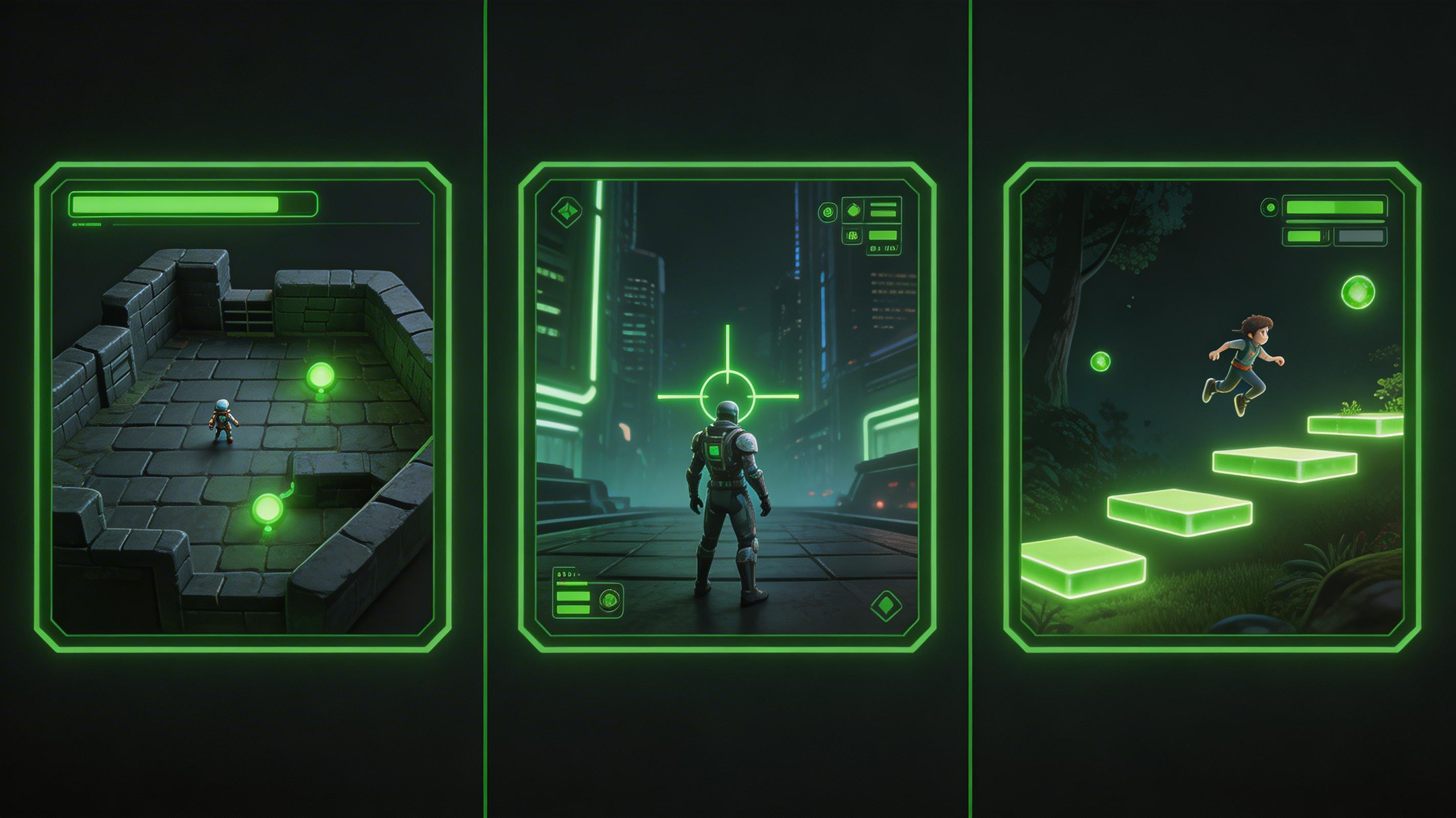
A game prototype generator matters because most teams do not fail at execution first. They fail at choosing the wrong idea to execute. Seele helps teams reduce that risk by turning loose concepts into clearer prototypes earlier, so gameplay, mood, and structure can be tested before full production begins.
Reach a more testable concept earlier.
Discard weak ideas before they consume full production time.
A clearer prototype is easier to discuss than an abstract pitch.
Compare multiple concepts before committing to one roadmap.
Build pitch demos or internal concept reviews faster.
Teach prototype-first creation rather than theory-only design.
Validate whether an interactive product idea is worth engineering investment.
Prototype a roguelite survival game inside a flooded neon subway network.Create a relaxing island-builder concept focused on gardening, decorating, and weather mood.Build a stylized 3D racing concept with drift-heavy handling and dramatic sunset environments.A clearer prototype direction
Scene and mood guidance
Asset and environment starting points
A faster decision on whether to continue, pivot, or discard the idea
A game prototype generator is an AI-assisted workflow that transforms a game idea into a clearer, testable prototype faster than a traditional from-scratch process.
Because it reduces the cost of being wrong. Teams can learn earlier, pivot earlier, and commit production resources more intelligently.
It can support gameplay framing, level or scene direction, asset starting points, and world mood so the concept becomes easier to test and evaluate.
No. It is useful for solo creators, classrooms, startups, and studio teams that want faster concept validation.
It does not replace balancing, scaling, polish, or the deeper engineering needed for a production-ready game.
Intent covered: SEELE game prototype generator.
Use the prototype to test one design question. Record the expected player action, observed response, and smallest revision needed; do not treat a generated slice as production-ready evidence.
Continue with the game prototype generator workflow or review the broader AI game generation workflow.