Social sandbox startup
Test whether the shared world fantasy actually creates stories.
A multiplayer sandbox only works when players have enough freedom to be creative and enough rules to create stories together. This page helps teams prototype that balance earlier.
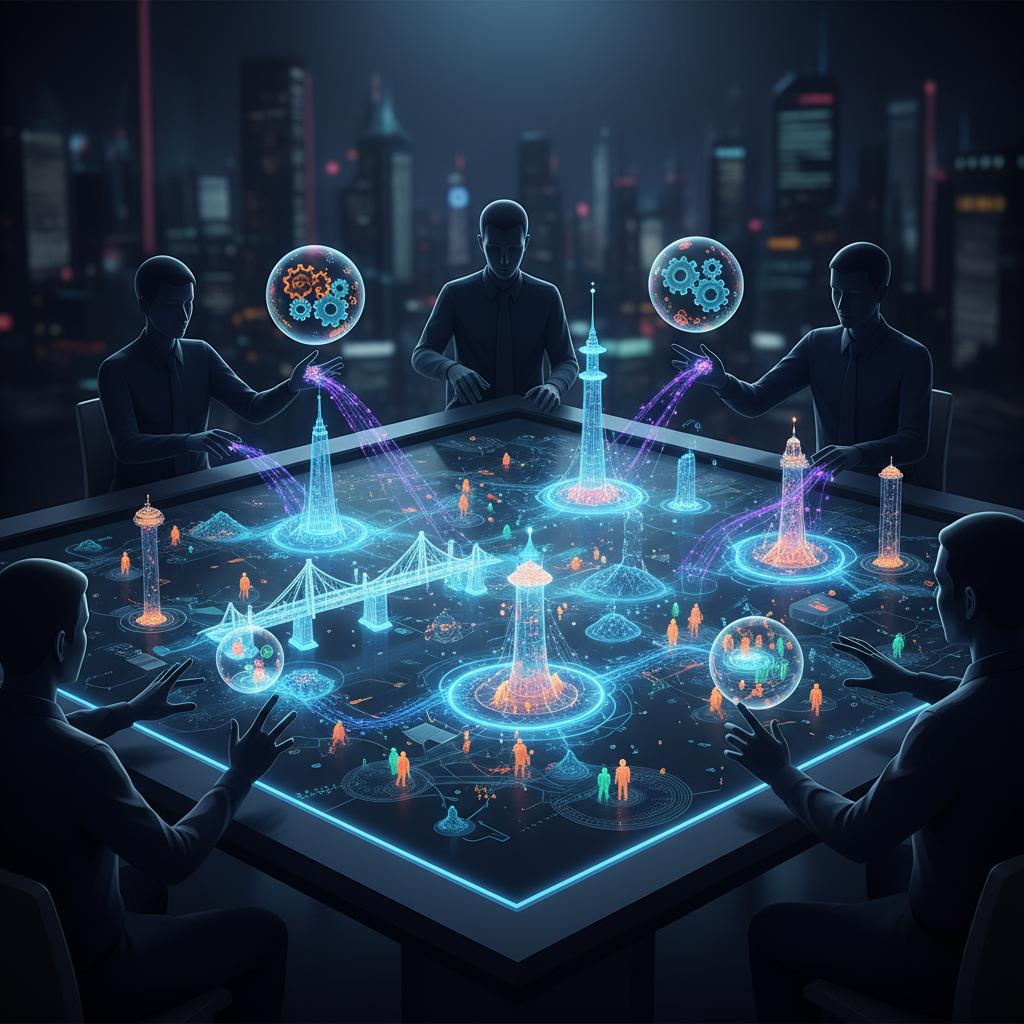
Test whether the shared world fantasy actually creates stories.
Shape how players build, remix, or disrupt together.
Explore NPC roles, quest hooks, and emergent social play.
Prototype a small multiplayer slice before scaling content.
Define the player roles, one repeatable social loop, and how the world reacts.
Generate a first-pass sandbox brief with shared goals, friction points, and NPC/system support.
Narrow the scope to one multiplayer slice that proves the fantasy.
Use the workspace to iterate on world prompts, dialogue, assets, and prototype handoff.
Create a multiplayer salvage sandbox where players rebuild a drowned city block while opportunistic NPC factions try to manipulate trade routes.Build a cozy shared wizard campus where players craft spells together, prank rivals, and unlock floating biomes by hosting festivals.Prototype a sci-fi survival sandbox where squads tame AI drones, defend movable bases, and negotiate with roaming machine clans.What players do together and why it stays interesting.
How NPCs, resources, and systems respond to player behavior.
A smaller multiplayer test that proves the fantasy without full live-service complexity.
Dialogue, environment, and visual prompts aligned to the sandbox theme.
It is a sandbox concept where shared-world play, AI-assisted systems, or reactive NPC behavior support emergent player stories.
No. It helps you define the social loop and prototype direction before investing in deeper networking implementation.
Because many multiplayer sandboxes fail from vague goals. A smaller slice proves whether the shared fantasy is fun.
Yes. It is useful for framing reactive NPC roles and how they support the sandbox loop.
Studios exploring UGC, social survival, co-op builders, or emergent narrative worlds benefit the most.
Write the first prompt you actually want to test, then jump into the workspace. Better to start with one sharp question than pretend the whole game is already solved.
This handoff stores the prompt in session storage and redirects to the product flow. It accelerates concepting and prototype setup; final production still needs iteration.
Need a more direct path from idea to prototype? Compare this sandbox workflow with making a multiplayer game without coding, AI multiplayer game maker, and AI party game maker.