
Seele AI · Create
Unreal Engine 5 integration planning, without overclaiming
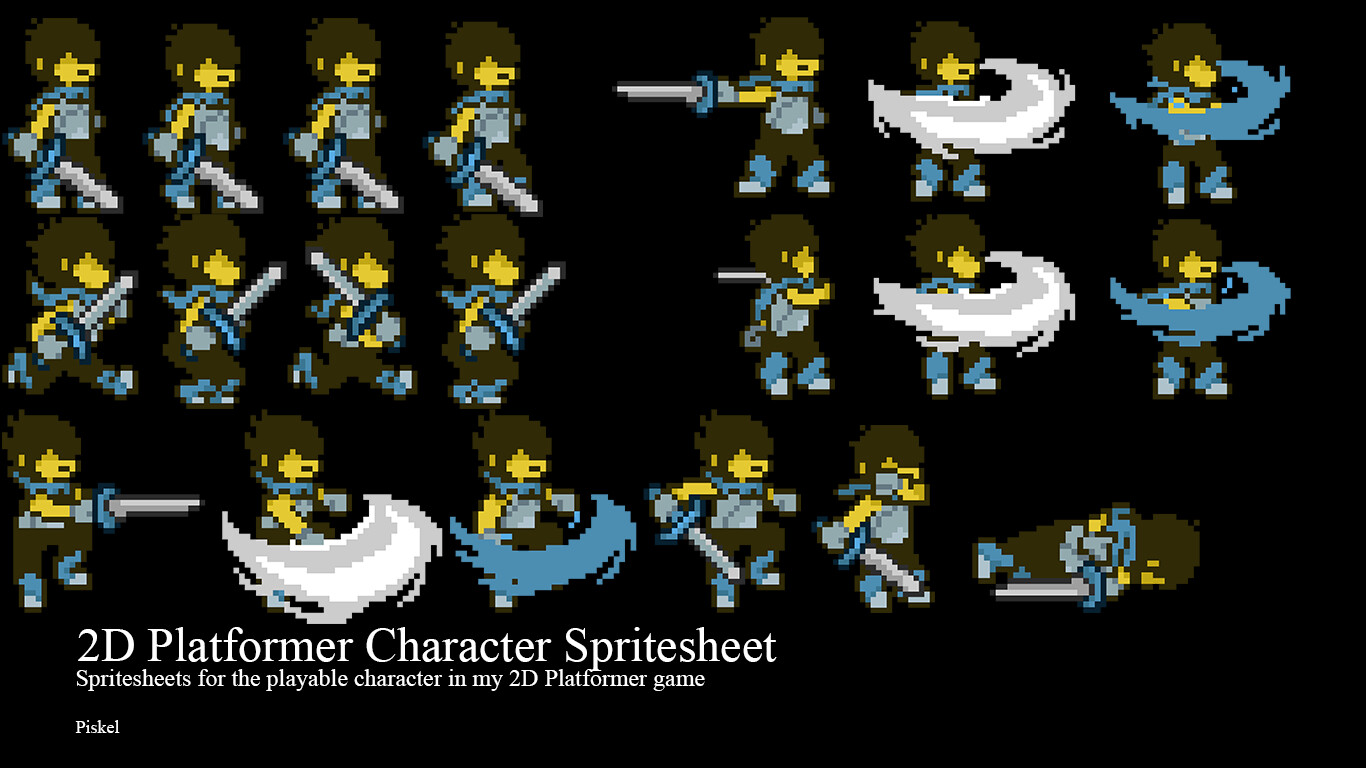
Use SEELE AI to shape and test a game concept before a native Unreal Engine 5 implementation. Treat the browser prototype as a handoff, not a native .uproject.
SEELE AI can support planning and prototyping for an Unreal Engine 5 workflow. A browser-playable result is not native Unreal, engine parity, or automatic .uproject generation.
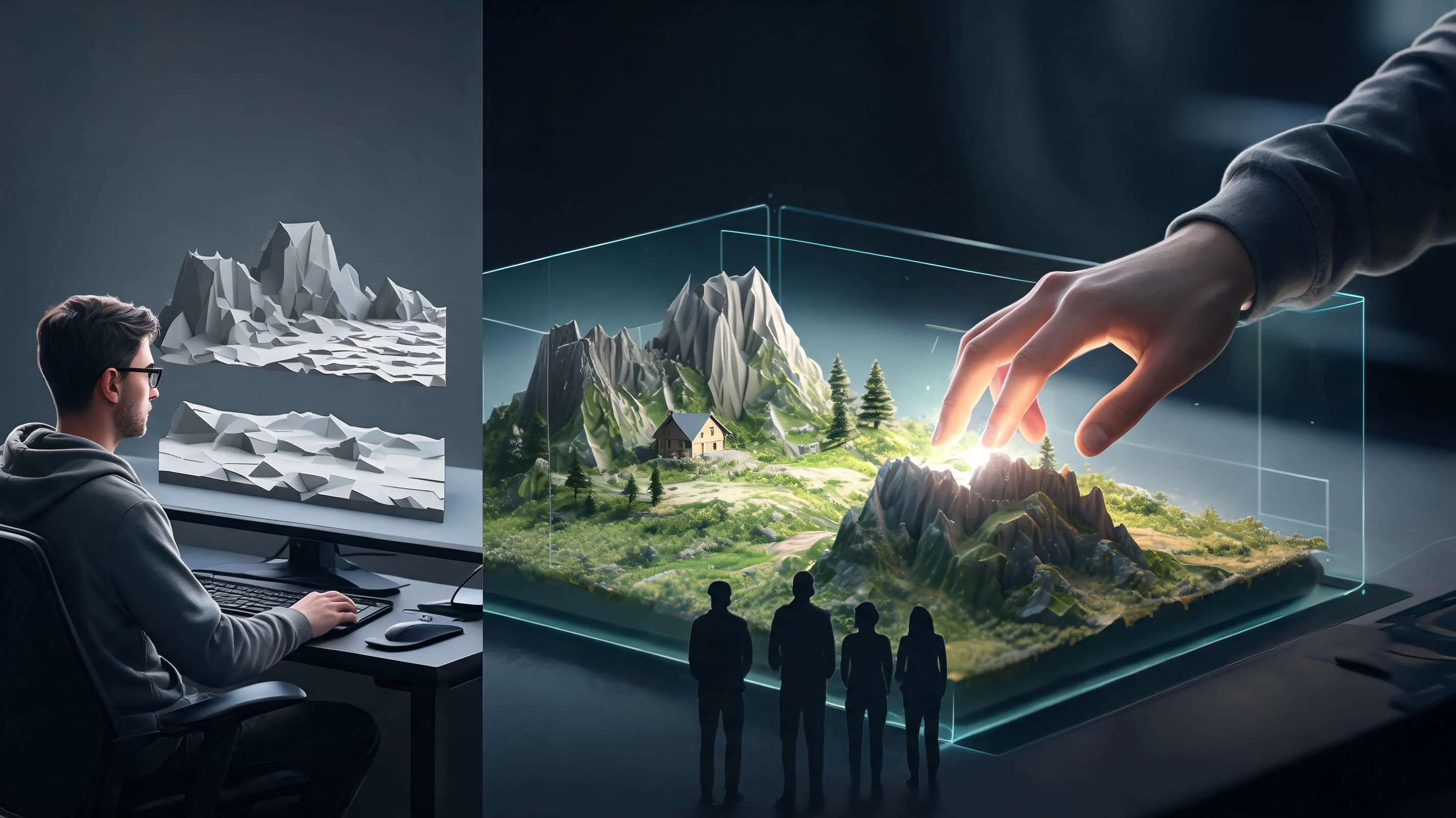
The working loop
A Focused Path From Brief To Decision
Define The Player Loop
State the goal, controls, success state, failure state, and the smallest scene that can prove the idea.
Generate And Playtest
Create a first build, inspect the real interaction, and record what is unclear or technically weak.
Refine Or Hand Off
Iterate in the workspace or export an editable handoff, then complete target-specific implementation and release checks.
What leaves the page
What The Workflow Can Produce
Playable First Build
A concrete build for checking the core loop and experience direction.
Editable Project Handoff
A starting point for continued production after reviewing files, dependencies, and rights.
Production Decision
Evidence for whether to expand scope, revise the loop, or move into native implementation.
Fit and limits
Best Fit And Required Review
Best for
- Early game concept validation with a defined player loop
- Browser-first prototyping before larger production investment
- A concrete brief or editable handoff for a development team
Still needs human review
- Code, assets, dependencies, licenses, and third-party rights
- Native engine integration, optimization, QA, accessibility, and platform requirements
- Commercial publishing eligibility, store submission, safety, and release compliance
Before you start
FAQ
What does Unreal Engine 5 integration planning include?
It helps you scope a playable prototype, document mechanics and assets, and prepare a handoff for separate native Unreal implementation and validation.
How does the workflow start?
Describe the player goal, controls, core loop, setting, and what the first build should prove.
Can I iterate after the first build?
Yes. Playtest in the workspace, identify the weakest part of the loop, and revise it before expanding scope.
What is the output boundary?
A browser-playable result or editable handoff is not automatically a finished commercial game, native engine project, or external-store release.
Does this create a native Unreal project?
No. Browser-playable output is not a native Unreal project or .uproject; native implementation and validation remain separate.
What still needs human review?
Review code, assets, dependencies, licenses, safety, accessibility, performance, platform requirements, and release readiness.
Next move
Build Unreal Engine 5 integration planning, without overclaiming faster in Seele AI
Turn a rough creation goal into a clearer prompt, direction, and next step inside Seele AI.