
Color Roll 3D - Puzzle Game
 New
New3D Block Puzzle
Build a 3D falling-block puzzle with rotations and row clears.
 Subscriber only
Unreal Mountain Tour
Tour a third-person Unreal world of mountains and water.
 FPS
FPS3D FPS Game
Build a desert FPS with weapon switching and a retro HUD.
 Survival
Survival Sandbox Arena
Build a survival arena with enemy waves and turret defense.
 New
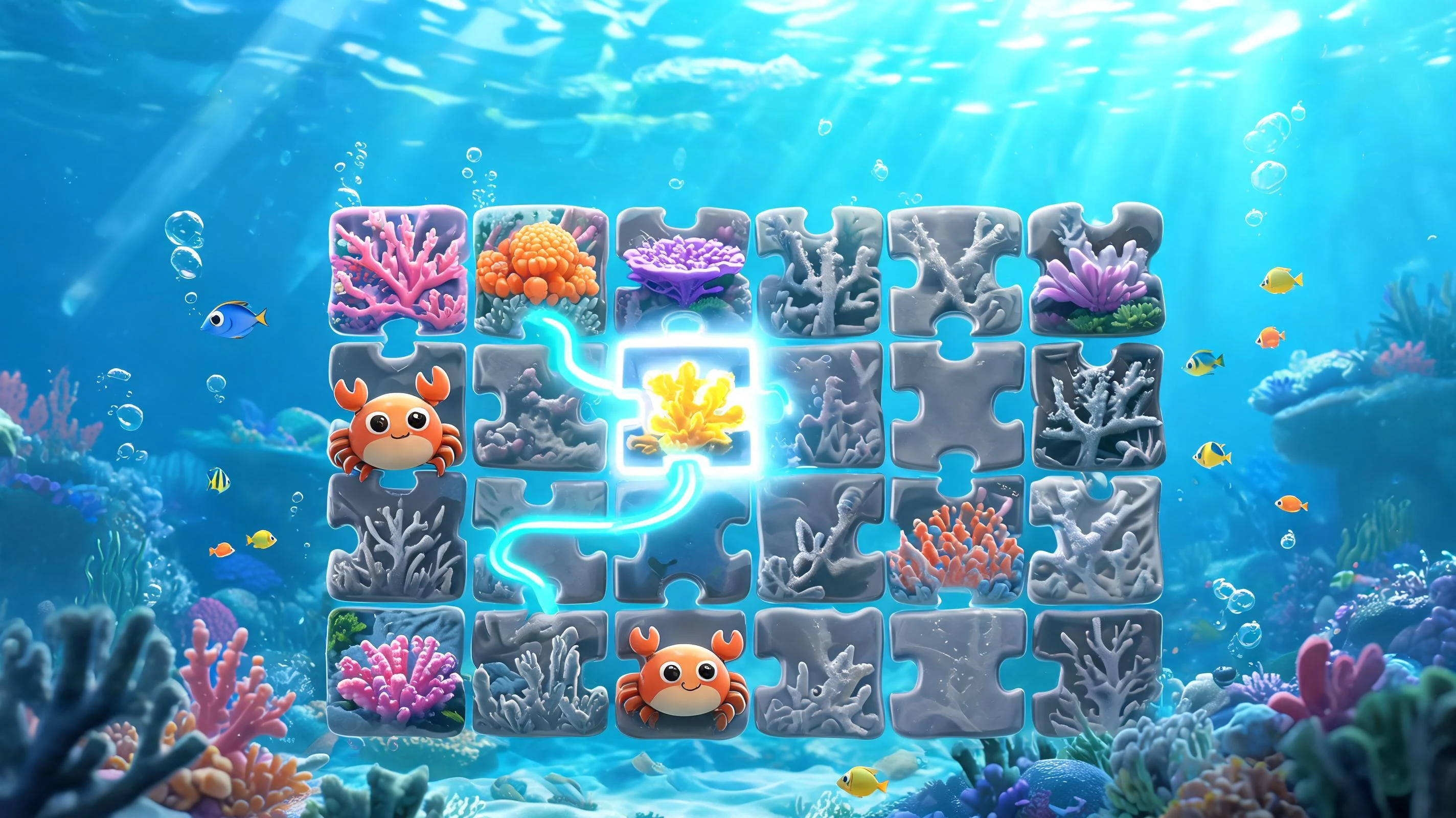
NewUnderwater Puzzle
Build an underwater puzzle: restore coral, dodge crabs.
 Unity
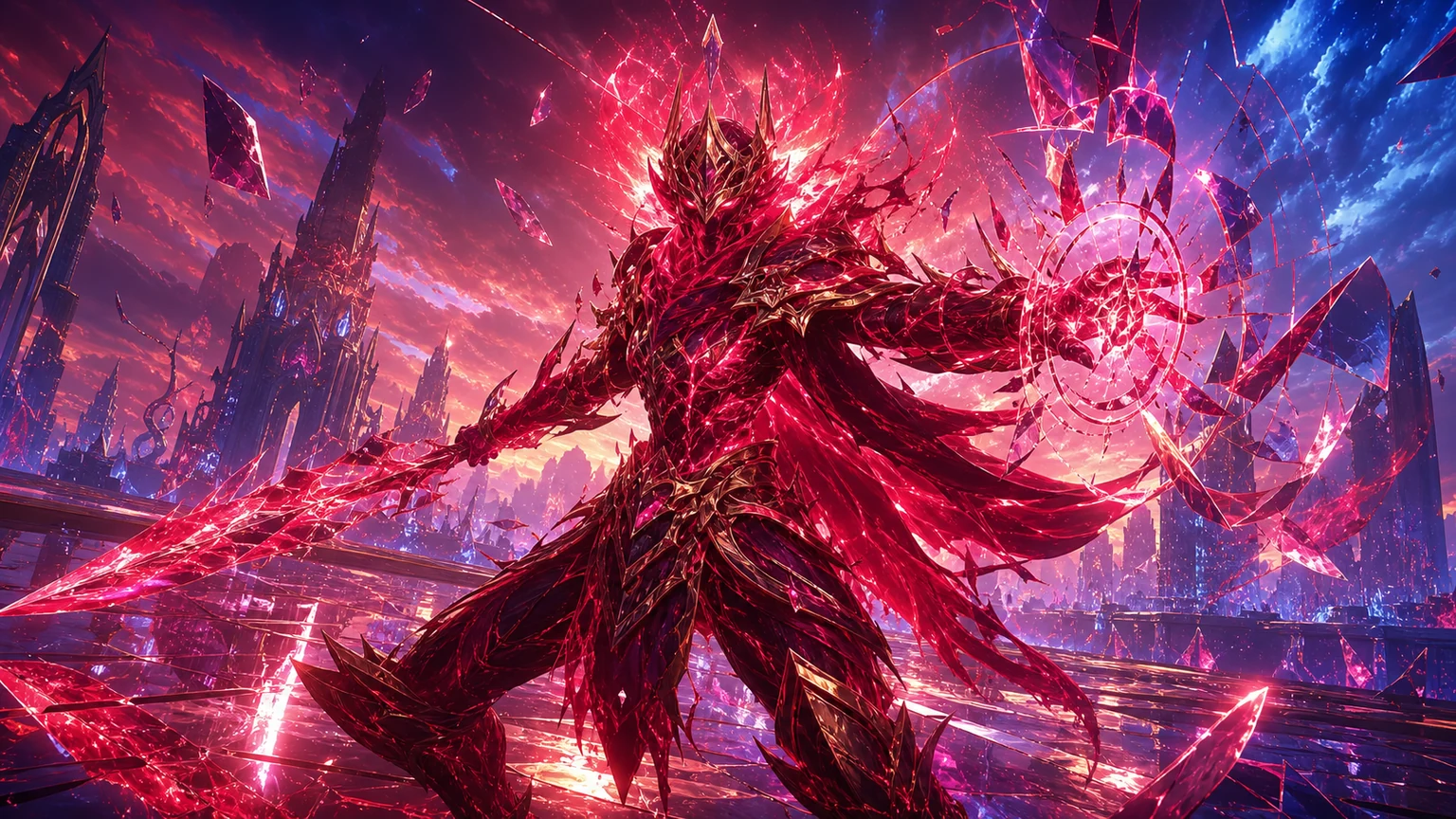
UnityCrimson Illusion Battle
Build a Unity fantasy battle through a crimson illusion realm.
 SEELE02 CORE
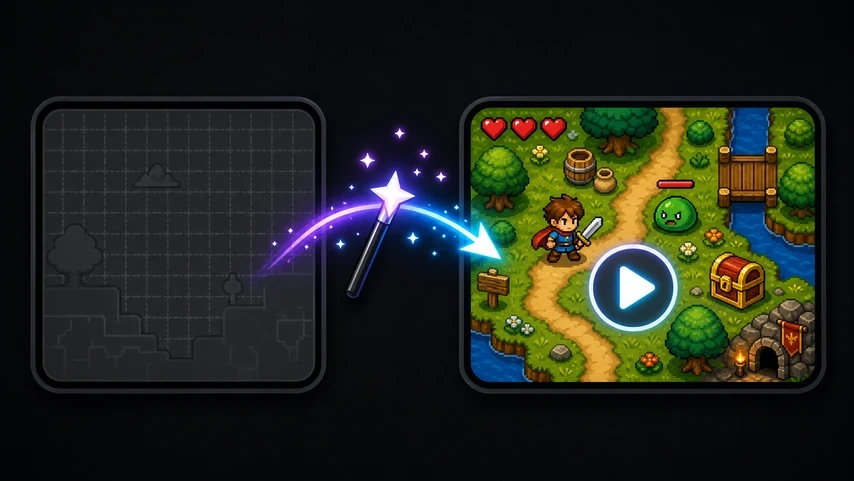
Game Generator
Turn a one-line idea into a playable game demo.
 Unity
UnityDesert Quickshot
Build a Unity quickdraw duel with streaks and rising heat.
 Unity
UnityCastle Devour Quest
Build a Unity castle quest with risky rooms and a win goal.
 Sandbox
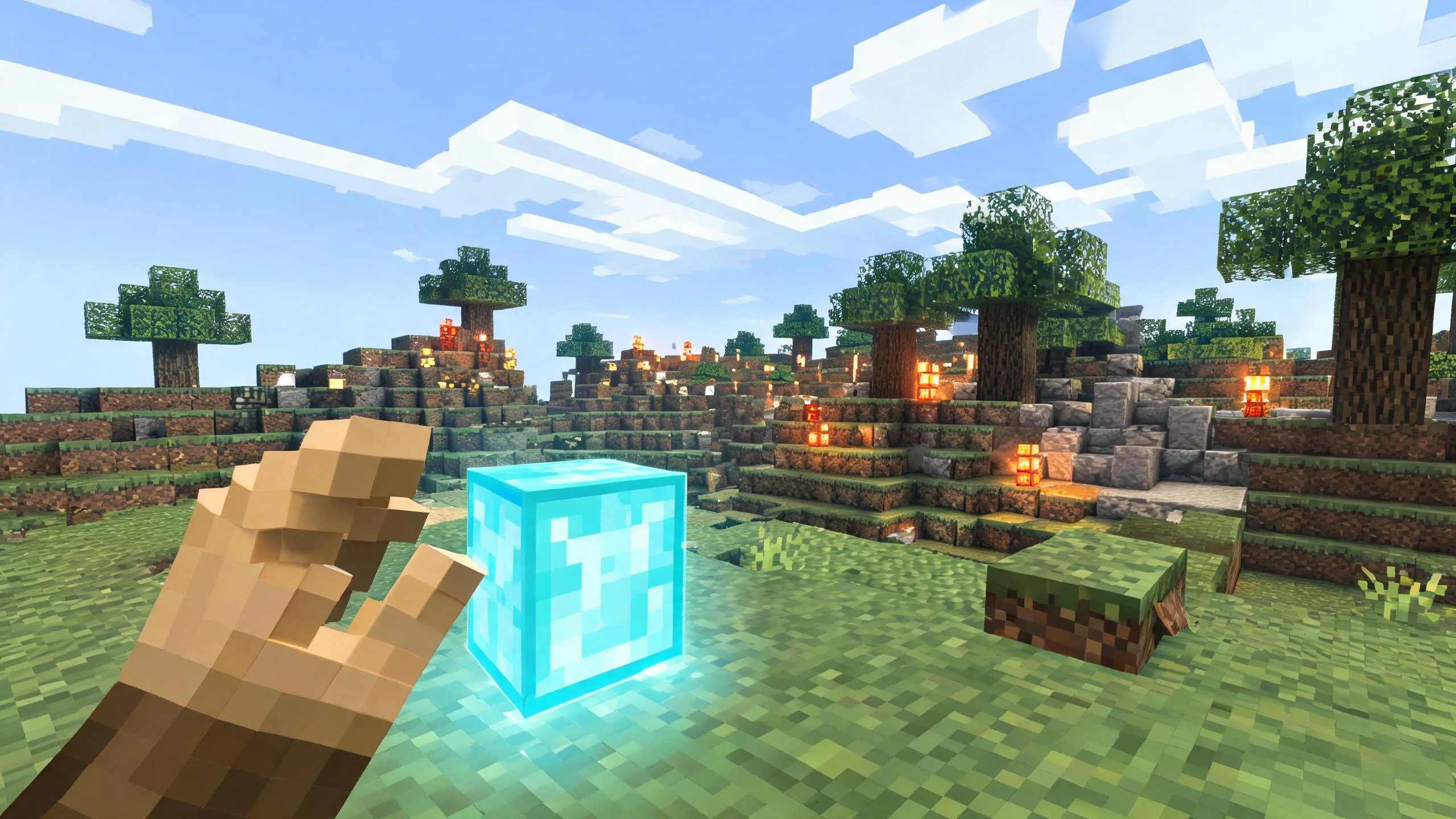
Voxel Sandbox Builder
Build a voxel sandbox for placing and breaking blocks freely.
New3D Block Puzzle
Build a 3D falling-block puzzle with rotations and row clears.
Subscriber onlyUnreal Mountain Tour
Tour a third-person Unreal world of mountains and water.
FPS3D FPS Game
Build a desert FPS with weapon switching and a retro HUD.
SurvivalSurvival Sandbox Arena
Build a survival arena with enemy waves and turret defense.
NewUnderwater Puzzle
Build an underwater puzzle: restore coral, dodge crabs.
UnityCrimson Illusion Battle
Build a Unity fantasy battle through a crimson illusion realm.
SEELE02 COREGame Generator
Turn a one-line idea into a playable game demo.
UnityDesert Quickshot
Build a Unity quickdraw duel with streaks and rising heat.
UnityCastle Devour Quest
Build a Unity castle quest with risky rooms and a win goal.
SandboxVoxel Sandbox Builder
Build a voxel sandbox for placing and breaking blocks freely.
Prompt
Games are fun. Creating them is even better.
Game Introduction
About Color Roll 3D
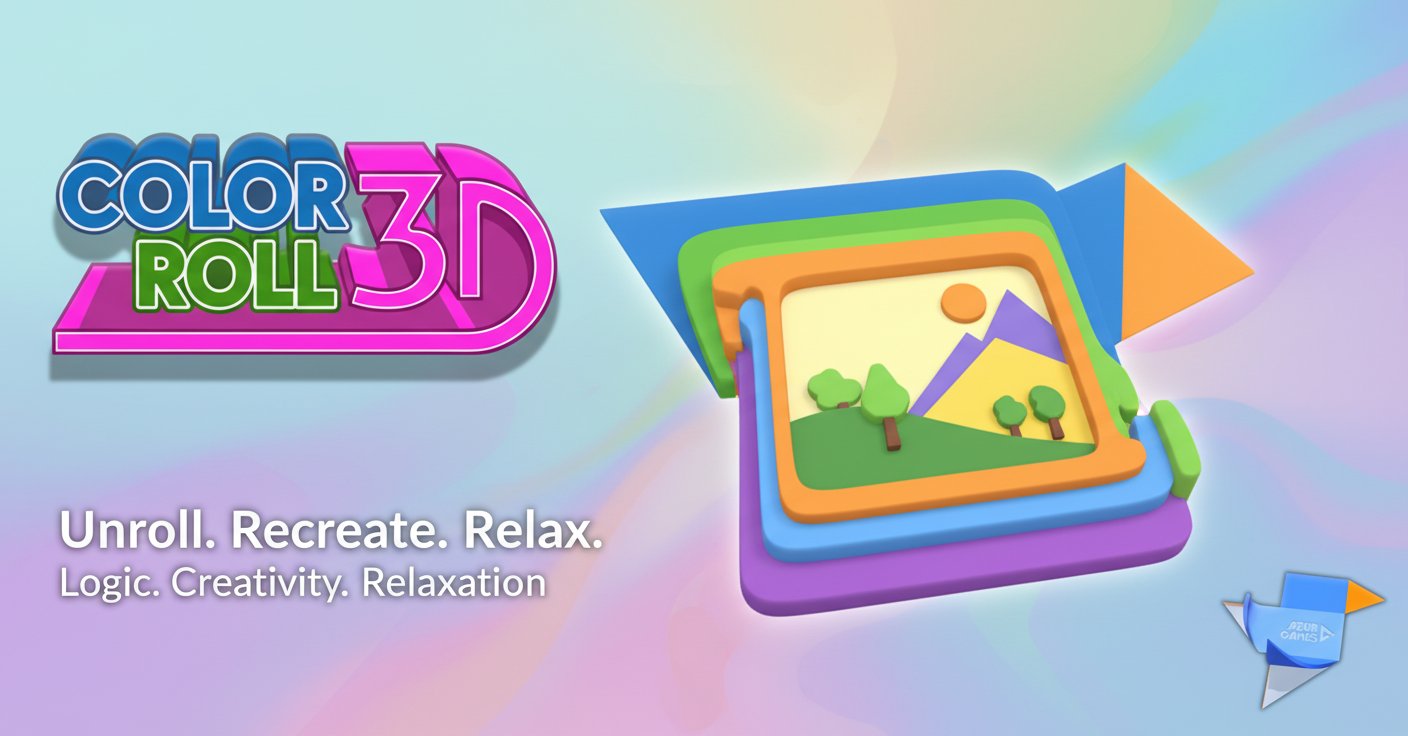
Color Roll 3D is a captivating puzzle color game that puts your logic and attention to detail to the test. This innovative brain-training experience challenges you to unroll colorful layers in the correct sequence to recreate intricate images on a blank canvas. With its smooth mechanics and satisfying visuals, the game offers the perfect blend of mental stimulation and relaxation.
The game features increasingly complex levels that start simple and gradually build up to challenging puzzles requiring careful planning and strategic thinking. Each level presents a unique image that you must recreate by rolling out colors layer by layer, making it an excellent choice for puzzle enthusiasts and casual gamers alike.
Core Features
Progressive Difficulty System
Color Roll 3D begins with simple patterns like crosses and basic shapes, then evolves into complex designs including heel shapes and paper airplanes. This graduated difficulty curve ensures players of all skill levels can enjoy the game while being appropriately challenged.
Relaxing ASMR Experience
The game incorporates soothing sound effects that create an ASMR-like experience. The satisfying audio of rolling colors combined with smooth visual animations makes every move feel rewarding and stress-relieving.
Mistake-Friendly Gameplay
Made an error? No problem! The game allows you to peel back layers and try again, encouraging experimentation and learning without frustration. This forgiving mechanic makes it perfect for players who want to enjoy puzzle-solving without pressure.
Brain Training Benefits
Every puzzle exercises your: - Logic and reasoning skills - Spatial awareness - Color recognition - Pattern matching abilities - Attention to detail
Game Mechanics
Layer-by-Layer Puzzle Solving
The core gameplay revolves around understanding how colors and shapes interact when layered. You must consider both the base colors and top layers, as the sequence of placement directly affects the final image outcome.
Strategic Color Placement
Success requires careful analysis of the target image. Players must identify which colors form the foundation and which create the details, then execute the unrolling sequence accordingly.
Visual and Shape Recognition
Beyond colors, the game challenges your ability to recognize complex shapes and understand how different geometric forms combine to create the final picture.
Operation Guide
Simple Mouse Controls
- Left Click : Click or tap any color roll to unroll it onto the canvas
- Undo Function : Click or tap on already unrolled sections to revert previous moves
- Strategic Planning : Study the target image before making moves for optimal results
Gameplay Strategy Tips
- Analyze First : Always examine the target image carefully before starting
- Work Bottom-Up : Generally, base layers should be placed before detail layers
- Use Trial and Error : Don't hesitate to undo moves and try different approaches
- Pay Attention to Overlaps : Understand how colors blend and overlap in the final image
Why Play Color Roll 3D
Perfect for All Ages
Color Roll 3D is designed to be appropriate for children and adults alike. The colorful imagery and creative gameplay promote artistic thinking while the logical challenges enhance problem-solving skills.
Completely Free Experience
Enjoy the full game experience without any cost. No downloads required - play directly in your browser with instant access to all levels and features.
Cross-Platform Compatibility
Whether you're on a computer, tablet, or smartphone, Color Roll 3D works seamlessly across all devices. The intuitive touch and mouse controls adapt perfectly to your preferred gaming platform.
Stress Relief and Mental Wellness
The combination of logical thinking and satisfying visual/audio feedback makes this game an excellent choice for stress relief and mental relaxation. It's perfect for short breaks or longer gaming sessions.
Educational Value
Beyond entertainment, Color Roll 3D helps develop: - Critical thinking skills - Color theory understanding - Spatial reasoning - Patience and persistence - Creative problem-solving