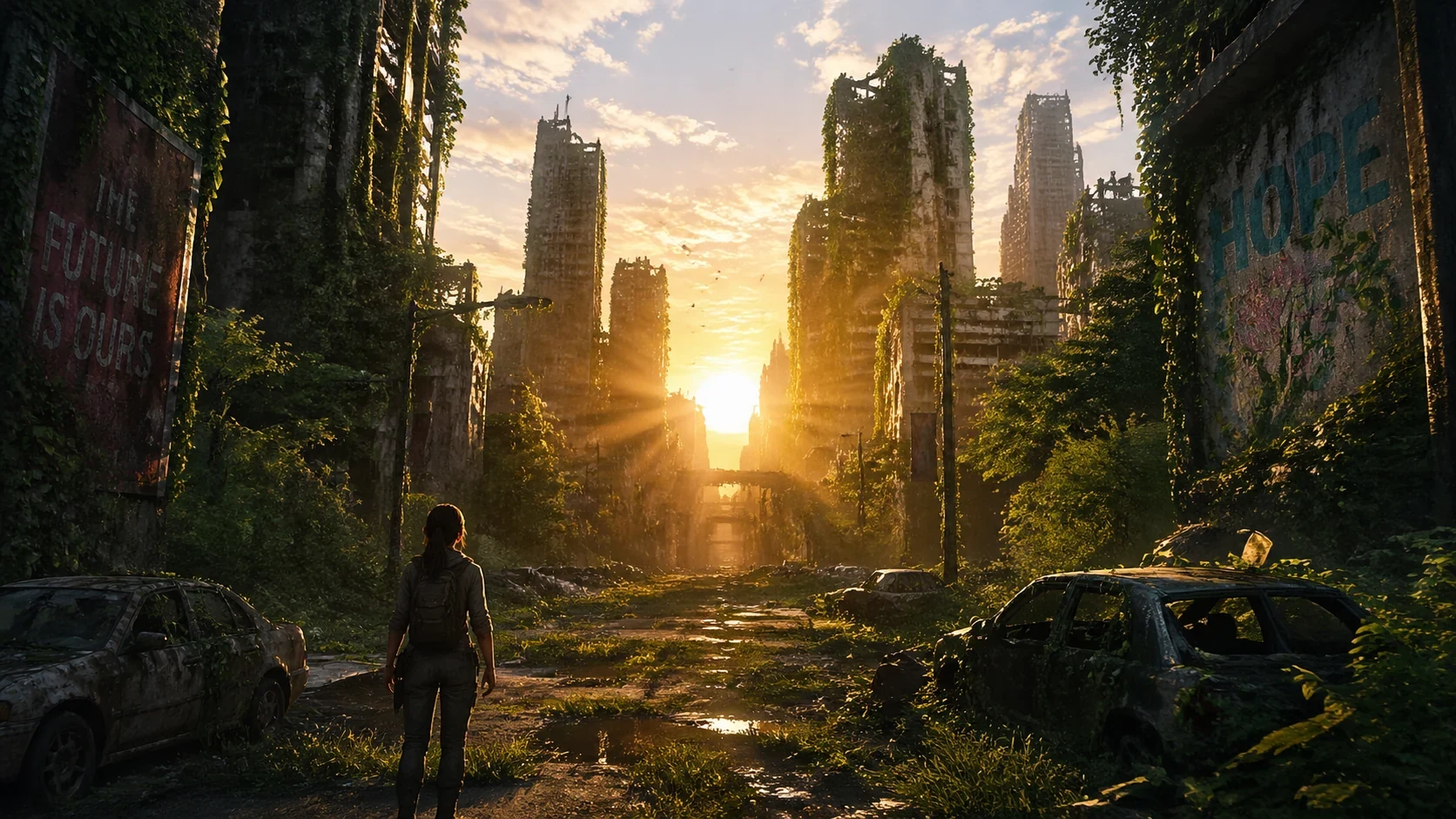
Prompt
Generate biome concept art for an original indie game, clear readable silhouette, production concept art, dramatic but usable lighting, no logos, no text, no watermark.
Create this look
Explore distinct biome moods, terrain shapes, color palettes, and traversal-ready environmental storytelling. Use these prompts for fictional, original game worlds and avoid protected franchises, logos, or recognizable characters.
Generate biome concept art for an original indie game, clear readable silhouette, production concept art, dramatic but usable lighting, no logos, no text, no watermark.
Create this lookCreate a biome concept art mood board image with game-ready composition, strong foreground and background separation, coherent color palette, polished fantasy and sci-fi art direction.
Create this look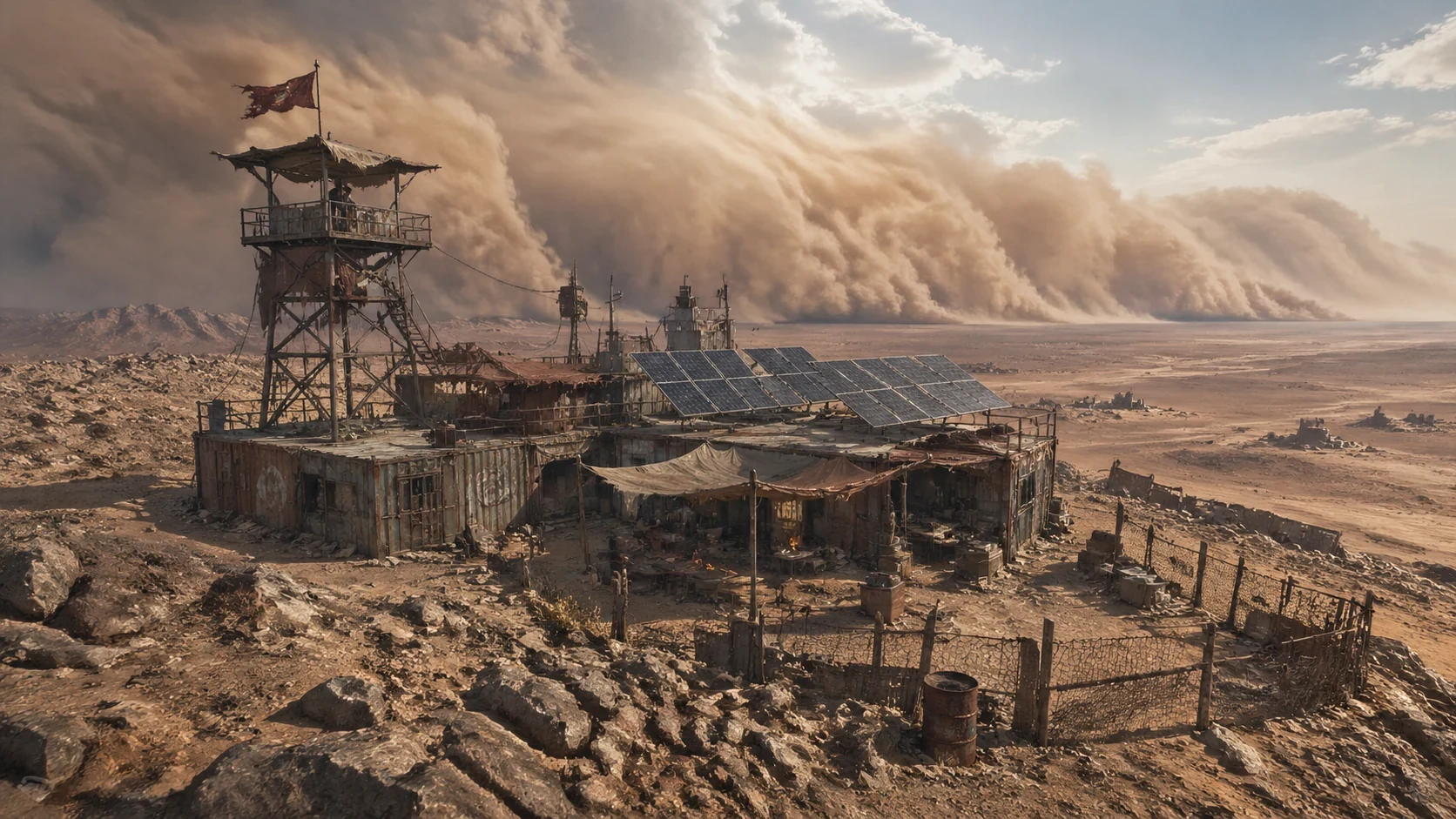
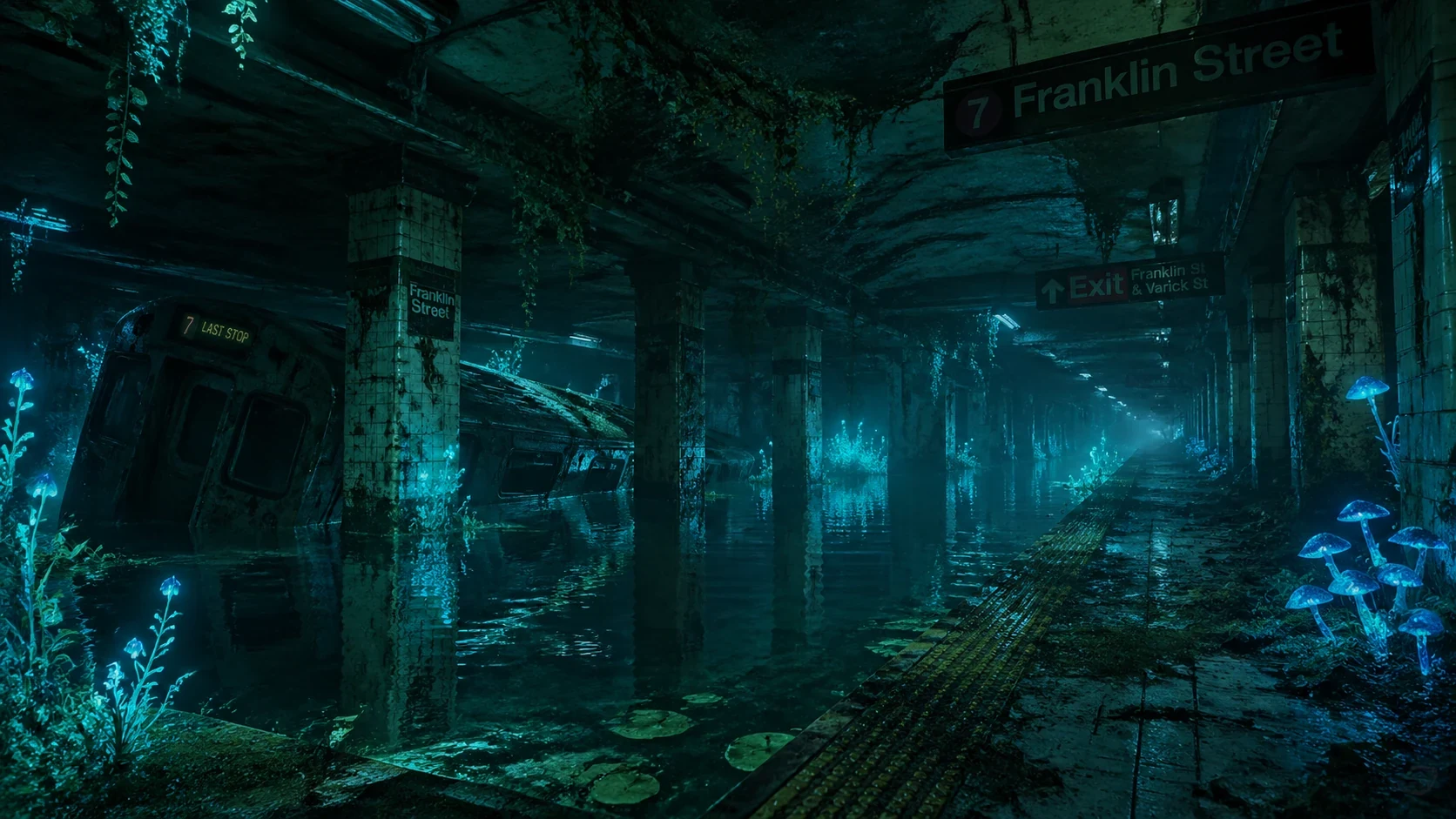
Design a biome concept art reference image for a game developer brief, modular details, clean shapes, atmospheric depth, professional concept art style, no franchise references.
Create this lookPrompt workflow
Use this page as a starting point for a focused biome concept art visual. A strong prompt names the subject first, then gives the image model enough direction about composition, style, lighting, and what to leave out.
Describe the person, object, scene, or visual motif before adding decoration.
Add the crop, viewpoint, layout, depth, and the area that should attract attention.
Use concrete references such as editorial, cinematic, flat graphic, soft light, or rim light.
Specify exclusions such as text, logos, watermarks, unwanted likenesses, or extra objects.
Prompt formula
Keep the first version specific but editable. Start with the visual idea on this page, then change one variable at a time so the result is easier to compare and refine.
It turns a game art direction into ready-to-run image prompts for biome concept art, including subject, style, composition, lighting, and production constraints.
Yes. Use the generated directions for concept exploration, pitch boards, asset briefs, thumbnails, and internal art references before final production review.
Describe the game genre, camera angle, material language, silhouette, color palette, lighting, and how the image will be used in the project.
Yes. Add terms such as isometric, pixel art, cinematic key art, top-down map, mobile UI, readable silhouette, rim lighting, or modular prop sheet.
No. Keep prompts original, fictional, and unaffiliated with existing franchises, brands, studios, characters, logos, or protected artwork.
Open Seele AI workspace, start from a prompt, and keep iterating the visual direction until it feels ready to use.
 Alien Planet Biome Concept Art AI Image Generator | SEELE AICreate unique alien planet biome concept art visuals for games with SEELE AI. Generate production-ready concepts, iterate on style, and export assets for your project.View prompt →
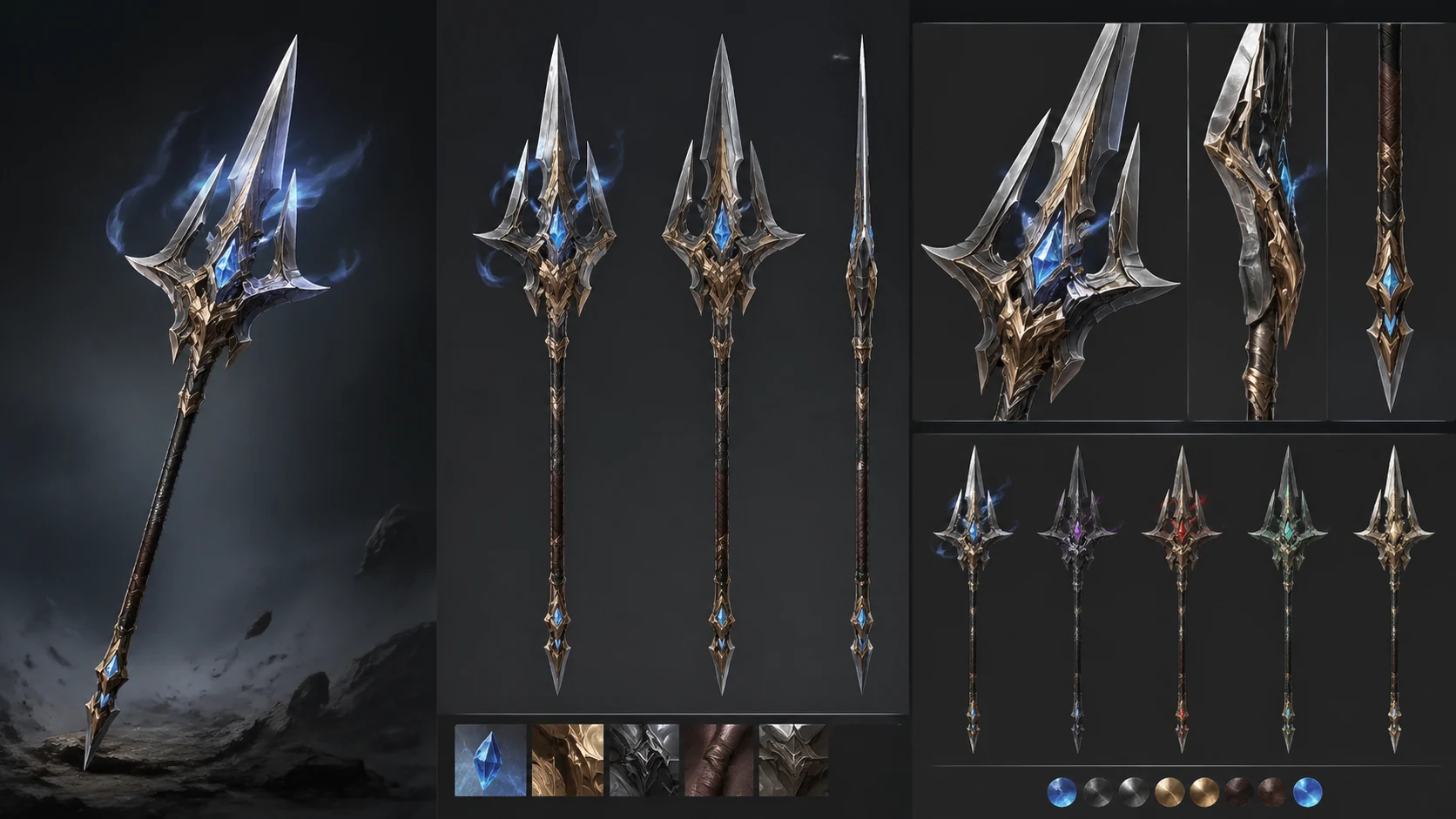 Fantasy Weapon Concept Art AI Image GeneratorCreate fantasy weapon concept art with Seele AI's free image generator. Explore starter prompts, visual directions, FAQs, and workspace handoff for Game artisView prompt →
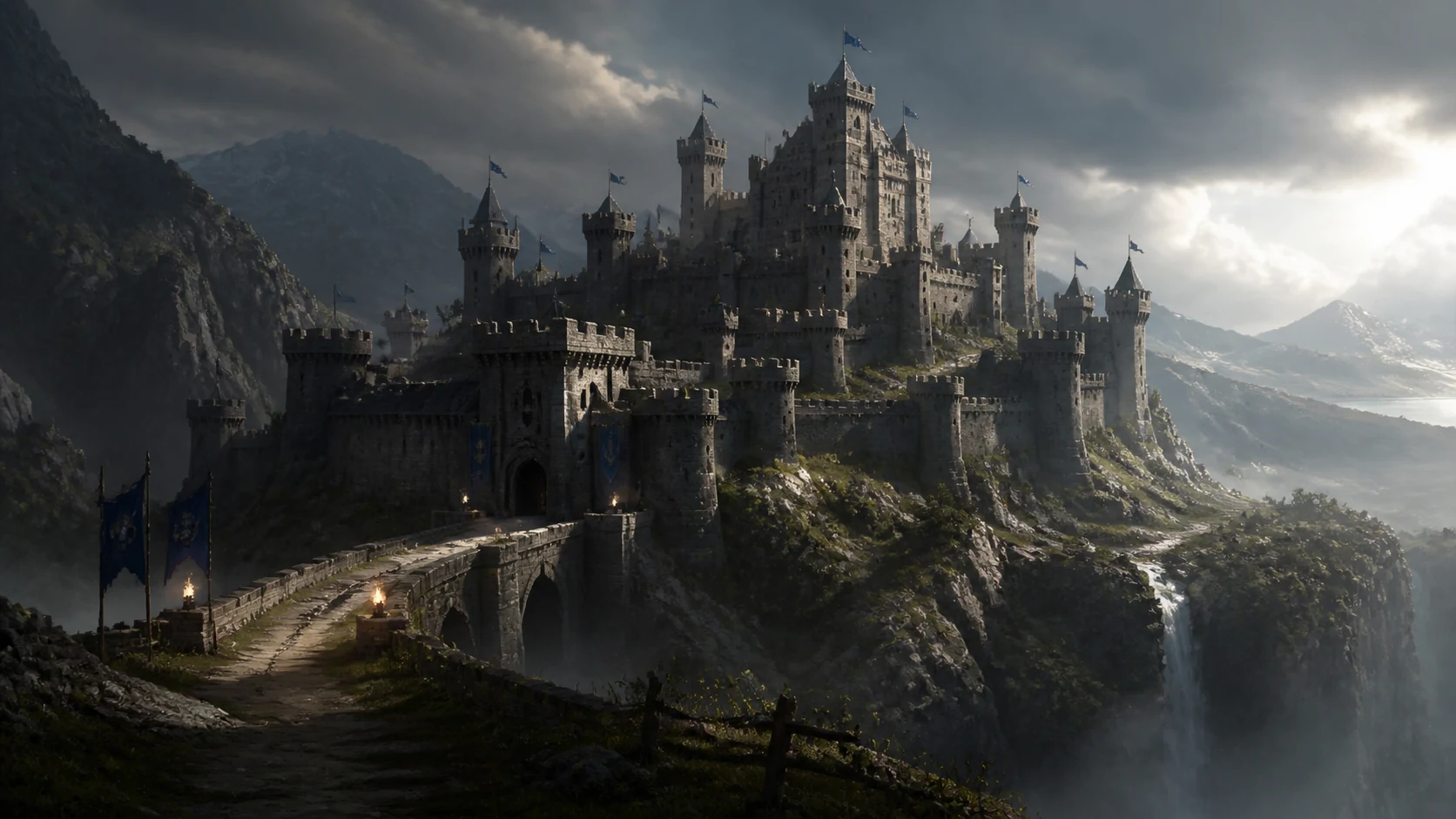 Medieval Castle Concept Art AI Image GeneratorCreate Medieval Castle Concept Art with Seele AI's free image generator. Explore prompt ideas, visual styles, and fast image creation.View prompt →
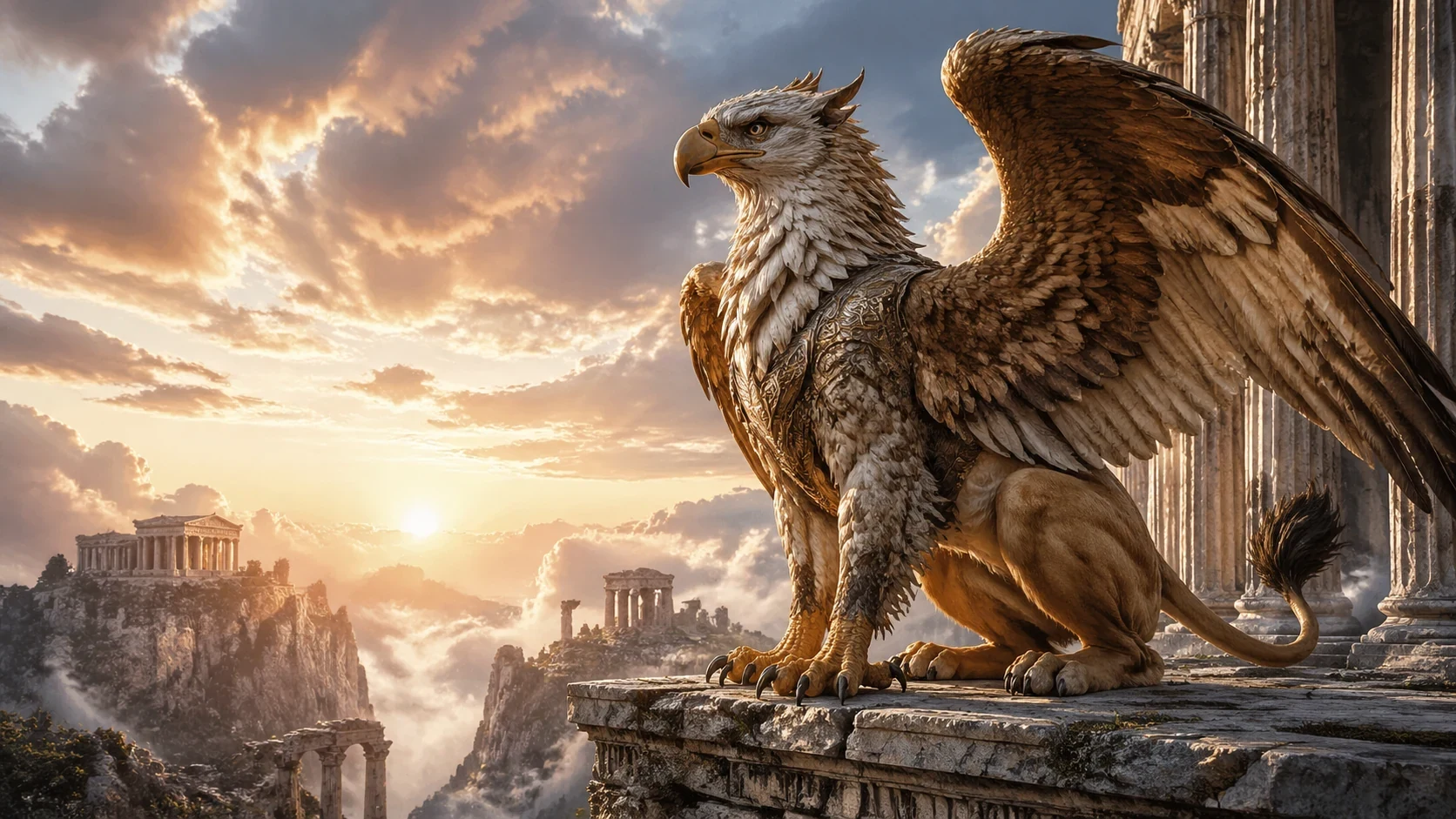 Monster Concept Art AI Image GeneratorUse a free image generator to create monster concept art prompts with style, lighting, composition, and game-ready art direction.View prompt →
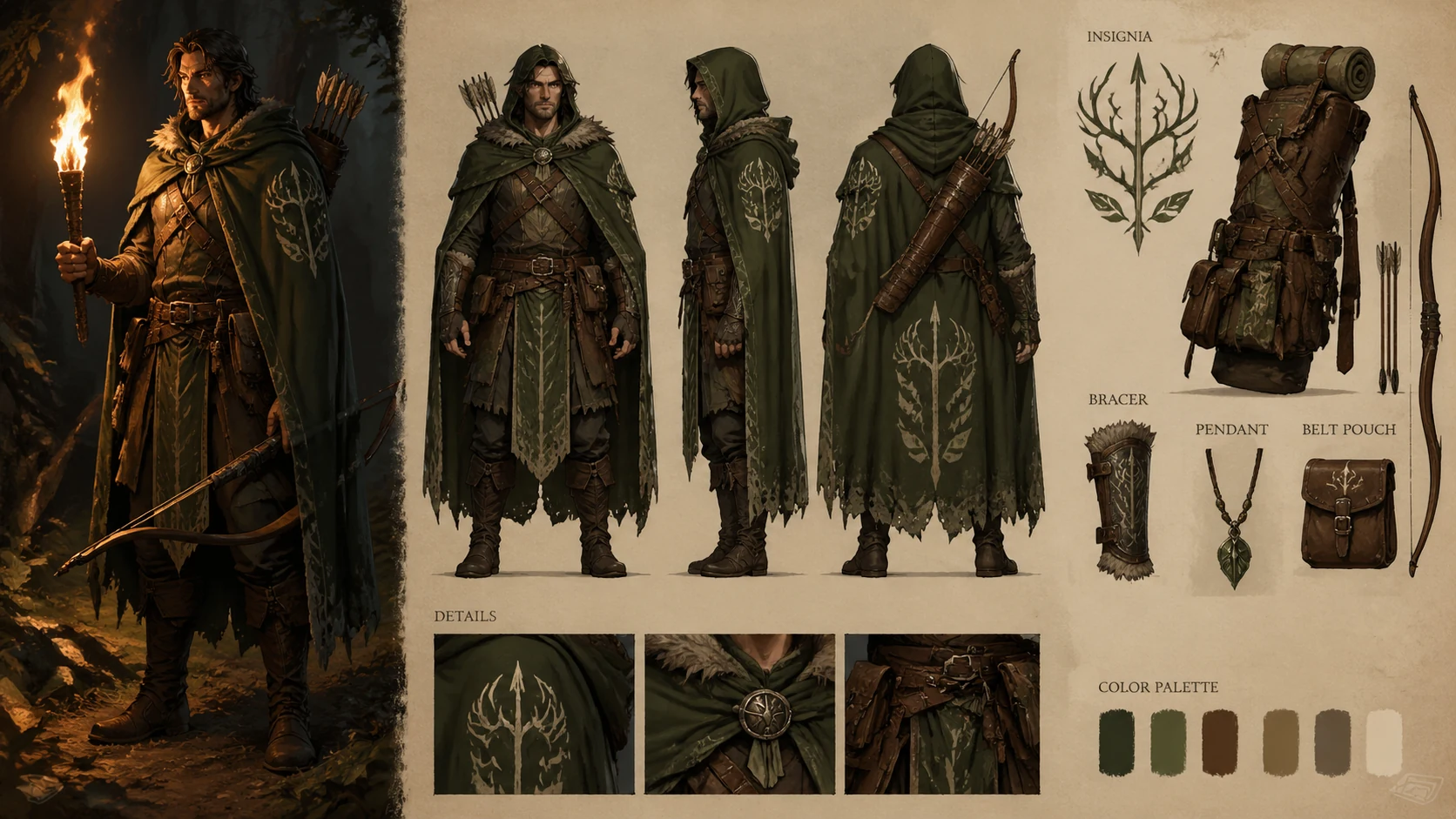 Tabletop RPG Character Concept Art AI Image GeneratorCreate Tabletop RPG Character Concept Art with Seele AI's free image generator. Explore prompt ideas, visual styles, and fast image creation.View prompt →
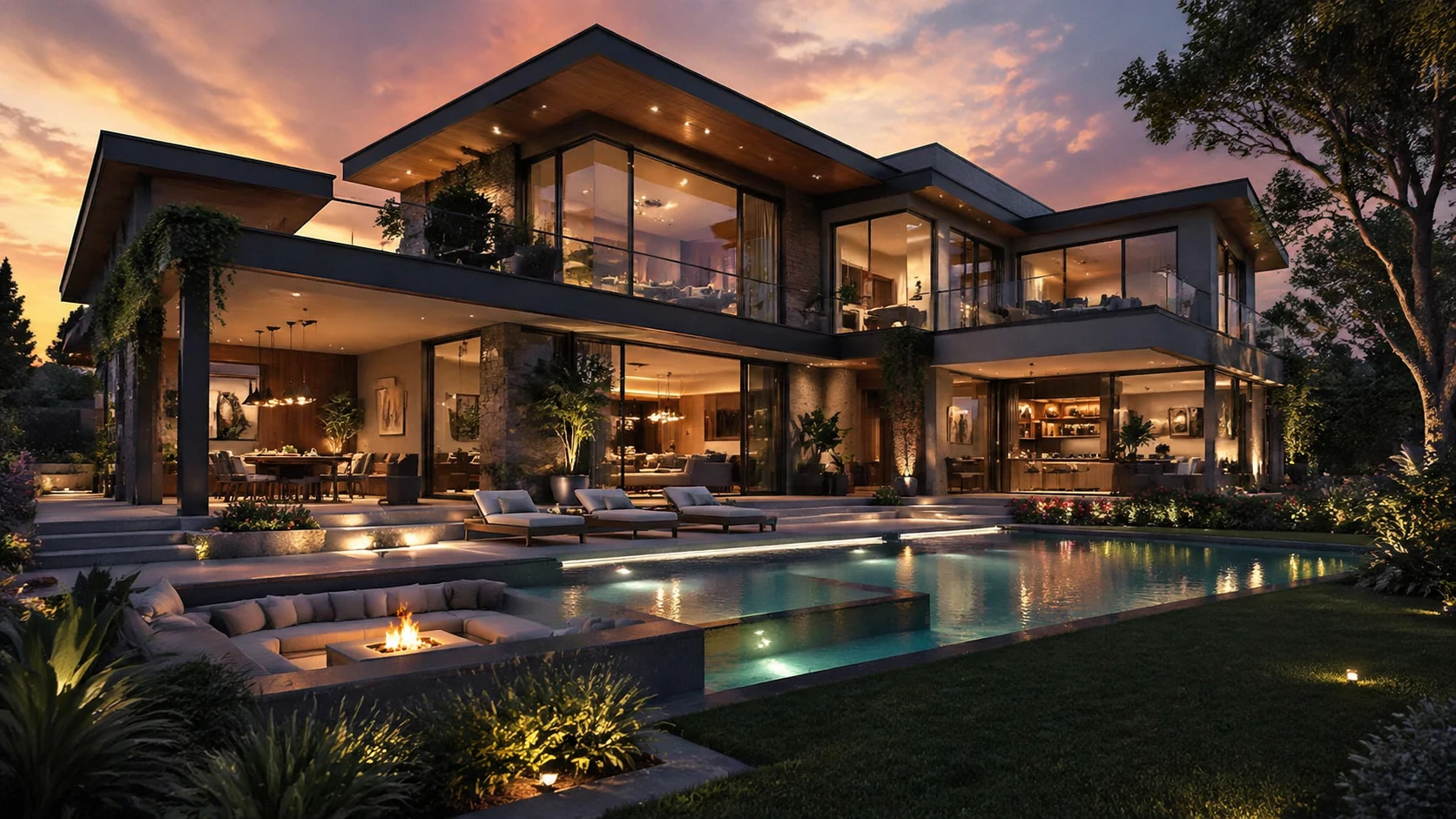 Dream House Concept Art AI Image GeneratorUse a free image generator to create unofficial dream house concept art visuals with generic football styling, fictional teams, and no official marks.View prompt →