Skip to content
SEELE

Seele AI · Tool

Convertir una imagen en modelo 3D con IA

Responder qué puede y qué no puede inferirse de una sola imagen al convertirla en un activo 3D, y cómo validar escala, geometría y texturas.

Intent → iteration → handoff
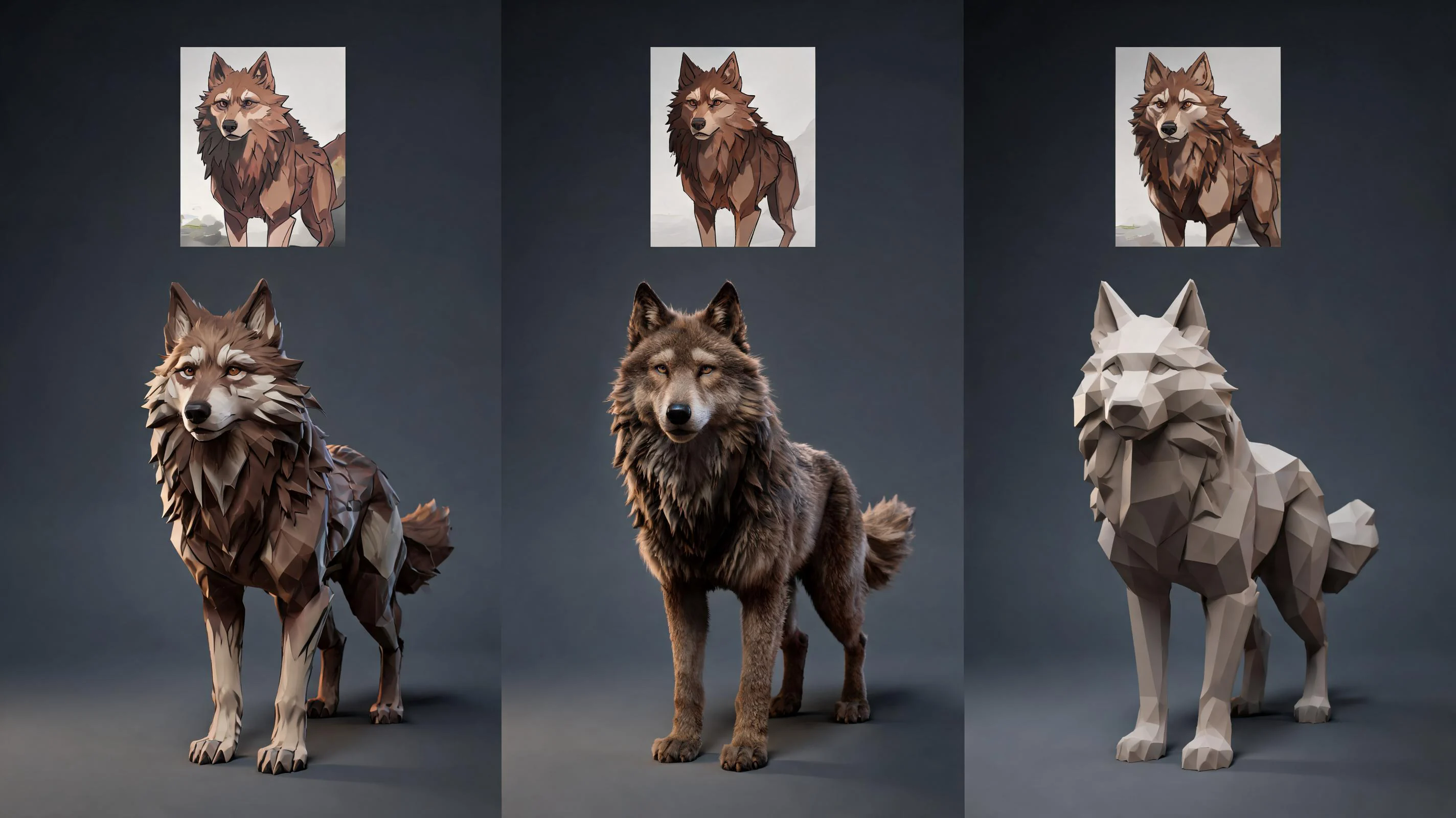
Convertir una imagen en modelo 3D con IA — cover visual evidence

The working loop

From Idea To Result

01

Describe The Goal

Write a focused prompt. Seele interprets the request.

Outcome
A structured brief.
02

Generate A Draft

Run the prompt. Seele creates an editable result.

Outcome
A working first draft.
03

Review And Refine

Adjust details. Seele applies the changes.

Outcome
A refined result.

What leaves the page

What You Get

Structured Prompt

A reusable creation brief.

Editable Result

A result ready for iteration.

Review Checklist

Clear points for human review.

Fit and limits

Best For And What Still Needs Review

Best for

  • Fast concept exploration
  • Editable first drafts
  • Prompt-led iteration

Still needs human review

  • Factual claims
  • Brand and legal review
  • Final production quality

Before you start

FAQ

¿Cómo usar Convertir una imagen en modelo 3D con IA?

Start with a clear source, review the generated or converted asset, and export only after checking the format and project requirements.

What formats should I review?

Review the format required by the target engine or DCC workflow, along with scale, geometry, materials, and animation data where applicable.

Can I use the result in a game workflow?

Yes. Validate the asset in the target project before handoff so the team can catch compatibility or quality issues early.

Next move

Start creating with Convertir una imagen en modelo 3D con IA

Turn a concrete tool need into a clearer prompt and next step inside Seele AI.

Open Workspace

Imagen a 3D: convertir una foto en modelo

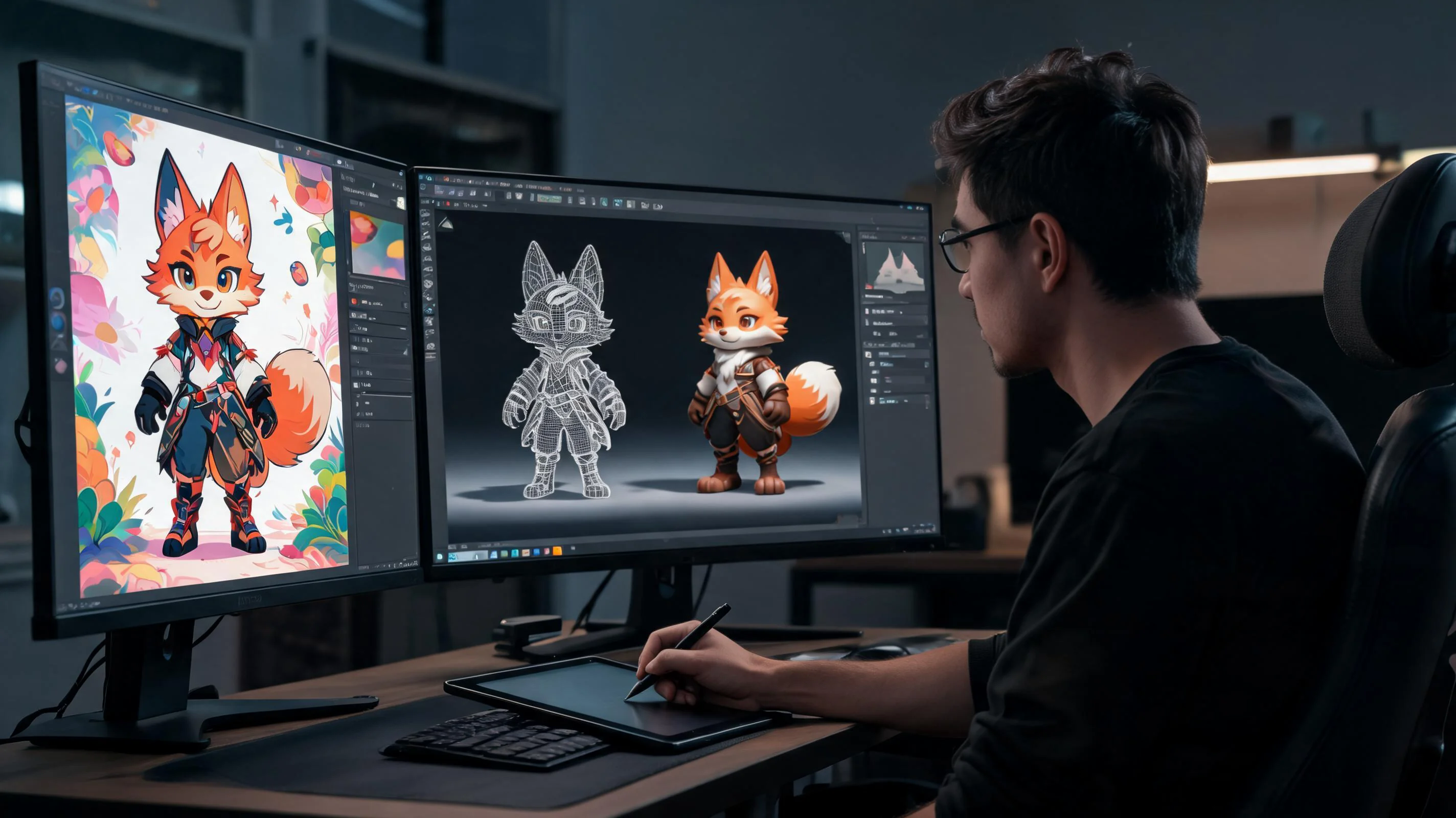
Un flujo de image-to-3D usa una imagen o foto como referencia para crear un modelo 3D inicial. Para convertir una imagen en un modelo 3D con IA, utiliza una vista clara del objeto y describe el resultado esperado; una sola imagen no revela automáticamente la parte posterior, la escala real ni todos los detalles de la geometría.

Antes de usar el modelo, revisa la malla, las proporciones, las texturas, las UV y el formato de exportación. La conversión de imagen a 3D es un punto de partida para iterar: valida el asset en el visor, motor o herramienta DCC de destino y corrige los elementos que no puedan inferirse con seguridad.