
Seele AI · Game Background Music
AI Game Music Generator for Playable Worlds
Explore a usable background-music direction around a game scene or loop. Seele AI helps connect a concise mood brief with an interactive creation workflow.
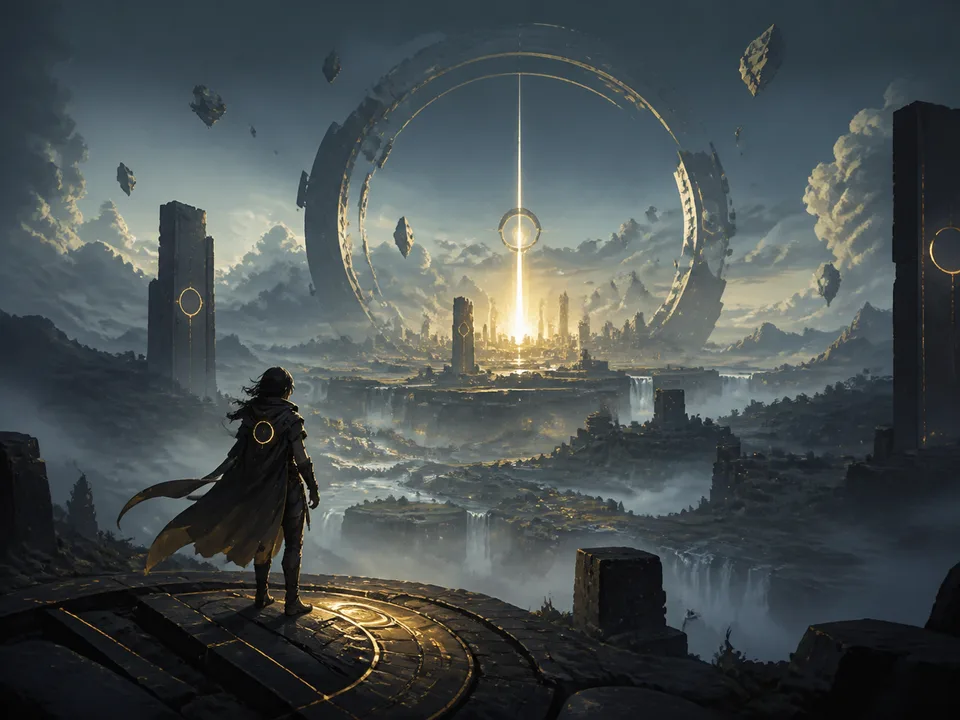
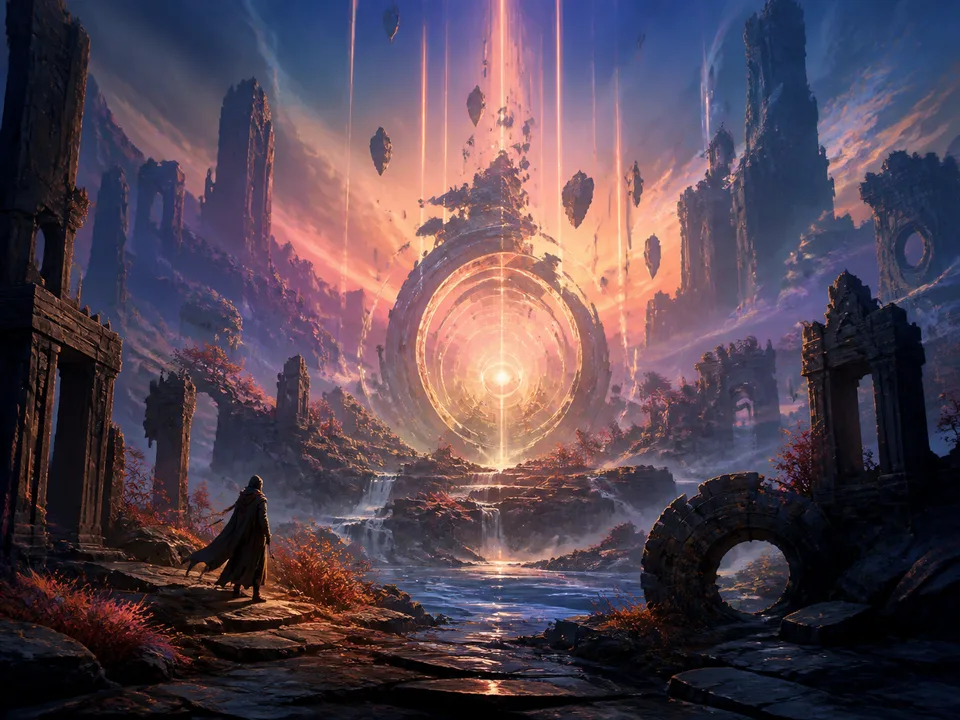
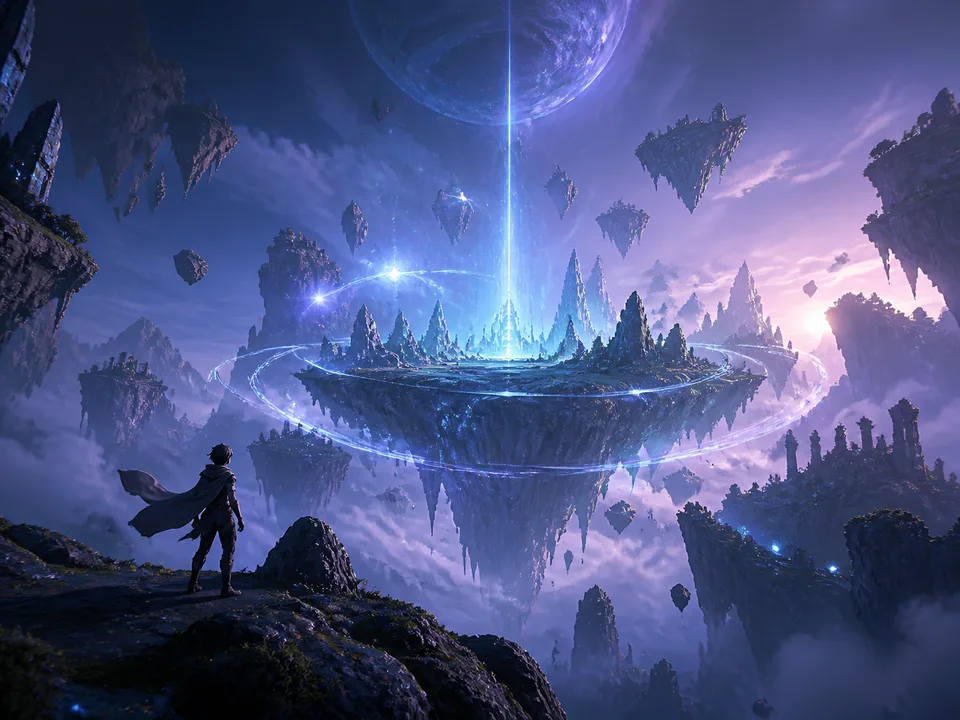
Visible result
Give the game a musical direction while the world is still changing
A clear mood, pace, and scene reference makes it easier to evaluate whether the music supports the player moment you want to create.
Built for the next decision
Give the game a musical direction while the world is still changing
Keep this part of the game background music workflow specific enough to review.
Keep this part of the game background music workflow specific enough to review.
Keep this part of the game background music workflow specific enough to review.
Independent signals
Trust is part of the build.
Choose a workflow
Use AI game music generator around a job that matters
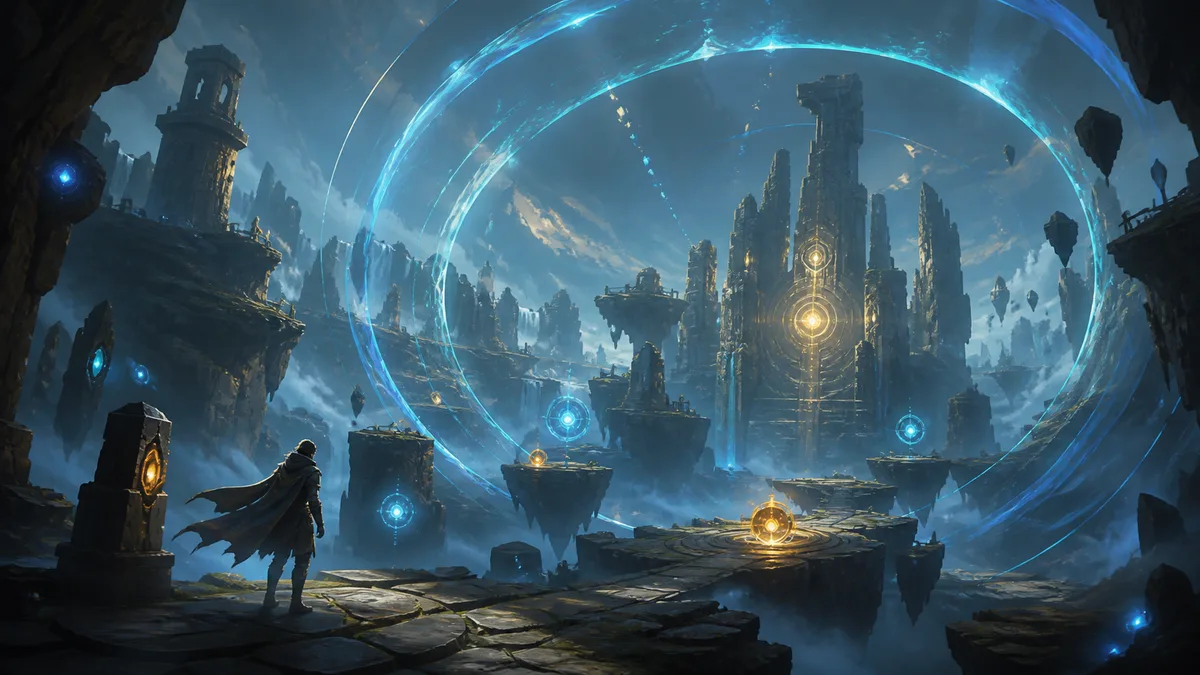
Find a loop direction for a prototype
Use a narrow brief to find a loop direction for a prototype while the important decision is still easy to change.
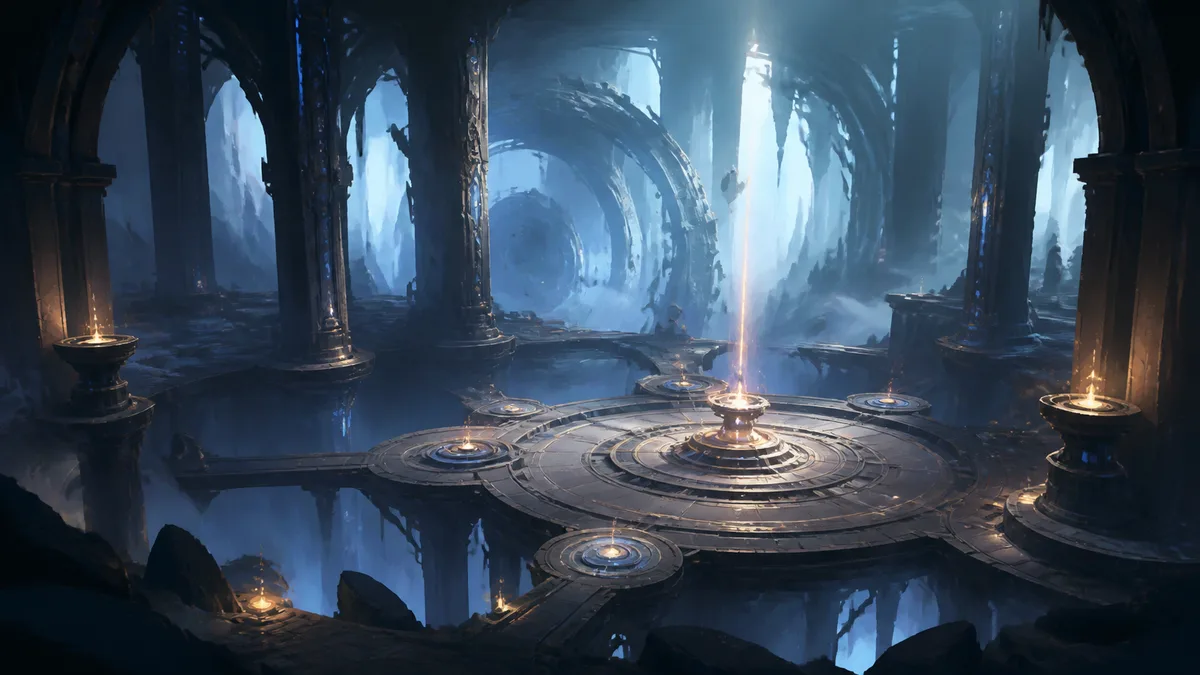
Sketch a trailer or menu atmosphere
Use a narrow brief to sketch a trailer or menu atmosphere while the important decision is still easy to change.
From brief to next step
A clearer path through game background music
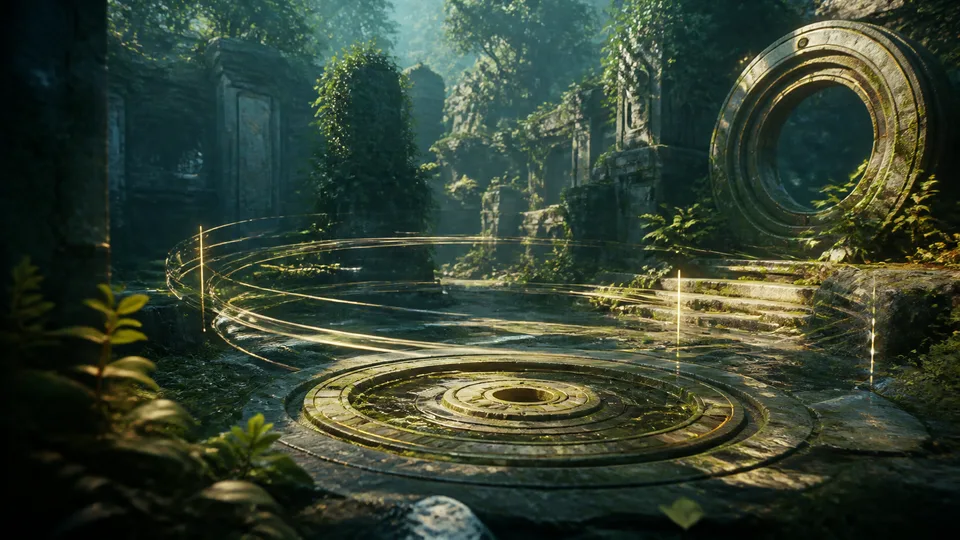
Describe mood, pace, and context
Make describe mood, pace, and context part of a reviewable game background music workflow.
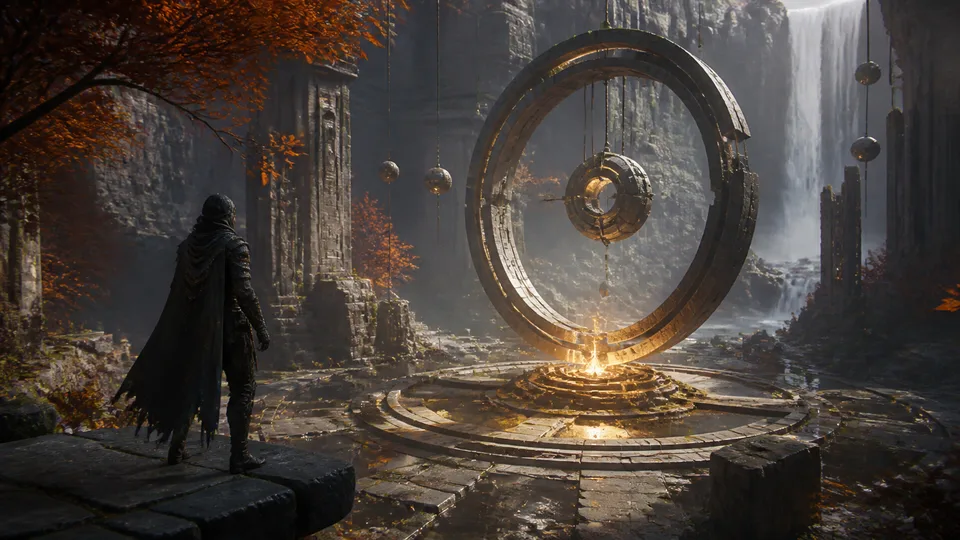
Explore contrasting musical directions
Make explore contrasting musical directions part of a reviewable game background music workflow.
Keep the selected mood tied to the scene
Make keep the selected mood tied to the scene part of a reviewable game background music workflow.
Game Background Music FAQ
Questions before you start
What is an AI game music generator?
An AI game music generator is a workflow for AI game music generation that turns a focused brief into a direction you can review. It is most useful when the goal is specific and the first result answers a practical creative question about game background music. The result remains a starting direction and needs human review for quality, rights, safety, and final implementation.
How does an AI game music generator workflow work?
Start with the intended result, audience, and constraints, then review the first direction against the next step. For this topic, describe the player or viewer job, the scene context, and the detail that needs to be judged before refining the result. A first direction still needs deliberate iteration and review before it becomes production output.
What do I need to start with an AI game music generator?
You need a clear brief, a defined intended use, and one decision the first result should help you make. Include the important subject, mood, format or workflow context, and any boundaries that protect originality and usability for game background music. Vague prompts and oversized scopes make the first result harder to evaluate.
Who can use an AI game music generator?
Indie creators, small teams, and early-stage game makers can use it to explore game background music before committing to a larger build. The strongest use case is a focused job such as find a loop direction for a prototype or sketch a trailer or menu atmosphere. Complex production pipelines should be broken into smaller, reviewable steps.
What are the limits of an AI game music generator?
An AI game music generator produces a reviewable starting direction, not a guarantee of finished production quality. Use the result to decide whether explore a usable background-music direction around a game scene or loop is worth a deeper pass, then check quality, rights, safety, compatibility, and human ownership. Human review remains required for final assets, publishing decisions, and any rights-sensitive material.
How do I get started with an AI game music generator?
Open the Seele AI workspace and describe the smallest version of the result you want to review. Name the subject, intended use, desired outcome, and the one detail you want the first pass to make visible for game background music. Keep the first brief narrow enough that the next iteration follows from an observed result.
From idea to first result
Start building with Seele AI
Turn your idea into an interactive experience you can test and improve.