
Seele AI · Focused prototype production
Use a game mechanic combiner to build one readable combat loop
Turn disconnected elemental ideas into an original prototype where every reaction creates a visible consequence, tradeoff, and tactical follow-up.
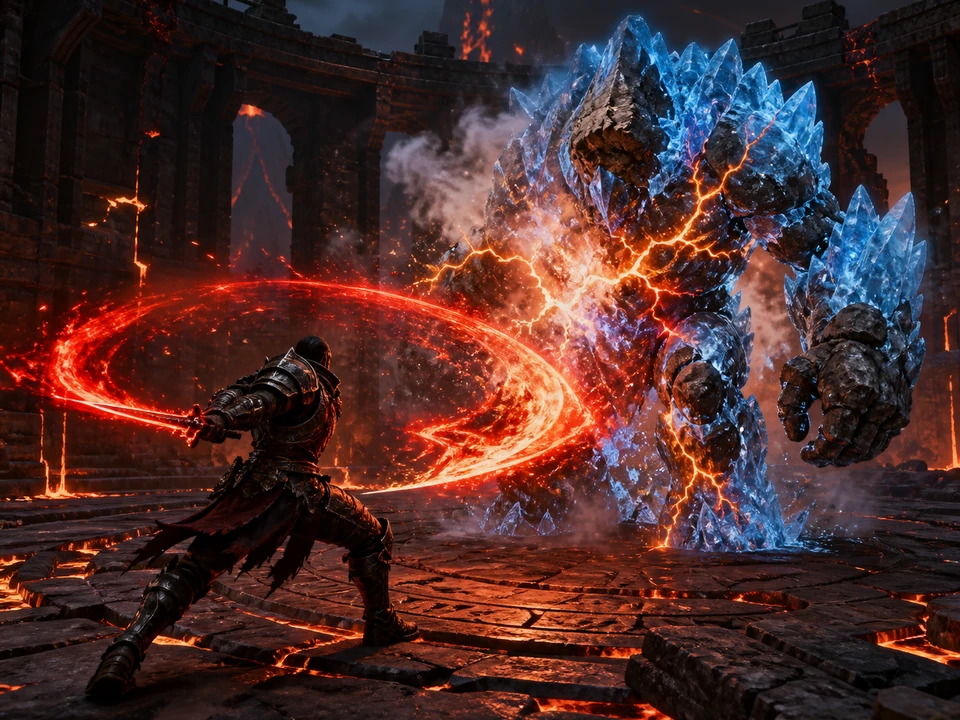
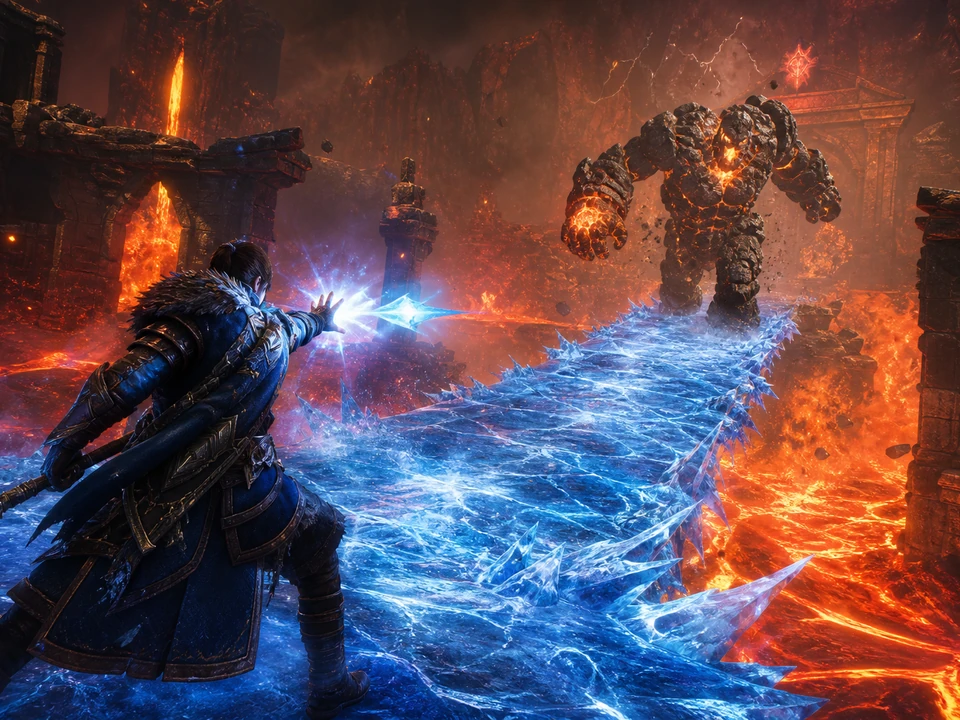
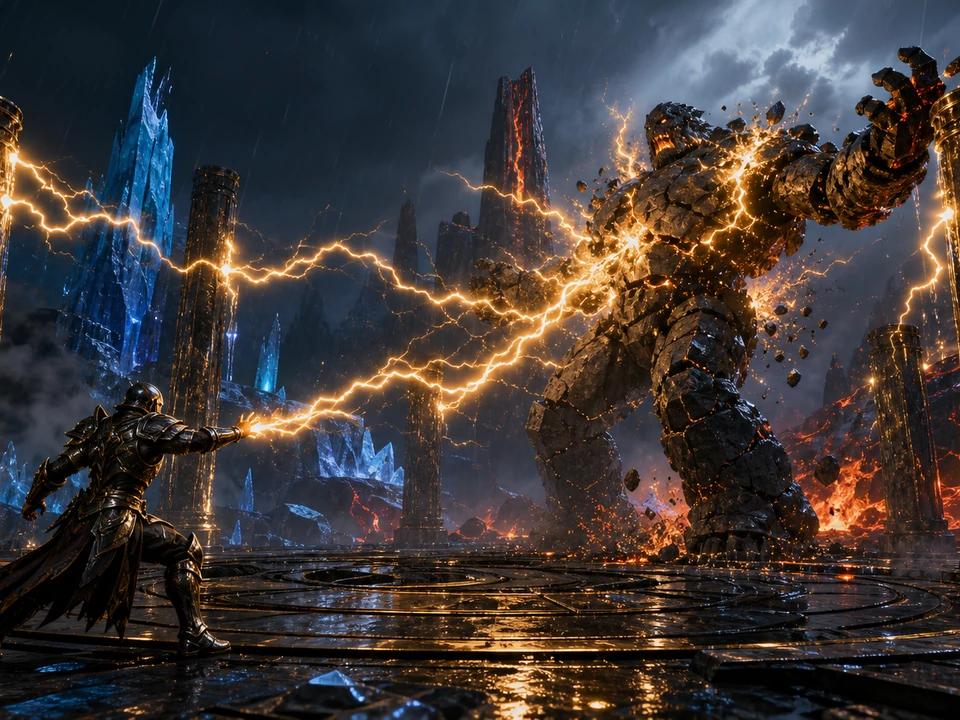
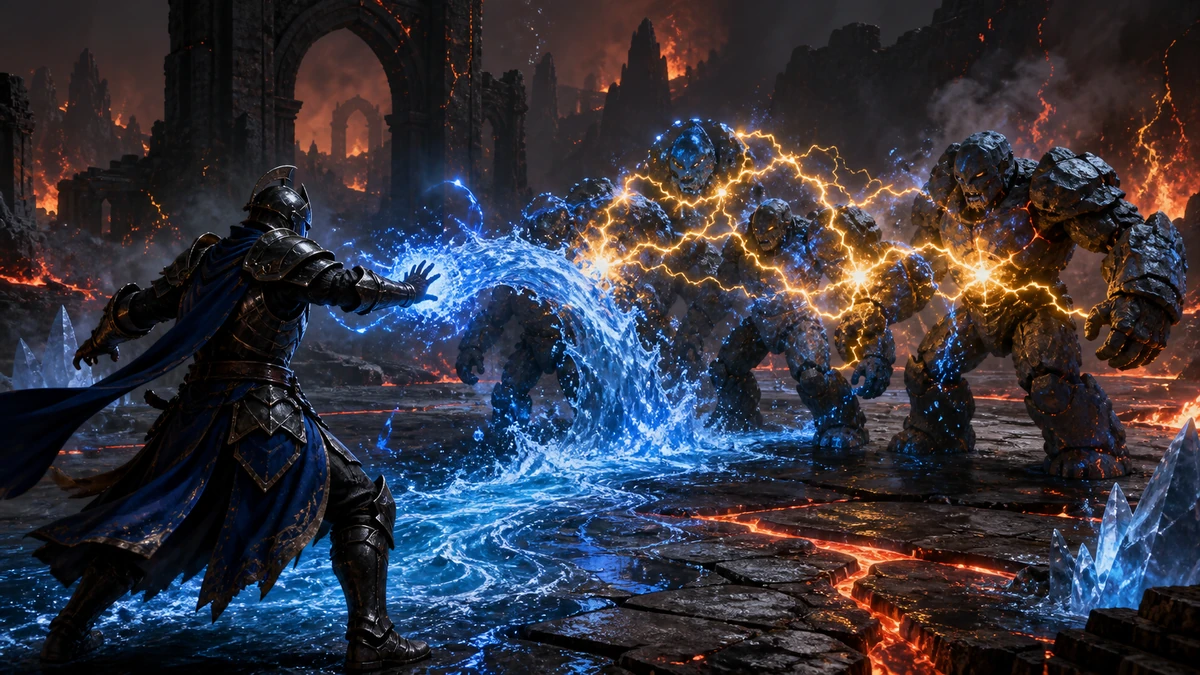
Visible prototype result
Review the interaction chain before expanding content
Start with one arena, three elements, and a single enemy archetype. See whether the rules reinforce each other and whether players can understand cause, consequence, and opportunity at a glance.
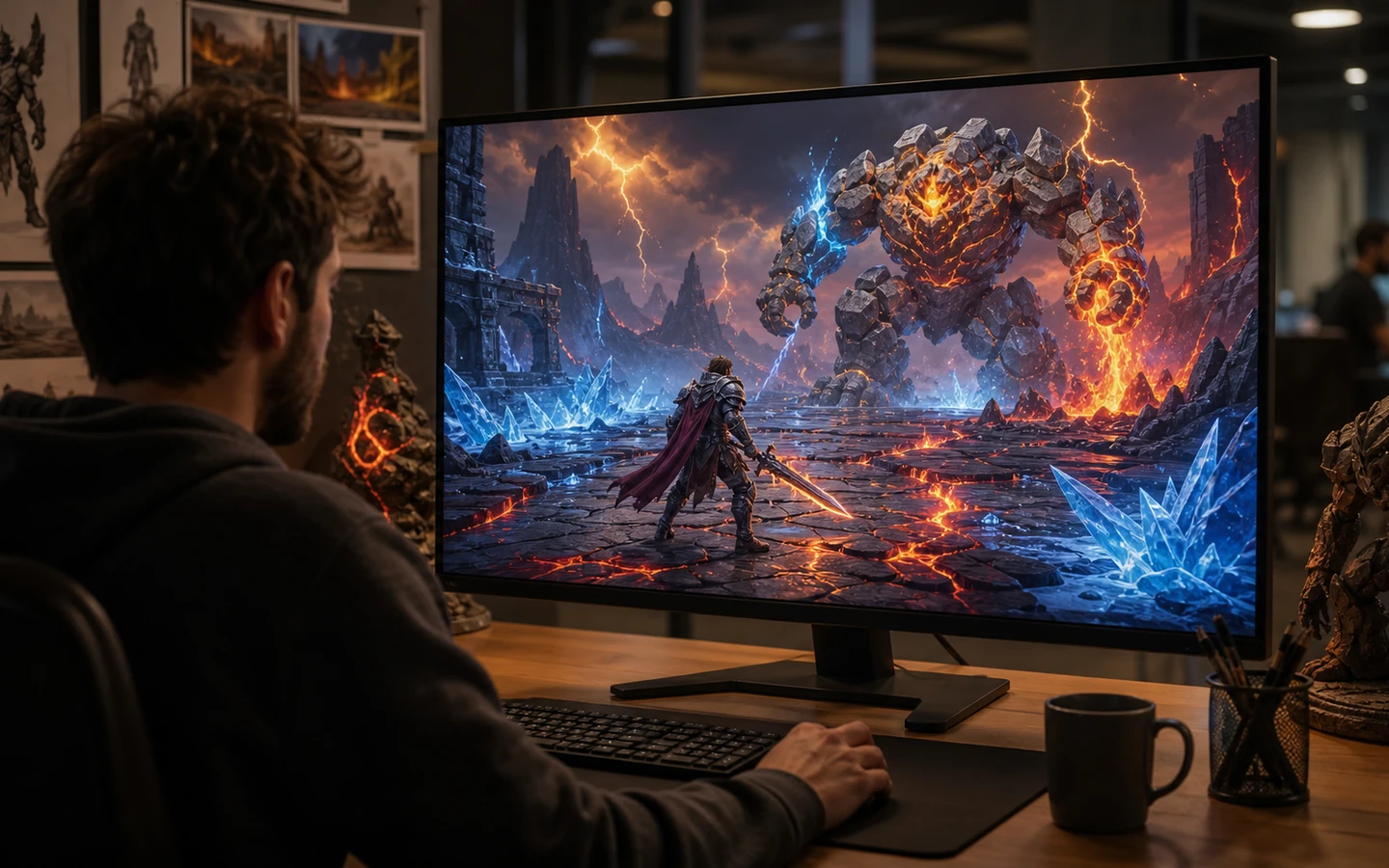
Built for early validation
Turn the brief into concrete evidence
Define how fire, ice, and lightning alter the same targets instead of behaving like unrelated special effects.
Use animation, material change, timing, sound direction, and enemy response to expose every reaction.
Refine values, state transitions, camera feedback, and implementation-oriented output after the first review.
Independent signals
Trust is part of the build.
Two practical jobs
Test the decision that matters now
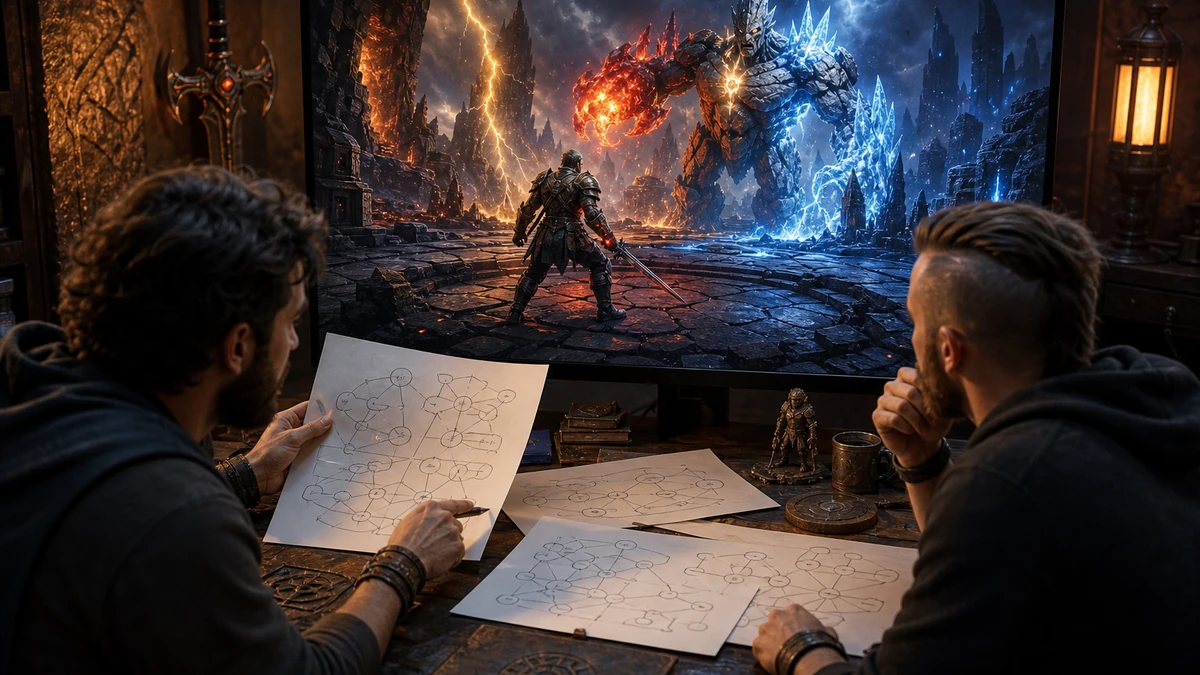
From prompt to next build
Shape the prototype around evidence
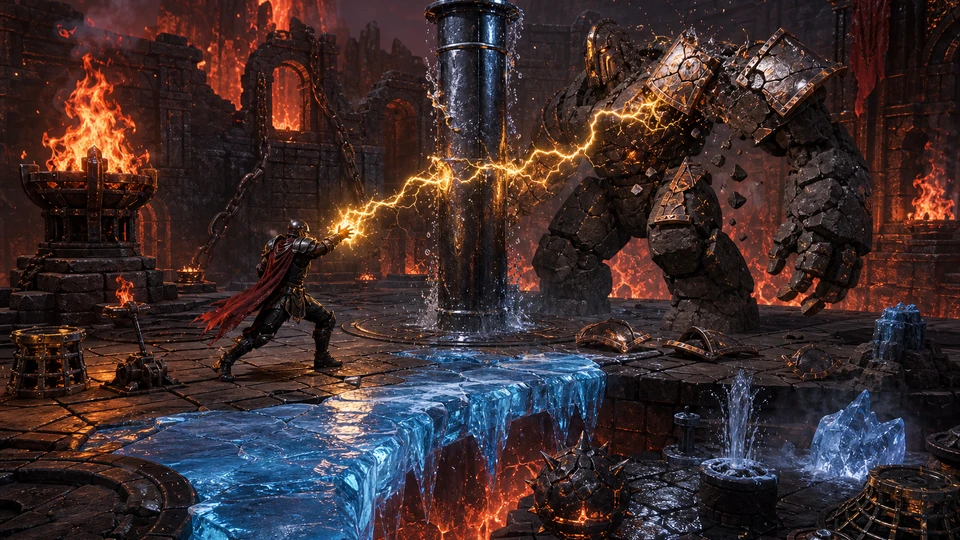
Map interaction states
Connect elements, surfaces, enemies, and player actions through explicit state changes and priority rules.

Expose tradeoffs
Make range, timing, resource cost, setup risk, and counterplay visible in each elemental choice.
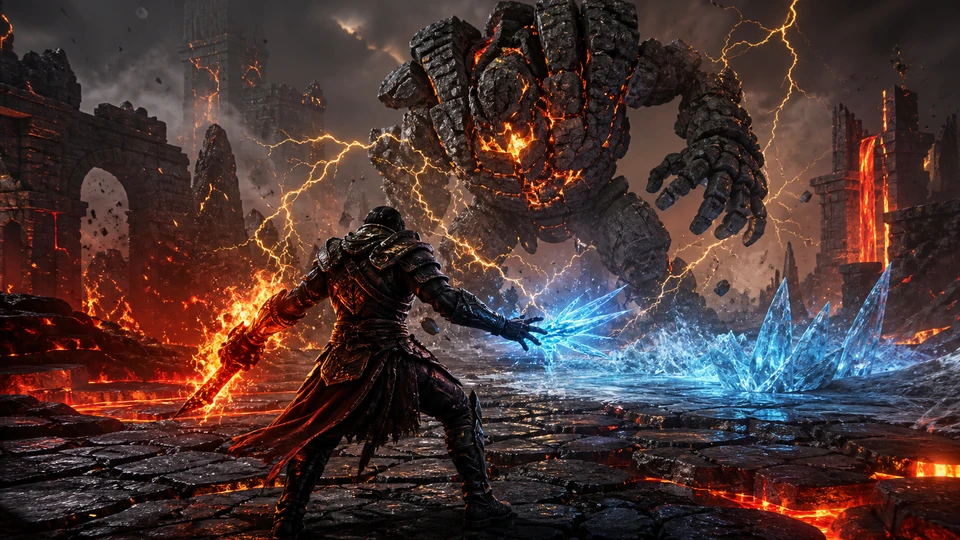
Measure the loop
Track whether players discover combinations, predict outcomes, and use follow-ups without excessive instruction.
Game mechanic combiner prototype FAQ
Questions before you build
What is a game mechanic combiner?
A game mechanic combiner is a prototyping approach that connects multiple gameplay rules into one coherent interaction loop. A useful test defines shared states, triggers, reactions, costs, counters, and visible outcomes instead of stacking isolated abilities. It does not guarantee balance or fun; the combined rules still need instrumented playtests and human design review.
How do I combine elemental combat mechanics?
Begin with one target state and specify how each element changes that state before adding reaction chains. For example, water can create conductivity, ice can restrict movement, and lightning can trade damage for area control when conductivity is present. Avoid adding combinations that players cannot predict from the available visual, audio, and timing cues.
What should a mechanic-combination brief include?
Include the player actions, target states, trigger order, resource costs, counters, and success condition for one encounter. Also define camera perspective, input scheme, feedback hierarchy, tuning ranges, failure states, and the question the prototype must answer. Narrative content, progression, multiplayer, and broad enemy variety should remain outside the first test unless essential.
Which systems are suitable for a combined-mechanics prototype?
Elemental reactions, movement-plus-combat interactions, tool chains, status effects, and environment-driven puzzles are suitable early tests. Each system should contribute a distinct decision while sharing enough state to create meaningful follow-up choices. Large crafting economies or live-service metagames should be decomposed into smaller simulations before visual prototyping.
What are the limits of an AI-generated mechanics prototype?
AI can accelerate scene and interaction exploration, but it cannot prove balance, accessibility, stability, or long-term player interest. Designers still need to review code, tune values, verify edge cases, profile performance, and test with representative players. Generated output also requires asset-rights review and platform-specific engineering before production use.
How do I start with Seele AI?
Describe the smallest encounter that can demonstrate the combined rule and the decision you need to validate. Name the player kit, enemy, arena, element states, reaction sequence, feedback, counterplay, and success condition, then request focused revisions. Keep the first scope narrow so observed behavior can be attributed to the mechanics under test.
From idea to first result
Start building with Seele AI
Turn your idea into an interactive experience you can test and improve.