What is a fishing arcade game prototype?+
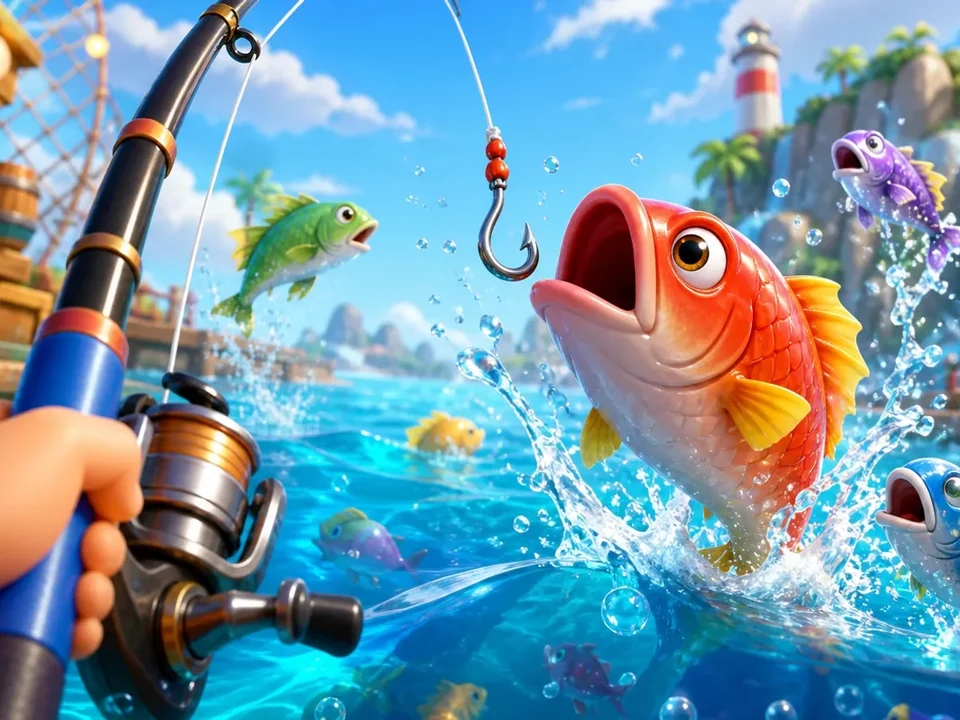
A fishing arcade game prototype is a small, reviewable game concept centered on one player goal and a contained playable loop. For this fishing arcade game direction, the first build can make the movement, objective, feedback, and scene readability concrete enough to discuss. It is an early exploration, not a finished game or a promise of a Godot project export.
How do you start a fishing arcade game prototype?+
Start with a focused prompt that names the player action, setting, obstacle, and success condition. Use the first build to inspect whether players can track a moving fish, time the cast, land a catch, and react to the score and timer, then refine the brief with the observations that matter. Generation does not replace playtesting, technical implementation, or deliberate design review.
What should a fishing arcade game prototype brief include?+
A useful fishing arcade game prototype brief includes a clear player goal, a compact scene, the main interaction, and the feedback to evaluate. It also helps to state a failure condition, a success condition, and the smallest result that would answer the design question. Engine setup, platform targets, performance work, and production requirements need separate planning.
Which ideas work well for a fishing arcade game prototype?+
Contained fishing arcade game scenes with one measurable player task are practical places to start. Examples include Moving fish school, Catch bonus rush, and Deep water targets—each gives the first test a specific question to answer. Large worlds, broad content sets, and interconnected systems should be split into smaller experiments.
What are the limits of a fishing arcade game prototype?+
A fishing arcade game prototype is evidence for an early creative decision, not a completed or automatically shippable game. It can help a team discuss the loop, visual direction, interaction feedback, and next iteration from a concrete starting point. People remain responsible for testing, quality, rights, safety, technical decisions, and any final release.
How do I begin a fishing arcade game prototype?+
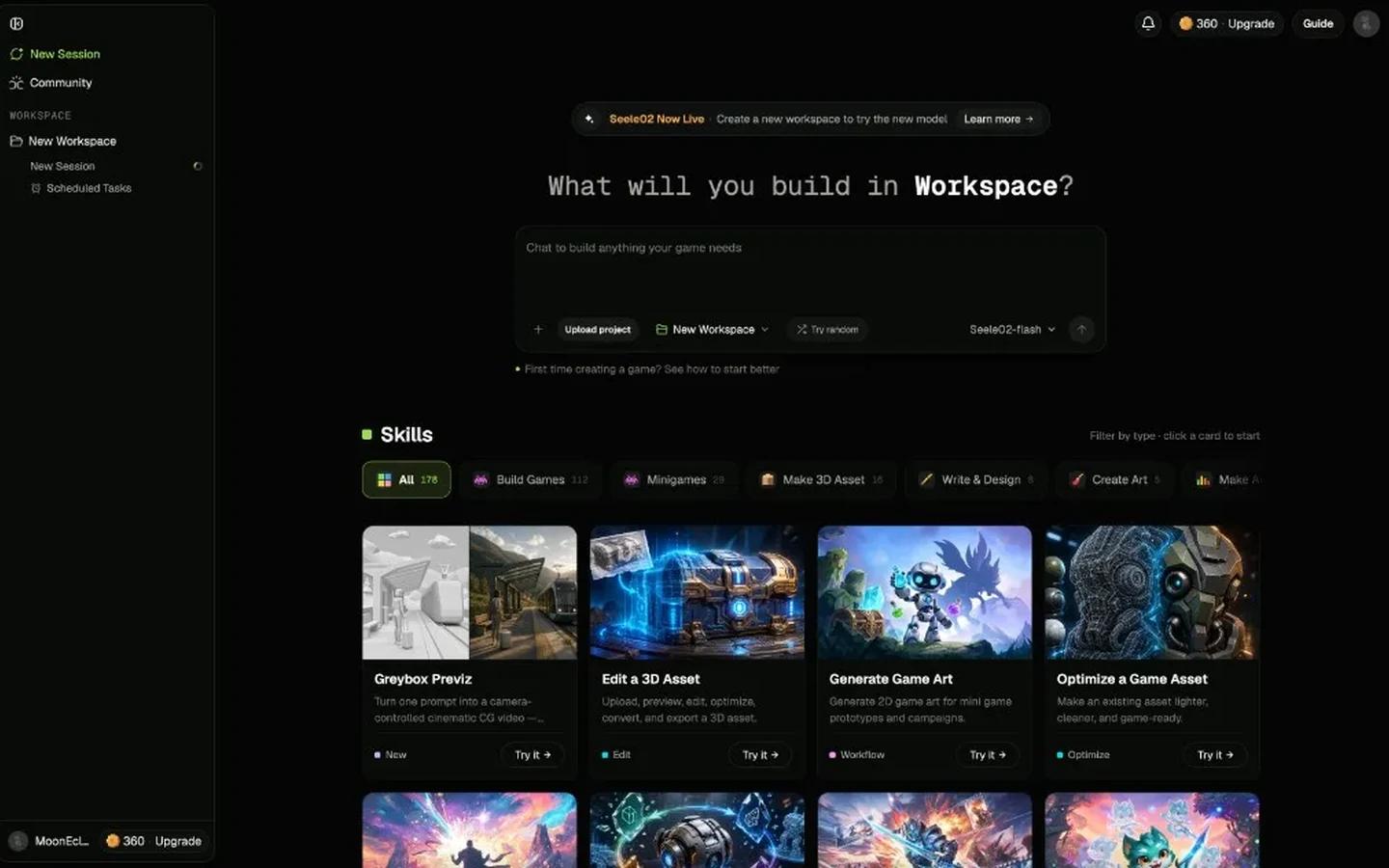
Open the Seele workspace and describe the smallest playable version of the fishing arcade game idea you want to review. Name the player action, objective, obstacle, reward, and the observation you want the first build to make possible. Keep scope narrow so the next iteration follows real feedback instead of assumptions.