
Seele AI · Unity game prototyping
Build a Unity space combat prototype from one gameplay brief
Describe your Unity space combat loop, generate a reviewable 3D battle, and test flight, targeting, feedback, and encounter pacing before expanding the project.
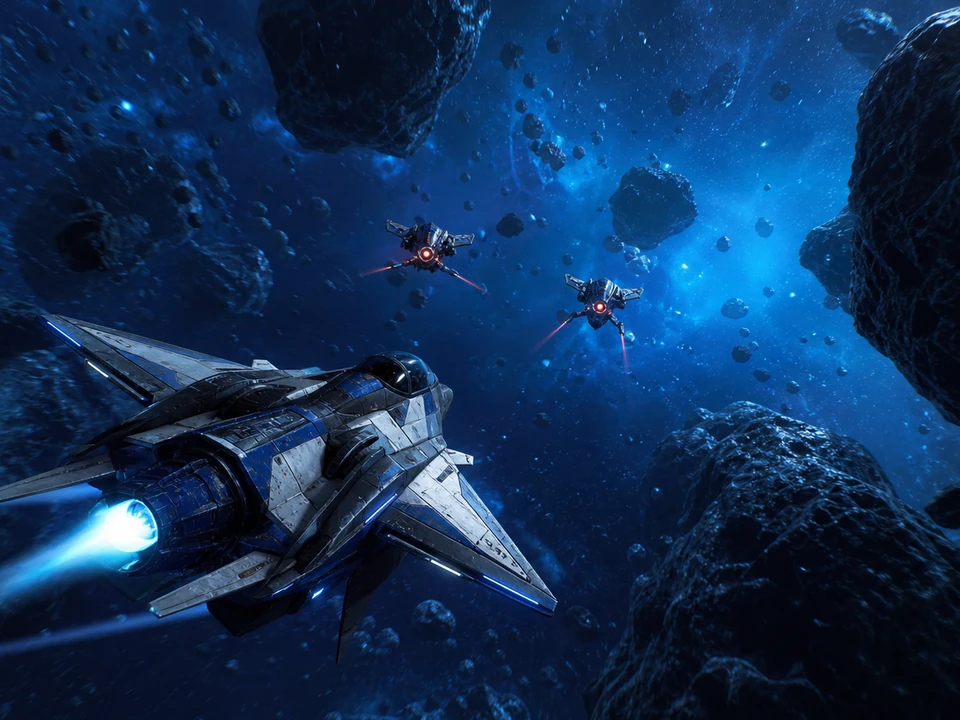
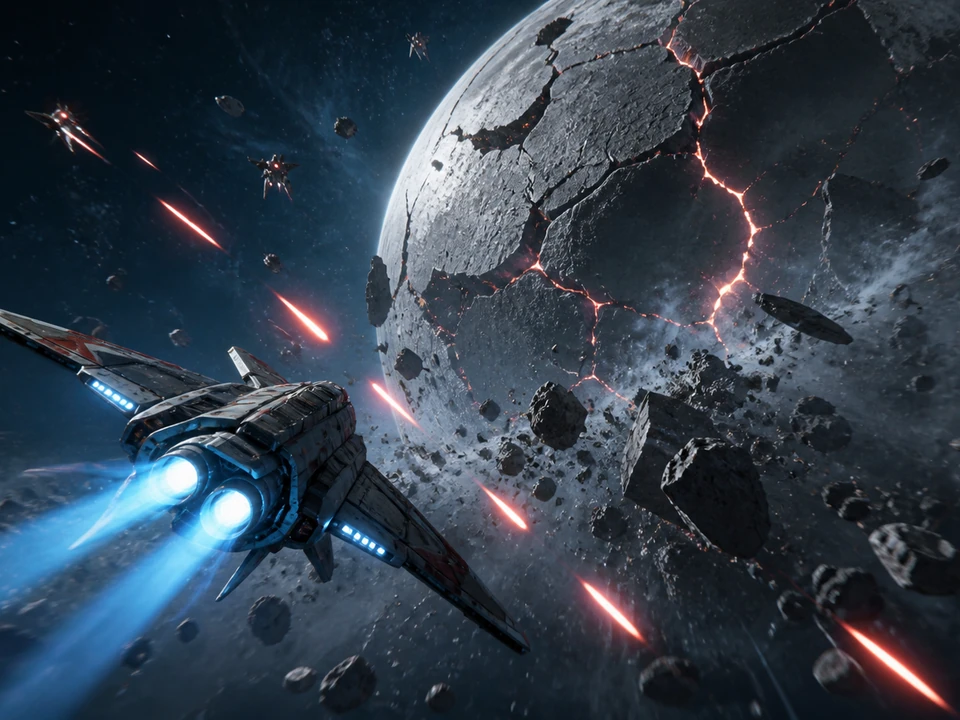
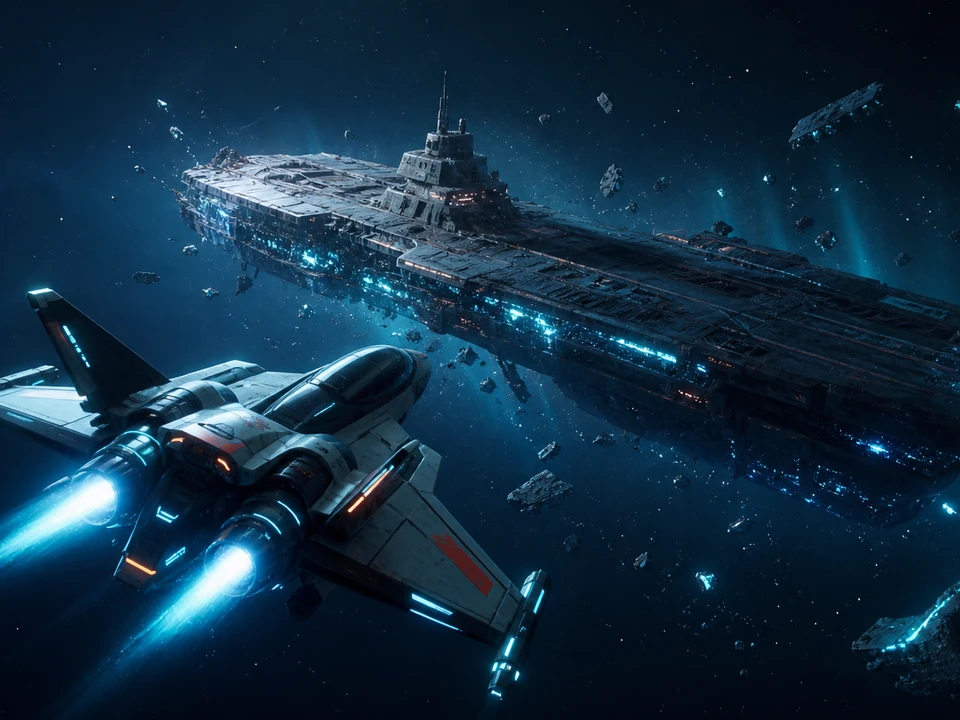
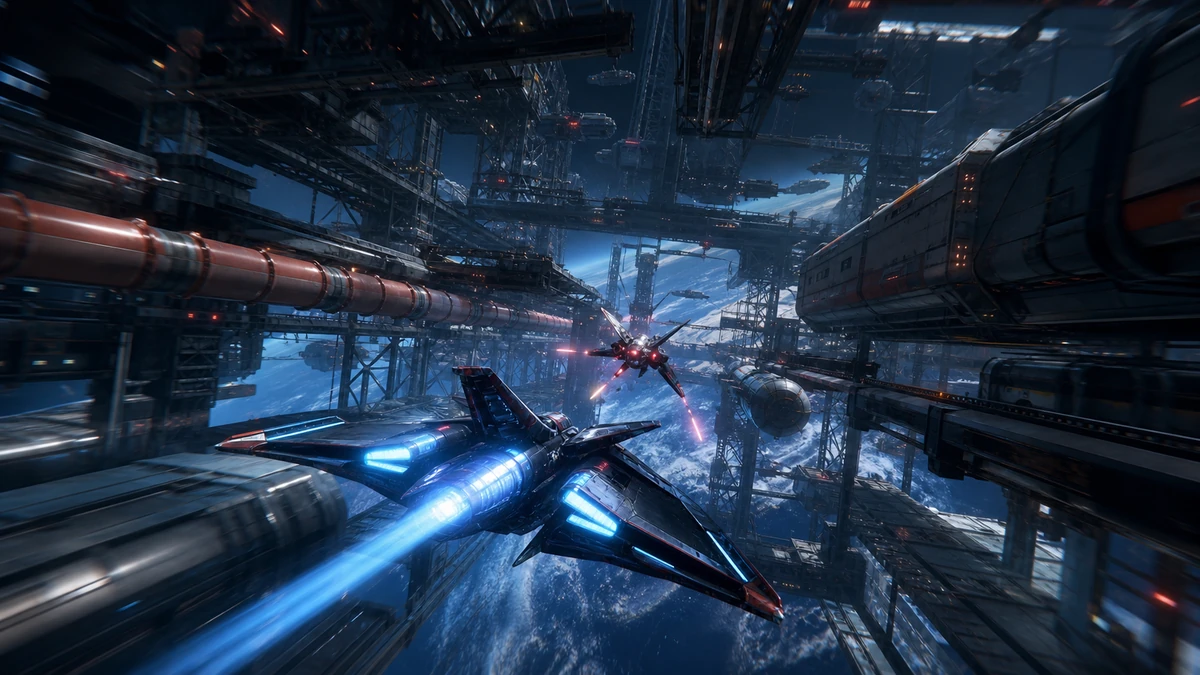
Visible prototype result
Review the battle before committing to production scope
Move from a clear player action and encounter goal to an original space battle scene you can inspect, play, and refine. Use the first build to decide whether movement, feedback, and combat rhythm deserve the next iteration.
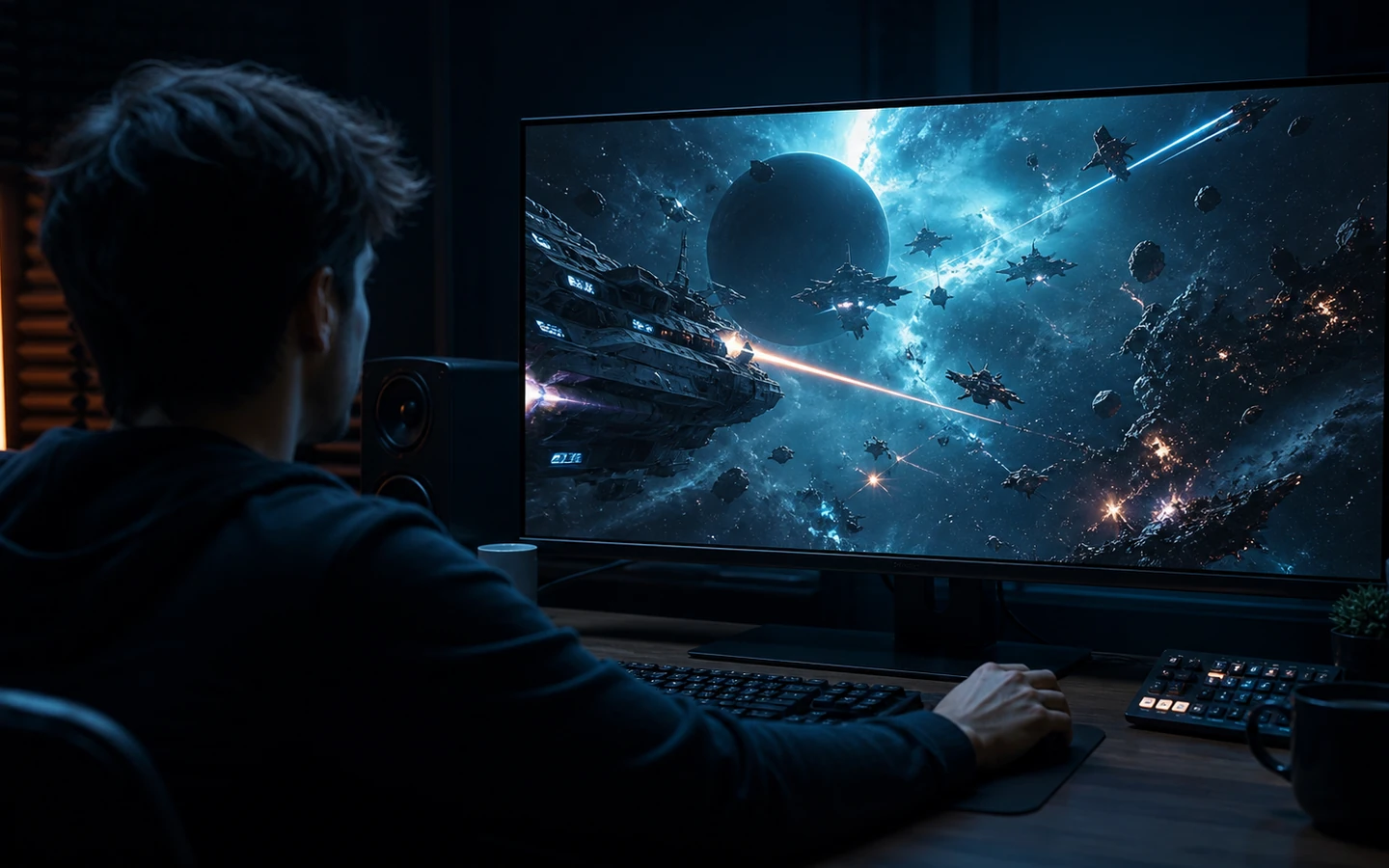
Built for early validation
Turn a combat premise into a concrete test
Define how the ship moves, aims, fires, avoids damage, and completes one encounter.
Review projectiles, shield impacts, enemy readability, and the spatial rhythm of the arena.
Continue refining generated scenes, interactions, and Unity-oriented project output after the first pass.
Independent signals
Trust is part of the build.
Two practical jobs
Test the decision that matters now
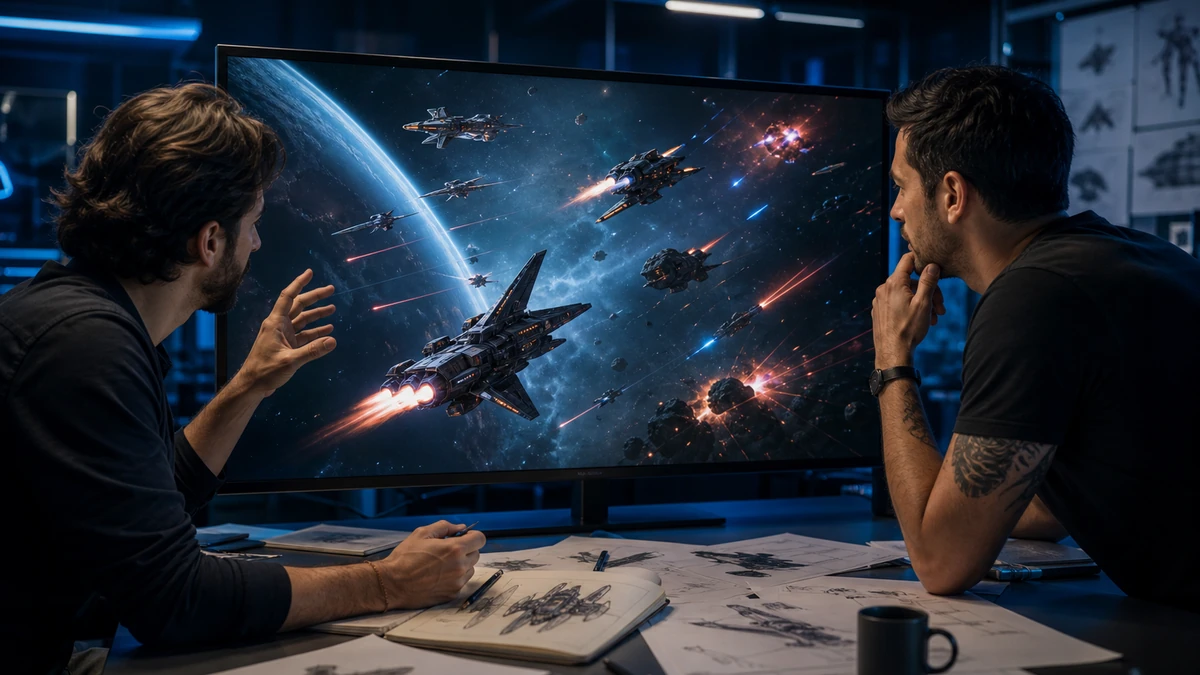
From prompt to next build
Shape the prototype around evidence
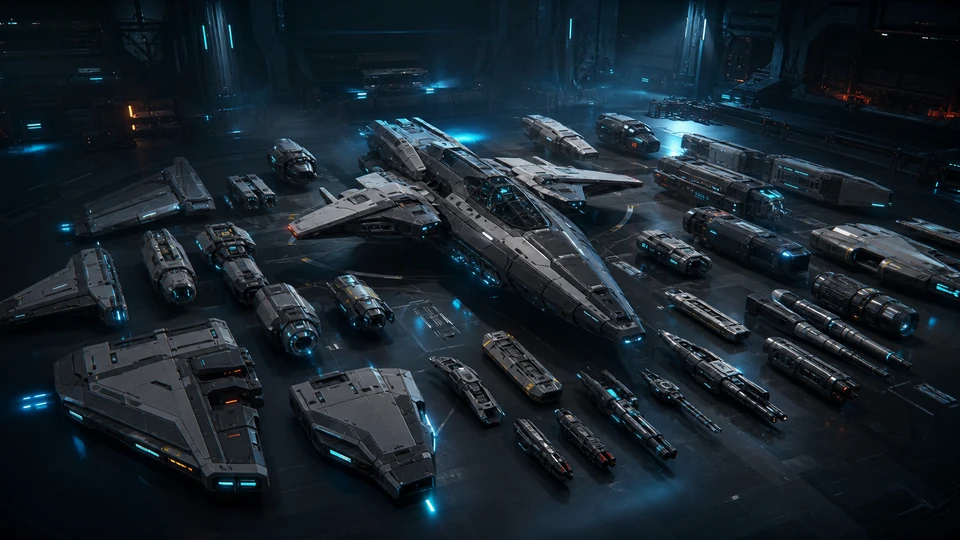
Compose the battle scene
Turn the setting, ship identity, enemy pattern, arena, and win condition into one coherent prototype direction.

Make feedback observable
Use in-world projectiles, impacts, shield responses, and enemy states to make the combat test easier to judge.
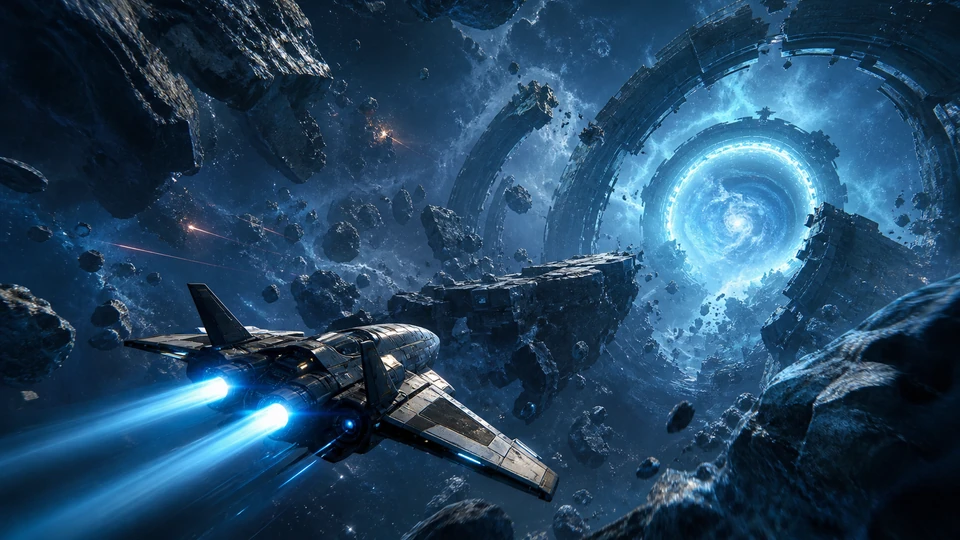
Keep iteration open
Review the generated result and refine movement, balance, camera, effects, and encounter scope in the next pass.
Unity space combat FAQ
Questions before you build
What is a Unity space combat prototype?
A Unity space combat prototype is an early playable build used to test spacecraft movement, weapons, enemy behavior, and encounter pacing before full production. A useful prototype concentrates on one battle loop and one observable player outcome, giving creators concrete evidence about camera, controls, feedback, and arena readability. It is not a finished game, and the generated project still needs human testing, technical review, licensing checks, and production polish.
How does AI-assisted Unity space combat prototyping work?
Start with a focused brief that defines the player ship, movement model, weapon action, enemy pattern, arena, and win condition. Seele AI can turn that direction into a reviewable 3D game result and Unity-oriented output, after which you play the build and refine the parts that matter. AI generation does not replace gameplay judgment, debugging, performance work, or final Unity implementation review.
What do I need before creating a Unity spaceship combat prototype?
You need one testable combat loop, a clear player goal, and a small encounter that can reveal whether the idea works. Specify movement feel, camera perspective, firing behavior, damage feedback, enemy count, arena boundaries, failure state, and the result you want the first session to prove. Platform targets, assets, input systems, physics choices, and deployment requirements still need deliberate technical decisions.
Which Unity space combat ideas are suitable for an early prototype?
Compact dogfights, wave encounters, asteroid pursuits, escort challenges, and single-arena boss tests are practical prototype scopes. Each works best when the first build isolates one question, such as aiming clarity, movement responsiveness, enemy spacing, projectile readability, or the rhythm between attack and evasion. Large campaigns, multiplayer architecture, progression economies, and content-heavy worlds should be split into smaller evidence-driven prototypes.
What are the limits of an AI-generated Unity space combat prototype?
An AI-generated prototype can accelerate exploration, but it cannot prove that a combat system is balanced, performant, accessible, or production-ready. Use it to inspect the direction and run playtests, then review code, physics, controls, assets, frame rate, platform constraints, and rights before advancing. Unity is a trademark of Unity Technologies; this page describes a development workflow and does not imply endorsement or automatic publishing approval.
How do I start building a Unity space combat prototype with Seele AI?
Open the Seele workspace and describe the smallest space battle that would answer your current design question. Name the player action, ship behavior, enemy threat, arena, feedback, success condition, and target platform, then review the generated result and request focused revisions. Keep the first scope narrow so playtest evidence can guide the next iteration instead of being hidden by unnecessary systems.
From idea to first result
Start building with Seele AI
Turn your idea into an interactive experience you can test and improve.