Blog›Unreal Damage, Health, Death, and Respawn System Guide
Unreal Damage, Health, Death, and Respawn System Guide
Keep health in one authoritative gameplay component, accept damage through a typed request, clamp the value once, and emit state-change events for UI and effects. Follow the API, failure recovery, and packaged-build validation checklist.
SEELE AI
Posted: 2026-07-26
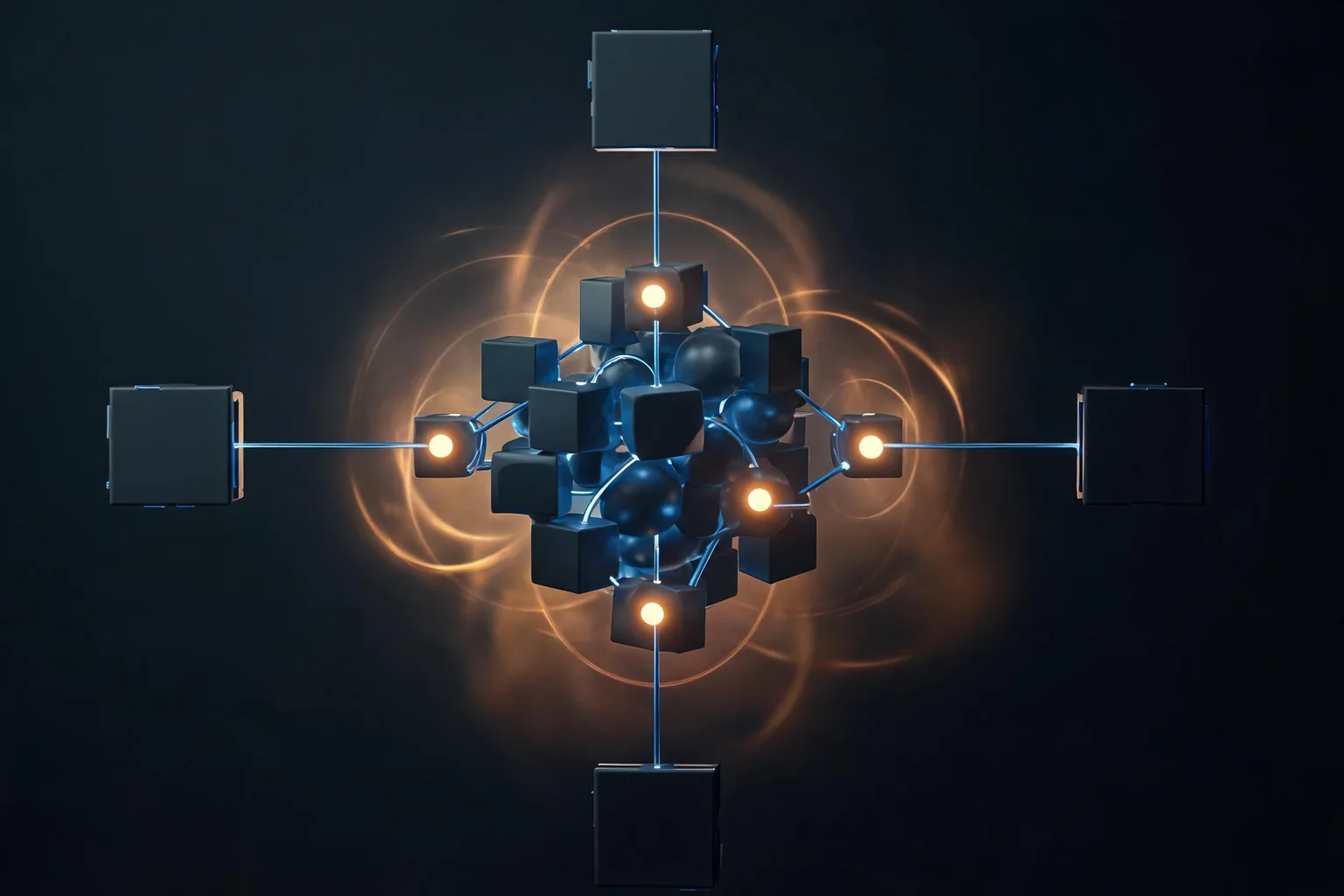
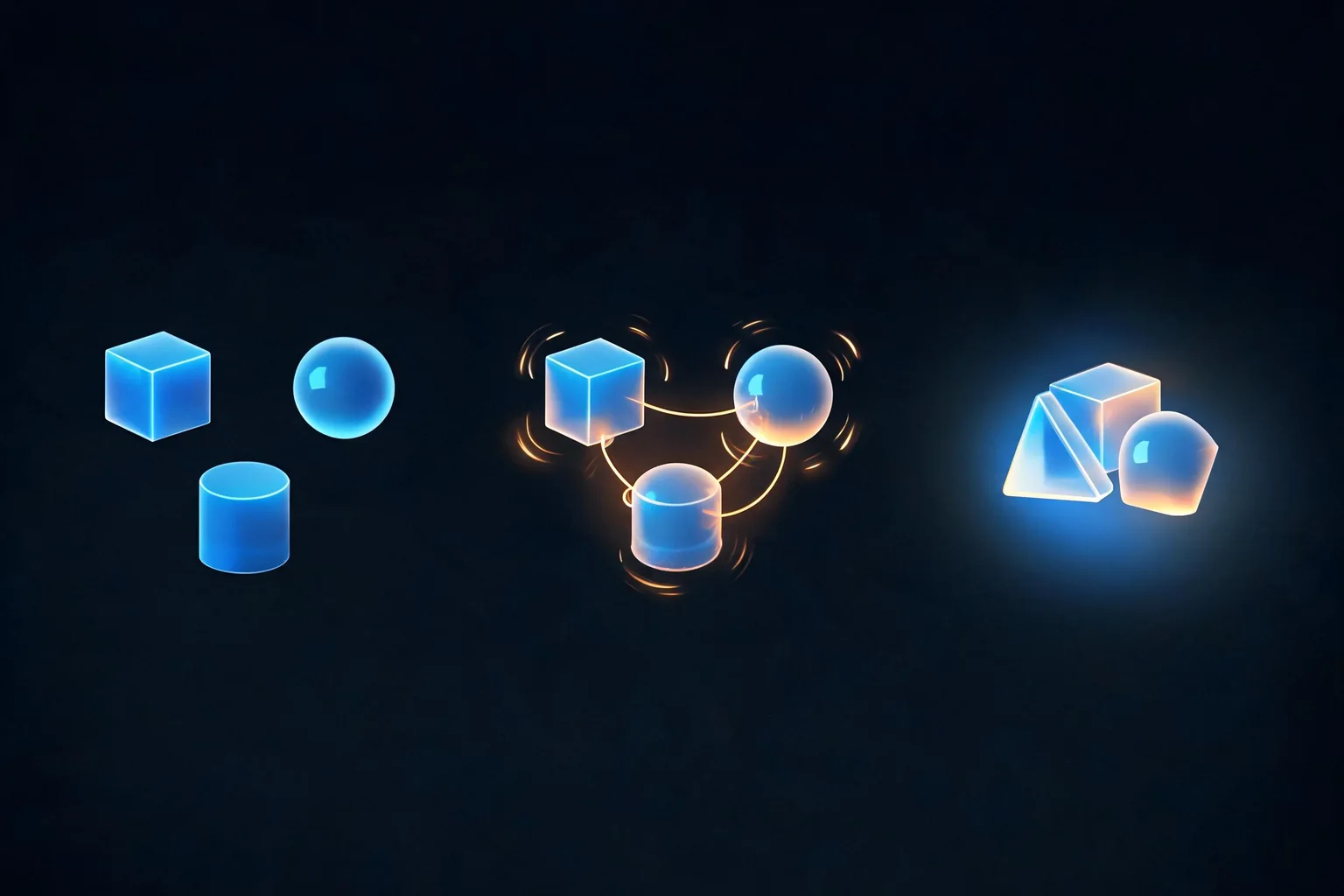
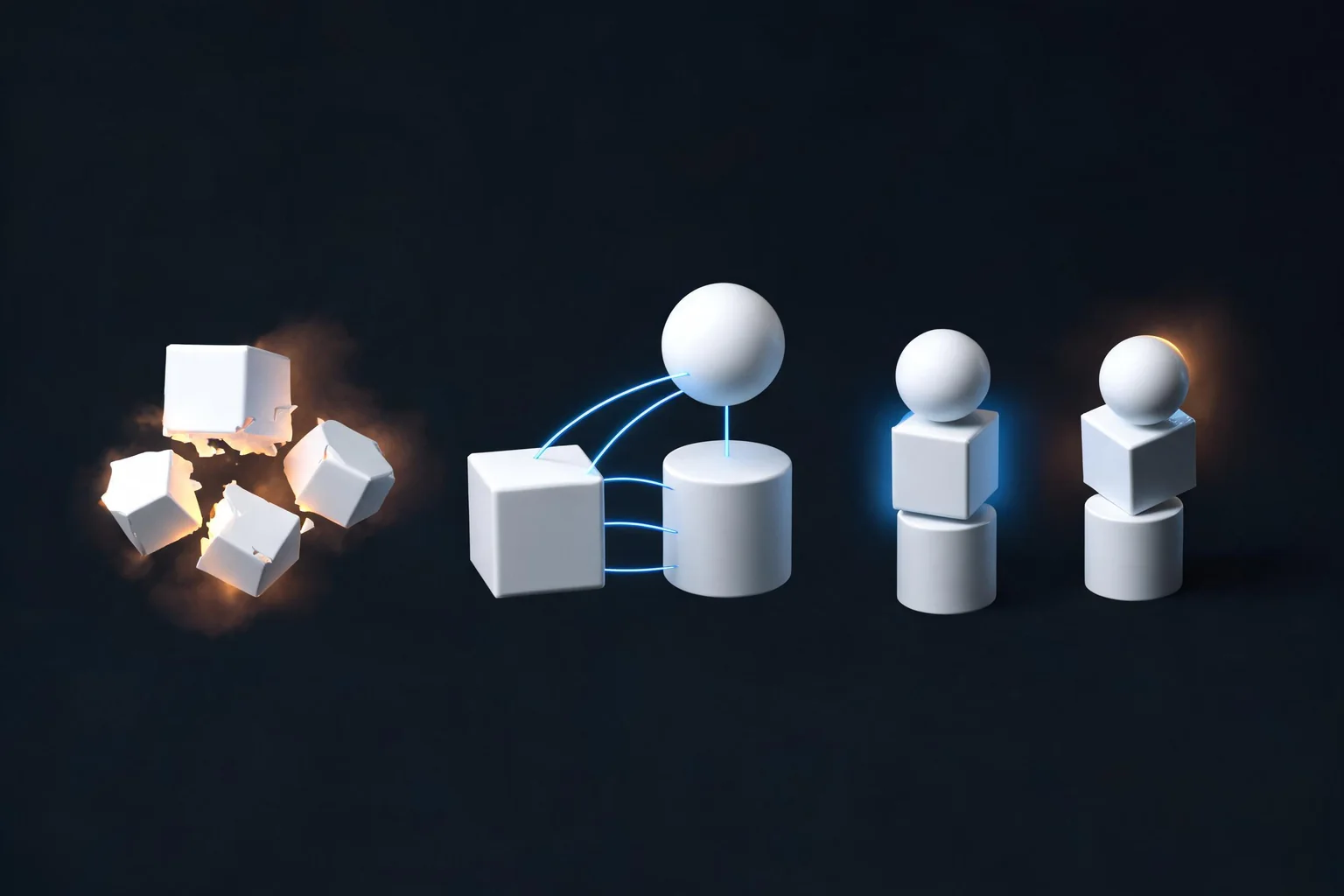
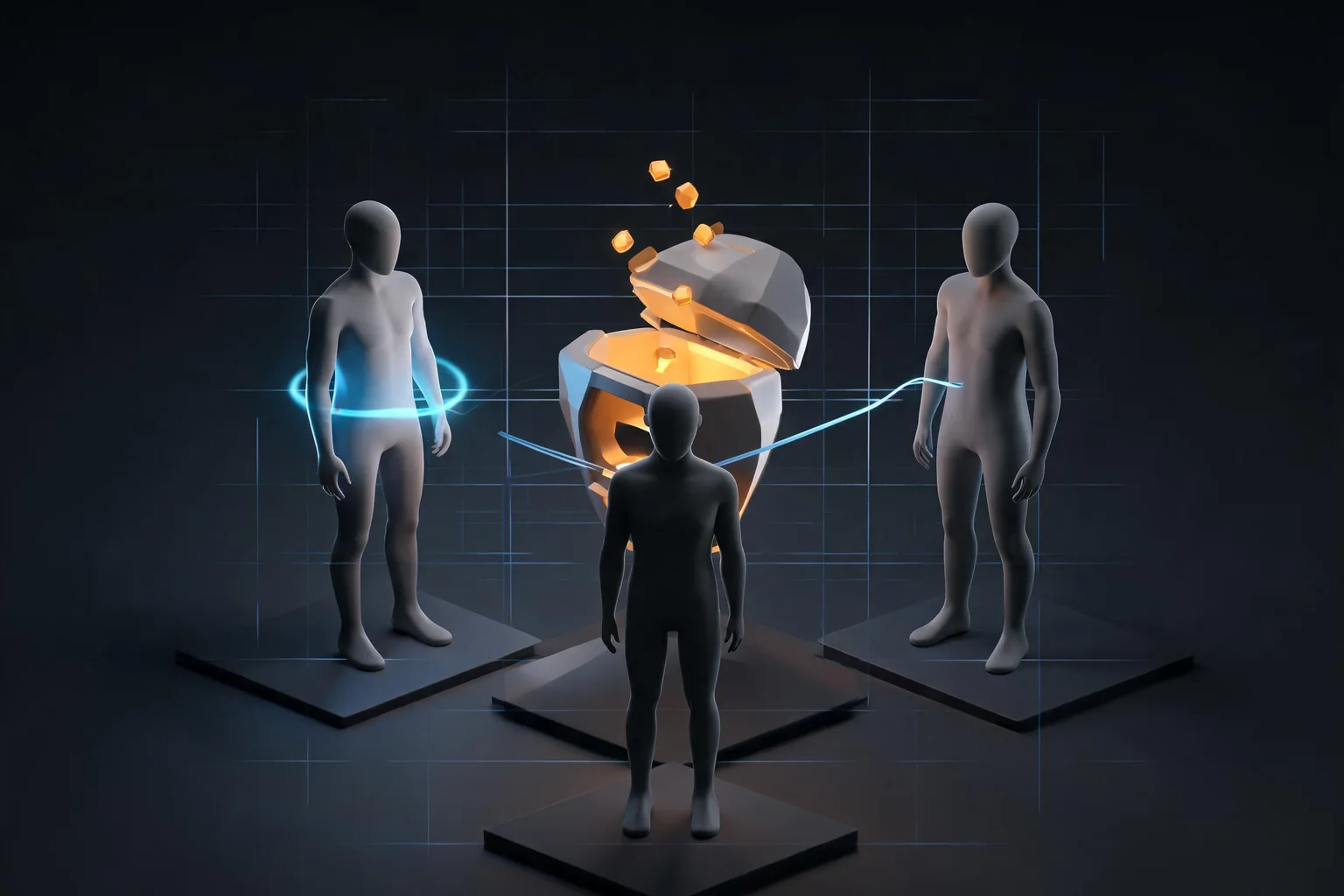
Visual guide for Unreal Damage, Health, Death, and Respawn System Guide
Key Takeaways: Unreal Damage, Health, Death, and Respawn System Guide
Keep health in one authoritative gameplay component, accept damage through a typed request, clamp the value once, and emit state-change events for UI and effects. Death must be an idempotent transition that disables further gameplay, cleans temporary effects, records the killer or cause, and asks GameMode or the owning rules layer to respawn a new pawn. Never let the health bar, ragdoll, or destroy call become the source of truth.
Direct answer
Keep health in one authoritative gameplay component, accept damage through a typed request, clamp the value once, and emit state-change events for UI and effects. Death must be an idempotent transition that disables further gameplay, cleans temporary effects, records the killer or cause, and asks GameMode or the owning rules layer to respawn a new pawn. Never let the health bar, ragdoll, or destroy call become the source of truth.
This page owns the combat lifecycle. It does not replace a full Gameplay Ability System, weapon implementation, checkpoint persistence, or platform analytics guide. The practical goal is a game-building slice that another developer can reproduce from a clean checkout. Keep engine behavior, project policy, and measured evidence separate: Epic documentation establishes supported concepts, the project defines ownership and budgets, and only a named test run proves the local result.
What this guide delivers
A concrete ownership model for unreal damage health death respawn system.
A six-stage Blueprint/C++ implementation workflow with a real API or command example.
Three production scenarios, including normal, edge, and handoff behavior.
Failure recovery and validation criteria for editor and packaged builds.
A bounded SEELE handoff that leads to the Unreal creator without changing this page's technical intent.
Explain owners and implementation flow for unreal damage health death respawn system.System architecture and ownership
Damage request
Use ApplyDamage, ApplyPointDamage, ApplyRadialDamage, or a project struct carrying instigator, causer, tags, hit data, and base magnitude. Separate the request from the final health delta so armor and immunity remain observable.
Damage request review: capture damage request, instigator, causer, and type and show how health authority receives or observes the accepted result without becoming a second owner.
Health authority
A replicated HealthComponent or attribute set owns current and maximum health, clamping, invulnerability, team checks, and change notifications. UI subscribes to results and never writes health directly.
Health authority review: capture pre-mitigation and final delta and show how death transition receives or observes the accepted result without becoming a second owner.
Death transition
Change Alive to Dying or Dead once, reject later damage, stop input and abilities, clear timers, detach or disable collision deliberately, and choose ragdoll, animation, or disappearance as presentation.
Death transition review: capture single life-state transition and show how respawn rules receives or observes the accepted result without becoming a second owner.
Respawn rules
GameMode or another authoritative rules owner selects timing, PlayerStart, pawn class, and retained player state. Controller and PlayerState can survive while a dead pawn is destroyed and replaced.
Respawn rules review: capture timer and effect cleanup at EndPlay and show how damage request receives or observes the accepted result without becoming a second owner.
Implementation workflow
Stage 1: Define damage types or gameplay tags for environmental, melee, projectile, explosive, and healing flows, including friendly-fire and invulnerability policy.
Stage 2: Implement one server-authoritative health mutation function that validates the request, calculates mitigation, clamps health, and records before and after values.
Stage 3: Broadcast a structured health-change event for HUD, hit reactions, audio, and telemetry. Consumers receive the result and cause but cannot apply a second delta.
Stage 4: Make HandleDeath idempotent, cancel active combat work, disable interaction and movement, and store enough cause data for a kill feed or restart screen.
Stage 5: Schedule respawn through GameMode, select a valid start, spawn and possess the replacement pawn, and initialize health before returning control.
Stage 6: Test simultaneous hits, healing at zero, overkill, repeated radial damage, disconnect during death, seamless travel, missing PlayerStart, and late UI subscription.
Concrete API or command example
float UHealthComponent::ApplyHealthDelta(float Delta, AController* Instigator)
{
    if (LifeState != ELifeState::Alive || FMath::IsNearlyZero(Delta)) return 0.f;
    const float Before = Health;
    Health = FMath::Clamp(Health + Delta, 0.f, MaxHealth);
    OnHealthChanged.Broadcast(Before, Health, Instigator);
    if (Health <= 0.f) EnterDeathOnce(Instigator);
    return Health - Before;
}
Three production scenarios
Example 1: Point damage headshot
The hit result and damage type identify a head surface or bone; the server calculates the modifier and records one final delta. The weapon does not write Health and the HUD does not recompute the multiplier.
Evidence for point damage headshot should include damage request, instigator, causer, and type, the owning build identity, and the condition that returns this scenario to its last known-good state.
Example 2: Damage-over-time volume
A timed effect owns its cadence and source identity. Leaving the volume or dying cancels the handle so a respawned pawn does not inherit stale ticks.
Evidence for damage-over-time volume should include pre-mitigation and final delta, the owning build identity, and the condition that returns this scenario to its last known-good state.
Example 3: Co-op respawn
PlayerState keeps score and team, GameMode waits for the rule-defined delay, finds a team-valid start, and possesses a fresh pawn. A spectator camera remains presentation.
Evidence for co-op respawn should include single life-state transition, the owning build identity, and the condition that returns this scenario to its last known-good state.
Support failure diagnosis and recovery for unreal damage health death respawn system.Failure modes and recovery
Death runs twice
Guard the state transition before playing effects, awarding score, or scheduling respawn. Simultaneous damage callbacks must converge on one transition.
Before closing death runs twice, rerun point damage headshot and prove single life-state transition returns to the expected boundary without an undocumented repair step.
Health bar updates but server health does not
Inspect the authoritative component and replication notification. A local widget animation is not evidence of a committed damage result.
Before closing health bar updates but server health does not, rerun damage-over-time volume and prove timer and effect cleanup at EndPlay returns to the expected boundary without an undocumented repair step.
Respawned pawn keeps old timers
Own timers and effects on the pawn or component, clear them in EndPlay and death, and avoid callbacks that capture a destroyed pawn strongly.
Before closing respawned pawn keeps old timers, rerun co-op respawn and prove spawn selection, possession, and initialized health returns to the expected boundary without an undocumented repair step.
Player spawns inside geometry
Validate PlayerStart occupancy, provide a fallback selection policy, and log the chosen start and spawn collision handling result.
Before closing player spawns inside geometry, rerun point damage headshot and prove damage request, instigator, causer, and type returns to the expected boundary without an undocumented repair step.
Validation matrix
damage request, instigator, causer, and type: inspect it beside damage request; pass only when death runs twice does not recur during point damage headshot and the evidence names the exact build.
pre-mitigation and final delta: inspect it beside health authority; pass only when health bar updates but server health does not does not recur during damage-over-time volume and the evidence names the exact build.
single life-state transition: inspect it beside death transition; pass only when respawned pawn keeps old timers does not recur during co-op respawn and the evidence names the exact build.
timer and effect cleanup at EndPlay: inspect it beside respawn rules; pass only when player spawns inside geometry does not recur during point damage headshot and the evidence names the exact build.
spawn selection, possession, and initialized health: inspect it beside damage request; pass only when death runs twice does not recur during damage-over-time volume and the evidence names the exact build.
Version and source boundaries
These steps target the current Unreal Engine 5 documentation surface as of 2026-07-26. Engine defaults, experimental status, plugin packaging, API signatures, and platform support can change. Select the documentation version that matches the project, test the exact patch and target, and retain a rollback revision. Public documentation does not replace NDA platform requirements, store review, console certification, or project-specific performance evidence.
Official sources
Gameplay Damage System — source evidence for damage request in this unreal damage health death respawn system workflow; verify the documentation version against the shipping branch.
Gameplay Framework Quick Reference — source evidence for health authority in this unreal damage health death respawn system workflow; verify the documentation version against the shipping branch.
Player Start Actor — source evidence for death transition in this unreal damage health death respawn system workflow; verify the documentation version against the shipping branch.
Unreal Engine is a trademark of Epic Games. SEELE AI is independent and this article does not imply Epic Games or Valve endorsement.
From the technical plan to a SEELE Unreal game
Use this page to define the system, acceptance tests, and failure boundaries; then carry that precise brief into [SEELE's Unreal game creator](/features/create/unreal-game). SEELE can generate a native Unreal 5 game, provide an in-browser preview, support optimization and packaging in SEELE, and let you download the project or packaged output for external publishing or publish it as a free or paid SEELE game.
That handoff does not change the native production responsibility described above. Store approval, sales, revenue, certification, third-party plugin compatibility, and platform compliance are not guaranteed. Keep the source Unreal game, build logs, test evidence, and external publishing decisions under your team's control.
FAQ
What is the correct architecture for unreal damage health death respawn system?
Keep health in one authoritative gameplay component, accept damage through a typed request, clamp the value once, and emit state-change events for UI and effects. Death must be an idempotent transition that disables further gameplay, cleans temporary effects, records the killer or cause, and asks GameMode or the owning rules layer to respawn a new pawn. Never let the health bar, ragdoll, or destroy call become the source of truth. Start with damage request and health authority, then keep presentation as an observer of committed gameplay state.
Should unreal damage health death respawn system be built in Blueprint or C++?
Either can work. Blueprint is effective for rapid game logic and designer iteration; C++ is useful for reusable contracts, complex lifetime, performance-sensitive loops, and automated tests. Preserve the same owner, validation, failure, and recovery boundaries in both.
How should unreal damage health death respawn system be tested?
Test one normal case, one invalid input, interruption or teardown, clean restart, and packaged-build parity. Capture damage request, instigator, causer, and type, pre-mitigation and final delta, single life-state transition with a build identifier and explicit pass criteria.
What is the most dangerous failure in unreal damage health death respawn system?
Death runs twice is an early warning: Guard the state transition before playing effects, awarding score, or scheduling respawn. Simultaneous damage callbacks must converge on one transition. Also verify cleanup and retry so the apparent fix does not leave stale state.
Which Unreal version does this unreal damage health death respawn system guide target?
It uses the Unreal Engine 5 documentation surface available on 2026-07-26. Confirm the version selector, API signature, plugin status, platform toolchain, and packaged behavior in the exact engine patch that will ship.
What can SEELE do after this unreal damage health death respawn system plan is ready?
SEELE can generate a native Unreal 5 game, provide browser preview, support optimization and packaging, and provide project or packaged downloads for external publishing or a free or paid SEELE release. It does not guarantee third-party store approval, compatibility, sales, or revenue.
Was this guide helpful? Use it as a starting point, then continue the best direction in Seele AI.