Explore A Real Seele Playable
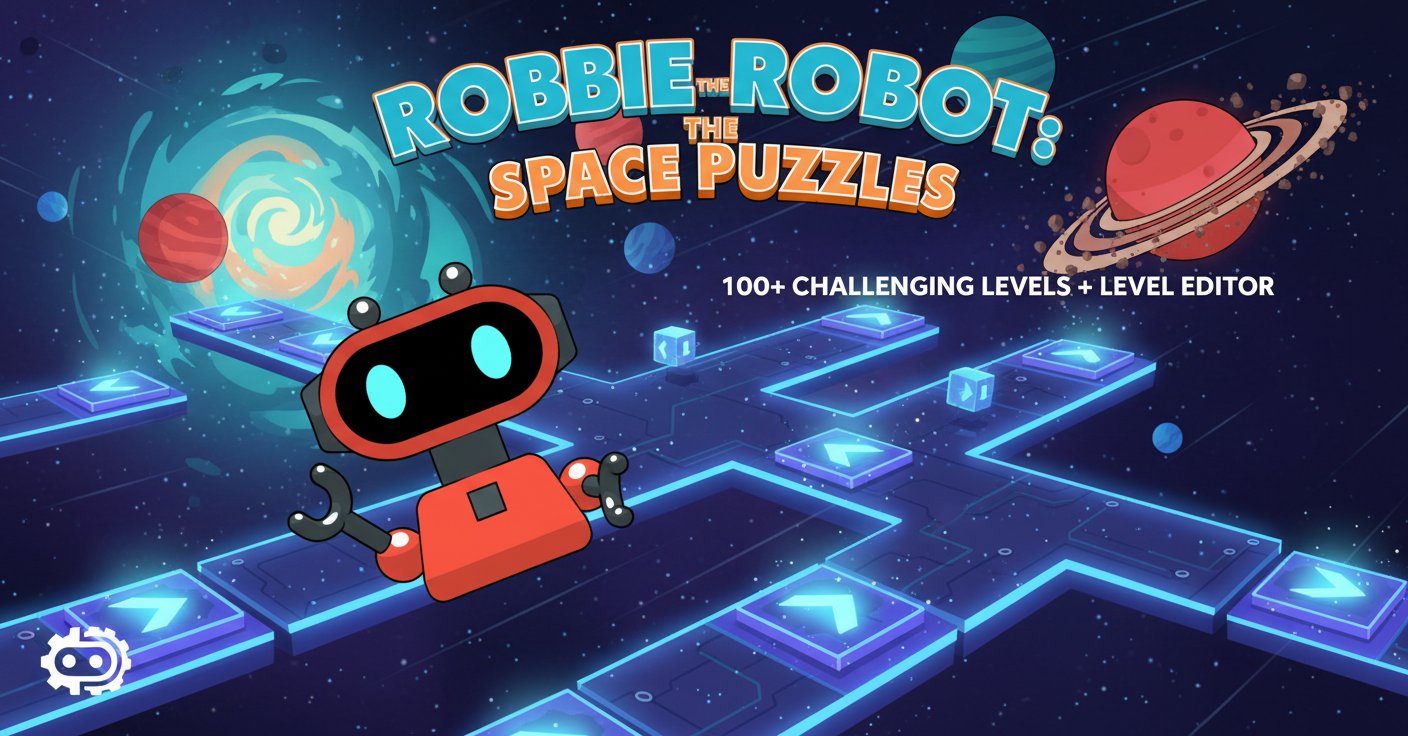
Play Robbie the Robot: Space Puzzles to inspect a real level loop before designing the shop. The verified cover proves the linked playable listing; it does not show or prove a Koin purchase screen.
Play Robbie the RobotSeele AI · Create
Move from a broad creation goal to a clearer playable direction faster in Seele AI.
SEELE games with virtual currency pair resources earned through play with optional items or content priced in Koin. Explore a real playable, then design the balance, offer, confirmation, visible delivery, and Play → purchase → creator earnings path in Workspace.
The working loop
Start with authentic play, separate currencies, then test every optional purchase state.
Play Robbie the Robot: Space Puzzles at /games/puzzle/robbie-the-robot-space-puzzles before designing a shop. The verified cover proves this linked playable listing, not a Koin UI. SEELE Workspace keeps the core loop central when you remix or create.
Name and display game resources earned through play separately from optional virtual items or content priced in Koin. SEELE carries both systems into the economy brief without presenting play rewards as money.
Display current Koin balance, the exact item or content, price, ownership, confirm, cancel, and insufficient-balance outcomes. SEELE structures the offer states for a playable test.
Apply delivery visibly in inventory, unlocked content, or gameplay; test interruption, duplicate ownership, cancellation, and reload. SEELE keeps the state changes explicit for review.
Test no-purchase play first, then the optional supported Koin purchase and creator-earnings path under current SEELE rules. SEELE supports iteration while human review covers fairness, accessibility, age suitability, and policy.
What leaves the page
These outputs keep the page focused on player economy design rather than a generic game directory or implementation-only IAP builder.
Robbie the Robot: Space Puzzles provides an authentic playable starting point. Explore more in /workspace/community, then remix or create in /workspace.
Current balance → exact item or offer → explicit confirmation or cancellation → visible delivery, plus insufficient balance, duplicate ownership, interruption, and reload.
Separate resources earned through gameplay from optional items or content priced in Koin using distinct names, icons, balances, and explanations.
Keep the game useful without a purchase; supported Koin transactions can contribute to creator earnings under current SEELE rules, without cash-out or guaranteed-income claims.
Fit and limits
Before you start
They are playable SEELE games whose creators can design in-game economies and, where supported, offer virtual items or content priced in Koin. The surrounding gameplay, earned resources, shop states, confirmation, and delivery should remain clear to players.
No. A game may award its own coins, wood, stars, energy, or other resources through play. Koin is used for supported purchases on SEELE. Creators should name and display them separately.
The current Koin balance, the exact item or content, its price, what ownership means, and clear confirm and cancel choices. The game also needs an understandable insufficient-balance state.
The purchased item or content should be delivered visibly in the relevant inventory, unlock, or gameplay state. Supported ownership should remain clear after reload, and interruption or duplicate-purchase states should not cause silent loss.
Supported Koin purchases can contribute to creator earnings under SEELE’s current product rules. This page does not promise guaranteed earnings, player cash-out, investment returns, or external payment infrastructure.
No. This page does not present Koin or in-game resources as crypto, NFTs, withdrawable money, gambling value, investments, or play-to-earn rewards.
Open SEELE Workspace with a concise game loop, earned-resource map, optional Koin offer, confirmation and delivery states, and recovery rules. Test normal play without buying and review the result before publishing.
Next move
Turn a rough creation goal into a clearer prompt, direction, and next step inside Seele AI.
Discover, Experience, Then Remix A Seele Game Economy
Start from authentic play, inspect the optional purchase states, and create an economy that supports the game.
Play Robbie the Robot: Space Puzzles to inspect a real level loop before designing the shop. The verified cover proves the linked playable listing; it does not show or prove a Koin purchase screen.
Play Robbie the RobotUse different names, icons, balance locations, and explanations for resources earned through play and optional virtual items or content priced in Koin.
Create or RemixPlayers enter for the game. A supported, optional Koin purchase should name the offer, confirm the choice, deliver visibly, and contribute to creator earnings under current SEELE rules.
Open the creator IAP workflowExplore Community playables, then return to Workspace to remix or create a game with explicit sources, sinks, ownership, purchase states, and recovery.
Explore CommunityVerified Playable Example
This verified SEELE cover proves the linked Robbie the Robot playable listing. It is not presented as a Koin shop or purchase-screen capture.