
Stylized Action Hero Rig
Scope a versatile character rig for traversal and combat moves.
Search thisTurn a character idea into a clearer first-pass rigging brief, bone plan, and animation handoff before manual rig cleanup begins.
Try this in Seele AI
Start with a specific ai character auto rigging tool need, then carry that prompt into the workspace for deeper iteration and follow-up planning.
Quick Start Searches
Pick a concrete ai character auto rigging tool scenario and jump into the workspace with a stronger starting prompt.
Scope a versatile character rig for traversal and combat moves.
Search this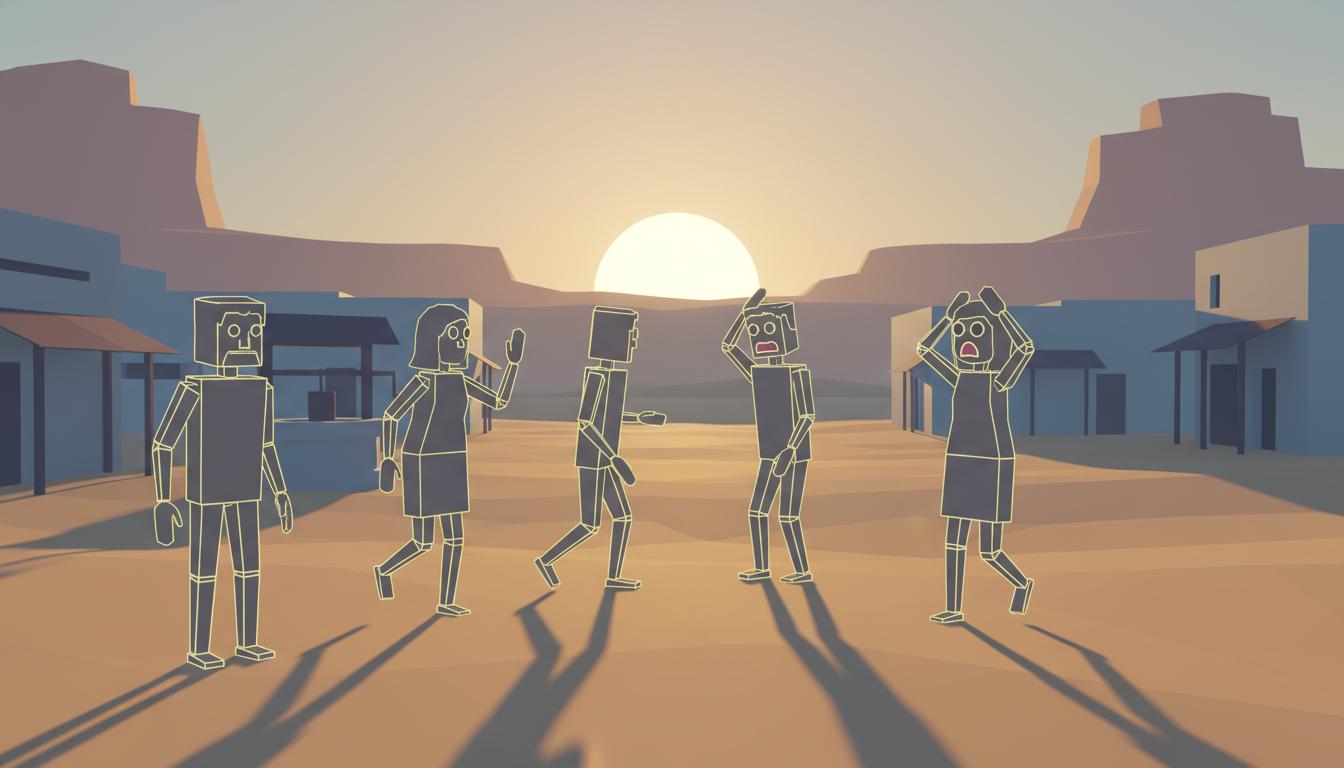
Keep the rig light for background or crowd characters.
Search this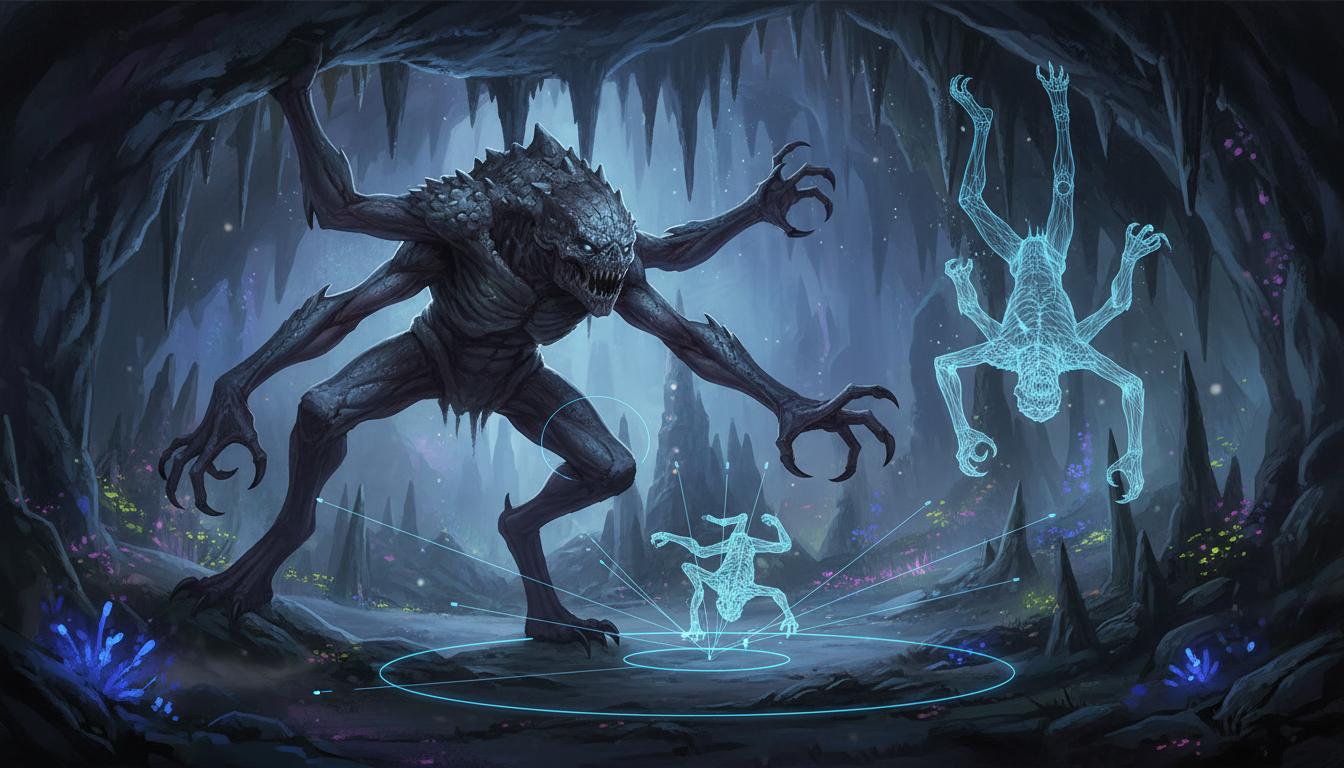
Map special limb motion before the model goes further.
Search this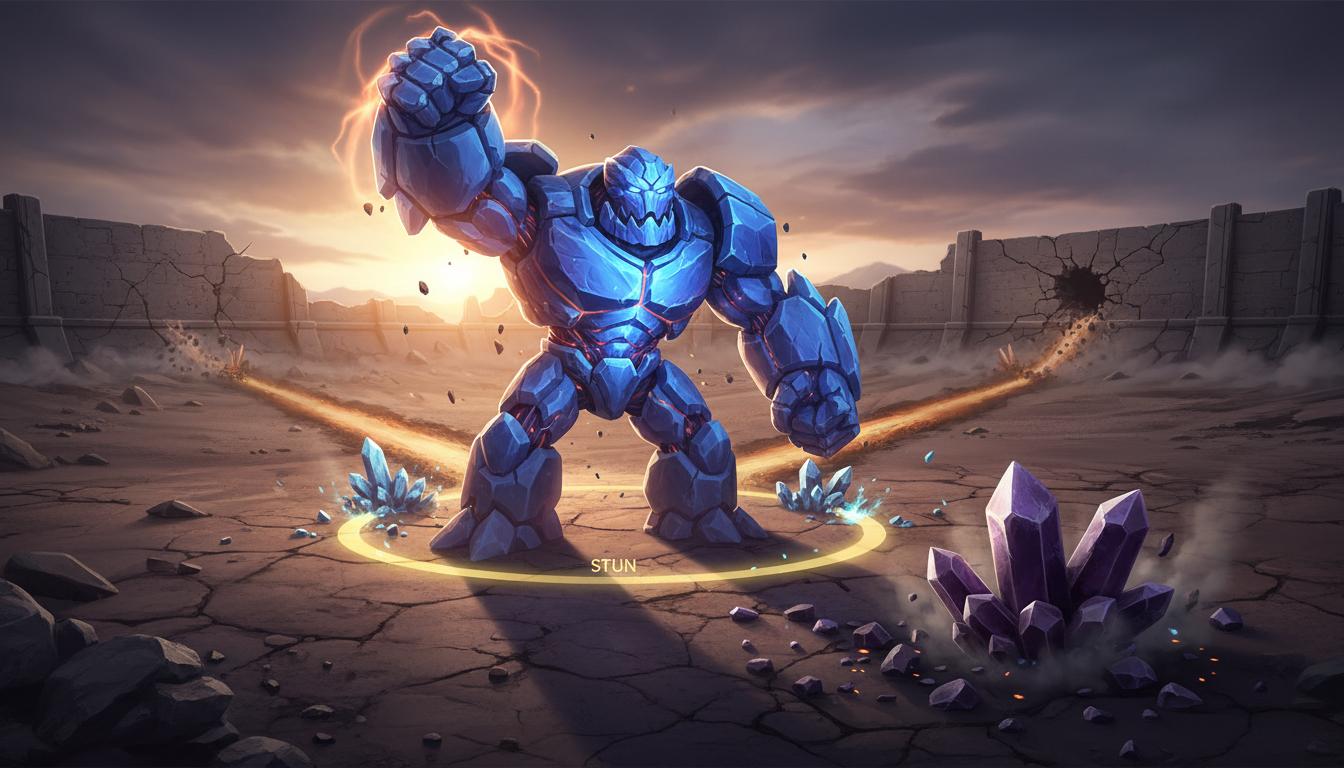
Balance exaggerated shapes with usable animation controls.
Search this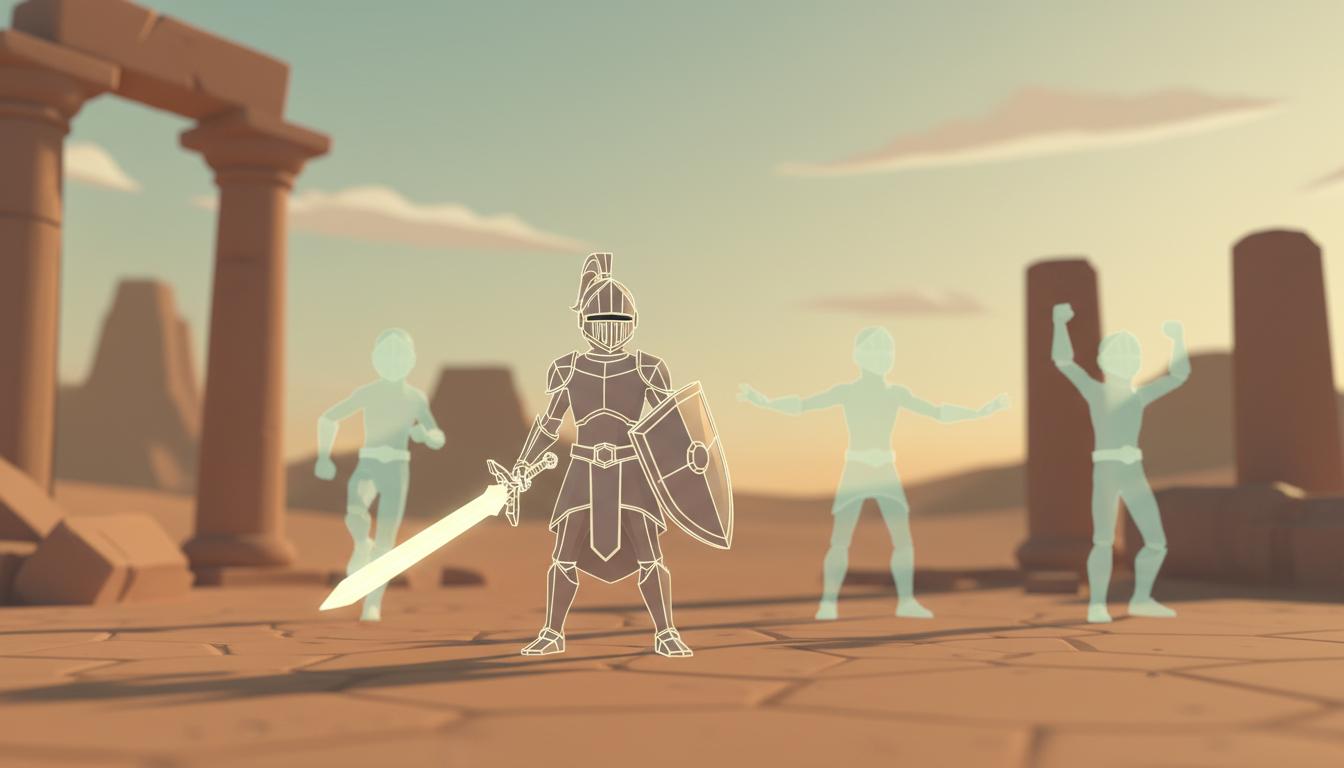
Reduce unnecessary rig complexity for a smaller production.
Search this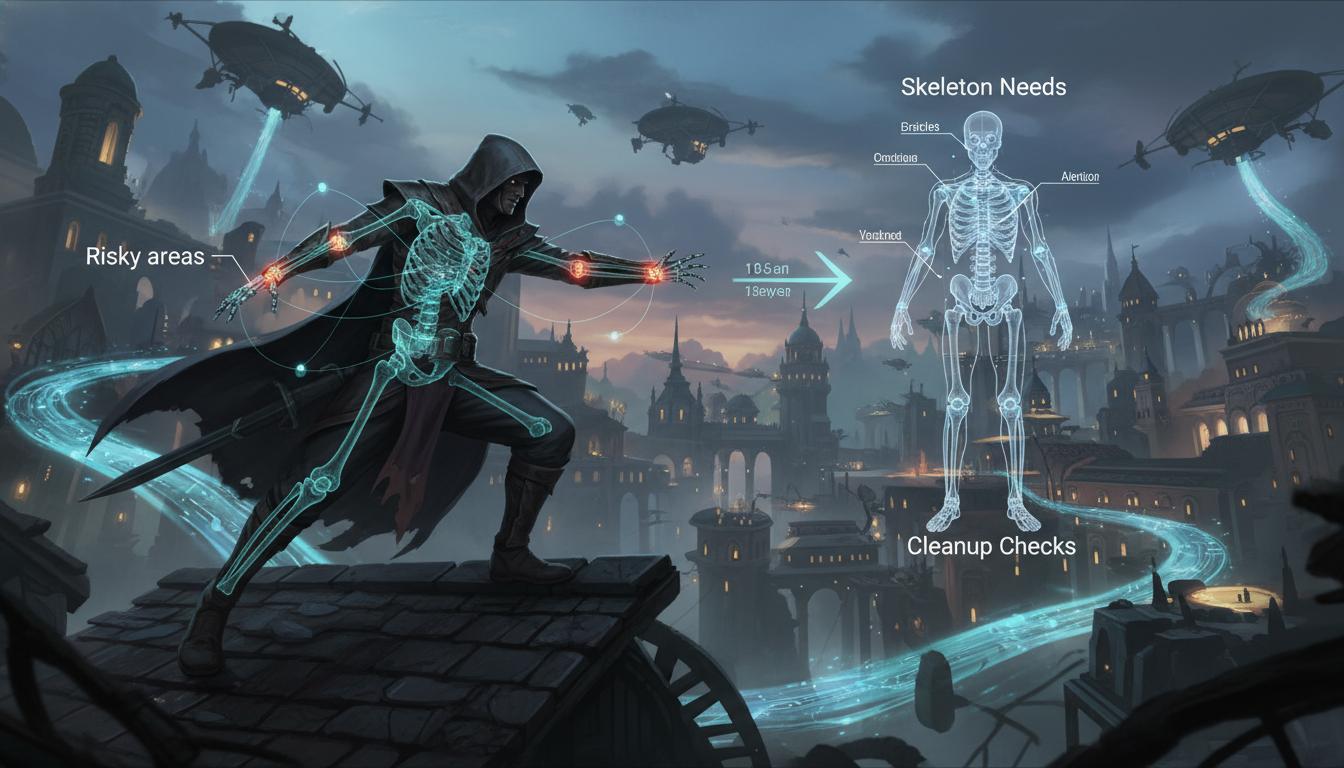
Turn art intent into a more actionable technical note.
Search thisCore Features
This page is strongest when you need clearer ai character auto rigging tool direction before expensive production steps begin.
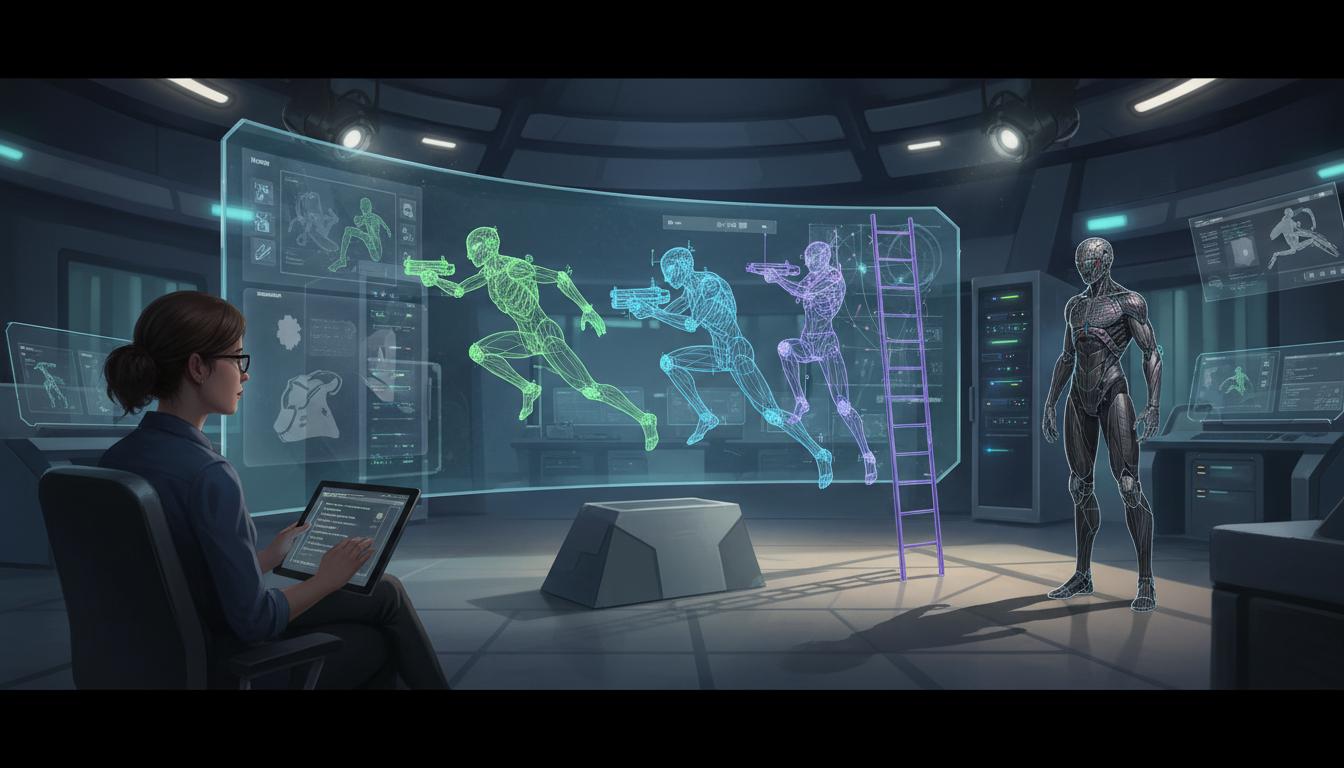
Use natural-language input to clarify what the character must do before a technical artist commits to deeper rig setup.
Open Workspace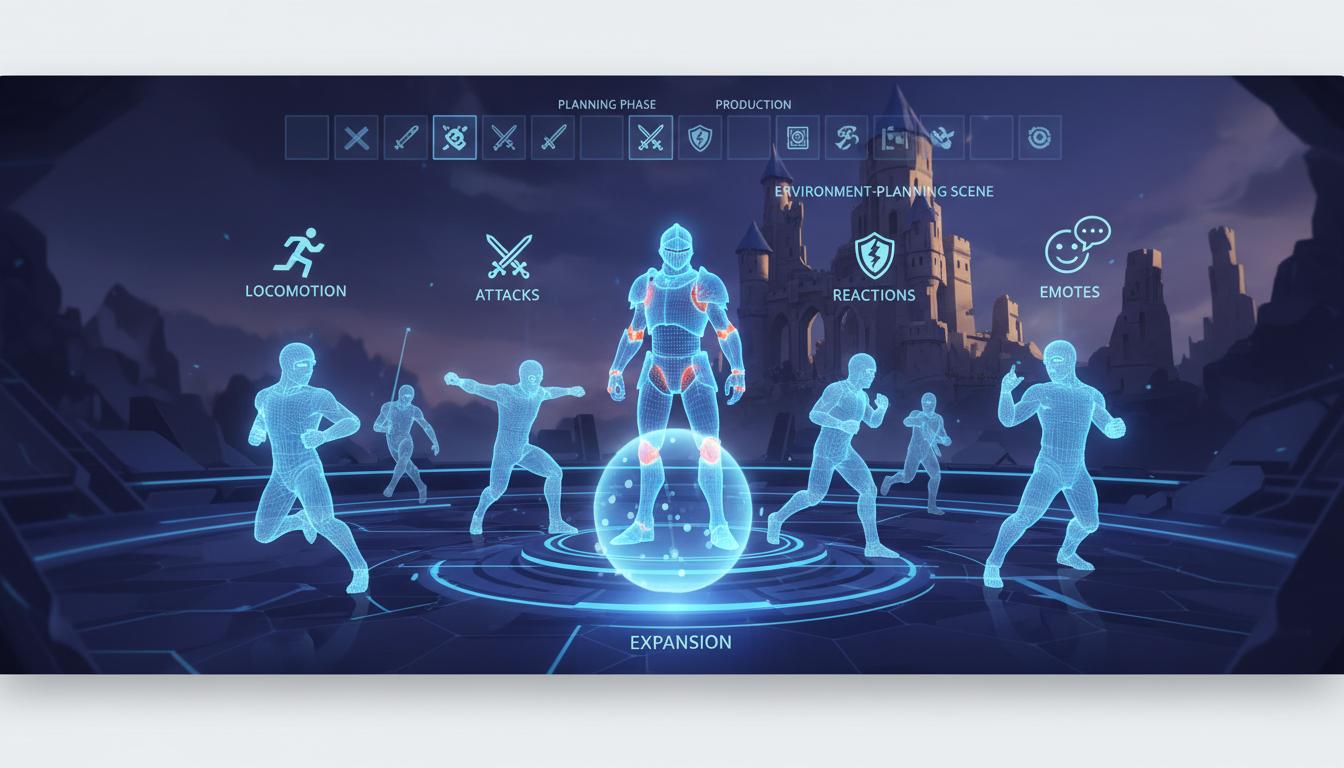
The workflow stays useful when you need to reason about locomotion, attacks, reactions, or emotes before production expands.
Open Workspace
It works best for characters where silhouette, bulk, and motion requirements matter more than a generic default skeleton.
Open Workspace
A stronger rigging brief reduces vague handoffs between concept, modeling, and technical animation.
Open Workspace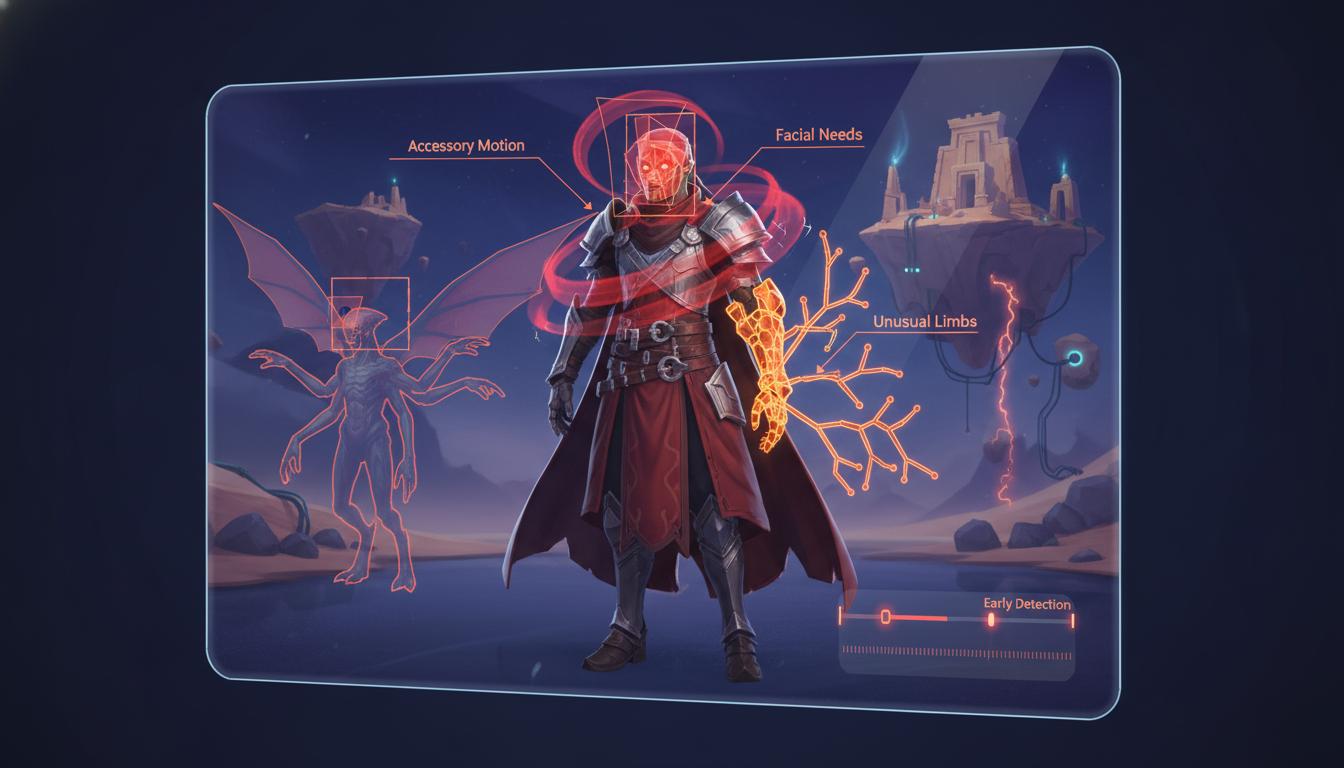
Accessory motion, facial needs, and unusual limbs can be called out early instead of discovered after setup.
Open Workspace
This page should position Seele as a planning aid, not a claim of production-ready auto-rig export without cleanup.
Open WorkspaceComparison
Use this page to understand where ai character auto rigging tool helps most in a real workflow.
| Criteria | AI Character Auto Rigging Tool for Faster Rig Planning | Manual workflow | Generic prompt-only ideation |
|---|---|---|---|
| Time to first usable direction | Fast | Slow | Fast |
| Best stage | Prototype and pre-production | Production execution | Early ideation only |
| Iteration cost | Low | High | Low |
| Review boundary clarity | High | High | Low |
| Technical production readiness | Needs review | Strong when finished | Not applicable |
| Team alignment speed | High | Medium | Medium |
Who This Tool Page Is For
The strongest use cases appear when one team needs ai character auto rigging tool direction quickly, not a final production asset immediately.
Use clearer prompts and structured outputs to move from idea to a reviewable direction without waiting on a full production pass.
Open WorkspaceCompare scope, style, and production trade-offs earlier so implementation starts from a cleaner brief.
Open WorkspaceBring stronger first-pass options into review and decide which path deserves deeper production effort.
Open WorkspaceTeams usually reach for an AI character auto rigging tool when a character concept is solid enough to animate, but the actual rigging path is still fuzzy. The useful job here is not magical one-click export. It is clarifying what the skeleton needs to support, where the motion complexity lives, and what a technical animator should review first.
Seele AI can help turn a character brief into a more actionable rigging scope: expected locomotion, combat states, likely control groups, and risky deformation areas. That is especially useful for stylized heroes, low-poly NPCs, creatures, and boss characters that need a practical first pass before deeper setup.
You should still expect manual review for weighting, deformation cleanup, facial rigs, accessories, cloth, and engine-facing export validation. The strongest positioning is a planning and handoff accelerator, not a promise of production-ready rigging with no cleanup.
How It Works
Provide body proportions, outfit bulk, gameplay role, and the animation states that matter most. Seele AI frames the likely skeleton complexity, control priorities, and deformation risks for a first rig pass.
Ask for a practical auto-rigging route that matches the character style and expected movement set. Seele AI organizes bone groups, motion coverage, and likely cleanup areas into a clearer setup plan.
Compare the suggested setup against your animator or technical artist requirements. Seele AI summarizes what is ready for handoff and what still needs manual rig review or cleanup.
What You Get
A structured summary of body type, motion needs, and likely rig complexity.
A first-pass outline of joint groups, controls, and animation coverage to consider.
A short list of deformations, weighting, or cleanup issues that still need human review.
Where This Works Best
It is best for planning skeleton setup, control scope, and animation coverage before manual rigging work goes deeper. The workflow helps teams get to a clearer first-pass rig brief faster.
No. Final bone placement, skin weights, deformation quality, and export validation still need human review. This workflow is for planning and handoff clarity, not a full replacement for rig cleanup.
Yes, it can help scope creatures, NPCs, bosses, and stylized heroes as long as the prompt describes body structure and movement needs clearly. Unusual anatomy still benefits from extra manual review.
Include body proportions, clothing bulk, gameplay actions, animation states, and any special appendages or accessories. The more concrete the motion requirements are, the more useful the planning output becomes.
No. You should treat the output as a rig planning and handoff artifact. Engine export, retargeting, and final animation tests still need manual production steps.
Join thousands building with Seele AI — no setup required.
Open WorkspaceRelated-search decision guide
Use one representative input and follow it through edit, export, and destination testing. Treat “free” and “best” as search intent—not a promise about current access or quality.
Searches mapped to this route include “3d model for rigging”, “anime effects rigging free”, “free rigging”, “rigging for animation”, and “rigging free”. Confirm the actual job and destination instead of assuming every wording is equivalent. Test rig deformation, editable keyframes, clip naming, root motion, export, destination import, and one revision before choosing. Free access, sign-up rules, limits, and commercial rights can change; verify the current official terms.