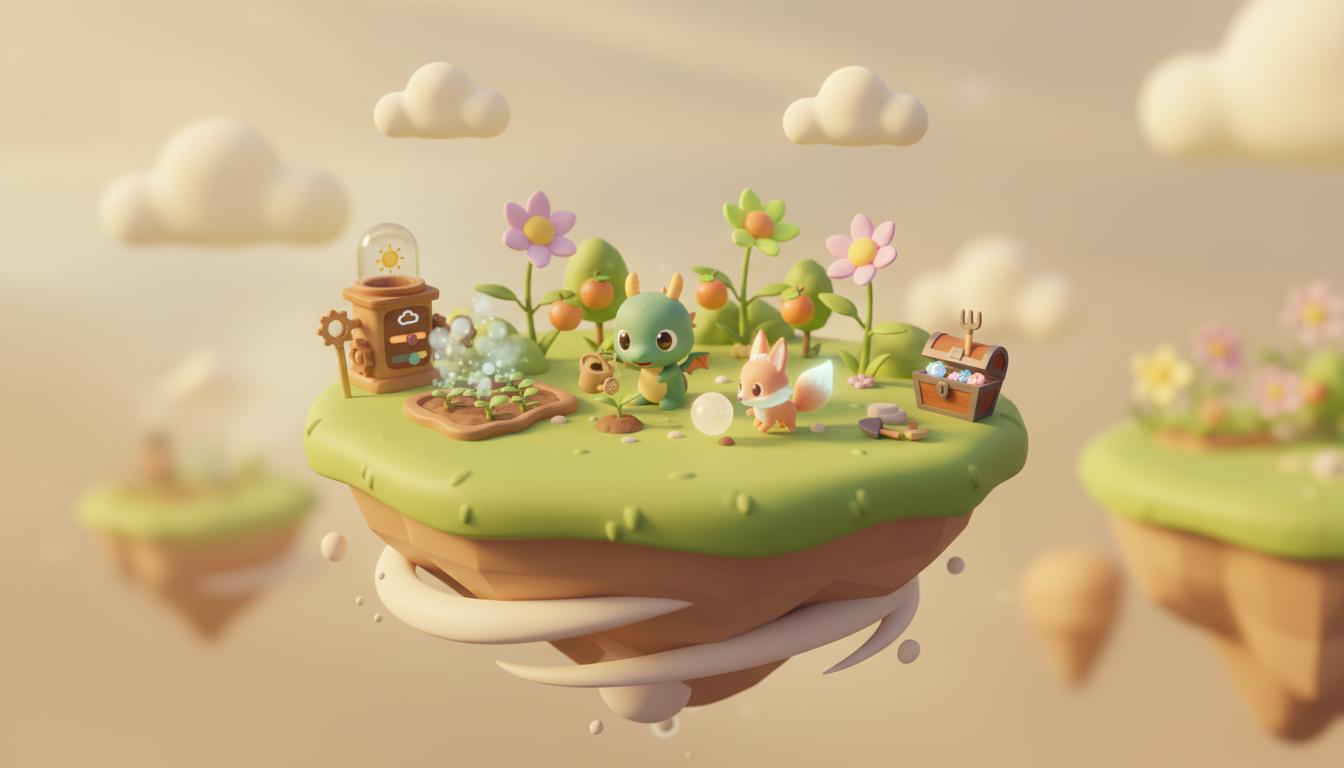
Mini Island Toybox
Build a cozy environment with playful interactions.
Search thisShape a playful sandbox concept with environment rules, player verbs, and systems that encourage experimentation.
Try this in Seele AI
Start with a specific ai sandbox creator need, then carry that prompt into the workspace for deeper iteration and follow-up planning.
Quick Start Searches
Pick a concrete ai sandbox creator scenario and jump into the workspace with a stronger starting prompt.
Build a cozy environment with playful interactions.
Search this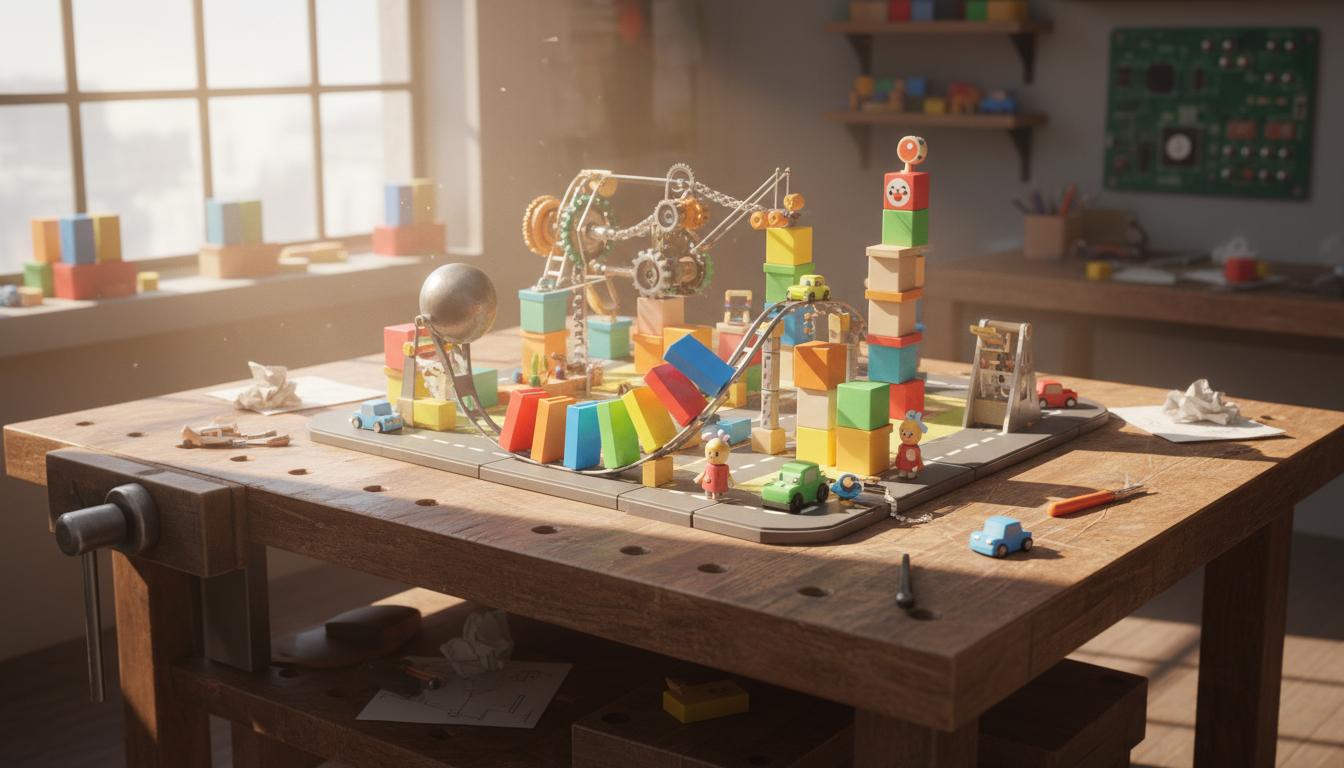
Draft chain-reaction systems for a playful urban toybox.
Search this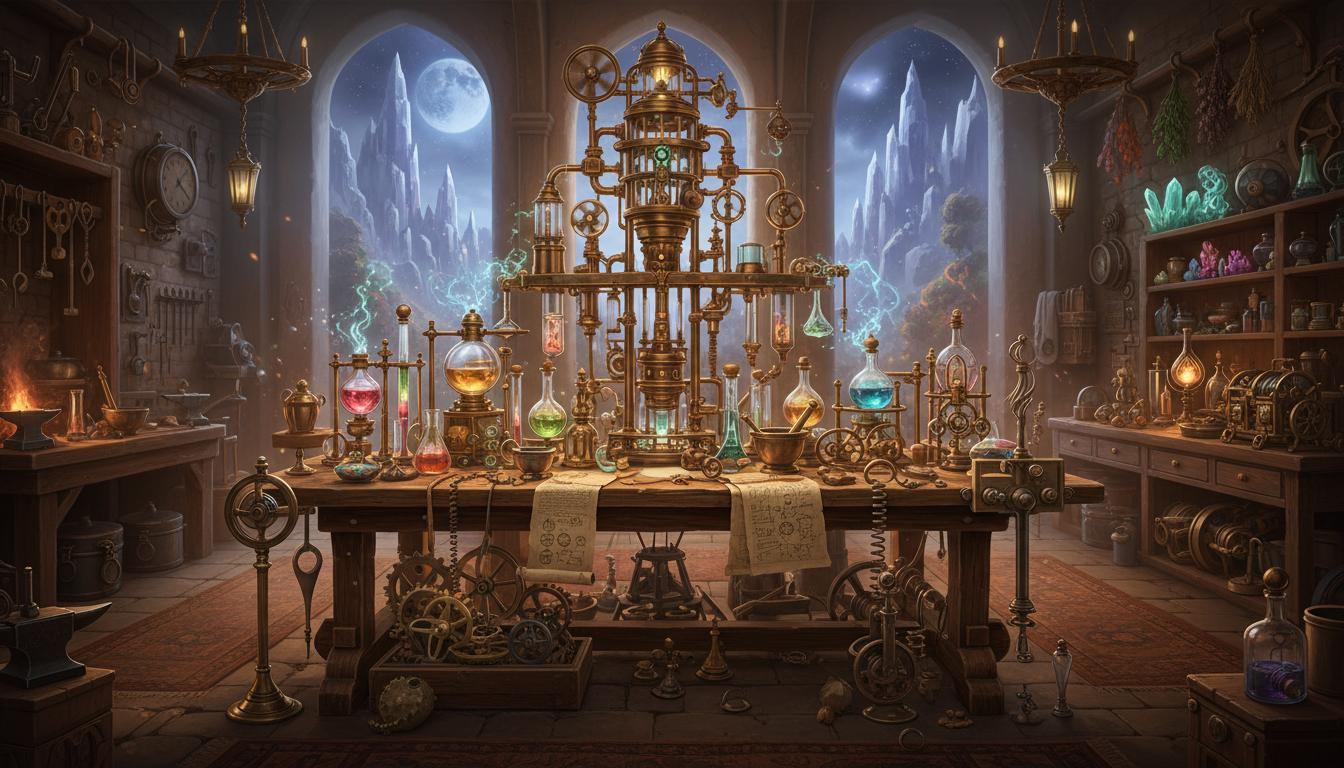
Shape a crafting-led sandbox around experimentation.
Search this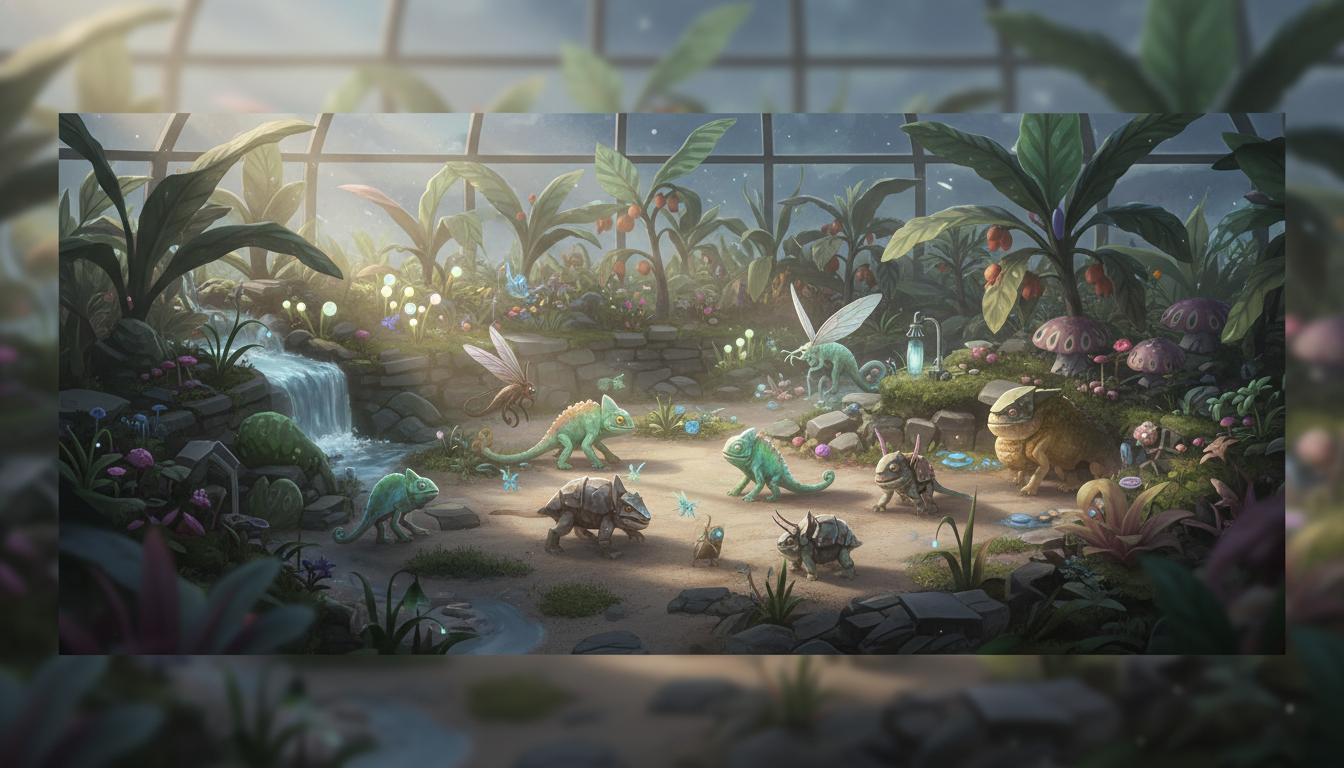
Plan a low-pressure sandbox centered on care and observation.
Search this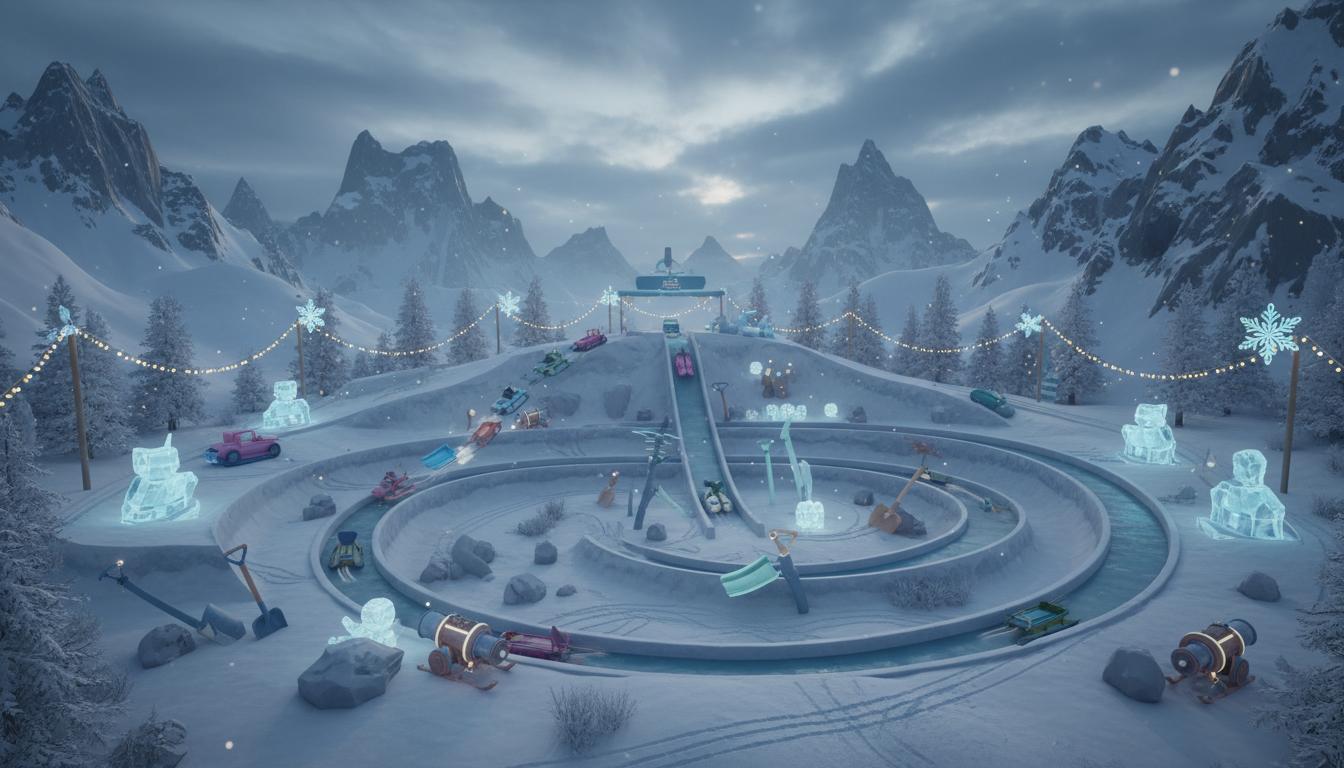
Turn seasonal props and movement into a playful space.
Search this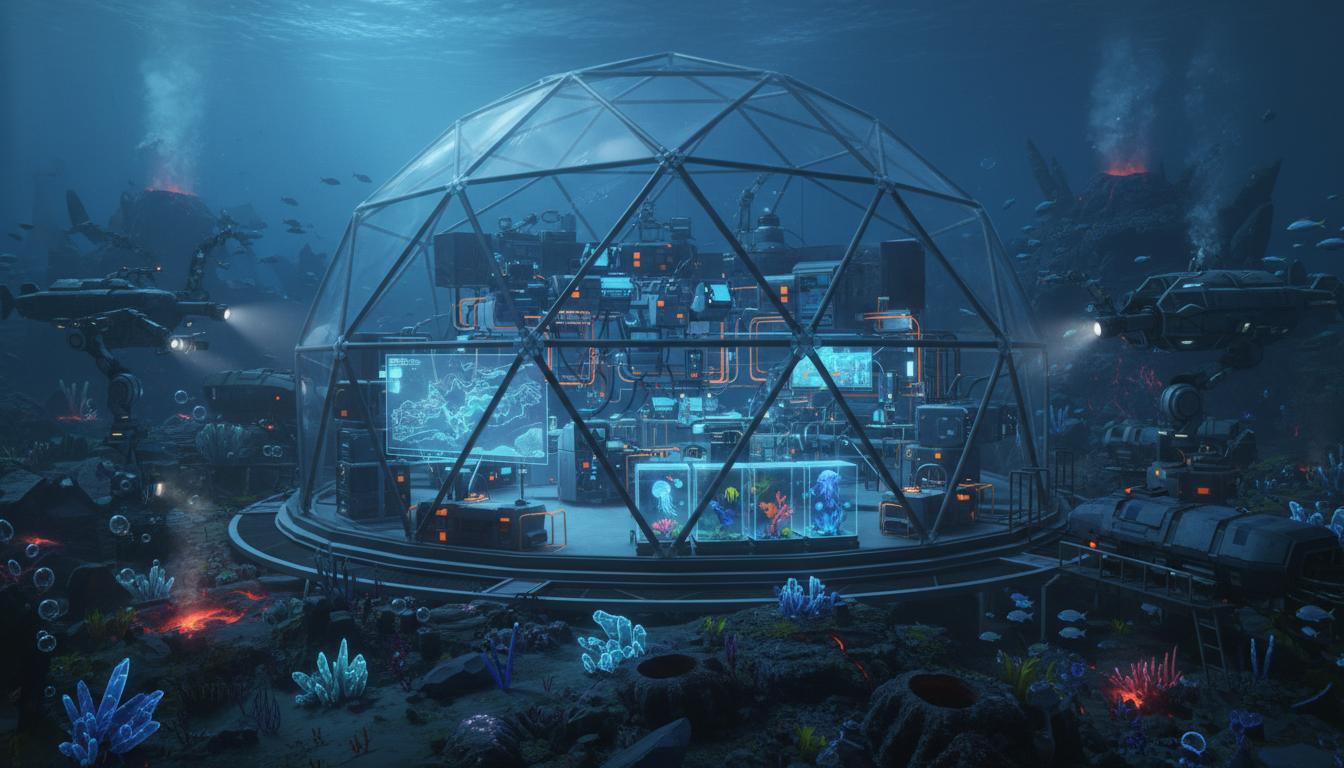
Explore systems and environment reactions in a contained theme.
Search thisCore Features
This page is strongest when you need clearer ai sandbox creator direction before expensive production steps begin.
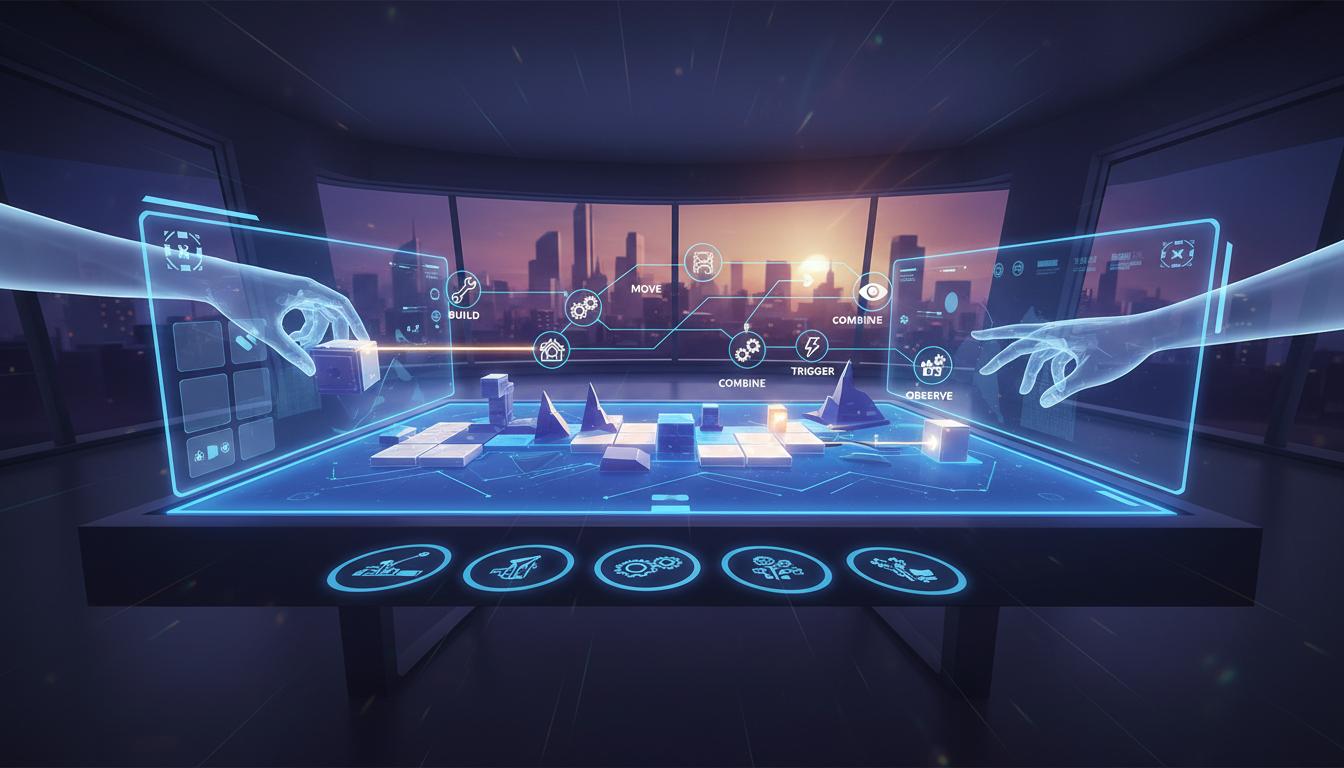
Clarify what players can build, move, combine, trigger, or observe in the sandbox.
Open Workspace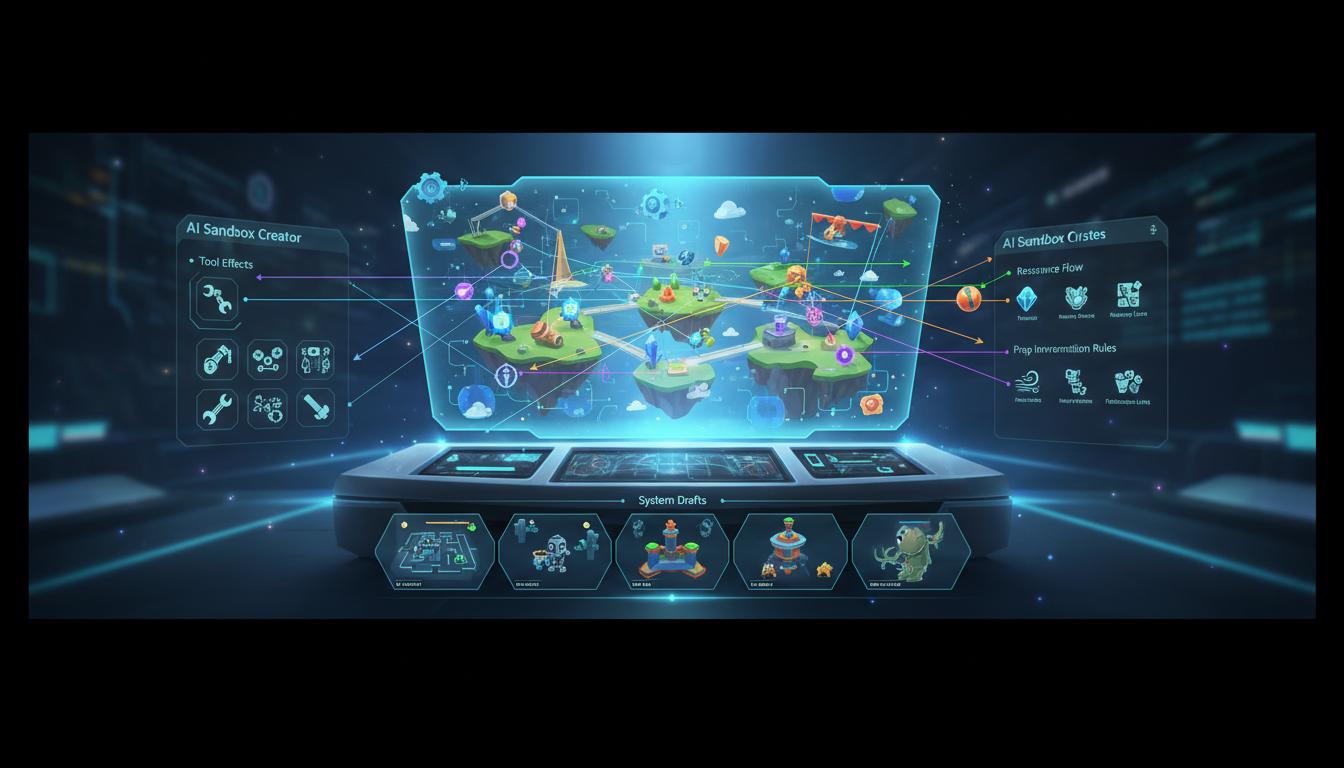
Map how tools, resources, props, and environment rules affect each other.
Open Workspace
Start with a smaller play space instead of aiming for an oversized world too early.
Open Workspace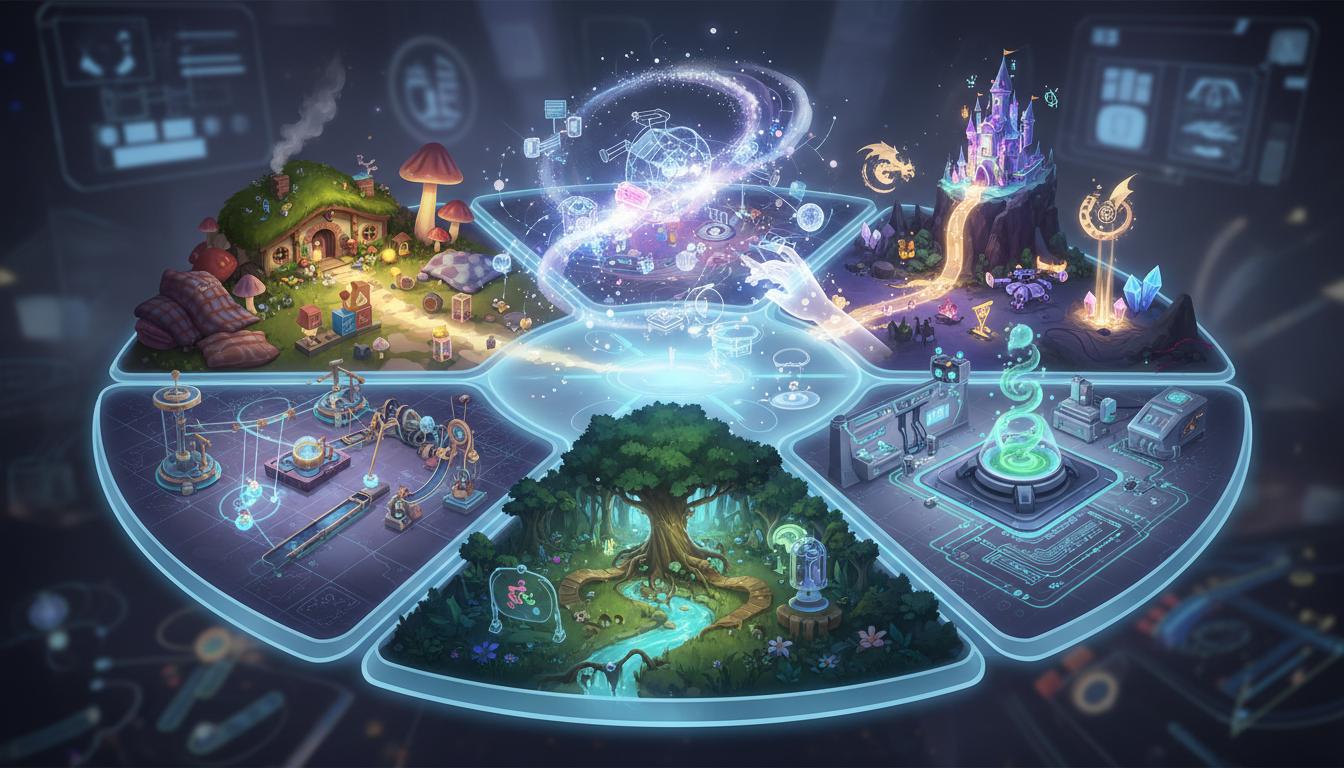
Generate sandbox directions for cozy, physics-led, fantasy, science, or nature settings.
Open Workspace
Encourage systems that create surprising outcomes through simple interactions.
Open Workspace
Produce notes that are easy to discuss across design, art, and engineering.
Open WorkspaceComparison
Use this page to understand where ai sandbox creator helps most in a real workflow.
| Criteria | AI Sandbox Creator | Draft Play Spaces, Systems, and Toy-Like Interactions | Manual workflow | Generic prompt-only ideation |
|---|---|---|---|
| Time to first usable direction | Fast | Slow | Fast |
| Best stage | Prototype and pre-production | Production execution | Early ideation only |
| Iteration cost | Low | High | Low |
| Review boundary clarity | High | High | Low |
| Technical production readiness | Needs review | Strong when finished | Not applicable |
| Team alignment speed | High | Medium | Medium |
Who This Tool Page Is For
The strongest use cases appear when one team needs ai sandbox creator direction quickly, not a final production asset immediately.
Use clearer prompts and structured outputs to move from idea to a reviewable direction without waiting on a full production pass.
Open WorkspaceCompare scope, style, and production trade-offs earlier so implementation starts from a cleaner brief.
Open WorkspaceBring stronger first-pass options into review and decide which path deserves deeper production effort.
Open WorkspaceAn AI sandbox creator is useful for shaping toy-like game concepts where player freedom and system interaction matter more than a linear level sequence. It helps define the world theme, player verbs, and environment rules before teams commit to building too much.
Sandbox ideas can grow out of control quickly. Drafting a contained prototype slice makes it easier to test whether the central systems are enjoyable without implying a complete open-world generation promise.
Emergent play needs observation and testing. Generated notes can suggest interactions and systems, but teams still need to verify balance, readability, and whether repeated play stays interesting.
How It Works
What You Get
A structured outline of world theme, player verbs, and system direction.
Suggestions for toys, tools, resources, and environment responses.
A smaller first version focused on the most interesting systems to test.
Where This Works Best
No. It is better understood as a tool for drafting sandbox concepts, systems, and prototype slices.
Yes. It is useful for combining player verbs, environment rules, and simple systems into more playful interactions.
Yes. Most teams benefit from testing a smaller sandbox slice before expanding the concept.
Cozy toyboxes, crafting spaces, physics playgrounds, creature habitats, and similar system-rich concepts fit well.
You should validate performance, system readability, progression goals, and whether the interactions are actually fun.
Join thousands building with Seele AI — no setup required.
Open Workspace