Mystery Route Planner
Balance suspicion, reveals, and truth paths.
Mystery Route Planner Balance suspicion, reveals, and truth paths. Search thisSearch thisTurn a visual novel concept into a clearer route plan, scene sequence, and production handoff before full writing and asset creation begin.
Try this in Seele AI
Start with a specific ai visual novel maker need, then carry that prompt into the workspace for deeper iteration and follow-up planning.
Quick Start Searches
Pick a concrete ai visual novel maker scenario and jump into the workspace with a stronger starting prompt.
Balance suspicion, reveals, and truth paths.
Mystery Route Planner Balance suspicion, reveals, and truth paths. Search thisSearch this
Keep routes distinct instead of repetitive.
Romance Route Structure Keep routes distinct instead of repetitive. Search thisSearch this
Control tension and branching paranoia scenes.
Horror Pacing Map Control tension and branching paranoia scenes. Search thisSearch this
Manage multiple character arcs cleanly.
School Drama Ensemble Manage multiple character arcs cleanly. Search thisSearch this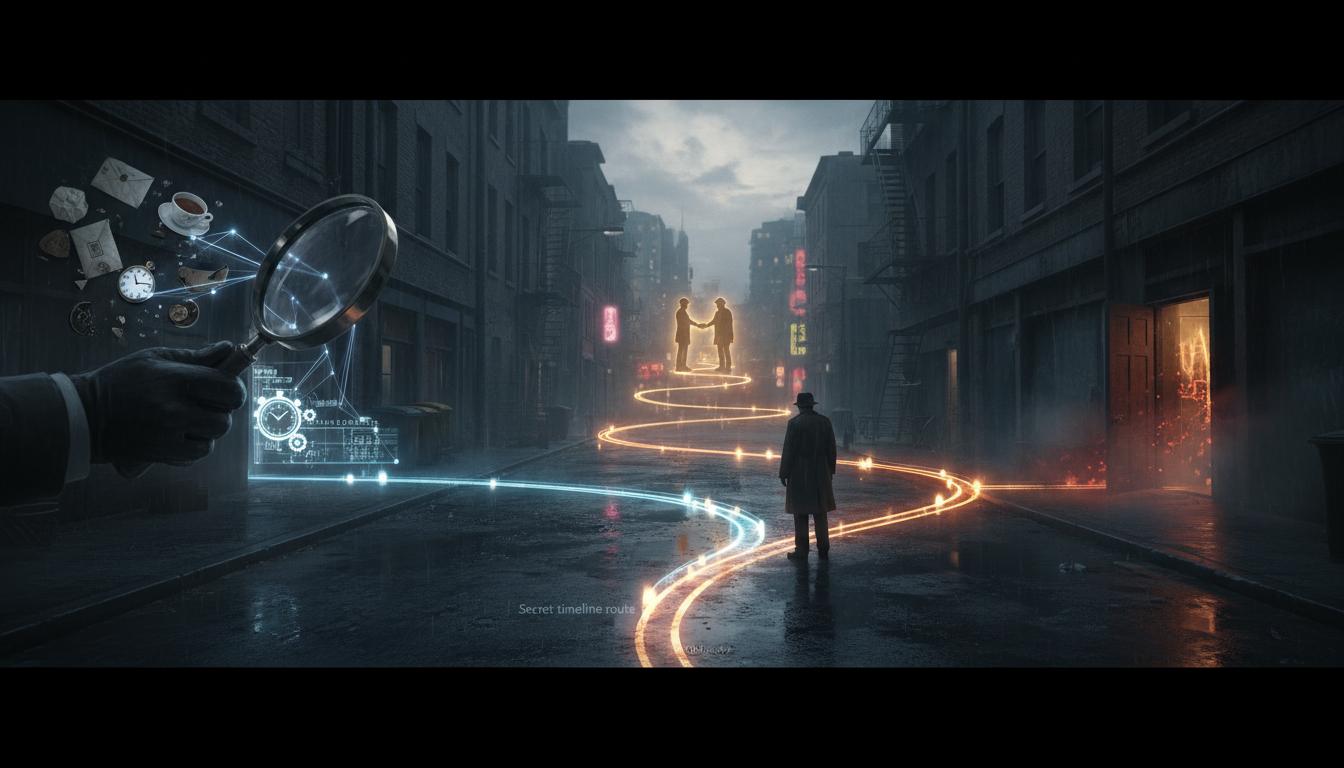
Tie route branching to evidence and timing.
Detective Case Framework Tie route branching to evidence and timing. Search thisSearch this
Make route ambition match a small team.
Production Scope Check Make route ambition match a small team. Search thisSearch thisCore Features
This page is strongest when you need clearer ai visual novel maker direction before expensive production steps begin.
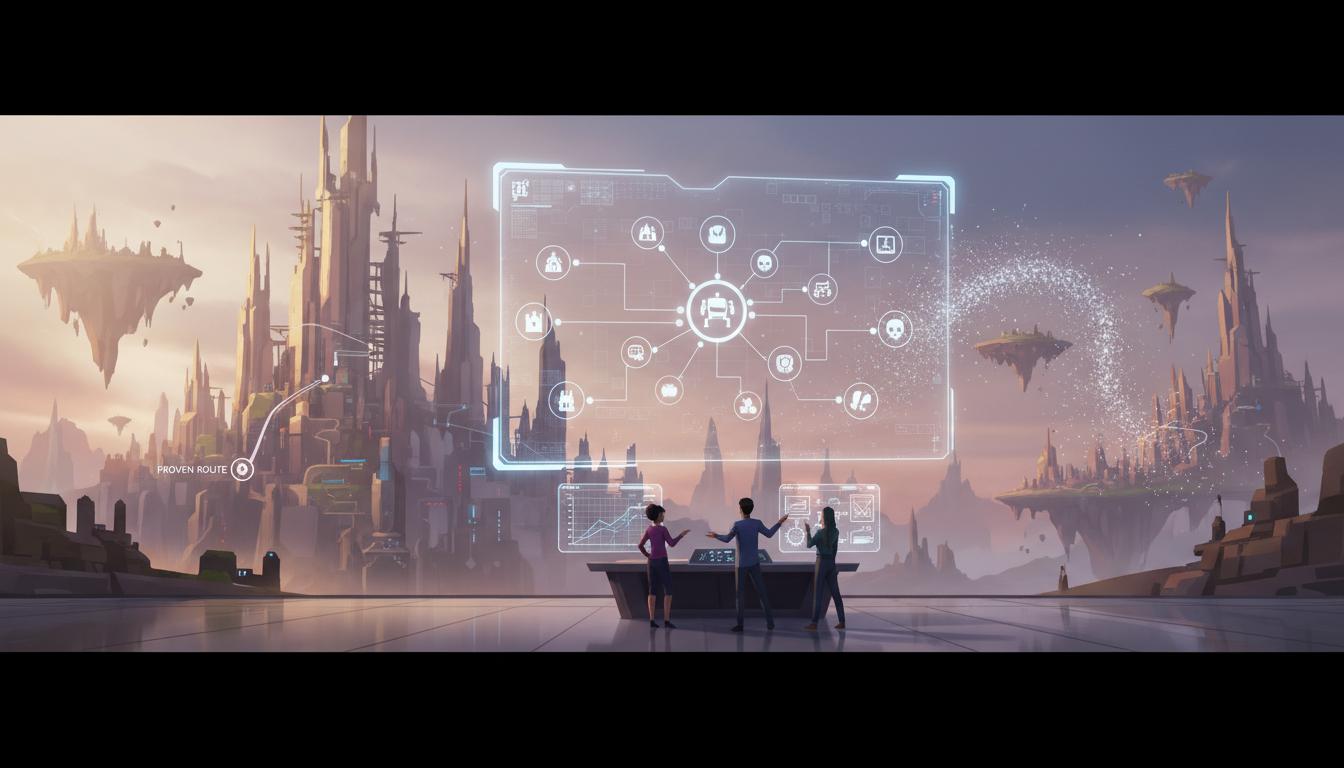
A stronger route plan helps teams avoid writing huge amounts of content before the structure is proven.
Plan Route Logic Before Script Volume Explodes A stronger route plan helps teams avoid writing huge amounts of content before the structure is proven. Open WorkspaceOpen Workspace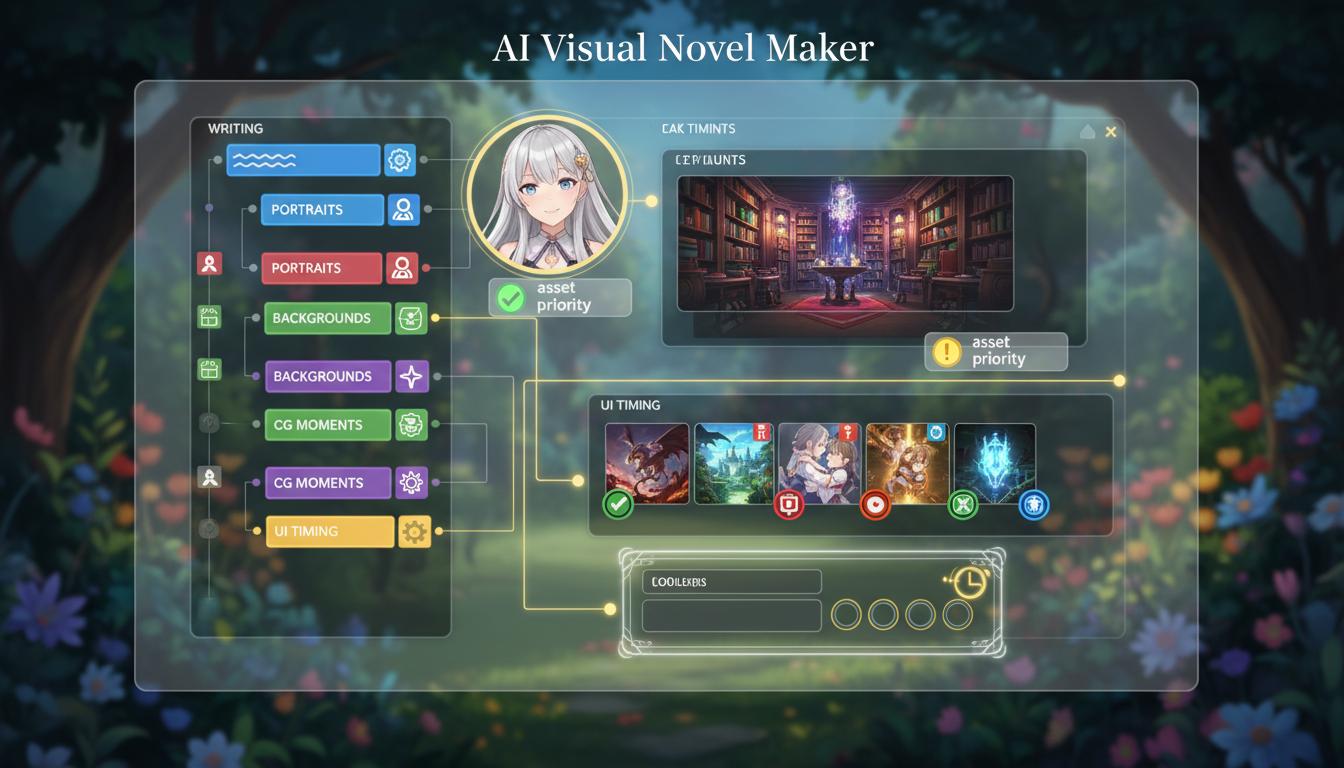
Visual novels often need writing, portraits, backgrounds, CG moments, and UI timing to stay in sync.
Keep Scene And Asset Priorities Visible Visual novels often need writing, portraits, backgrounds, CG moments, and UI timing to stay in sync. Open WorkspaceOpen Workspace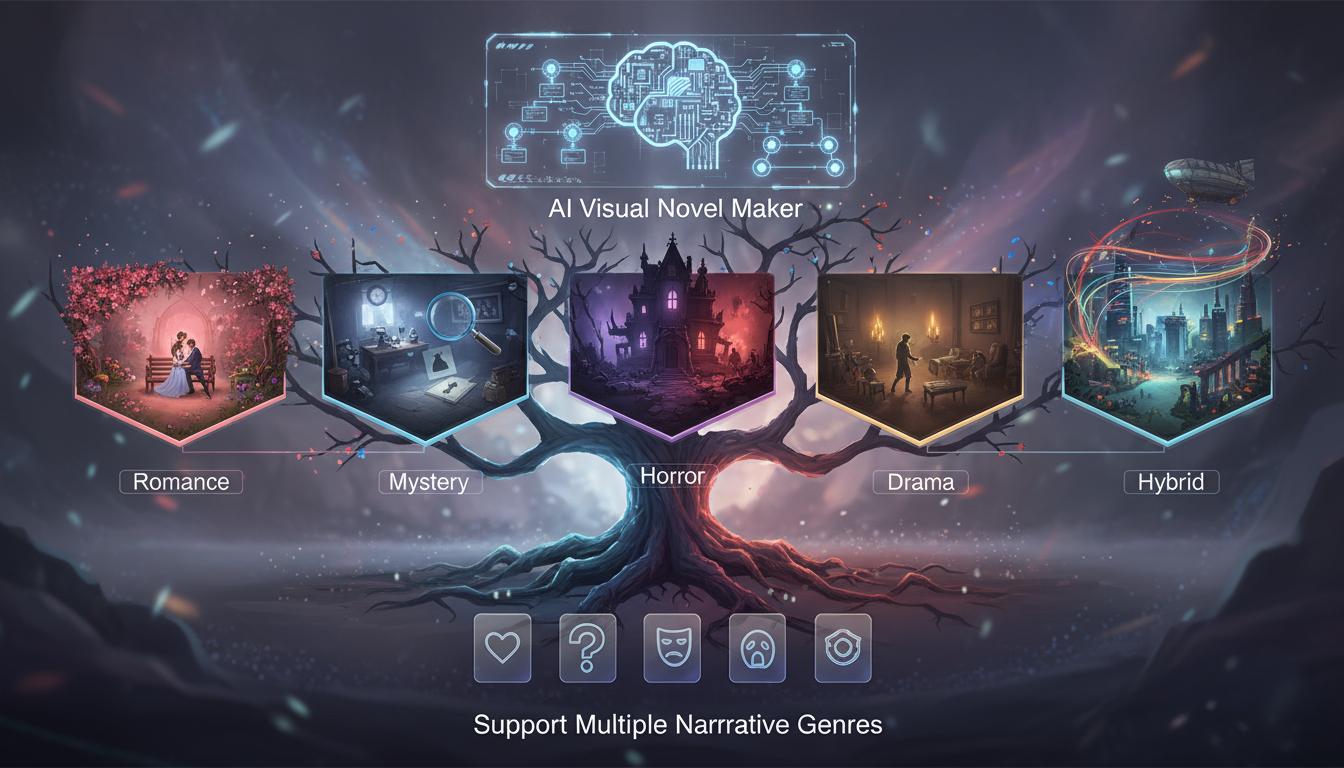
The workflow can fit romance, mystery, horror, drama, or hybrid story formats as long as route goals are clear.
Support Multiple Narrative Genres The workflow can fit romance, mystery, horror, drama, or hybrid story formats as long as route goals are clear. Open WorkspaceOpen Workspace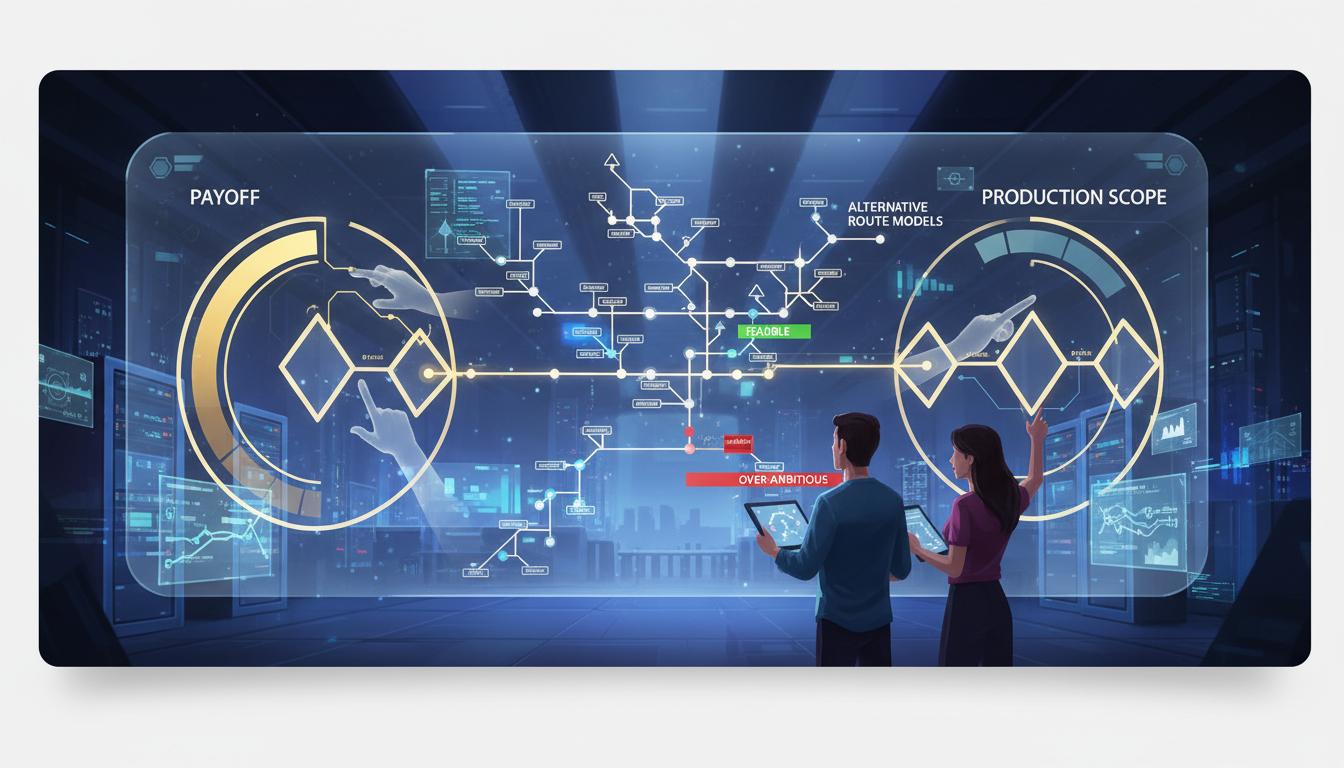
Alternative route models help teams choose the branch depth they can realistically support.
Balance Payoff Against Production Scope Alternative route models help teams choose the branch depth they can realistically support. Open WorkspaceOpen Workspace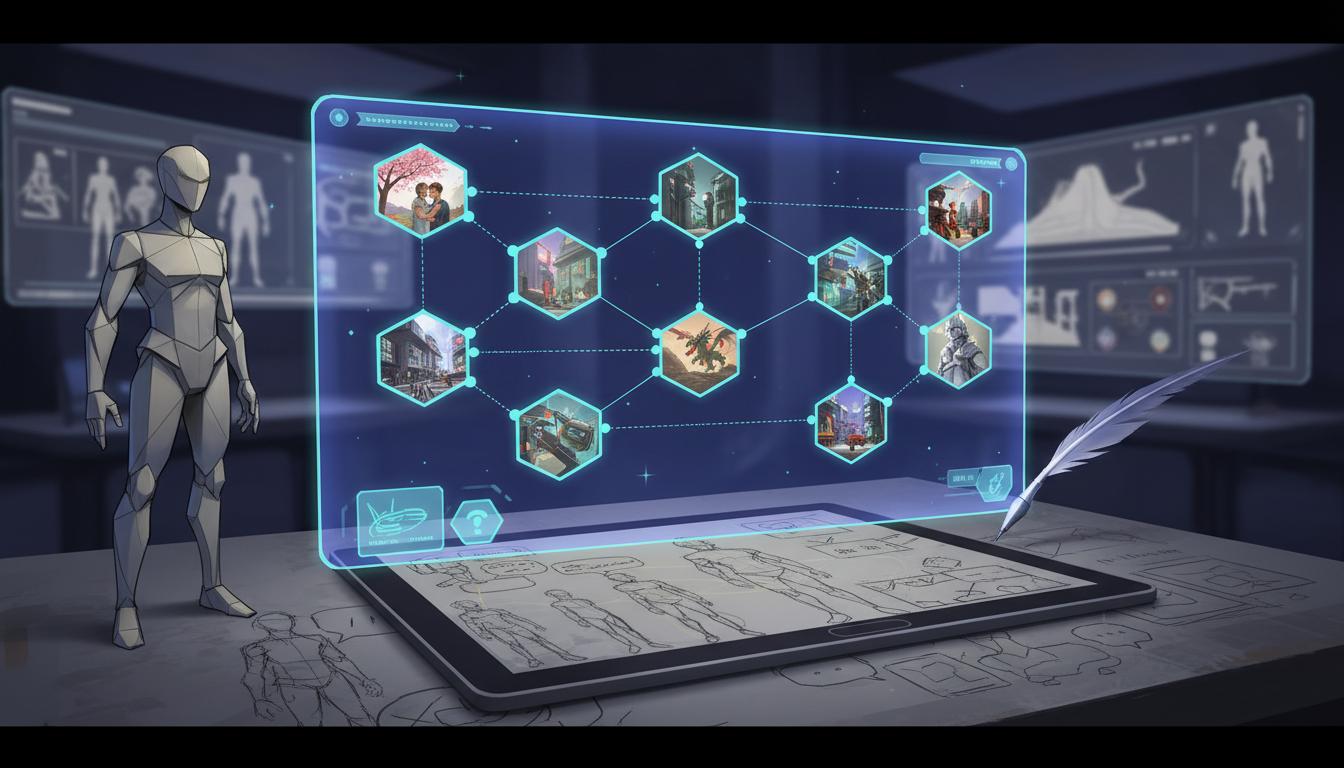
The output works best as a planning layer that makes later writing and implementation more focused.
Useful Before Deeper Line-By-Line Writing The output works best as a planning layer that makes later writing and implementation more focused. Open WorkspaceOpen Workspace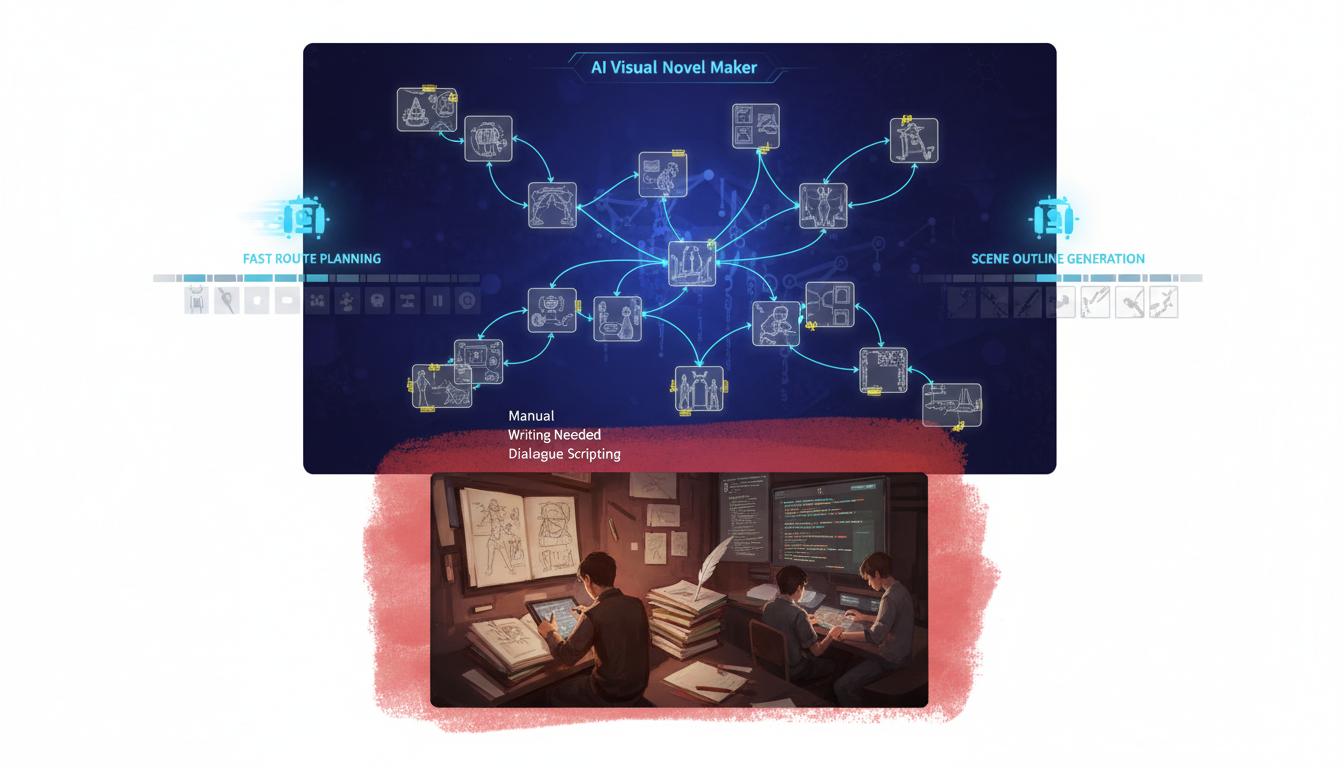
This page should promise faster route and scene planning, not imply final polished visual novels without writing and content production.
Stay Honest About What Remains Manual This page should promise faster route and scene planning, not imply final polished visual novels without writing and content production. Open Open WorkspaceComparison
Use this page to understand where ai visual novel maker helps most in a real workflow.
| Criteria | AI Visual Novel Maker for Branching Story Games | Manual workflow | Generic prompt-only ideation |
|---|---|---|---|
| Time to first usable direction | Fast | Slow | Fast |
| Best stage | Prototype and pre-production | Production execution | Early ideation only |
| Iteration cost | Low | High | Low |
| Review boundary clarity | High | High | Low |
| Technical production readiness | Needs review | Strong when finished | Not applicable |
| Team alignment speed | High | Medium | Medium |
Who This Tool Page Is For
The strongest use cases appear when one team needs ai visual novel maker direction quickly, not a final production asset immediately.
Use clearer prompts and structured outputs to move from idea to a reviewable direction without waiting on a full production pass.
Indie Game Teams Use clearer prompts and structured outputs to move from idea to a reviewable direction without waiting on a full production pass. Open WorkspaceOpen WorkspaceCompare scope, style, and production trade-offs earlier so implementation starts from a cleaner brief.
Designers And Technical Artists Compare scope, style, and production trade-offs earlier so implementation starts from a cleaner brief. Open WorkspaceOpen WorkspaceBring stronger first-pass options into review and decide which path deserves deeper production effort.
Creative Leads Bring stronger first-pass options into review and decide which path deserves deeper production effort. Open WorkspaceOpen WorkspaceVisual novel production can balloon quickly because route count, scene sequencing, and content needs all multiply together. An AI visual novel maker is useful when a team wants to decide which routes deserve to exist , how they should diverge, and what payoff each one should deliver before the script gets too large.
The strongest outputs are a route brief, a few structure options, and a clearer production handoff covering scene priorities and content scope. That can help narrative, art, and implementation teams stay aligned on the same story architecture.
Manual writing, editing, localization, scene polish, and presentation tuning still need human craft. The page should promise faster route planning and stronger story scaffolding, not a fully finished visual novel in one step.
How It Works
Explain the premise, route count, main cast, tone, and what kind of player experience the story should create. Seele AI frames the likely route structure, key beats, and production priorities for a visual novel flow.
Ask for alternative route models with different reveal timing, emotional pacing, or ending logic. Seele AI proposes ways to organize scene flow, branch depth, and route payoff more clearly.
Choose the route model that best fits your narrative ambition and content budget. Seele AI condenses the chosen route into a clearer handoff for writing, asset planning, and scene implementation.
What You Get
A structured summary of route goals, cast roles, and scene-flow expectations.
Alternative ways to organize scenes, branches, and ending logic before full script work.
A concise guide to what scenes, assets, and writing priorities should come first.
Where This Works Best
Where This Works Best
Join creators building with Seele AI — no setup required.
Open Workspace