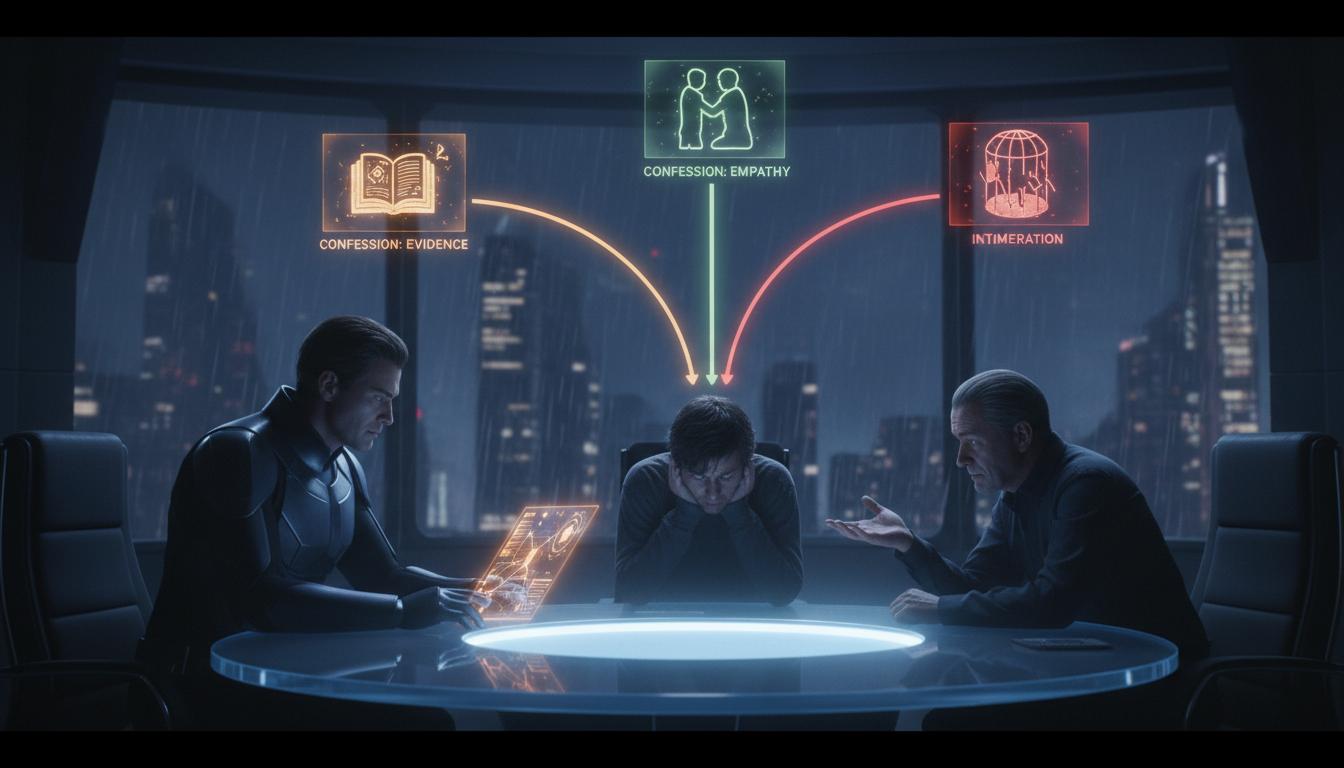
Interrogation Branch Map
Build meaningful outcomes around evidence and pressure.
Search thisTurn a conversation goal into a clearer branch map, state-change plan, and narrative handoff before node implementation begins.
Try this in Seele AI
Start with a specific branching dialogue generator ai need, then carry that prompt into the workspace for deeper iteration and follow-up planning.
Quick Start Searches
Pick a concrete branching dialogue generator ai scenario and jump into the workspace with a stronger starting prompt.
Build meaningful outcomes around evidence and pressure.
Search this
Tie politics and trust to route logic.
Search this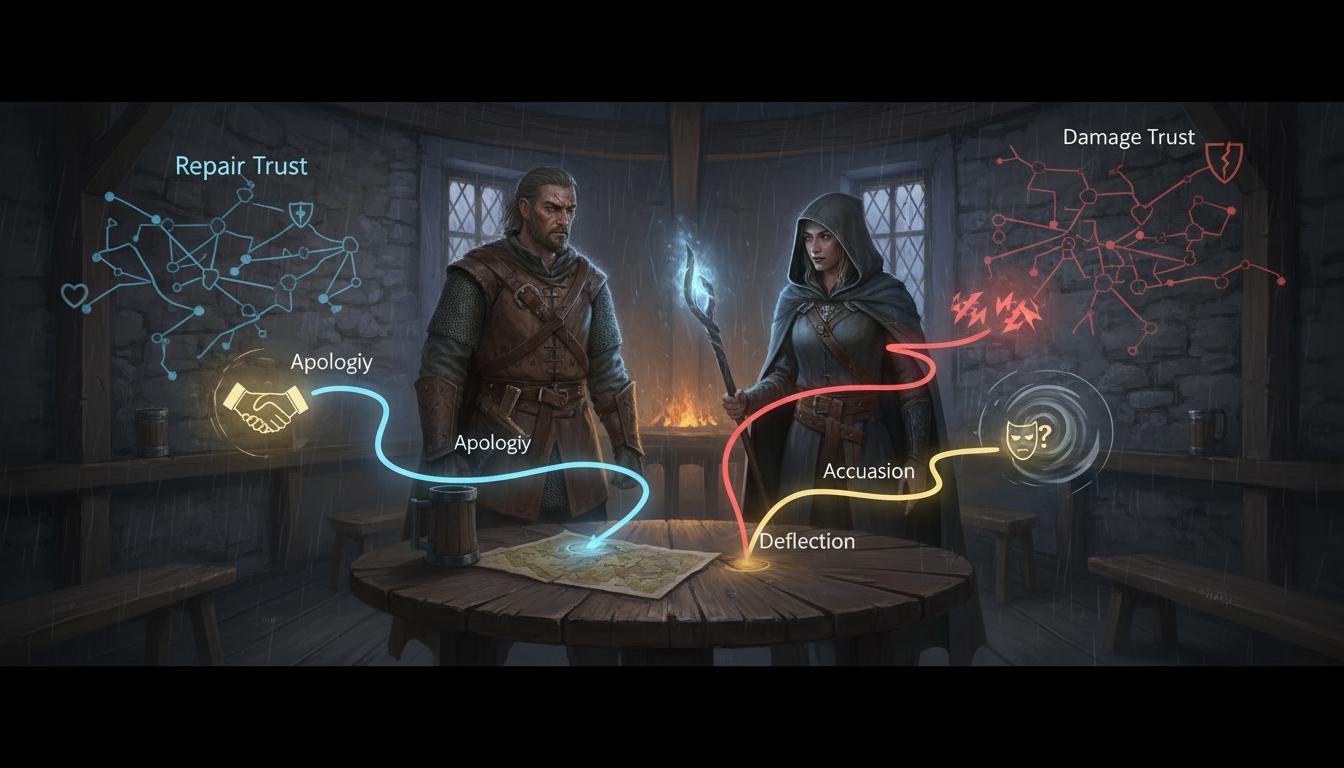
Map emotional consequences instead of cosmetic choices.
Search this
Use dialogue to unlock or block progression cleanly.
Search this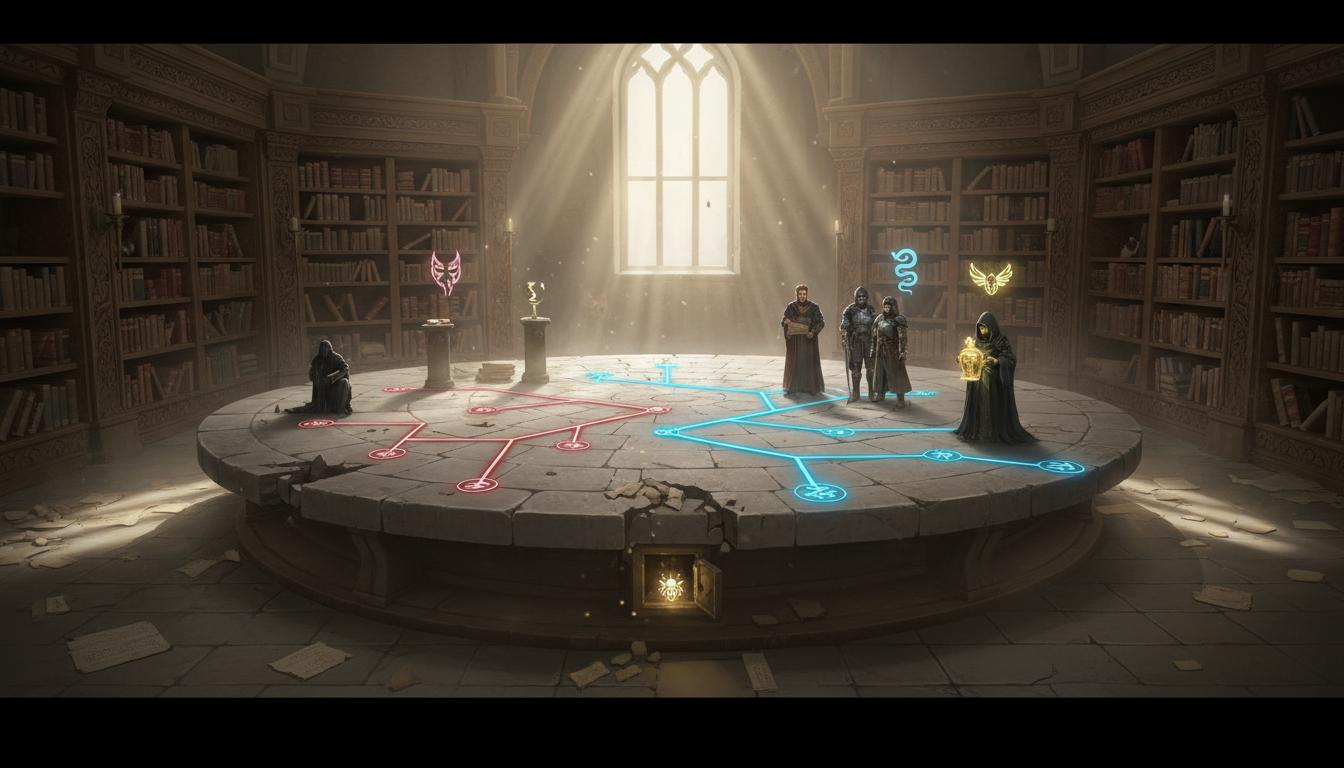
Keep narrative payoff visible in the branch design.
Search this
Handle softer but still meaningful state changes.
Search thisCore Features
This page is strongest when you need clearer branching dialogue generator ai direction before expensive production steps begin.
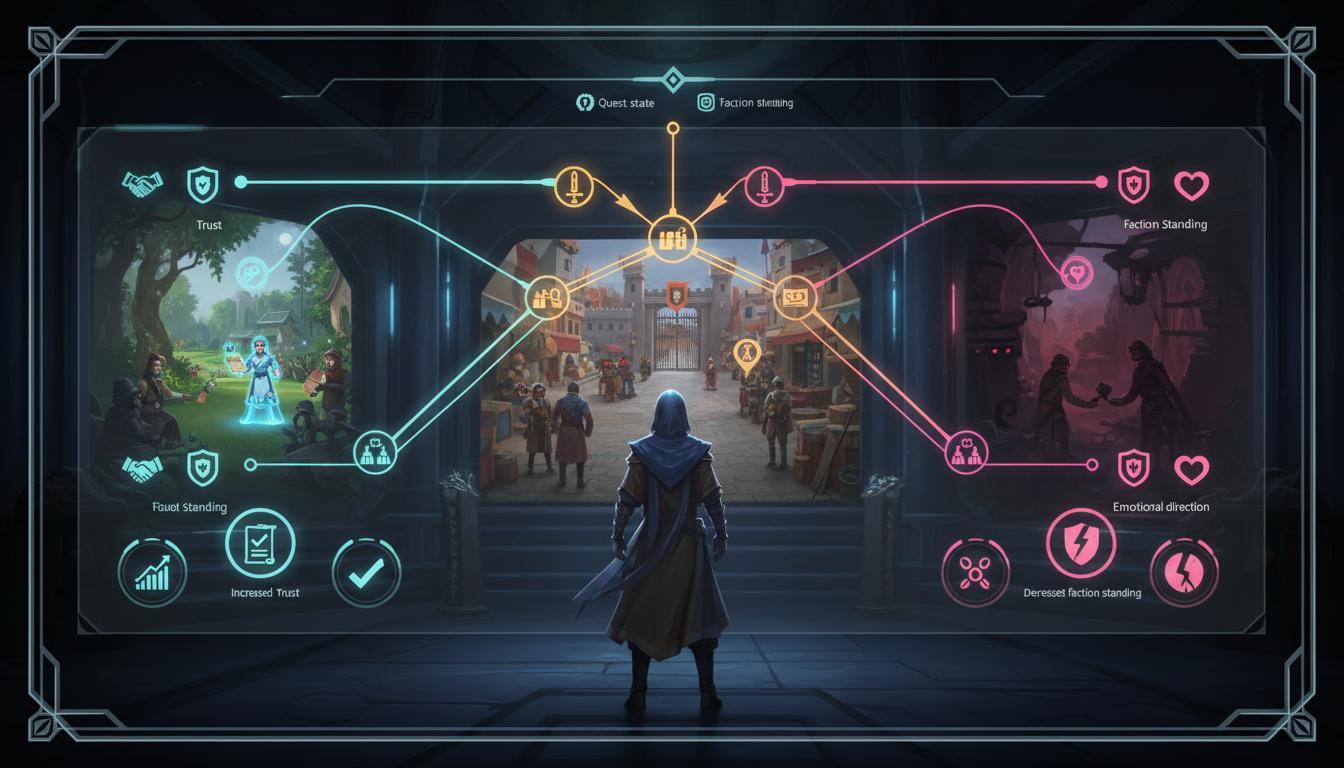
The workflow is strongest when a conversation should change trust, quest state, faction standing, or emotional direction.
Open Workspace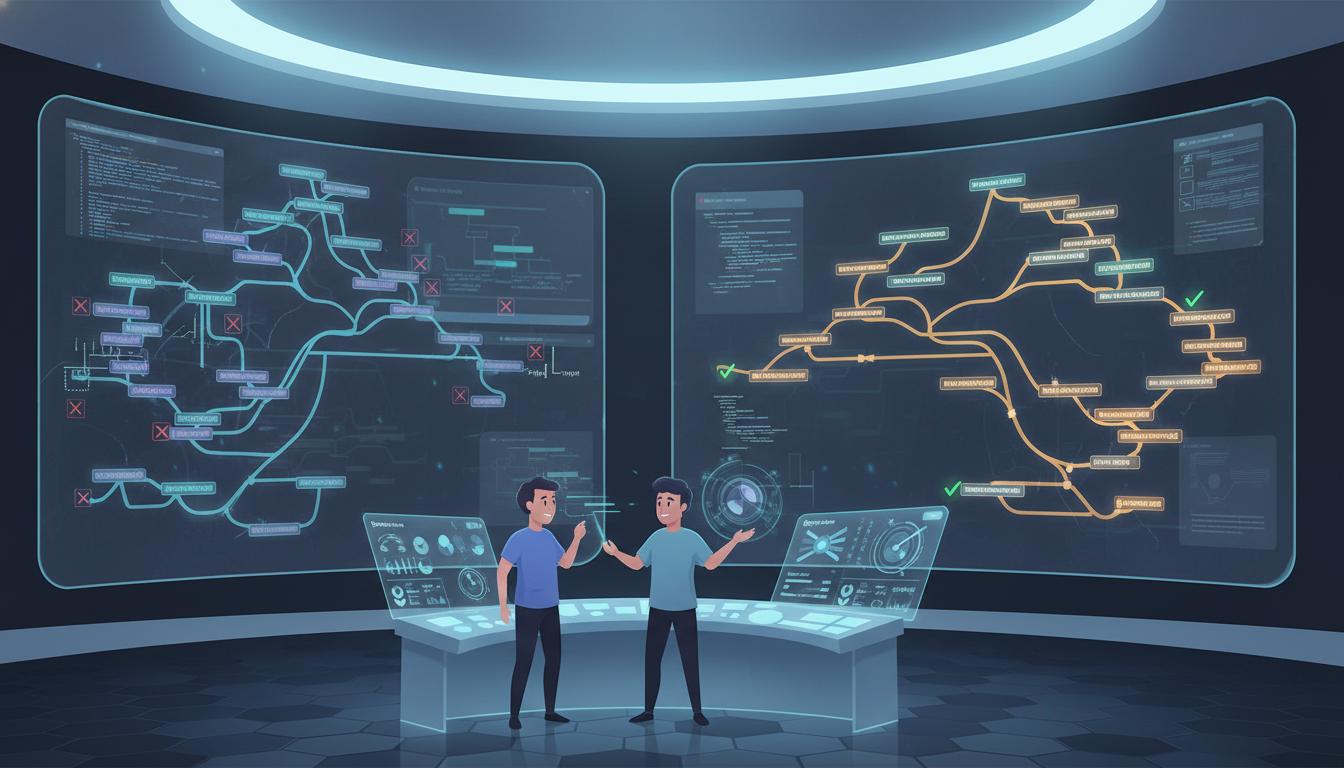
Alternative route models make it easier to spot fake choices or unnecessary complexity early.
Open Workspace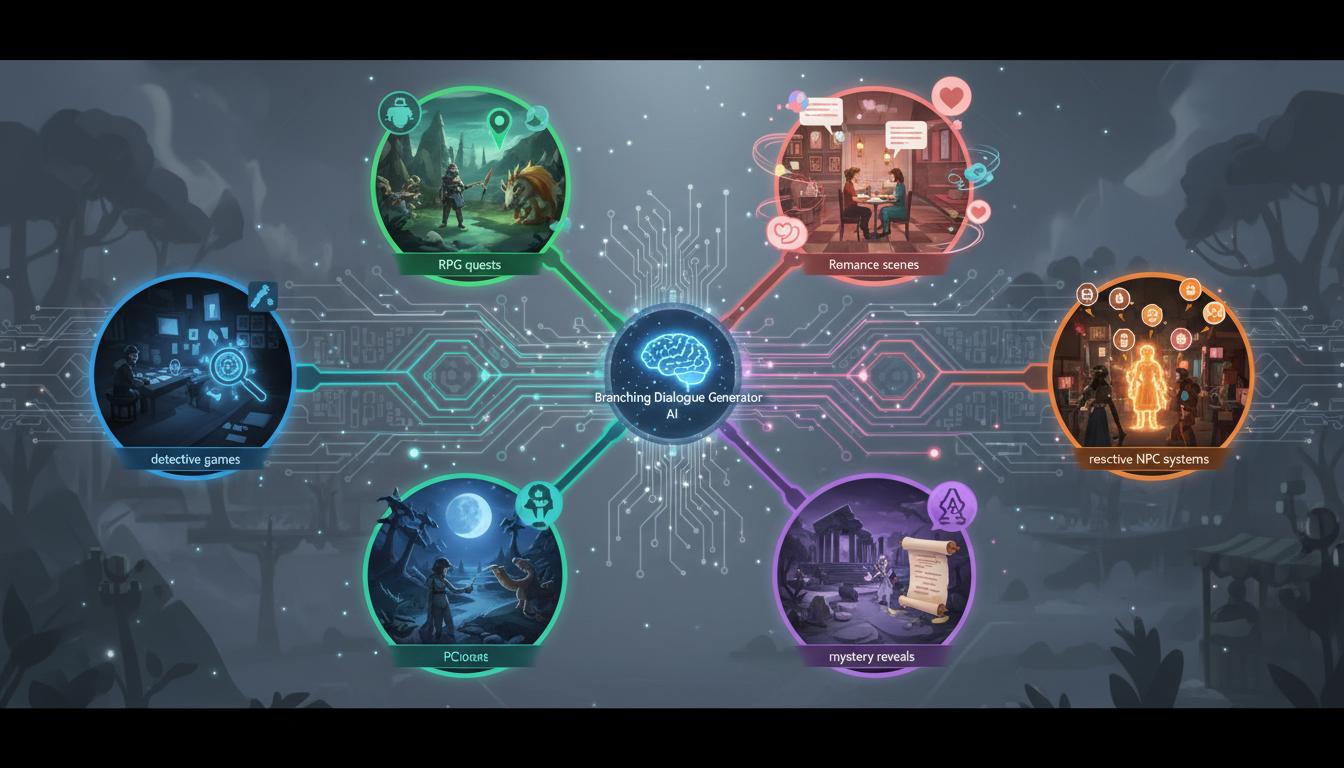
It works for detective games, RPG quests, romance scenes, mystery reveals, and reactive NPC systems.
Open Workspace
A stronger branch brief helps writers, designers, and implementers talk about the same scene in the same terms.
Open Workspace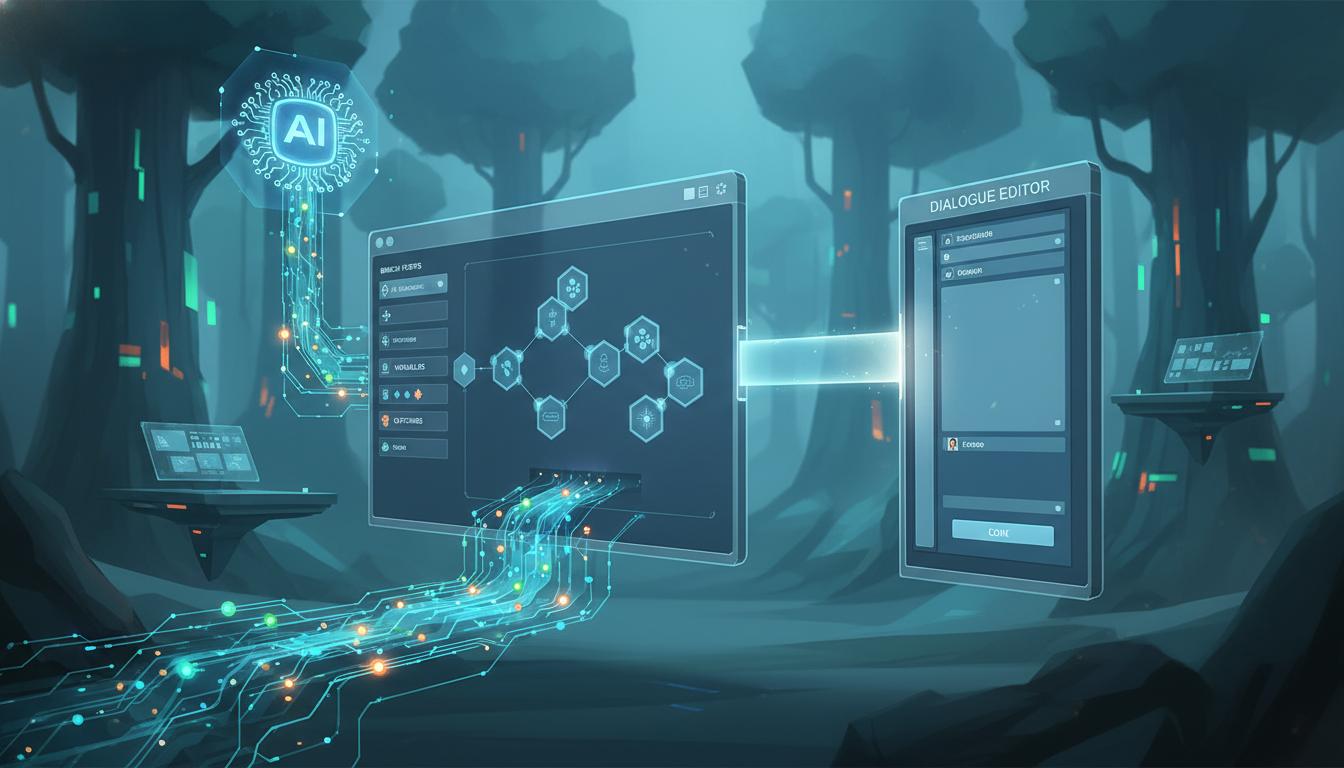
The output can clarify branch points, variables, and outcomes before the scene enters your dialogue editor.
Open Workspace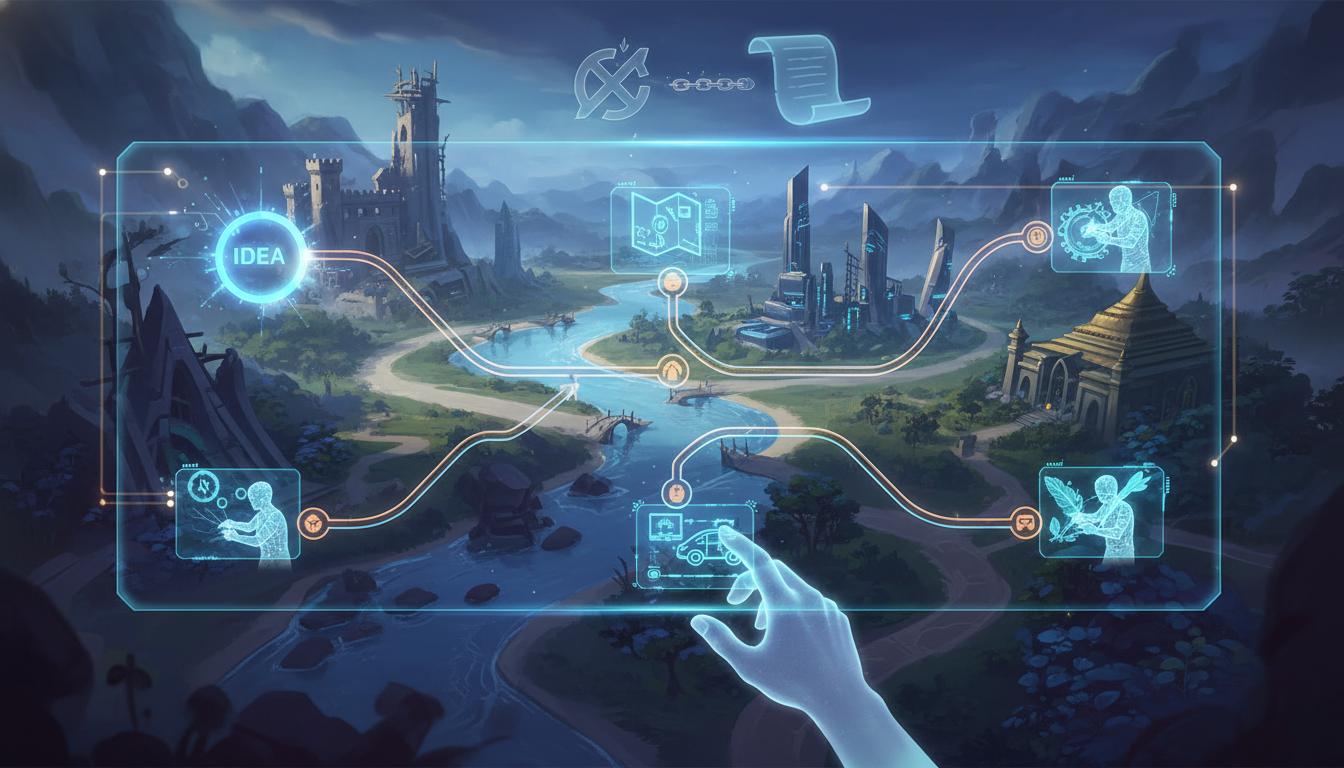
This page should position the tool as route-planning support, not a replacement for final writing and narrative editing.
Open WorkspaceComparison
Use this page to understand where branching dialogue generator ai helps most in a real workflow.
| Criteria | Branching Dialogue Generator AI for Interactive Narrative Design | Manual workflow | Generic prompt-only ideation |
|---|---|---|---|
| Time to first usable direction | Fast | Slow | Fast |
| Best stage | Prototype and pre-production | Production execution | Early ideation only |
| Iteration cost | Low | High | Low |
| Review boundary clarity | High | High | Low |
| Technical production readiness | Needs review | Strong when finished | Not applicable |
| Team alignment speed | High | Medium | Medium |
Who This Tool Page Is For
The strongest use cases appear when one team needs branching dialogue generator ai direction quickly, not a final production asset immediately.
Use clearer prompts and structured outputs to move from idea to a reviewable direction without waiting on a full production pass.
Open WorkspaceCompare scope, style, and production trade-offs earlier so implementation starts from a cleaner brief.
Open WorkspaceBring stronger first-pass options into review and decide which path deserves deeper production effort.
Open WorkspaceBranching dialogue gets expensive when teams start writing lines before they agree on what the choices are supposed to do. A branching dialogue generator AI workflow helps define where routes split, where they converge, and which states actually change before the full scene is scripted.
The practical goal is a scene brief, a few branch models, and a cleaner implementation handoff. That is useful for interrogations, faction negotiations, romance scenes, reactive quests, and other conversations where the player should feel that choices matter.
Character voice, emotional nuance, continuity across scenes, and final script polish still belong to writers and narrative designers. The page should promise faster route planning, not finished dialogue with no editorial work.
How It Works
Explain who is talking, what is at stake, and what should change by the end of the exchange. Seele AI frames the likely branch points, state variables, and payoff structure for the conversation.
Ask for different route models covering choice, consequence, convergence, or unlock conditions. Seele AI proposes alternate branch structures that balance agency and implementation scope.
Choose the structure that best fits your narrative system and production budget. Seele AI condenses the chosen route into a clearer handoff for writing or node-tool implementation.
What You Get
A structured explanation of the scene goal, stakes, and key state changes.
Alternative ways to structure consequence, convergence, and route depth.
A concise note for script writing, node tools, or quest logic follow-up.
Where This Works Best
It is best for mapping choices, consequences, and conversation-state logic before full script implementation. Teams use it to get to a clearer branch structure faster.
Yes. It is useful when you want player options to create clearer route differences or state changes instead of only changing wording.
No. It also works for RPGs, detective games, adventure games, social sims, and other narrative systems with reactive conversations.
Include the scene goal, character roles, player stakes, relevant variables, and what kinds of outcomes should be possible. Those details make the branch design more practical.
No. Final line writing, voice consistency, and continuity still need human narrative work. The workflow is strongest for scene structure and choice architecture.
Join thousands building with Seele AI — no setup required.
Open Workspace