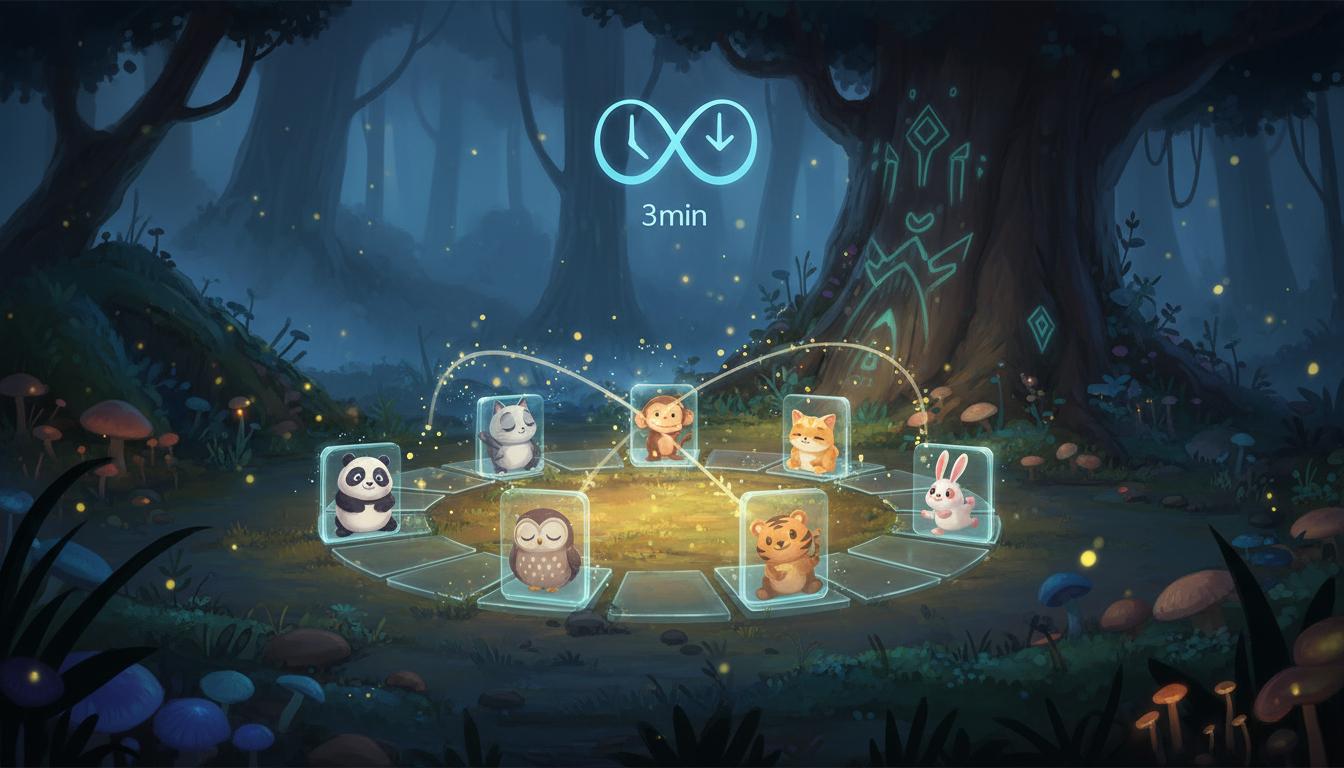
Animal Connect
Draft a cute timed lianliankan-style concept.
Search thisDraft a tile-matching connect game with pair-link puzzle mechanics, board rules, and progression ideas.
Try this in Seele AI
Start with a specific generate lianliankan game need, then carry that prompt into the workspace for deeper iteration and follow-up planning.
Quick Start Searches
Pick a concrete generate lianliankan game scenario and jump into the workspace with a stronger starting prompt.
Draft a cute timed lianliankan-style concept.
Search this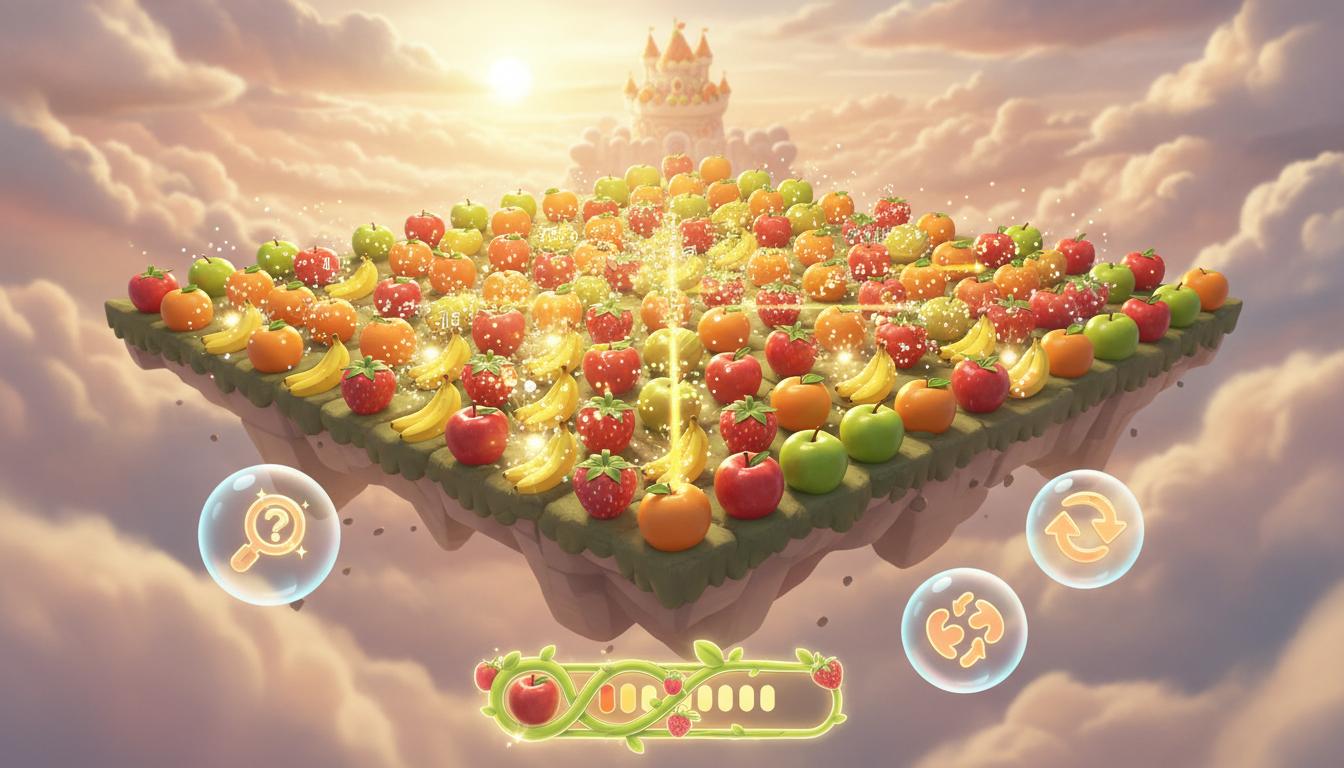
Shape a brighter, score-driven casual variant.
Search this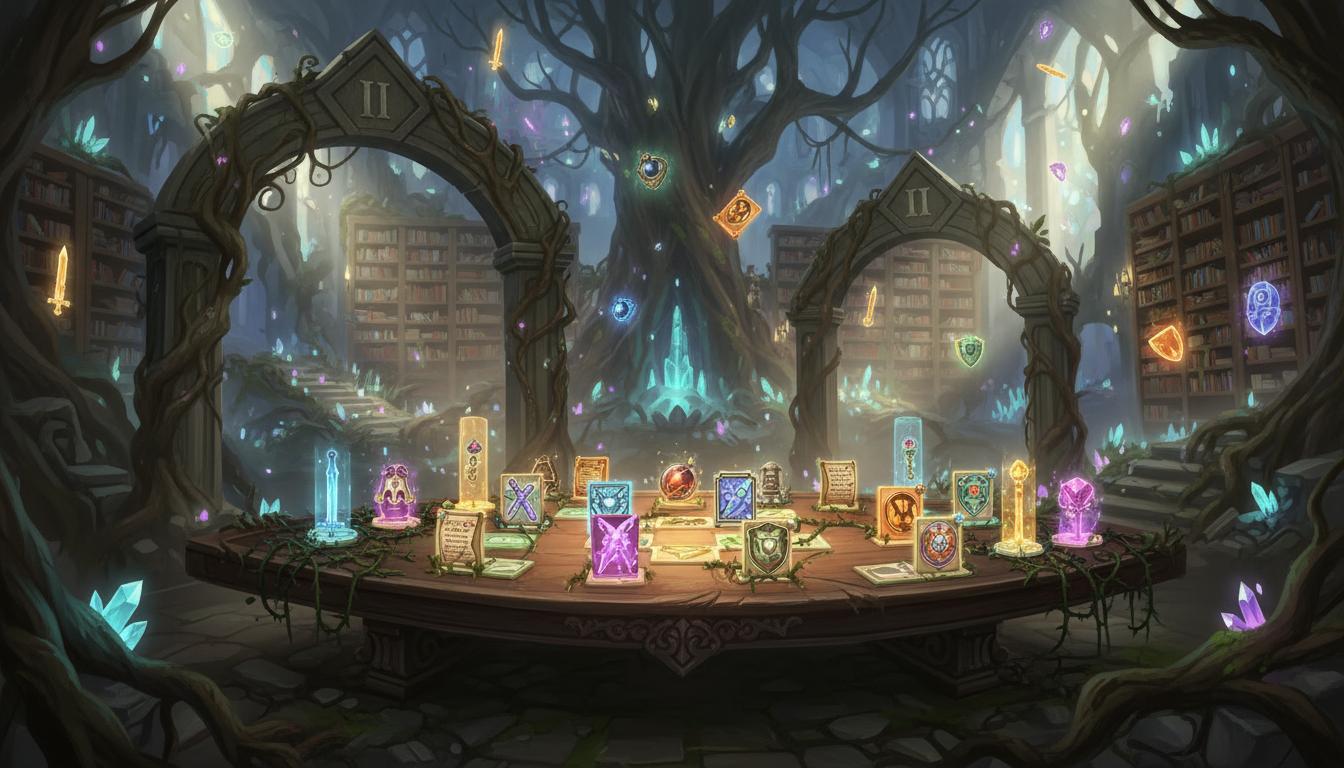
Add chapter framing and obstacle variety.
Search this
Build a calmer puzzle experience.
Search this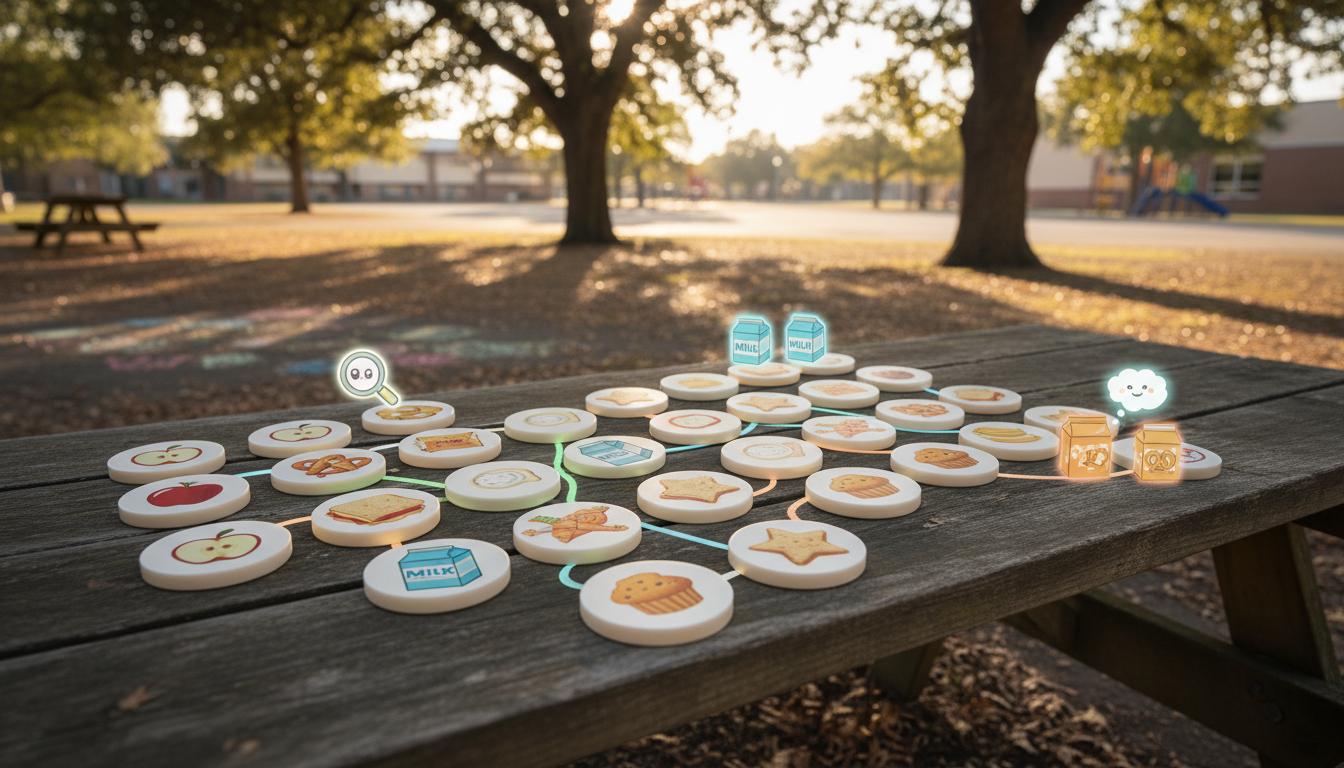
Create a kid-friendly pairing concept.
Search this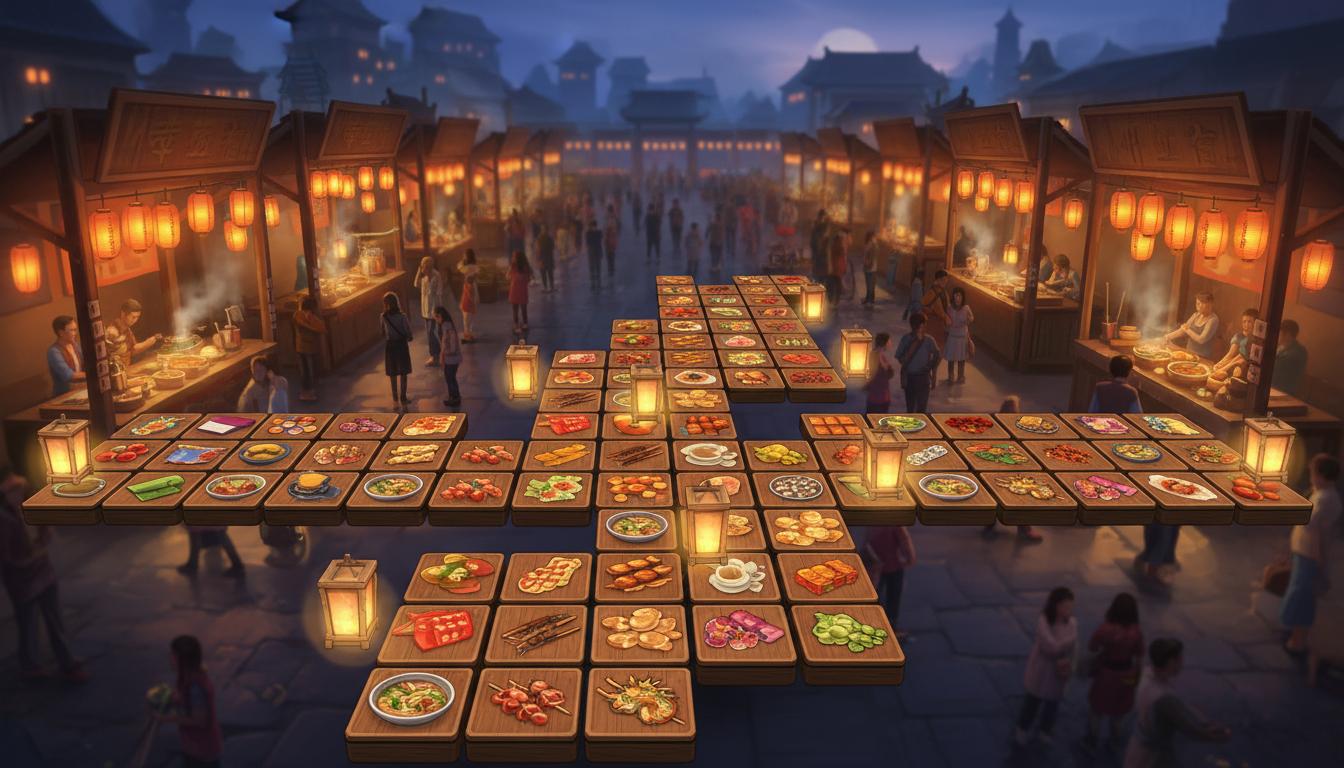
Turn a setting into themed board progression.
Search thisCore Features
This page is strongest when you need clearer generate lianliankan game direction before expensive production steps begin.
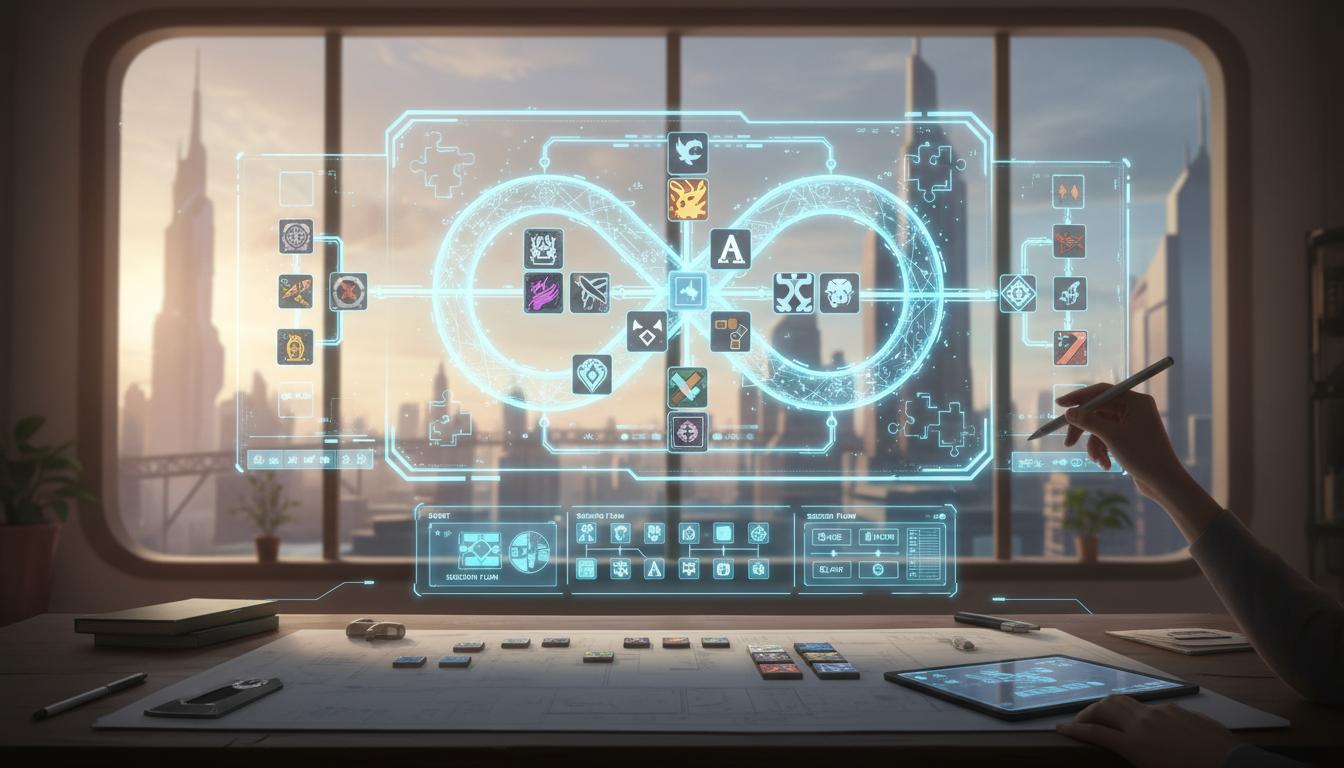
Draft lianliankan-style mechanics around readable linking rules and session flow.
Open Workspace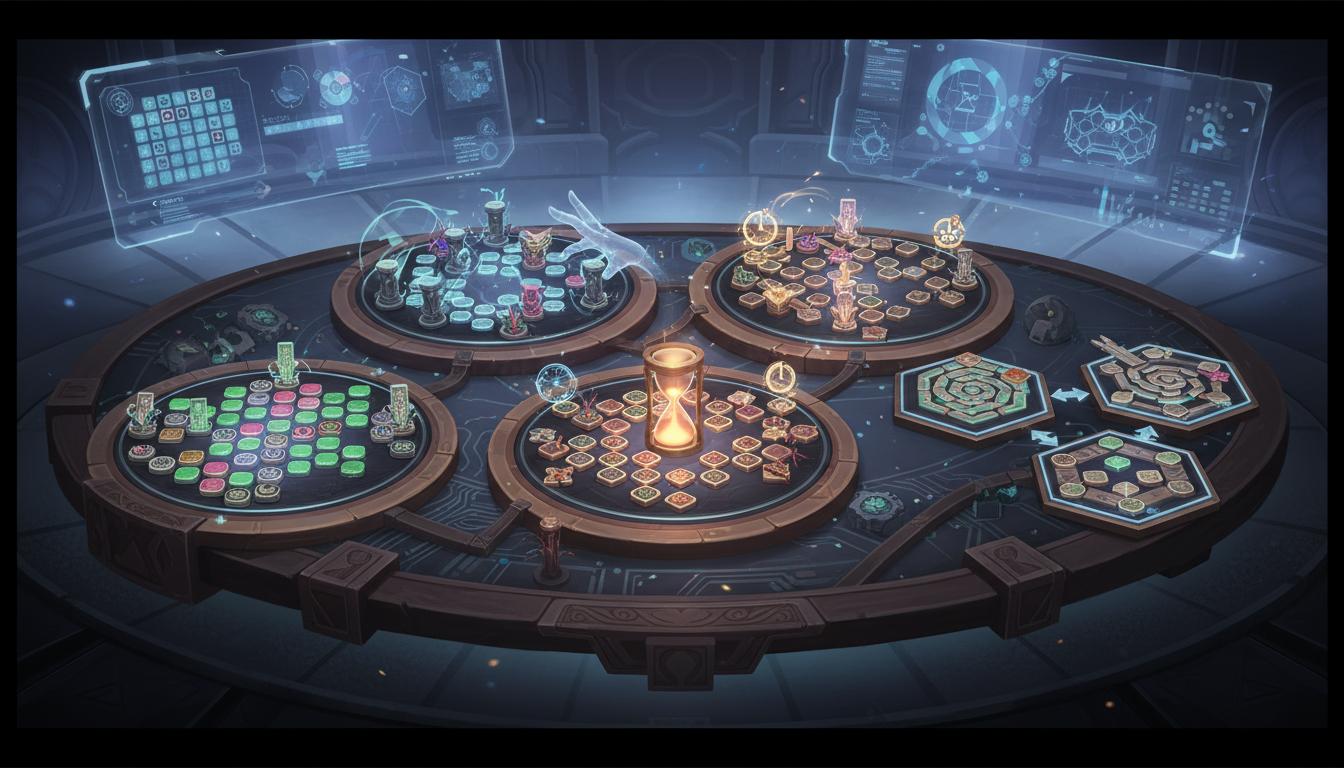
Generate ways to change tile density, obstacles, timers, and board layouts.
Open Workspace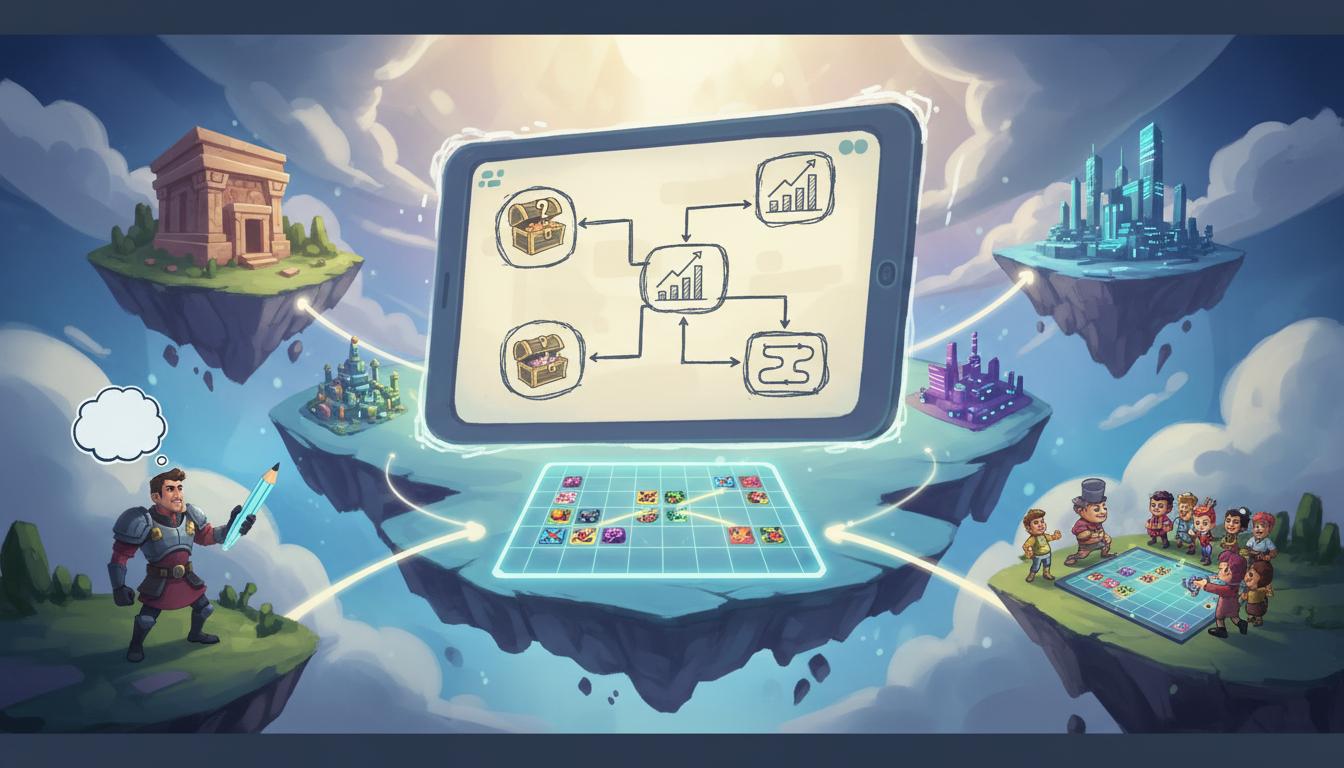
Sketch chapter flow, unlock ideas, and difficulty ramps for repeat play.
Open Workspace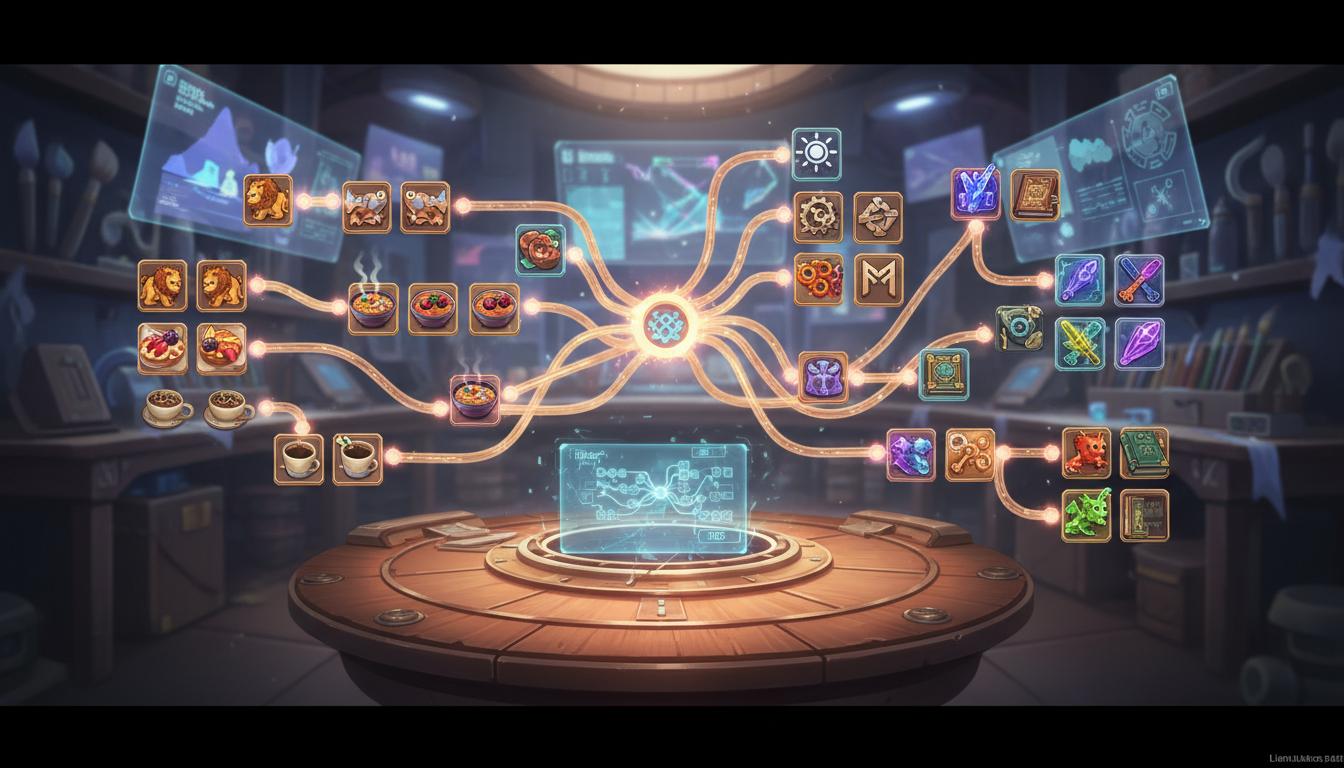
Apply the same tile-matching connect structure to animals, food, symbols, fantasy items, and more.
Open Workspace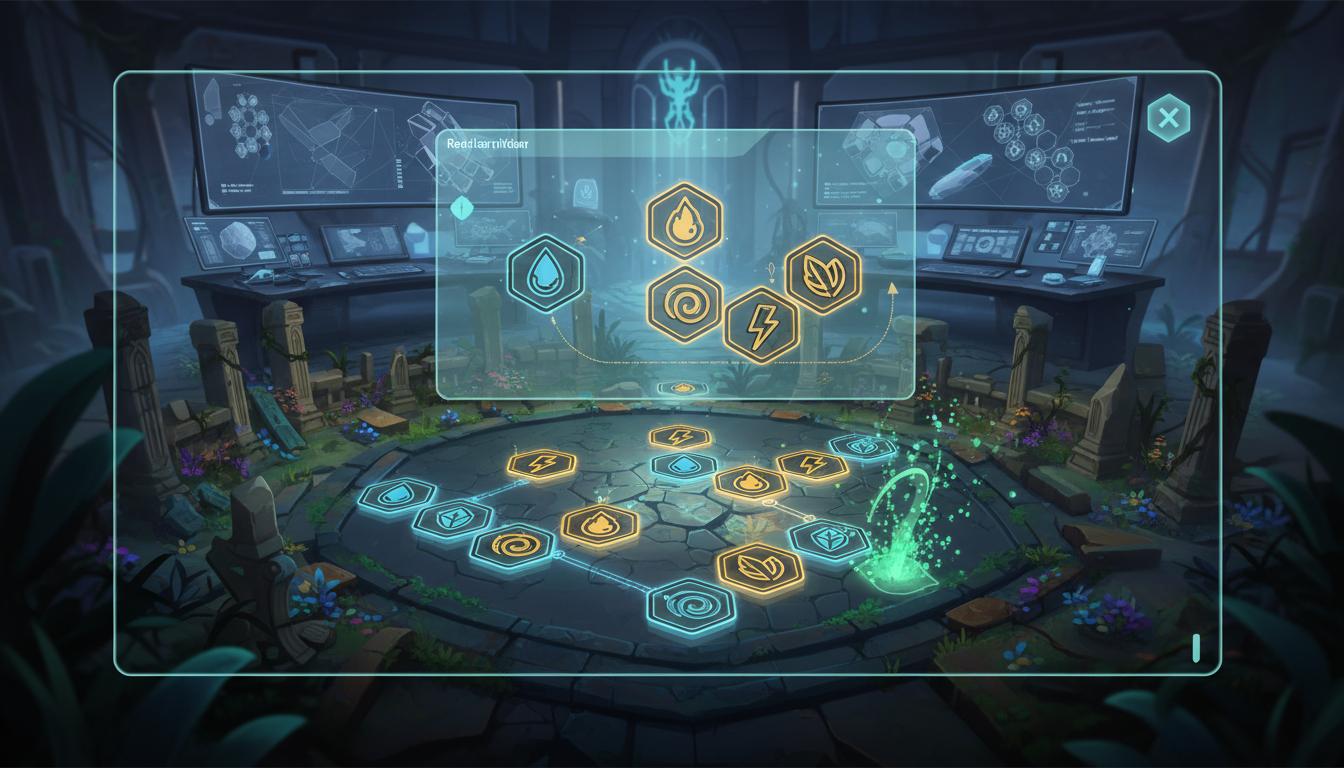
Support clearer tile distinction, hint behavior, and player feedback during linking.
Open Workspace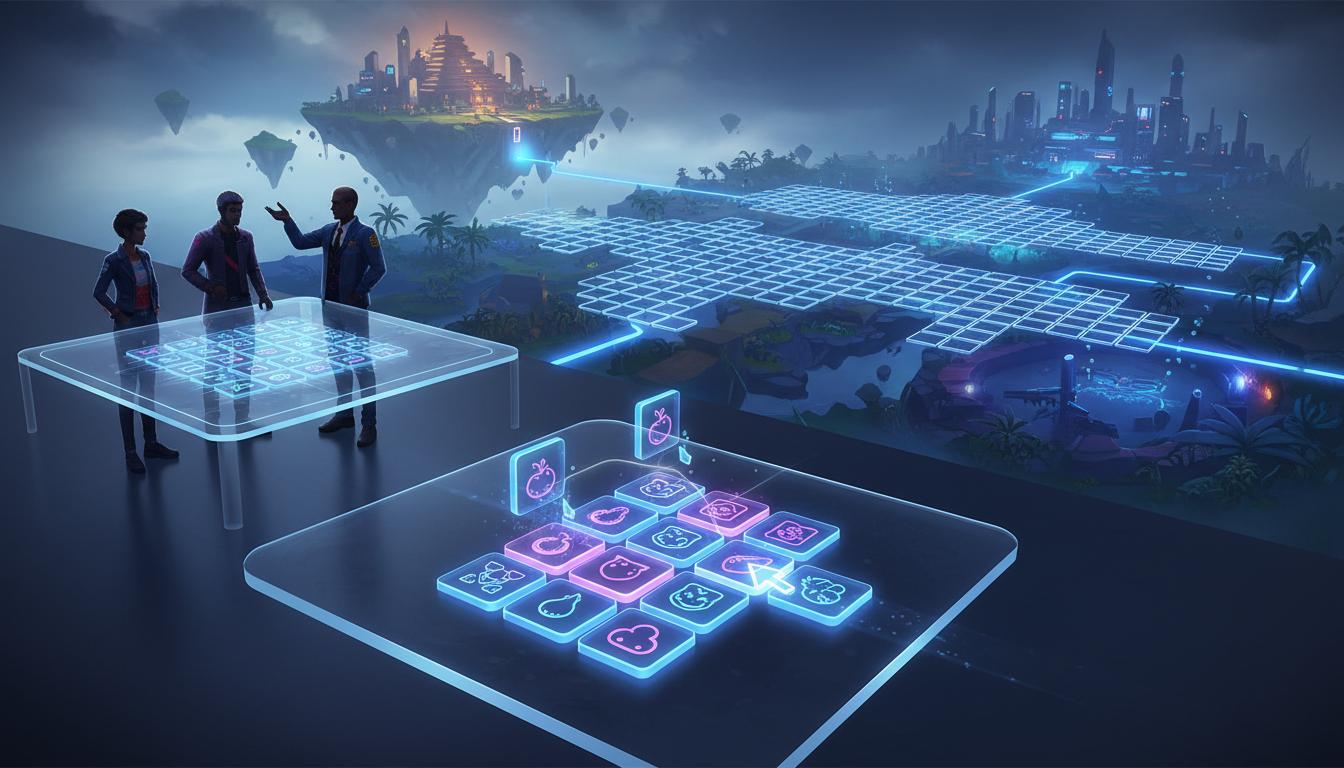
Help teams start with a simple playable board before expanding content.
Open WorkspaceComparison
Use this page to understand where generate lianliankan game helps most in a real workflow.
| Criteria | Generate Lianliankan Game | Plan Tile-Matching Connect Game Concepts Faster | Manual workflow | Generic prompt-only ideation |
|---|---|---|---|
| Time to first usable direction | Fast | Slow | Fast |
| Best stage | Prototype and pre-production | Production execution | Early ideation only |
| Iteration cost | Low | High | Low |
| Review boundary clarity | High | High | Low |
| Technical production readiness | Needs review | Strong when finished | Not applicable |
| Team alignment speed | High | Medium | Medium |
Who This Tool Page Is For
The strongest use cases appear when one team needs generate lianliankan game direction quickly, not a final production asset immediately.
Use clearer prompts and structured outputs to move from idea to a reviewable direction without waiting on a full production pass.
Open WorkspaceCompare scope, style, and production trade-offs earlier so implementation starts from a cleaner brief.
Open WorkspaceBring stronger first-pass options into review and decide which path deserves deeper production effort.
Open WorkspaceIf you want to generate a lianliankan game concept, the strongest starting point is to define the pair-link puzzle mechanics clearly. That includes tile identity, path-linking rules, board density, and the conditions that make each round readable and satisfying.
Once the base tile-matching connect loop works, teams can add themes, obstacles, boosters, chapters, or score systems. Starting with a simple board first usually produces better results than trying to launch with too many variables.
Generated concepts still need testing for visual clarity, difficulty pacing, and input comfort. Casual puzzle success depends heavily on repetition quality and board readability, not just on the idea itself.
How It Works
What You Get
A structured concept for tile-matching connect game mechanics and board flow.
Suggestions for layouts, blockers, timers, and progression pacing.
Visual and interface ideas that support readable pair-link puzzle play.
Where This Works Best
It is focused on tile-matching connect game concepts with pair-link puzzle mechanics similar to lianliankan-style play.
Yes. It can help draft tile themes, board ideas, helpers, and progression framing.
No. The concepting workflow can support web, mobile, or other casual prototype targets.
Start with board readability, difficulty fairness, and whether the pair-link rules feel intuitive.
Avoid overcomplicating early versions before the core tile-matching connect loop feels satisfying.
Join thousands building with Seele AI — no setup required.
Open Workspace