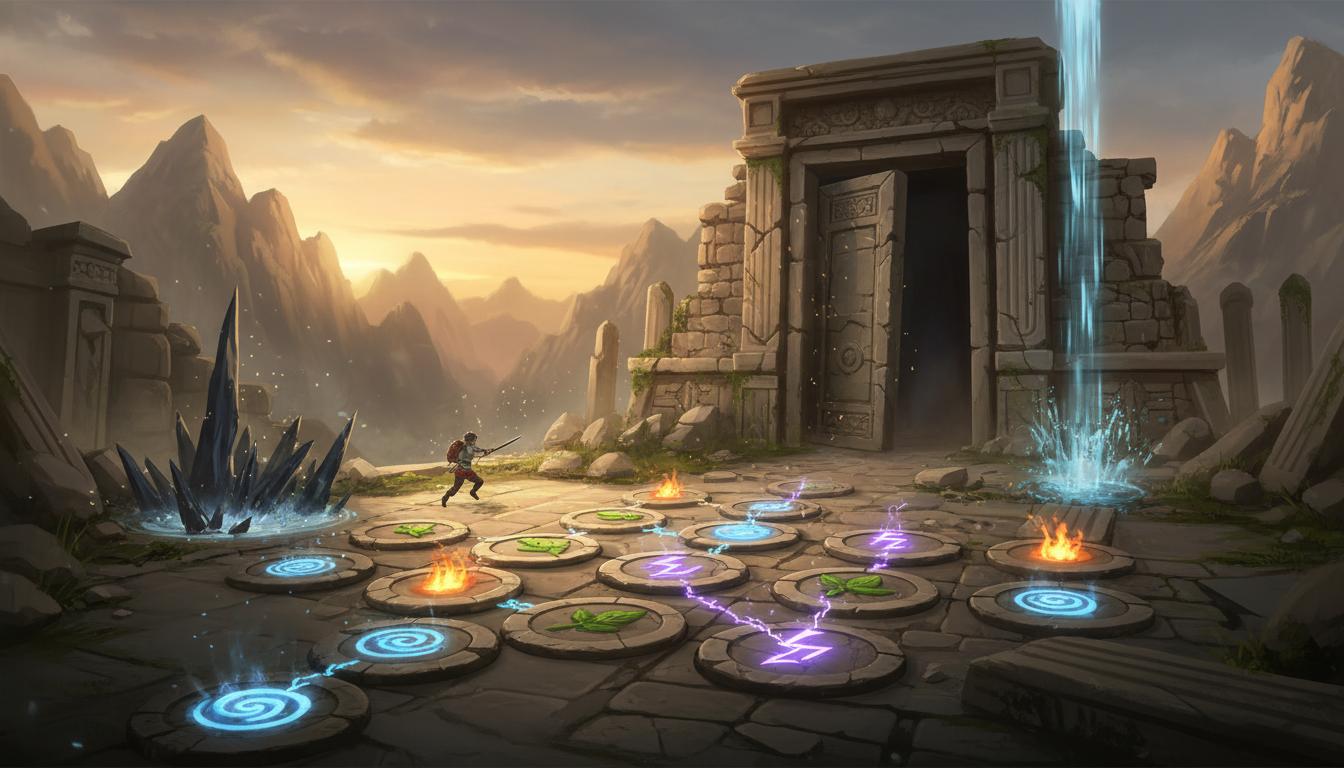
Puzzle Loop Design
Map state changes around one central mechanic.
Puzzle Loop Design Map state changes around one central mechanic. Search thisSearch thisTurn a mechanic idea into a clearer rule set, state map, and prototype handoff before deeper implementation starts.
Try this in Seele AI
Start with a specific no-code game logic builder need, then carry that prompt into the workspace for deeper iteration and follow-up planning.
Quick Start Searches
Pick a concrete no-code game logic builder scenario and jump into the workspace with a stronger starting prompt.
Map state changes around one central mechanic.
Puzzle Loop Design Map state changes around one central mechanic. Search thisSearch this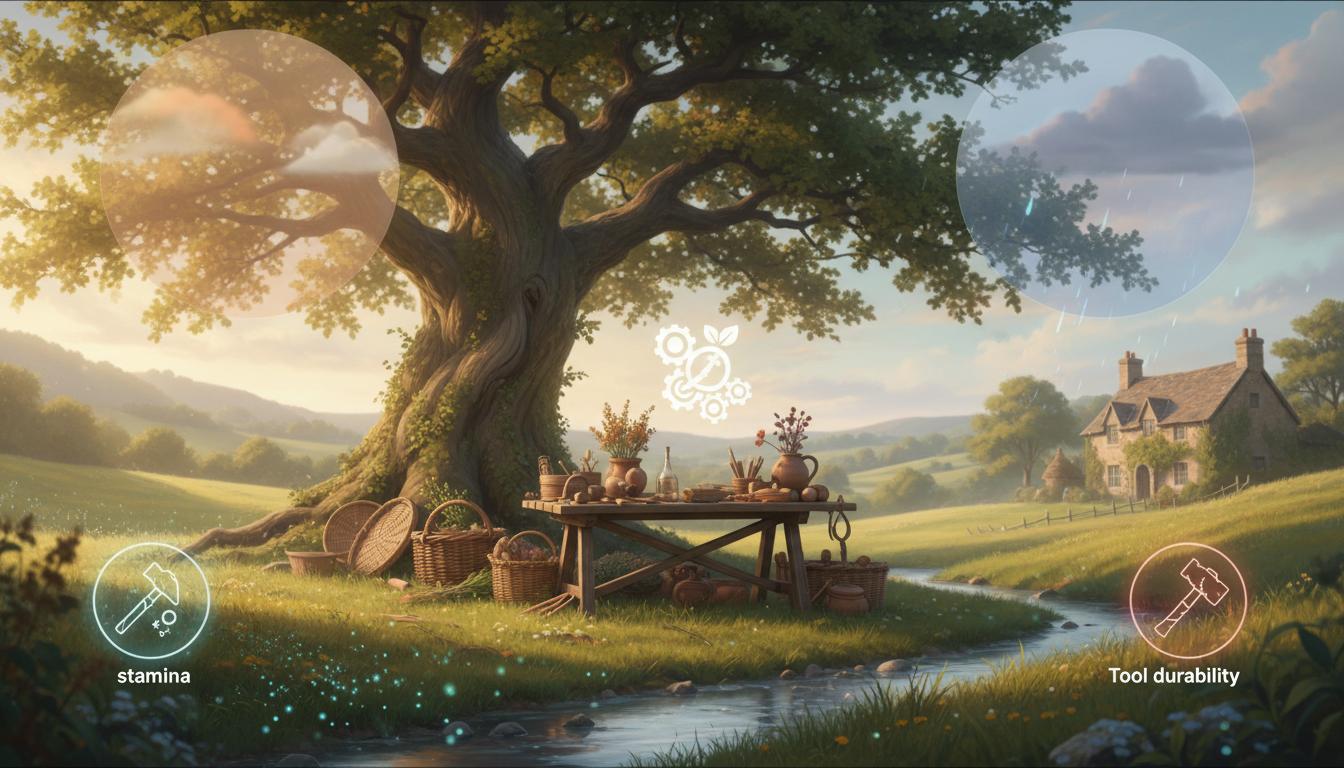
Keep a slower game loop understandable and testable.
Cozy Crafting Rules Keep a slower game loop understandable and testable. Search thisSearch this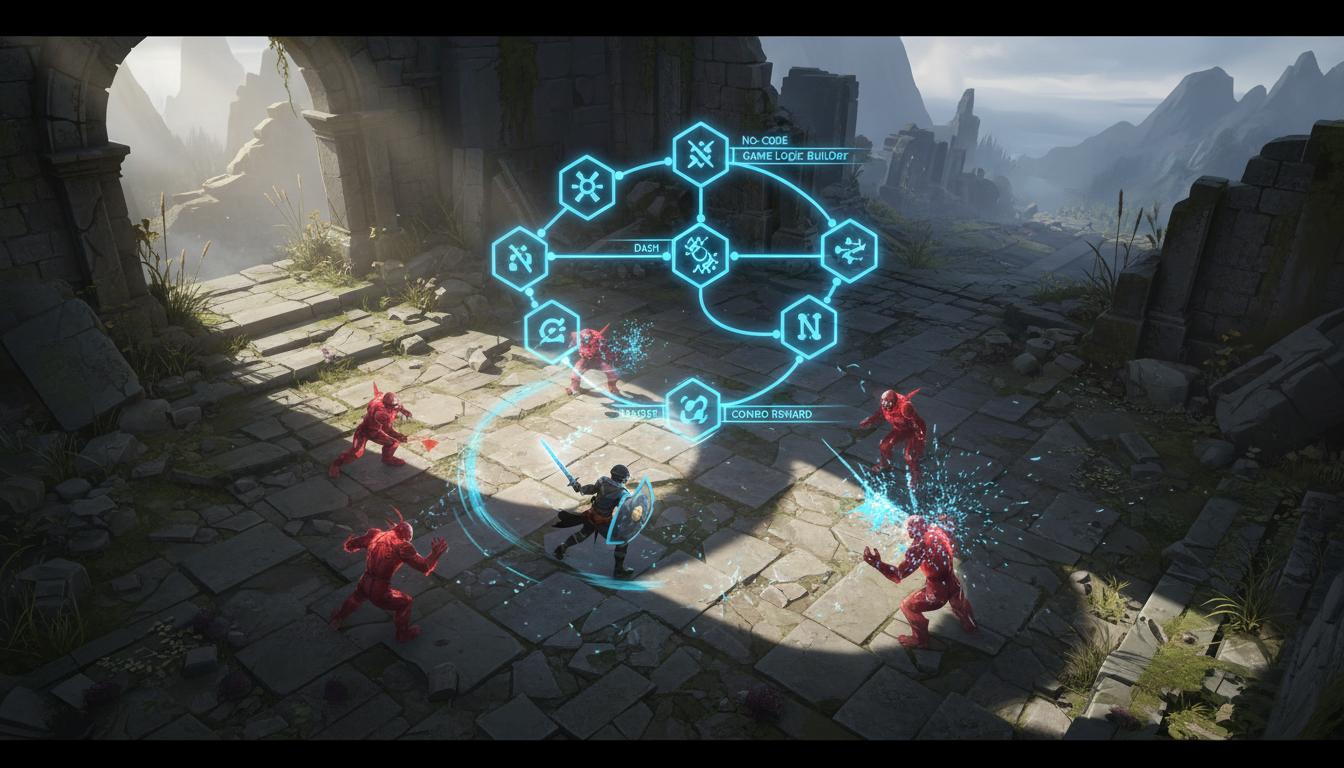
Define the first testable combat state map.
Action Combat Prototype Define the first testable combat state map. Search thisSearch this
Turn soft variables into clearer rules.
Social Sim System Turn soft variables into clearer rules. Search thisSearch this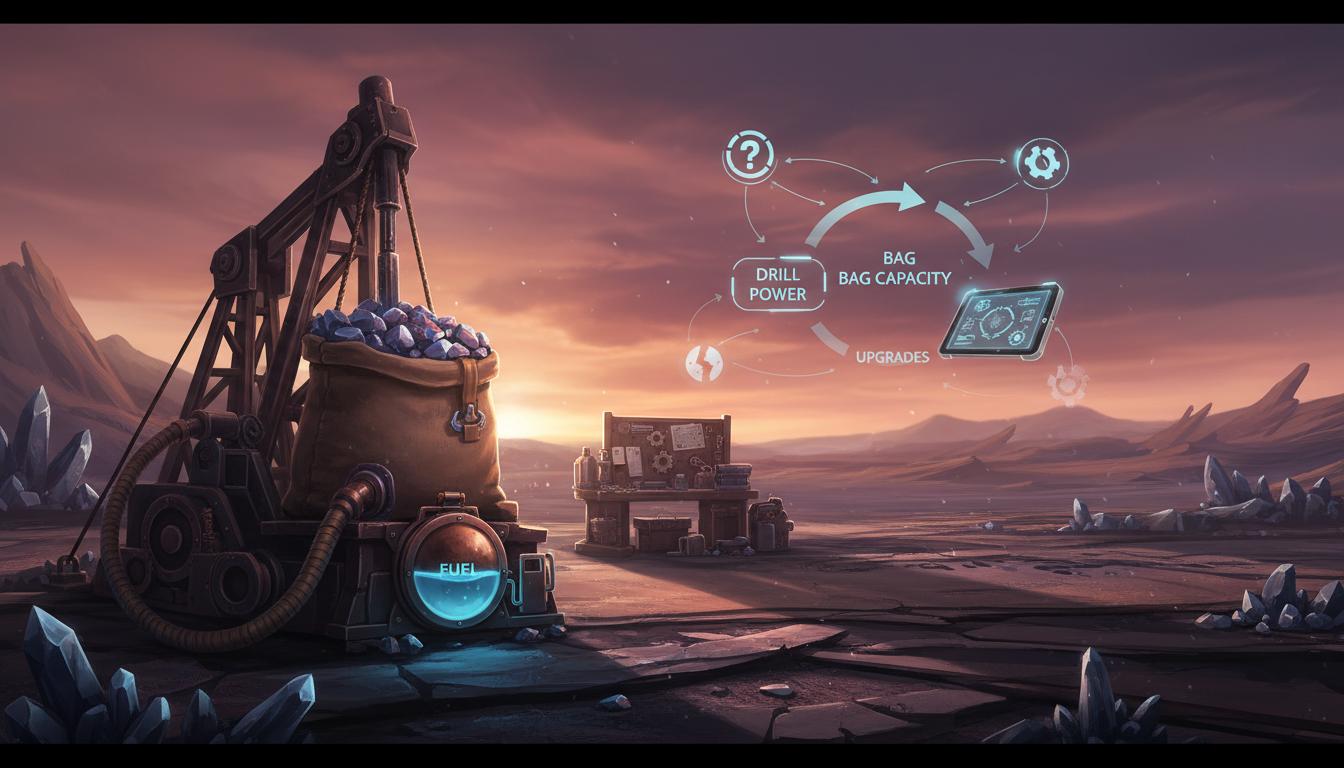
Control economic pacing before full buildout.
Resource Loop Plan Control economic pacing before full buildout. Search thisSearch this
Test one complex encounter without full production.
Boss Mechanic Scaffold Test one complex encounter without full production. Search thisSearch thisCore Features
This page is strongest when you need clearer no-code game logic builder direction before expensive production steps begin.

The workflow helps teams explain what should happen before they decide exactly how to implement it.
Define Rules Before Building Systems The workflow helps teams explain what should happen before they decide exactly how to implement it. Open WorkspaceOpen Workspace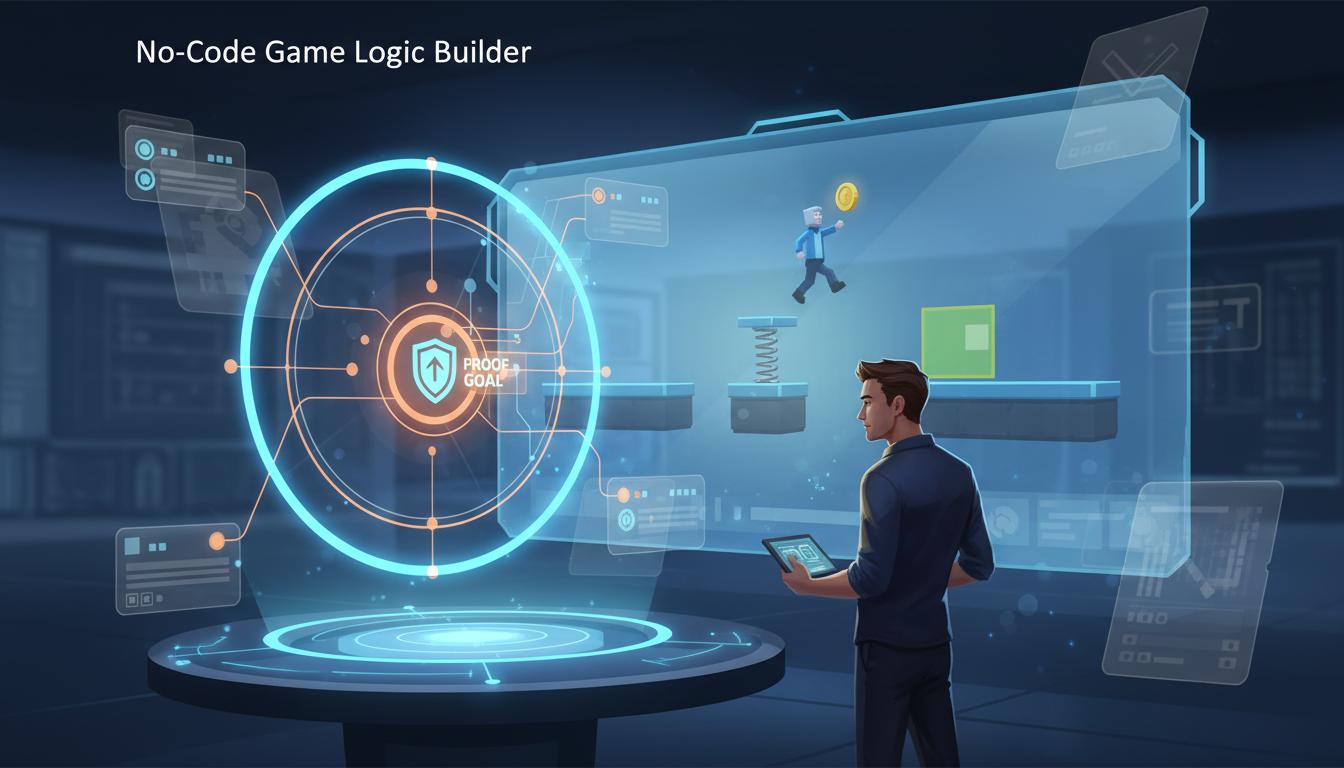
A stronger logic brief makes it easier to decide what the first playable actually needs and what can wait.
Keep Prototypes Focused On One Proof Goal A stronger logic brief makes it easier to decide what the first playable actually needs and what can wait. Open WorkspaceOpen Workspace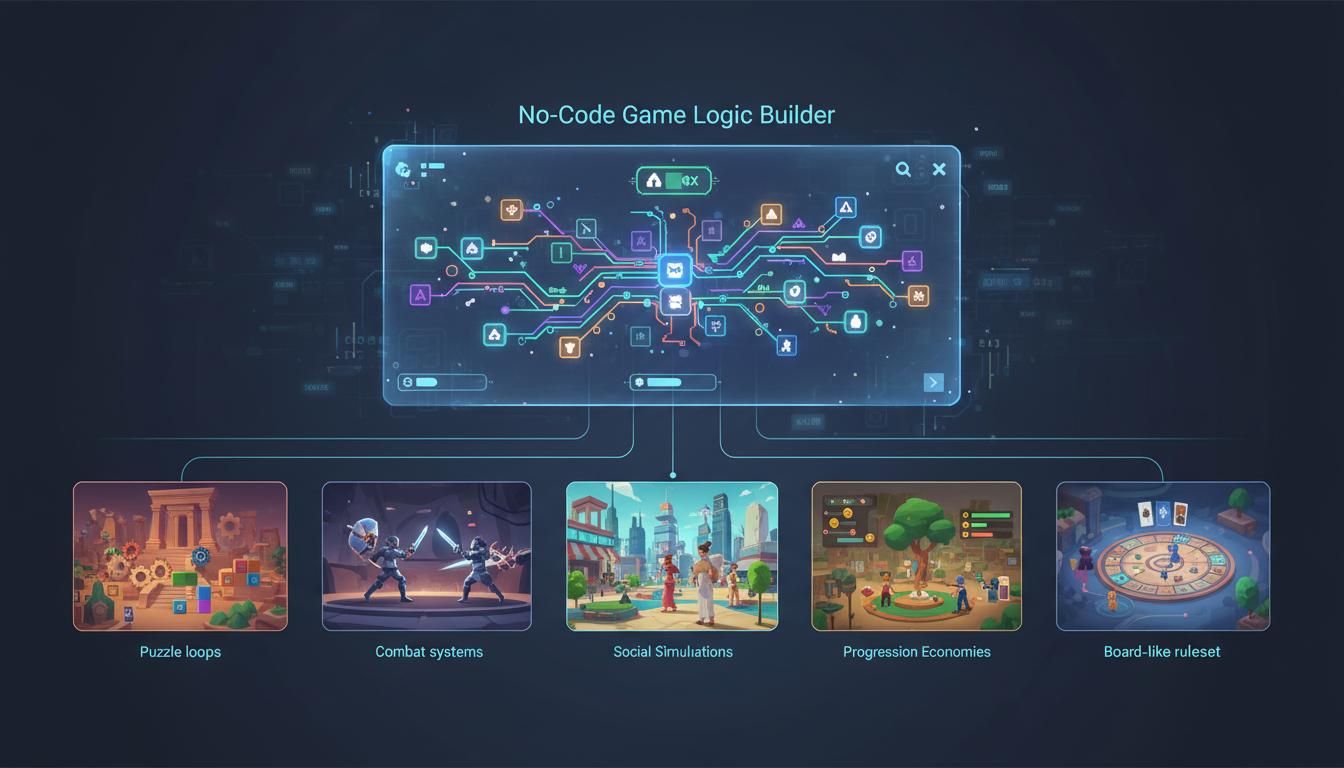
It can fit puzzle loops, combat systems, social simulations, progression economies, and board-like rulesets.
Useful Across Many Mechanic Types It can fit puzzle loops, combat systems, social simulations, progression economies, and board-like rulesets. Open WorkspaceOpen Workspace
Design, product, and engineering all benefit from the same state-and-trigger language instead of vague mechanic notes.
Support Cross-Team Communication Design, product, and engineering all benefit from the same state-and-trigger language instead of vague mechanic notes. Open WorkspaceOpen Workspace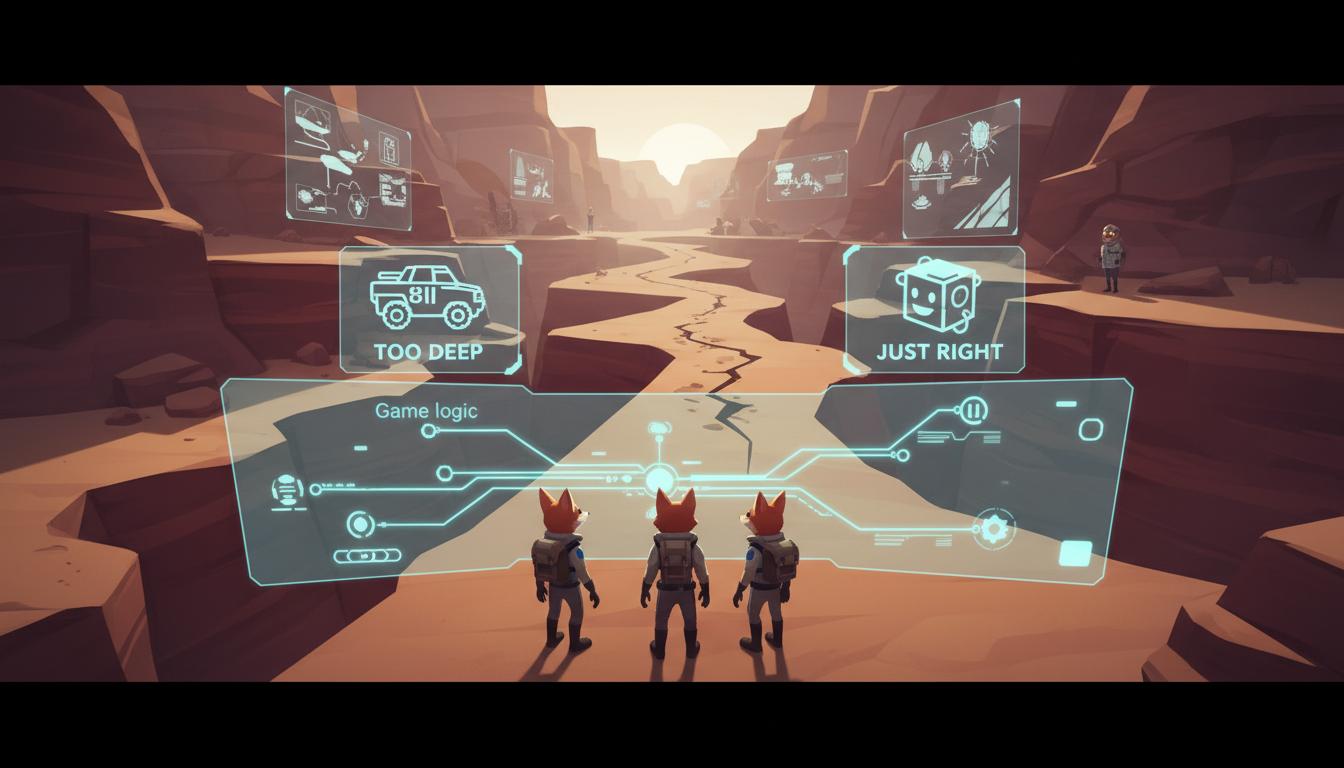
Alternative routes help teams see whether a mechanic is too deep, too fragile, or just right for the first prototype.
Compare Scope Before Complexity Hardens Alternative routes help teams see whether a mechanic is too deep, too fragile, or just right for the first prototype. Open WorkspaceOpen Workspace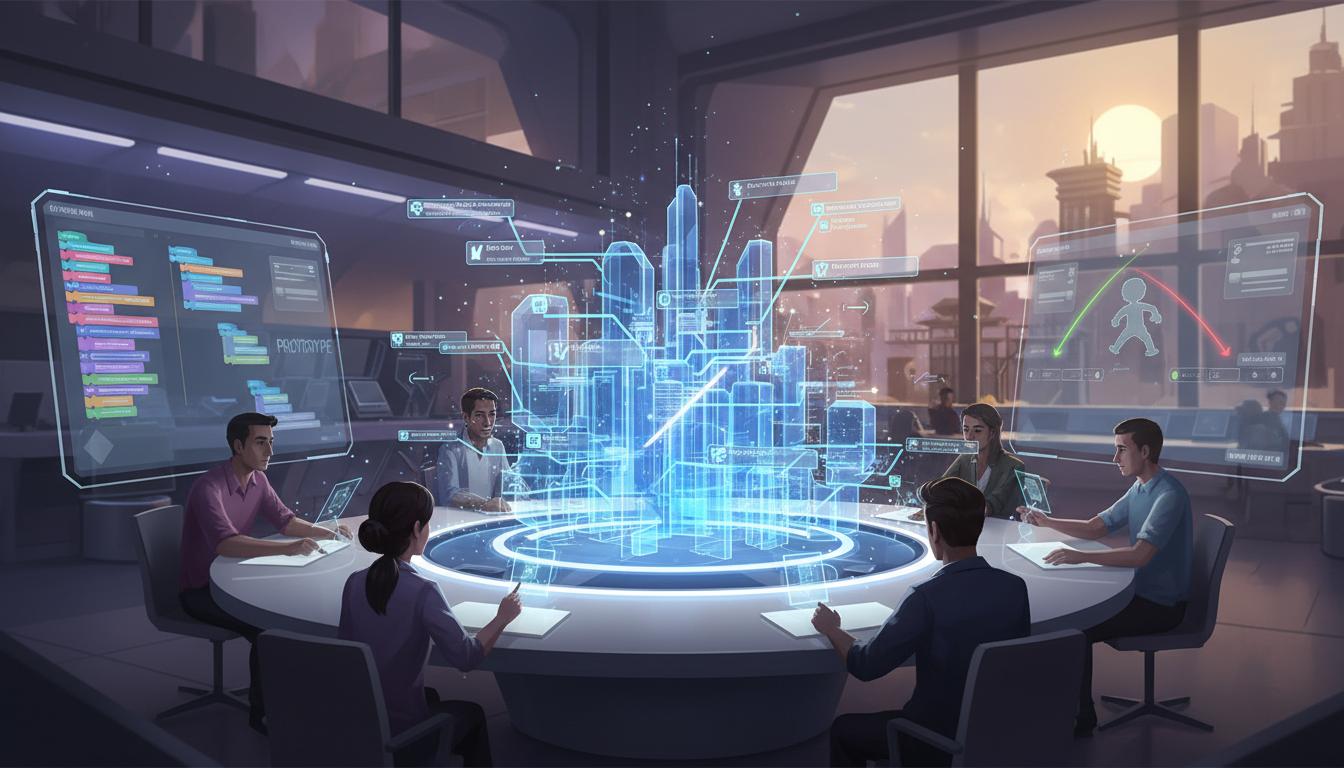
This page should promise logic planning and prototyping help, not a complete production-ready no-code pipeline out of the box.
Avoid Overclaiming Full No-Code Shipping This page should promise logic planning and prototyping help, not a complete production-ready no-code pipeline out of the box. Open WorkspaOpen WorkspaceComparison
Use this page to understand where no-code game logic builder helps most in a real workflow.
| Criteria | No-Code Game Logic Builder for Faster Mechanic Planning | Manual workflow | Generic prompt-only ideation |
|---|---|---|---|
| Time to first usable direction | Fast | Slow | Fast |
| Best stage | Prototype and pre-production | Production execution | Early ideation only |
| Iteration cost | Low | High | Low |
| Review boundary clarity | High | High | Low |
| Technical production readiness | Needs review | Strong when finished | Not applicable |
| Team alignment speed | High | Medium | Medium |
Who This Tool Page Is For
The strongest use cases appear when one team needs no-code game logic builder direction quickly, not a final production asset immediately.
Use clearer prompts and structured outputs to move from idea to a reviewable direction without waiting on a full production pass.
Indie Game Teams Use clearer prompts and structured outputs to move from idea to a reviewable direction without waiting on a full production pass. Open WorkspaceOpen WorkspaceCompare scope, style, and production trade-offs earlier so implementation starts from a cleaner brief.
Designers And Technical Artists Compare scope, style, and production trade-offs earlier so implementation starts from a cleaner brief. Open WorkspaceOpen WorkspaceBring stronger first-pass options into review and decide which path deserves deeper production effort.
Creative Leads Bring stronger first-pass options into review and decide which path deserves deeper production effort. Open WorkspaceOpen WorkspaceTeams often know the fantasy of a game before they know the actual rule set. A no-code game logic builder workflow helps turn vague mechanic ideas into a more testable structure by clarifying states, triggers, loops, and prototype goals before implementation becomes expensive.
The most useful result is a logic brief, a few alternate system routes, and a cleaner prototype handoff. That can help teams test puzzle loops, combat systems, progression gates, social variables, and resource economies with less ambiguity.
Balance, edge cases, implementation details, and cross-system integration still need real testing and iteration. The page should position the workflow as a mechanic-planning accelerator, not a claim that a complete game system ships itself.
How It Works
Explain the player verbs, system reactions, goals, and edge cases that define the mechanic. Seele AI frames the core states, loops, and trigger logic that need to be tested first.
Ask for alternative rule structures or progression models for the same mechanic. Seele AI proposes different ways to organize state changes, feedback loops, and prototype scope.
Choose the route that is easiest to validate without overbuilding the system. Seele AI condenses the chosen route into a clearer handoff for prototype implementation.
What You Get
A structured summary of states, verbs, triggers, and progression logic.
Different ways to tune complexity, pacing, or player choice before implementation.
A concise note on what engineering or tool setup should build first.
Where This Works Best
Where This Works Best
Join creators building with Seele AI — no setup required.
Open Workspace