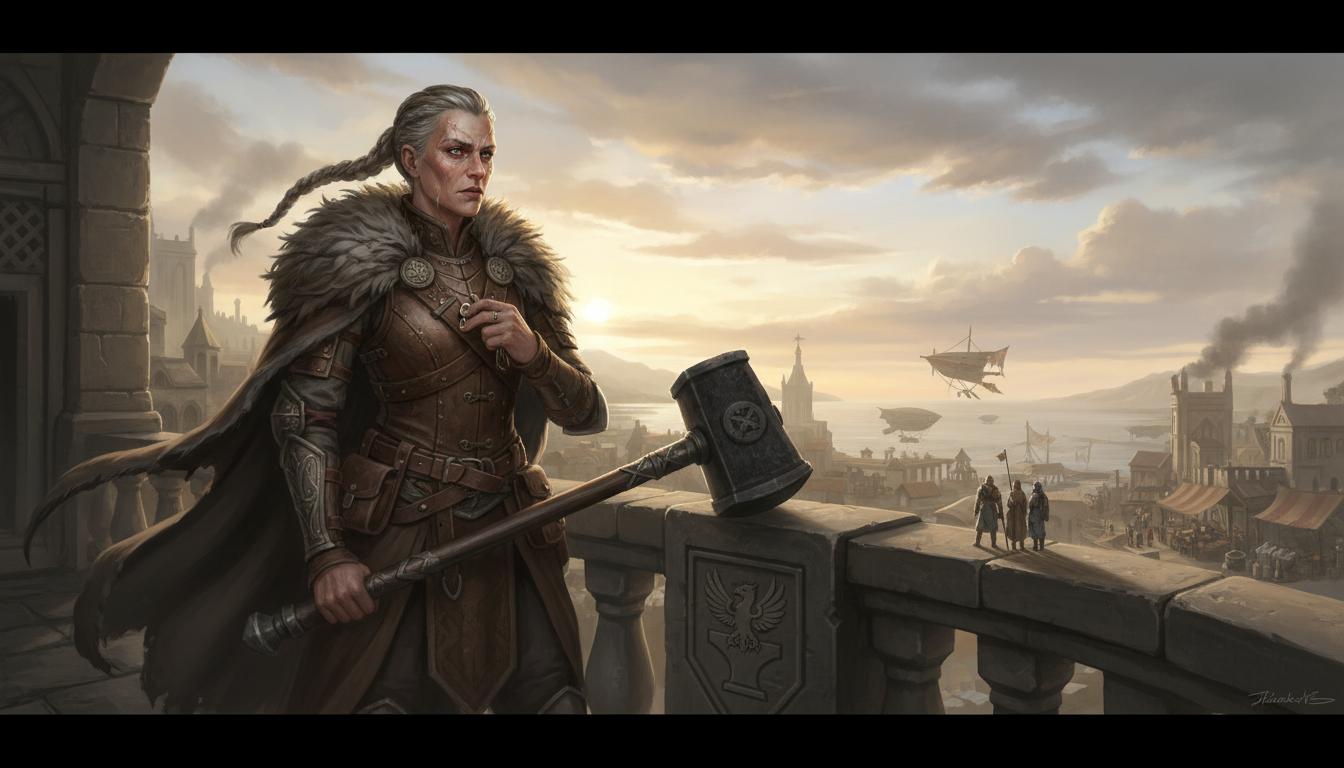
Guild Master
Build a commanding but layered authority figure.
Search thisCreate more distinct NPC personalities with traits, motivations, voice patterns, and predictable reaction logic.
Try this in Seele AI
Start with a specific npc personality engine need, then carry that prompt into the workspace for deeper iteration and follow-up planning.
Quick Start Searches
Pick a concrete npc personality engine scenario and jump into the workspace with a stronger starting prompt.
Build a commanding but layered authority figure.
Search this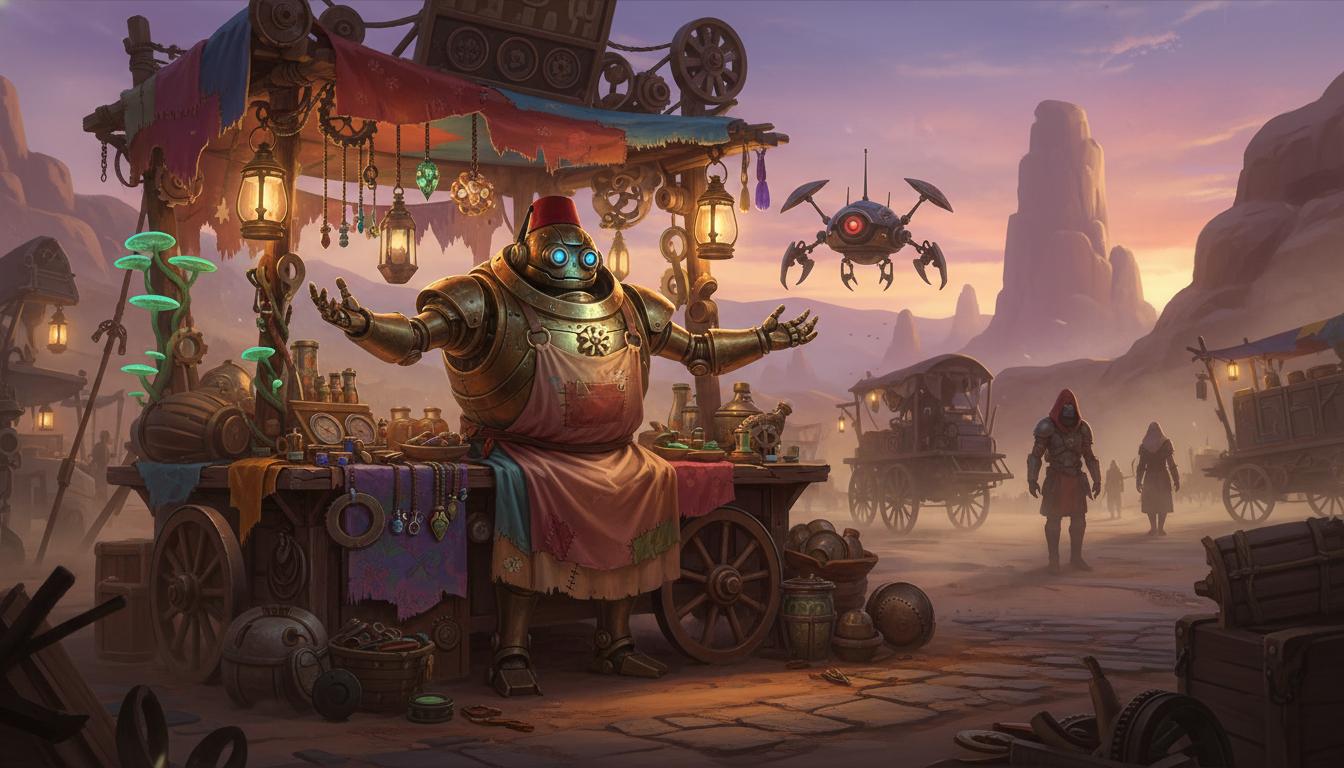
Design a memorable shopkeeper voice and reaction style.
Search this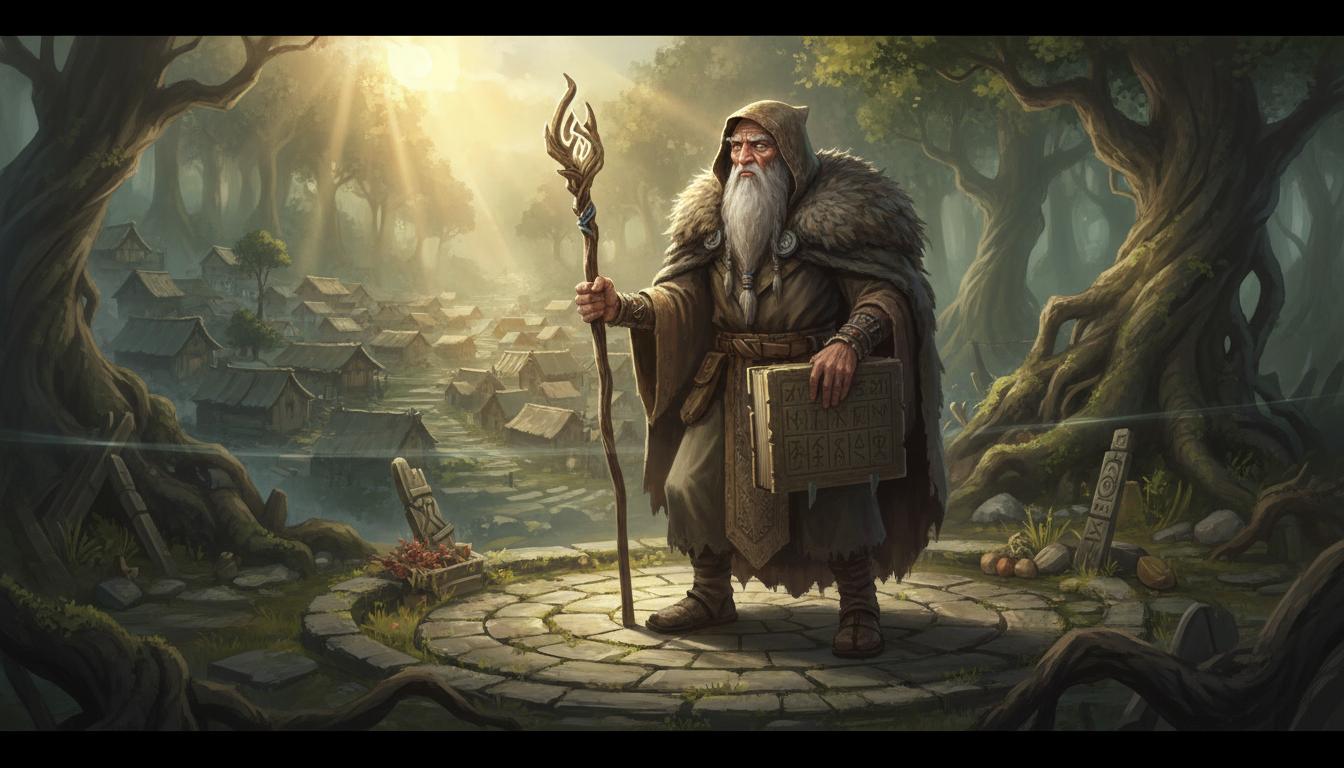
Draft a cautious advisor with trust conditions.
Search this
Shape a competitive but believable recurring rival.
Search this
Add warmth, gossip patterns, and social knowledge.
Search this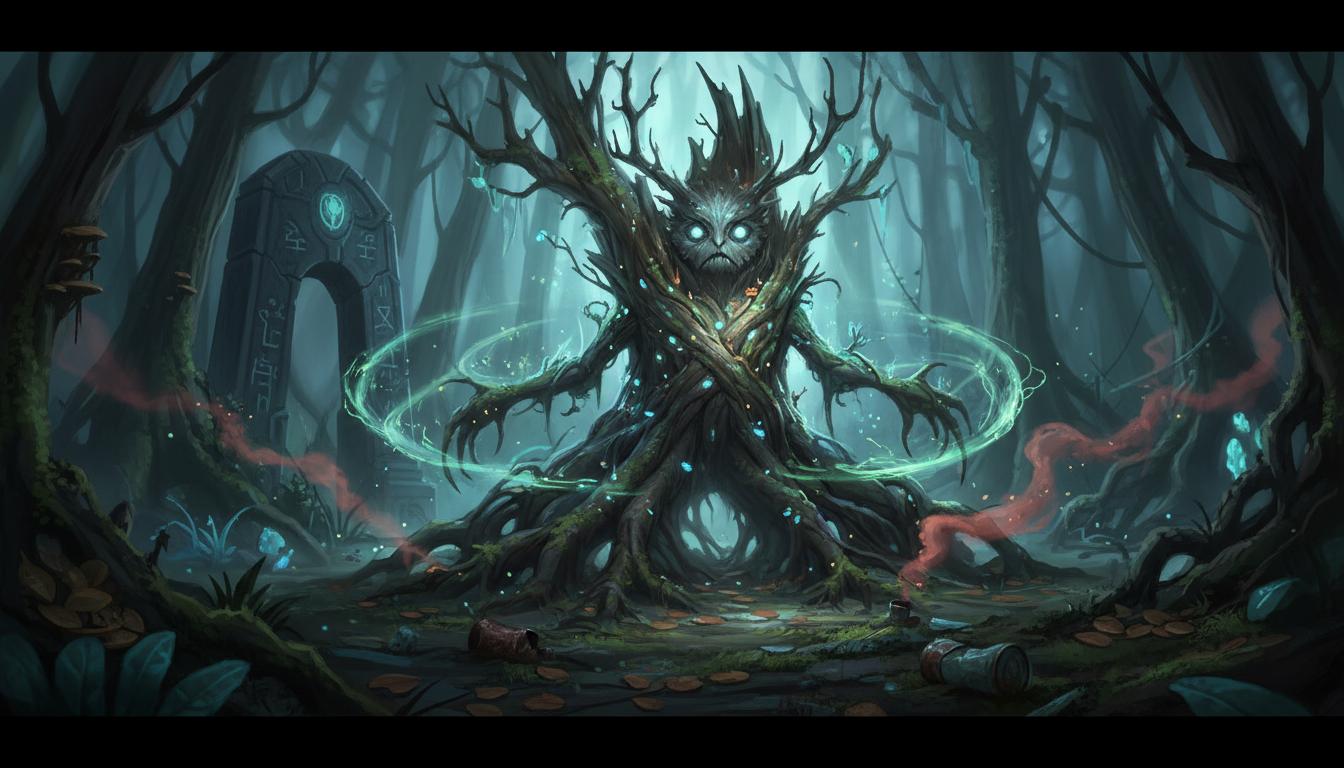
Build an unusual voice with clear emotional boundaries.
Search thisCore Features
This page is strongest when you need clearer npc personality engine direction before expensive production steps begin.

Define what the NPC cares about and how that affects speech and choices.
Open Workspace
Draft language style, rhythm, and emotional tone for more recognizable dialogue.
Open Workspace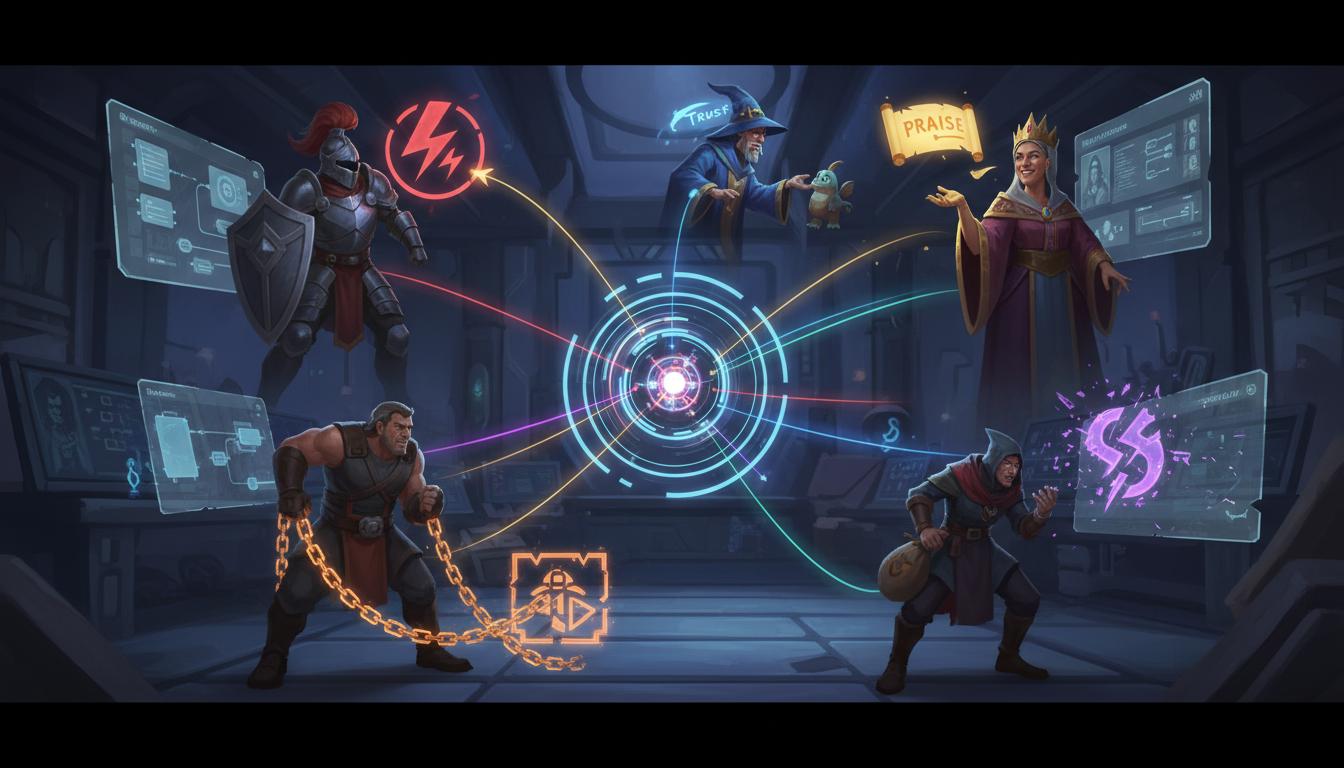
Outline how the NPC responds to trust, danger, praise, pressure, or betrayal.
Open Workspace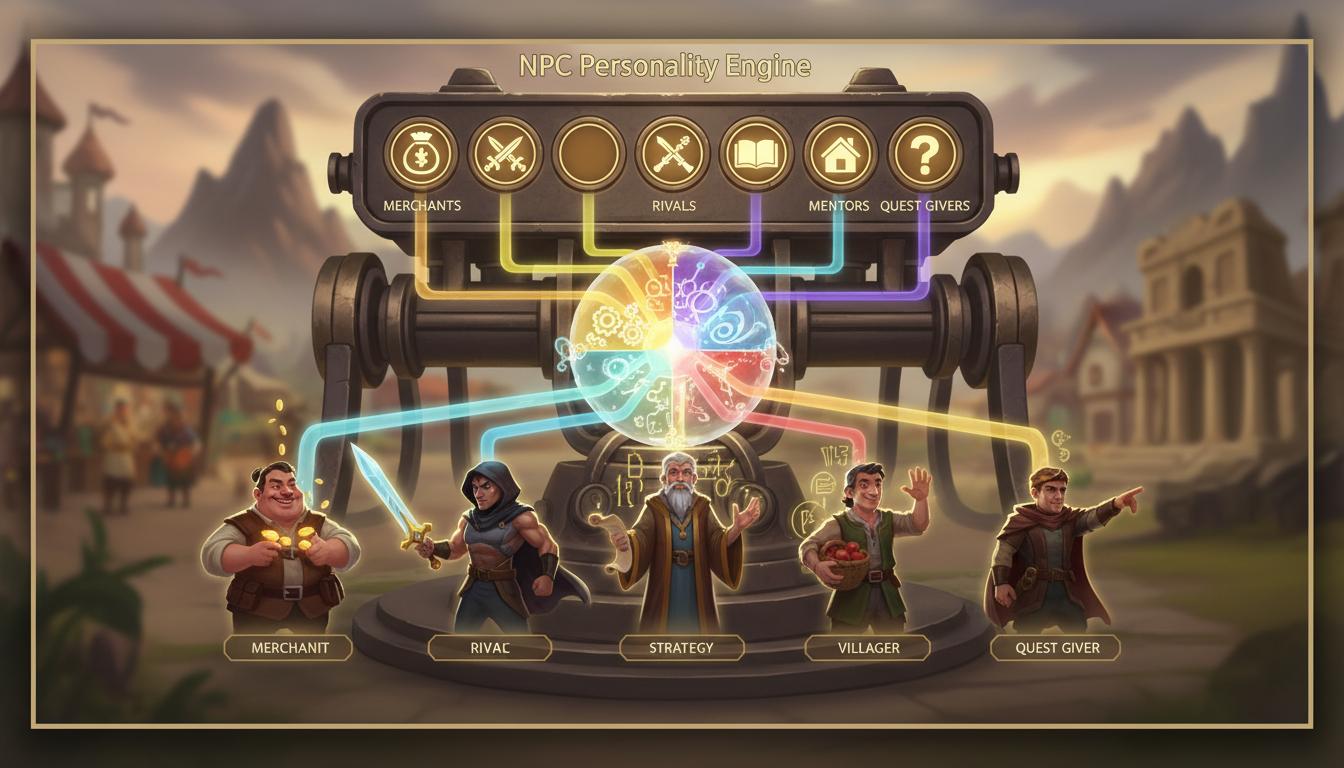
Adjust personality frameworks for merchants, rivals, mentors, villagers, or quest givers.
Open Workspace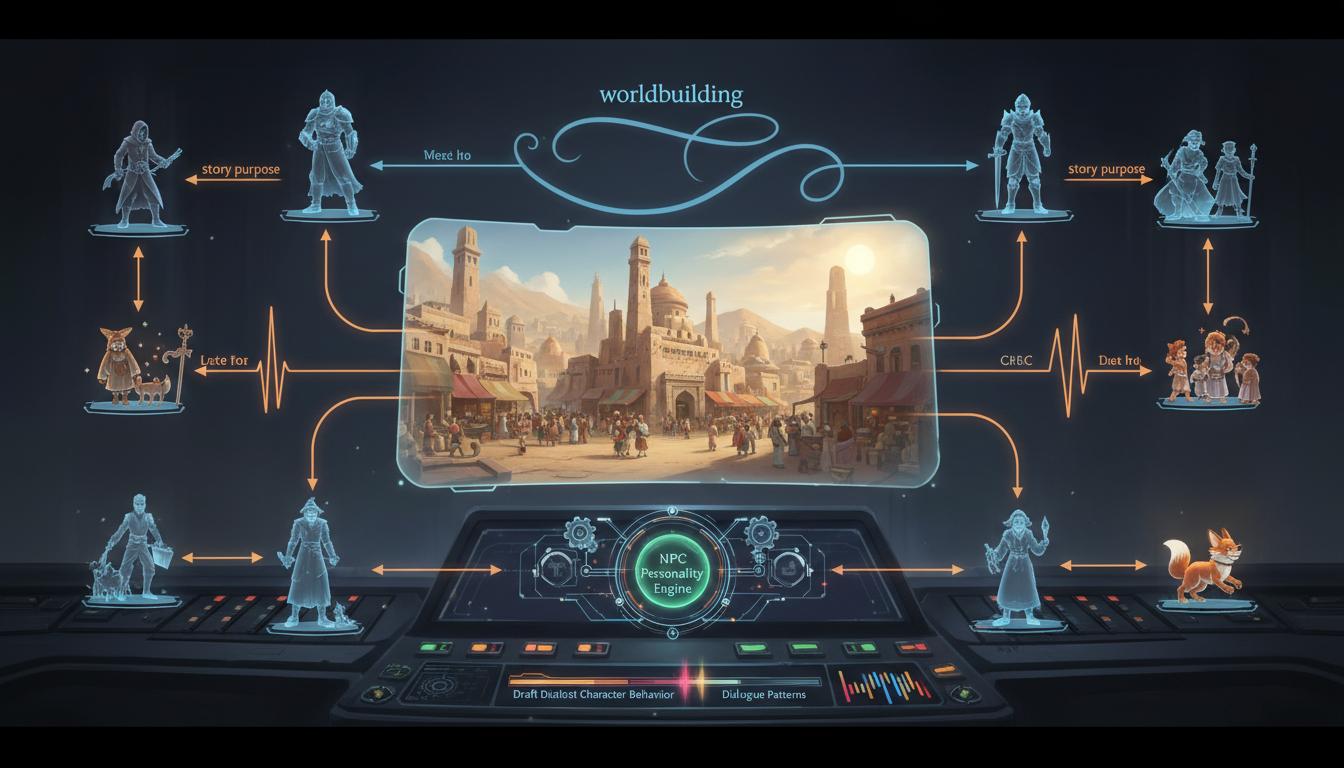
Keep character behavior connected to worldbuilding and story purpose.
Open Workspace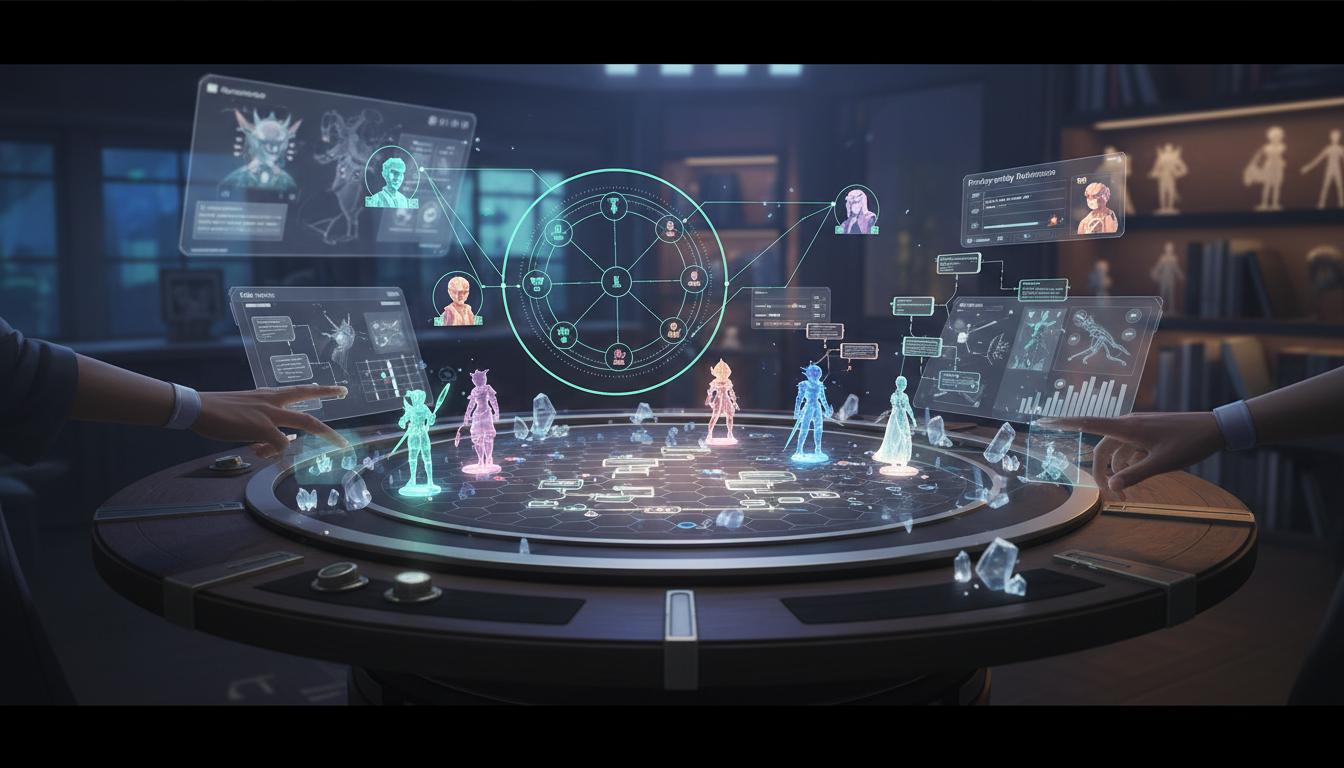
Create a quick reference writers and designers can use during iteration.
Open WorkspaceComparison
Use this page to understand where npc personality engine helps most in a real workflow.
| Criteria | NPC Personality Engine | Draft Distinct Character Behavior and Dialogue Patterns | Manual workflow | Generic prompt-only ideation |
|---|---|---|---|
| Time to first usable direction | Fast | Slow | Fast |
| Best stage | Prototype and pre-production | Production execution | Early ideation only |
| Iteration cost | Low | High | Low |
| Review boundary clarity | High | High | Low |
| Technical production readiness | Needs review | Strong when finished | Not applicable |
| Team alignment speed | High | Medium | Medium |
Who This Tool Page Is For
The strongest use cases appear when one team needs npc personality engine direction quickly, not a final production asset immediately.
Use clearer prompts and structured outputs to move from idea to a reviewable direction without waiting on a full production pass.
Open WorkspaceCompare scope, style, and production trade-offs earlier so implementation starts from a cleaner brief.
Open WorkspaceBring stronger first-pass options into review and decide which path deserves deeper production effort.
Open WorkspaceAn NPC personality engine is useful when characters need more than placeholder dialogue. By outlining values, motives, voice, and reaction tendencies, teams can create NPCs that feel more consistent during prototype and narrative development.
Instead of only producing isolated lines, this kind of workflow can help generate a broader character reference. That makes it easier to keep side characters, mentors, merchants, and rivals distinct across repeated interactions.
This should be understood as a personality planning tool. It does not promise persistent memory simulation or a full runtime AI stack. The goal is clearer character direction that supports writing and gameplay design.
How It Works
What You Get
A structured description of the character's traits, motives, and voice.
Likely responses to trust, conflict, requests, or stress.
Speech tendencies and example lines to keep the NPC more consistent.
Where This Works Best
No. It helps draft personality structure, dialogue tendencies, and reaction patterns for design use.
Yes. Distinct motives, speech habits, and reaction logic can make recurring characters more memorable.
No. It also helps with values, motives, emotional boundaries, and interaction planning.
Yes. It works for mentors, shopkeepers, rivals, villagers, spirits, and similar roles.
You should adjust tone, story fit, and any reactions that conflict with your world or quest structure.
Join thousands building with Seele AI — no setup required.
Open Workspace