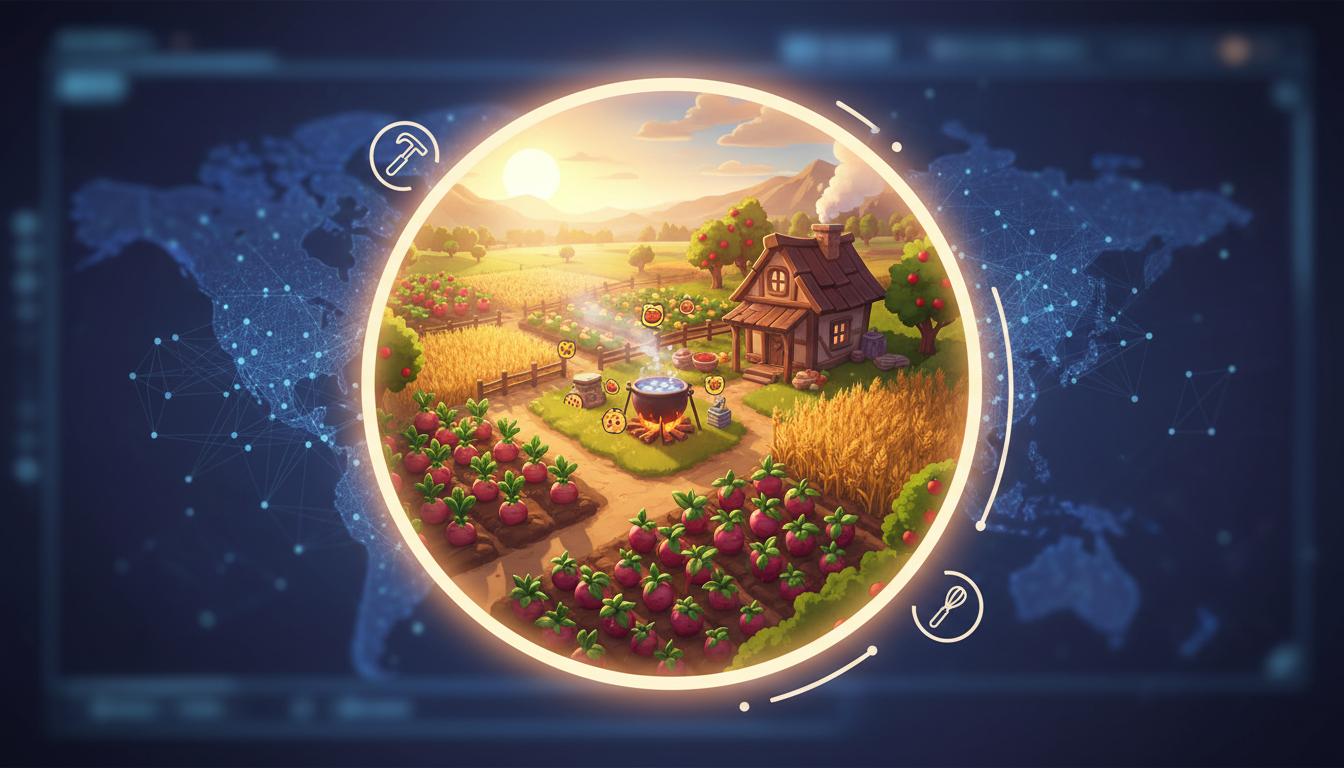
Web Farming Sim
Convert a cozy concept into a scoped prototype brief.
Web Farming Sim Convert a cozy concept into a scoped prototype brief. Search thisSeele AI · Tool
Learn how to create a game using HTML by translating a natural-language idea into browser-game scope, mechanics, and buildable planning steps.
Start with a specific prompt to game engine need, then carry that prompt into the workspace for deeper iteration and follow-up planning.
Quick Start Searches
Pick a concrete prompt to game engine scenario and jump into the workspace with a stronger starting prompt.
Convert a cozy concept into a scoped prototype brief.
Web Farming Sim Convert a cozy concept into a scoped prototype brief. Search this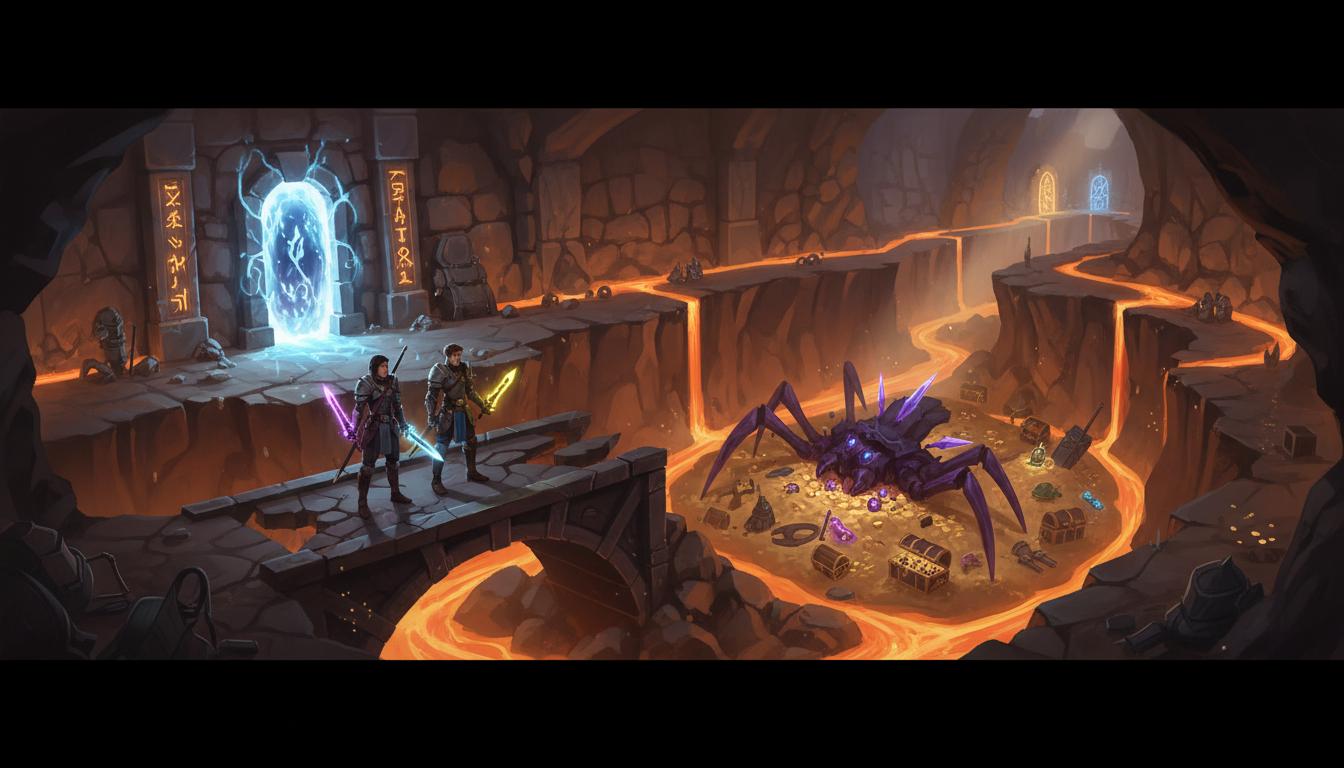
Outline systems and milestones for a multiplayer prototype.
Co-Op Crawler Outline systems and milestones for a multiplayer prototype. Search this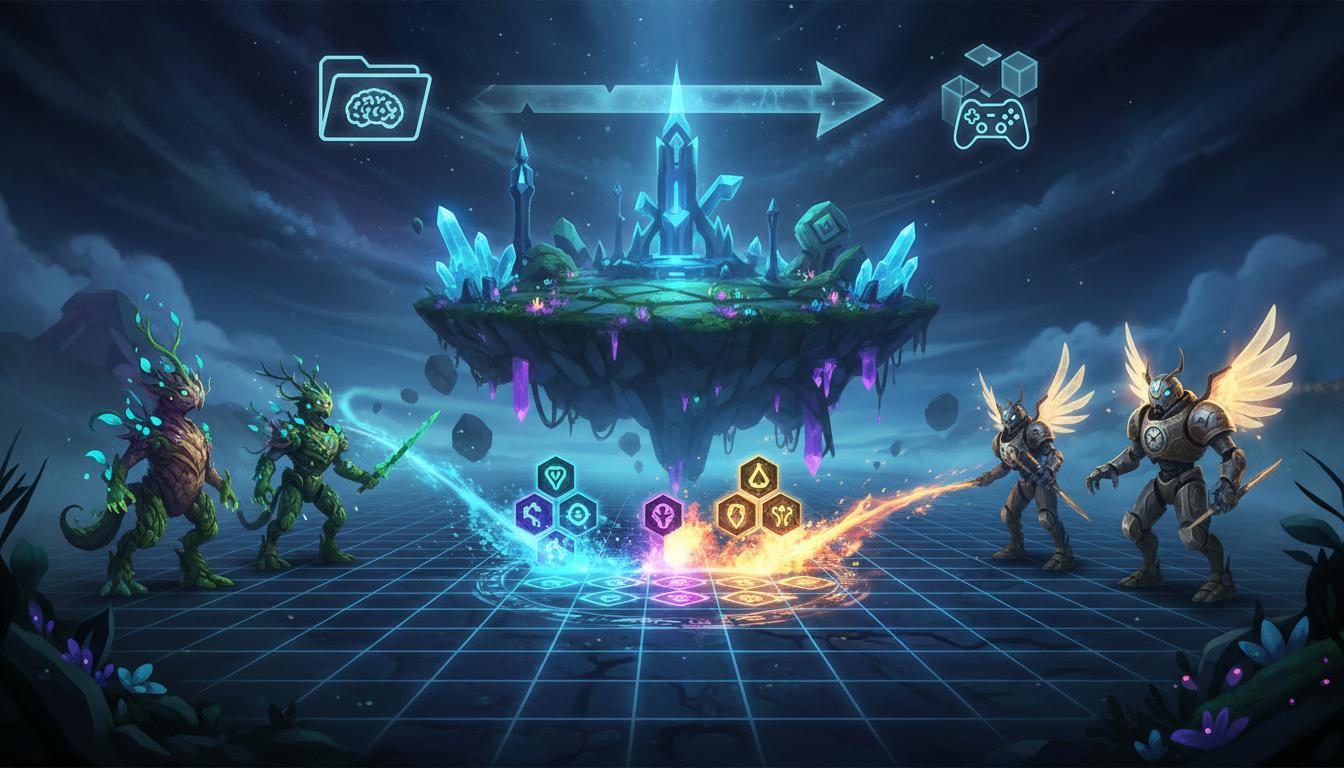
Translate a hybrid concept into clear design structure.
Mobile Puzzle Battler Translate a hybrid concept into clear design structure. Search this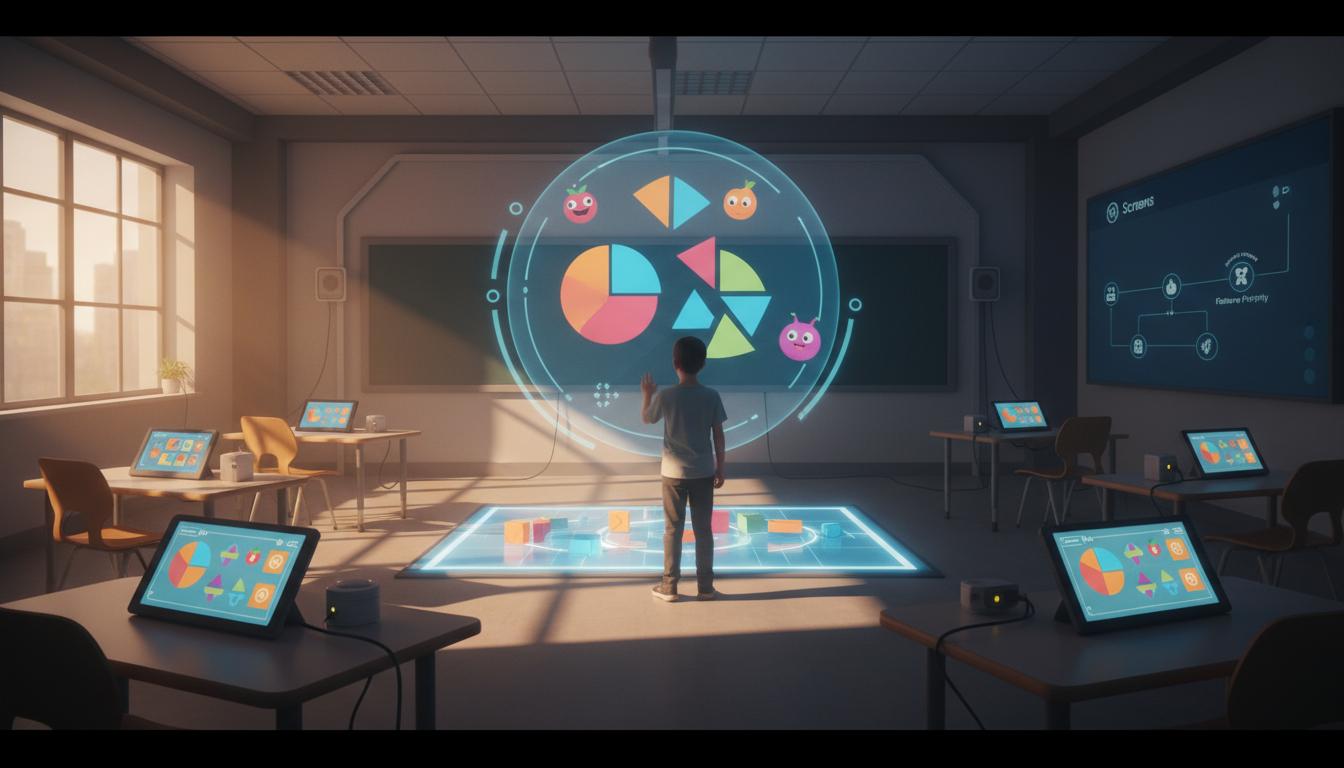
Shape a simple educational game into implementation steps.
Classroom Game Demo Shape a simple educational game into implementation steps. Search this
Draft a concise brief for a story-led action prototype.
Narrative Runner Draft a concise brief for a story-led action prototype. Search this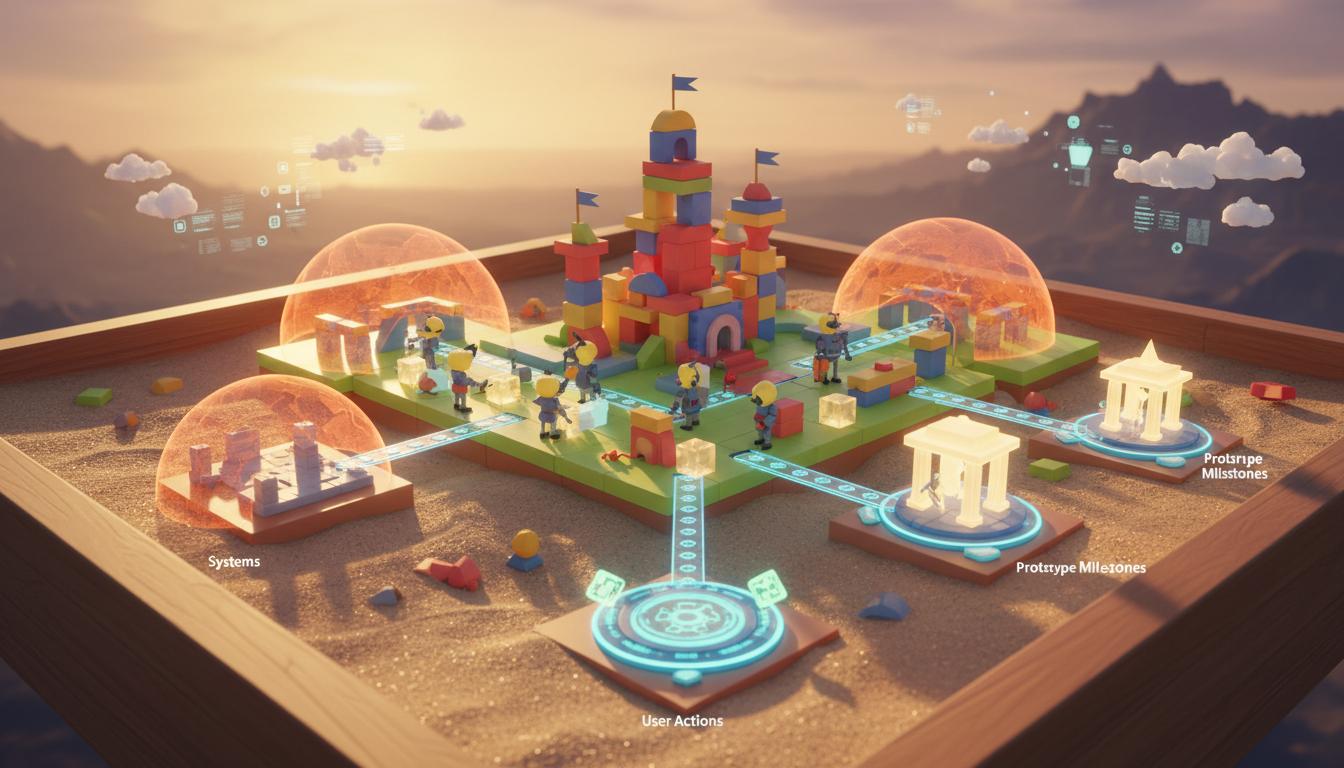
Clarify systems and guardrails for a creative building prototype.
Builder Sandbox Clarify systems and guardrails for a creative building prototype. Search thisCore Features
This page is strongest when you need clearer prompt to game engine direction before expensive production steps begin.
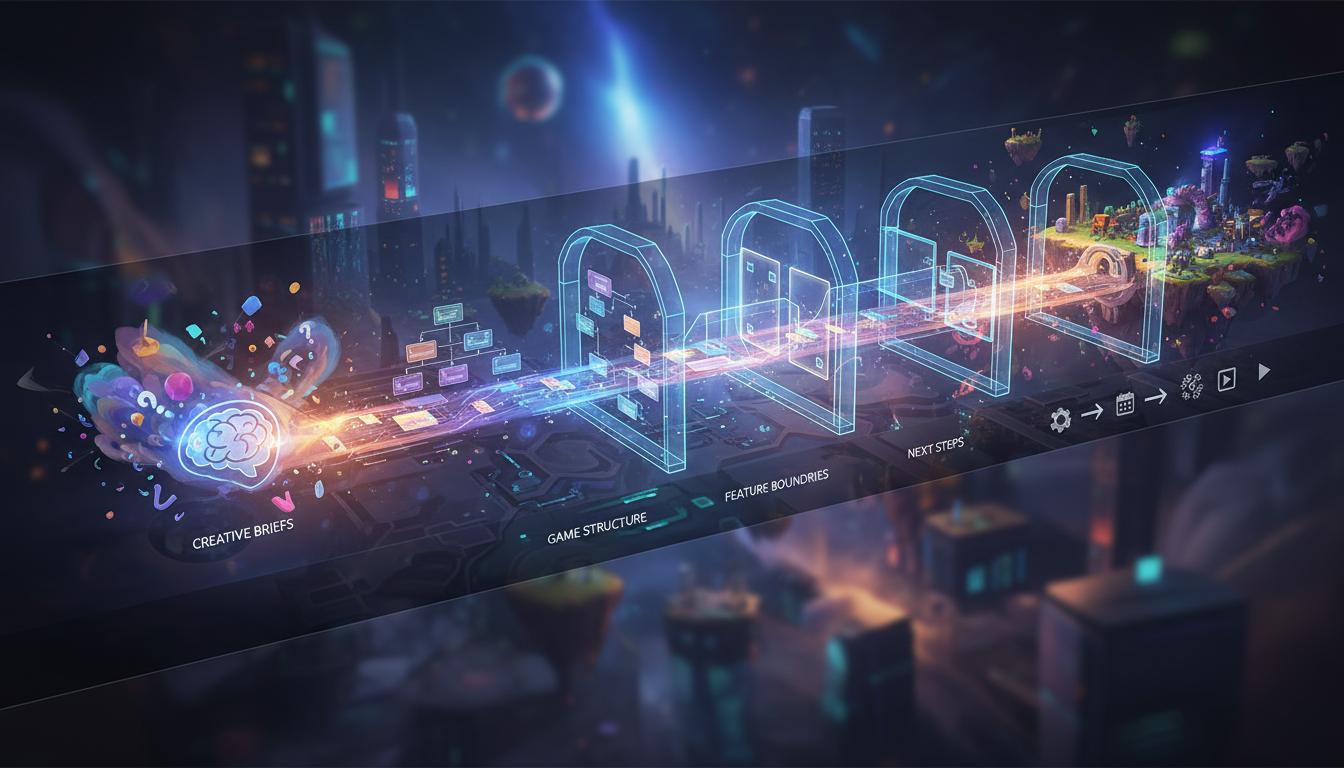
Transform loose ideas into clearer game structure, feature boundaries, and next steps.
Prompt-To-Spec Conversion Transform loose ideas into clearer game structure, feature boundaries, and next steps. Open Workspace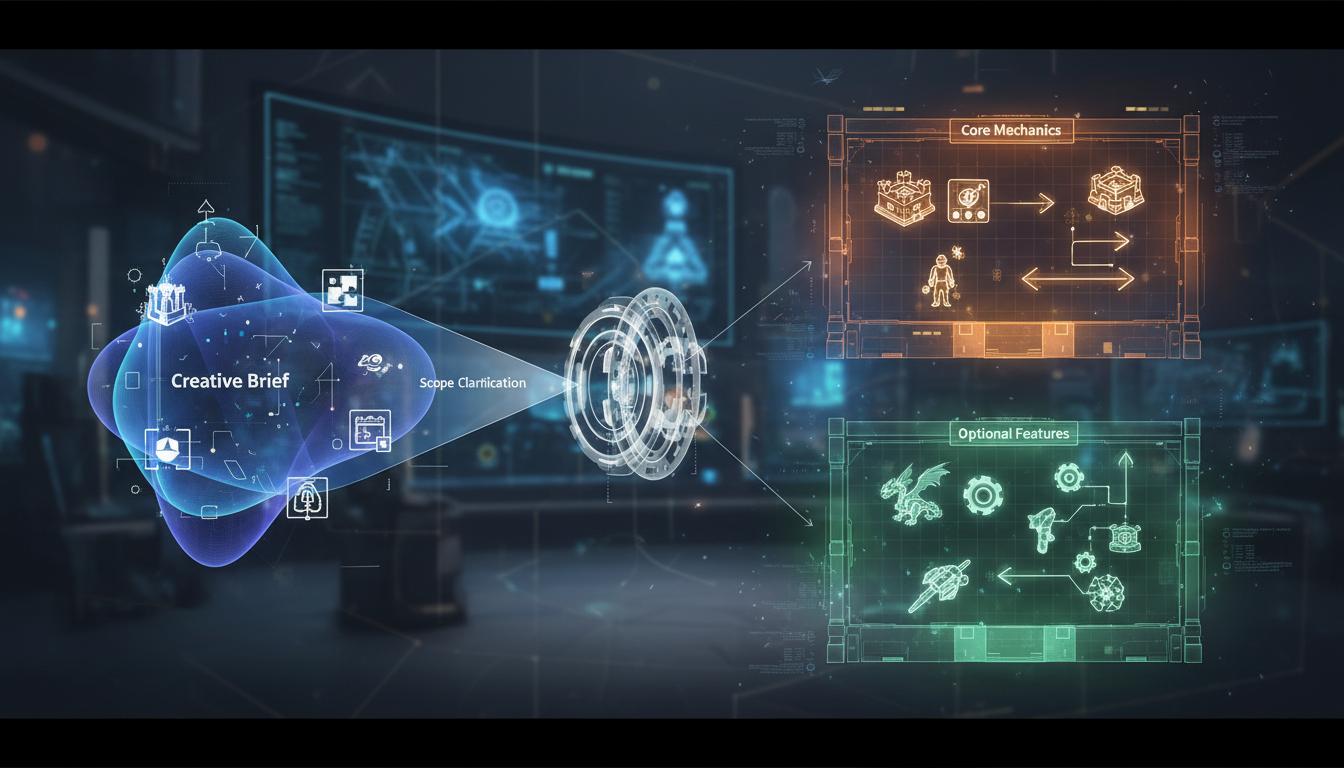
Separate core mechanics from optional features so teams can start smaller.
Scope Clarification Separate core mechanics from optional features so teams can start smaller. Open Workspace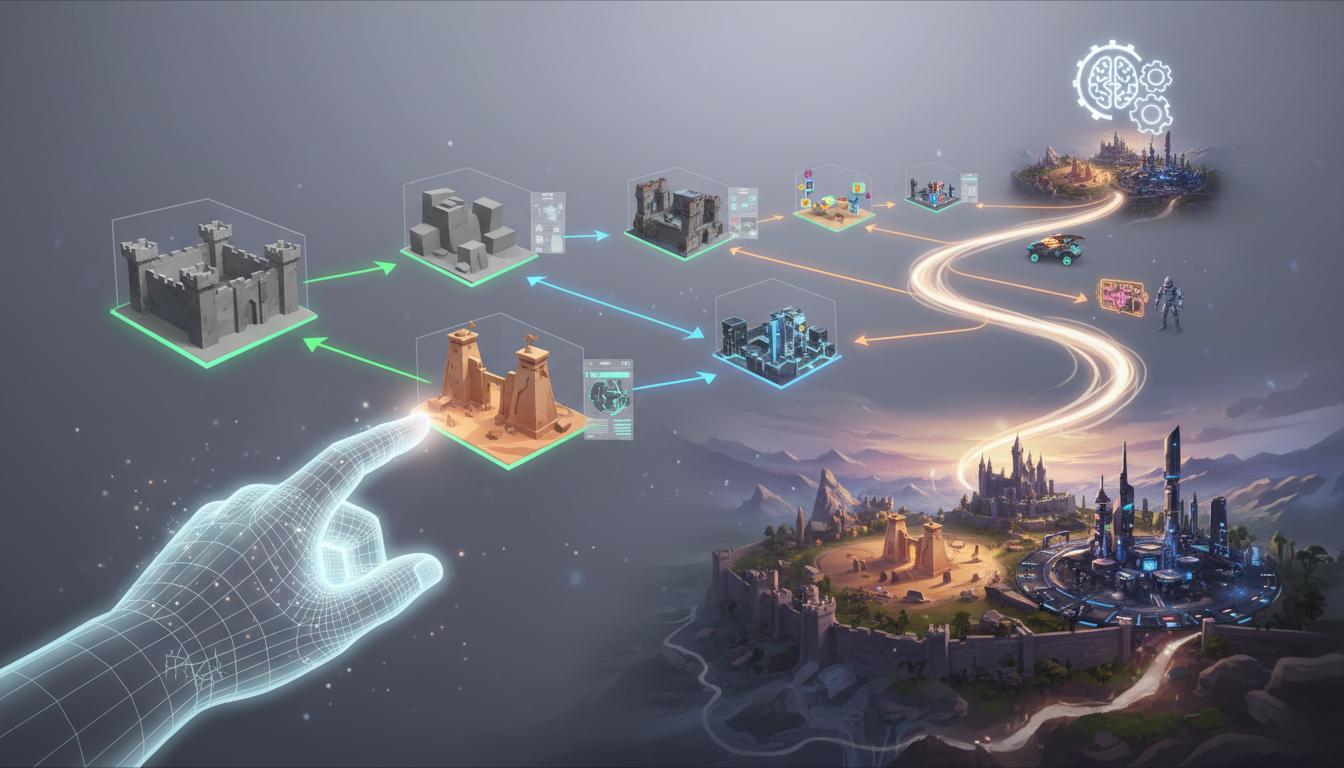
Suggest what to validate first instead of trying to build everything at once.
Prototype Sequencing Suggest what to validate first instead of trying to build everything at once. Open Workspace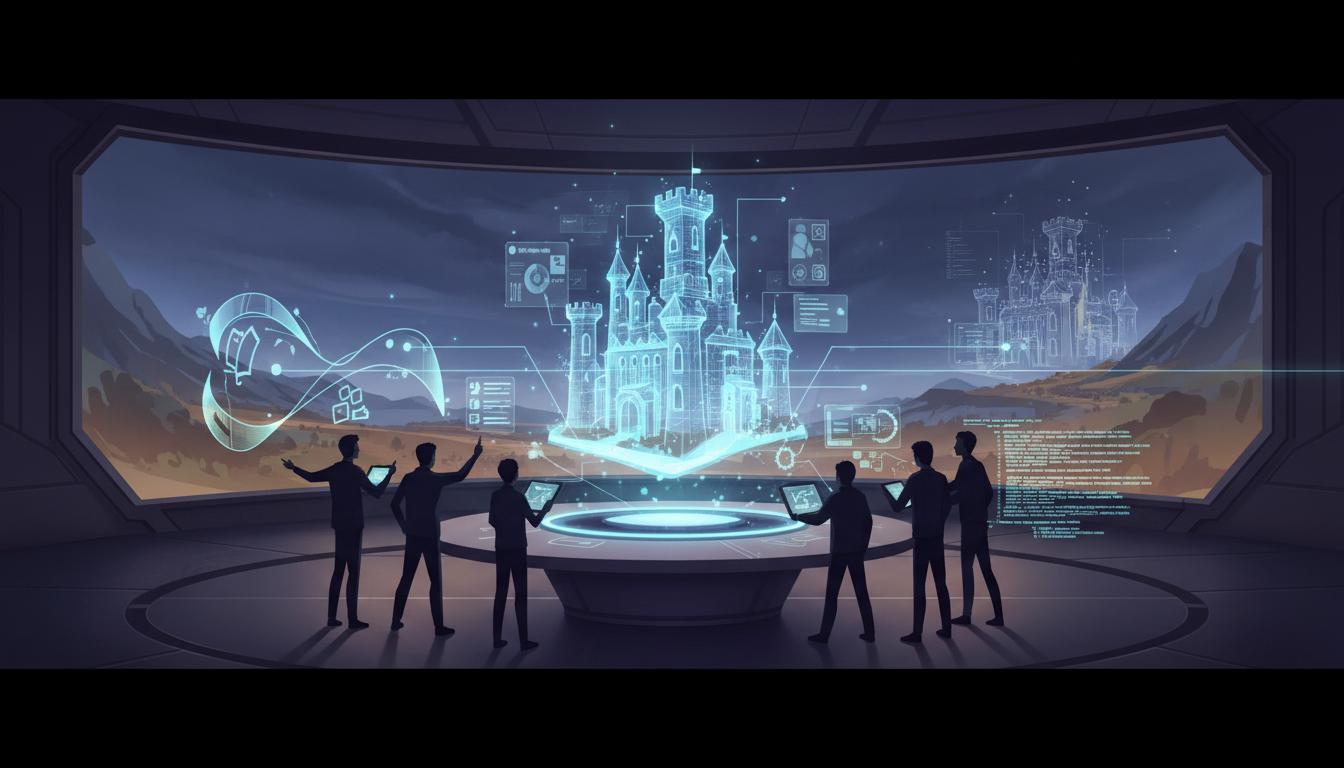
Produce outputs that make design, product, and engineering conversations easier.
Cross-Functional Alignment Produce outputs that make design, product, and engineering conversations easier. Open Workspace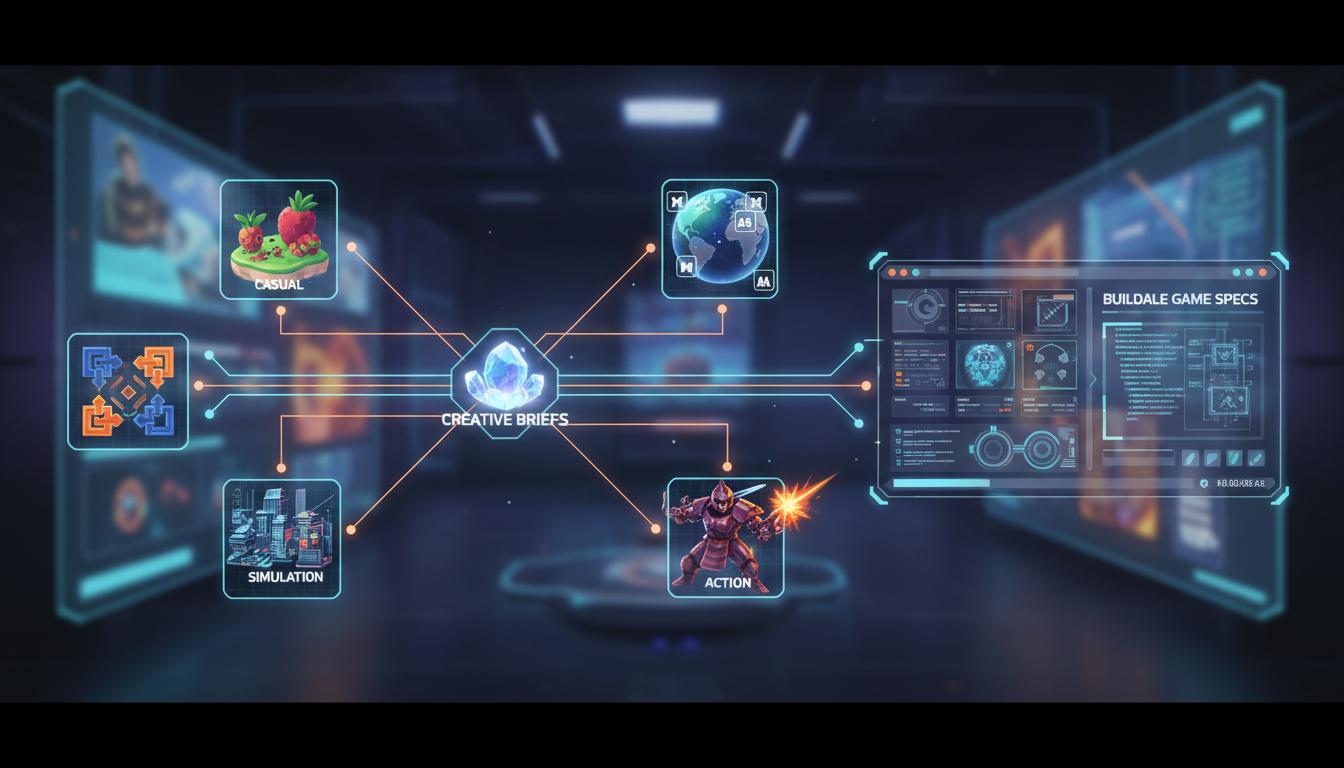
Use the same structure across casual, strategy, simulation, puzzle, or action game ideas.
Genre-Flexible Workflow Use the same structure across casual, strategy, simulation, puzzle, or action game ideas. Open Workspace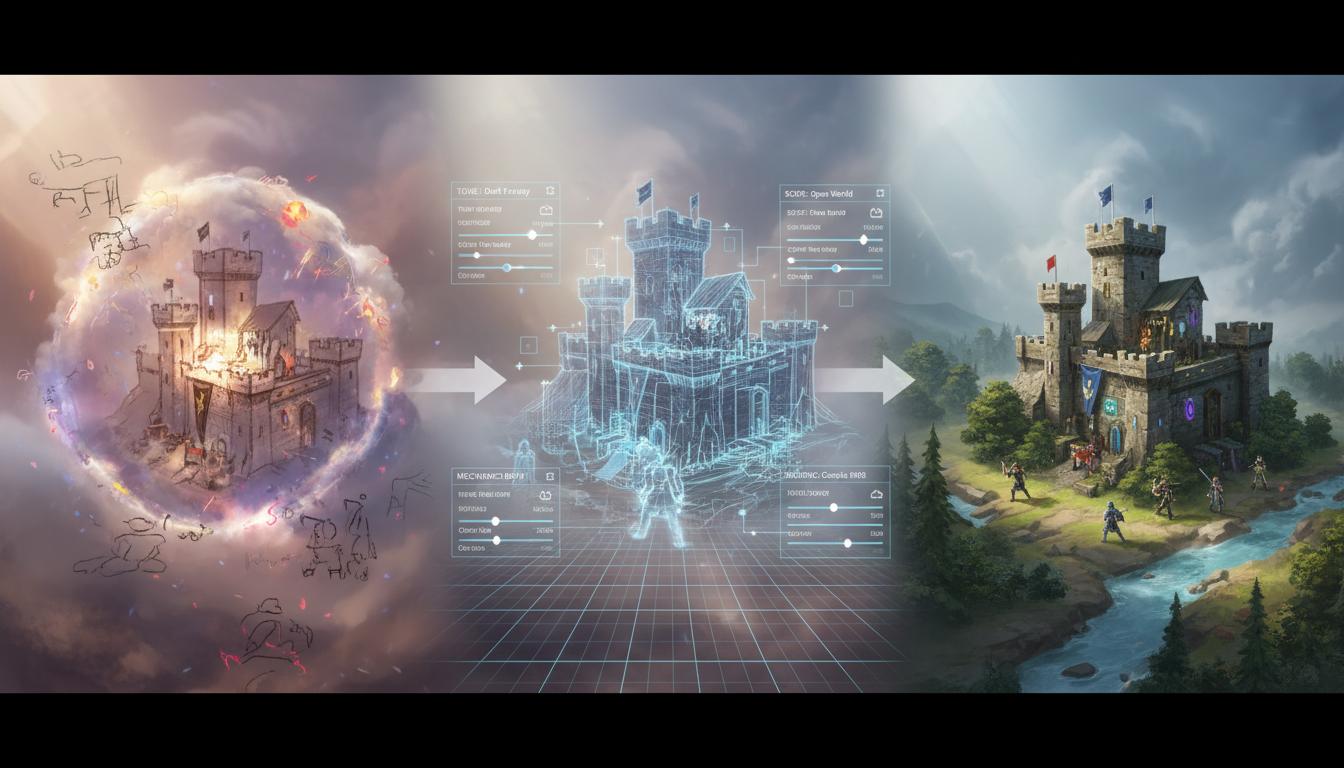
Adjust tone, scope, and mechanic depth as the concept becomes more concrete.
Iteration-Friendly Output Adjust tone, scope, and mechanic depth as the concept becomes more concrete. Open WorkspaceComparison
| Criteria | Prompt to Game Engine Workflow | Turn Creative Briefs Into Buildable Game Specs | Manual workflow | Generic prompt-only ideation |
|---|---|---|---|
| Time to first usable direction | Fast | Slow | Fast |
| Best stage | Prototype and pre-production | Production execution | Early ideation only |
| Iteration cost | Low | High | Low |
| Review boundary clarity | High | High | Low |
| Technical production readiness | Needs review | Strong when finished | Not applicable |
| Team alignment speed | High | Medium | Medium |
Who This Tool Page Is For
The strongest use cases appear when one team needs prompt to game engine direction quickly, not a final production asset immediately.
Use clearer prompts and structured outputs to move from idea to a reviewable direction without waiting on a full production pass.
Indie Game Teams Use clearer prompts and structured outputs to move from idea to a reviewable direction without waiting on a full production pass. Open WorkspaceCompare scope, style, and production trade-offs earlier so implementation starts from a cleaner brief.
Designers And Technical Artists Compare scope, style, and production trade-offs earlier so implementation starts from a cleaner brief. Open WorkspaceBring stronger first-pass options into review and decide which path deserves deeper production effort.
Creative Leads Bring stronger first-pass options into review and decide which path deserves deeper production effort. Open WorkspaceA prompt-to-game-engine workflow is most useful as a planning bridge. You start with a natural-language concept, then turn it into a more structured design brief, mechanic list, and prototype sequence that teams can actually discuss and implement.
Game ideas often start too broad. Converting a prompt into structured scope helps teams reduce ambiguity, define the core loop earlier, and choose what to validate first. That shortens the gap between concept and action.
This is not a claim that the product itself is a literal game engine. The value is in translating creative input into clearer planning, design, and build priorities that can feed into later production work.
How It Works
What You Get
A clearer project brief with gameplay loop, scope, and feature direction.
A first-pass list of core systems and supporting features to build or test.
A practical sequence for what to build or validate first.
Where This Works Best
Where This Works Best
No. This workflow helps turn prompts into clearer design and prototype planning outputs.
It is useful for designers, indie teams, founders, and creators shaping an idea into a buildable plan.
Yes. A structured brief makes it easier to distinguish MVP work from later additions.
Not to start. A plain-language concept is enough for first-pass scoping and structure.
You should review technical feasibility, timeline assumptions, and whether the plan matches your team.