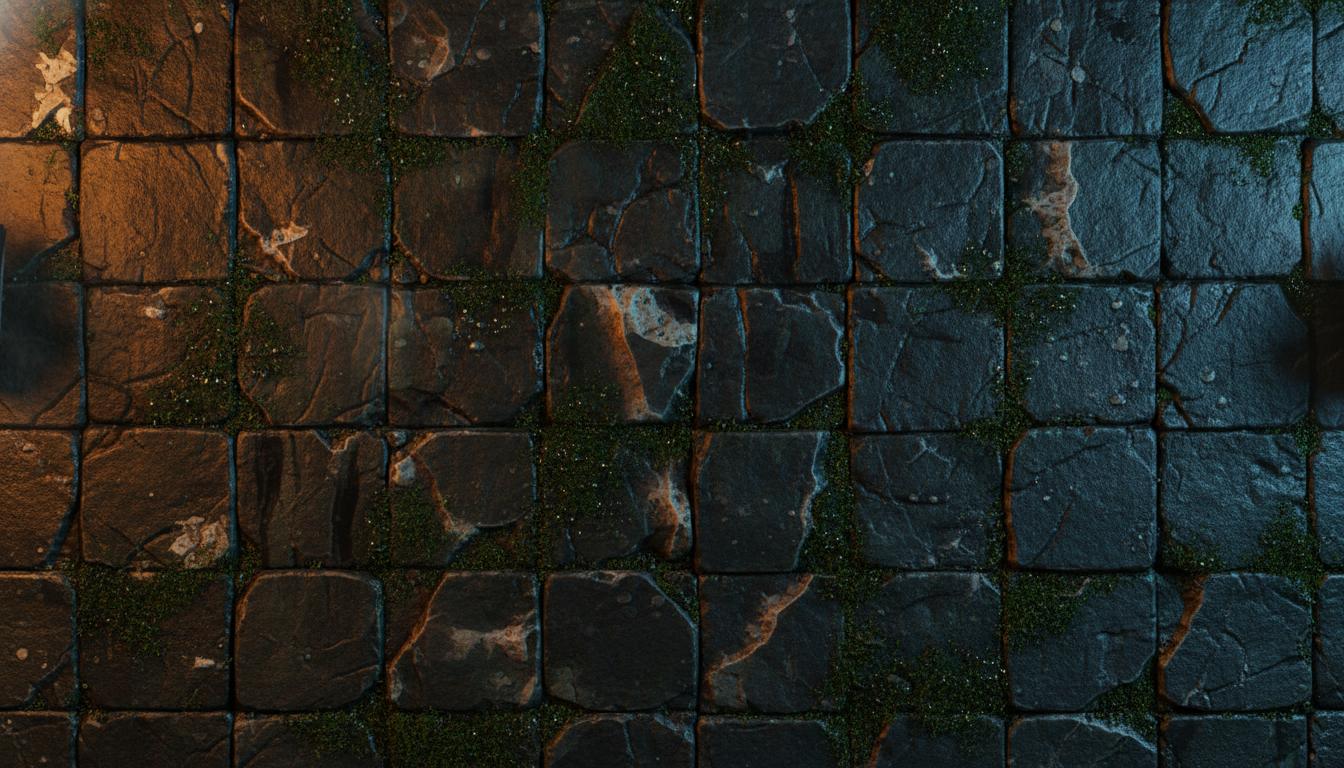
Dungeon Wall Material
Plan a wall surface that tiles without obvious seams.
Search thisTurn a material idea into a tileable texture brief, variation plan, and cleaner environment-art direction before final authoring and engine tuning.
Try this in Seele AI
Start with a specific seamless game texture ai need, then carry that prompt into the workspace for deeper iteration and follow-up planning.
Quick Start Searches
Pick a concrete seamless game texture ai scenario and jump into the workspace with a stronger starting prompt.
Plan a wall surface that tiles without obvious seams.
Search this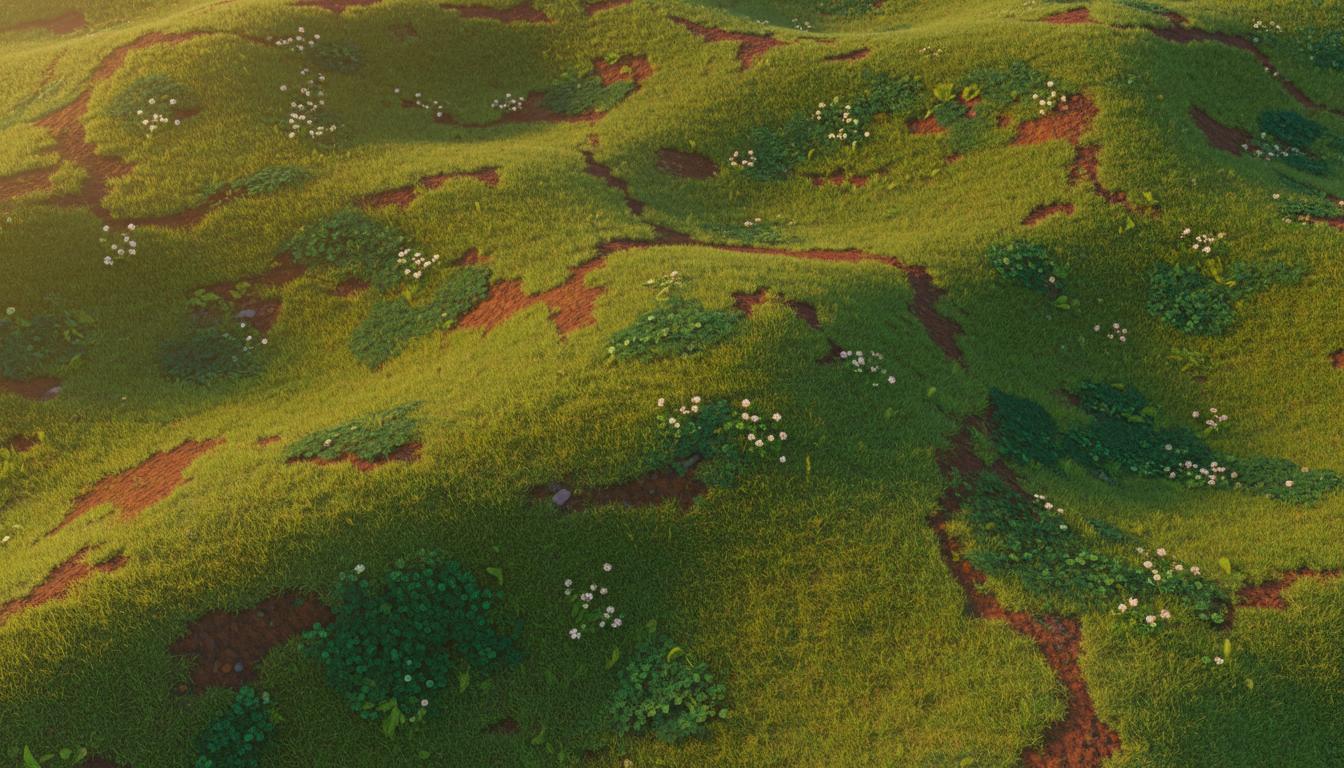
Keep broad surfaces readable from above.
Search this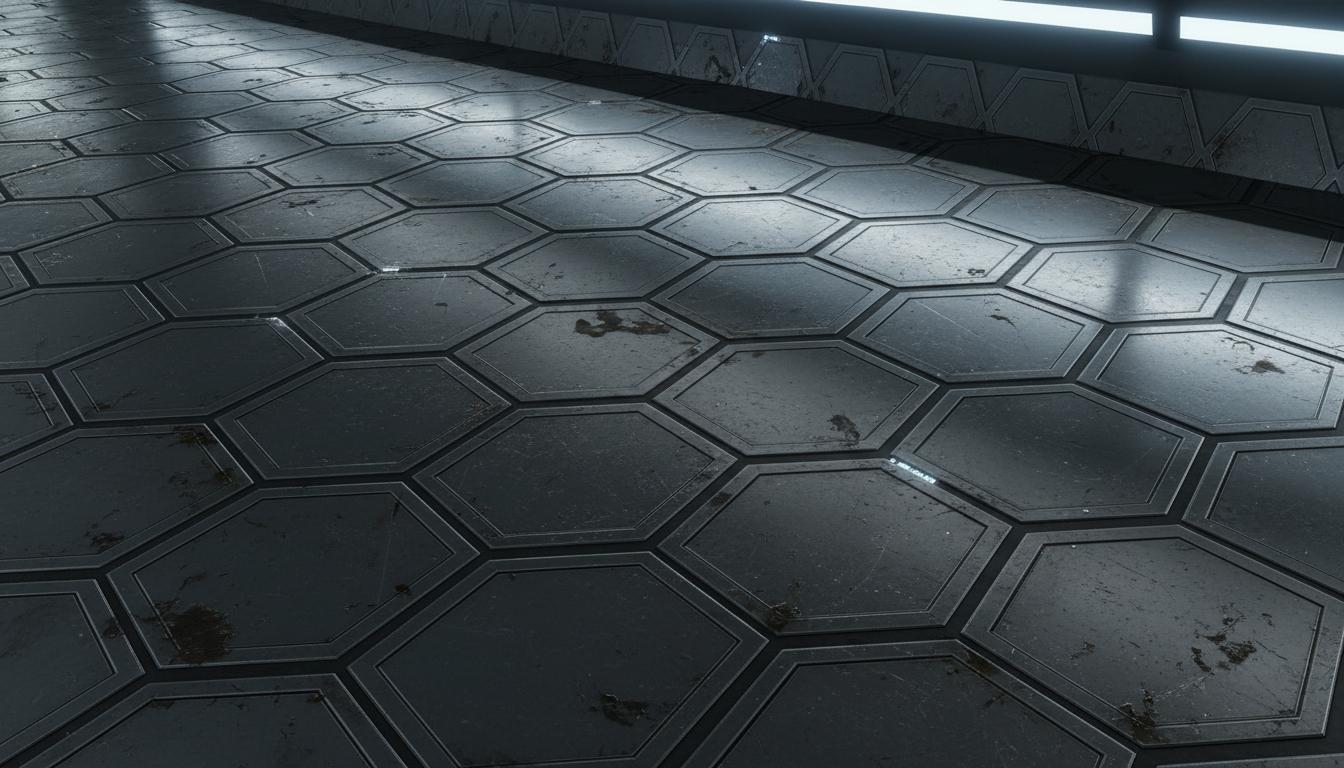
Balance repeat-safe patterns with usable detail.
Search this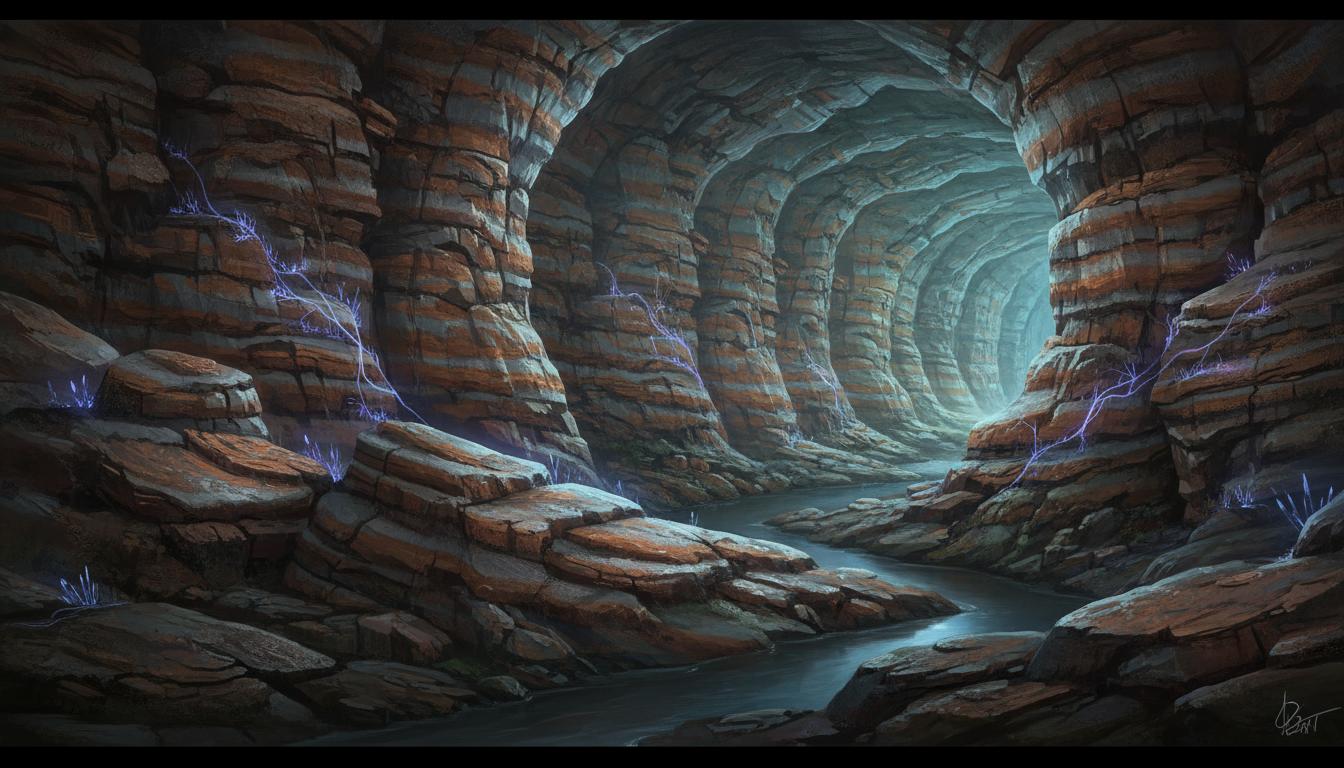
Reduce pattern repetition across long surfaces.
Search this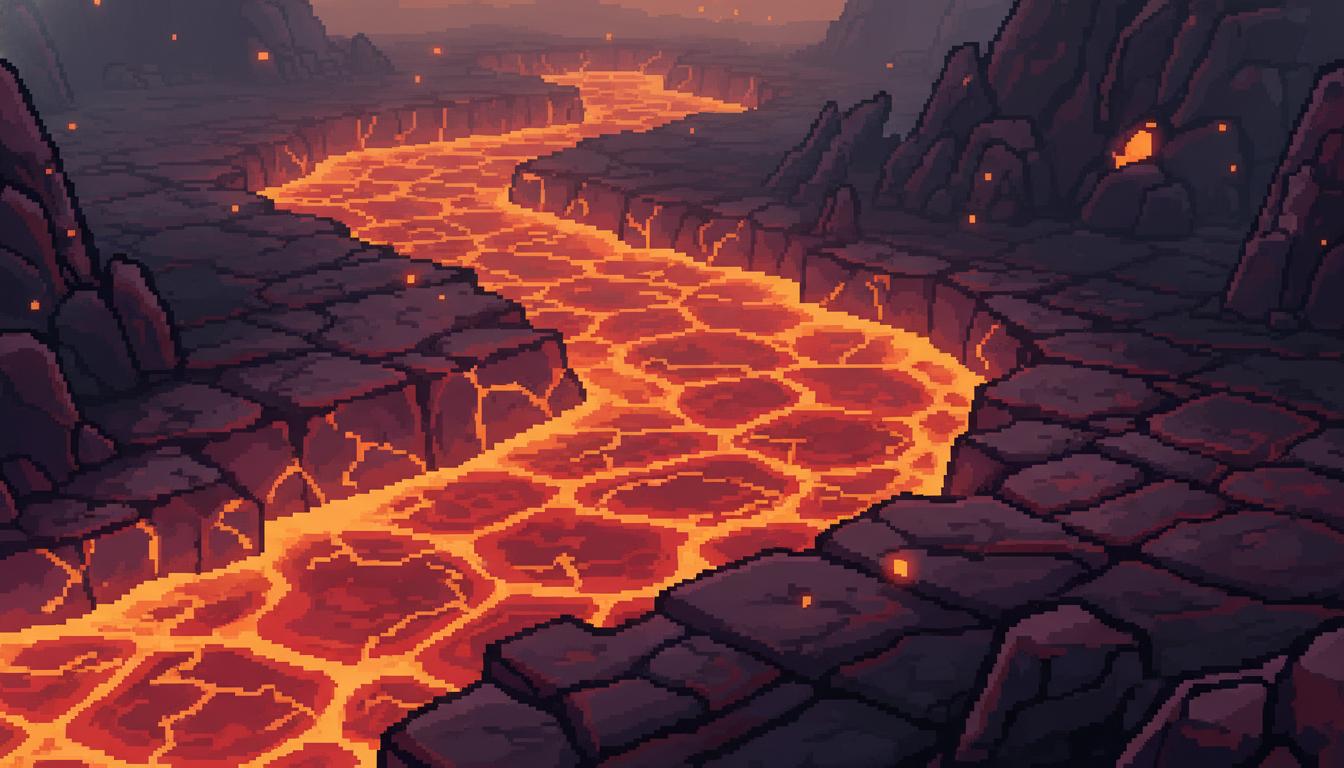
Shape a simpler texture language for stylized projects.
Search this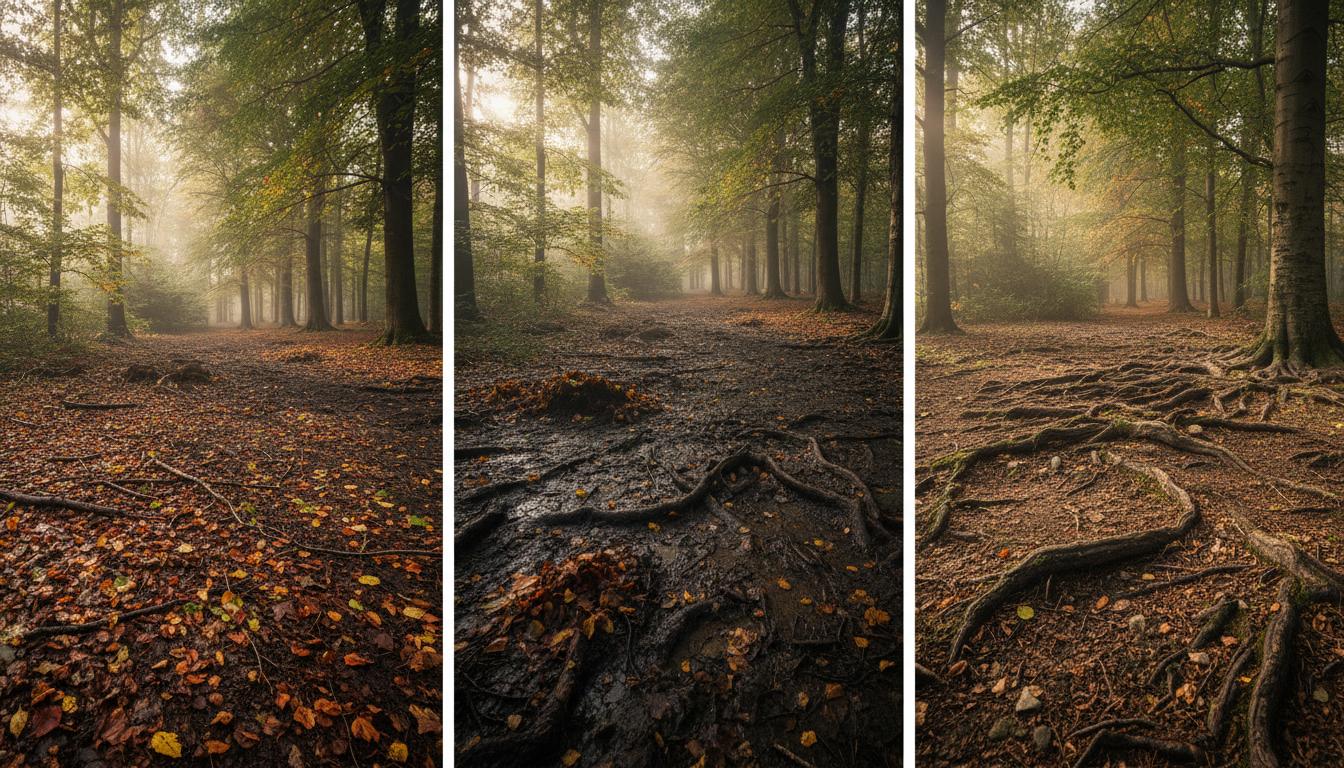
Build a stronger material family before production.
Search thisCore Features
This page is strongest when you need clearer seamless game texture ai direction before expensive production steps begin.
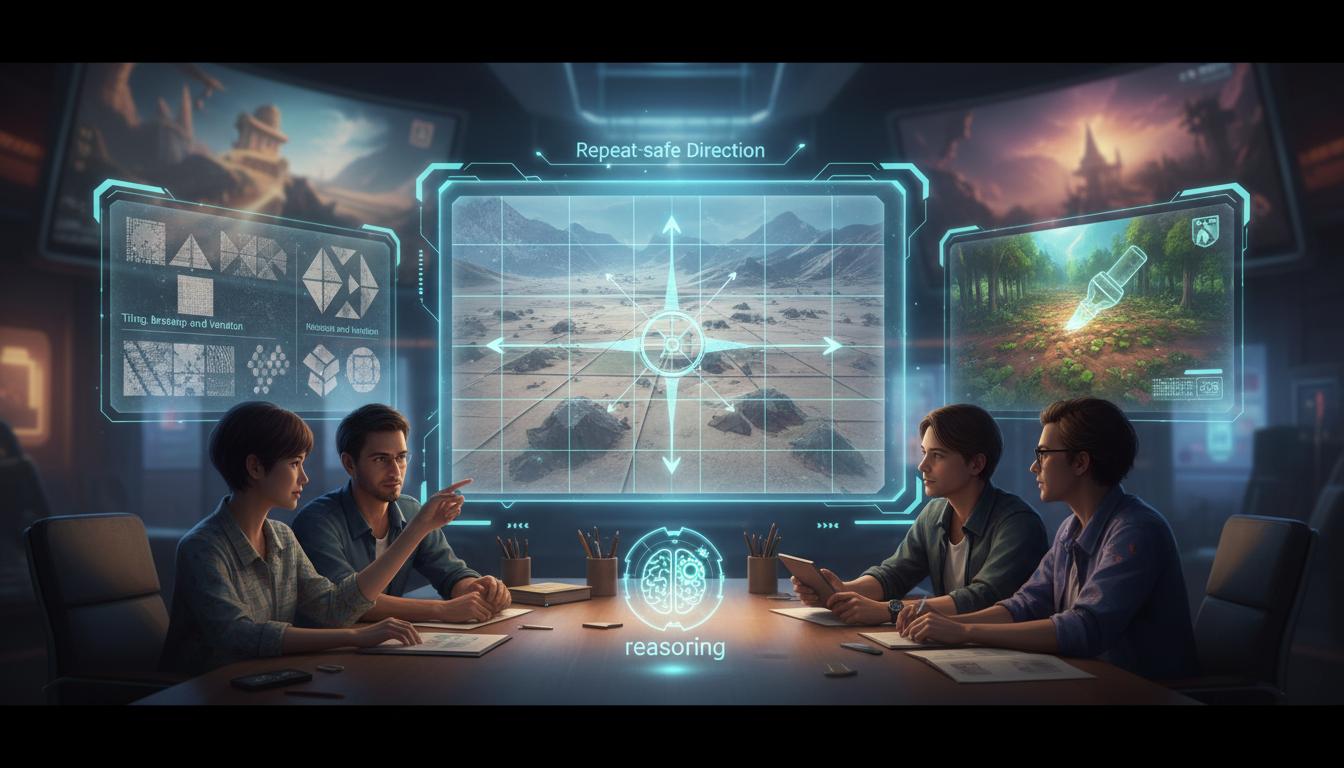
The workflow helps teams reason about tiling, breakup, and variation before textures are authored or tuned in-engine.
Open Workspace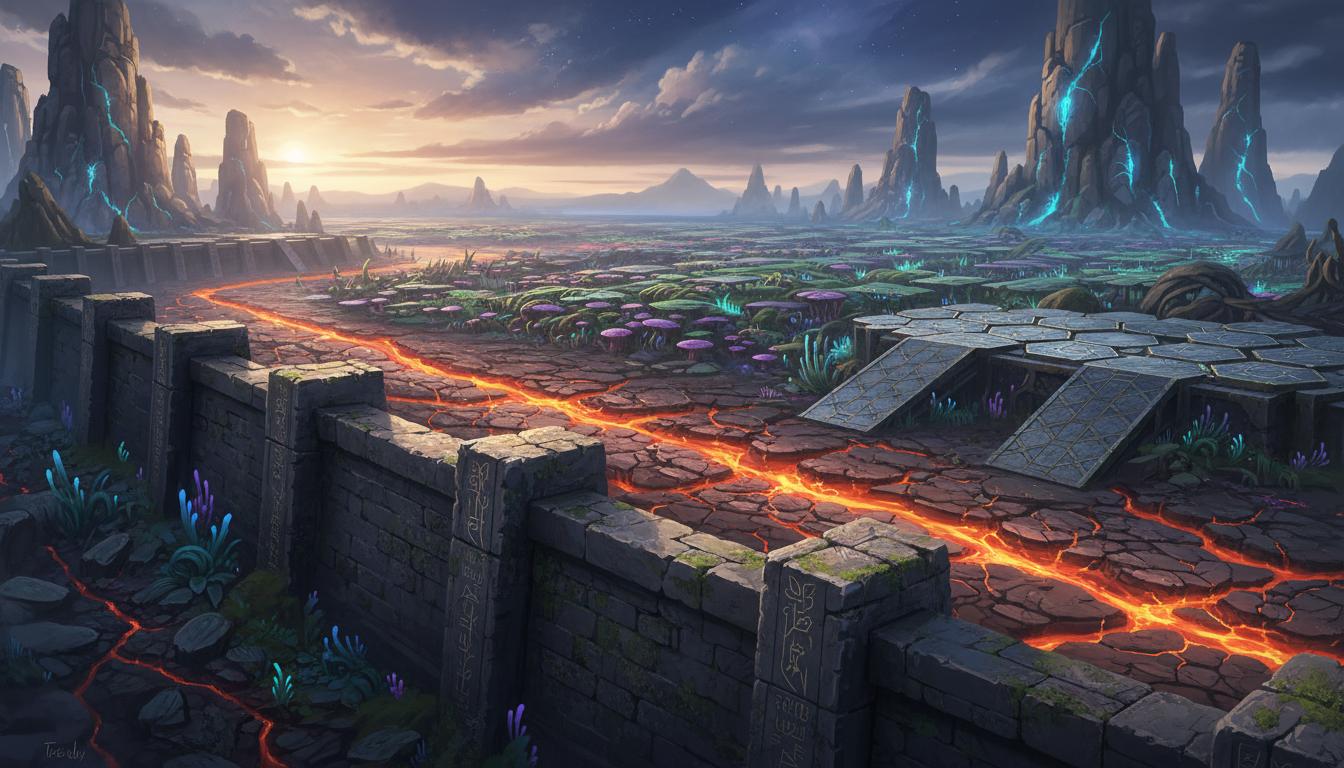
It is especially helpful for large surfaces like walls, floors, terrain, and modular environment sets where repetition becomes obvious fast.
Open Workspace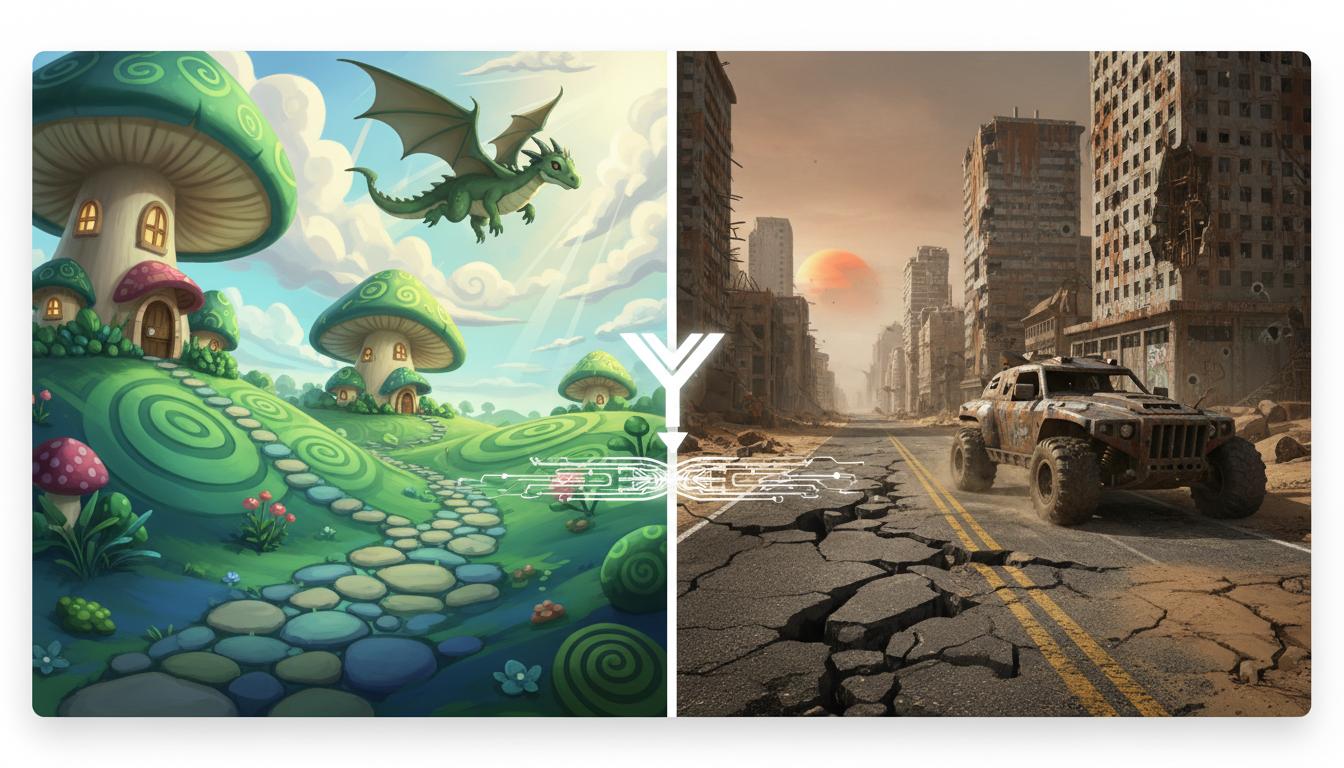
Different projects need different pattern density, wear levels, and color restraint. The prompt can steer that clearly.
Open Workspace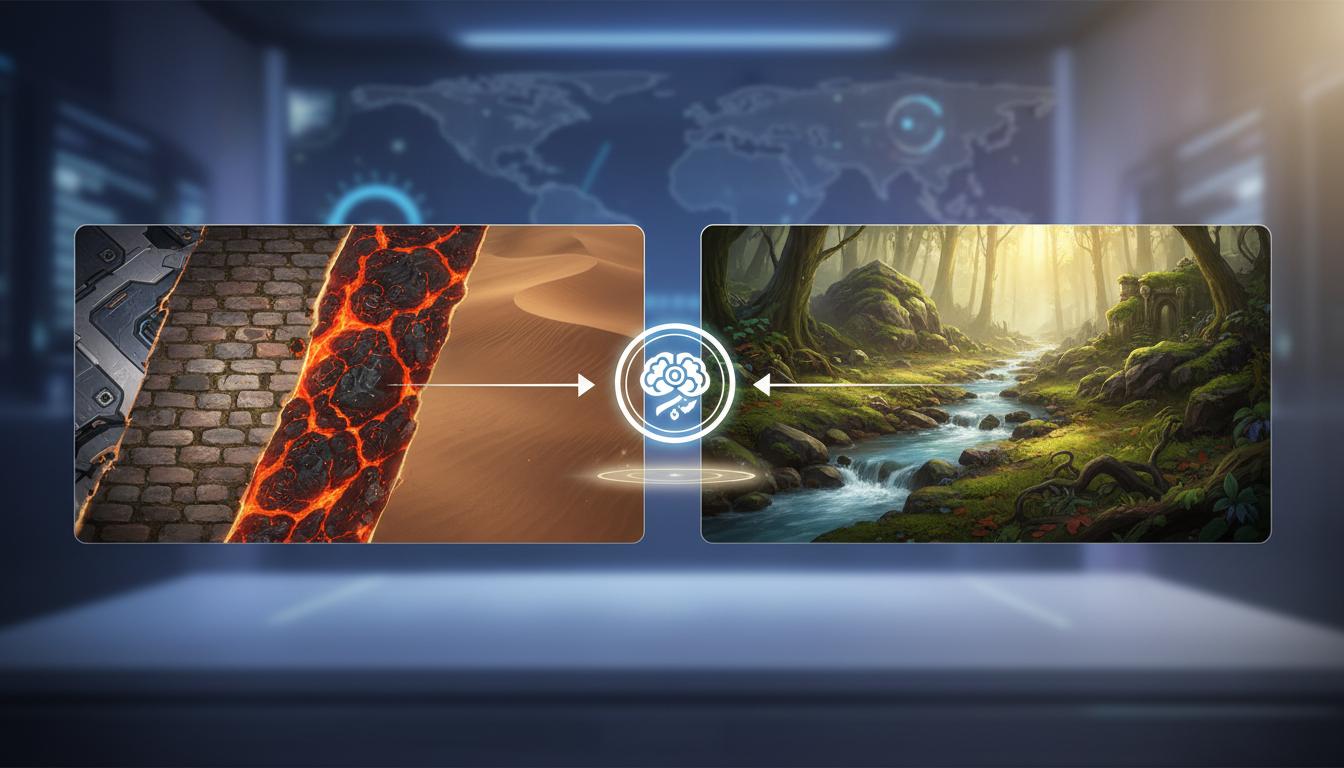
A stronger material brief helps multiple textures feel like they belong to one location instead of a random mix.
Open Workspace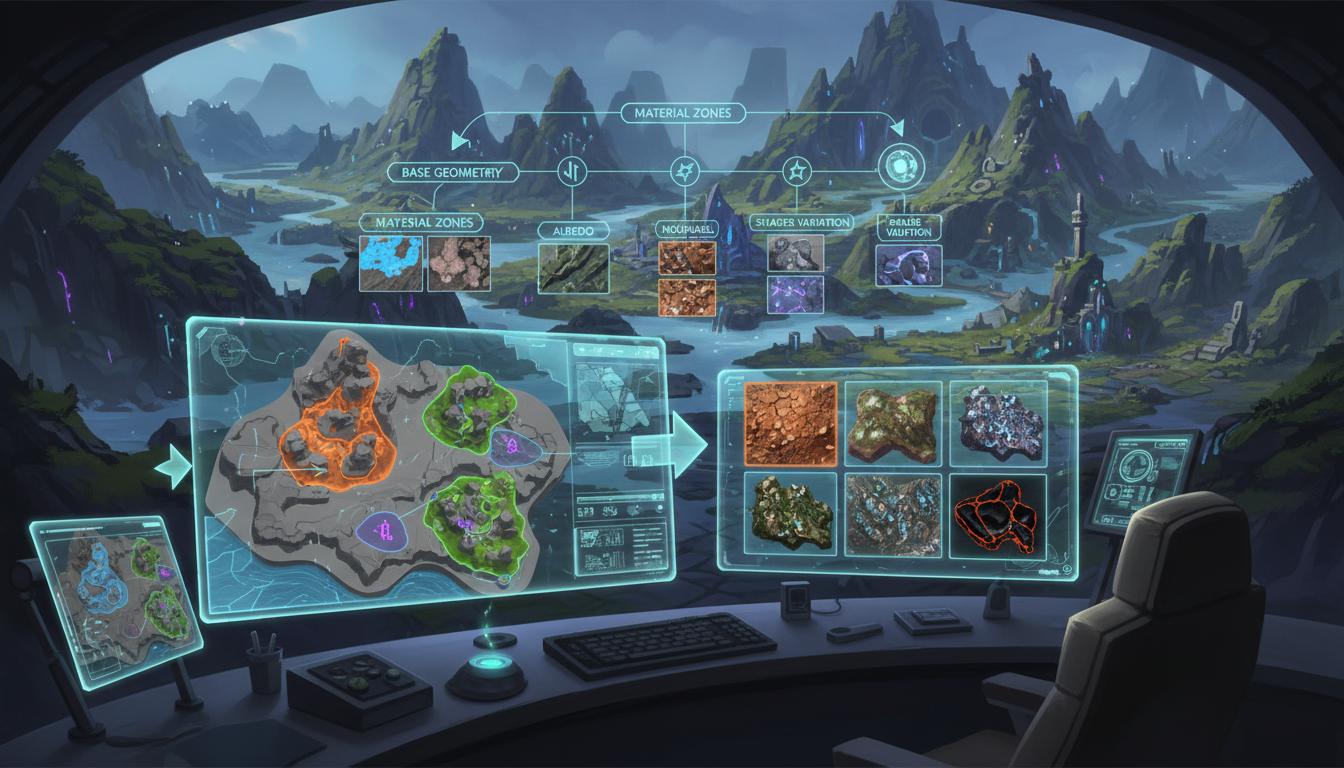
The output can clarify which details matter most before authoring albedo, roughness, normal, or shader variation.
Open Workspace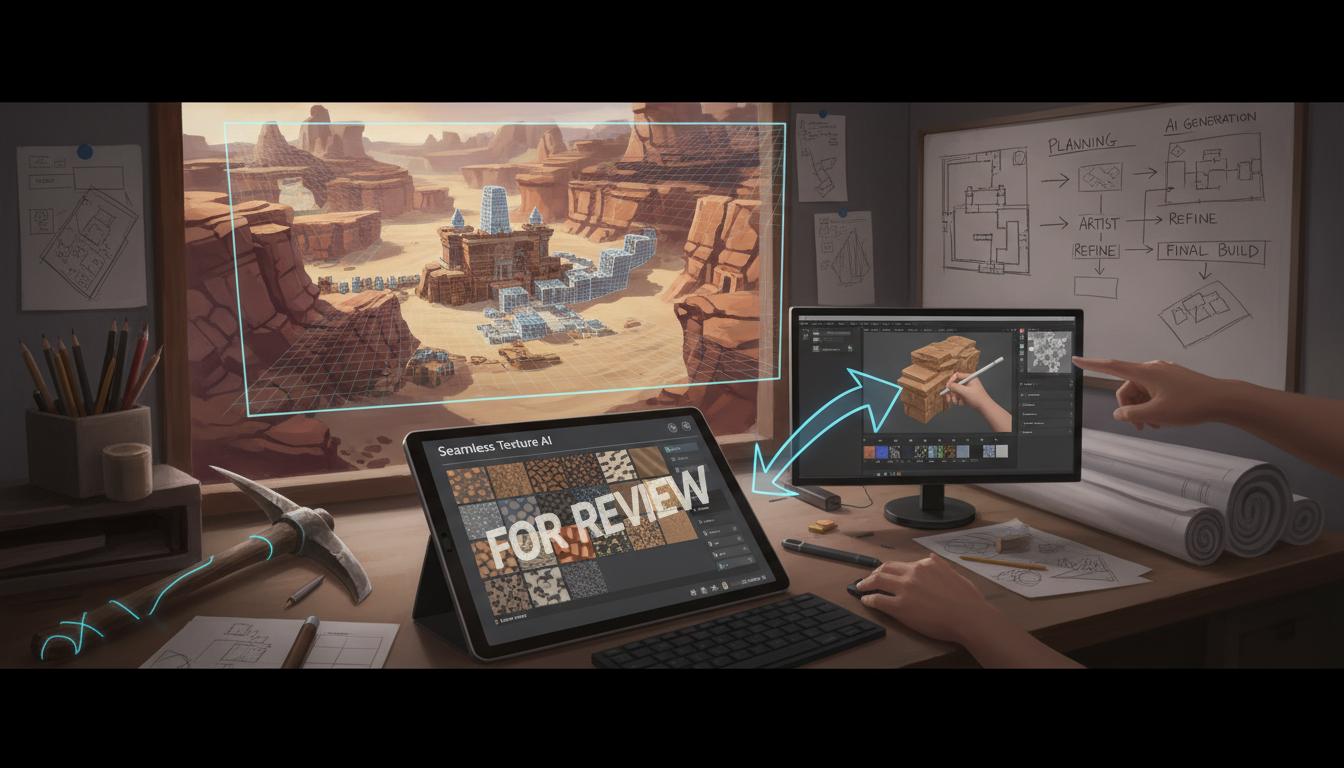
The page should promise direction and planning help, not imply final production-ready texture maps without artist review.
Open WorkspaceComparison
Use this page to understand where seamless game texture ai helps most in a real workflow.
| Criteria | Seamless Game Texture AI for Tileable World-Building Workflows | Manual workflow | Generic prompt-only ideation |
|---|---|---|---|
| Time to first usable direction | Fast | Slow | Fast |
| Best stage | Prototype and pre-production | Production execution | Early ideation only |
| Iteration cost | Low | High | Low |
| Review boundary clarity | High | High | Low |
| Technical production readiness | Needs review | Strong when finished | Not applicable |
| Team alignment speed | High | Medium | Medium |
Who This Tool Page Is For
The strongest use cases appear when one team needs seamless game texture ai direction quickly, not a final production asset immediately.
Use clearer prompts and structured outputs to move from idea to a reviewable direction without waiting on a full production pass.
Open WorkspaceCompare scope, style, and production trade-offs earlier so implementation starts from a cleaner brief.
Open WorkspaceBring stronger first-pass options into review and decide which path deserves deeper production effort.
Open WorkspaceEnvironment art pipelines often fail when a material looks fine once, but breaks down when repeated across a wall, floor, cliff, or biome. A seamless game texture AI workflow is useful because it helps teams think about repeat safety, variation, and mood before expensive texture work starts.
The most helpful result is a clear texture brief that explains surface character, pattern density, and how visible repetition should be controlled. That can guide stylized terrain, dungeon walls, sci-fi floors, cave materials, and other environment surfaces that need consistency.
You still need artist judgment for authored maps, shader behavior, texture resolution, and in-engine lighting tests. The honest promise is faster material planning and worldbuilding alignment, not one-step final texture shipping.
How It Works
State the material type, game genre, art style, and how the surface will appear in the scene. Seele AI frames the base surface language, repetition risk, and variation strategy for a tileable texture.
Ask for one or more seamless texture approaches with different wear, pattern density, or mood. Seele AI proposes repeat-safe material directions and surface details to compare.
Select the route that best matches your biome, set dressing, or material library needs. Seele AI condenses the chosen route into a clearer brief for texture production or environment art follow-up.
What You Get
A structured definition of material mood, tiling needs, and visual constraints.
Alternative approaches for breakup, wear, and pattern density before production locks.
A concise summary of how the chosen texture direction should behave in-world.
Where This Works Best
It is best for planning tileable material direction, surface variation, and repetition control before full texture production starts. Teams use it to get to a cleaner environment-art brief faster.
Yes. It can support stylized, painterly, realistic, sci-fi, fantasy, and top-down material workflows as long as the prompt defines the visual target clearly.
No. Final texture authoring, map packing, shader tuning, and compression still need production work. The workflow is strongest as a planning and direction layer.
Include the surface type, wear level, art style, camera distance, biome or setting, and where repeating patterns would be most visible. Those details make the output more practical.
Large repeated surfaces can break immersion quickly if tiling is obvious. Planning variation and breakup early makes environment production more consistent and easier to evaluate.
Join thousands building with Seele AI — no setup required.
Open Workspace