
Browser Arcade Prototype
Convert a simple idea into a tight playable loop.
Browser Arcade Prototype Convert a simple idea into a tight playable loop. Search thisSeele AI · Tool
Describe a game idea in plain language and turn it into a playable concept direction with mechanics, loop, and scope notes.
Start with a specific text to playable game ai need, then carry that prompt into the workspace for deeper iteration and follow-up planning.
Quick Start Searches
Pick a concrete text to playable game ai scenario and jump into the workspace with a stronger starting prompt.
Convert a simple idea into a tight playable loop.
Browser Arcade Prototype Convert a simple idea into a tight playable loop. Search this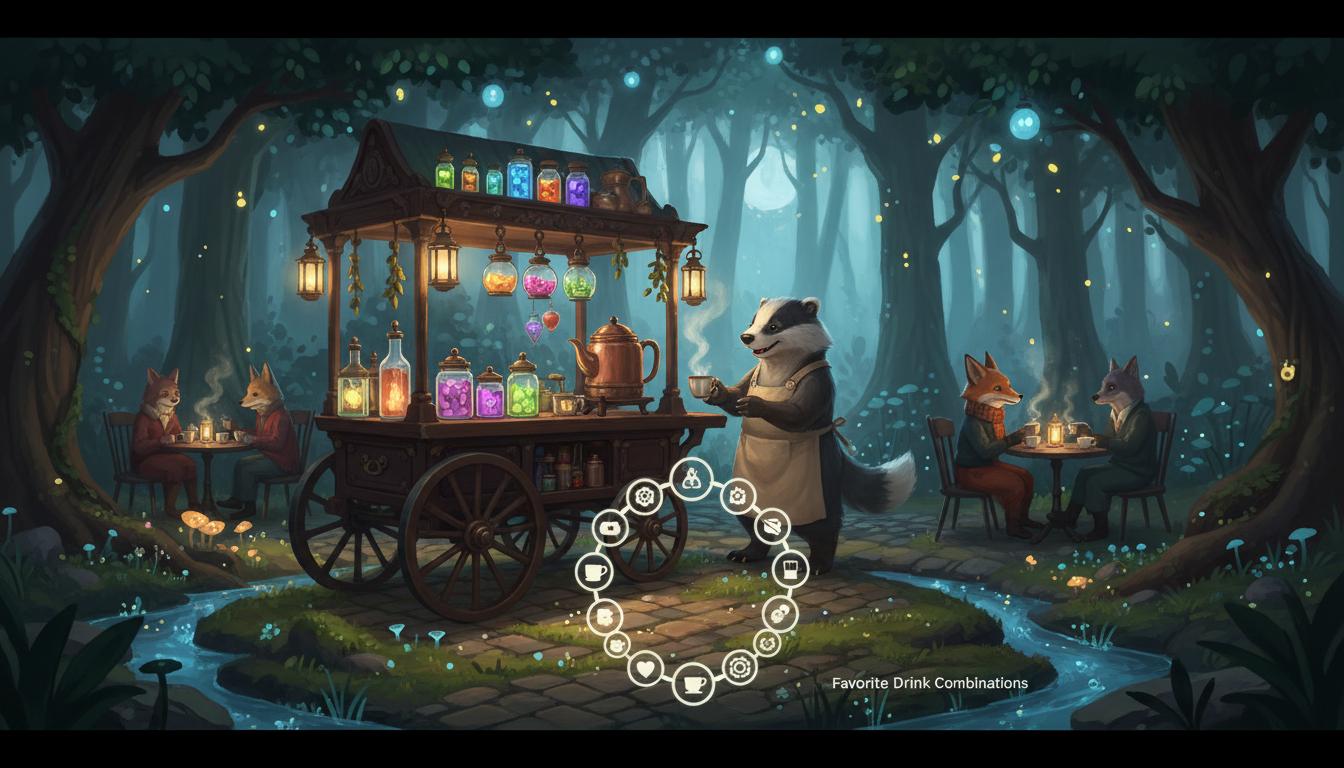
Outline a gentle prototype with repeating player rhythm.
Cozy Management Loop Outline a gentle prototype with repeating player rhythm. Search this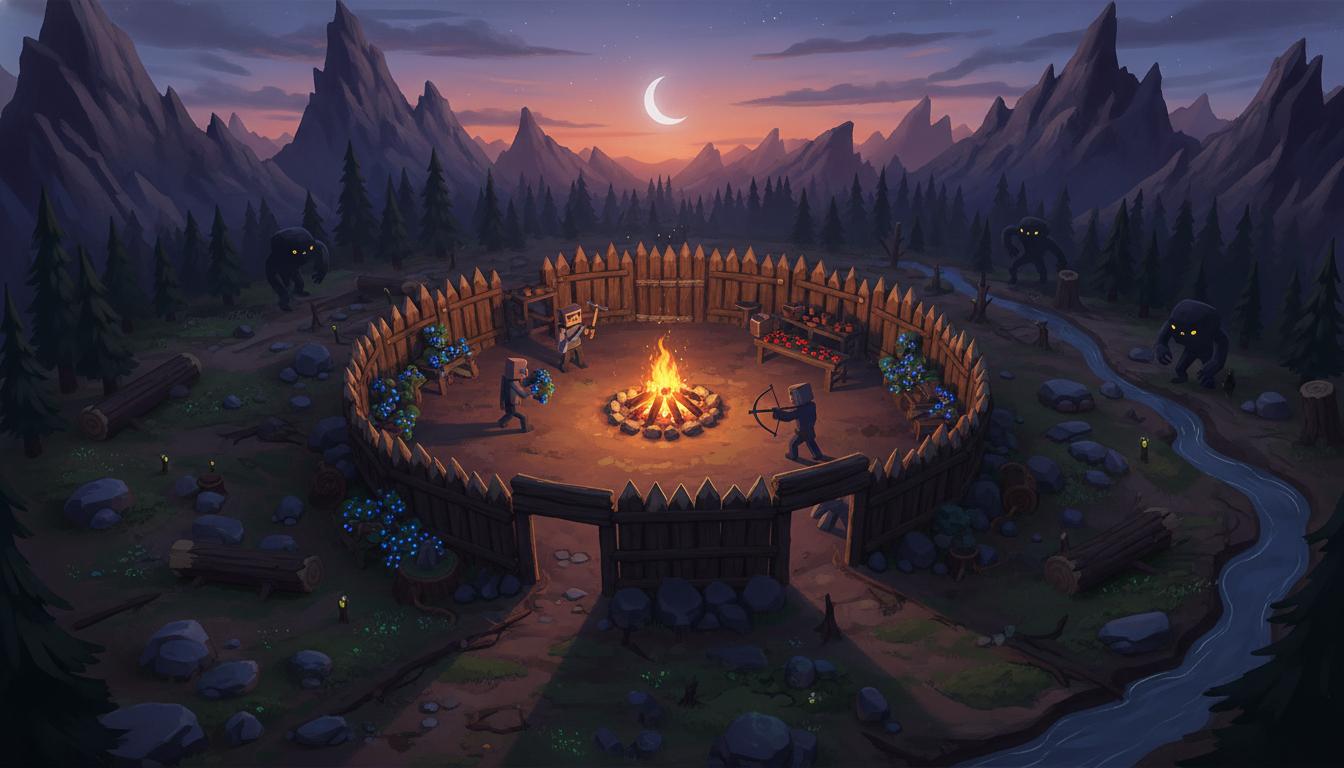
Plan one strong survival loop from a plain-language pitch.
Top-Down Survival Seed Plan one strong survival loop from a plain-language pitch. Search this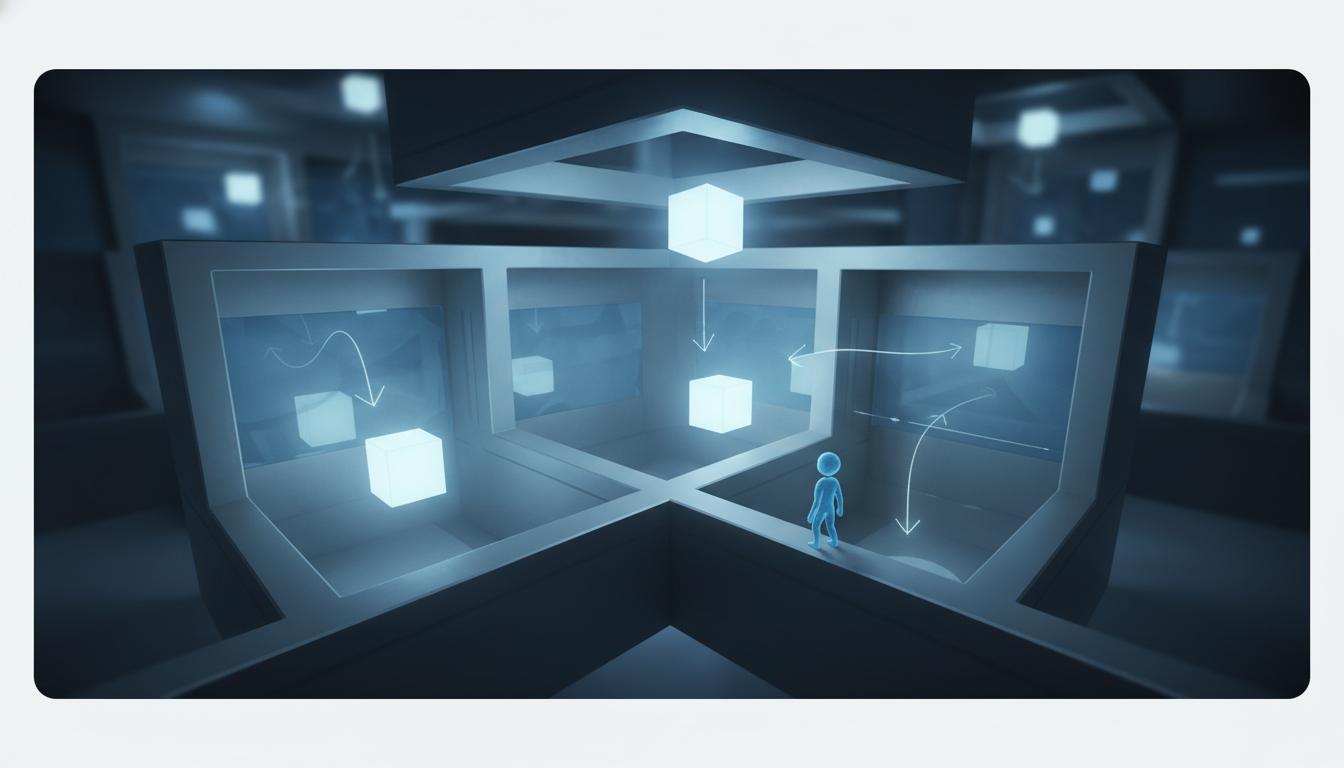
Center the prototype around one distinctive mechanic.
Puzzle Mechanic Prototype Center the prototype around one distinctive mechanic. Search this
Blend interaction and dialogue into a small interactive format.
Narrative Mini-Game Blend interaction and dialogue into a small interactive format. Search this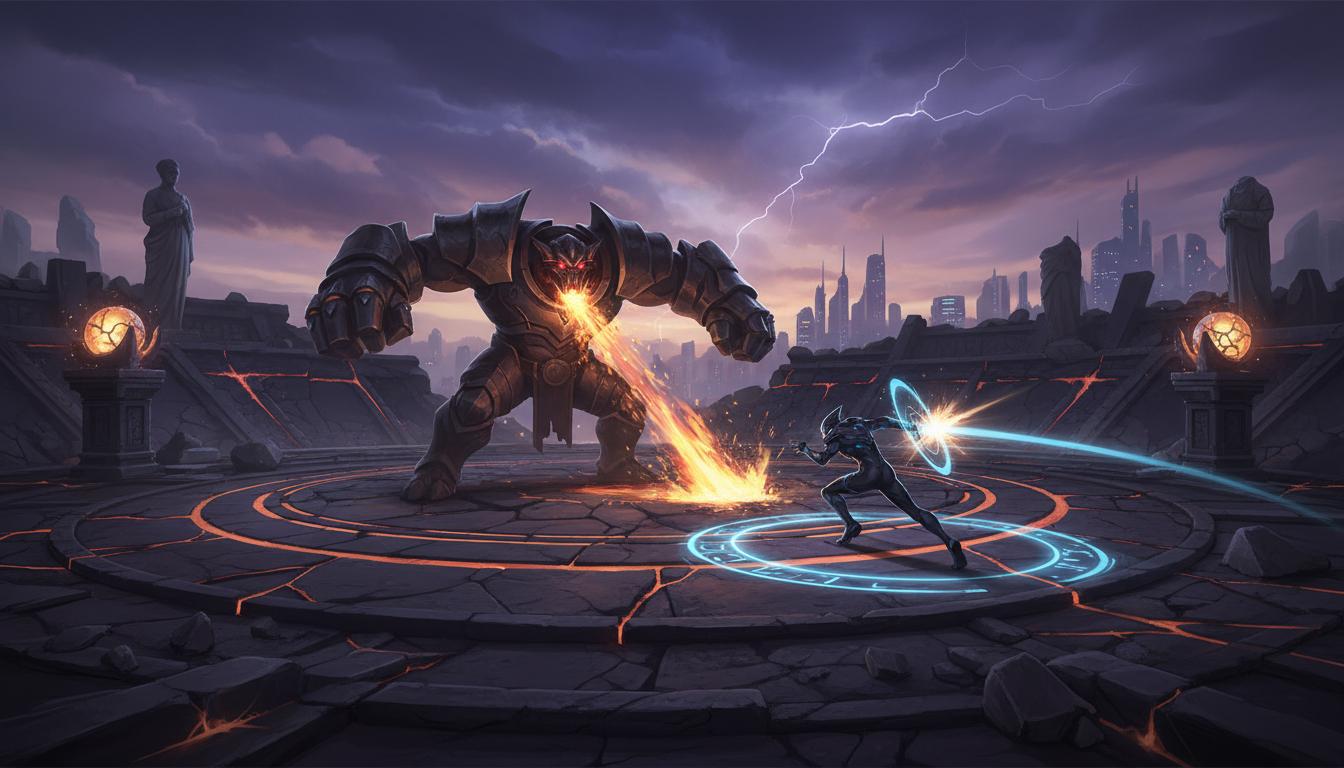
Scope a single focused combat prototype.
Action Boss Test Scope a single focused combat prototype. Search thisCore Features
This page is strongest when you need clearer text to playable game ai direction before expensive production steps begin.
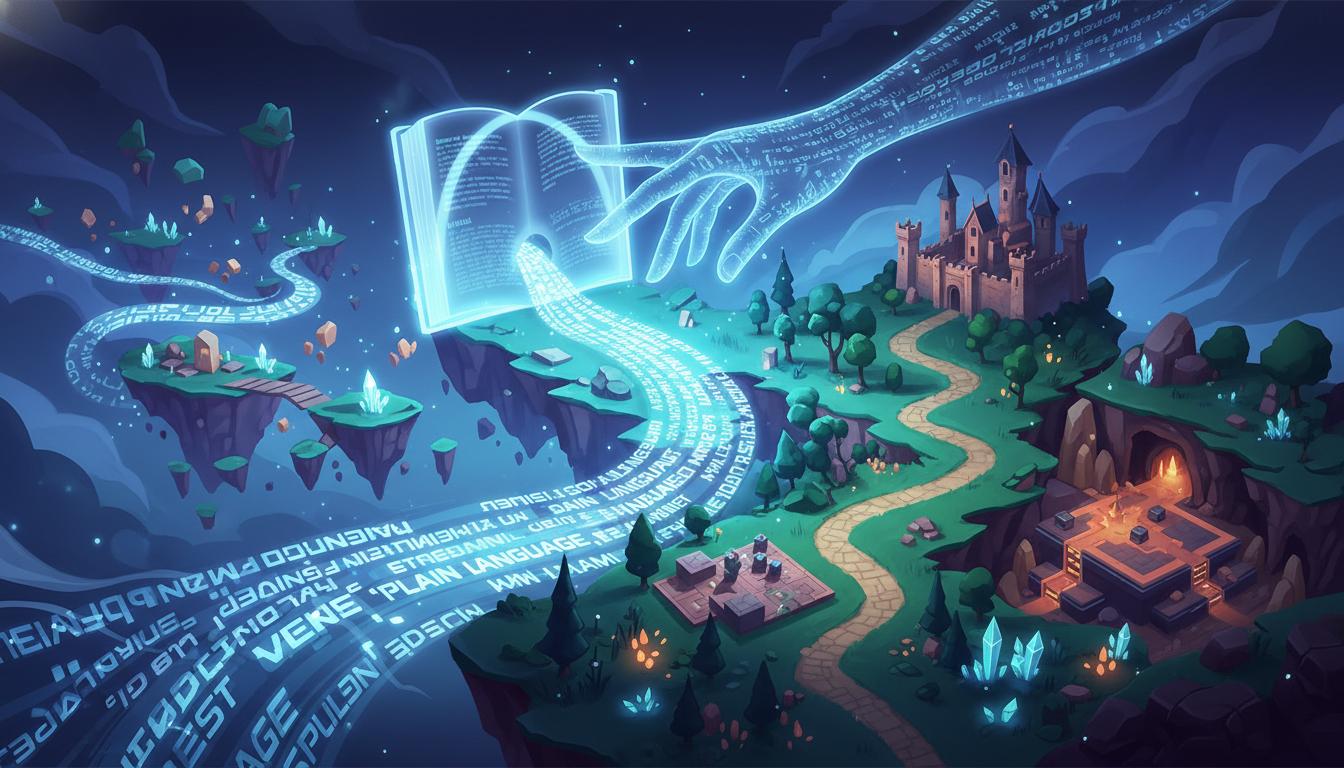
Useful when someone has a game idea in words but needs help shaping it into a playable concept with clearer boundaries.
Plain-Language Entry Point Useful when someone has a game idea in words but needs help shaping it into a playable concept with clearer boundaries. Open Workspace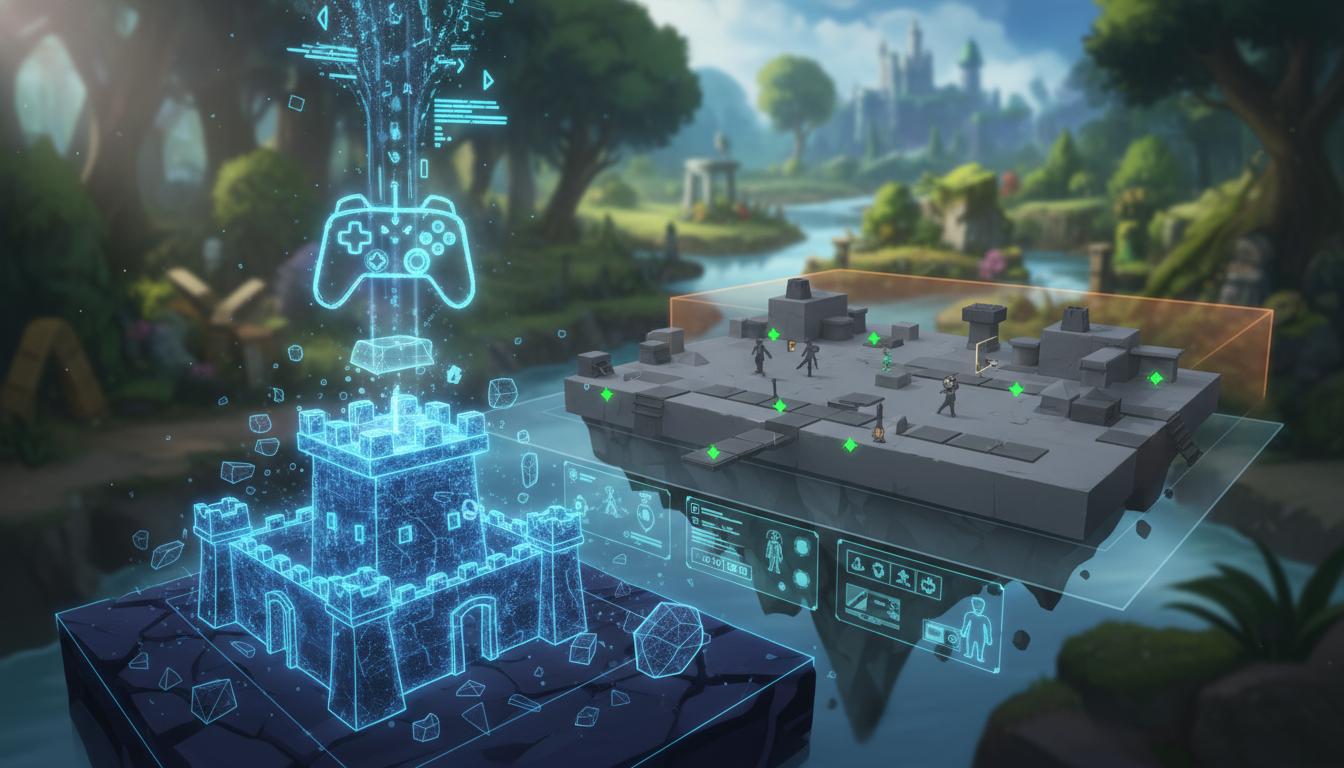
Keeps the promise on rapid playable direction rather than implying one-click commercial game shipping.
Prototype-First Positioning Keeps the promise on rapid playable direction rather than implying one-click commercial game shipping. Open Workspace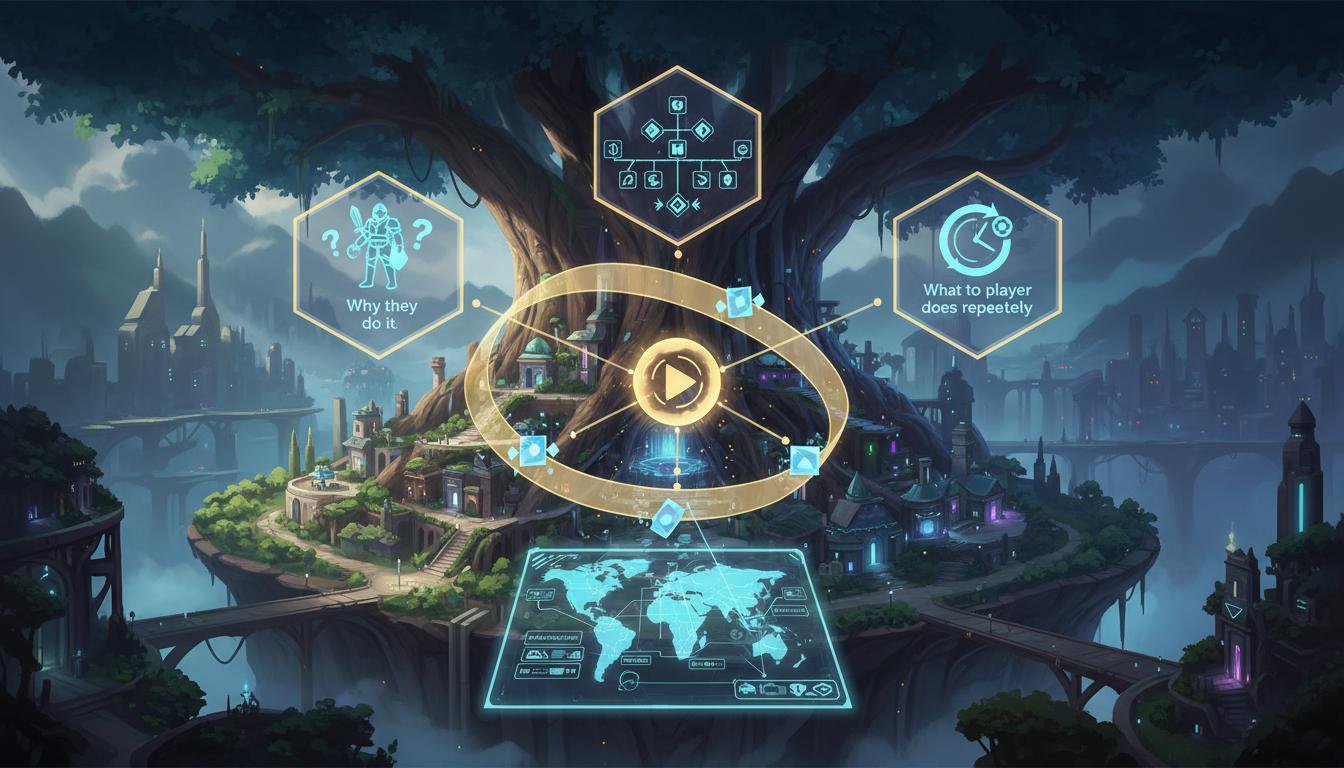
Helps define what the player does repeatedly, why they do it, and where the concept might gain depth.
Core Loop Framing Helps define what the player does repeatedly, why they do it, and where the concept might gain depth. Open Workspace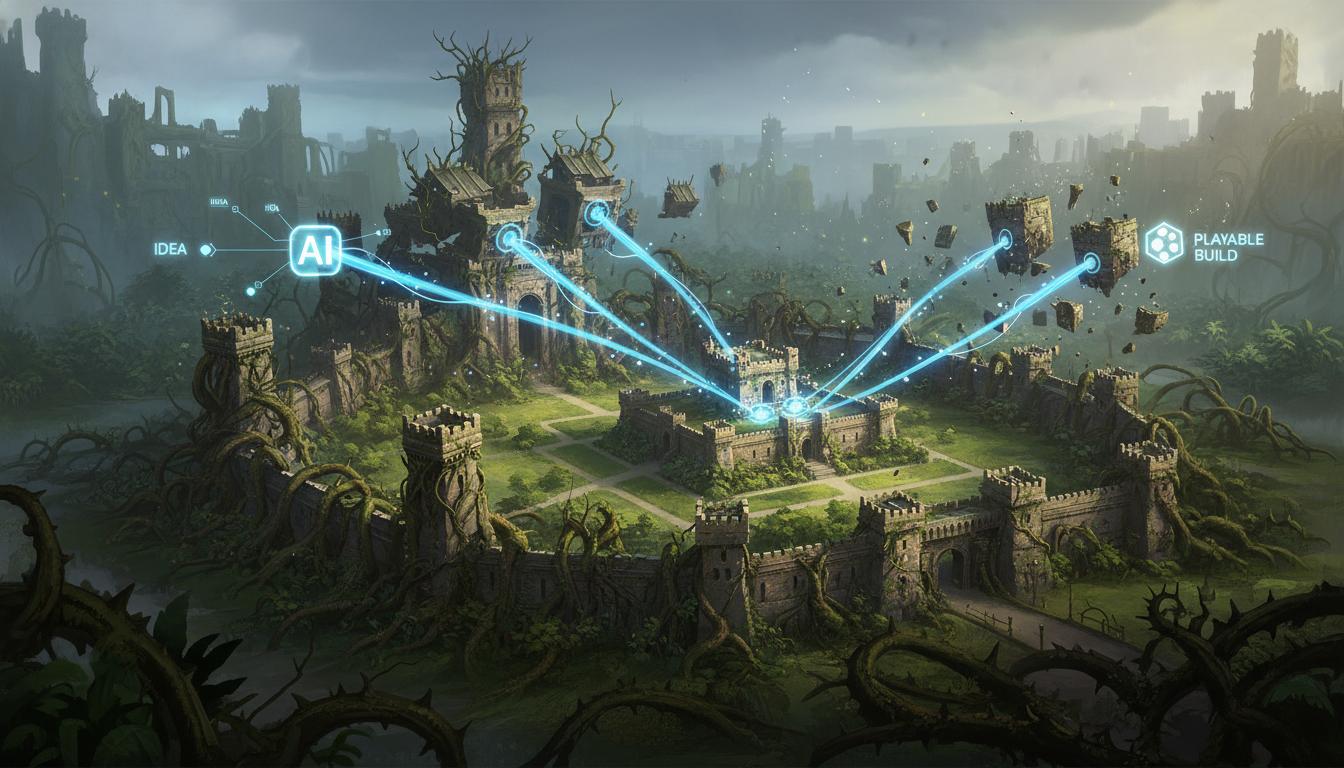
Useful for trimming a broad game idea into something smaller and more realistic for a first playable version.
Scope Reduction Support Useful for trimming a broad game idea into something smaller and more realistic for a first playable version. Open Workspace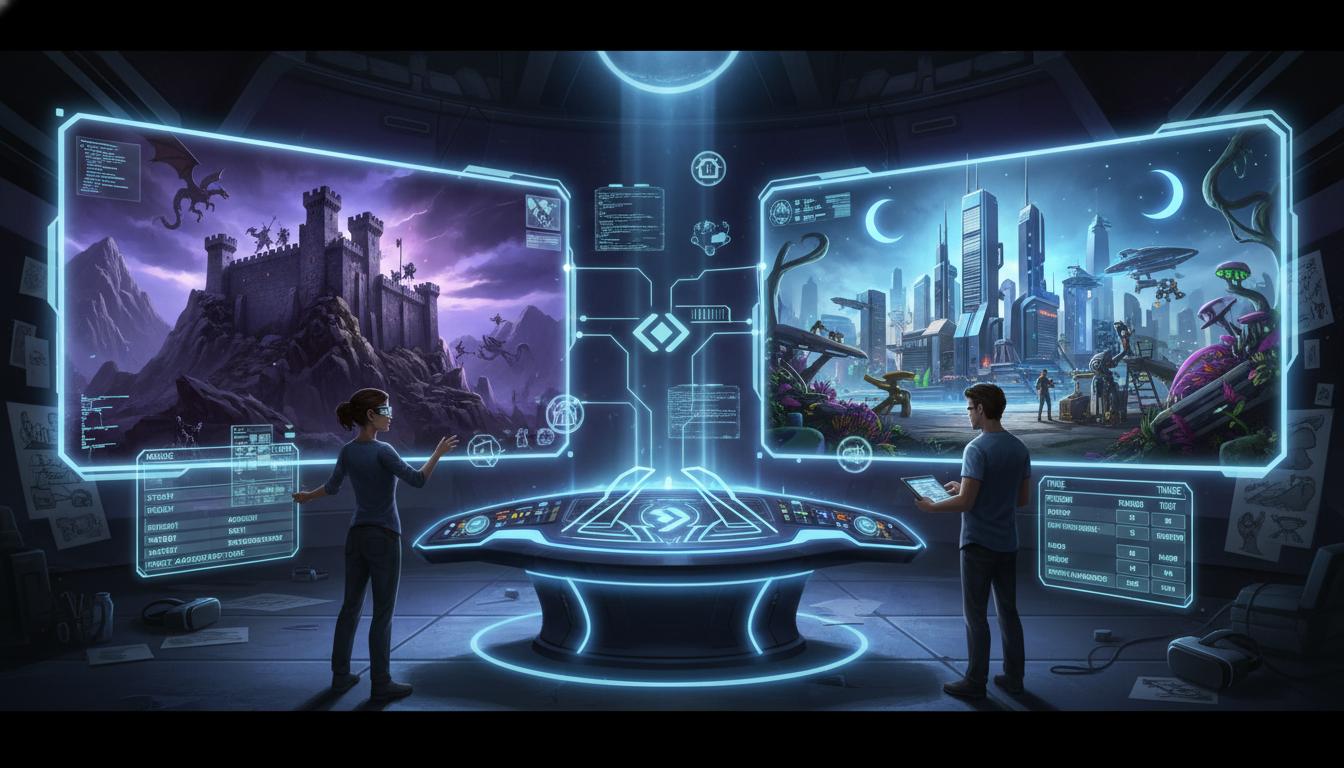
Makes it easier to test several mechanic and theme combinations from similar prompts without rebuilding every brief manually.
Good For Comparing Concepts Makes it easier to test several mechanic and theme combinations from similar prompts without rebuilding every brief manually. Open Workspace
Balance, UX, production scope, and final release readiness still require human review and iteration.
Review Boundary Stays Visible Balance, UX, production scope, and final release readiness still require human review and iteration. Open WorkspaceComparison
| Criteria | Text to Playable Game AI | Manual workflow | Generic prompt-only ideation |
|---|---|---|---|
| Time to first usable direction | Fast | Slow | Fast |
| Best stage | Prototype and pre-production | Production execution | Early ideation only |
| Iteration cost | Low | High | Low |
| Review boundary clarity | High | High | Low |
| Technical production readiness | Needs review | Strong when finished | Not applicable |
| Team alignment speed | High | Medium | Medium |
Who This Tool Page Is For
The strongest use cases appear when one team needs text to playable game ai direction quickly, not a final production asset immediately.
Use faster page-specific prompts and planning outputs to move from idea to reviewable direction without waiting on a full production pass.
Indie Game Teams Use faster page-specific prompts and planning outputs to move from idea to reviewable direction without waiting on a full production pass. Open WorkspaceCompare scope, style, and production trade-offs earlier so later implementation work starts from a clearer brief.
Designers And Technical Artists Compare scope, style, and production trade-offs earlier so later implementation work starts from a clearer brief. Open WorkspaceBring stronger first-pass options into review and decide which direction deserves deeper production effort.
Creative Leads Bring stronger first-pass options into review and decide which direction deserves deeper production effort. Open WorkspaceMany game ideas arrive as a paragraph, not a plan. A text to playable game AI workflow helps transform that paragraph into a clearer loop, progression idea, and scope-aware prototype brief.
This approach is especially useful for teams exploring browser games, mini-games, internal prototypes, and early feature tests. It reduces the time spent turning vague concepts into something concrete enough to discuss or build.
The workflow should be framed around fast concept creation and prototype shaping. It should not imply that a complete commercial game can be shipped automatically without human design, development, and QA work.
How It Works
Write the theme, player goal, mechanics, and any desired platform or scope limits. Seele AI converts the prompt into a structured playable concept with loop and feature framing.
Adjust mechanics, difficulty, content length, visual style, or target audience. Seele AI narrows the concept into a cleaner prototype plan with feature priorities and iteration prompts.
Choose the strongest version and identify what must be tested first. Seele AI packages the idea into reusable prompt language and review notes for prototype building.
What You Get
Defines the core loop, player objective, and high-level game structure from a text prompt.
Breaks the idea into core features, optional extras, and likely test priorities.
Provides follow-up prompts for mechanics, art direction, polish, or feature variants.
Where This Works Best
Where This Works Best
In practice, text to playable game ai means turning a written game idea into a more structured playable concept with a core loop, feature outline, and prototype direction. It is most useful for early-stage ideation and scope framing.
The safer promise is fast playable concept direction, not one-click commercial game shipping. Human review is still needed for production scope, polish, balance, retention, and release readiness.
Include the player goal, genre, theme, target platform, core mechanics, and any size or time constraints. Clear constraints usually lead to a more practical prototype outline.
Yes. Browser-sized prototypes are a strong fit because the workflow can help narrow the loop, feature set, and interaction scope into something more testable.
You should still review scope, implementation feasibility, UX, balancing, retention, and whether the idea is strong enough to justify further investment. The output is an acceleration layer for prototyping, not a finished product guarantee.