
Neon Detective
Build a concept from atmosphere and story tone.
Neon Detective Build a concept from atmosphere and story tone. Search thisSeele AI · Tool
Start from the feel of the game, then turn that creative direction into structured prompts, scenes, and prototype decisions.
Start with a specific vibe coding for games need, then carry that prompt into the workspace for deeper iteration and follow-up planning.
Quick Start Searches
Pick a concrete vibe coding for games scenario and jump into the workspace with a stronger starting prompt.
Build a concept from atmosphere and story tone.
Neon Detective Build a concept from atmosphere and story tone. Search this
Shape a soft visual mood into a playable loop.
Cozy Watercolor Shape a soft visual mood into a playable loop. Search this
Start from style and momentum rather than rigid design docs.
Retro Racer Start from style and momentum rather than rigid design docs. Search this
Turn mystical ambience into mechanics and scenes.
Forest Ritual Turn mystical ambience into mechanics and scenes. Search this
Draft a lighthearted concept around texture and curiosity.
Playful Toybox Draft a lighthearted concept around texture and curiosity. Search this
Build a reflective experience from emotional direction.
Melancholy Voyage Build a reflective experience from emotional direction. Search thisCore Features
This page is strongest when you need clearer vibe coding for games direction before expensive production steps begin.
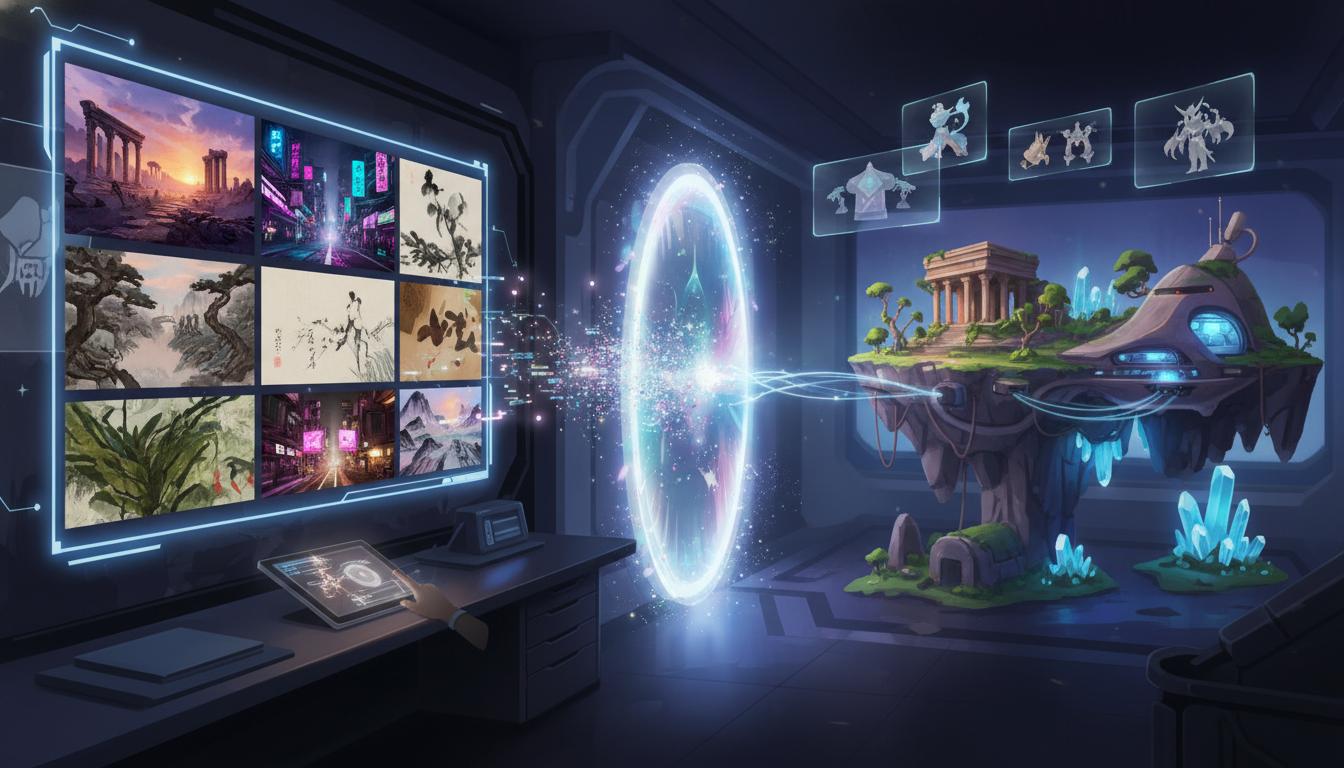
Start from references, feeling, and atmosphere instead of needing a full spec upfront.
Moodboard-To-Concept Flow Start from references, feeling, and atmosphere instead of needing a full spec upfront. Open Workspace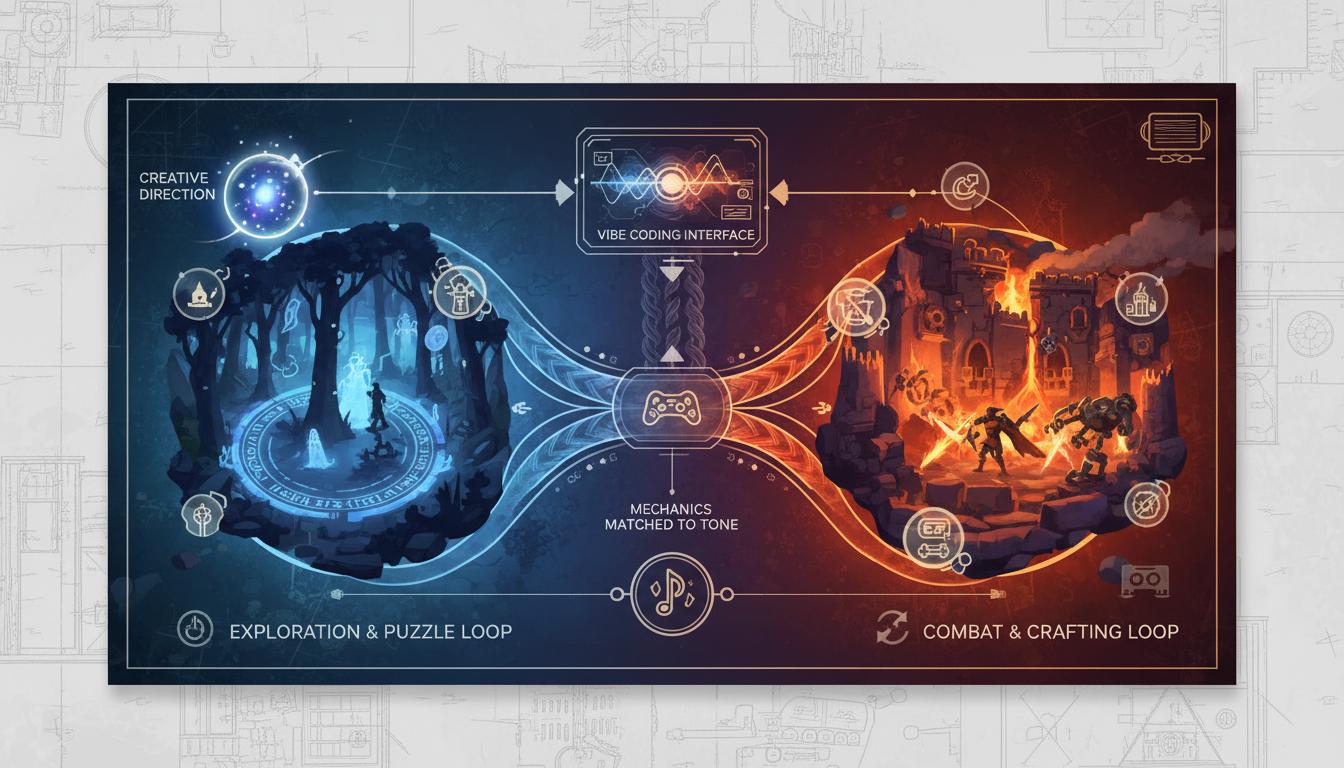
Translate creative direction into actions and loops that feel coherent with the vibe.
Mechanics Matched To Tone Translate creative direction into actions and loops that feel coherent with the vibe. Open Workspace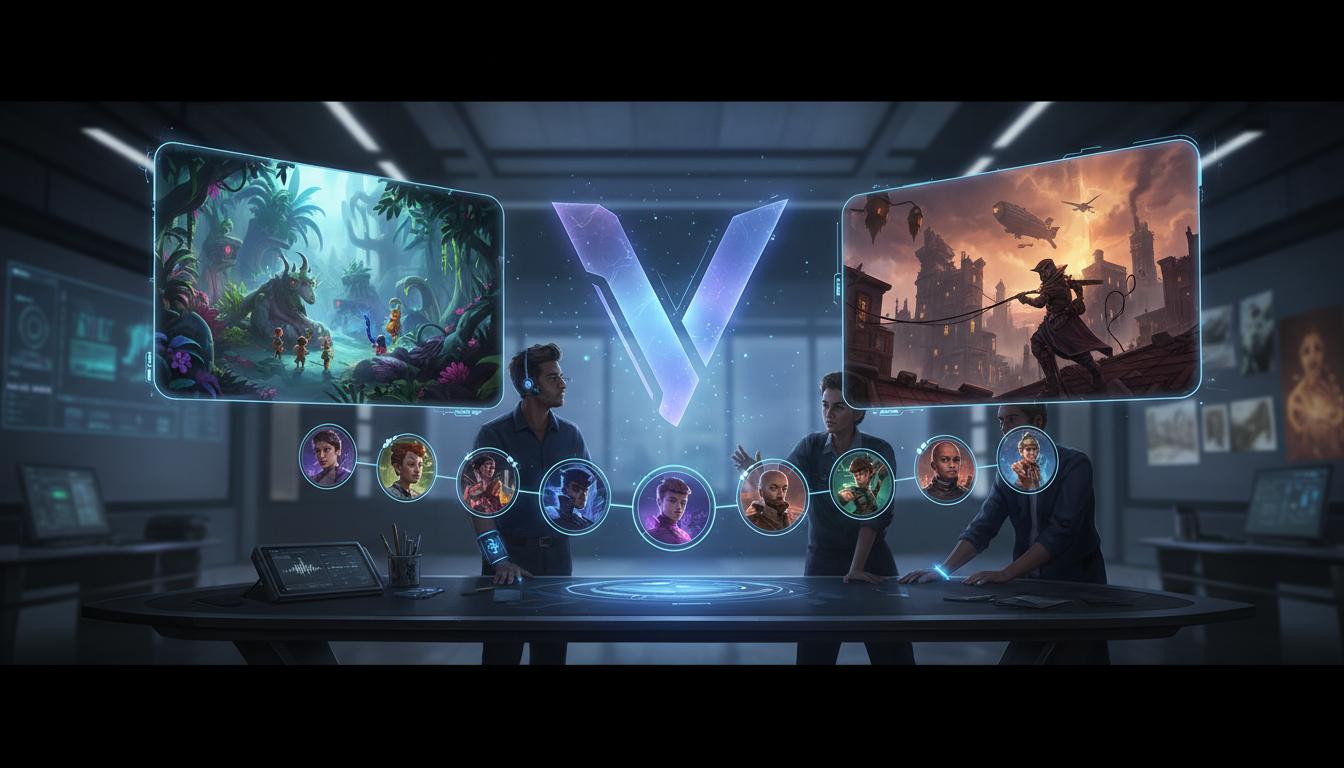
Generate moments, encounters, and environment ideas that fit the intended mood.
Scene-Level Ideation Generate moments, encounters, and environment ideas that fit the intended mood. Open Workspace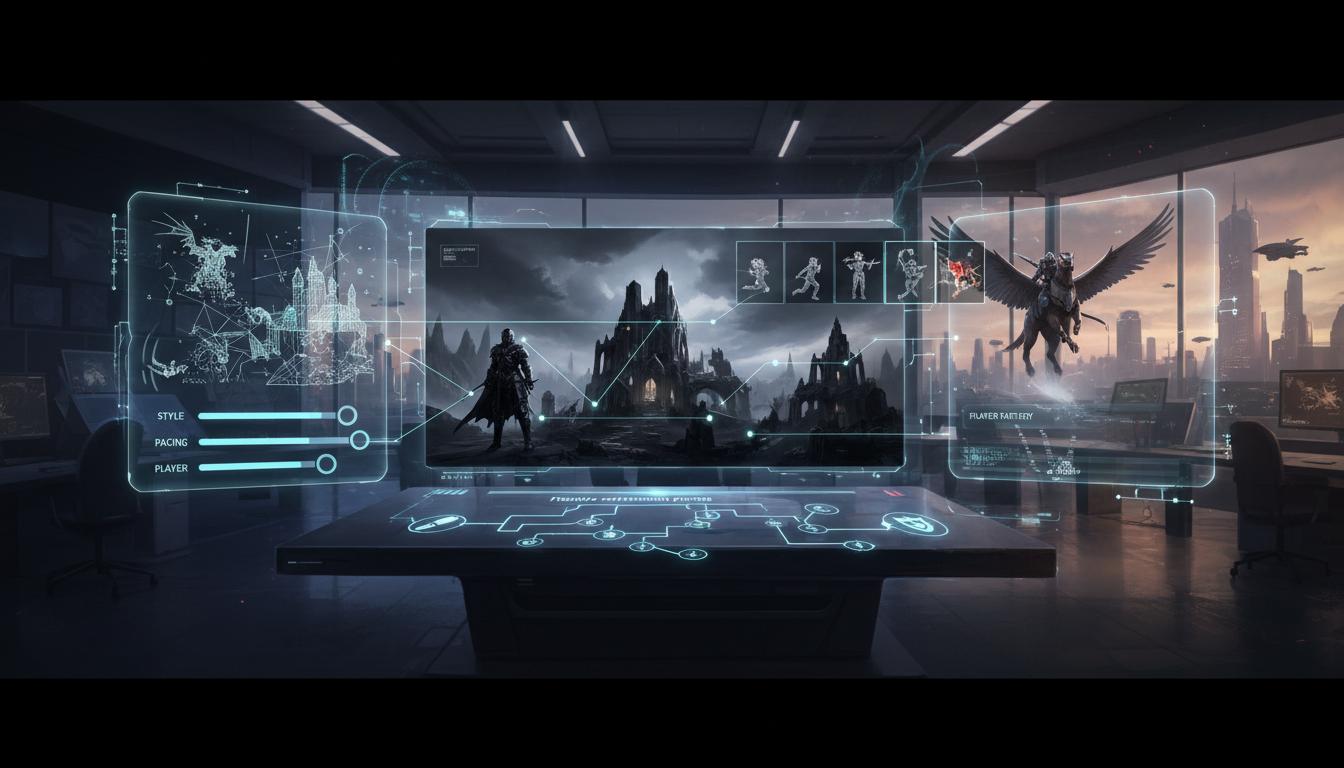
Evolve a concept by deepening style, pacing, or player fantasy one step at a time.
Flexible Refinement Prompts Evolve a concept by deepening style, pacing, or player fantasy one step at a time. Open Workspace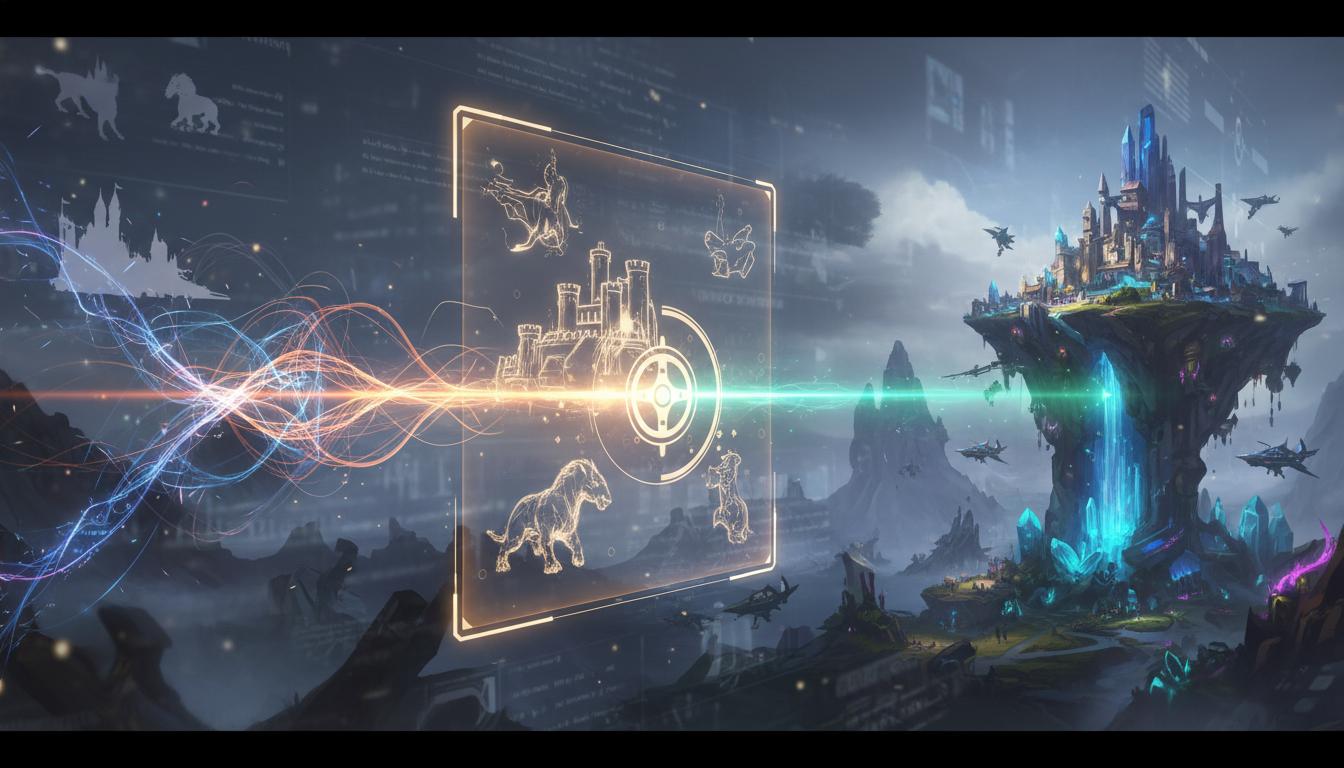
Use references as creative guidance while steering toward original concepts.
Original Direction Support Use references as creative guidance while steering toward original concepts. Open Workspace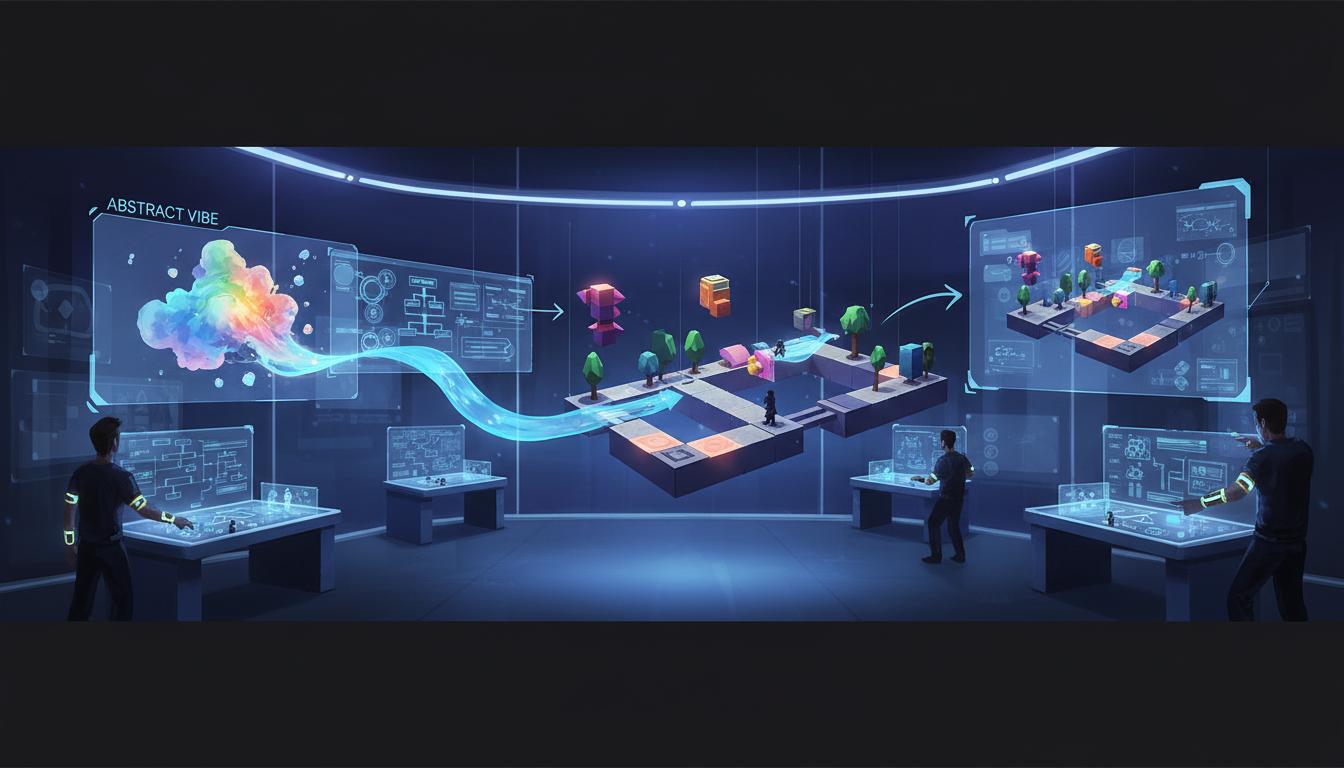
Turn an abstract vibe into something concrete enough to test and review.
Prototype-Friendly Structure Turn an abstract vibe into something concrete enough to test and review. Open WorkspaceComparison
| Criteria | Vibe Coding for Games | Explore Game Ideas Faster From Creative Direction | Manual workflow | Generic prompt-only ideation |
|---|---|---|---|
| Time to first usable direction | Fast | Slow | Fast |
| Best stage | Prototype and pre-production | Production execution | Early ideation only |
| Iteration cost | Low | High | Low |
| Review boundary clarity | High | High | Low |
| Technical production readiness | Needs review | Strong when finished | Not applicable |
| Team alignment speed | High | Medium | Medium |
Who This Tool Page Is For
The strongest use cases appear when one team needs vibe coding for games direction quickly, not a final production asset immediately.
Use clearer prompts and structured outputs to move from idea to a reviewable direction without waiting on a full production pass.
Indie Game Teams Use clearer prompts and structured outputs to move from idea to a reviewable direction without waiting on a full production pass. Open WorkspaceCompare scope, style, and production trade-offs earlier so implementation starts from a cleaner brief.
Designers And Technical Artists Compare scope, style, and production trade-offs earlier so implementation starts from a cleaner brief. Open WorkspaceBring stronger first-pass options into review and decide which path deserves deeper production effort.
Creative Leads Bring stronger first-pass options into review and decide which path deserves deeper production effort. Open WorkspaceVibe coding for games is useful when the emotional or aesthetic direction comes before a formal design document. You can begin with a mood, set of references, or player fantasy, then turn that into a concept draft that is easier to discuss and prototype.
This approach works well in early concept development, especially for teams that think in visual or experiential terms first. It helps bridge the gap between a loose creative direction and a more structured prototype plan.
The value here is not guaranteed full-code autopilot. The value is faster translation from vibe to concept, scene ideas, refinement prompts, and clearer decisions about what to build or test next.
How It Works
What You Get
A structured draft connecting vibe, mechanics, and player experience.
Suggested scenarios, moments, and actions that match the desired tone.
Follow-up prompts to deepen style, pacing, or game loop clarity.
Where This Works Best
Where This Works Best
It means starting from tone, feeling, references, and player fantasy, then turning that into a clearer concept and prototype direction.
No. It helps structure and refine creative direction into usable planning outputs.
Yes. It is especially useful when the mood is clear but the systems still need discovery.
Yes, as long as you use them to guide original direction rather than copy a finished work.
You should review feasibility, scope, and whether the mechanics genuinely match the intended tone.